

The Plywood Protection Project Selects Winning Public Art Concepts Made from Discarded Boards
For some, it seems like yesterday when retailers and restaurants throughout Manhattan boarded up their storefronts in anticipation of the demonstrations surrounding police brutality and the contentious presidential election. While pandemic challenges persist, New York has somewhat stabilized, even felt occasionally optimistic, since the turbulent summer and fall of 2020, and that’s partly due to the Plywood Protection Project, an initiative by Worthless Studios, a nonprofit dedicated to supporting artists’ fabrication needs and producing public art. Founder Neil Hamamoto, a conceptual artist himself who has a mechanical engineering degree from Stanford University and installations planned for Google’s new Pier 57 offices, got the idea driving around SoHo, where he saw wood on the streets ready for disposal. “It just sort of clicked that all these businesses were paying so much money to protect their windows, but what was going to happen to the material when they reopened?” he told The New York Times last spring. (A single plywood board had risen to more than $90, up from about $25.)
Worthless collected over 200 discarded boards, then the Plywood Protection Project launched a call for proposals, of which five winners were awarded studio space, tools, and a stipend. More than 200 artists applied, and in May, one sculpture was installed in each of the boroughs. Behin Ha Design Studio’s Be Heard, a large-scale megaphone form at Thomas Pain Park, required over 30 boards. Although nearly 13 feet high, Tanda Francis used fewer for her Queensbridge Park sculpture, a black column carved with women’s faces inspired by Mama Wata, an African goddess “with a cleansing spirit for this world on fire.”
more
DesignWire
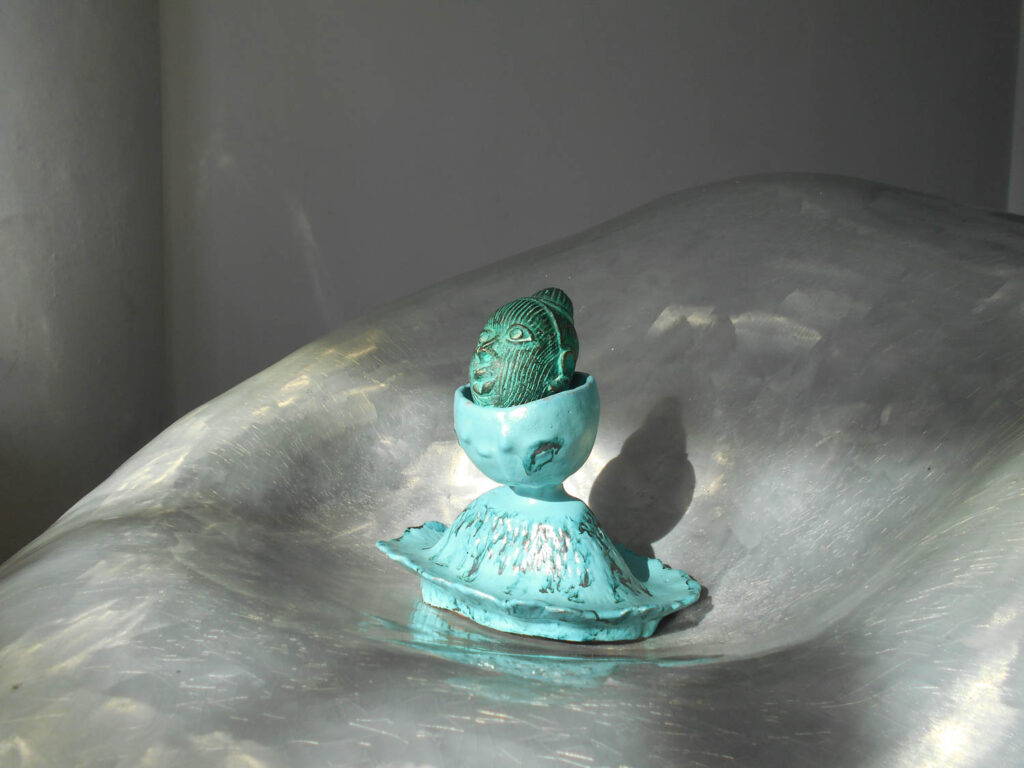
10 Questions With… Sculptor Aminata Mboup
Aminata Mboup discusses her practice, inspirations, fluidity between disciplines, as well as her unique approach to materials.
DesignWire
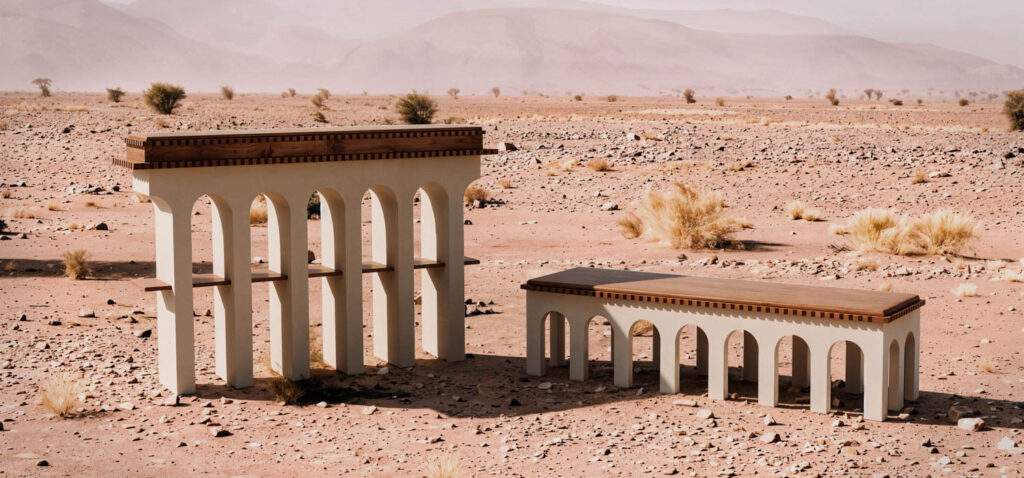
10 Highlights From Amman Design Week
Amman Design Week 2026 gathers a host of regional designers and architects under the theme ‘Accumulations.’
DesignWire
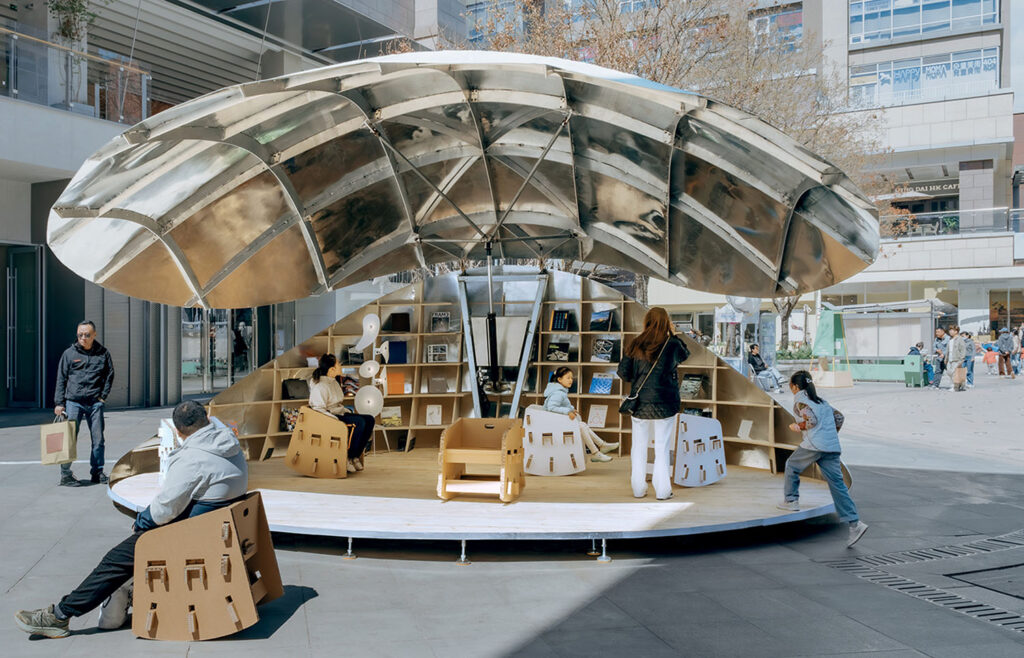
Beijing’s Fountain Plaza Welcomes A Futuristic Book Pavilion
Luo Architects’ Shell Book Pavilion in Beijing transforms collective reading into an experience with a biomorphic aluminum form that opens to reveal shelves of books.