
10 Questions With… Billy Cotton
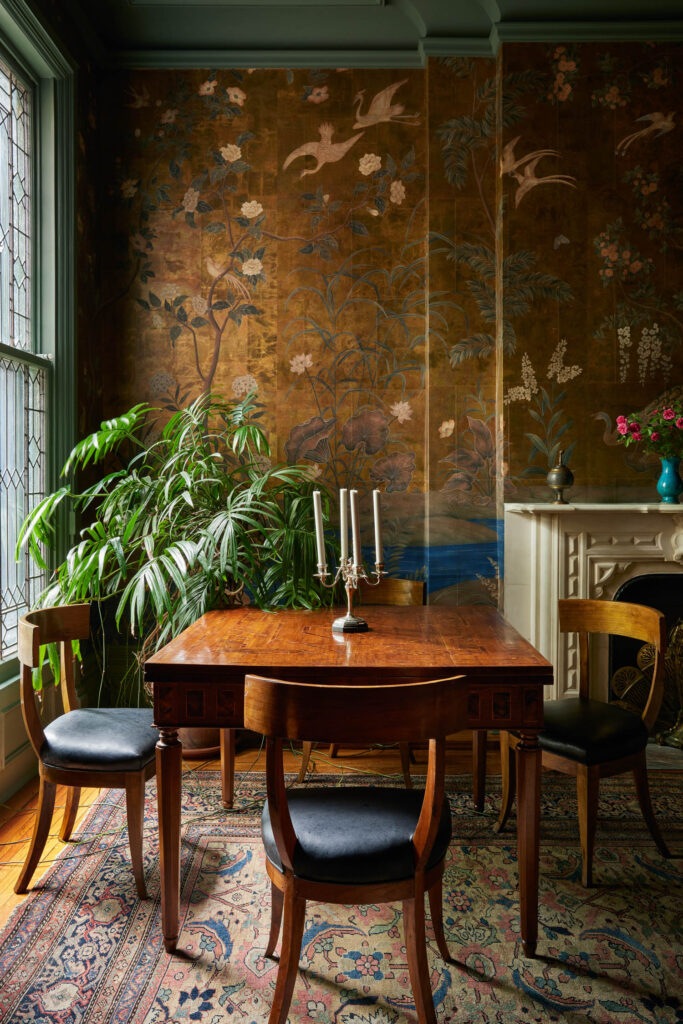
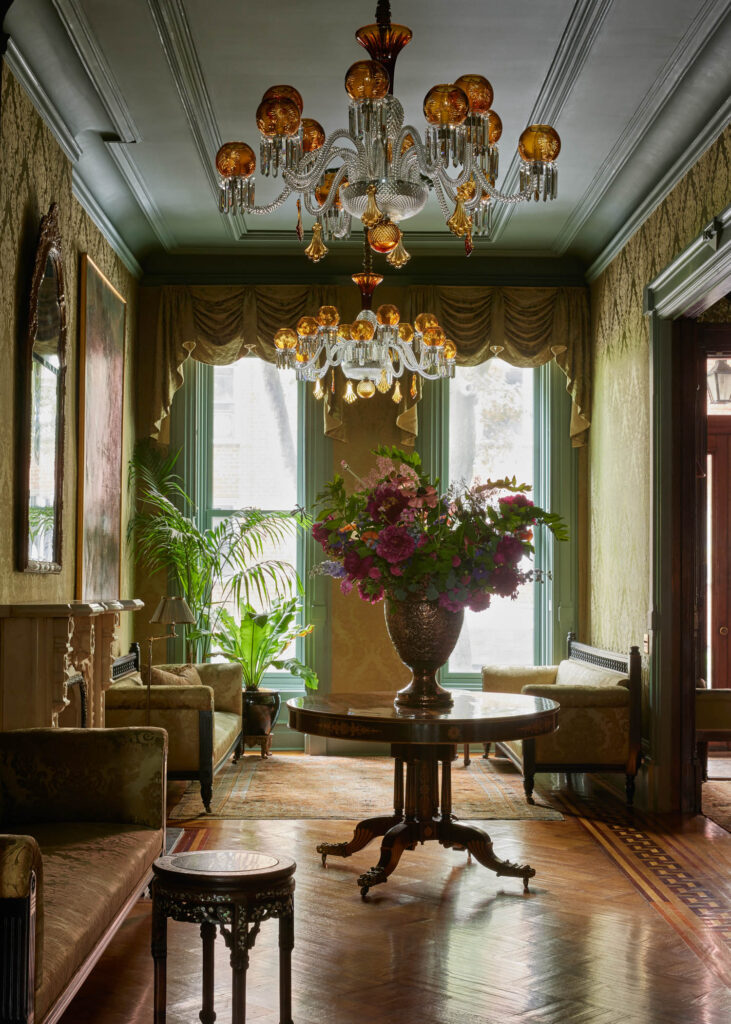
Billy Cotton is a go-to interior designer when it comes to spaces with layered textures that reflect the complexity of the humane experience which is, more than not, non-linear and richly deep. A potpourri of colors, surfaces begging to be touched, and patterns with absorbing configurations are synonymous with the New York-based designer’s visual vocabulary. Intimacy and exposure fall into an unlikely rhythm in Cotton’s vignettes of lush seating arrangements crowned with flamboyant mantels, soaring paintings, and elegant light fixtures. Moody and sexy at times, his interiors have lured artists, gallerists, and celebrities, as well as those drawn to vintage and custom-tailored pieces alike. “I’m grateful that nobody said to me, ‘oh, please do whatever you want to do’ because that would have been a lot,” Cotton tells Interior Design.
A passionate lover of antiques, he recommends “always looking for the things you love first”—followed by quick research measures before making a purchase. In-depth and, at times, years-long conversations with clients lead him to heirloom-hunt all over the world but New York City also has a lot to offer. “The best place is the City Opera Thrift Shop which is dangerously across from my office—you can only imagine opera patrons had great stuff,” he shares.

In Conversation With Interior Designer Billy Cotton
Interior Design: Let’s start with storytelling. Your interiors feature vignettes that reflect your clients’ stories. Could you talk about telling stories on behalf of those you design for?
Billy Cotton: It all boils down to what a person’s aesthetic choice is and how it has developed. Experiences someone has had in life, things they have been exposed to, or colors they relate with joy or sadness all affect these decisions. I think about what environment they want to live in and what are the objects that they want to have around them. This is part of the reason why I’m not just a visual artist—I’ve always loved stories of other people; I’ve always loved reading biographies or autobiographies. The thing that I find most interesting is the human experience and how other people live. I grew up in New England, and I loved going to historic home tours. I loved fantasizing about what it was to be, say, Louisa May Alcott.
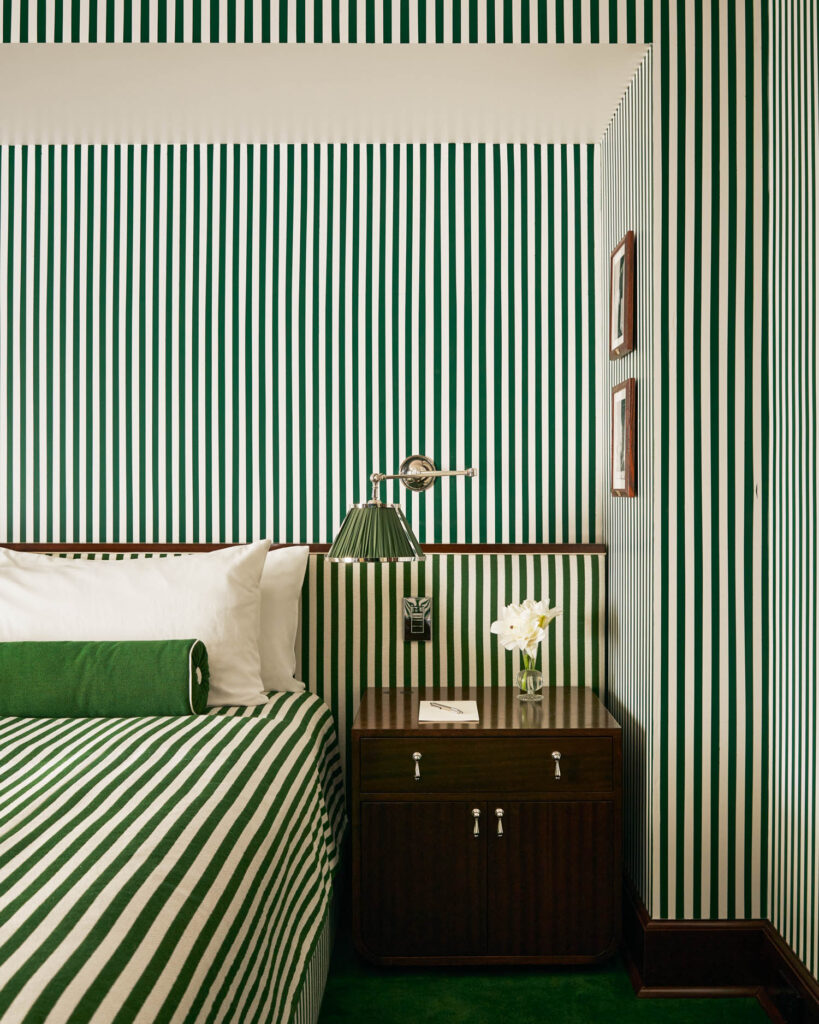
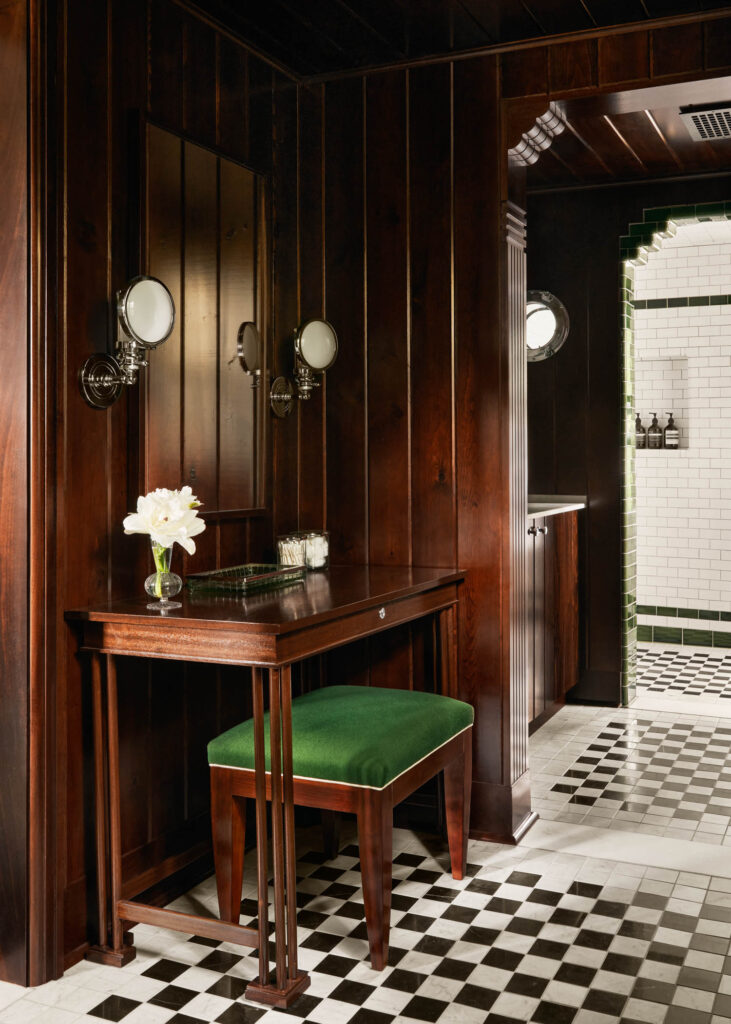
Interior Design: It feels like textured fabrics and layering of materials are parts of your method in storytelling.
BC: Everyone’s aesthetic is different. People go through life and they acquire things, and that’s a part of it. And they also very rarely live alone without the ability to acquire anything in their lives, so it is partially just the fact that we build things on top of each other, and homes become a vessel for our lives. How you create harmony within those layers is a roadmap of how something can grow. I give my clients the canvas that they’re able to put their lives on top of. I also love when somebody is very strict and doesn’t want to add anything to their life which is very rare. The canvas that I give my clients and their houses that I work on tend to be the beginning and they are able to then receive what comes next.
ID: You work a lot with antiques and vintage objects. How have you trained your eye over the years to sift through periods and styles?
BC: Often times my dealer friends will say in some other life I could have probably been an antique dealer. I would have been horrible at it though because I wouldn’t have been able to sell anything and instead, I’d just fall in love with every object. A big part of my story is that when I was in high school in Vermont, I would go around all sorts of barns and antique stores, and I would befriend all those people. Then when I was 18, I moved to Paris where I worked in the flea market. At this stage in my career, I’ve developed a great love for the Paris flea market. I spend an enormous amount of time there. I also spent a great deal of my time in England in my early career, going to the countryside and meeting dealers and learning about objects. I went to school for industrial design and I learned a lot about making and proportions of objects, but I find that these dealers of specific old things were really my teachers. They still are my teachers.
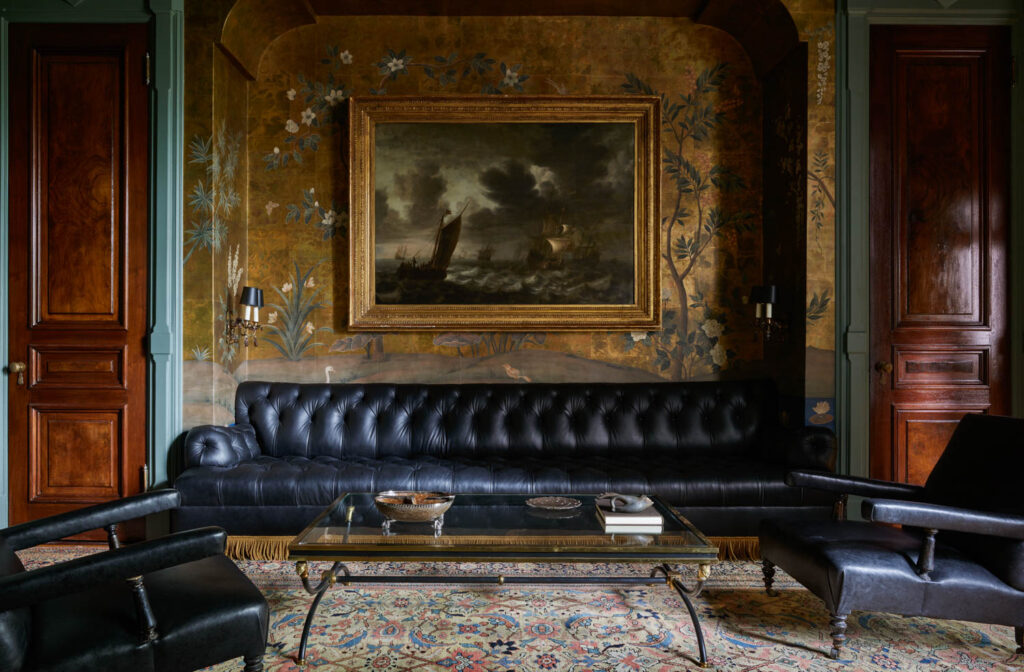
ID: New York apartments come with their quirks. What are the limits, challenges but also sacrifices of working with New York City prewar buildings and railway units?
BC: I think a lot about the envelope. A part of the reason why I’m a partner in an architecture firm is because I find it too hard if the envelope in the details of a room has not been sorted, because it will be too hard for me to put the objects in.
The question becomes “what is the language of your envelope?” Are you going to remove, for example, all the molding and have it be a clean box? Are you going to make sure that there is some—even if it is quirkiness and nothing matches—purpose for what the external thing is?
ID: Taste is a complex notion. We can train it or be subversive with it, but taste is also something we are born with at a certain degree. John Waters, for example, has built a career as the maestro of bad taste but he lives in exquisite homes.
BC: He’s actually very influential to me around this idea of taste because I think we’ve gotten into a place where there’s a lot of judgment about taste. It goes back to this original thing about aesthetics and what our aesthetic development is. Are you able to not have judgment on somebody else’s aesthetic development and what brings them joy? I’m very opinionated in general and I personally really try to avoid the word taste when talking about people. And there are people whose taste I admire because it relates to me personally.
ID: Let me also ask you about trust. There’s a trust in this contract of somebody asking you to create their living space where they will spend their life.
BC: Yes, and ultimately, at some point in these projects, mostly because of their scale, they have to trust you. They have to trust that we do is not totally a formula and everything is not the same. There is a challenge in making every project different, especially now that it has become harder to find unique things. I’m always searching auctions, and I can’t have my client with me at every step of the way, so there has to be a certain level of trust.
ID: We can argue that social media has flattened our understanding of taste to a degree and also fueled a new interest. Most interiors look similar or fit into some kind of style imposed by celebrity homes or even AI. On the other hand, all designers are on Instagram because this is a visual business. What is your opinion on social media?
BC: There are many sources now bringing out all these archival interiors, so there’s a ton of inspiration. There are trends in the algorithm and that relates to people copying and pasting things. I think any engagement in design is positive, so it is hard for me to look at it negatively. People are looking at design and they’re thinking about it, and they’re just using this new tool which is like a virtual magazine. I think the world has always fought sameness. If you look, say, the Georgian period or Art Nouveau. These consistent stylistic approaches went across society for a period of time, and now, the language has changed. It is not Georgian, it’s modern farmhouse, for example. I don’t think it’s anything to get too worked up over, because the hope would be that if you’re truly creative and bringing a new voice, it is much easier to stand out.
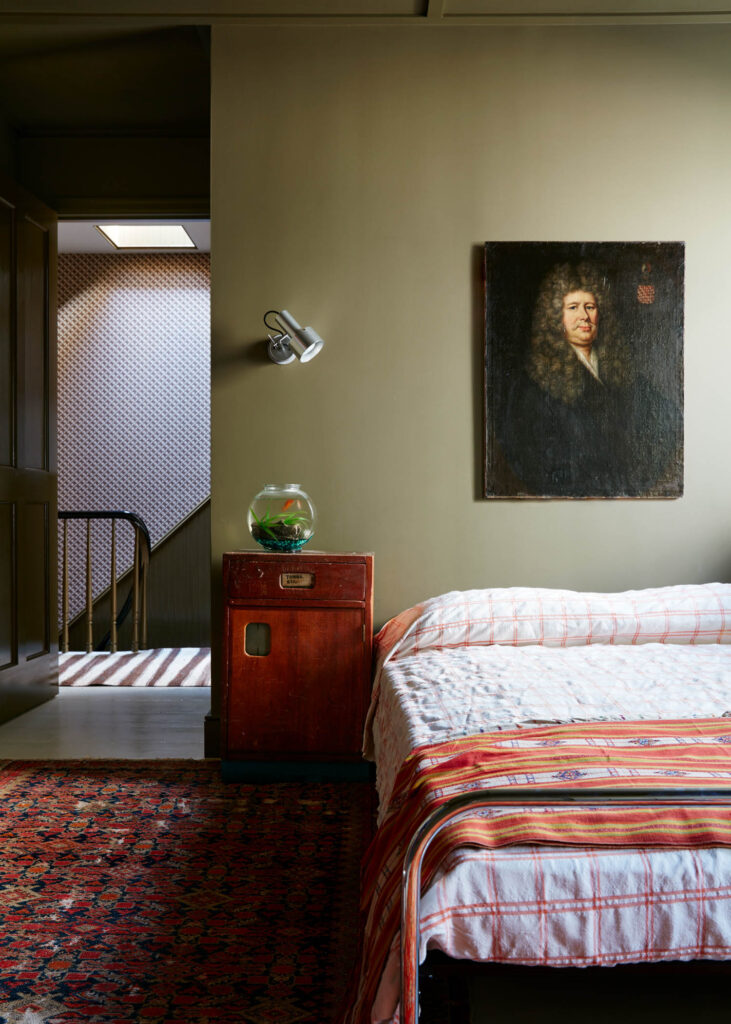
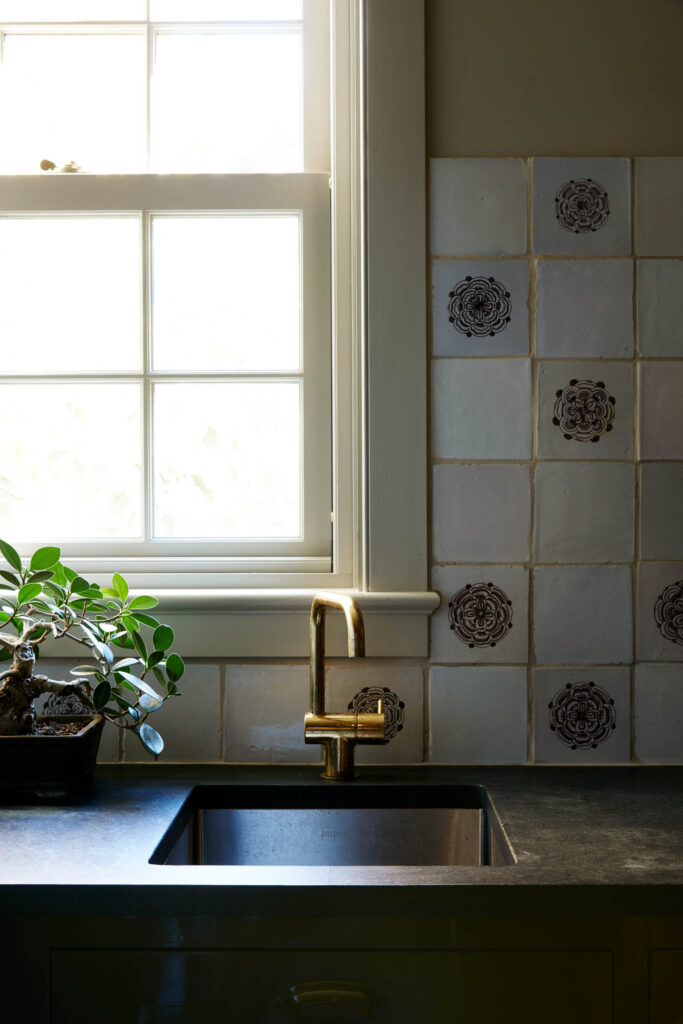
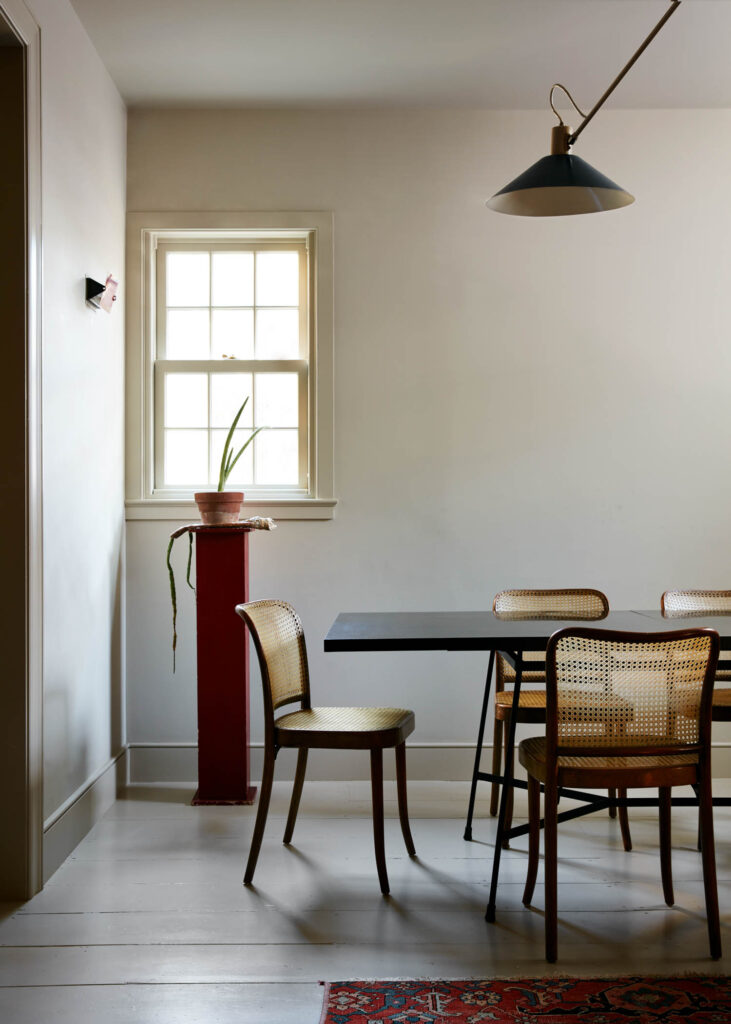
ID: You design interiors for artists who are very specific in their style, such as Cindy Sherman or Lisa Yuskavage. How is it to design for people who have also made careers out of visual languages and very specific visual awarenesses?
BC: There is a more dynamic conversation around beauty and what they want to live amongst. Lisa is probably the most interesting example, because she is a genius colorist. Regardless of the subject matter, her work as a colorist is unbelievable. To be able to sit with her and talk about color is very interesting. The first apartment we did together was entirely gray, in different shades of it. She said she was going to have some paintings of her own in there, so we didn’t want to compete with other colors.
ID: You also work with celebrities. You are tasked with creating particular spaces where they feel they can be themselves without surveillance. How do you build these intimate spaces for people who are very exposed in their daily lives?
BC: I can’t really help them with that. I think that is a very unique life to live. The greatest homes are places where you feel safe. I’ve been lucky that those people have wanted to share their homes with the world because they were super proud of them. I think it’s really about trying to make it feel as personal as possible and create some level of privacy.
ID: There is an Americanness in your design, maybe in a way similar to Ralph Lauren has been in fashion. We can even say you embrace a New Englander sensibility. Could you talk about this influence or perhaps looking back to what you grew up seeing?
BC: This is part of what we first talked about in terms of aesthetic development. I will always be American. I will have always grown up in it. I will always have that Boston and Vermont upbringing where most of what I was around was not really modern architecture. There were a lot of people obsessed with the past and with keeping of traditions. And even though I moved to New York City the first moment I could and I’ve never looked back, it’s still always a part of me, always a comforting memory.
read more

DesignWire
Designers And Manufacturers On The Move: September 2026 Edition
Interior Design‘s latest On the Move includes must-know industry promotions and hires, like Perkins&Will’s strategic move to expand its design capabilities.
DesignWire
10 Questions With… Artist and Designer Conie Vallese
From sculpture and ceramics to glass, textiles, and furniture, Conie Vallese embraces a multidisciplinary practice shaped by curiosity and creativity.