
10 Questions With… Jenni Kayne
Jenni Kayne does it all; she is best known for her eponymous lifestyle brand, which makes everything from clothing and accessories to housewares to a skin care line, but also works as an interior designer and decorator. “For me, it’s all one world,” she says about working across disciplines. “Fashion, interiors, and home design all come back to the same ideas: comfort, beauty, and how something makes you feel.” That feeling is rooted in her home state of California, its intangible but unmistakeable vibe forming the core of her aesthetic.
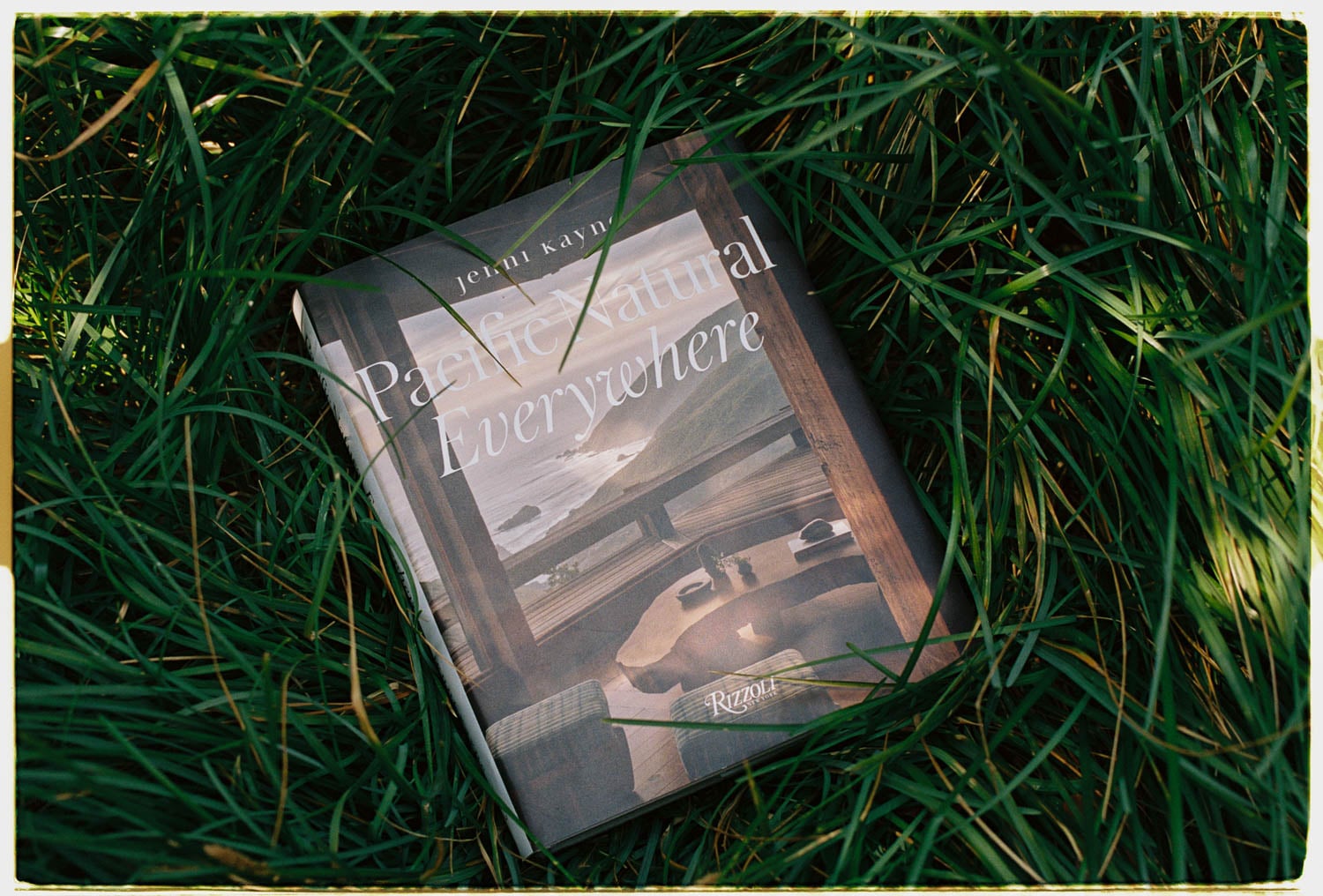
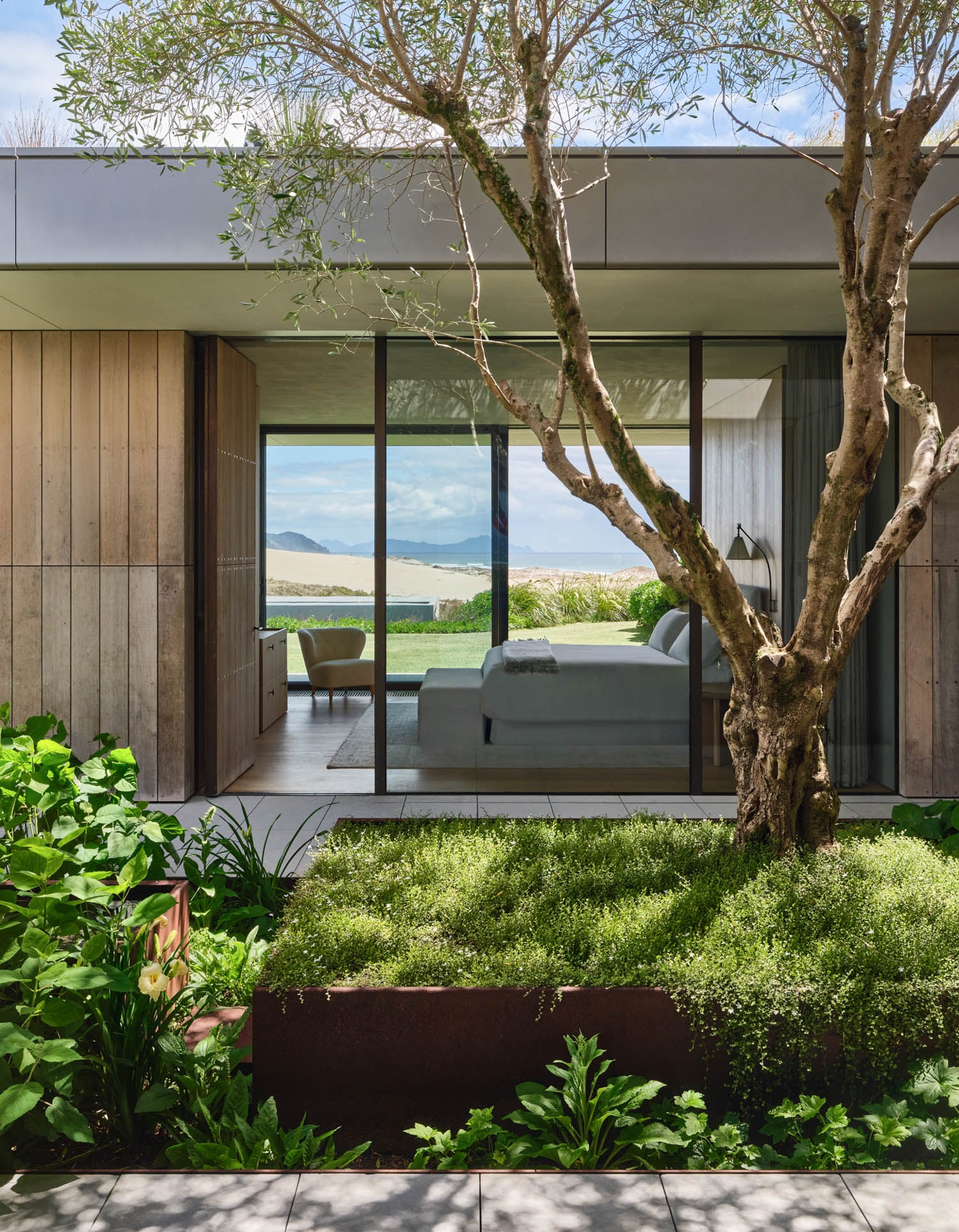
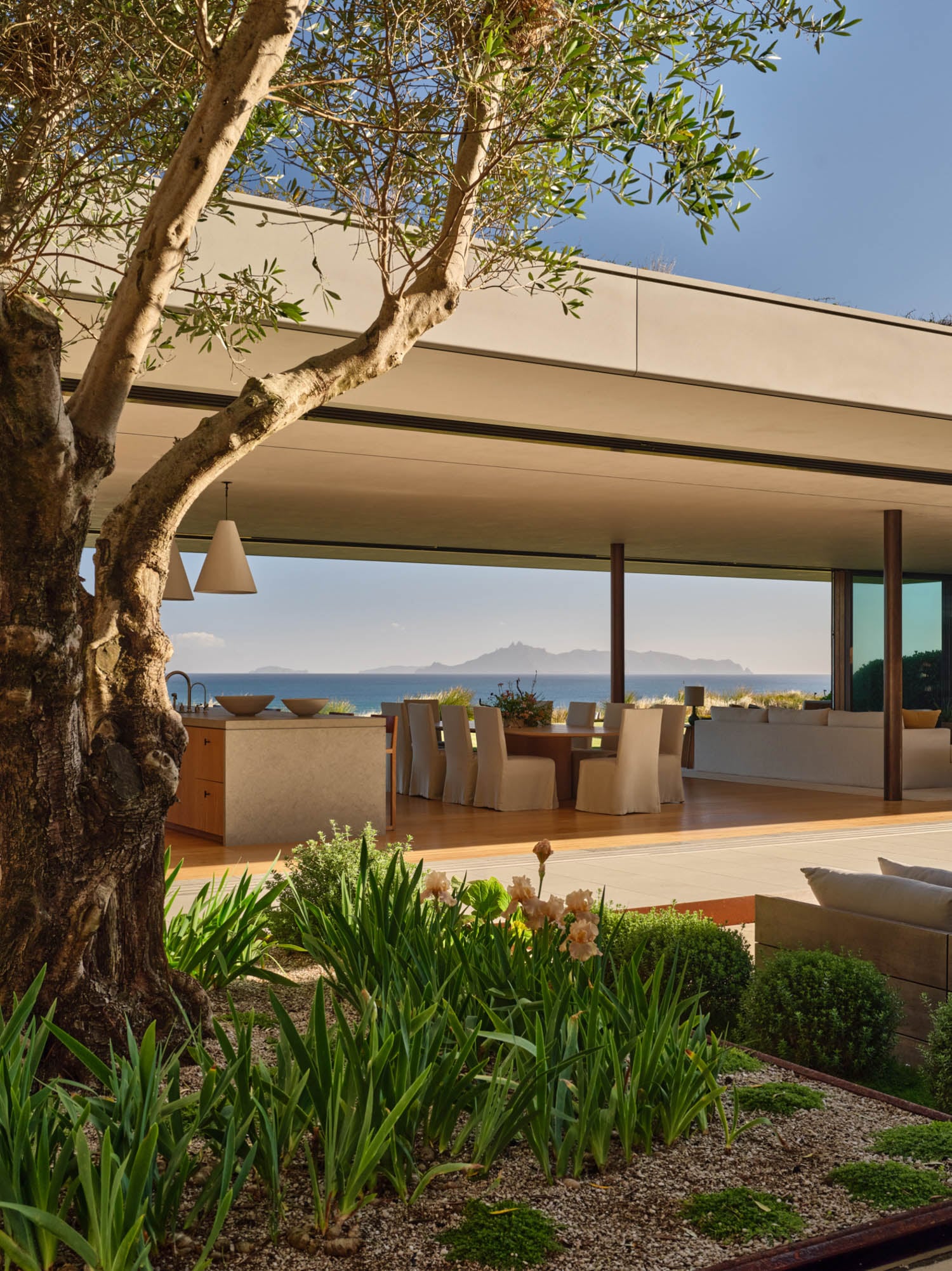
Her new book, Pacific Natural Everywhere, is the latest of three volumes collecting her interiors work, following Pacific Natural and Pacific Natural at Home. As the name implies, this one expands its scope beyond the Golden State to go, well, everywhere, exploring how “California living” ethos translates to diverse landscapes around the world. Organized not chronologically or geographically but by natural elements—Aspen, Oak, Pine, and Ryegrass—the book serves as a sort of world tour of beautiful places, from the snowy peaks of Telluride to the coastal dunes of New Zealand.
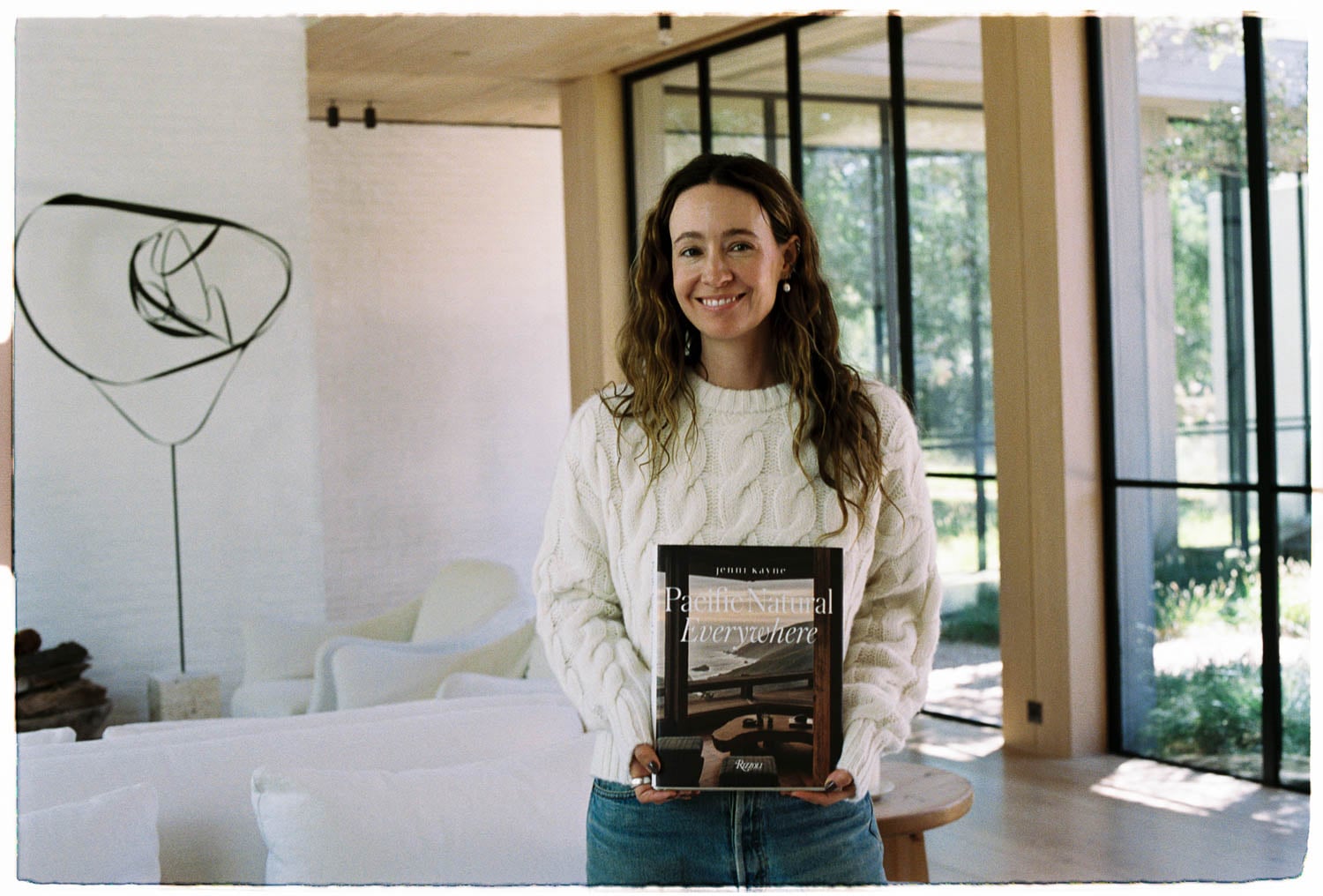
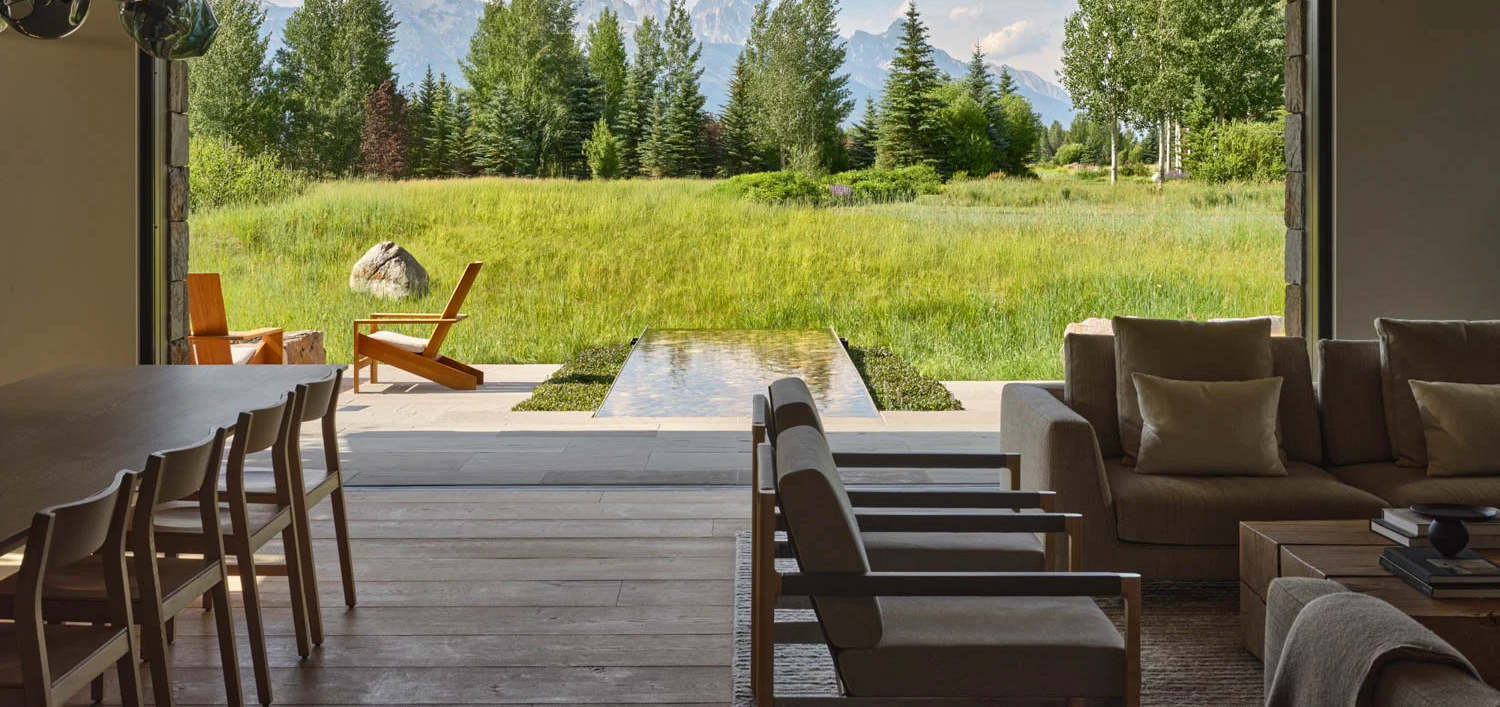
It’s also a design manifesto, proving that architecture and landscape can not only coexist but bring out the best in each other. Featuring collaborations with renowned architects like Vincent Van Duysen and Olson Kundig, Pacific Natural Everywhere presents elegantly styled and photographed and distinctly lived-in homes, all imbued with her signature style.
Interior Design spoke with the designer to discuss her process, the art of ‘tranquil confusion’ between interior and exterior, and how to let nature lead the way.
Jenni Kayne Expands On California Living
Interior Design: Your work is often rooted in a sense of place. When you have a project in a new locale, how do you “find” that sense of place? How much do you look to the local vernacular compared to your own feeling?
Jenni Kayne: I think a sense of place comes from really paying attention. You have to see how the light moves, how the home is oriented, how people actually live in the space, and what’s happening beyond the walls. Nature is always my biggest source of inspiration, so I’m looking at the landscape, textures, and colors that already exist there.
I definitely look to the local vernacular, but I wouldn’t say I feel tied to it. I’m more interested in translating the feeling of a place—what makes it special—through a lens that feels intuitive to me. It’s always a balance between honoring what’s there and creating something that feels timeless and personal.
ID: You frequently collaborate with architects who have very strong visual identities of their own. How do you navigate the balance between their architectural vision and your own? Do those aesthetics ever compete?
JK: I actually love that dynamic. Working with architects who have a strong point of view makes the project more interesting. Sometimes there’s a healthy tension, but that’s where the best ideas come from. When everyone brings their own perspective, the space feels thoughtful and intentional rather than overly designed.
ID: When you find yourself on a site where the scenery is the star, how do you center those views of nature within the program or overall design?
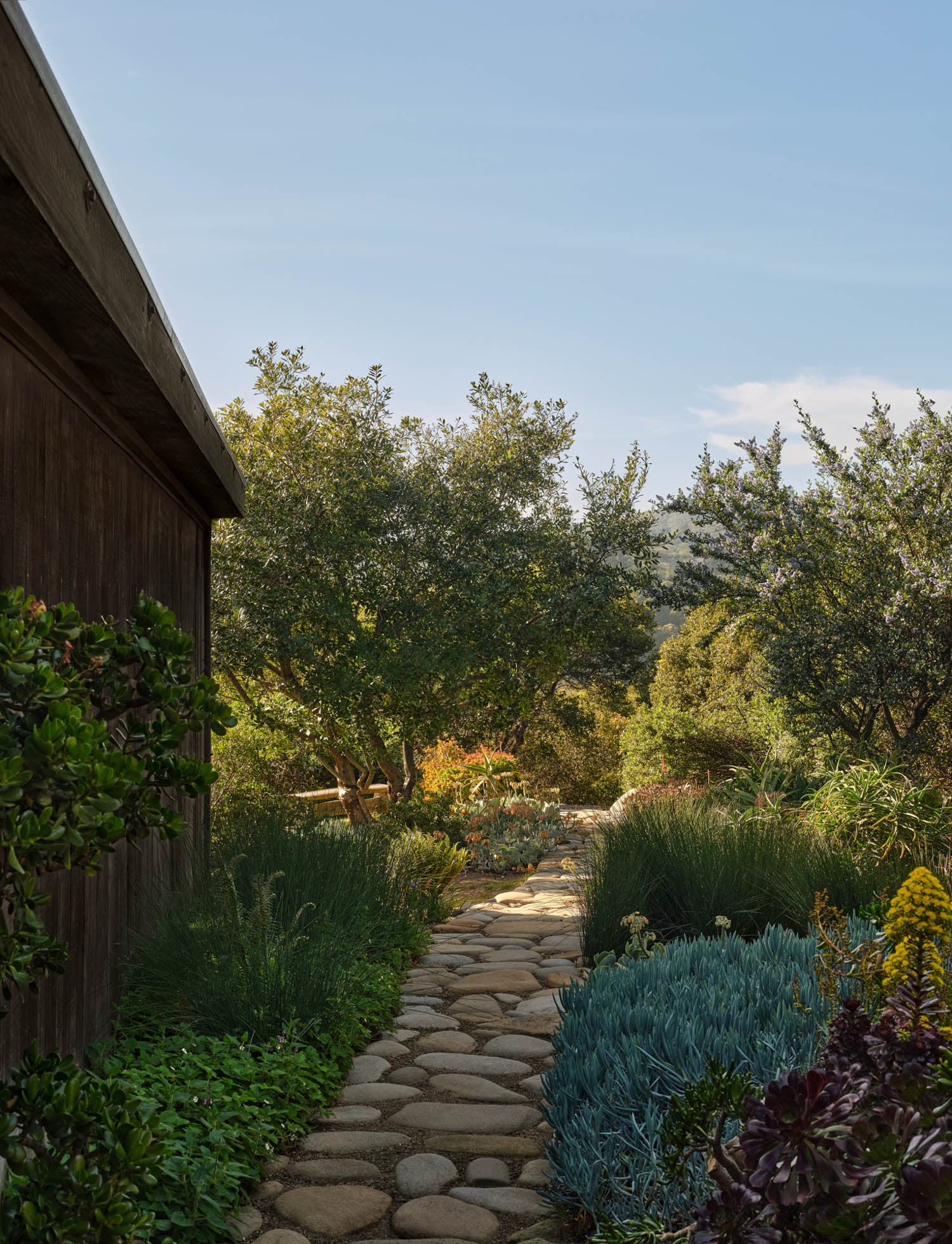
JK: I always want a design to quietly frame nature. That might mean large windows, doors that fully open to the outdoors, or layouts that naturally draw your eye outward. Even inside, I think about how materials and colors, like stone, wood, or soft neutral tones, can echo what’s happening outside. Nature should feel like an extension of the interior, not something separate.
ID: How do you choose a materials palate, and what informs those choices?
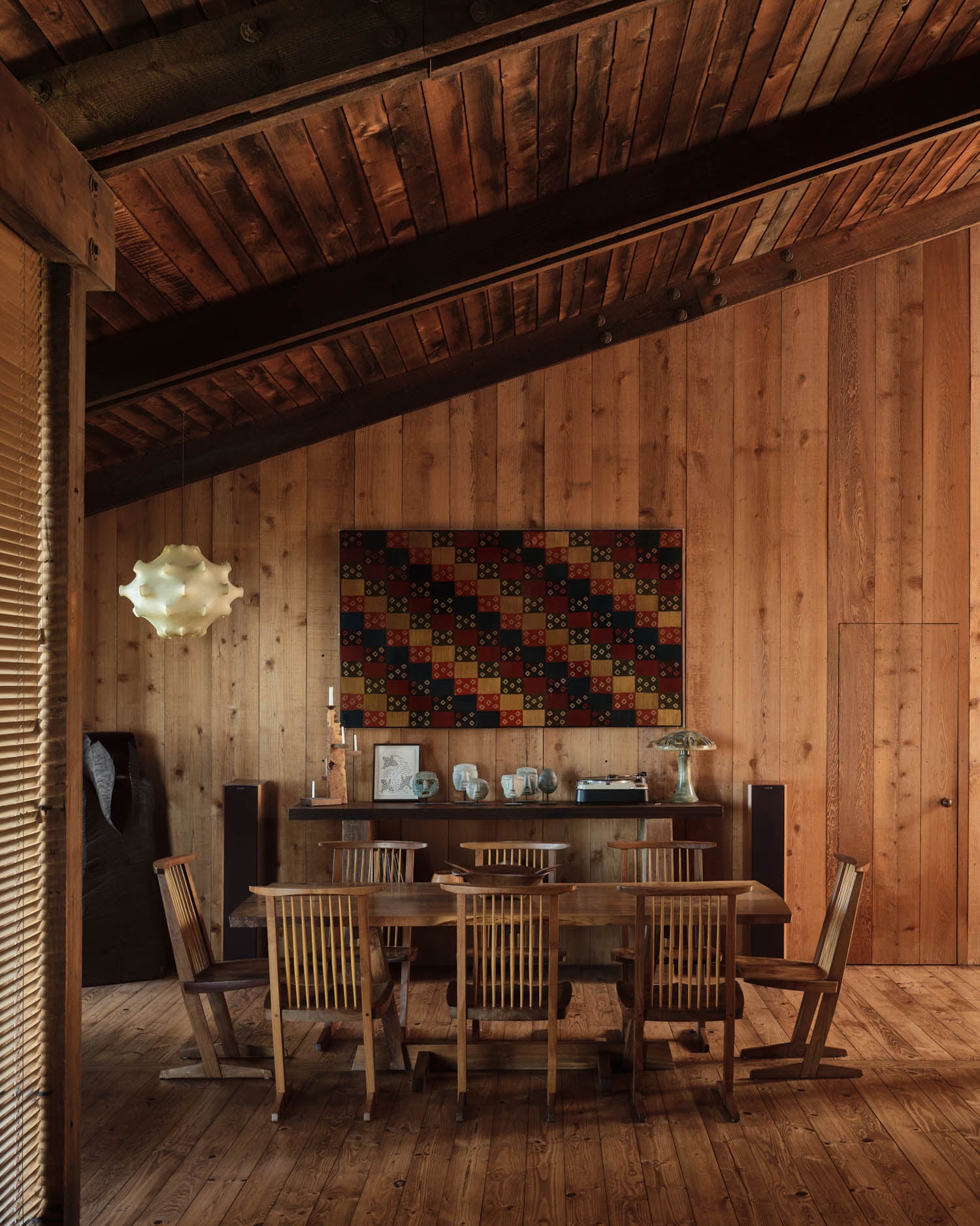
JK: Nature is always the starting point for me. I look at the colors and textures in the surrounding environment and think about how those can translate indoors. From there, I think about the feeling we’re trying to evoke. I’m drawn to materials that age beautifully—stone, wood with character, linens and textiles that soften over time. I love when a space feels layered and lived-in rather than perfect.
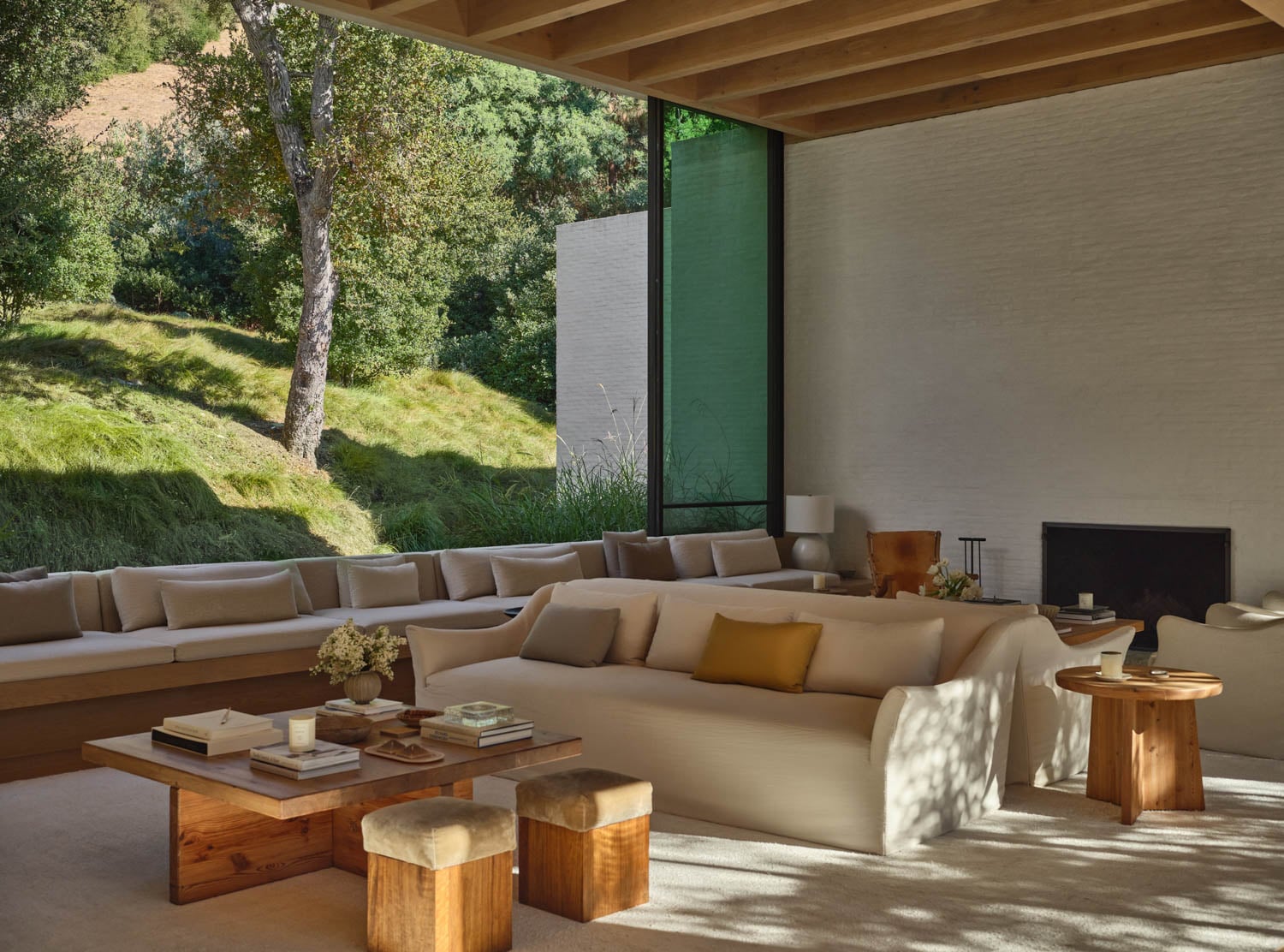
ID: What are the challenges of designing for “indoor/outdoor” spaces? To what extent do you have to factor in things like weatherproofing and durability?
JK: Durability definitely matters, especially when you’re designing for outdoor spaces. But I don’t think everything has to be so precious. I actually love when materials age and patina. That’s part of what gives a space character. Outdoor spaces should feel a little imperfect. That’s where the beauty is.
ID: How did you curate which projects would be featured in this book? What are some things they all have in common?
JK: We intentionally looked beyond California for this book because I’ve always believed California living is more of a mindset than a location. We wanted to show how that philosophy translates across different landscapes and cultures. All of the homes share a sense of ease and a thoughtful relationship between architecture, landscape, and interiors. There’s a quiet, intuitive feeling to them—a kind of effortlessness between the built environment and nature.
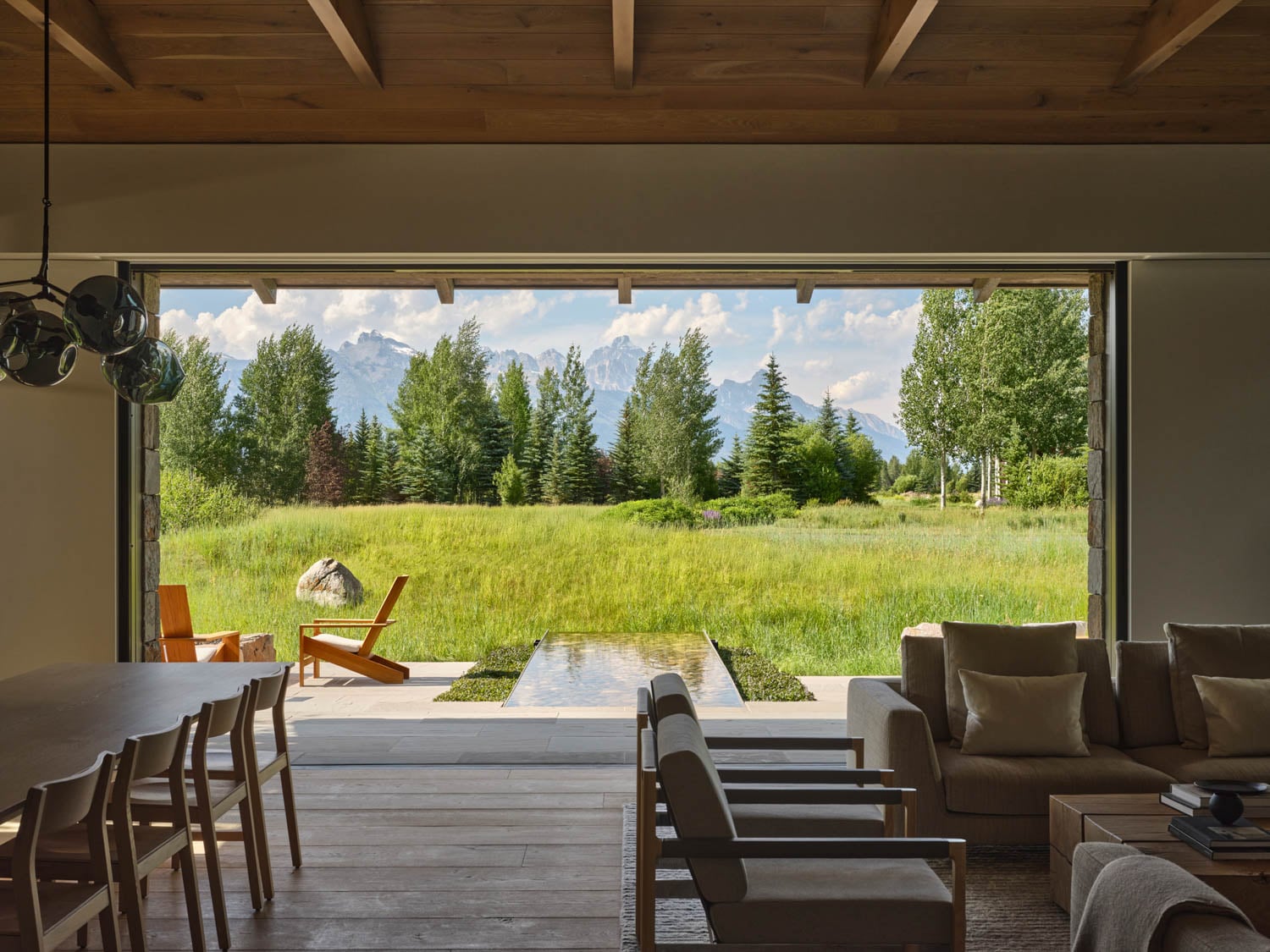
ID: The photography is by Michael P. H. Clifford. Can you talk about that collaboration and how shooting these projects for the book was its own creative act?
JK: Michael was such an incredible partner on this project. He understood from the beginning that this book wasn’t just about beautiful interiors, it was about light, landscape, and atmosphere. He has such a great eye for quiet moments and unexpected details, and he wasn’t afraid to embrace imperfections. That really helped the homes feel alive and authentic.
ID: How did the process of “styling” each project for the book work? Is there a conflict between staging for the book and making the project appear “lived in” by the client?
JK: We worked with Sarah Peddicord for interior styling, and she has an incredible ability to make spaces feel natural and lived-in. Her approach is very intuitive. She’ll bring in vintage pieces, layer in objects with history, and re-style existing items in ways that feel organic rather than staged. For me, the goal was never to make the homes feel overly styled. I wanted them to feel like real spaces that people genuinely live in, just slightly heightened for the camera.
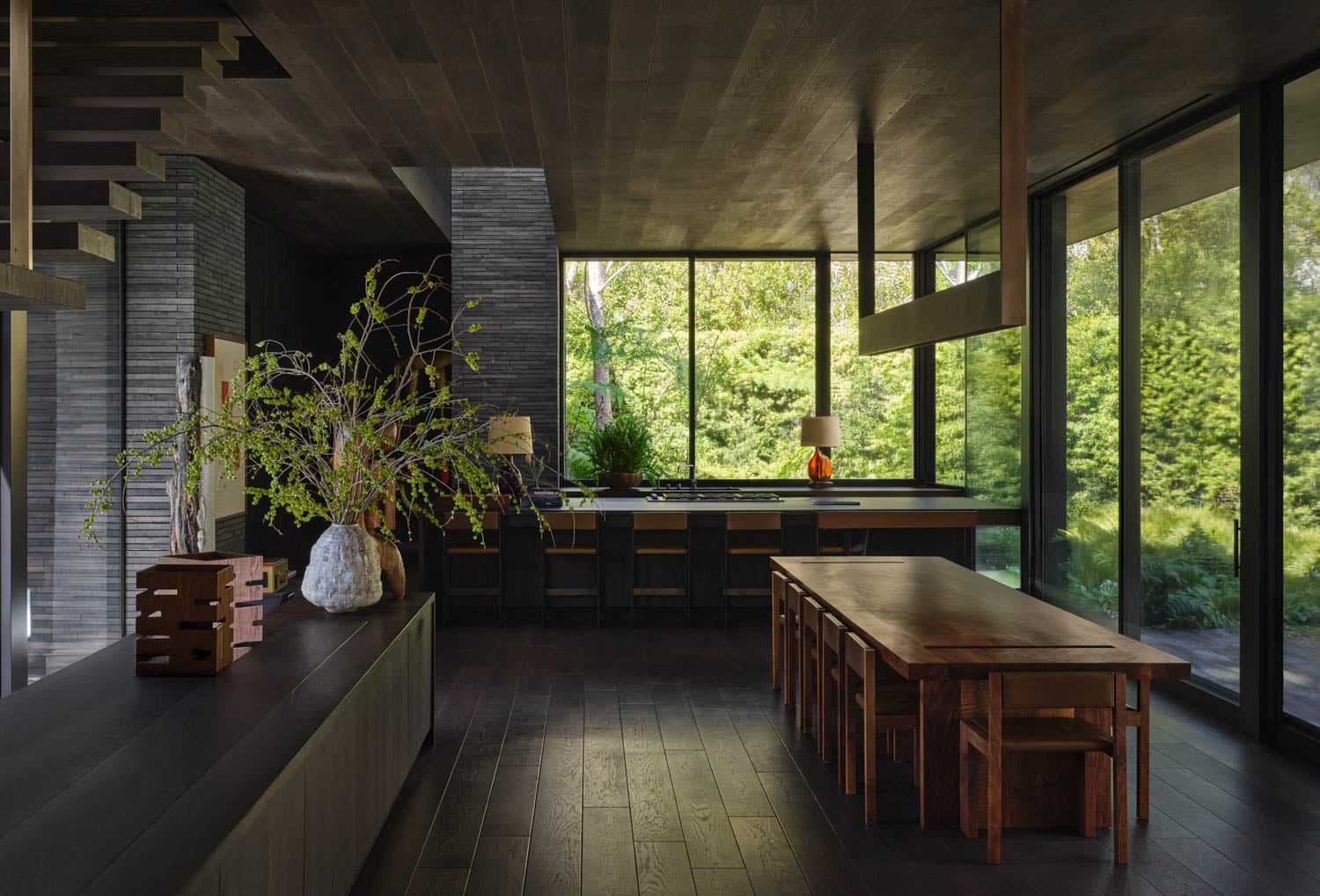
ID: The book is divided into four chapters: Aspen, Pine, Oak, and Ryegrass. What made you decide to arrange the book that way as opposed to by location or chronology?
JK: Instead of grouping by geography or timeline, we focused on the defining natural elements of each setting. The chapters reflect how landscape and environment shape design. It felt like a more poetic way to tell the story and to highlight how deeply the homes are informed by the land around them.
ID: What makes this book different from your previous volumes?
JK: My first book was really an introduction to my world and focused on entertaining. The second book explored interiors, but it was very centered on California. With this book, I wanted to expand that story—to show that the philosophy of California living is about a feeling, not a place. This book is about the relationship between architecture, landscape, and interiors, and how those elements come together to create a sense of ease. It feels more holistic and more reflective of how I think about design today.
read more

DesignWire
Emirates Debuts Hospitality Suite Inspired By Its Premium Aircraft Cabins At The US Open
Emirates brings the refined feel of its onboard experience courtside at the US Open with a newly redesigned hospitality suite featuring a replica A380 bar.
DesignWire
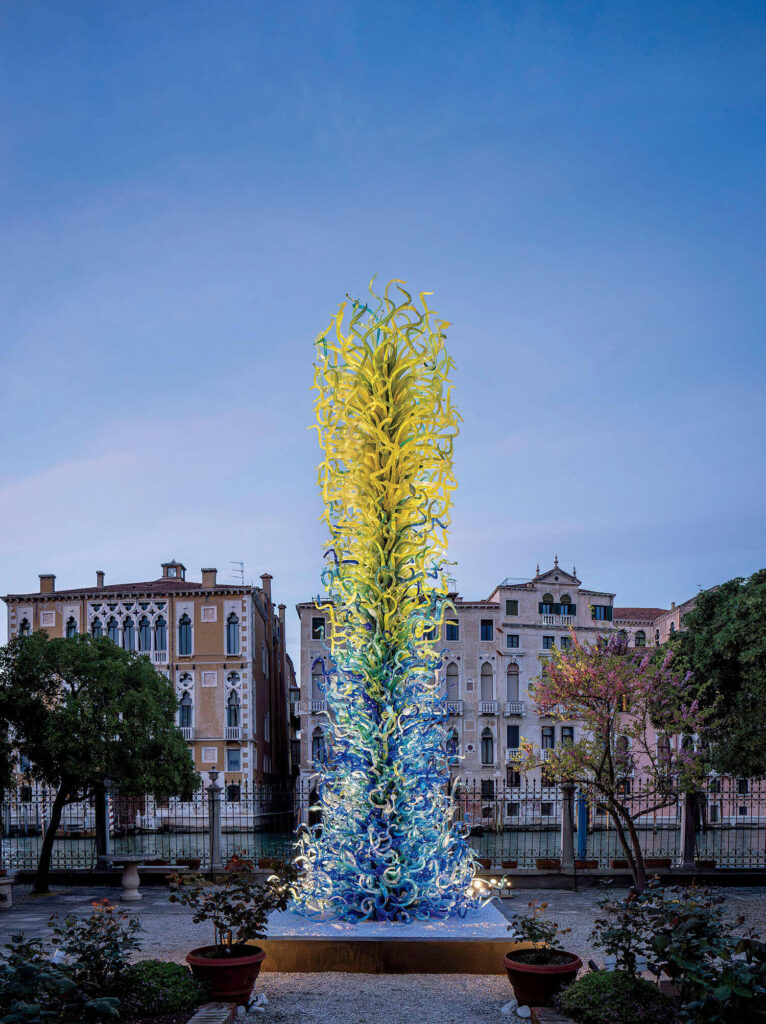
Dale Chihuly’s Enduring Dialogue With Venice
Nearly 60 years after first discovering Venice’s glassmaking traditions, Dale Chihuly returns with three monumental new works along the Grand Canal.