
10 Questions With… Navajo Textile Artist DY Begay
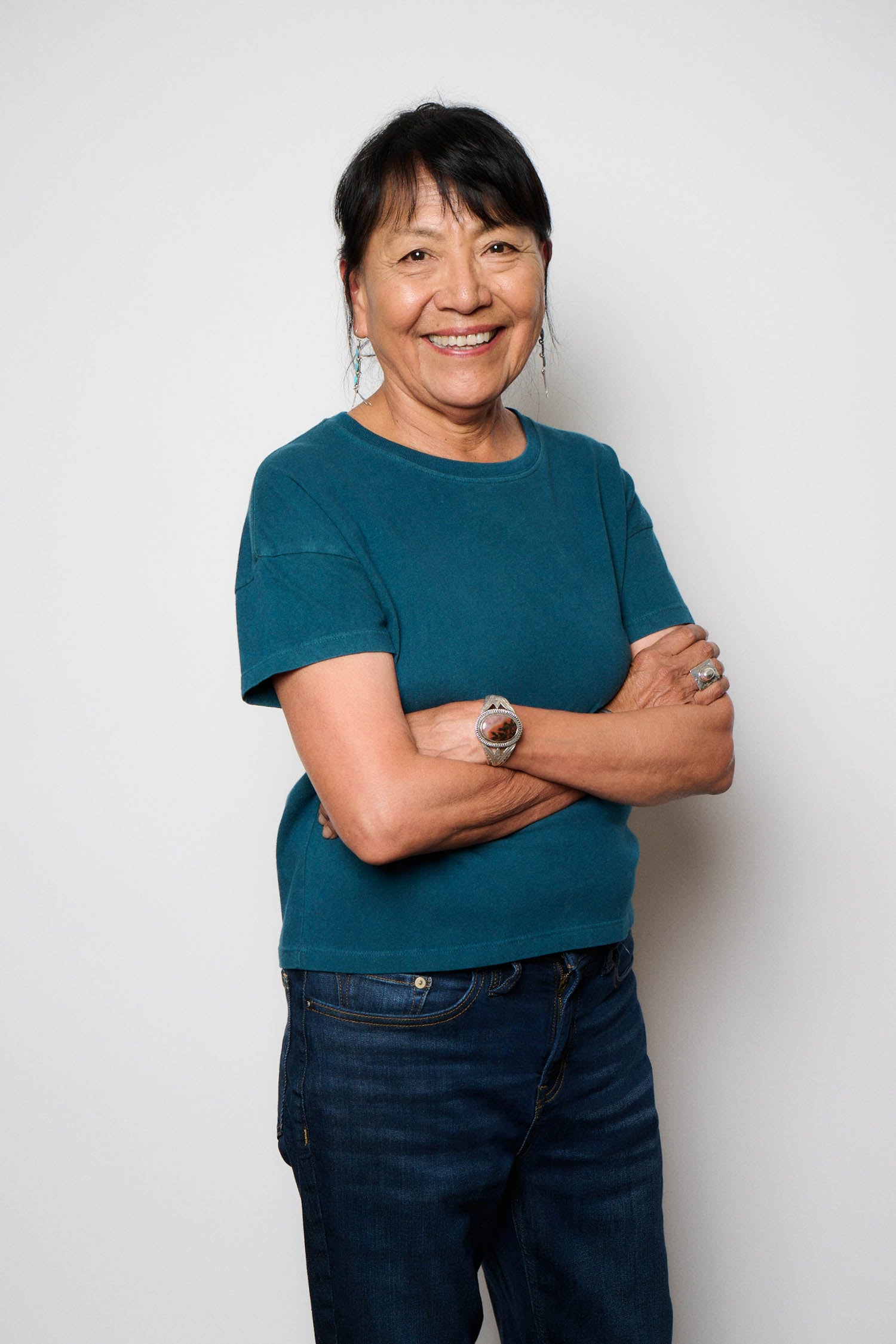
DY Begay weaves like a painter. Her woolly palette produces trademark landscape tapestries where neutrals don’t exist. A desert sand is never simply a generic beige—instead, it is animate, dyed with desert flora and fauna collected from her Southwestern homelands, and often imbued with five or seven hues to produce a mirage of color.
The Tsélání, Navajo Nation-born entrepreneur, now 71, has always been restless and innovative. Born into an intergenerational weaving family, she had already achieved such mastery by 25 that when she enrolled in a weaving course, her instructor was baffled about what to instruct. Soon after, the virtuoso of Diné textile techniques traveled south to Latin America, Europe, and Japan, embedding intercontinental inspiration into her works. This year, Begay was honored by a retrospective show at the National Museum of the American Indian (NMAI) in Washington, D.C.
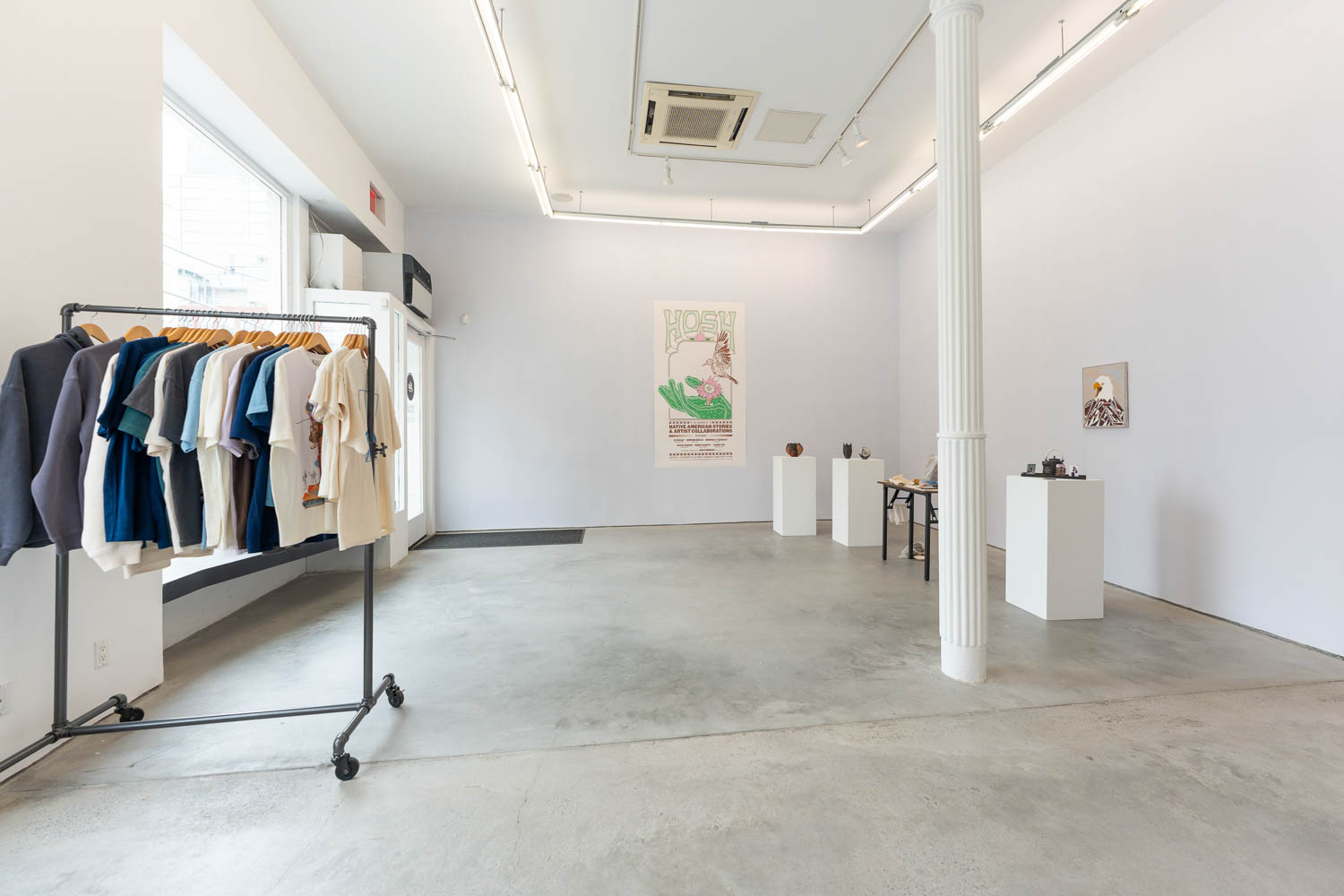
Today, Begay is partnering with Tom Tarica, a footwear industry veteran and her partner in a new lifestyle brand venture called HOSH—the Navajo word for “cactus”—to make Native designs by Native artists accessible for all. Quintessentially Begay, the brand thinks outside the shoe box, in this case, translating HOSH’s collective of creatives’ works onto T-shirts, and soon blankets, pillows, and objet d’art. Together, Tarica and Begay are simultaneously broadening Native-led lifestyle and home design awareness and supporting the return of control over the perpetuation of Native design in the lifestyle arena to Native hands.
DY Begay Weaves Indigenous Heritage Into Her Sustainable Textile Work
Interior Design: At 71, launching a luxury brand is bold. How does this pivot into lifestyle design reflect your artistic journey and personal relationship to the home?
DY Begay: 71 feels young—especially for an artist. We are always learning, growing, and trying new things. At this stage, I also value the depth of experience I carry, and I find joy in mentoring younger artists. For me, this brand is not just about design, but about creating connections and bringing together the Diné community and Native communities across generations through beauty and creativity. With HOSH, I’m able to build a brand from the ground up, with my main role as creating new opportunities for my fellow artists. I’m very proud to be doing that.
ID: Your textile work is beloved in museums, yet HOSH brings it into functional design. How do you envision your weavings within a modern interior setting?
DYB: Weavings originated as utilitarian objects, to keep warm, to cover floors and walls, to use on horseback. Today, whether in a museum or home, they are often displayed as artwork, hung on a wall directly or framed. I appreciate everything a weaving can be.
Our inspiration for HOSH is different. We are envisioning utilitarian objects for a contemporary world: We are contemporary people leading contemporary lives. With HOSH, we want to make things that respect our elders and traditions and open new territory and freedom, giving voice to all Native artists, as ourselves, to reflect our dreams, talents, and aspirations. For collectors who want to live with my work in their homes, I hope that my artwork offers feelings of joy and contentment—and that it brings back memories, wonderful memories, of the same beautiful landscapes in the southwest that inspire me.
ID: How does your partnership with Tom Tarica at HOSH shape the balance between creative vision and brand development?
DYB: Tom and I are very complementary. Creatively, we share a vision for HOSH to collaborate with Native artists and tell our stories in our own words. Tom has 30 years of expertise working with brands, so I depend on him for that.
ID: Why did you choose the name Hosh, which means “cactus” in Diné?
DYB: I live in the high desert of northern Arizona. I relate to the cactus as a sacred plant source. Though there are many species all around us, in Diné, there is only one word for cactus. Likewise, while there are many tribes and pueblos near and far, HOSH brings us together. HOSH was named with intention: to offer those outside our community a chance to learn and hear Diné language. Its pronunciation is graceful, almost like the hush of wind.
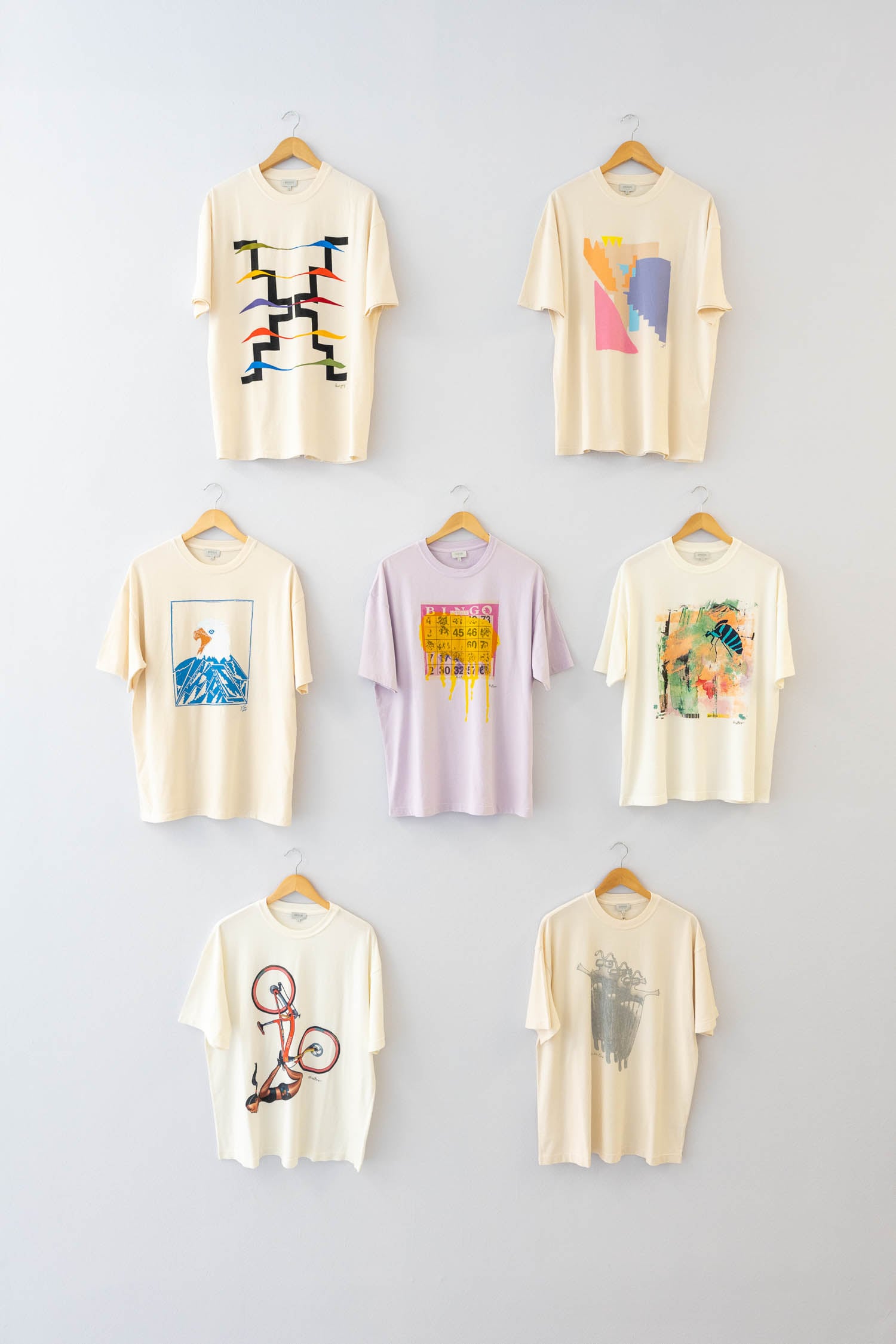

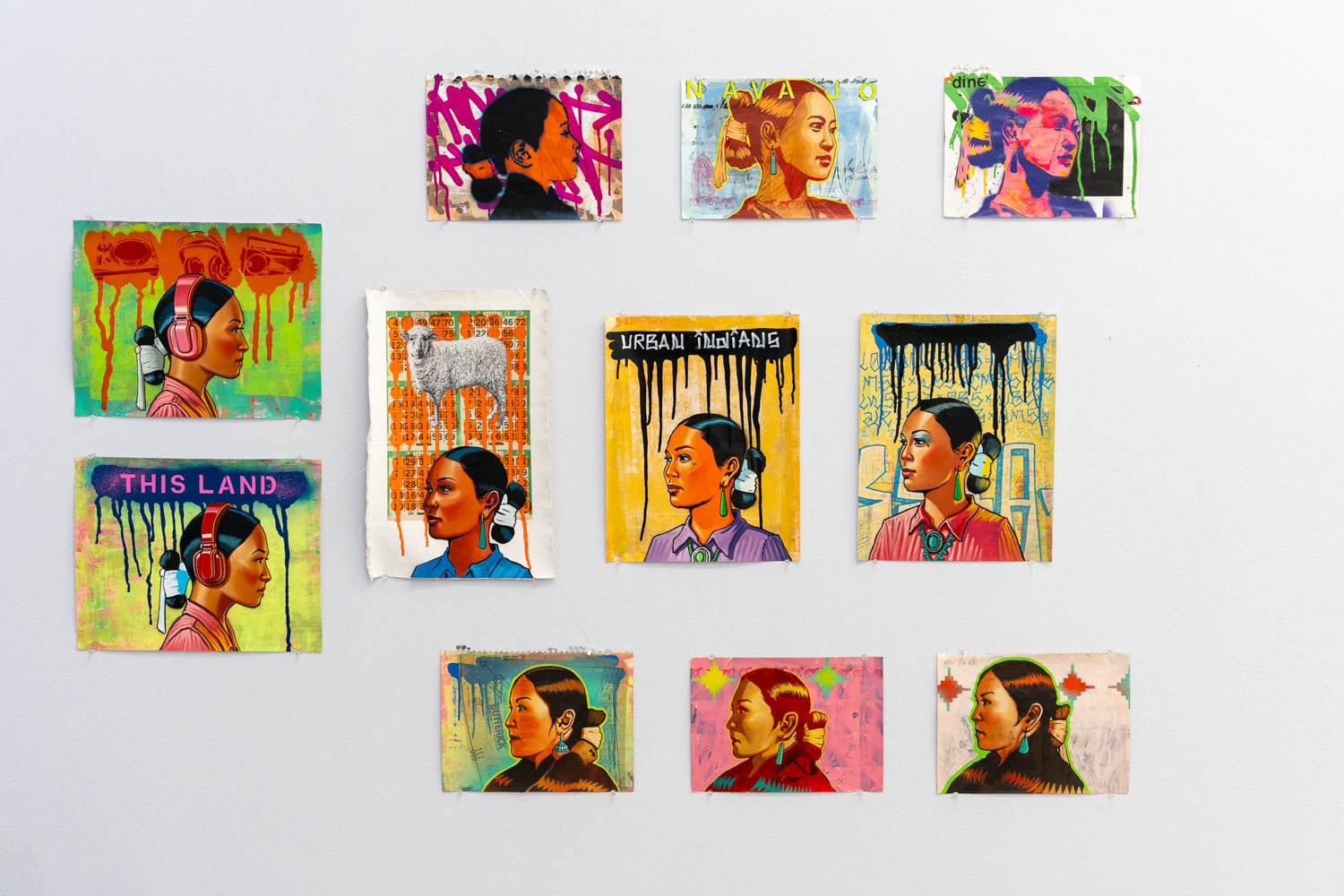
ID: HOSH collaborates across mediums, such as pottery, silversmithing, painting, and weaving. How do you choose your collaborators, and how do their works interplay to create a cohesive visual identity?
DYB: The artists who we work with all have established practices and careers—HOSH is a way for them to extend their reach in a new way. The way we bring artists on is through a series of conversations. We want to learn what they want to communicate to our audience. No matter what medium an artist works in, collaboration is the thread that ties us all together. Tom and I have also observed that our conversations with artists spark conversations between them. I hear them asking each other questions, offering encouragement, which is great.
ID: When styling a room, where would you place one of your textiles?
DYB: I welcome a collaboration with my collectors. While my tapestries are typically hung on a wall, my collectors are creative, too, and they place my work where they can have opportunities to get close to it and get to know it in ways that inspire them in their daily lives.

ID: Can you walk us through your dyeing process—especially how you layer colors to create “neutral” tones that reveal themselves upon close inspection? What inspires your palette?
DYB: My palette comes from the land—the soil, plants, mountains, and sky around me. I layer natural dyes, so what looks like a simple brown might be walnut overdyed with indigo, or yellow softened with another plant. This creates depth, the way the landscape shifts in light. What others call “neutrals” are alive to me—they carry memory and balance the brighter tones.
ID: You’ve described this work as cultural reclamation rather than a reversal of appropriation. For designers and homeowners interested in “ethical interiors,” how do you want HOSH to be understood?
DYB: I’m not sure that it’s such a clear dichotomy, but we embrace cultural reclamation because everything we do is driven by collaboration and community. We are proud to reclaim what has historically been appropriated. Everything that HOSH puts out is a collaboration with an artist, and the story is told in their own words. For people outside the community, we hope to reshape their perceptions of America, and of native art, on the artist’s terms.
ID: What’s one object—from your own home or past pieces—that holds deep design or personal significance?
DYB: I have a saddle blanket that I found on the reservation in about 1980, covered in dirt in the back of my aunt’s old pickup truck. It was parked around their place. I saw bits of yarn poking out, and when I pulled it out from the back, I asked her, where did this come from? Who wove it? It was her aunt, on my maternal side, who wove it and gave it to her. And they used it on the horses for a long time until it started falling apart. My aunt said, she wove it a long time ago, and it’s no good anymore. So, I said, do you think I could have it? She said, take it. So I cleaned it up, and I still have it today.
All of those memories and my family’s weaving tradition really made me appreciate what I do today. You know, I’m very fortunate that the tradition has been passed down for generations. And it really made me stop and think, this piece of art has lasted—rain, snow, and dirt—and it’s still alive. I was very, very moved that I found this little piece of saddle blanket, that now for me holds all sorts of personal information, personal stories. It reminds me that I need to continue weaving, continue creating, and continue learning from the past. And I also do this for future generations.
ID: With the backdrop of Santa Fe Indian Market and Southwestern Association for Indian Arts (SWAIA)’s fashion week, how do you see the role of design expos evolving—both as platforms for interior talent and cultural storytelling?
DYB: There is so much talent, and I’m pleased there are more opportunities for artists to express themselves. Design expos are no longer just showcases—they’ve become platforms for cultural storytelling, and dialogue between tradition and innovation. They give visibility to Indigenous voices, while also grounding us in community, memory, and identity. I hope they continue to grow in ways that support sustainable careers and mentorship for future generations.
read more
DesignWire
10 Questions With… Sculptor Aminata Mboup
Aminata Mboup discusses her practice, inspirations, fluidity between disciplines, as well as her unique approach to materials.
DesignWire
10 Highlights From Amman Design Week
Amman Design Week 2026 gathers a host of regional designers and architects under the theme ‘Accumulations.’