
10 Questions With… Wolfgang Woerner
Exploring the work of Wolfgang Woerner a.k.a Wolf and Wilding feels like surrendering to a rush of layered emotions. You stop searching for clear answers and instead begin tracing the surface of memory, discomfort, and longing. His work draws you in, unsettles you, and at times leaves you confused, but just when you think you have grasped it, it opens up a quiet space for reflection and connection. Born in Germany and raised between cultures after moving to London as a teenager, Woerner developed an early sensitivity to memory and displacement, themes that continue to shape his practice today. While he was originally trained in architecture, Woerner later shifted toward mixed media art, bringing with him a strong awareness of structure.
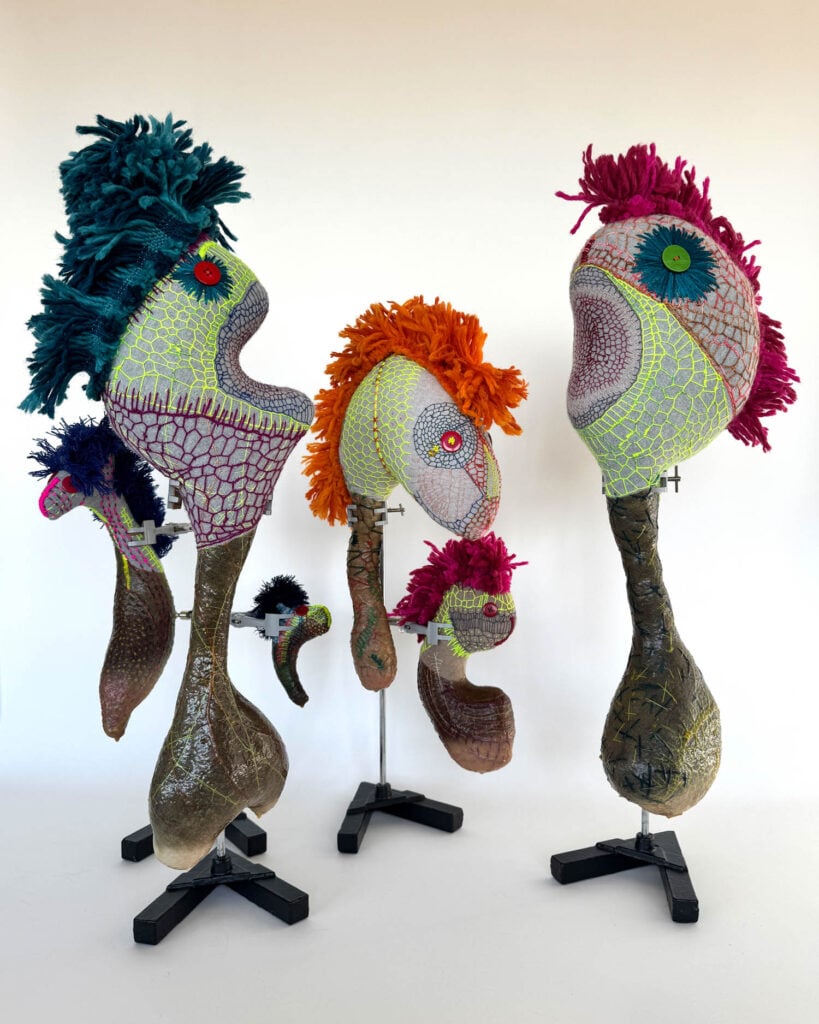
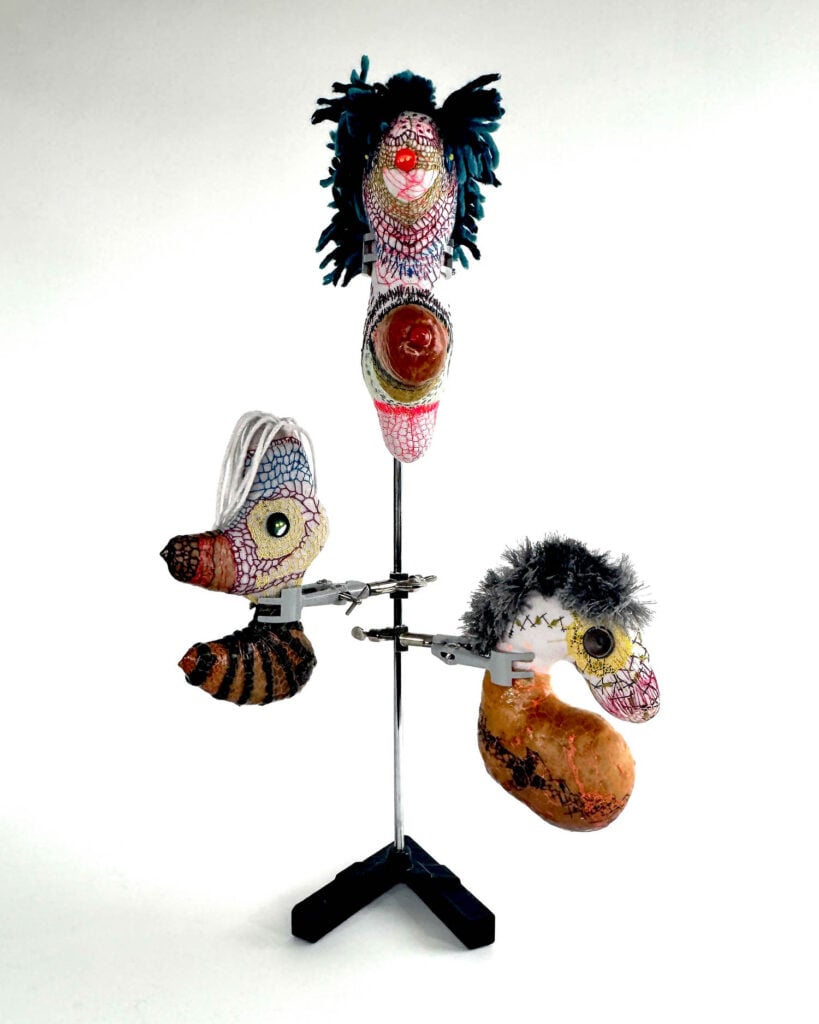
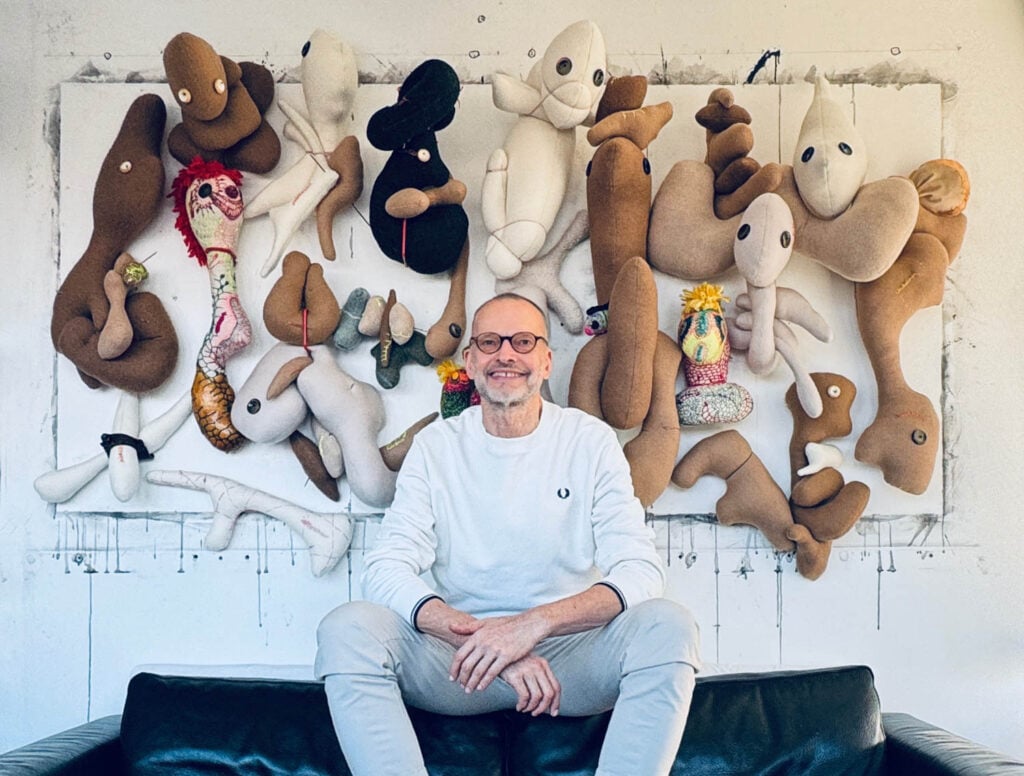
His multidisciplinary practice now spans textiles, sculpture, drawing, and installation, often using found and discarded materials to explore emotional intimacy, longing, and the traces people leave behind. Touch is deeply central to his work and irresistibly luring to audiences encountering it. There is a warmth embedded in his materials, one he intentionally offers to viewers in the same way he experiences it while making the work itself.
Woerner is passionate about the people and ideas that inspire him, and there is an optimism when he mentions them. From Cosmic Garden, the collaboration between Madhvi Parekh, Manu Parekh, Karishma Swali, and the Chanakya Foundation, to the quiet intensity of Sheila Hicks’ work, and the ecstatic joy and chaos he finds in Nick Cave. These references do not just inspire him, they anchor the world he continues to build through his work.
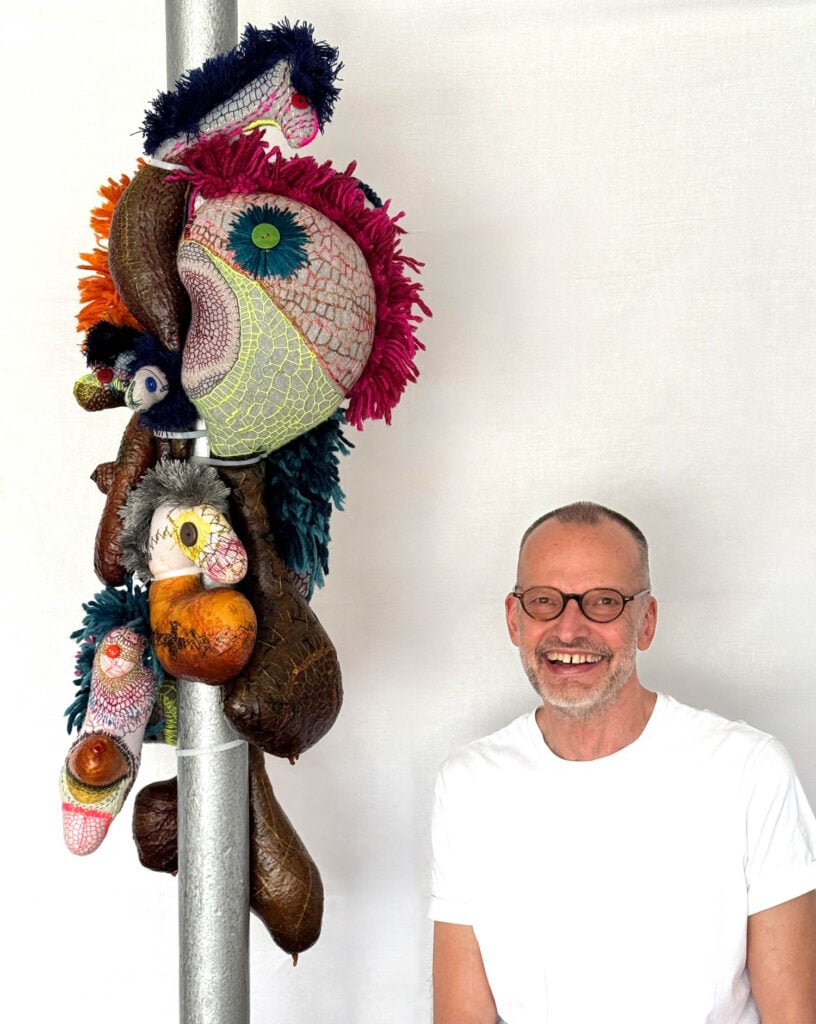
Interior Design sat down with Woerner to discuss the beauty of touch in his work, giving a second chance to discarded materials, exploring emotional intimacy, and the artists and collaborations that continue to shape his deeply layered creative world.
Wolfgang Woerner Talks Design, Tactility, and Moving Beyond Labels
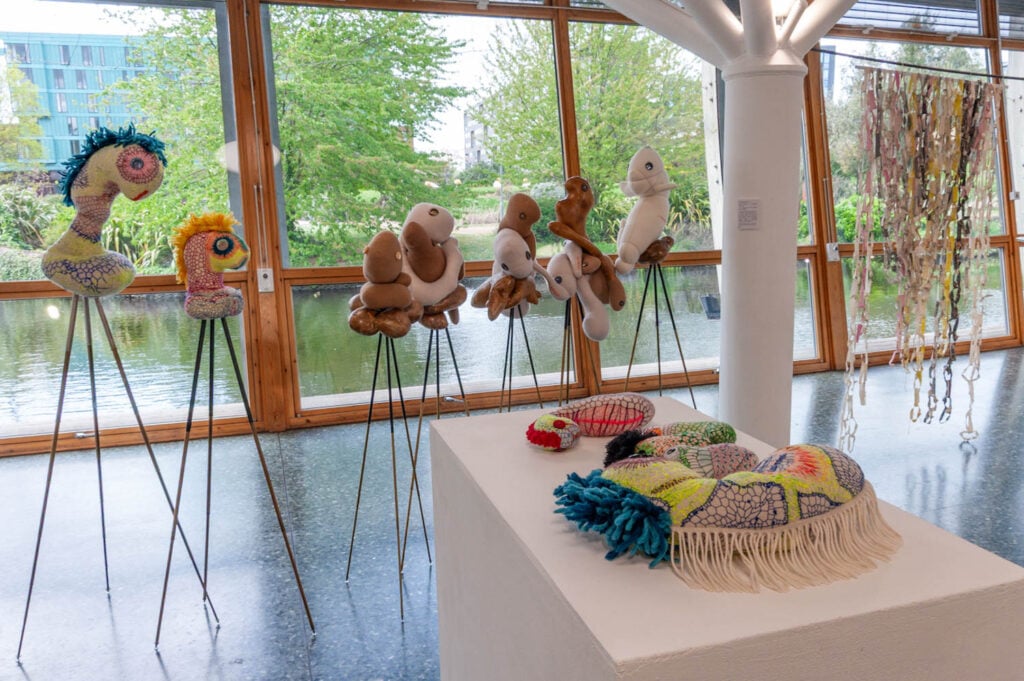
Interior Design: You are drawn to materials with histories such as napkins, hotel sheets, and discarded objects. Where do you get these materials and what do they allow you to express?
Wolfgang Woerner: I source the toys predominantly from charity shops and second-hand stores, I much prefer that to the internet. It’s about the experience of going in, seeing what’s there, and responding to what I find. I’m not usually hunting for a specific object. It’s more of a search for what calls to me at the moment. I want to see and feel the thing in real life. I guess it’s like how I relate to music, I need to be in the space with it, react to it, and then layer my own stories onto it. As for the other materials, the sheets, the napkins, they come from commercial laundries. These are textiles that have reached the end of their usable life in circulation and are being taken out. These materials all bring their own stories with them, but they also have space for me to embed my own. I do find it difficult when someone gives me an object that holds deep personal significance for them, a full story of its own. There’s a certain pressure there. If I then dip that object in latex or transform it in some way, I sometimes get a reaction. How could you do that to it? which kind of surprises me as they do know my work. That’s why I prefer to work with materials that have a positive emotional distance, like something found in a charity shop.
ID: Touch feels central to your practice, why does tactility matter in how you create a piece?
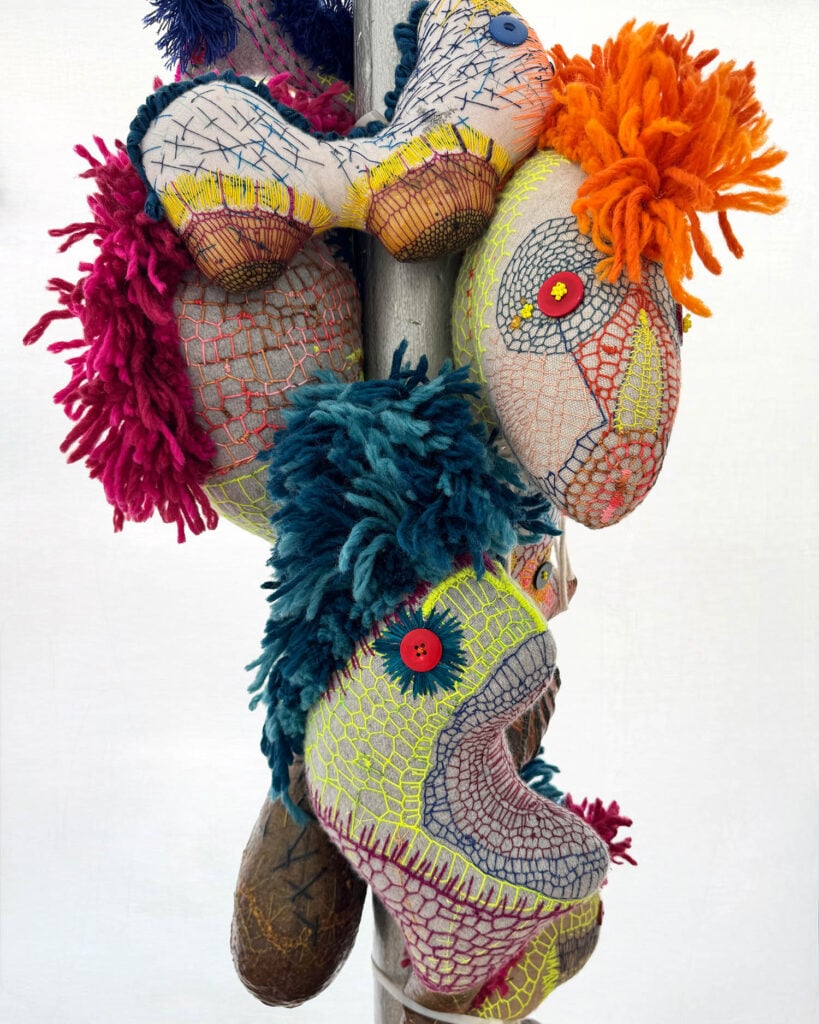
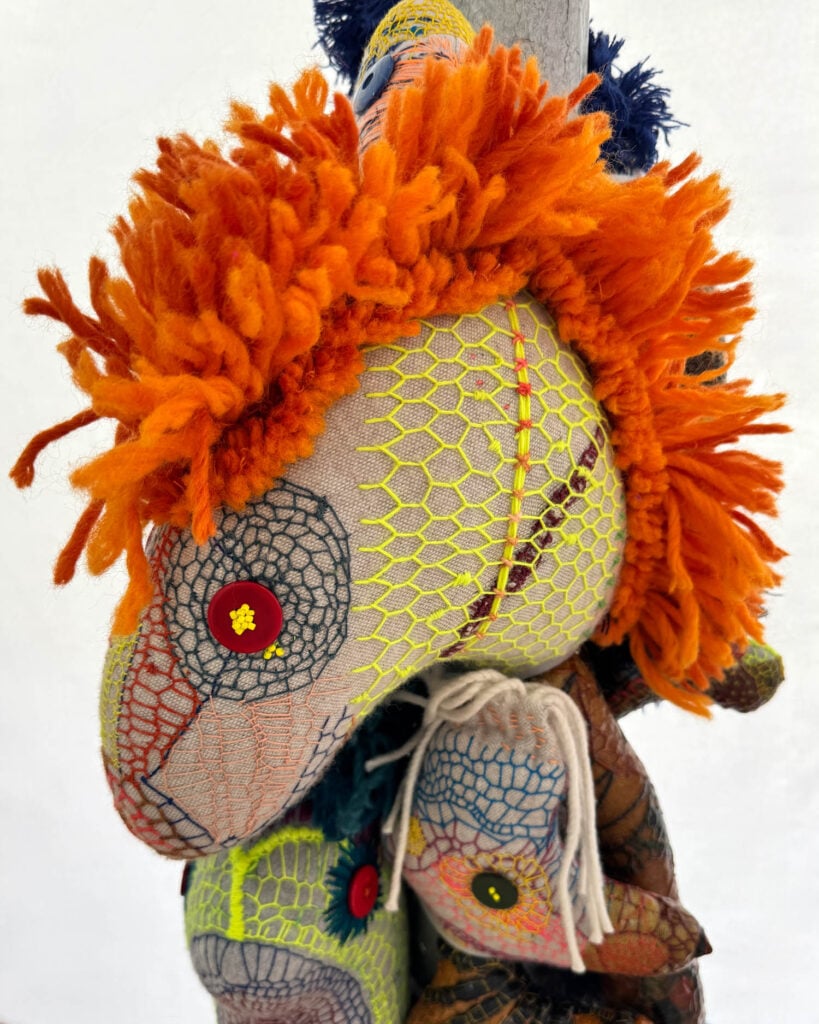
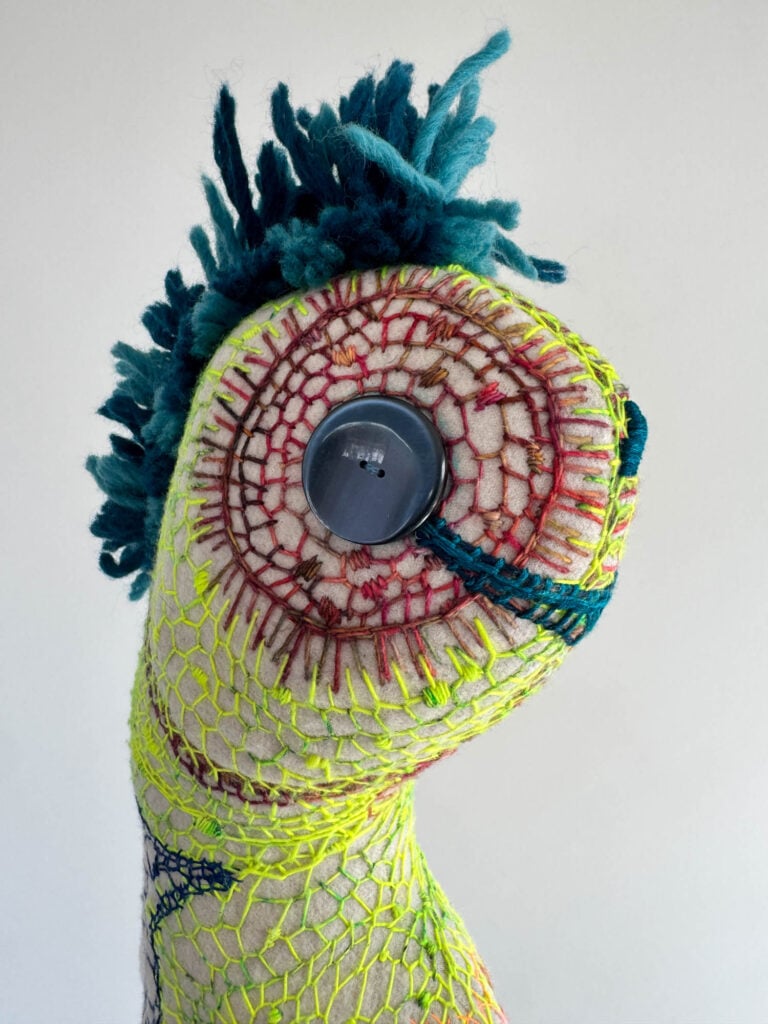
WW: The actual touch, I think, is primarily for me—the touch. The feeling, the softness, the colors, the thread, the wool, and on the other side the latex, which has a skin-like texture and that’s important. It’s the feeling of the materials and deciding which one feels right. I go through the fabrics to decide: which one is for that specimen, which one is for that creature? There is a softness to the materials, a warmth. There’s a comfort in working with the specimens, the stuffed forms have these nicely rounded surfaces. Just running your hand across those surfaces, it’s a wonderful tactile adventure and it’s that feeling that directs the stitching.
ID: Do you often allow the audience to feel your work?
WW: With the audience, I think the softness of the cloth translates even without the need to touch it. The material itself exudes its strength, its sheen, its pliability. There is a certain distance with a finished piece. I mean, if you came to my studio, I’d be happy for you to touch everything. But once it’s in an exhibition, there’s that conundrum—how do you protect the piece, yet still invite engagement? At the Prism exhibition in 2025, we had a sample wall and several of the artists provided touchable samples. I included a couple of specimens you could squeeze, pull, whatever tickled your fancy really. The response, especially from children, was brilliant. Their instinct is to touch, to engage physically, and that contact can be incredibly fun and stimulating. But also the adults were excited that they could experience a sense of what I feel when I handle the material.
ID: Is there a place in your work where you often record fleeting impressions and emotional states? Do you have a plan before you make a piece or does it emerge while making?
WW: My process often begins with preparatory drawings, notes, fragments of thought. I wouldn’t call them writings exactly; they’re more like loose lists, musings on what a piece might contain, trying to express. The drawings help work out shapes, dimensions, and scale… often trying things out just to see how they might work in a different size or material. Things definitely go wrong, sometimes in a good way and sometimes in a let’s call it an interesting way. But a shape that feels utterly off might turn out to be the most exciting part of the process. That kind of failure is exciting, it leads to the next piece. Without those missteps, I think my work would risk becoming too tidy. I’m quite controlled by nature, so I’ve learned to set myself up to stumble, to invite mistakes, to get lost. It’s necessary. Otherwise, the work would become too contrived, too cautious.
ID: Are there designers or creatives whose works move and inspire you in the best of ways?
WW: When it comes to soft sculpture, it’s hard not to mention Louise Bourgeois. She’s a guiding light for so many of us; her ability to work with fabric, scale, and raw emotion is just unmatched. There’s something so complete about her work, like every stitch carries her presence. Seeing it in real life is nothing short of mesmerizing. I still think about Mari Katayama’s solo show “Broken Heart” at White Rainbow Gallery in 2019. The way she stares directly out from her photographs, surrounded by her own sculptural world. It’s powerful, delicate, and visually stunning. There’s a kind of clarity and textural sparkle that really stays with you. Then you’ve got the Quay brothers with their slightly off-kilter, wonderfully odd world, everything just a bit ajar, a bit off-track in the best possible way. I love work that leans into that kind of strangeness. Magdalena Abakanowicz left a deep impression when I saw her work again at Tate Modern in 2023. Those towering woven forms that just command the space. It’s the kind of scale that knocks the wind out of you. Similarly, Tao Lewis, whose work I saw at the Venice Biennale a few years ago, pours herself into her materials. You feel every emotion in those pieces.
ID: What are the themes you explore in your works that appeal to you both as an artist and as a human?
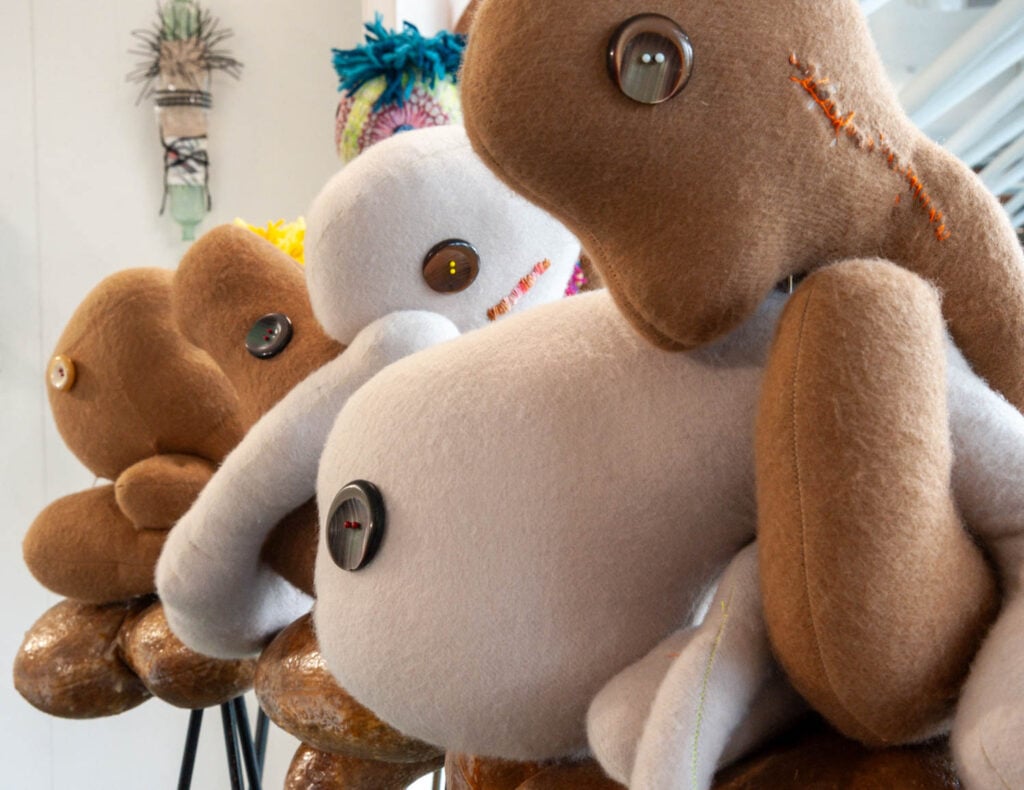
WW: My work definitely explores themes of abuse, abandonment, and the fragile space between innocence and experience. At its core, it is deeply personal, a way for me to process and make sense of complex emotions and memories that I am otherwise reluctant to voice. I am a very private person, and speaking about my work makes me very uncomfortable. I guess the work itself becomes my voice, it allows me to feel, to reflect, and to confront without the need for explanation. Quite a few of the works I create centre around childhood, but not in the sentimental or idealized sense. The figures I work with, dolls, teddies, symbolic objects of care, often appear discarded, exhausted, or altered beyond recognition. They reflect the emotional realities many children face: neglect, loss, and a desperate need to feel safe and loved. These pieces speak to what happens when innocence is left behind, when what was once precious becomes unwanted, even forgotten.
A piece like We remembered a kind of Arcadia embodies this tension. The name evokes an idyllic, peaceful childhood, yet the work itself tells another story—of a slumped teddy bear, stretched in latex skin, worn and weary. It’s a quiet kind of desolation. Through it, I confront the myth of childhood as a protected realm, especially in a world where children are often the first casualties of neglect, war, and displacement. Some of this work routes back to the pandemic, when statistics around child abuse and neglect surged and news of missing refugee children became horrifyingly common.
ID: You also explore the impact of AIDS and on queer identity, how do you approach that?
WW: I’ve always had a complex relationship with the word queer. Not because of my sexuality, but because of the idea that it should define everything I am. Unlike my straight friends, I’ve often felt reduced to a label—expected to represent an entire identity in a way they never had to. Yet, over time, that discomfort became part of the work too—the negotiation of belonging, of difference, of being both inside and outside. My work reflects a long engagement with the impact of AIDS and the evolving reality of queer identity, not only as social and political concerns but as deeply personal and lived experiences. Though not all my pieces speak to this directly, certain bodies of work emerge from that history with certain urgency and hopefully tenderness.
ID: What are the works you have made that explore the subject of queerness?
WW: One such series, Thistledown floats lightly down the lane recently shown as part of “The Loudest Whisper” exhibition at St Pancras Hospital, uses reclaimed bed linens as a central material. These are discarded sheets from industrial laundries, once part of intimate, private spaces, now worn out and deemed useless. Like much of my work, they speak to abandonment, but also to memory, to dreaming, to the residue of touch, pain, and comfort. They carry unspoken stories: of bodies, of care, of loss.
The AIDS crisis reshaped everything. Its reshaped lives, friendships, communities, and creative voices. I am a long-term survivor, something I never expected to be. That fact alone brings a complicated mix of emotions: gratitude, confusion, isolation. The piece, Simon’s Friend—a small figure enclosed in a box or coffin, is quiet but mournful, a personal memorial to the many we lost. We lost whole groups of people. Some of us are still here, unexpectedly. And yet the virus remains inside us, physically and mentally. Survival is not just life—it’s a condition, a tension, a rather strange identity.
What unsettles me is the resurgence of hostility toward the queer community, especially trans people. There was a time, at the turn of this century when it felt like we had crossed a threshold of acceptance, that certain rights and recognition were here to stay. But now, again, that sense of security is being stripped away. Things we believed were settled around gay rights, women’s rights, queer existence are now back under threat. It’s frightening.
read more
DesignWire
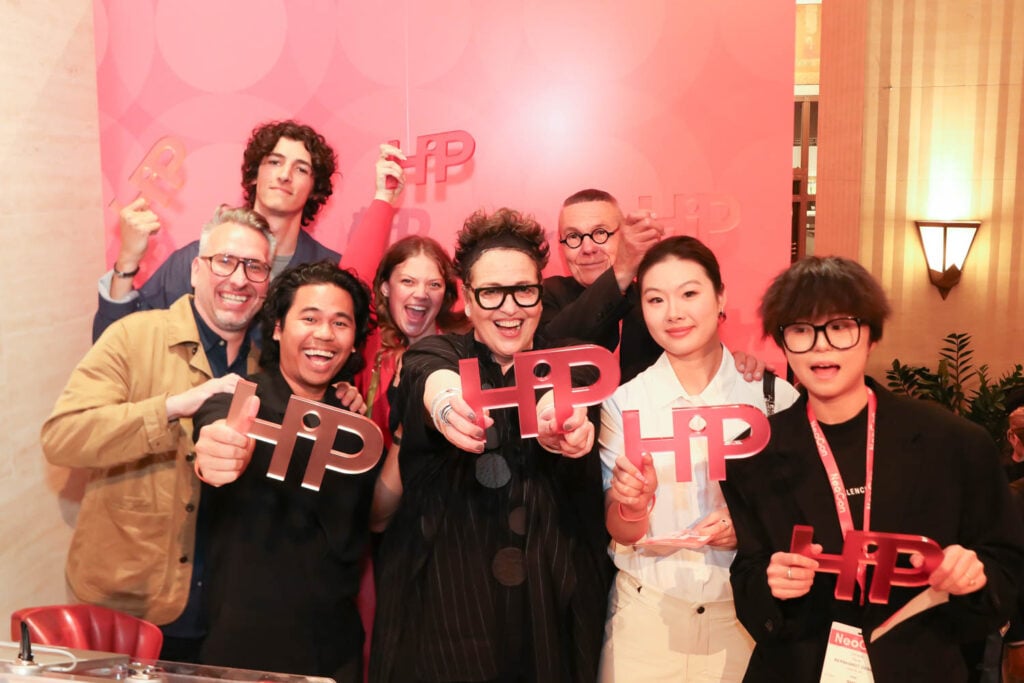
Inside Interior Design’s 13th HiP Awards Ceremony
From a cocktail reception among buzzy designs to an awards celebration to remember, see highlights from our 2026 HiP Awards ceremony.
DesignWire
NeoCon Show Daily, Day 1: Chicago As A Design Playground
Now it’s official! Kick off NeoCon and Chicago’s Fulton Market Design Days with Interior Design‘s Show Daily, Day 1 edition.