
12 Highlights From Heimtextil 2026 With Serious Thread Appeal
With 3,000 exhibitors from 66 countries, Heimtextil 2026 bills itself as the world’s leading trade fair for home and contract textiles. This year’s show, which took place in Frankfurt, Germany, from January 13-16 2026, was typically gigantic, and included decorative and upholstery fabrics, bed linens, towels, wallpaper, carpets, and more. The focus was an interesting mix of craft and tech, showing how AI can be incorporated into designs and the way we interact with them.
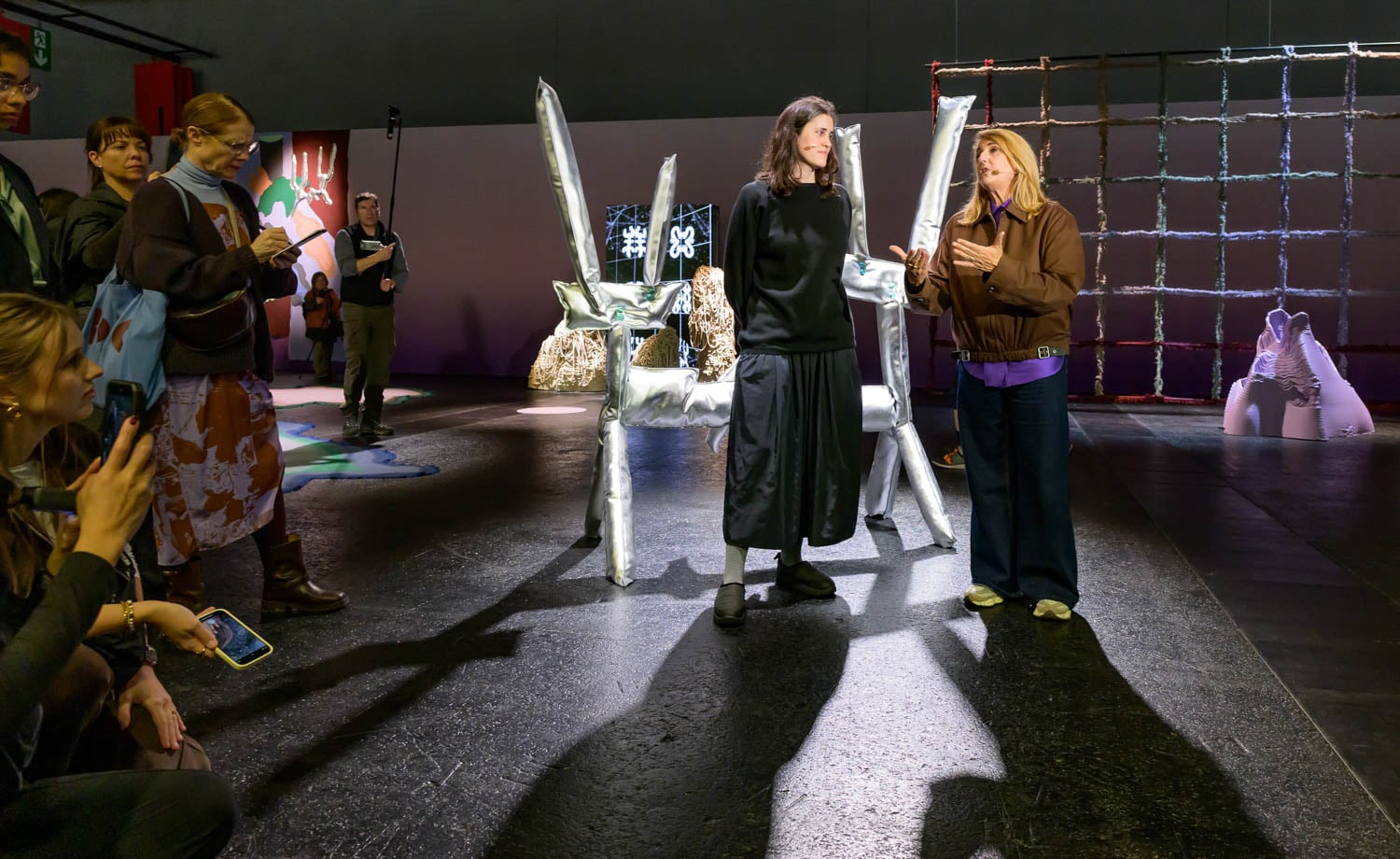
Designer, architect, and Interior Design Hall of Fame inductee Patricia Urquiola opened the show with an installation called ‘among-all’, as well as a conversation with Rosa Bertoli, Global Design Director of Wallpaper magazine about materials and technologies that will shape the future of interior design. The presentation itself was interactive and included various and touchable hybrid sculptures, hanging grids, and inflated figures.
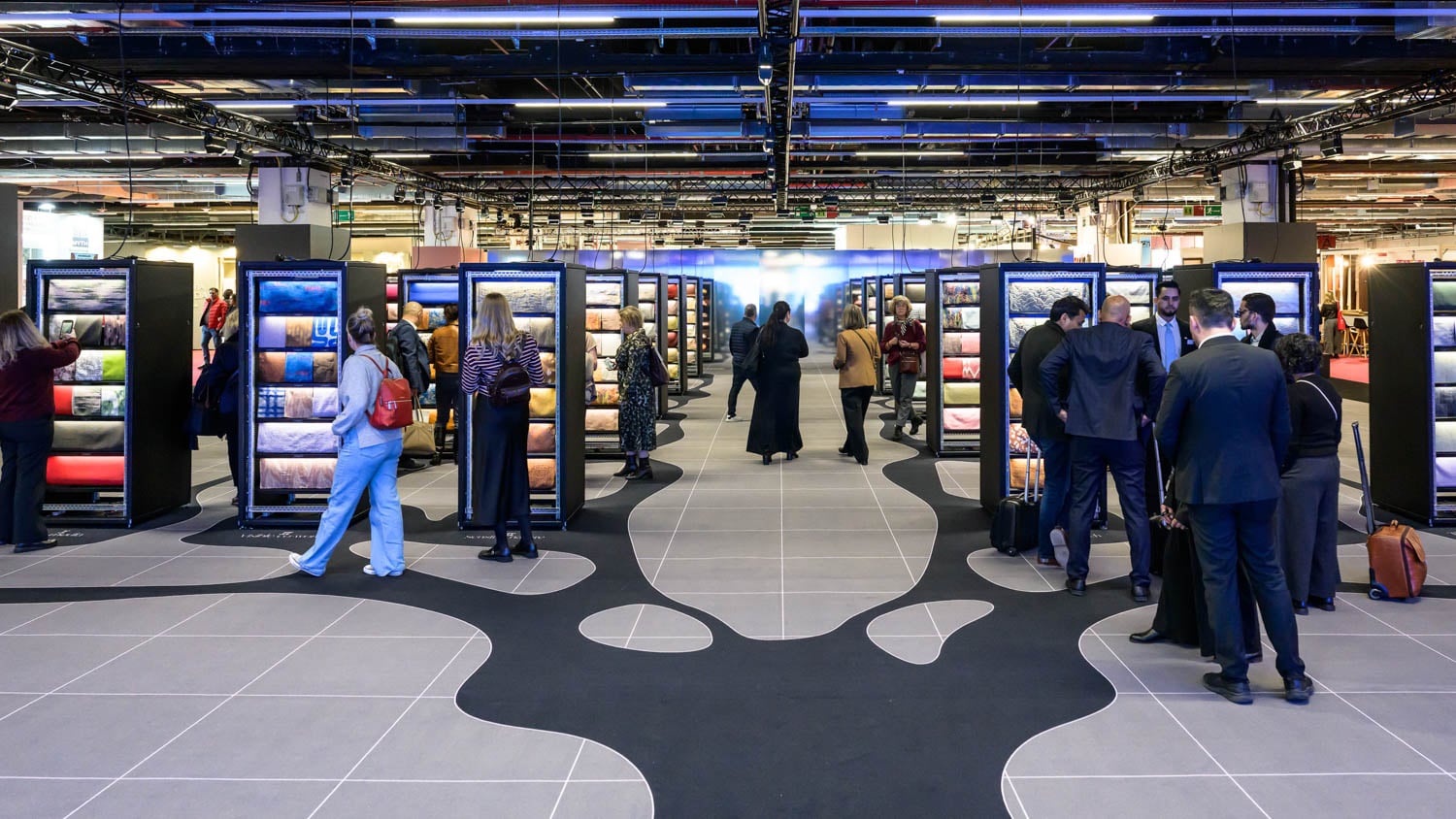
In addition, the creative platform Alcova presented “Craft is a Verb”, a demonstration of the relationship between craft and AI—and how they can compliment one another. They curated a large installation that presented the craft component as a catalog-like set of samples drawn from all over the fair, grouped into trends: Sensing Nature, Media, Visible co-work, The Uncanny Valley, A Playful Touch, and Crafted Irregularity. The AI aspect in an enclosed house that contained digital screens and futuristic concepts for the home.
Taken together—and with the offerings at the fair itself—it made a strong case for the meeting of human hands and machine learning.
Discover Highlights From Heimtextil 2026
Patricia Urquiola
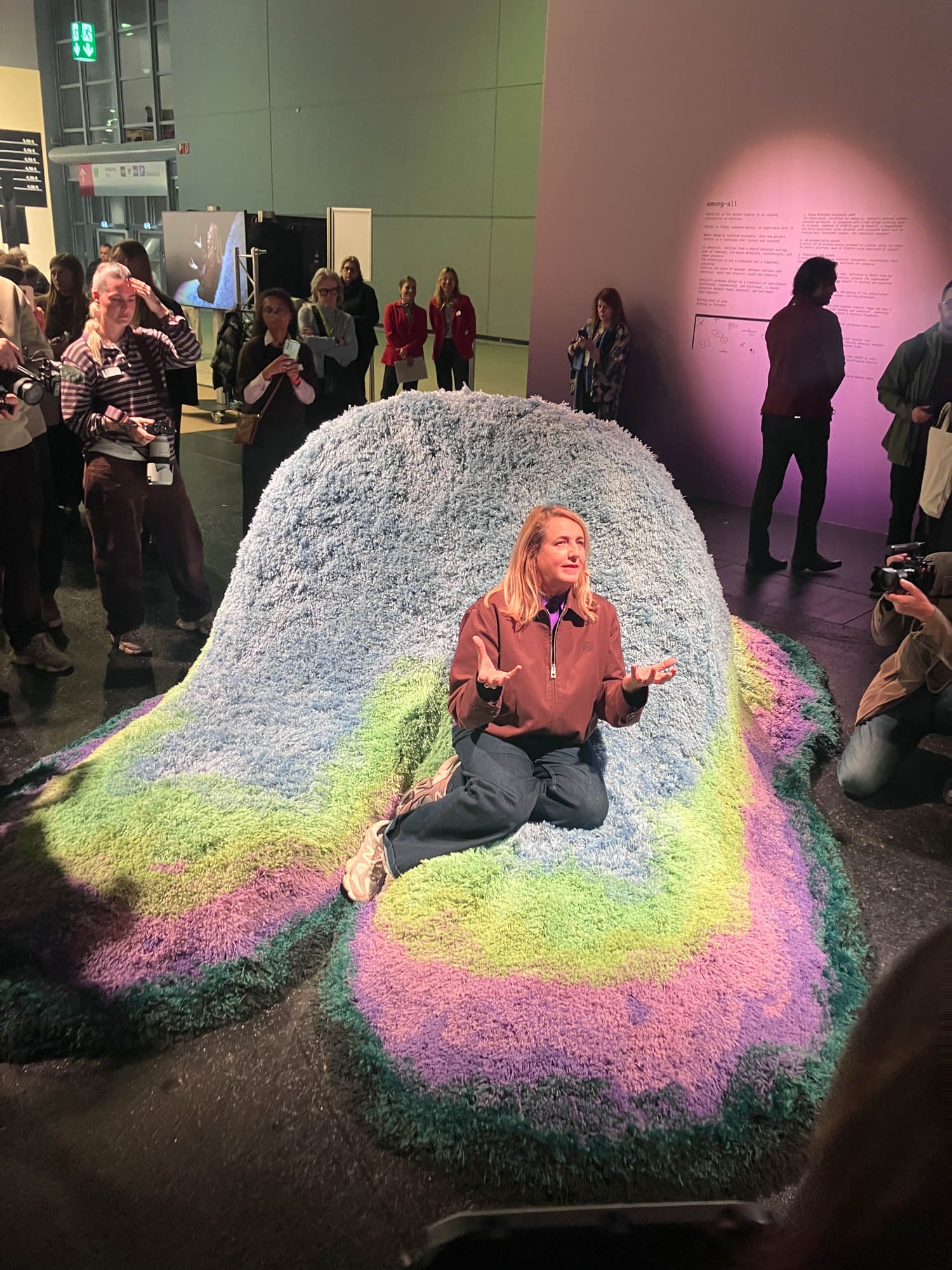
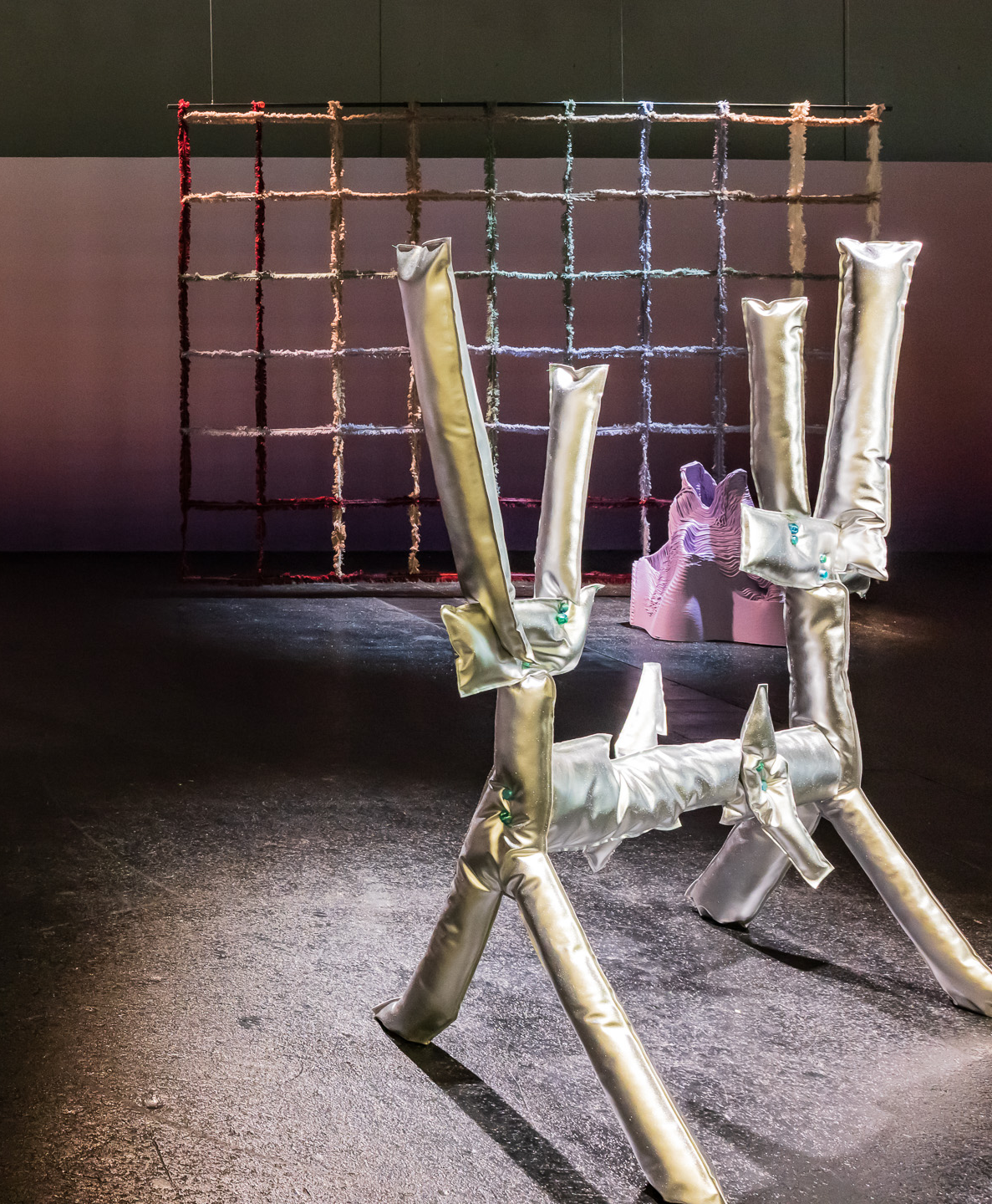
Patricia Urquiola’s large ‘among-all’ installation invited visitors to touch, and each of the different areas explores a different aspect of texture—shaggy yarn, flat weaves, and even metallics. At right is her inflated, animal-like creation made from Ohoskin, an Italian textile created with discarded orange peels.
Alcova
Part of Alcova’s “Craft is a Verb” presentation at the show included a library of samples gathered from every corner of the wider show. (These types of installations often include only larger brands, but this one was much more exhaustive.)
Poppy Porter
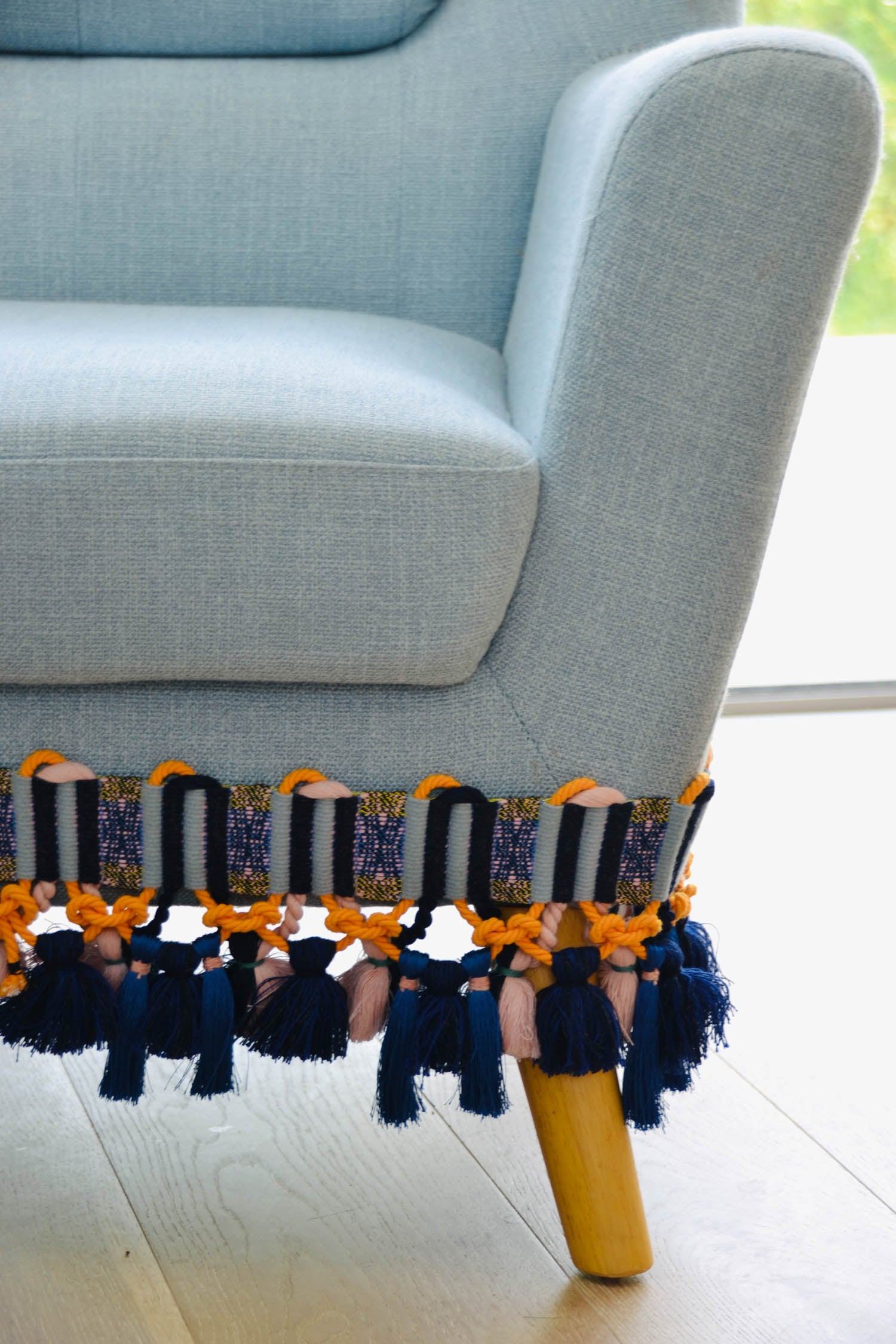
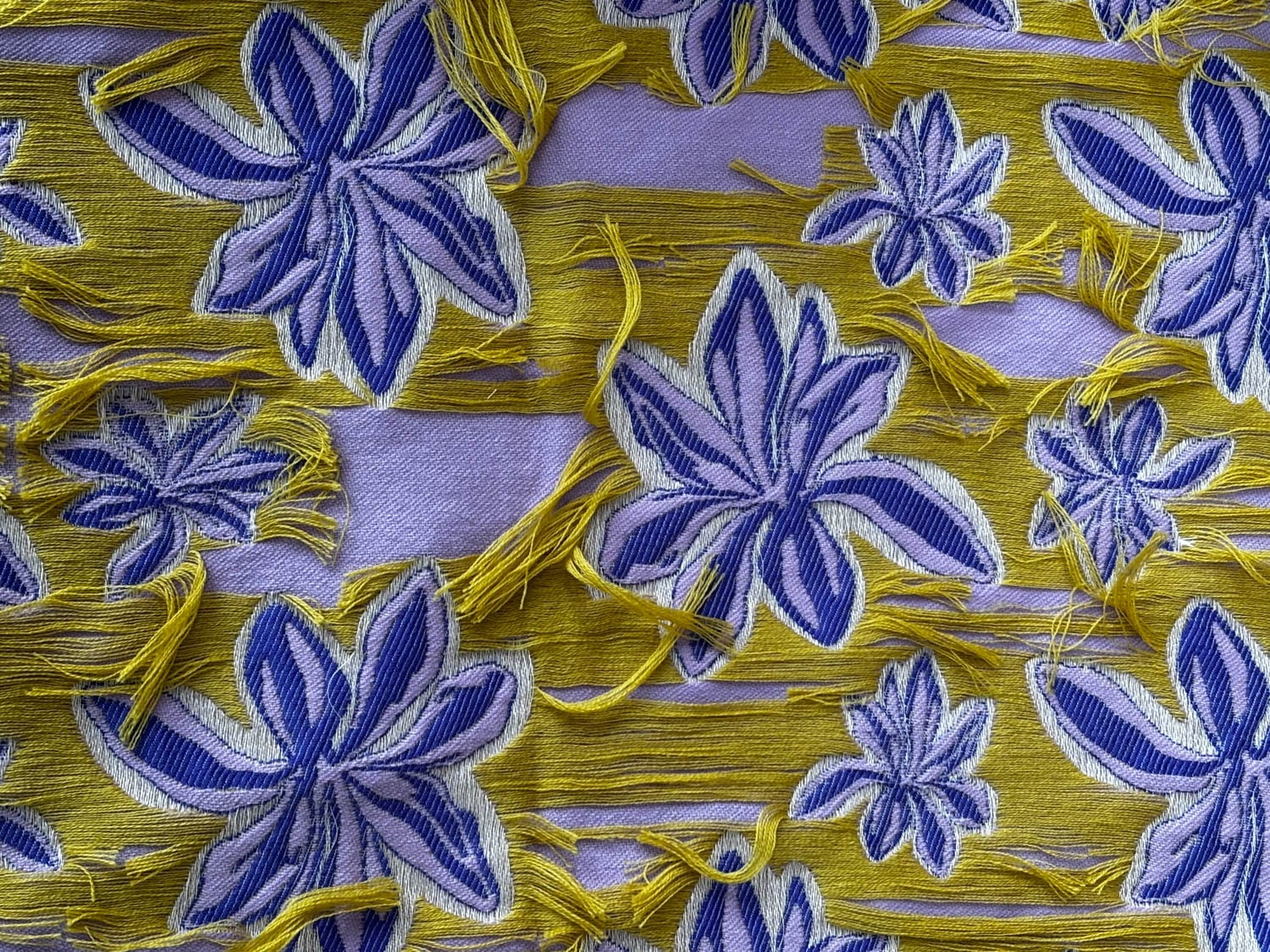
A graduate of textile design from Central Saint Martins, Poppy Porter’s passion is to fuse color and pattern with more traditional techniques, while infusing them with modern trends, the result reflecting the natural world and bringing it into the home. Her new collection focuses on the way printed and woven textiles can work together.
Ilamon Thangkhiew
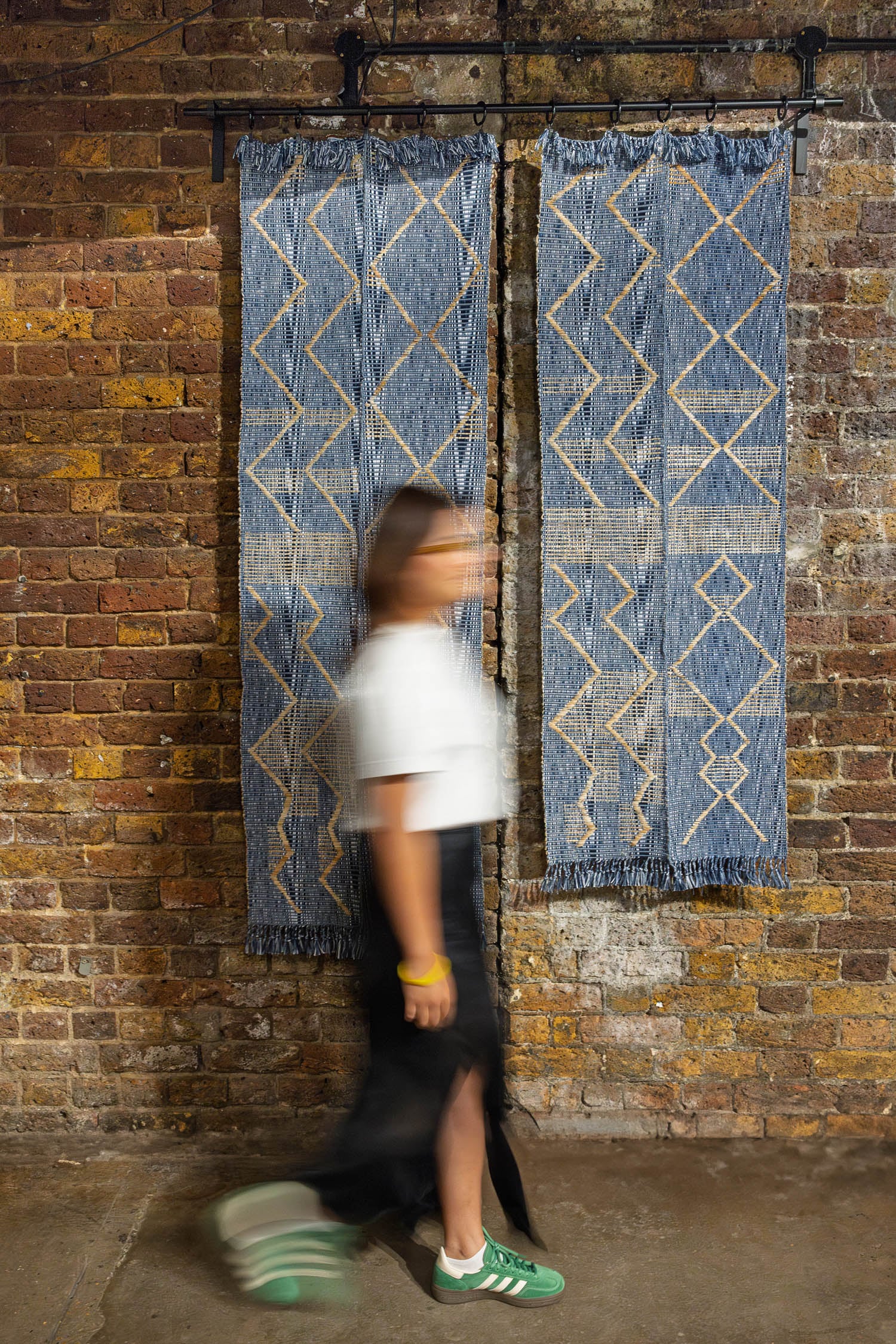
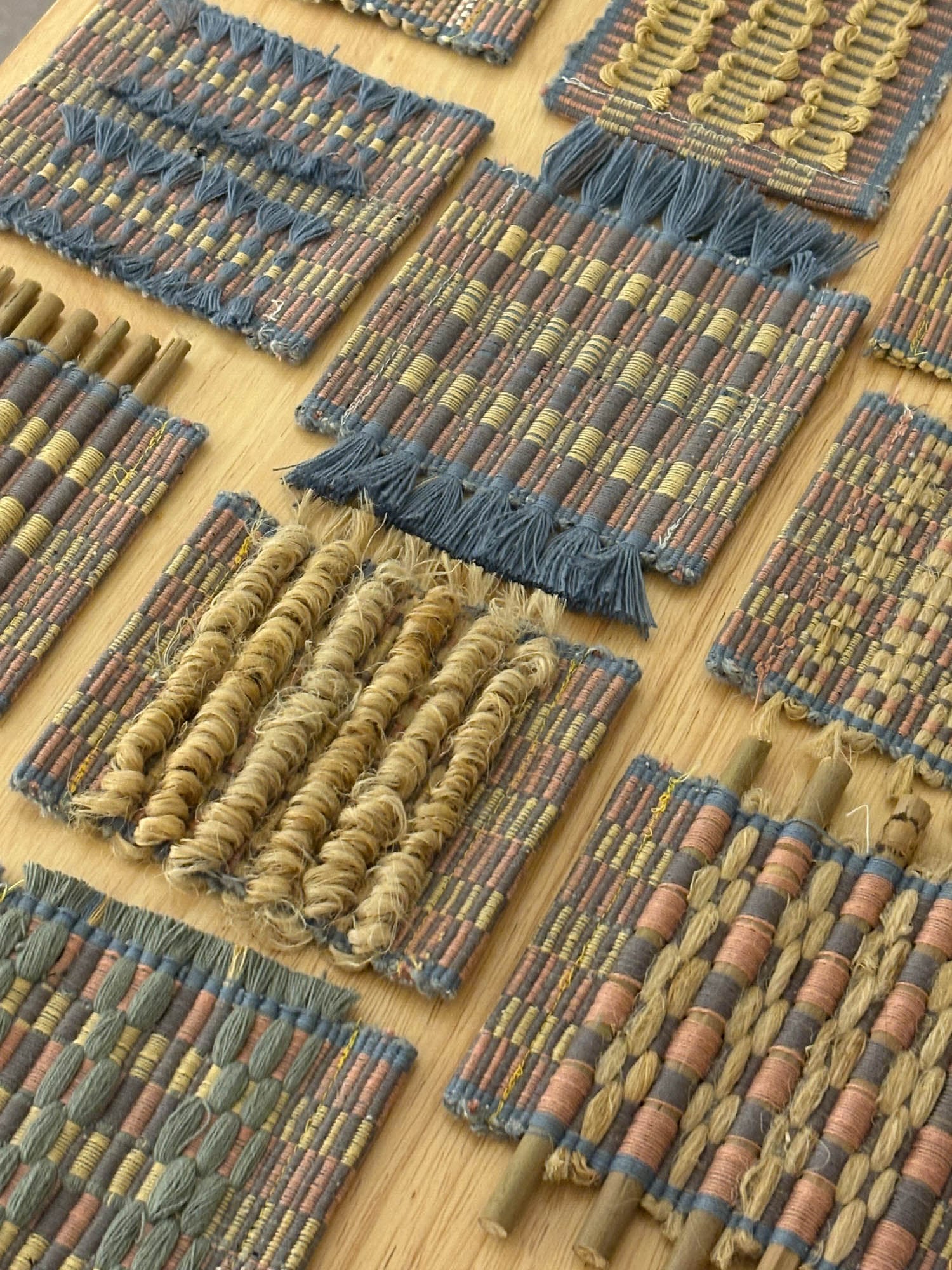
New takes on the idea of texture and 3D showed up in many places, but examples from textile designer and maker Ilamon Thangkhiew were particularly interesting. She showcased her new collection of samples using cotton, ramie, and bamboo.
Dash & Miller
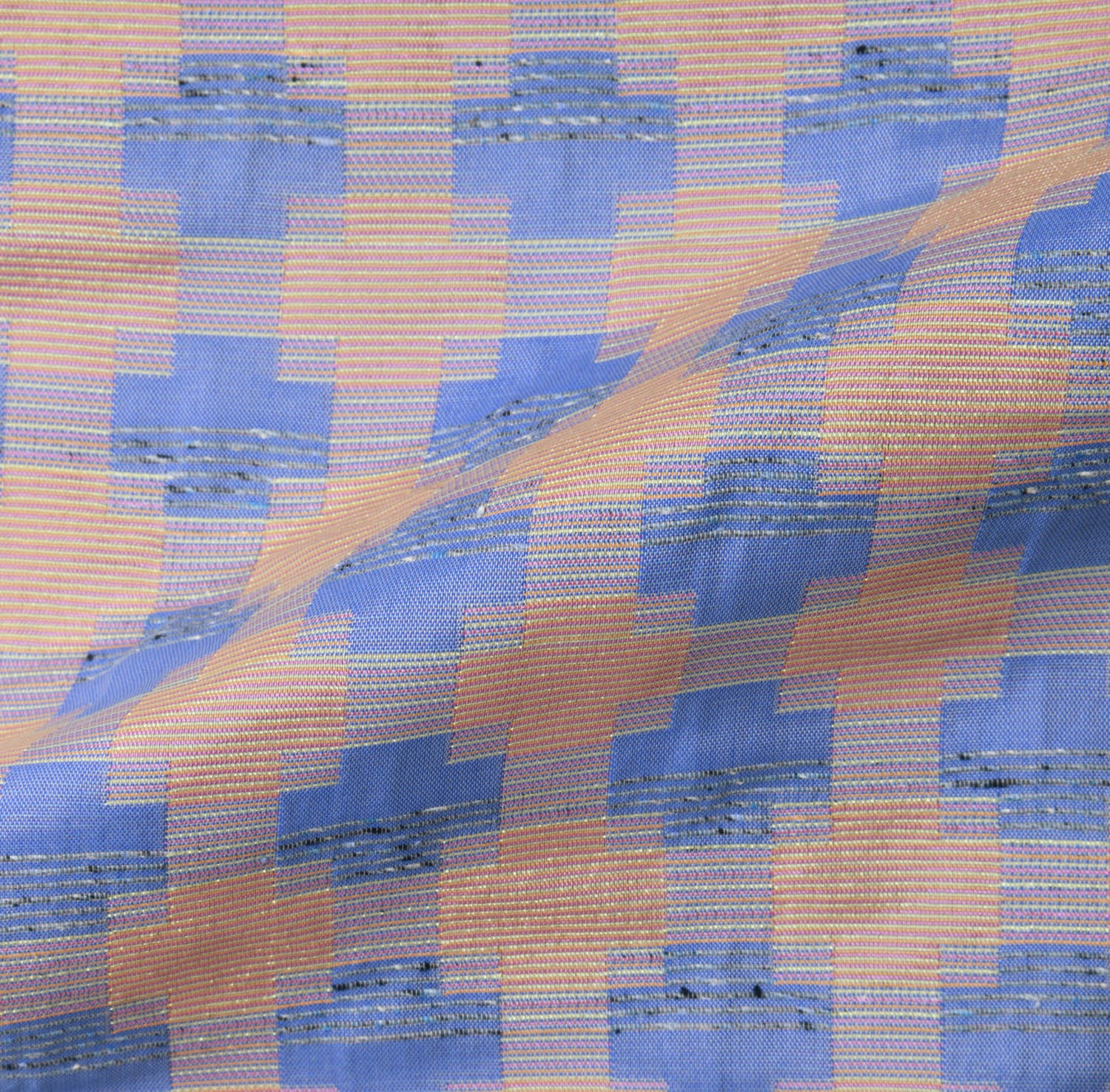
Fabrics that look as if they had been woven and then embroidered on top of were a big hit at the fair. This example from Dash & Miller is a double-faced weave with a multi-colour pinstripe and silk voile yarn adding texture. It is composed of 61% Poly, 25% Viscose, 14% Silk.
Megan Leech
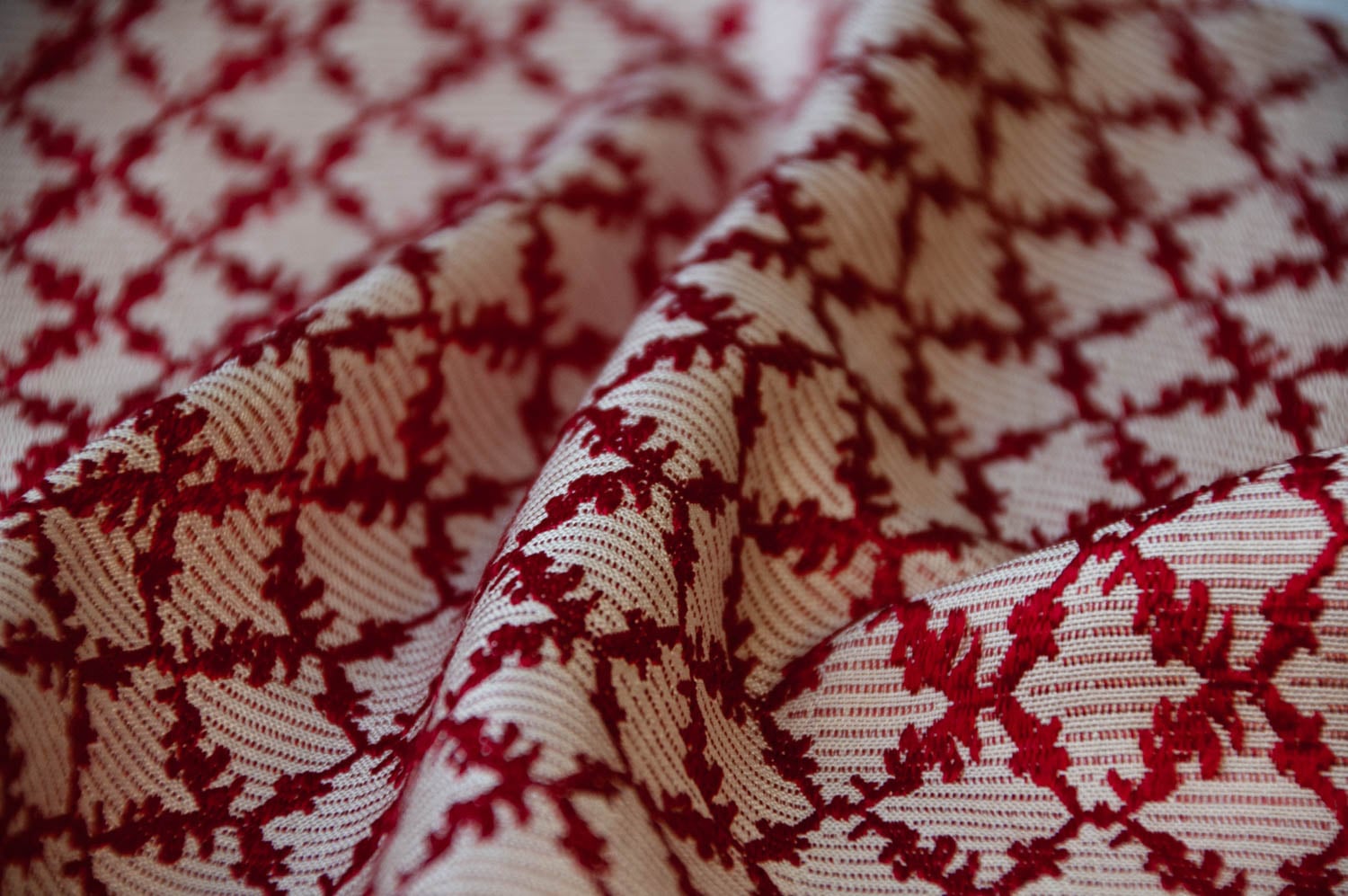
Specializing in bespoke woven textiles, Megan Leech is a London-based studio that creates small-batch wovens that exemplify the relationship between design thinking and technical expertise, pushing the limits of woven textiles’ potential. The work is characterized by delicate patterns and a bold use of color.
Palm Fibre India
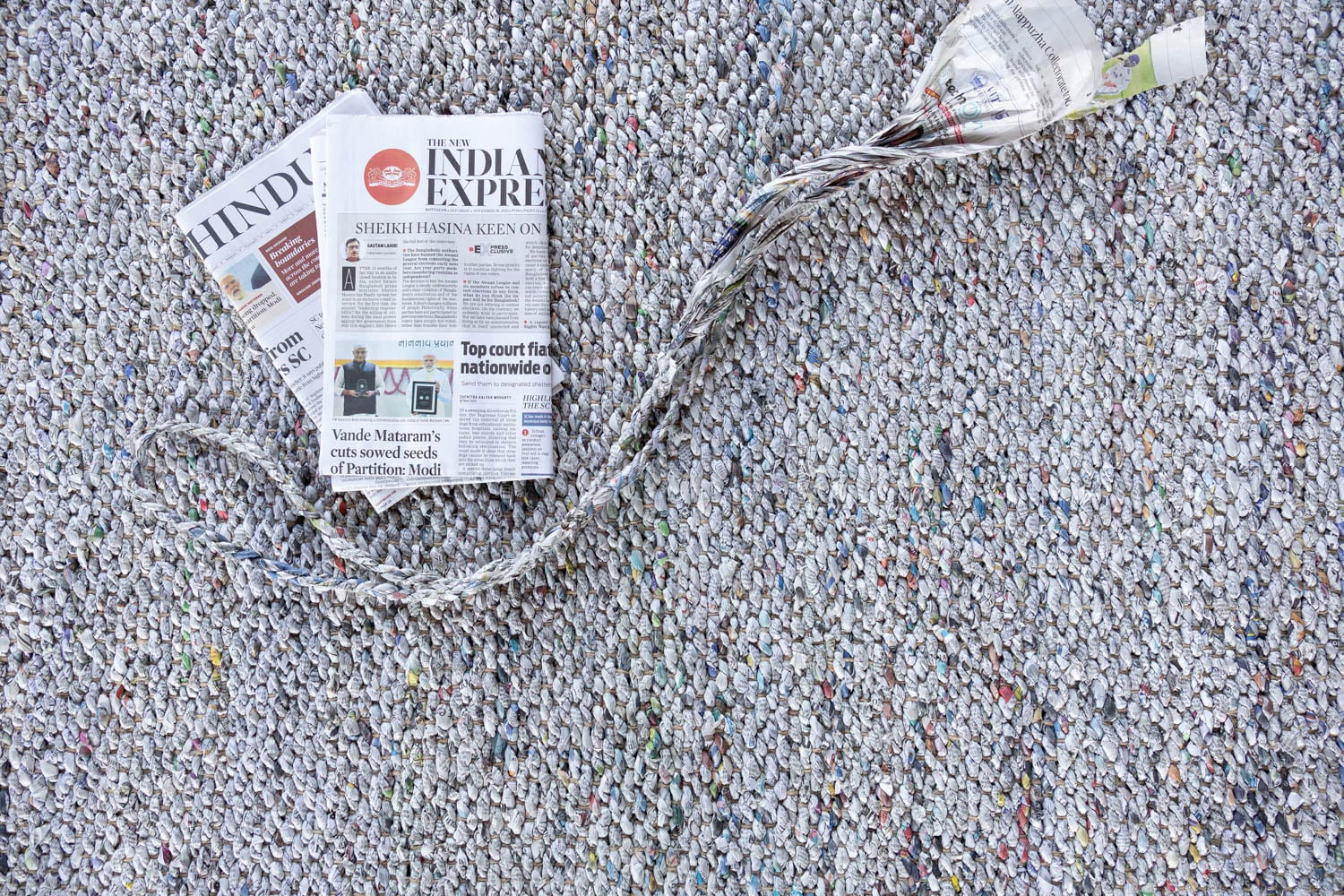
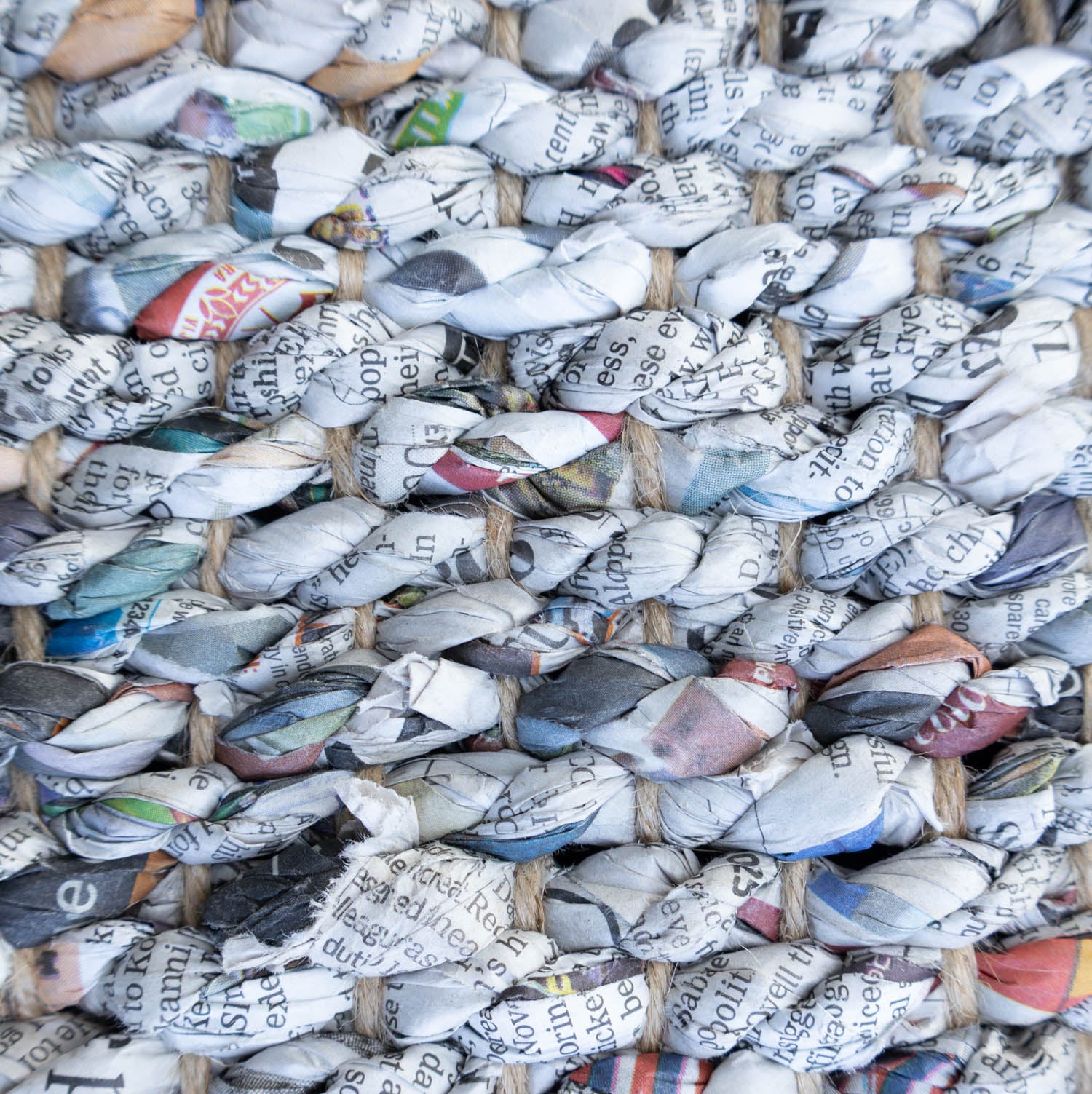
Palm Fibre India is a family-run business out of Kerala, India, specializing in eco-friendly, natural fiber products containing coir, jute, sisal, rubber, wool, seagrass, and cotton. The Newspaper rug is made from—as the name suggests—recycled newspapers and jute, literally weaving stories into a unique surface.
Hafizia
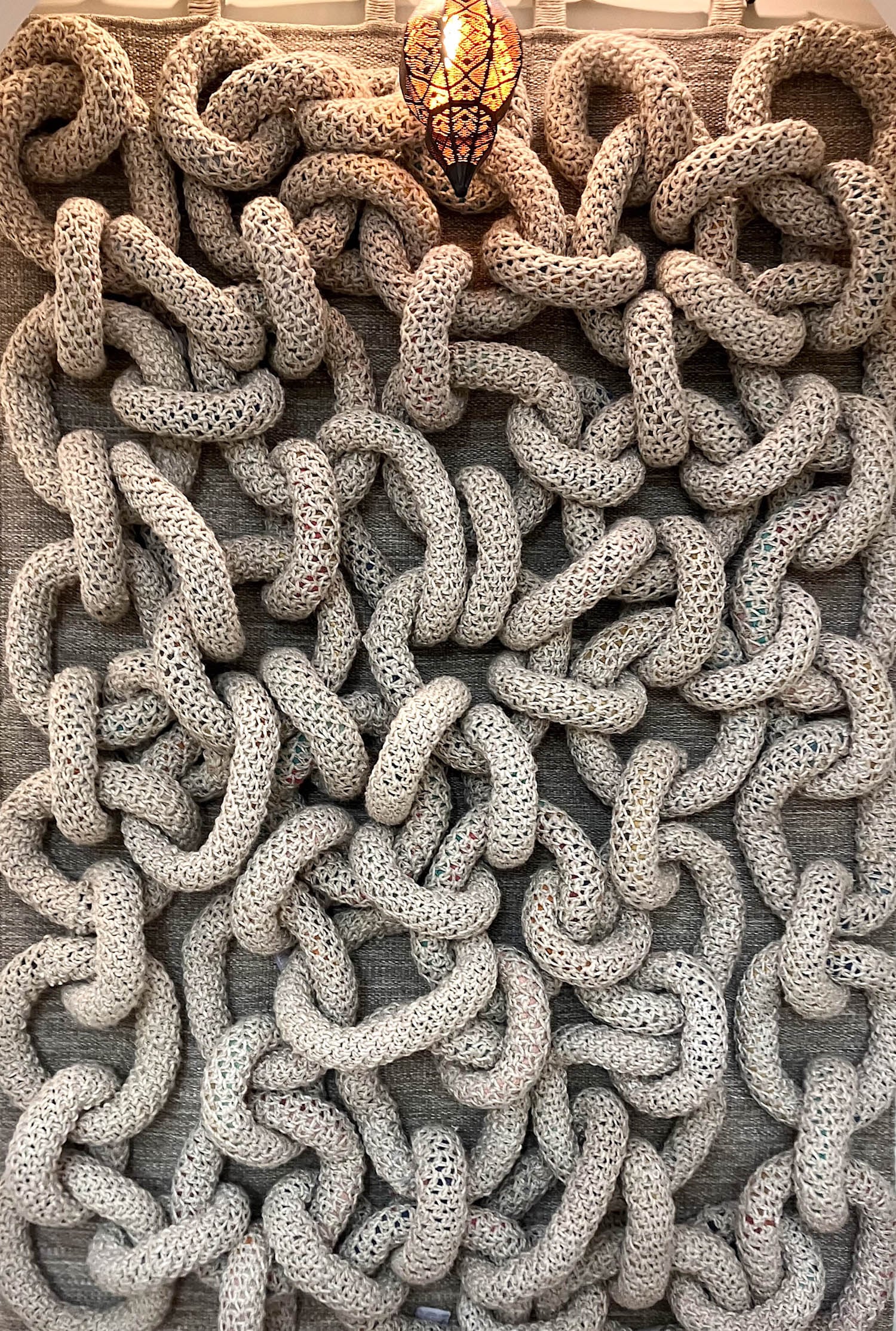
The Qarabat woven textile combines the Hafizia’s approach to home decor that includes a high degree of luxury—and more than a little wow factor. More of a wall hanging than a rug, it is made of oversized linked cords that gets its strength from the interlinking.
Santana Salcedo
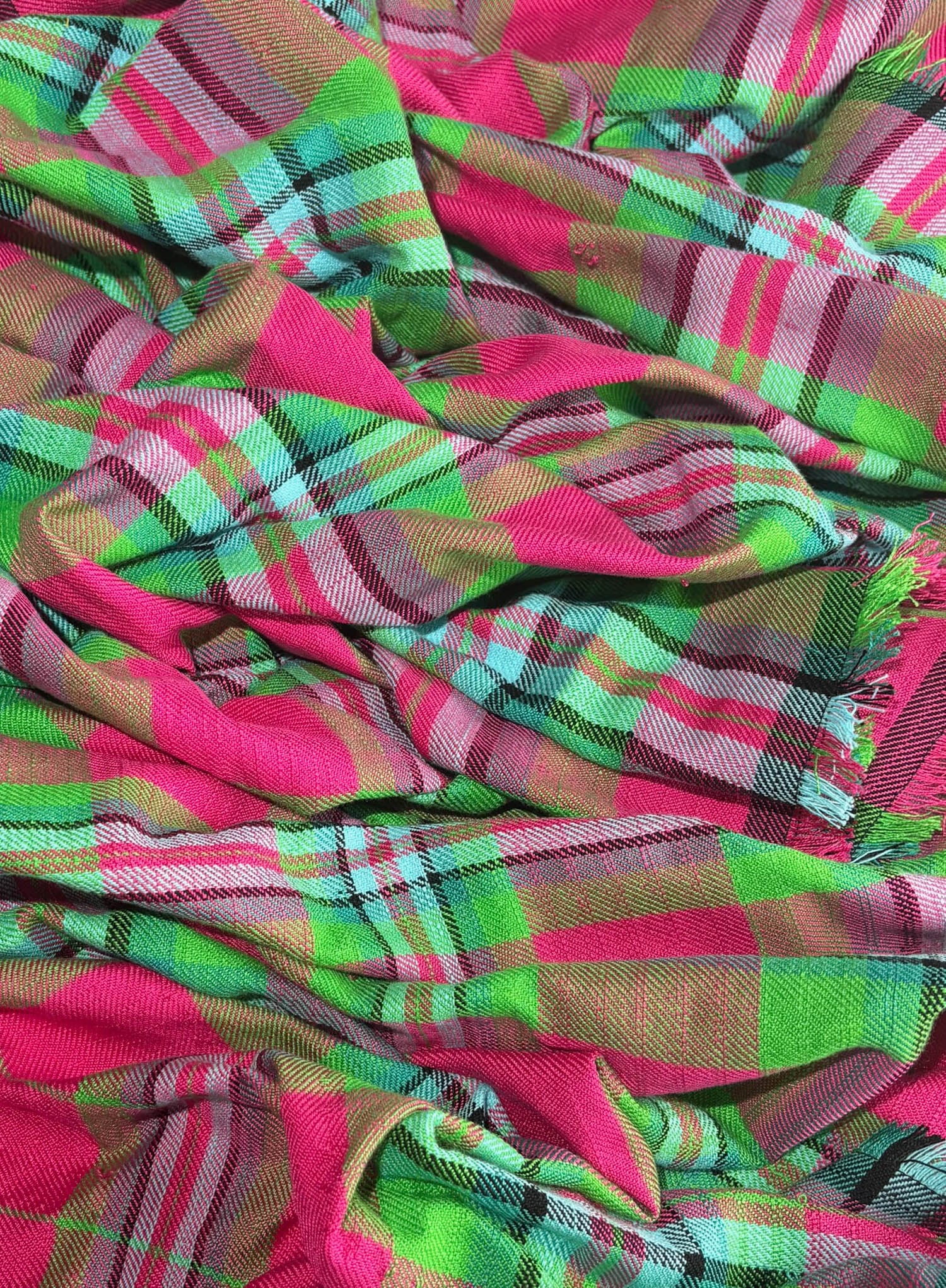
Canadian textile designer Santana Salcedo focuses on weaving, bead weaving, spinning, and paper design. She found inspiration from a special edition of the book Frankenstein designed by Maria Fazio for her vibrant, tartan-like design, which she says can be used for a variety of applications.
Emily Elias
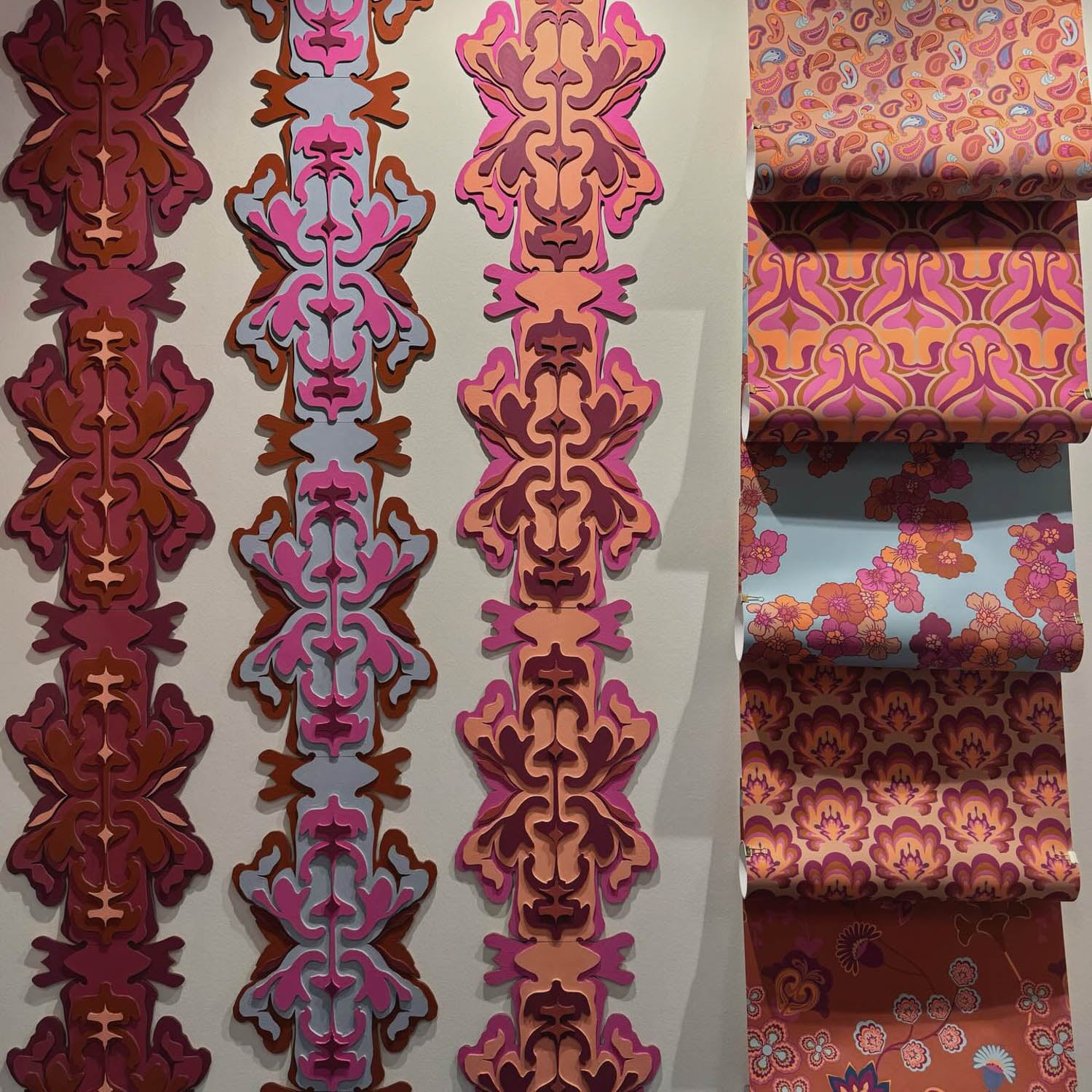
Emily Elias is a final year Surface Pattern & Textiles Student, studying at Swansea Collage of Art in the UK, and her practices focuses on mixing contemporary processes with the nostalgic. She is inspired by the Arts and Crafts movement, seeking to produce designs that go beyond trend cycles.
Paulig
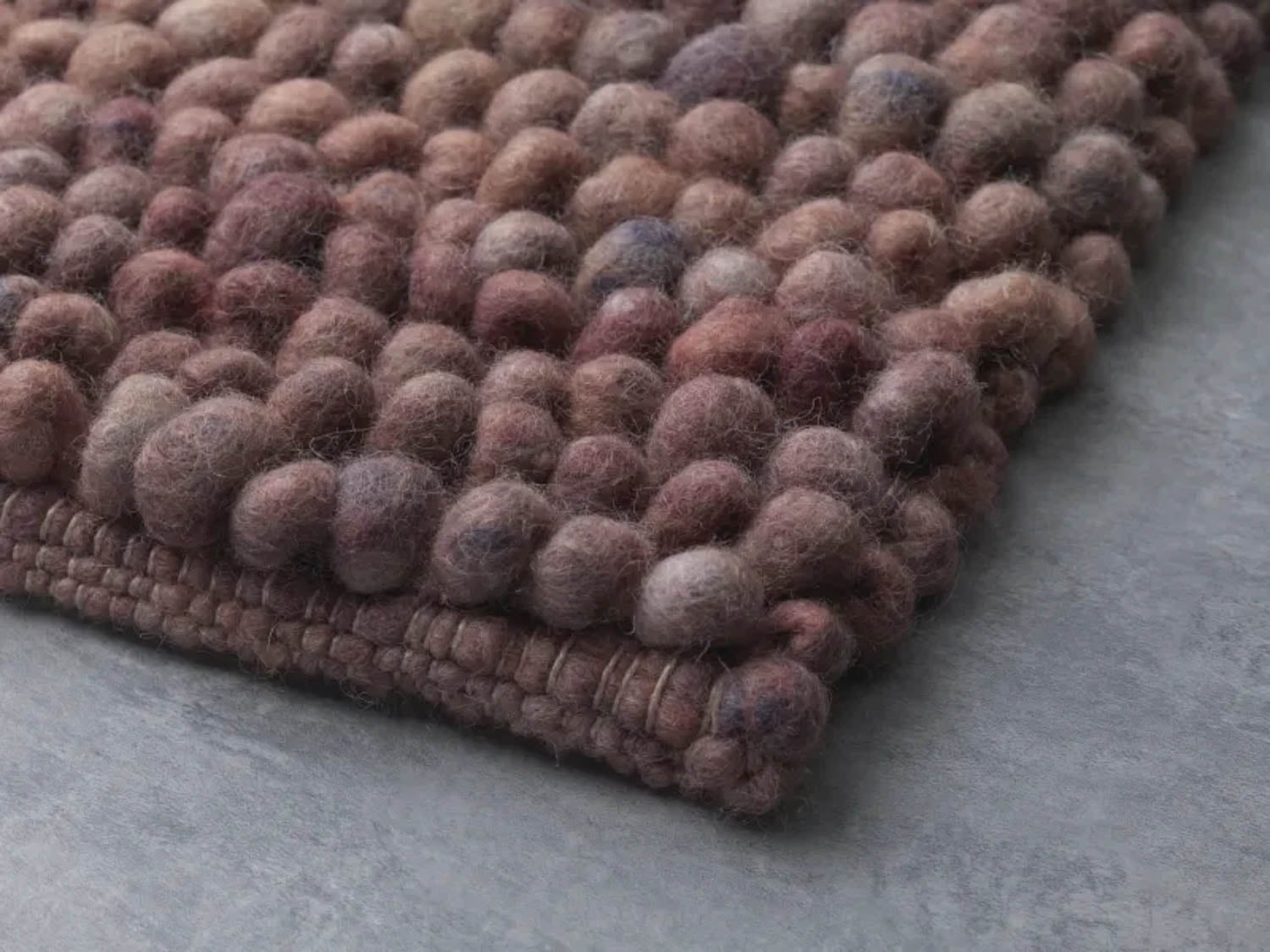
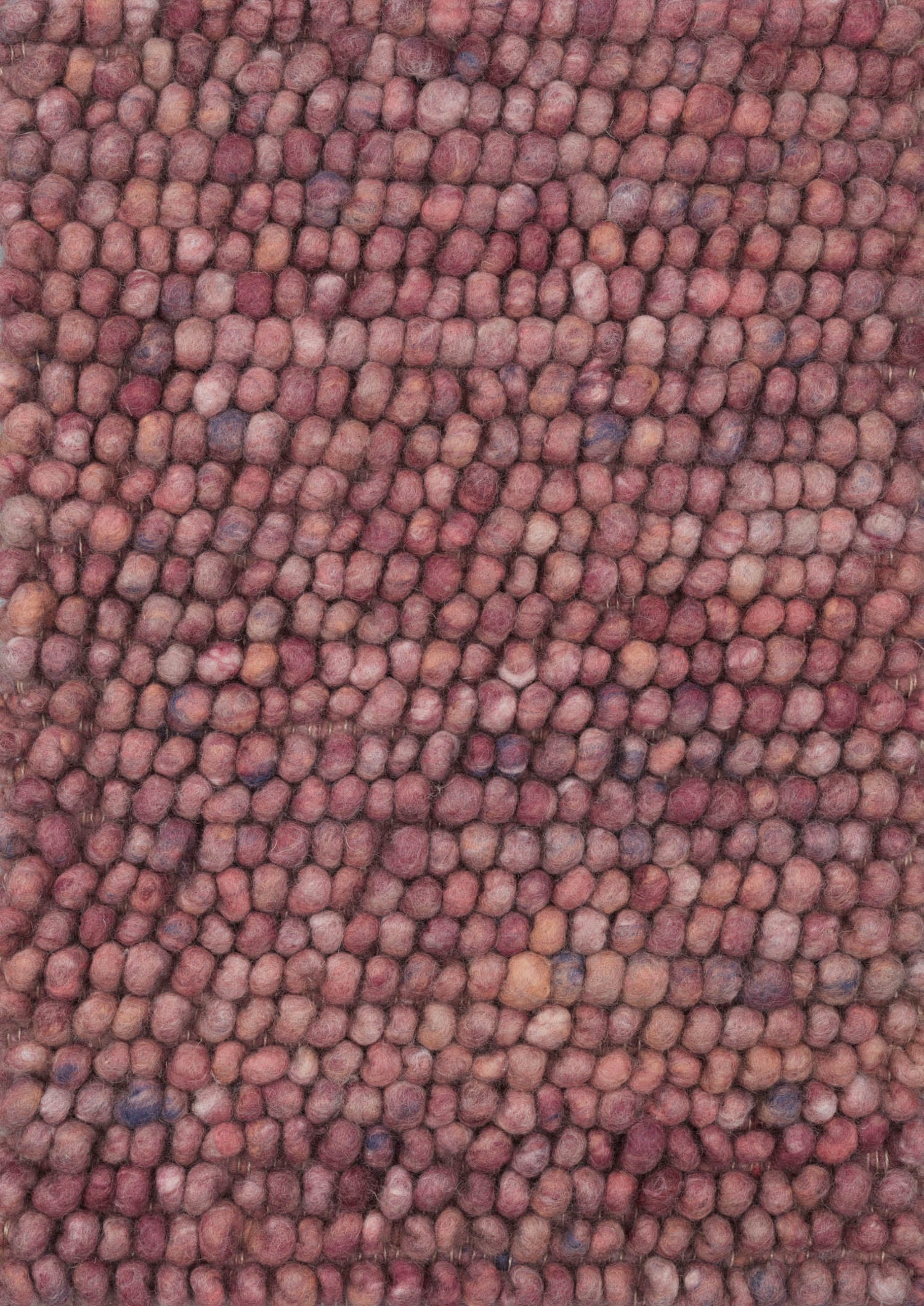
Chunky wovens came in many forms at the fair, and Paulig’s Salsa collection was a real knockout in the category. Salsa Rock (shown above) is meant to be walked on barefoot—and often—with an irregular, pebbly texture, available in 45 colors.
Têxteis DA
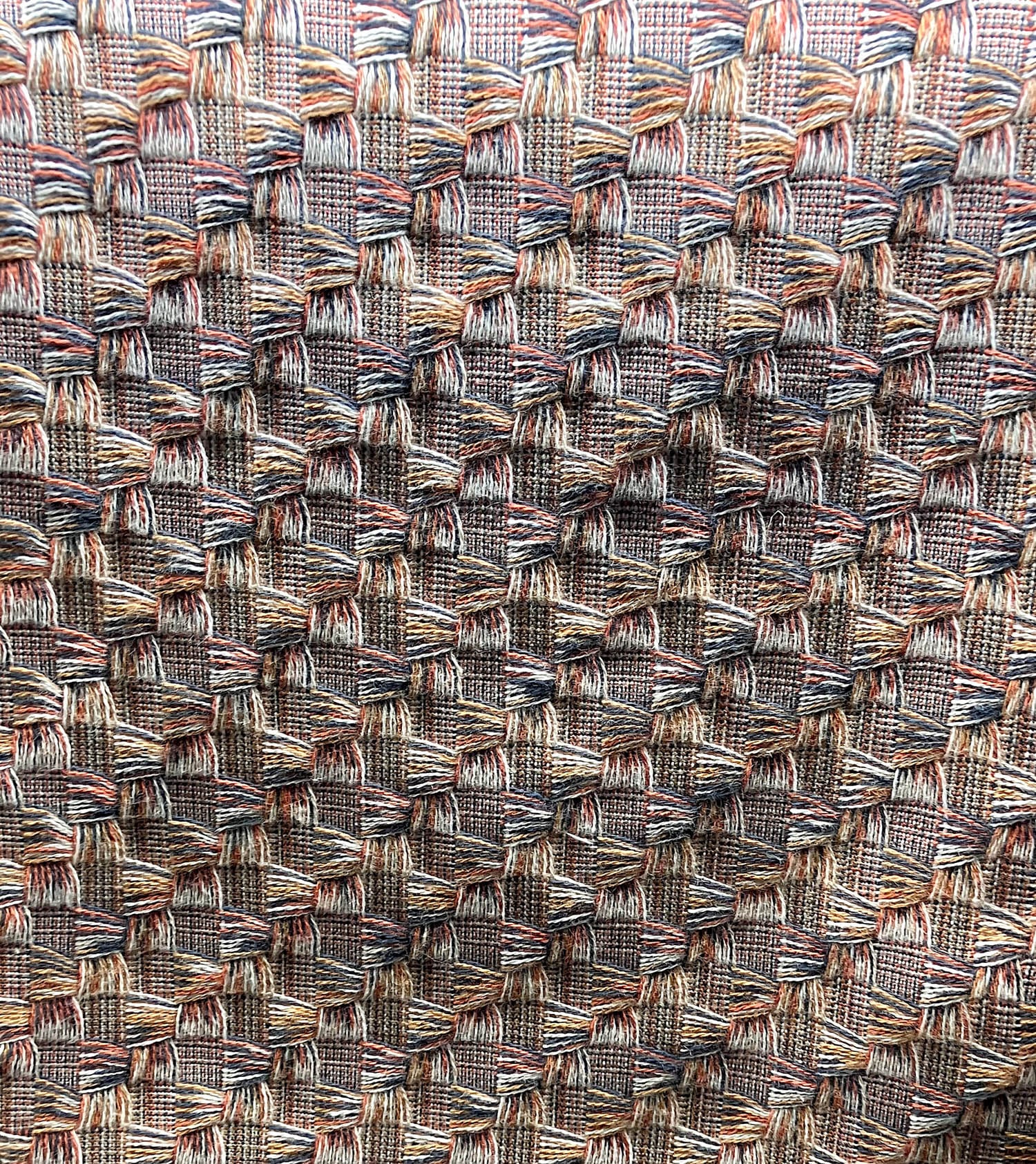
Offering a modern take on jacquard textiles, the Portuguese company Têxteis DA showed this basketweave blanket made from 100% cotton that has an amazing texture and mix of colors—but is also breathable and temperature regulating.
read more
DesignWire
Designers And Manufacturers On The Move: September 2026 Edition
Interior Design‘s latest On the Move includes must-know industry promotions and hires, like Perkins&Will’s strategic move to expand its design capabilities.
DesignWire
10 Questions With… Artist and Designer Conie Vallese
From sculpture and ceramics to glass, textiles, and furniture, Conie Vallese embraces a multidisciplinary practice shaped by curiosity and creativity.