

Discover A Monograph Highlighting Designer Shiro Kuramata’s Legacy
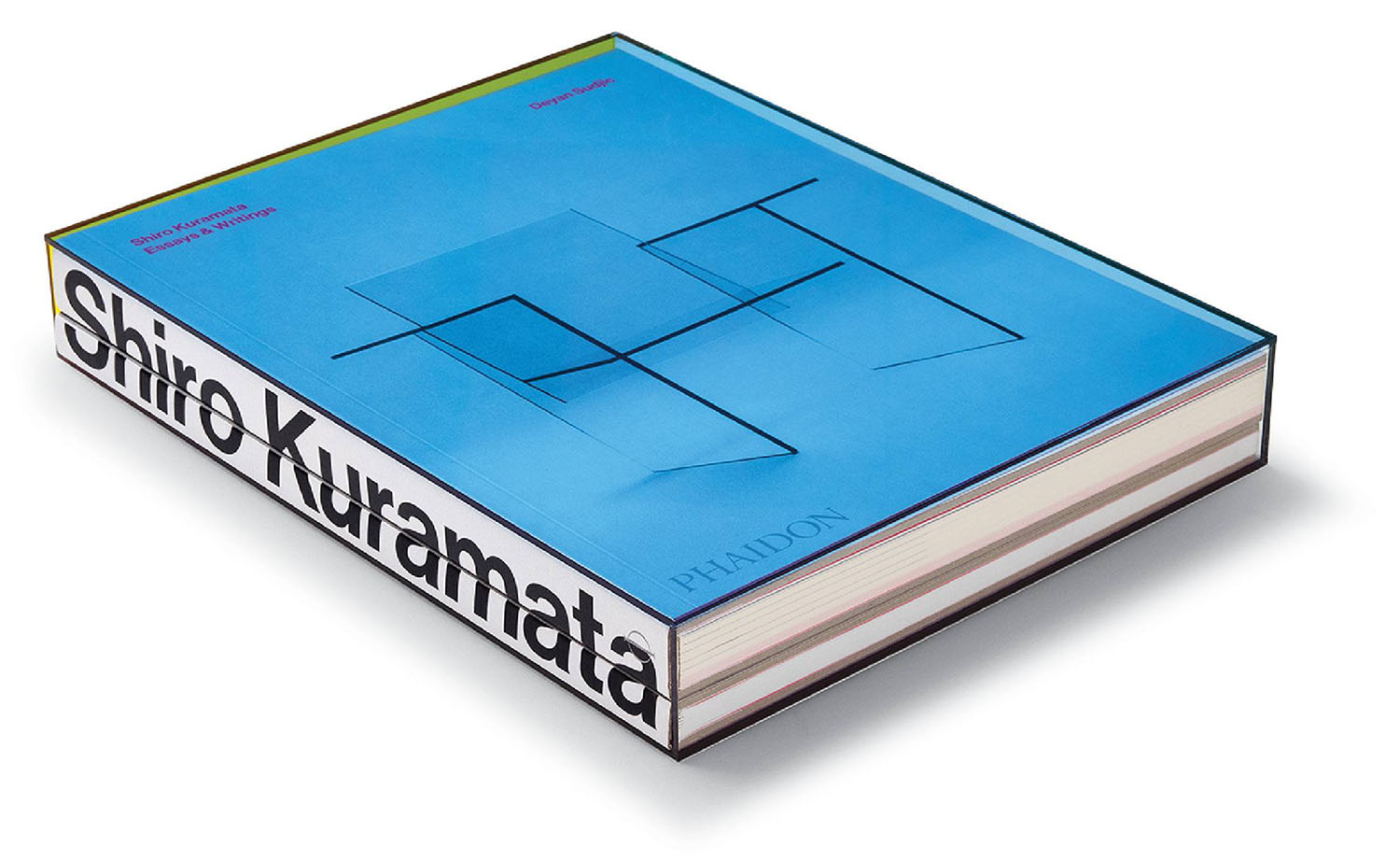
Shiro Kuramata: Essays & Writings
By Deyan Sudjic
New York and London: Phaidon, $150
406 pages, 600 color and b&w illustrations
Few Japanese designers represent the spirit of the country’s post-World War II boom and cultural reimagining better than Shiro Kuramata. From humble beginnings as a cabinetmaker, he made his mark on the country’s emerging consumer culture first with furniture pieces for the famed Tokyo department store Matsuya, and later as a frequent collaborator of Issey Miyake, defining the look of the brand’s clothing boutiques worldwide. At the peak of his creativity, as a founding member of the Memphis Group in the early 1980’s, Kuramata was a pioneer in the use of industrial materials, pushing the boundaries of what furniture could be.
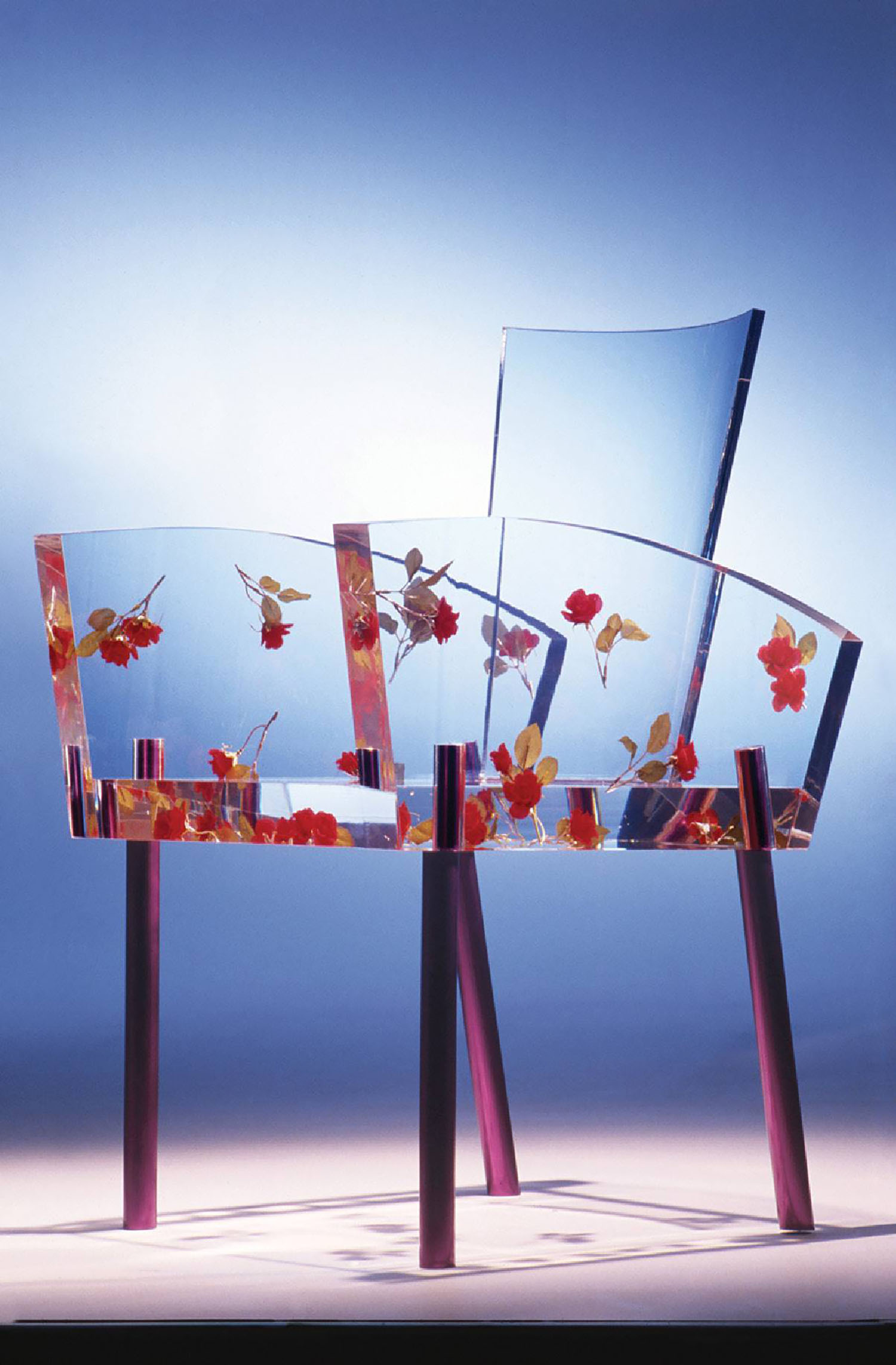
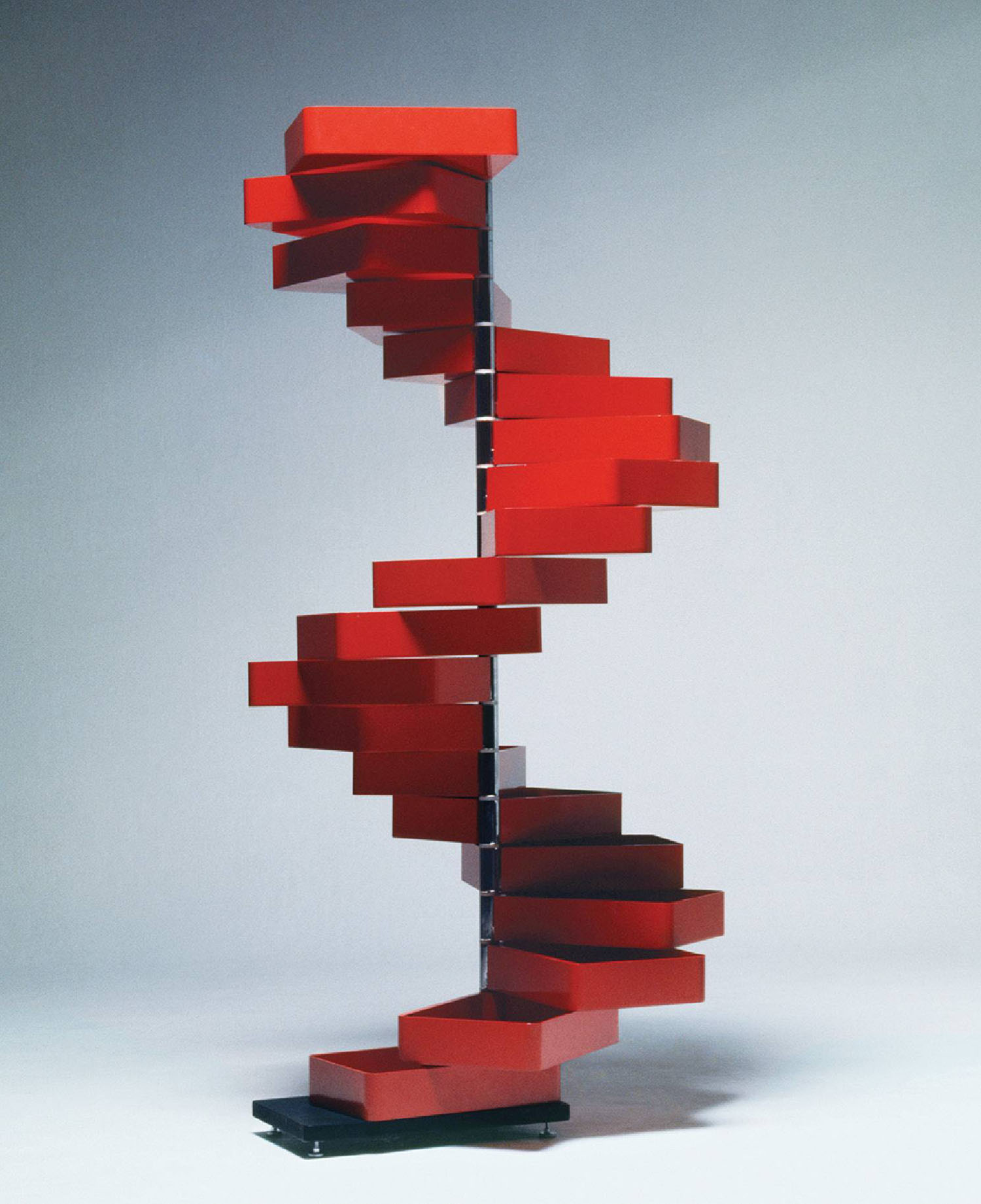
Organized thematically, Essays & Writings honors the legacy of Kuramata, who died in 1991 at 56, by layering his more memorable objects—the Revolving Cabinet (1970) for Cappellini, its 20 drawers rotating around a metal stand; the Miss Blanche Chair (1988) for Ishimaru, inspired by the Tennessee Williams heroine and part of the Museum of Modern Art’s permanent collection; his 1976 Glass Chair gracing the book’s cover—with essays that detail how such forces as his war-torn childhood influenced his career. The community that orbited him—Arata Isozaki and Ettore Sottsass among them—is present throughout via essays and images, joined by never-before-published archival photography, sketches, and personal reflections. Kuramata’s commercial building projects appear as well, including Tokyo’s Carioca Building from 1971, the color of its lacquered-steel facade a wink to the clip-on red gas tank on the 1952 Honda Club moped. Nodding to his focus on materiality, the monograph comes in a special acrylic slipcase.

read more

DesignWire
10 Questions With… Sculptor Aminata Mboup
Aminata Mboup discusses her practice, inspirations, fluidity between disciplines, as well as her unique approach to materials.
DesignWire
10 Highlights From Amman Design Week
Amman Design Week 2026 gathers a host of regional designers and architects under the theme ‘Accumulations.’