
10 Questions With… ‘The Drama’ Production Designer Zosia Mackenzie
Production designer Zosia Mackenzie has a knack for making the imaginary feel lived-in. For her latest project, critic-darling A24’s highly anticipated film The Drama, starring Zendaya and Robert Pattinson along with a scene-stealing Alana Haim, Mackenzie was tasked with capturing the friction and beauty of a wedding week gone off the rails. The exceedingly clever film leans heavily into its Boston backdrop, utilizing 100% on-location shoots to ground its high-stakes emotional narrative in tangible, historic spaces.
From a secret dance rehearsal hall tucked away in a historical attic to a two-story apartment defined by a dramatic spiral staircase, Mackenzie’s fingerprints are all over the film’s visual identity. Her process is immersive; she spends hours sitting quietly in her sets before a single camera rolls. This dedication to authenticity extended to the film’s central wedding venue, where her team performed a weekly sleight of hand—dressing the space for production, striking it for real-world weekend weddings, and meticulously recreating the floral arrangements and decor every Monday morning.
To build the world of The Drama’s leads—a couple embedded in the worlds of publishing and art—Mackenzie bypassed generic props in favor of curated storytelling. She sourced custom book covers, thrifted Charles Pollock chairs, and commissioned pieces from independent artists across New York, Los Angeles, and Boston. Mackenzie shares the secrets behind her scouting process and the art of the lived-in look.
How Zosia Mackenzie Brought World of The Drama To Life
Interior Design: You have a Polish-Canadian background and spent summers in Warsaw. How does that heritage inform your visual aesthetic as a designer?
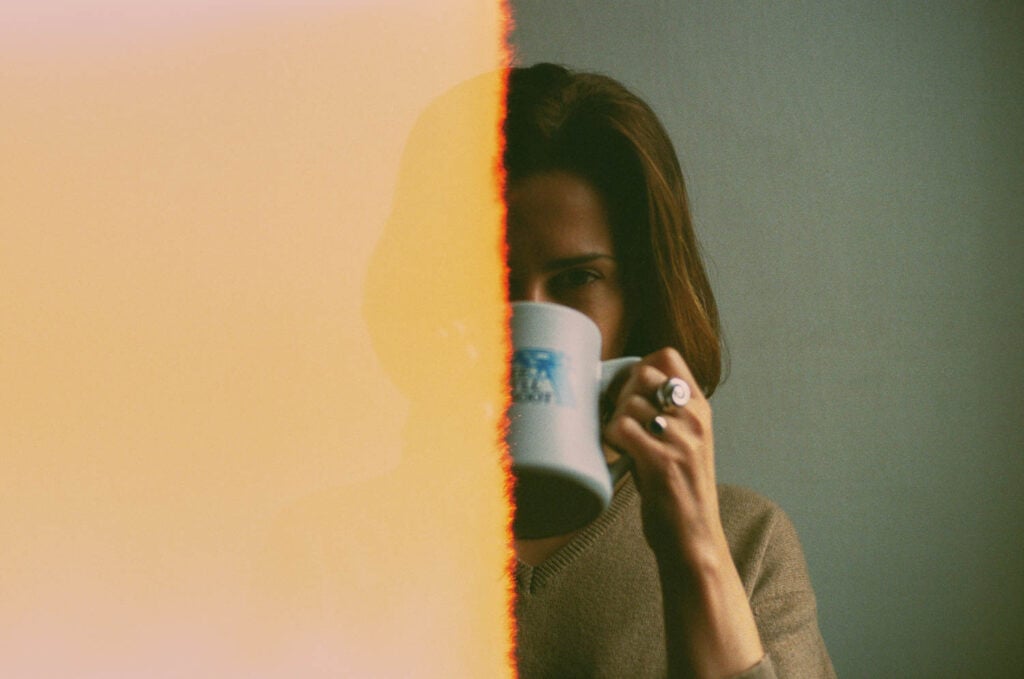
Zosia Mackenzie: It definitely informs my taste. My connection to Poland—spending time in Warsaw and the Baltic seaside—has always been important. I personally love tactile things and collecting books and records. In my own home, I mix classic Canadian pieces like Jacques Guillon’s Cord Chair with mementos from Poland. I believe in surrounding yourself with functional objects that carry memories; that’s how a space becomes truly unique rather than just trendy.
ID: You moved to New York in your final year of film school. What did those early years in the art department teach you that school couldn’t?
ZM: My schooling was hands-on, but nothing compares to being thrown onto a real set. You learn the ropes of how a group of people actually comes together to design, build, and dress a space from the ground up. It’s about learning the mechanics of the grind and seeing how a vision translates into a physical environment.
ID: You previously worked with director Kristoffer Borgli on Dream Scenario. How did that existing relationship evolve during the production of The Drama?
ZM: Kris and I hit it off immediately when we met over Zoom. Since we shot his previous film in Toronto, my art director, John O’Regan, and I were able to provide local insight that fit his taste. We spent so much time together on that first project that when The Drama came up, he was kind enough to ask us back. We now have a shorthand that makes the creative process much more fluid.
ID: The film features a stunning use of Isamu Noguchi lamps in the lead couple’s apartment. What was the intent behind those specific fixtures?
ZM: The ceilings in that Boston brownstone were so tall and ornate. We felt they’d be best contrasted with something organic and weightless like the Noguchi lamps. Beyond the look, our director of photography, Arseni Khachaturan, preferred to avoid using non-practical lighting, so we used the pendants to provide a soft, sculptural glow that felt like the characters had been collecting these pieces for years.
ID: Wood is a recurring motif in the film’s interiors. What emotions were you trying to evoke with that material?
ZM: We loved the wedding venue because the wood felt classic and romantic—an elegant backdrop to the chaos of the story. We also found a house for the flashback scenes with incredible wooden interiors that felt totally different from the main apartment. It brought a bit of a Louisiana flavor to Zendaya’s character backstory.
ID: You actually built a partial set—a subway tile bathroom—within the wedding venue. Why was that necessary?
ZM: The existing bathrooms at the location were pretty bland and lacked windows for lighting. We built our own with white subway tile because it felt classic but updated. It gave Zendaya’s character a specific, clean environment to retreat to during the wedding sequences.
ID: The floral arrangements in the wedding scenes are incredibly distinct. How did you use greenery to tell a story?
ZM: We wanted the flowers to act as a light, ethereal counterpoint to the mansion’s heavy dark wood paneling. We used sculptural flowers like ranunculus and white anemones—chosen specifically for their dark, void-like centers—nested around Artemide Dioscuri orbs by Michele De Lucchi. The goal was for the flowers to look like a delicate layer of perfection that feels just a bit too fragile to hold up once the couple’s relationship starts to pull apart.
ID: For Alana Haim’s character, you designed an office that feels much more maximalist. What pieces defined that space?
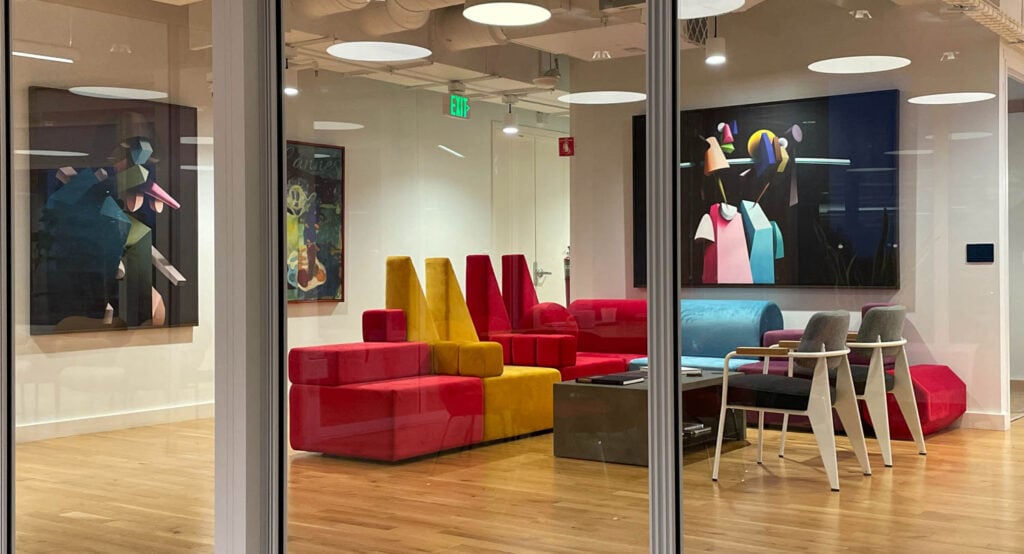
ZM: We found a disused floor in an old WeWork that was perfect. We used two Ligne Roset Ploum sofas by Erwan and Ronan Bourellec—super sculptural statement pieces—and a spiky Tang Badham modular sofa outside to keep the high-concept energy going. We also collaborated with artists like Jason Boyd Kinsella and Eirik Sæther to give the office a cool, kinetic energy.
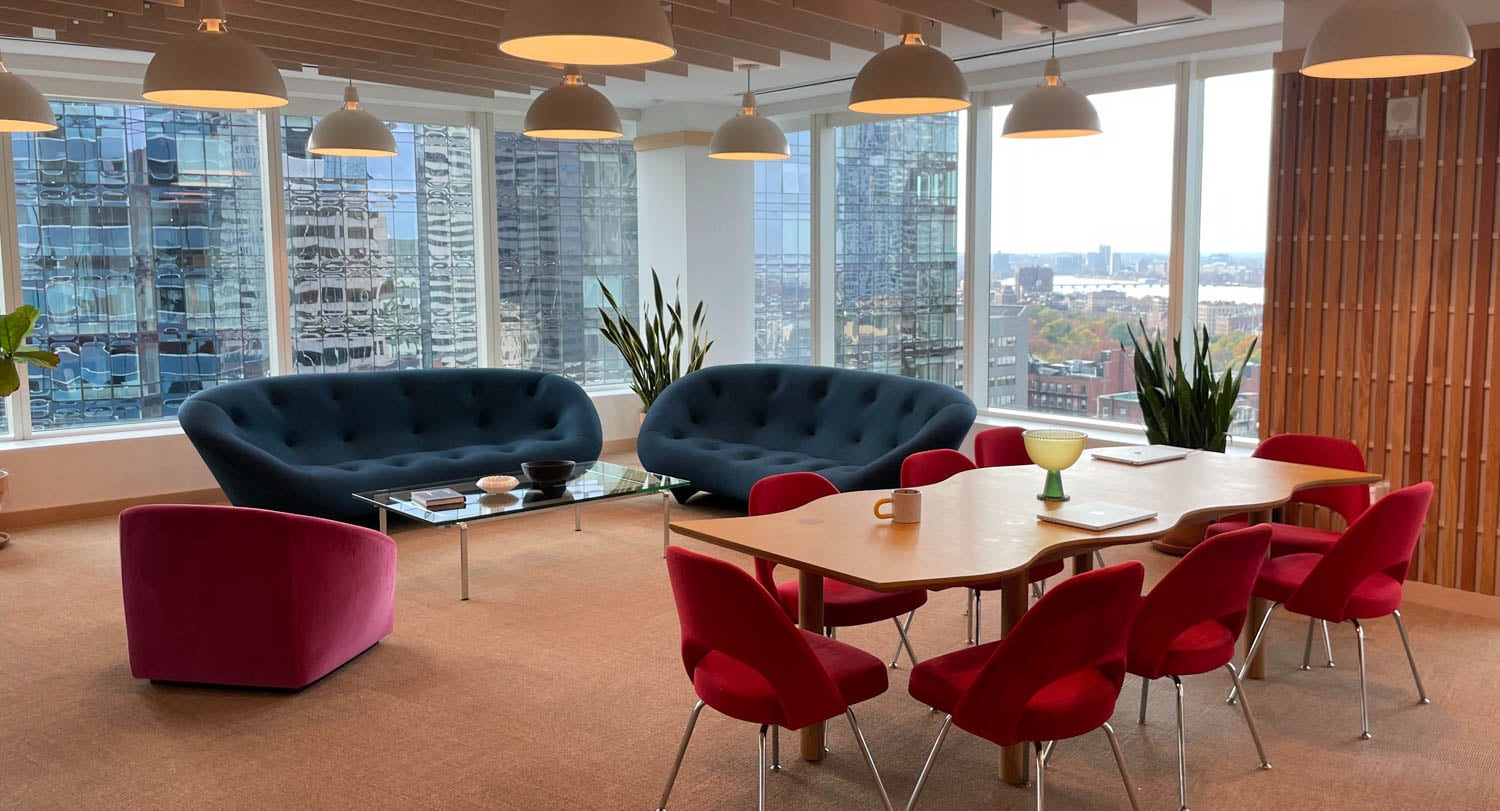
Ligne Roset Ploum sofas by Erwan and Ronan Bourellec define the advertising agency set. 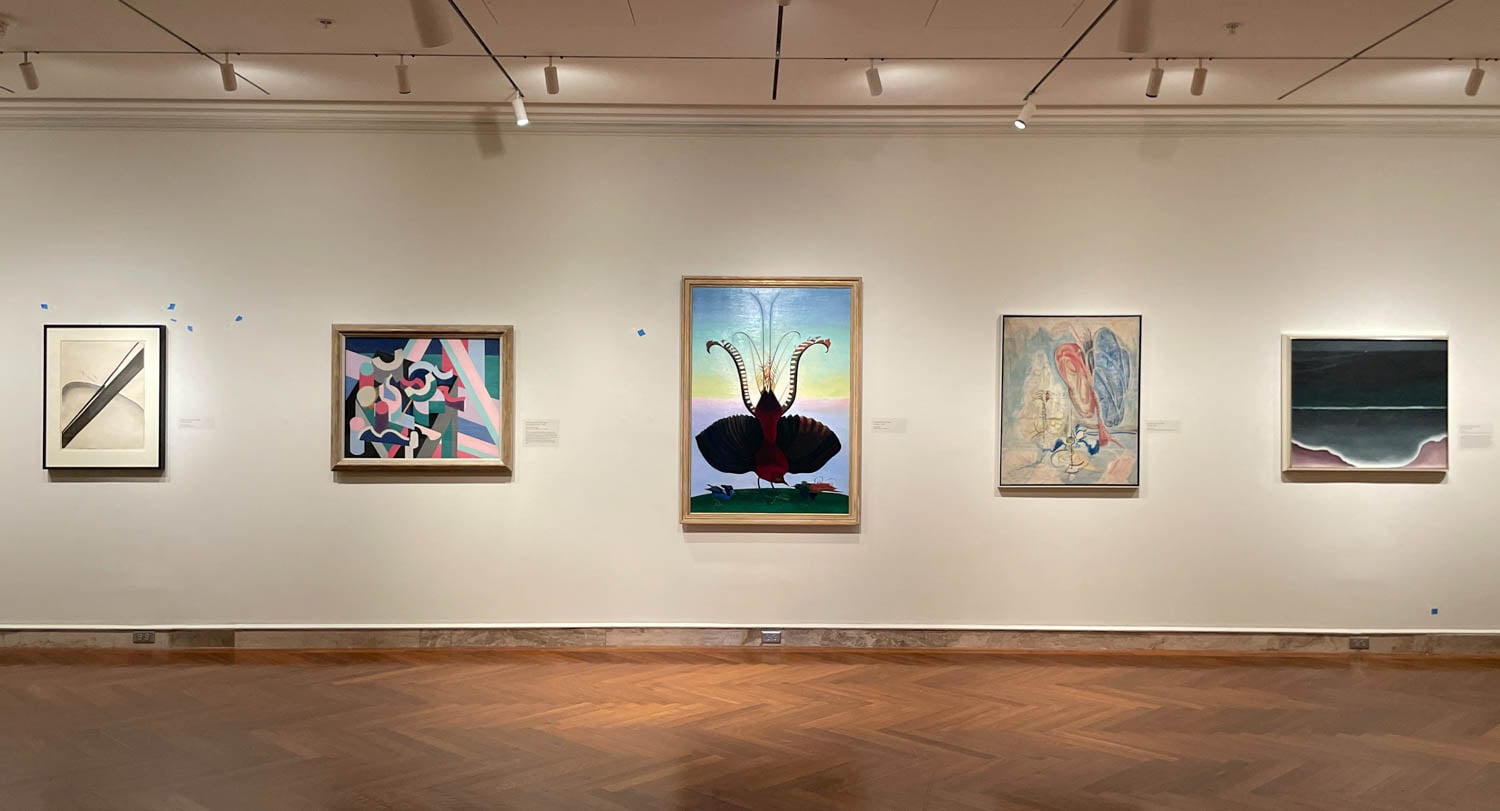
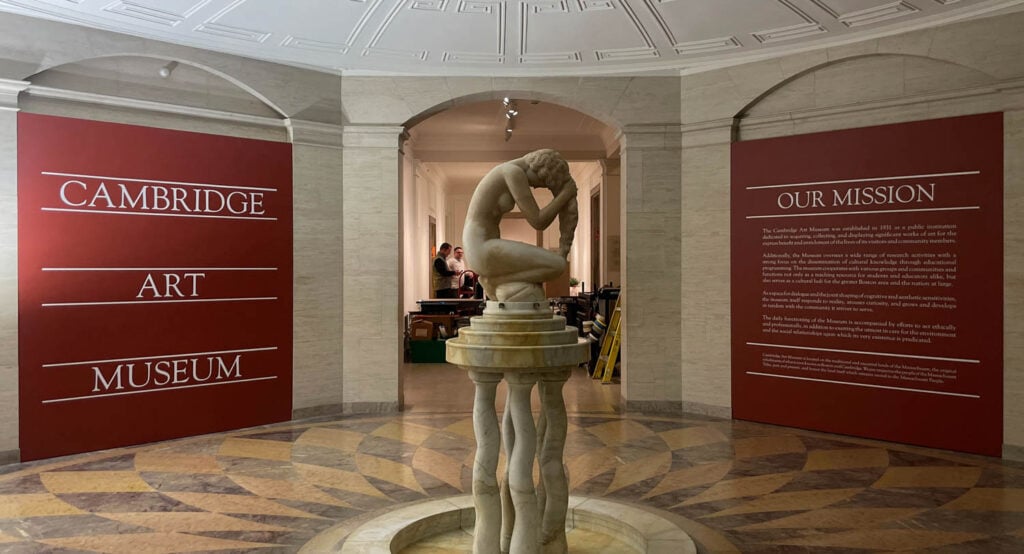
A specialized exhibit for the Cambridge Art Museum Exhibit sequences includes masterworks by Man Ray, Patrick Henry Bruce, Joseph Stella, Mark Rothko, and Georgia O’Keeffe. 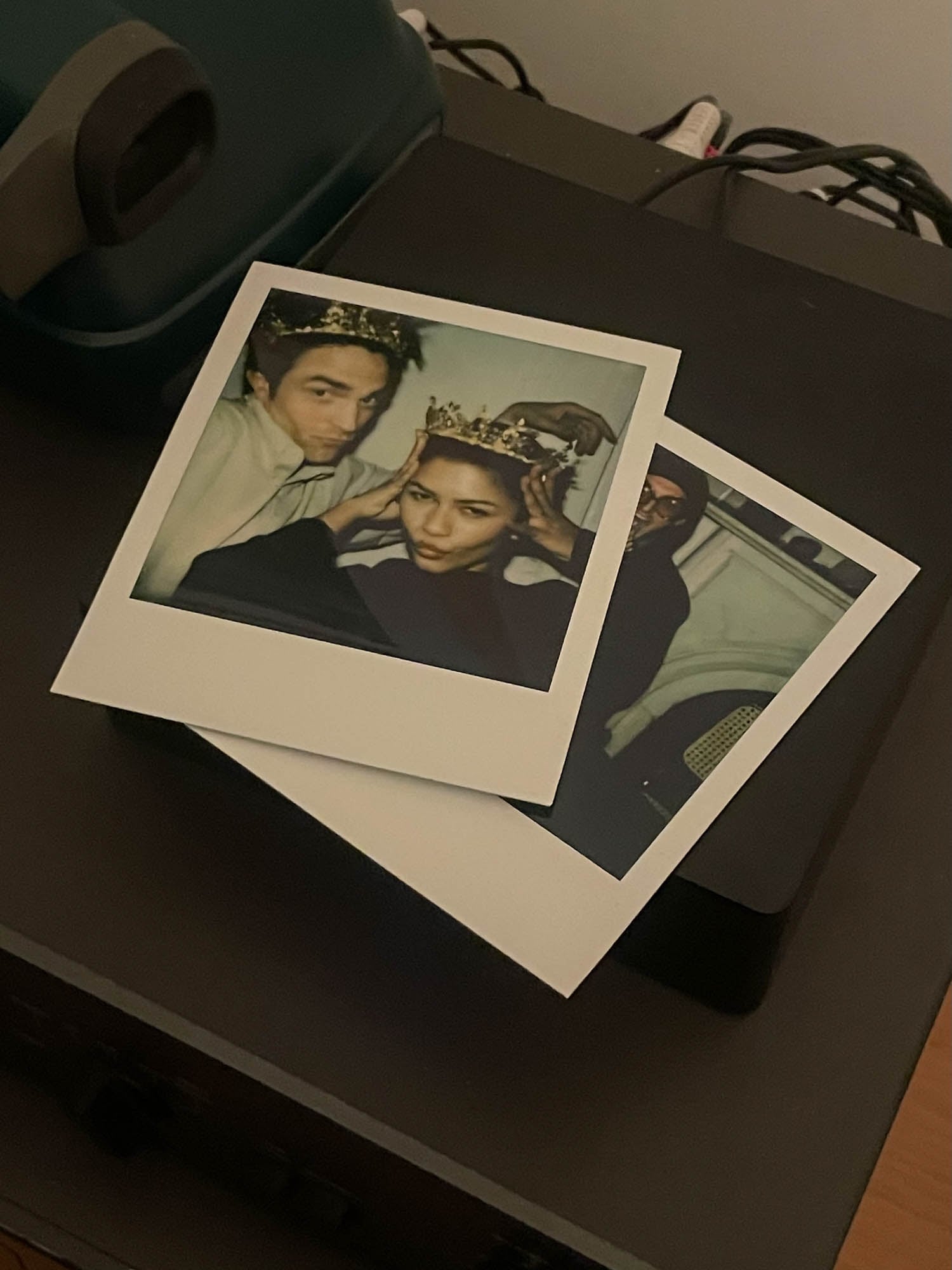
A series of candid Polaroids featuring Pattinson’s and Zendaya’s characters are used as intimate set dressing to detail the couple’s history. 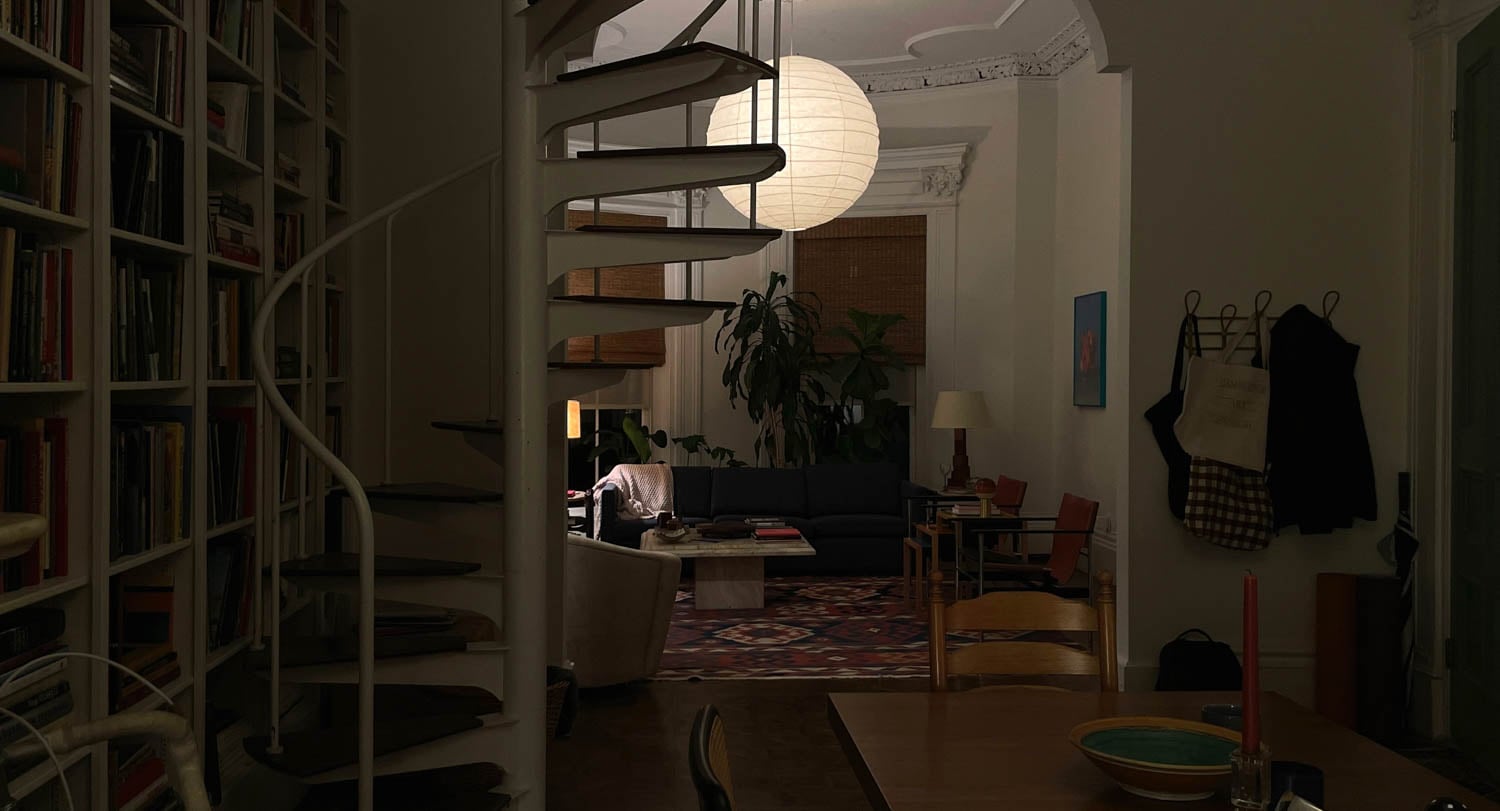
The couple’s Boston apartment highlights Isamu Noguchi and Knoll pieces alongside artwork by Tristan Unrau and Danielle Orchard. 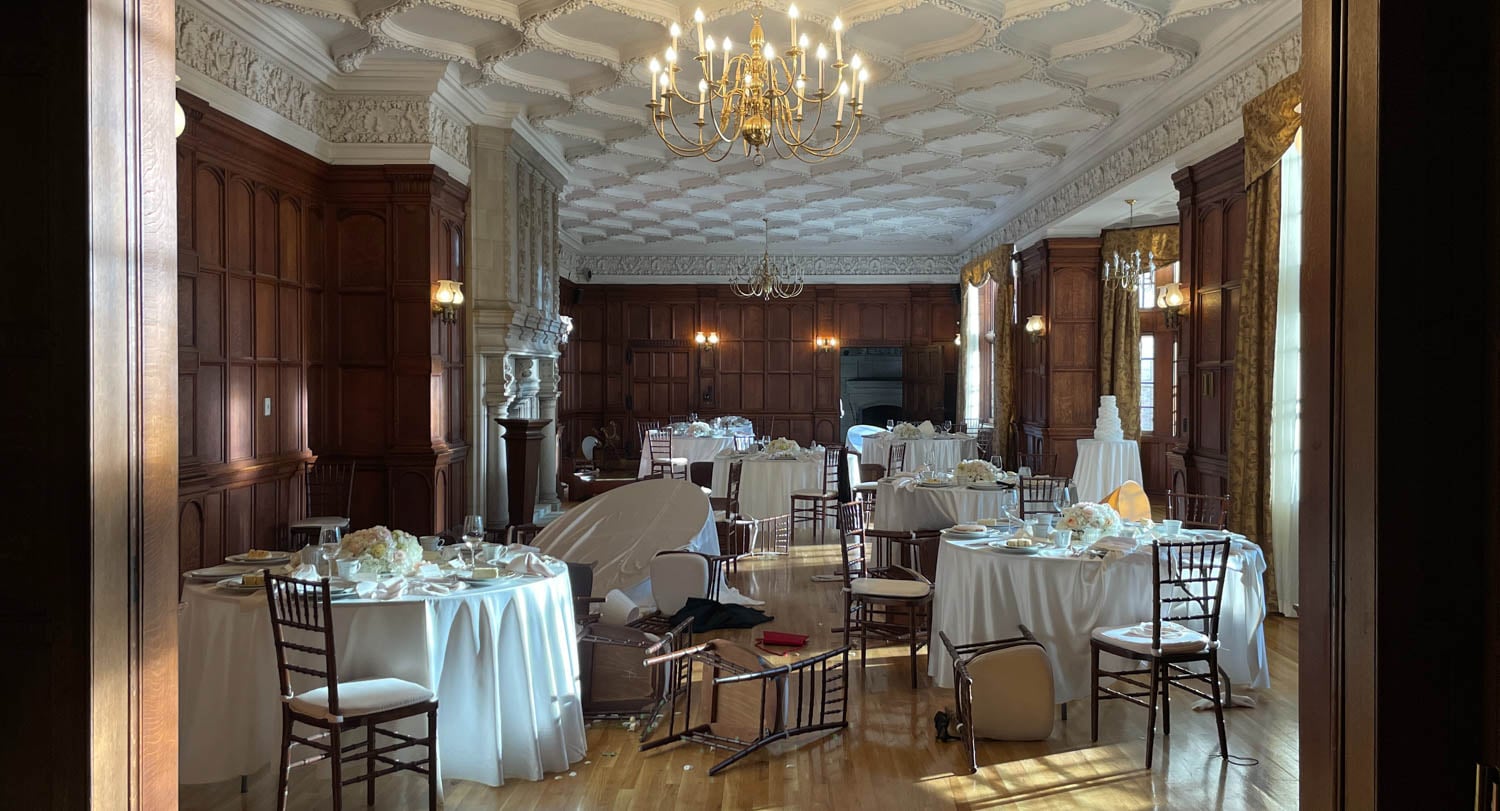
The film’s wedding sequence was shot on location at the historic Turner Hill estate in Ipswich, Massachusetts. 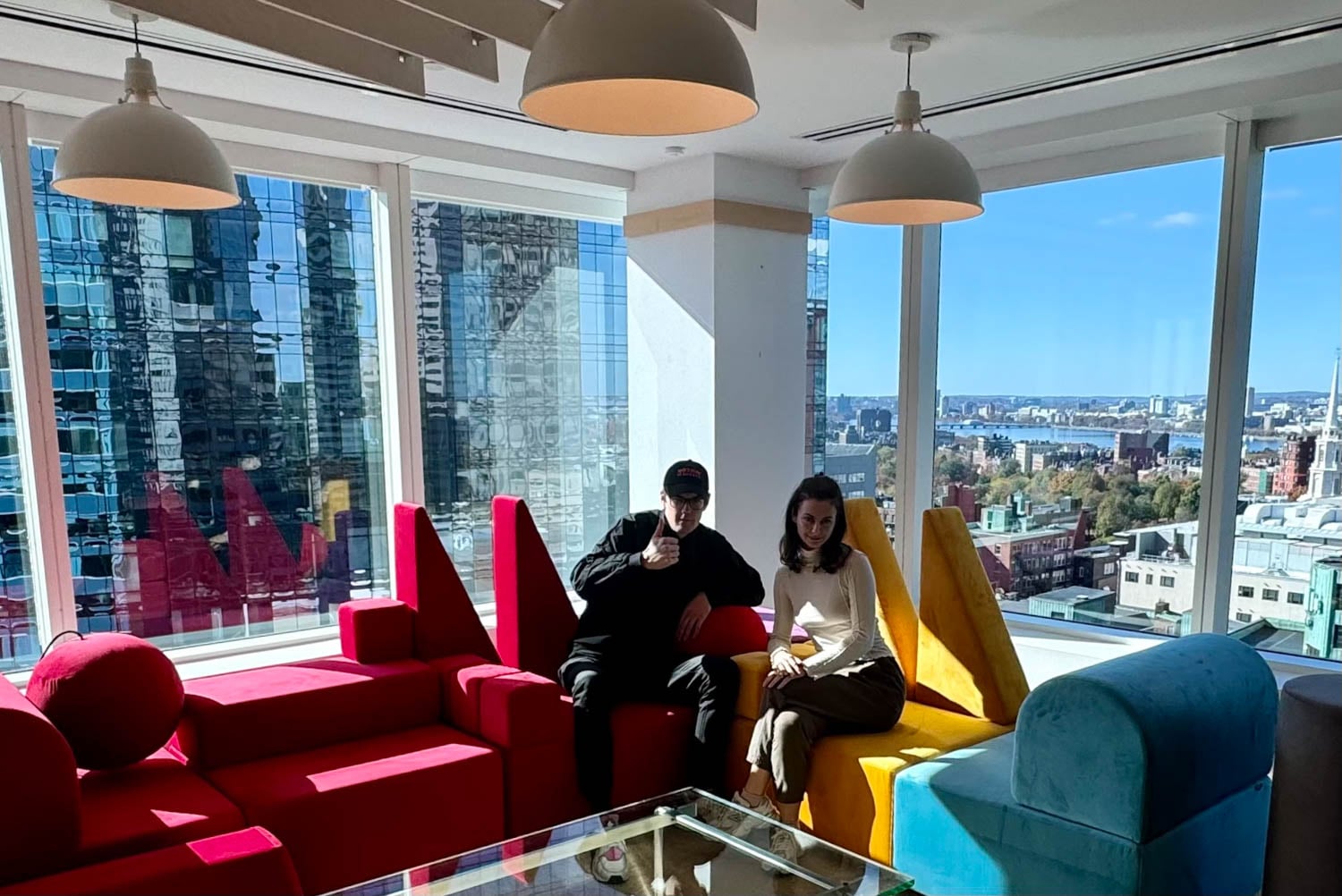
Mackenzie and art director John O’Regan at the fictional advertising agency that was designed to capture a specific Boston professional look.
ID: What does an average shoot day look like for you once production is in full swing?
ZM: I’m always there to open the set, doing a walkthrough with the director and director of photography to ensure everything is perfect. Once we’re rolling, I shift gears to the future—heading to the office to review drawings or scouting the next location. I try to make it back for lunch to touch base with the team and set the game plan for the next day while the details are still fresh.
ID: You said that Kris Borgli’s scripts are “visually detailed.” How does that change your approach as a production designer?
ZM: When a writer-director provides that much detail in the script, it’s a gift. It gives me a clear starting point to build from. Because we’ve worked together before, I can take those details and run with them, knowing exactly how to translate his written world into a physical space that supports the actors.
read more
DesignWire
10 Questions With… Sculptor Aminata Mboup
Aminata Mboup discusses her practice, inspirations, fluidity between disciplines, as well as her unique approach to materials.
DesignWire
10 Highlights From Amman Design Week
Amman Design Week 2026 gathers a host of regional designers and architects under the theme ‘Accumulations.’