
Pascali Semerdjian Arquitetos Crafts A Modern Home With Global Flair In São Paulo
Before she met Domingos Pascali and Sarkis Semerdjian, the architects who would spend four years on her family’s recently completed São Paulo home, and even before she started her year-long search for the elusive piece of land on which to build it, the art educator and entrepreneur, Andrea Guerra, fell in love with a small table they’d designed. That piece, with its slender stone top and undulant, ribbed base in stainless steel, was part of a 2018 capsule collection by Pascali Semerdjian Arquitetos for the prominent São Paulo furniture gallery Etel. “I was the first person to have it,” Guerra recalls, still delighted by the coincidence. “Mine was number-one out of the factory.”
Guerra didn’t meet Pascali and Semerdjian until two years later, as she interviewed firms for the house project, but the rapport was immediate. Guerra was as interested in the building itself as she was in the furnishings and objects that would fill it, equal components of Pascali and Semerdjian’s eponymous practice. “In those first meetings, we spoke about literature and art and music,” Pascali recalls. “When you have a greater affinity, a stronger connection, with a client, that translates to greater liberty and a more unified architecture.”
Pascali Semerdjian Arquitetos Highlights Brazilian Craft In This Home
Guerra and her husband had been in their previous home in the leafy Jardim Europa neighborhood for 15 years and, when they realized they simply needed more space, they’d initially hoped to find a turnkey in the same neighborhood or, at worst, a house they could renovate. When nothing appeared, they settled for a level, well-proportioned lot with a neocolonial house they felt no qualms about demolishing. For the new project, Guerra sought spaces that would support, rather than distract from, her growing art collection and, though she knew she wanted to avoid replicating the suspended wooden boxes that have proliferated around São Paulo’s affluent areas, she also “didn’t want something that would stand out in the middle of the street.”
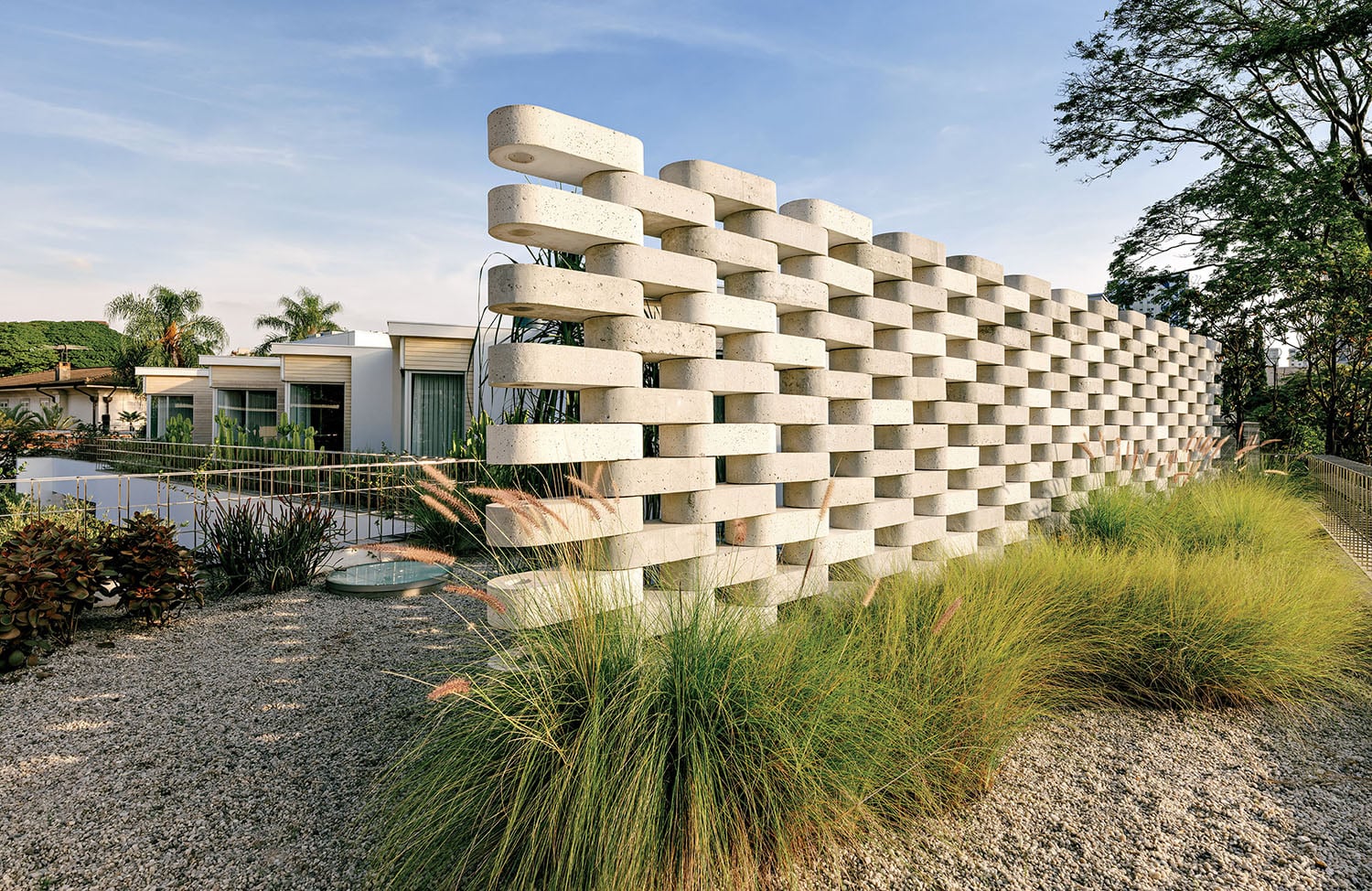
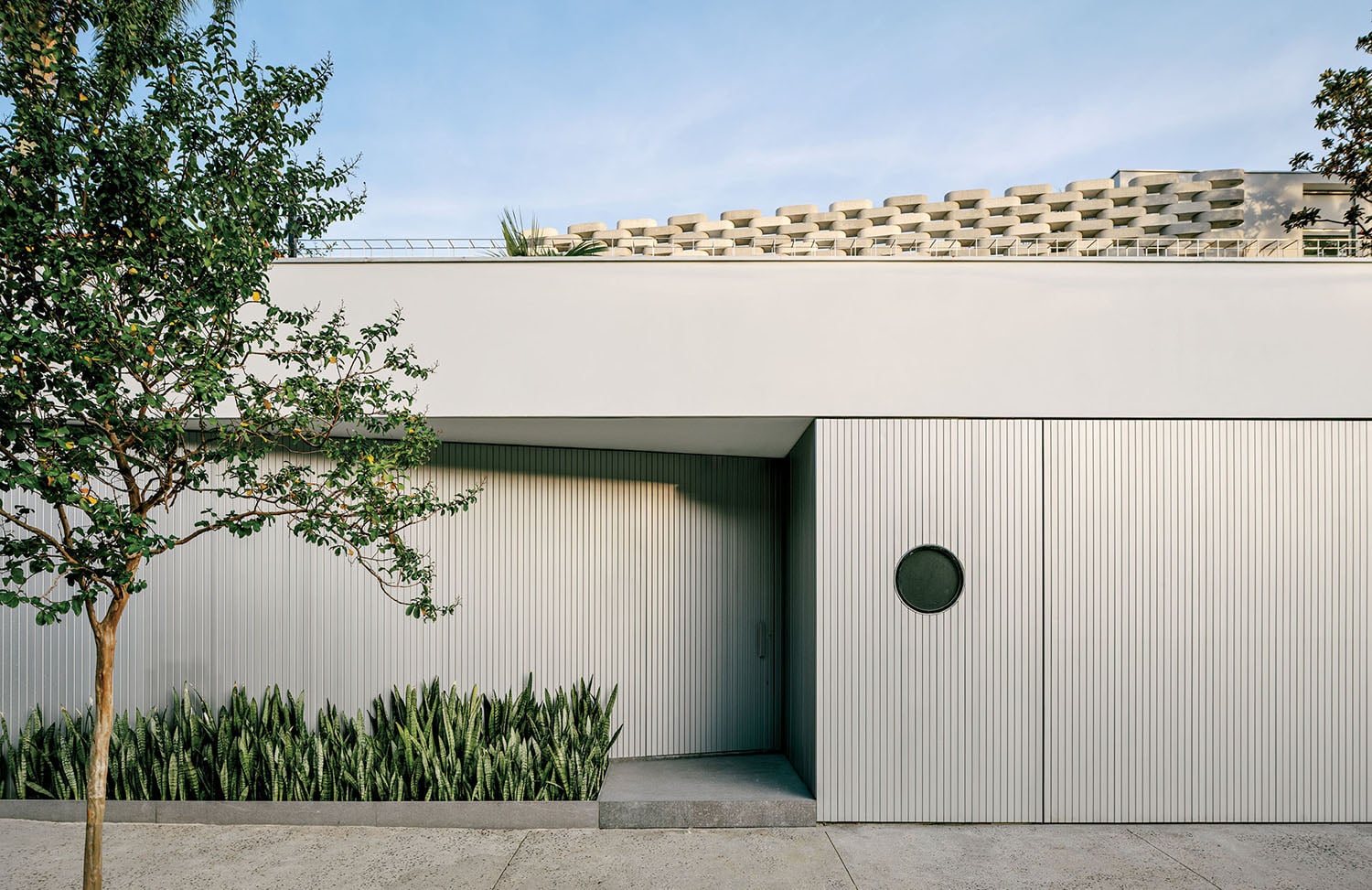
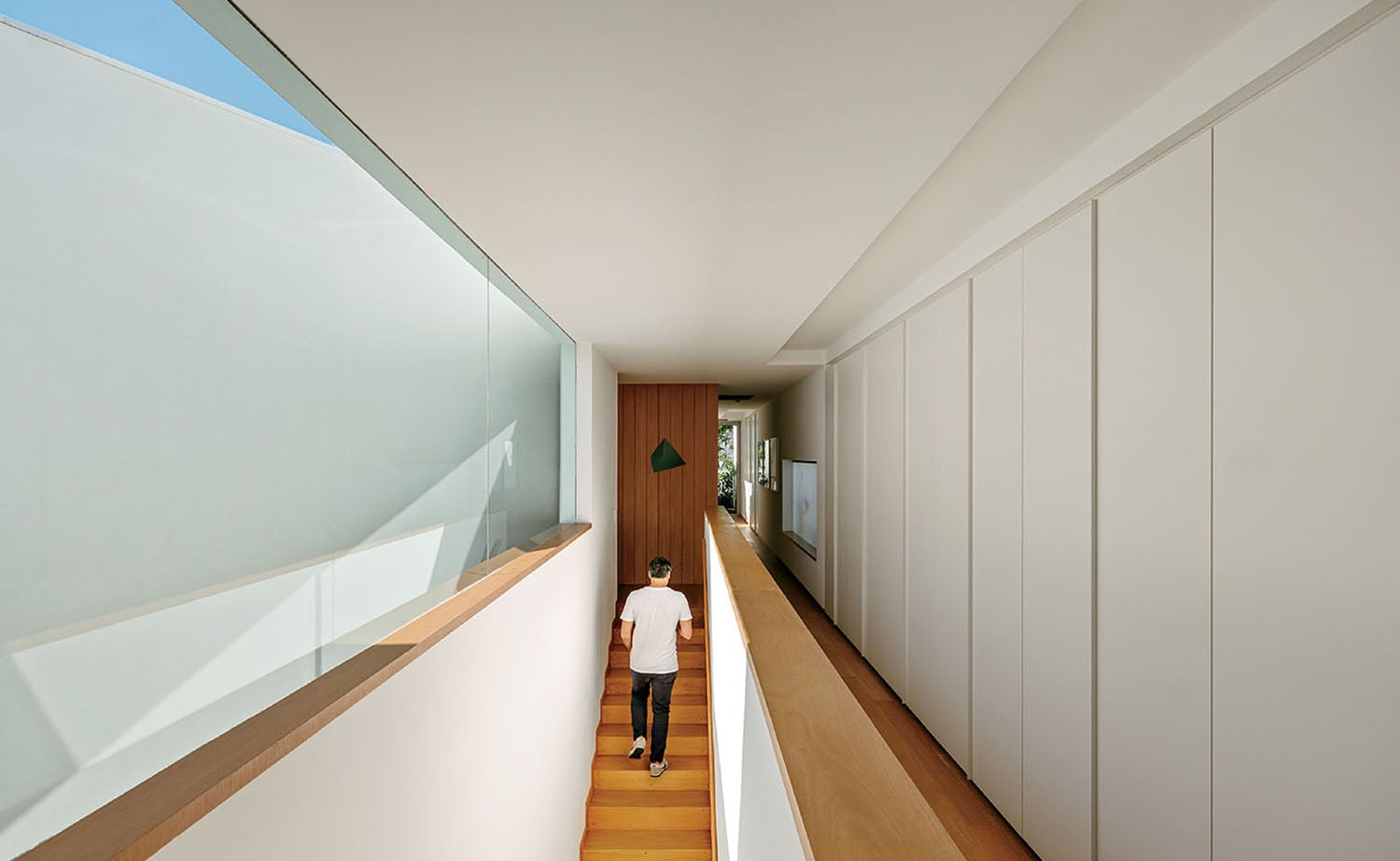
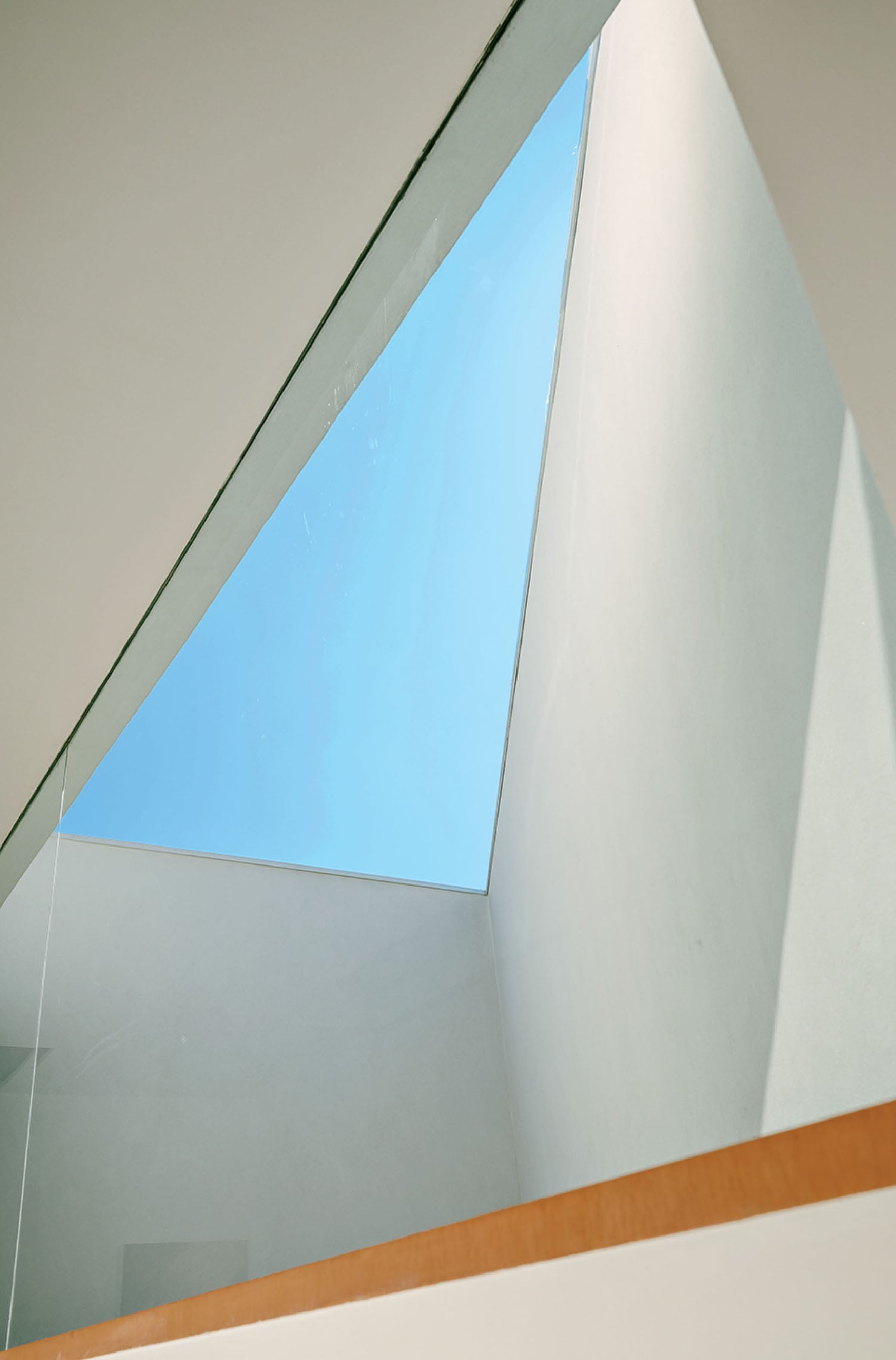
Pascali and Semerdjian’s solution to Guerra’s brief emerged almost immediately. The house would list toward the western edge of the rectangular lot, opening an L-shaped garden at street level. Upstairs, three bedrooms, each with its own bath, a small gym, and the main bedroom suite would occupy five interconnected volumes turned at 45-degree angles, like prisms, over the ground floor’s footprint in order to face due north, the sunniest exposure in the southern hemisphere. That gesture broke up the 7,800-square-foot house’s massing and created a natural setback from the road, which the architects emphasized with a freestanding breezeblock partition, or Brazilian cobogó, of prefabricated concrete capsules fit together like oversized chainmail. From the street, the residence would resolve as a horizontal band of aluminum, almost maritime in its streamlined simplicity, with the concrete screen rising above it like a widow’s walk, providing privacy for the bedrooms. The sawtooth upper level also opened apertures for skylights and interior gardens on the ground floor while generating “spaces that would reveal themselves as you move through the house,” Semerdjian says—an element of surprise that Guerra had requested from the beginning.
A Globally Inspired Spin On Brazilian Design
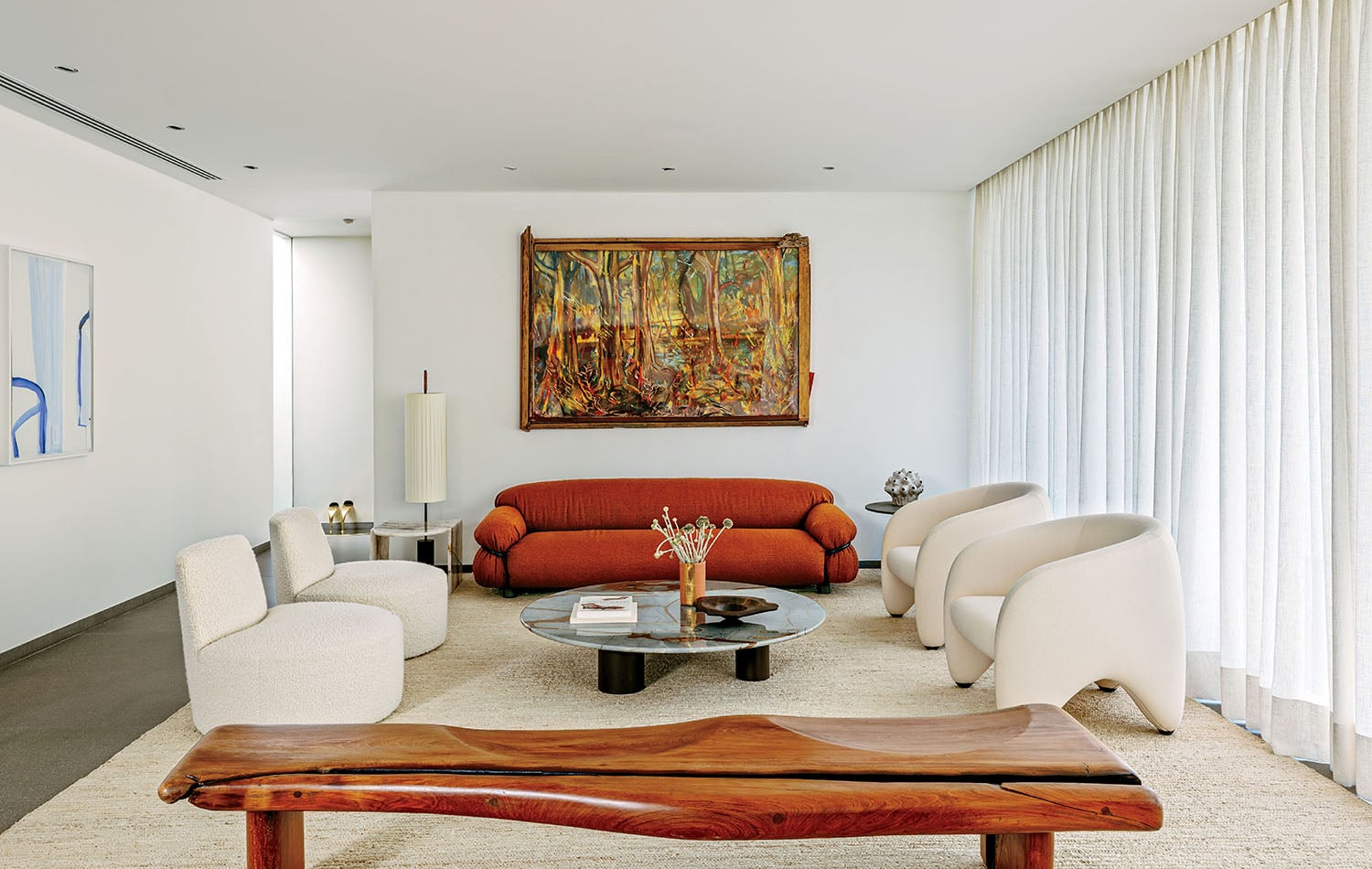
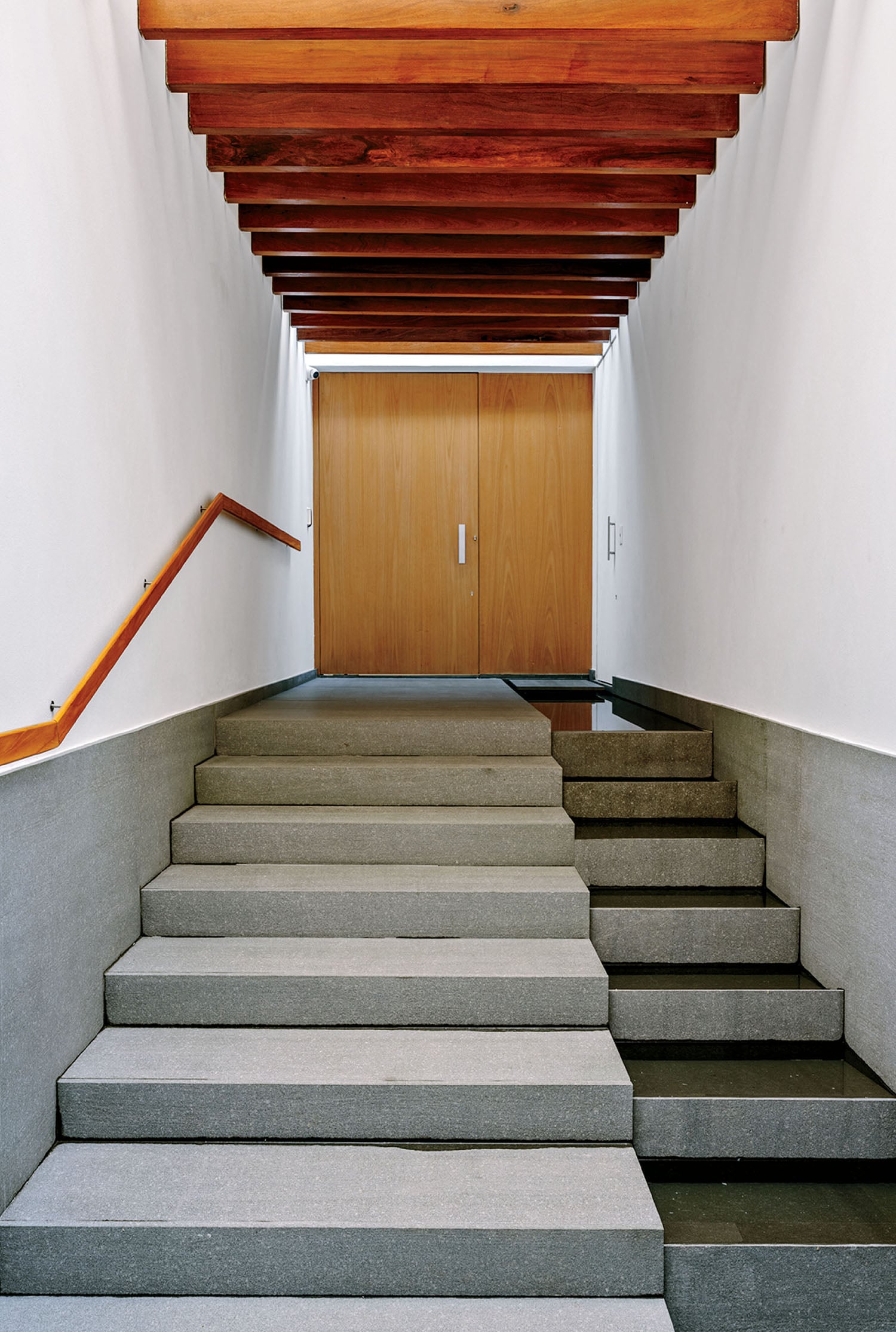
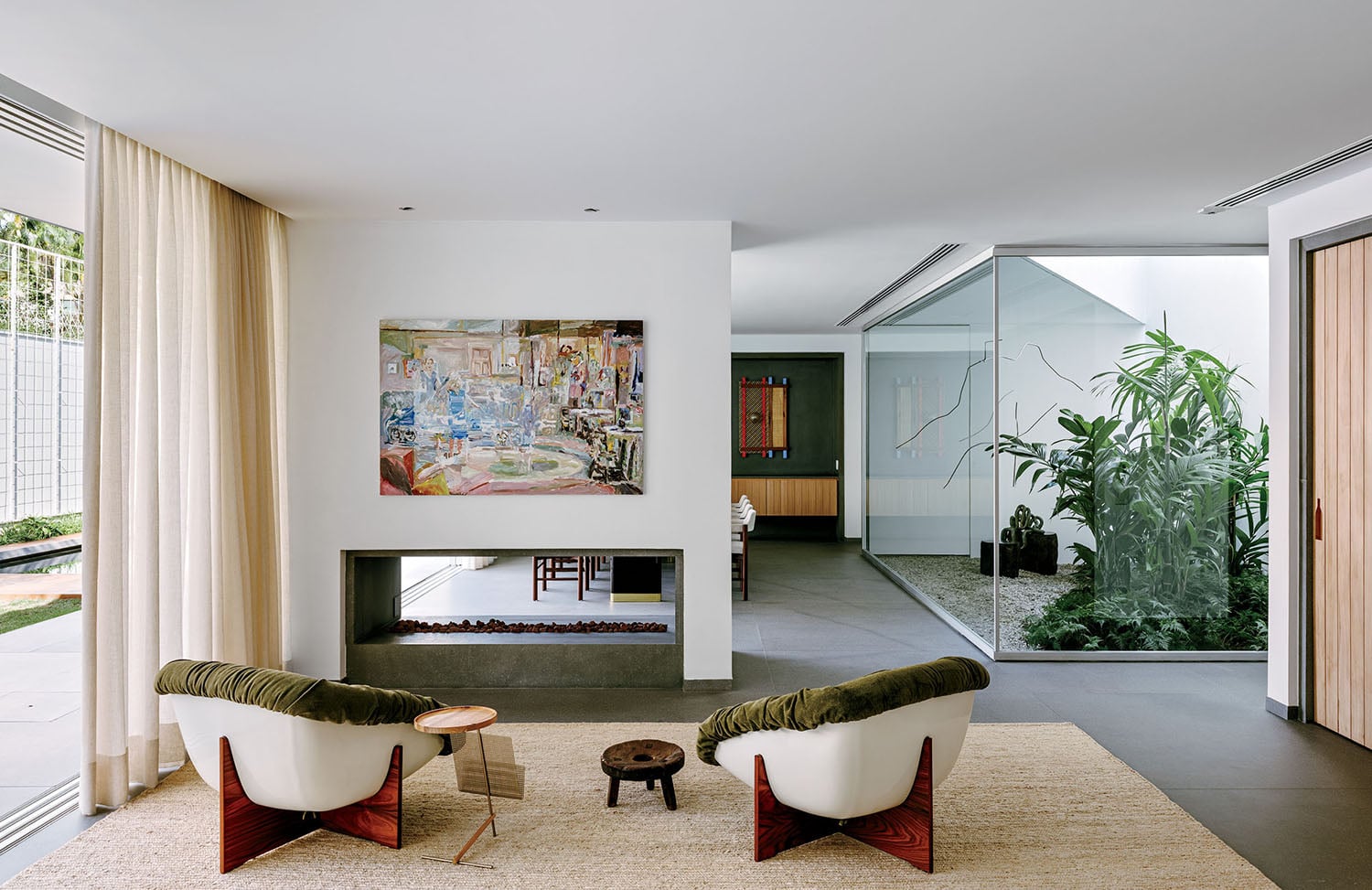
Turning to the interiors, she, Pascali, and Semerdjian drew inspiration from Japanese and Mexican architecture with their emphases on material simplicity, formal clarity, and blurred boundaries between nature and built space. Those references are visible in the foyer, where basalt flooring and the sucupira ceiling beams and door, almost squared in its proportions, recall the elegant rusticity of Mexican master Luis Barragán. The entry hall then opens into a broad corridor, conceived as an elongated white-cube gallery connecting Guerra’s office to the luminous living room, where the Pascali Semerdjian side table stands next to a rust-colored sofa by Italian architect Gianfranco Frattini, adding a global note. An open hearth separates the living room from the dining room, flanked by a terrace on one side—here, Pascali and Semerdjian conceived a custom bench that will enter their collection with Andrea’s name—and, on the other, an interior garden where parlor palms brush against a hanging stainless-steel work by São Paulo sculptor Renata Padovan.
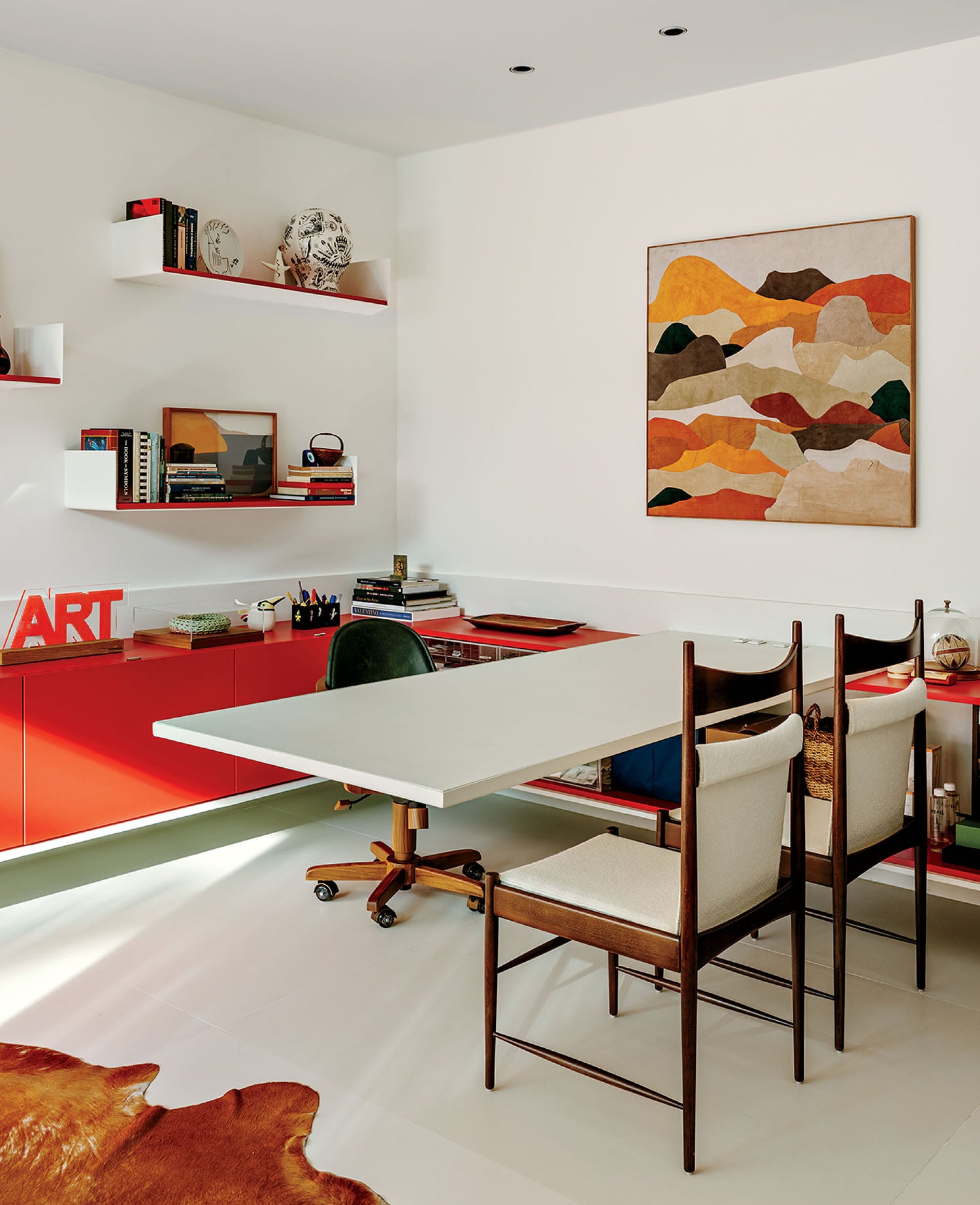
Though Guerra and her family brought a clutch of items from their previous home—a pair of high-backed Cantú chairs by another Brazilian talent, Sergio Rodrigues, for instance, and a wooden stool that belonged to her grandparents—they mostly started from scratch, allowing Pascali and Semerdjian to integrate architecture and interiors. As Semerdjian says, “Sometimes you can’t resolve a space through moveable pieces—the architecture and furniture have to go together.” Here, that meant emphasizing flexibility in the public spaces with stand-alone furnishings from such contemporary Brazilian designers as Leonardo Lague, Claudia Moreira Salles, and Fernando Prado, and crafting the private quarters around freijo built-ins.
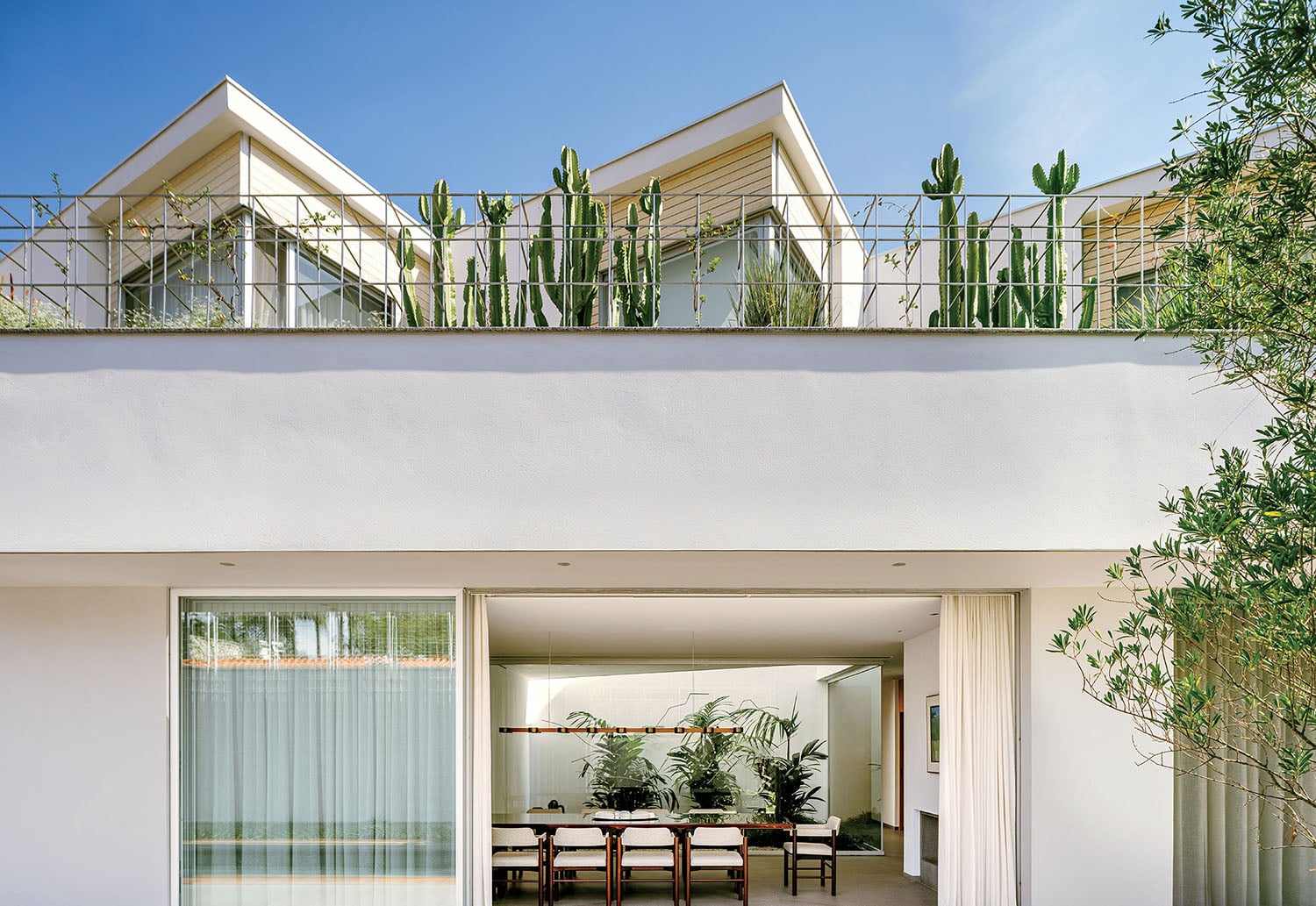
Sliding panels in another wood, weather-resistant Accoya, shield the glass doors that open from the bedrooms onto a rooftop garden. Rather than the tropical proliferation of broad-leafed philodendrons and calatheas typical of São Paulo gardens, Guerra had the roof planted with native grasses, euphorbias, and mother-in-law’s tongue, an austere, slow-growing landscape inspired by Mexican garden design that connects Guerra and her family to distant worlds and experiences. “It is the first thing I see when I wake up each morning and always makes me happy,” she says: the surprise of an alien beauty, which is also, always, a quiet provocation to explore.
Walk Through This Minimalist Home With A Desert Garden Twist

International Roots Shape This Home By Pascali Semerdjan Arquitetos
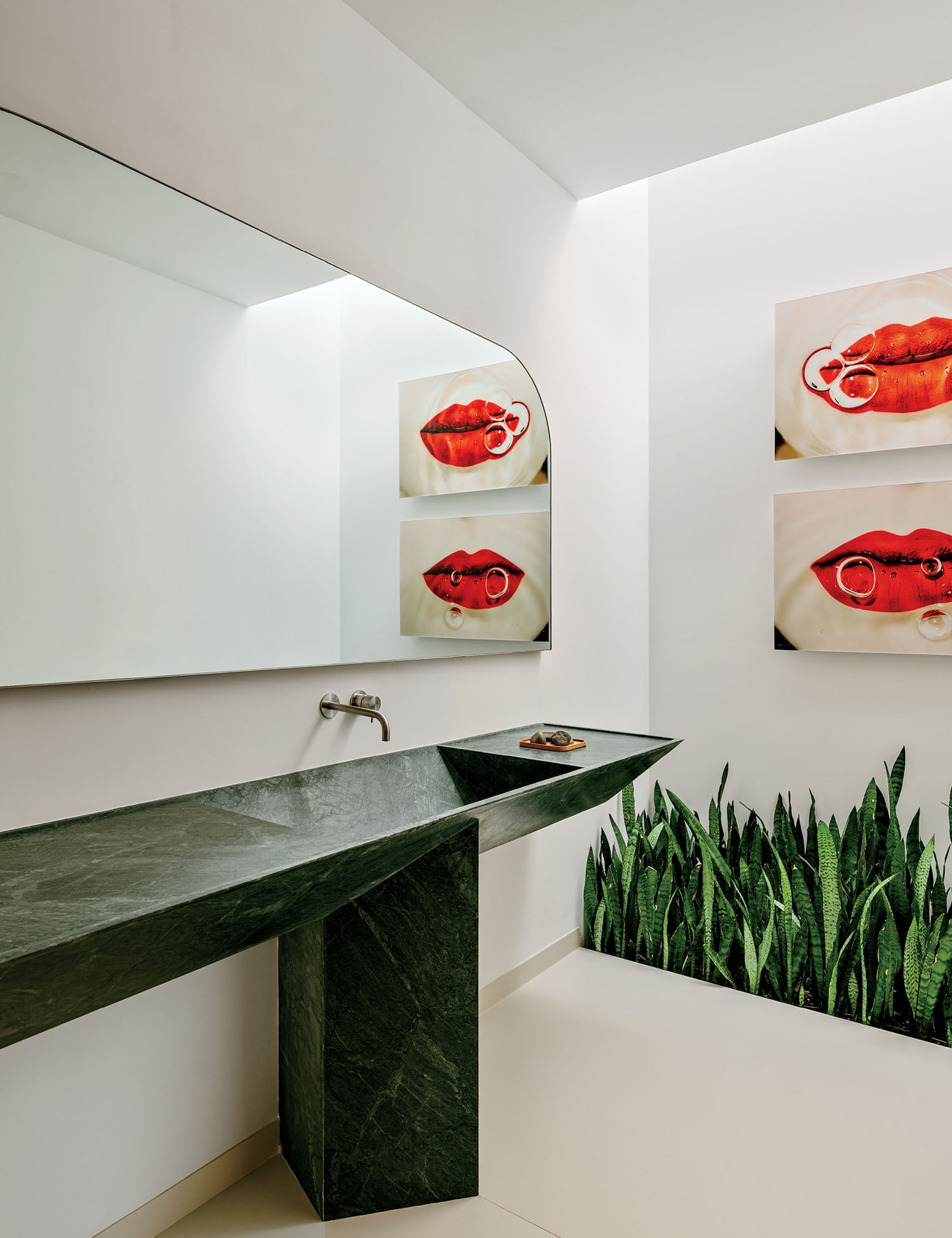
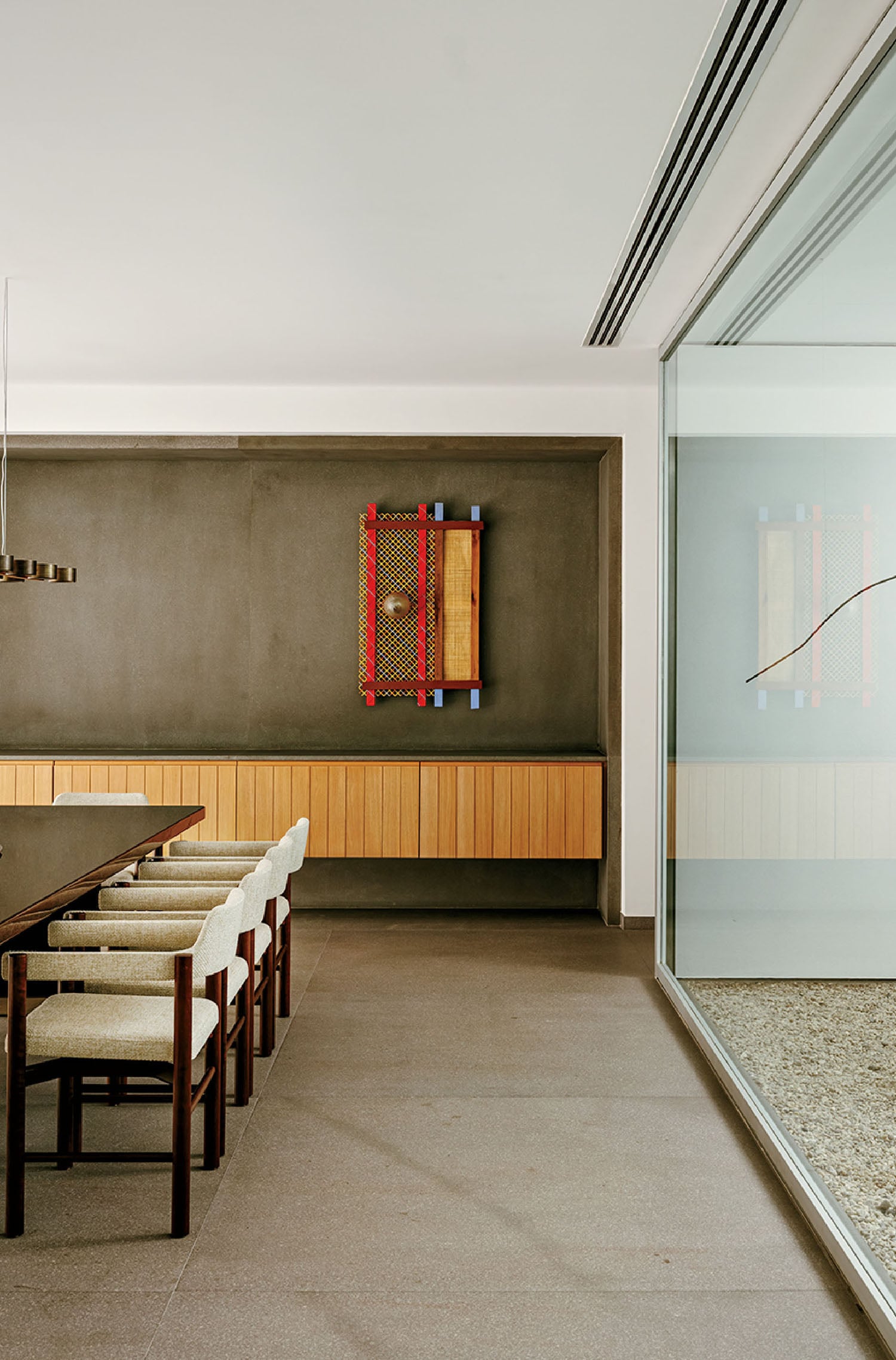
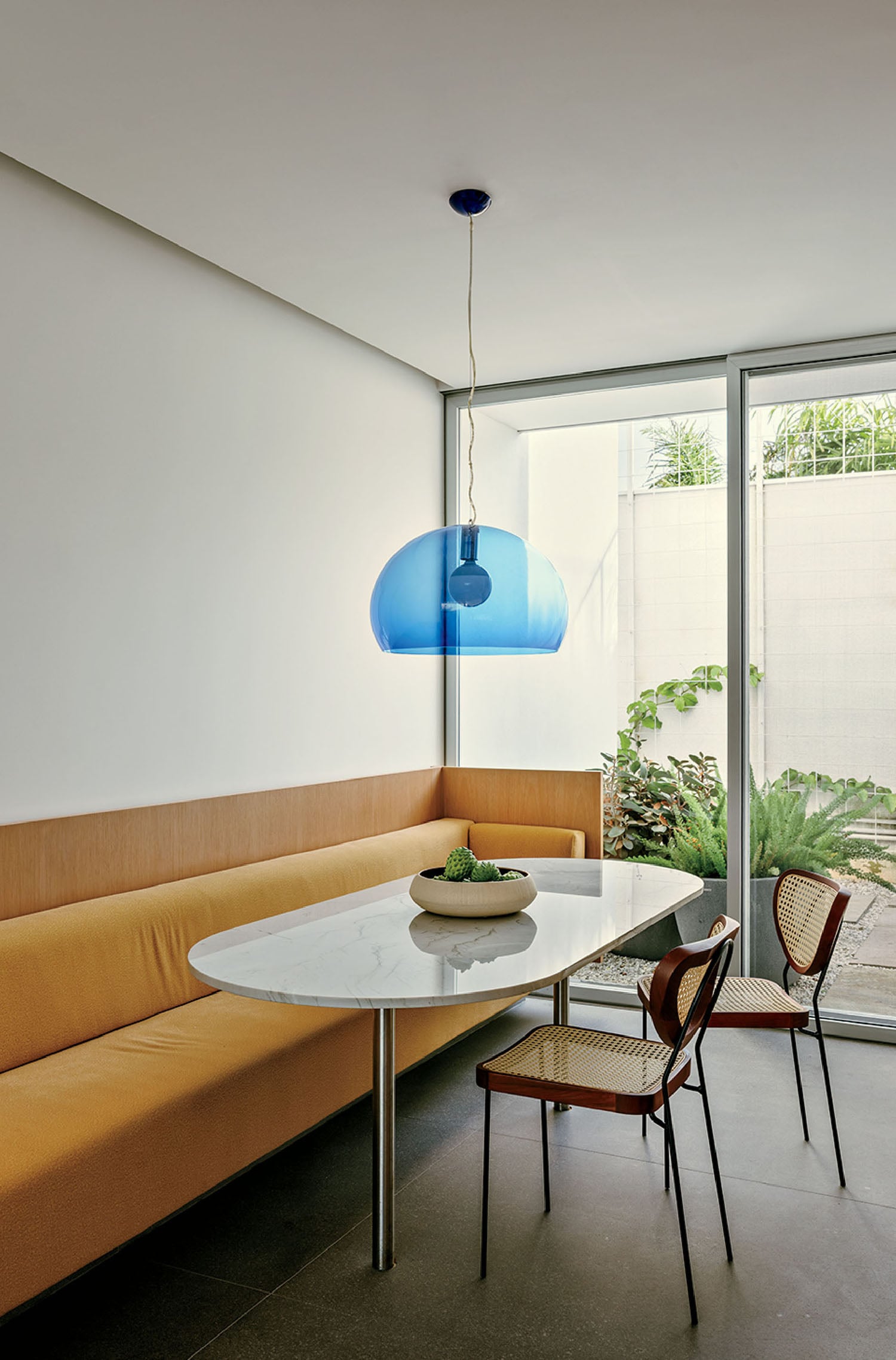
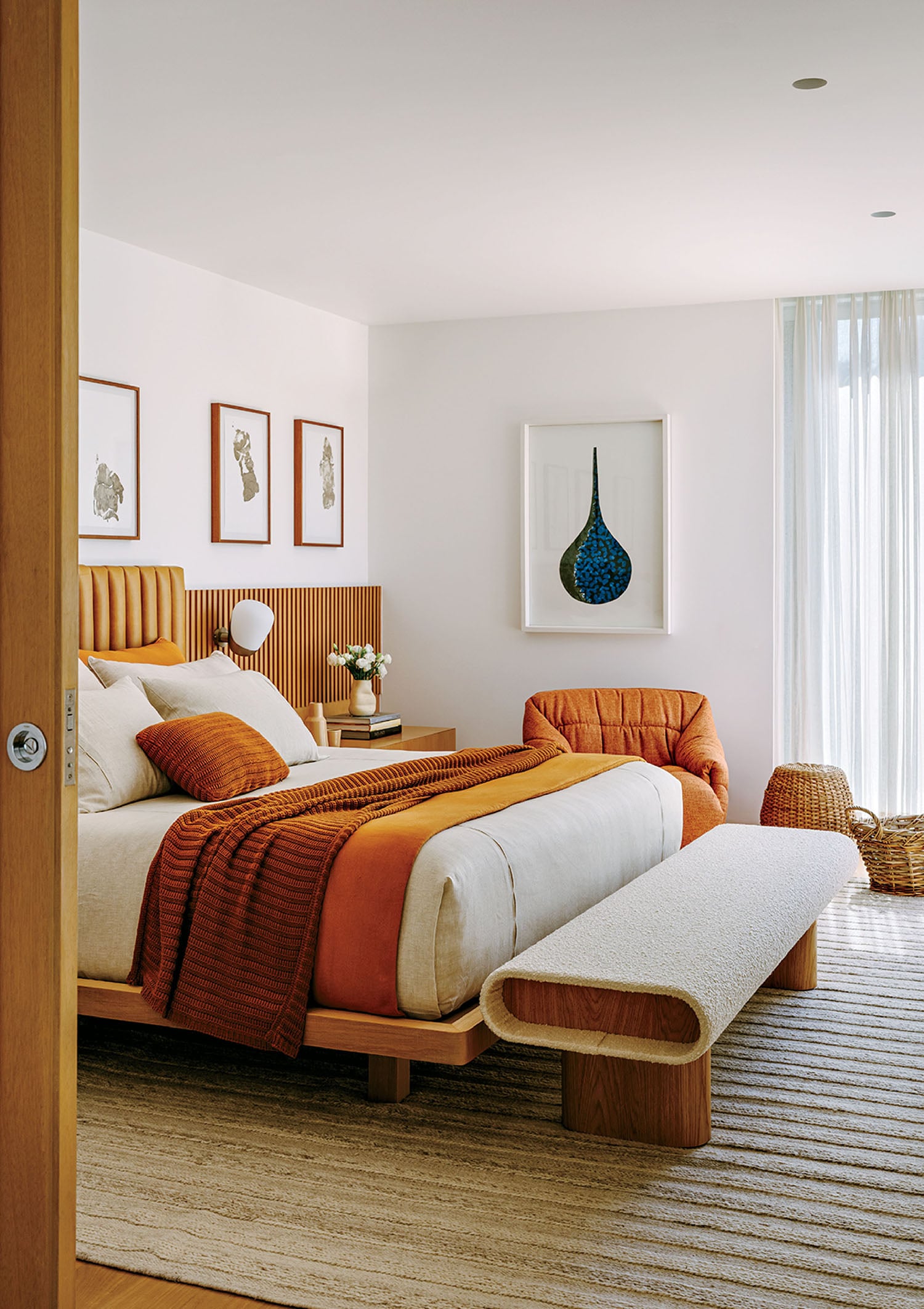
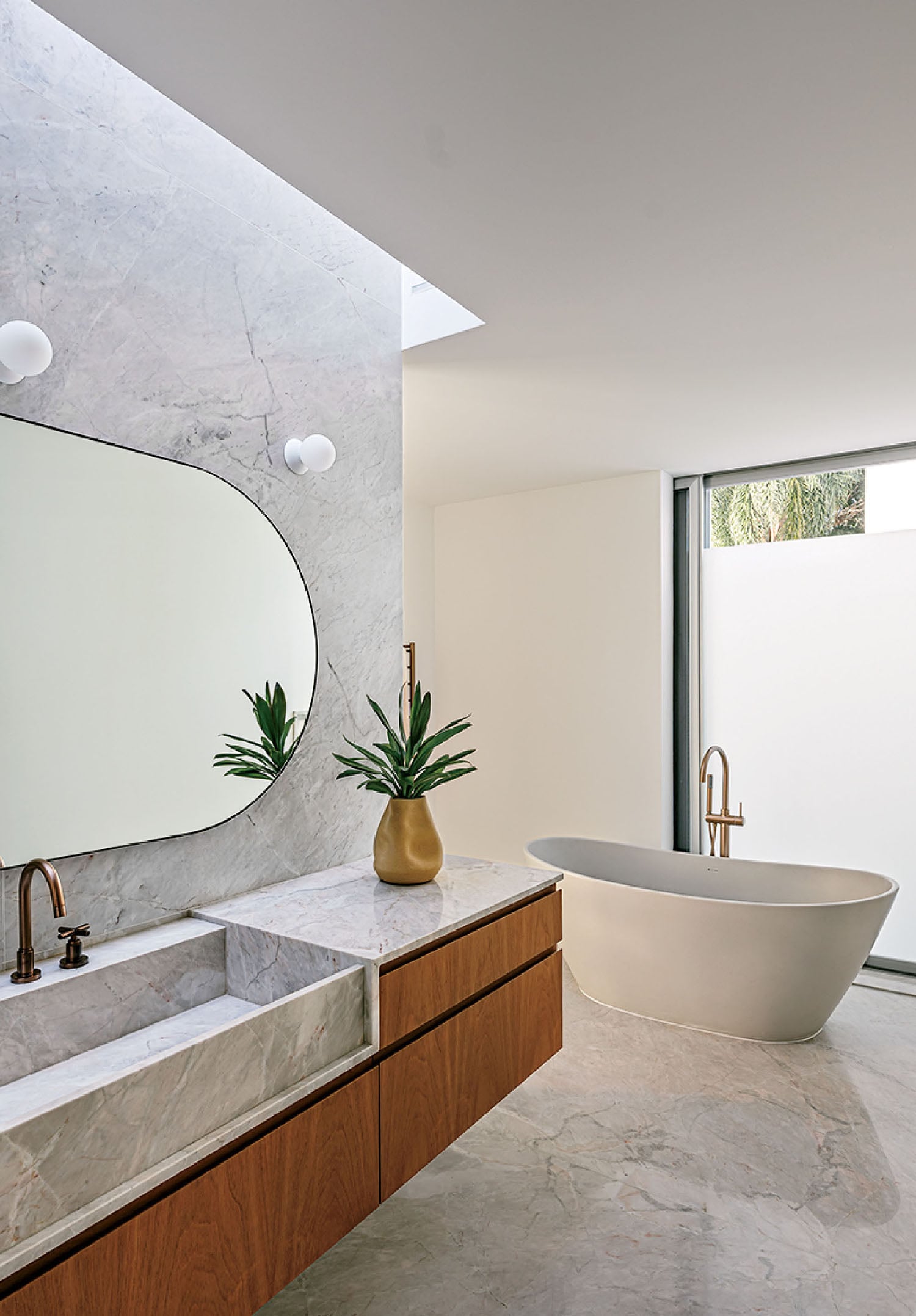
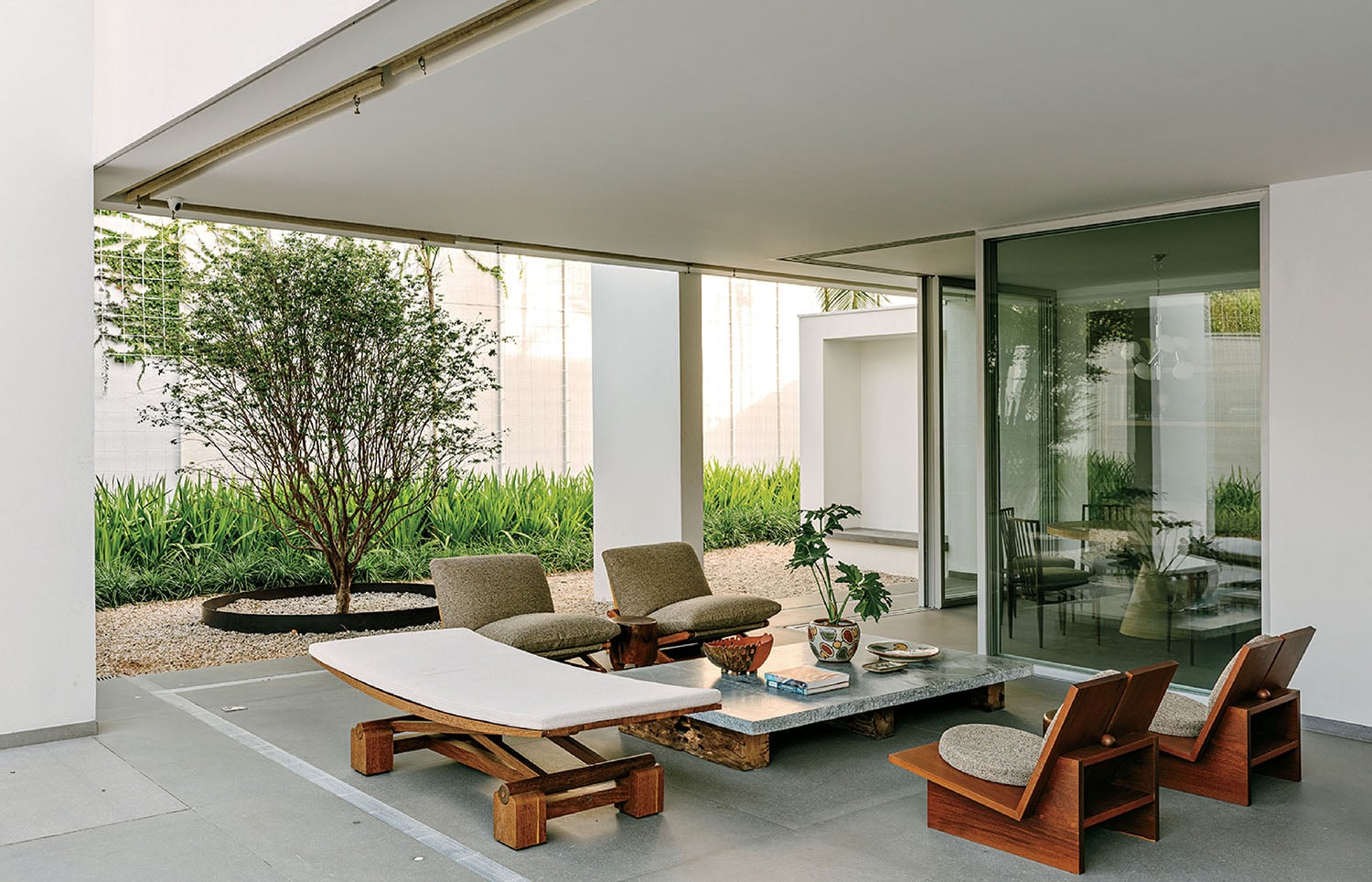
project team
PASCALI SEMERDJIAN ARQUITETOS: FÁBIO RUDNIK; RODRIGO GUERRA; SUZANA KNOBEL; TALI LIBERMAN; INAÊ NEGRÃO; LEOPOLDO SCHETTINO; JOÃO PAULO MACHADO; GABRIELA MOURAD; AINE OLIVEIRA. RENATA TILLI: LANDSCAPE ARCHITECT. CONSTRUMAR: CIVIL ENGINEER. D’FRANÇA MÓVEIS: WOODWORK. DIX METAIS: METALWORK.
product sources
FROM FRONT
TRESUNO: CUSTOM SCREEN (ROOF GARDEN). BALI MADEIRAS: PERGOLA (ENTRY HALL). PHENICIA CONCEPT: RUG (LIVING ROOM). TOQUE FINAL CORTINAS: CURTAINS. TACCHINI: SLIPPER CHAIRS, SOFA. ARFLEX: ARMCHAIRS. SANTA & COLE: LAMP. TABLERIA: CUSTOM BENCH. MICASA: COCKTAIL TABLE (LIVING ROOM), TABLE (DINING ROOM). ETEL: MAGAZINE STAND (LIVING ROOM), BENCH (TERRACE). DPOT: CHAIRS (DINING ROOM, TERRACE). OVO: CHAIRS (BREAKFAST NOOK). MULA PRETA: CHAIR (BEDROOM). PSDS: BENCH. LABLUZ: SCONCES (BATHROOM). DECA: SINK FITTINGS, TUB FILLER. VALLVÉ: TUB. CASA ATICA: TABLE (TERRACE). PUNTO: SINK FITTINGS (POWDER ROOM). VIDROS QUEIROZ: CUSTOM MIRROR. THROUGHOUT EUROMARBLE: STONE FLOORING. LUMISYSTEM: CUSTOM WINDOWS. STO CORP.: PAINT.
read more
Projects
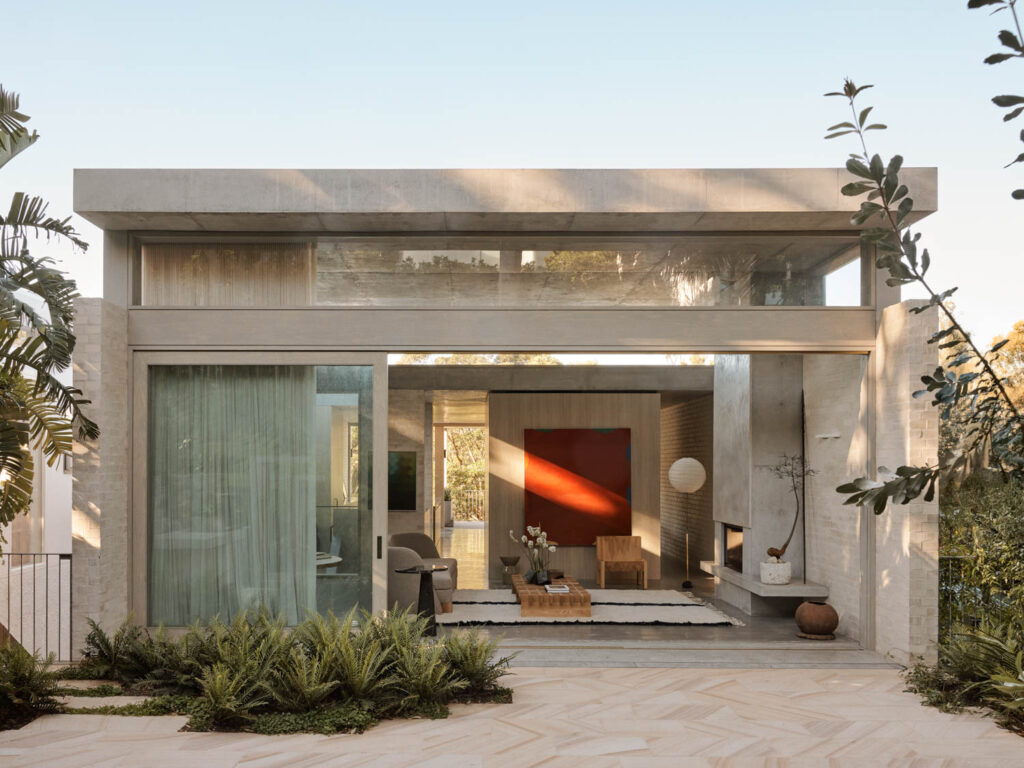
A Coastal Home In Australia Built Into The Canopy
Madeleine Blanchfield Architects distils architecture to its essentials in a Bronte home where raw concrete, brick and timber form a richly tactile backdrop to family life and artistic practice.
Projects
Inside A Colorful Health Choice Pharmacy In Coney Island
Sergio Mannino Studio reimagines a Coney Island pharmacy as a flexible, design-forward wellness hub.