
Christiane Duncan Interiors Eases A Historic Inn Into A New Era
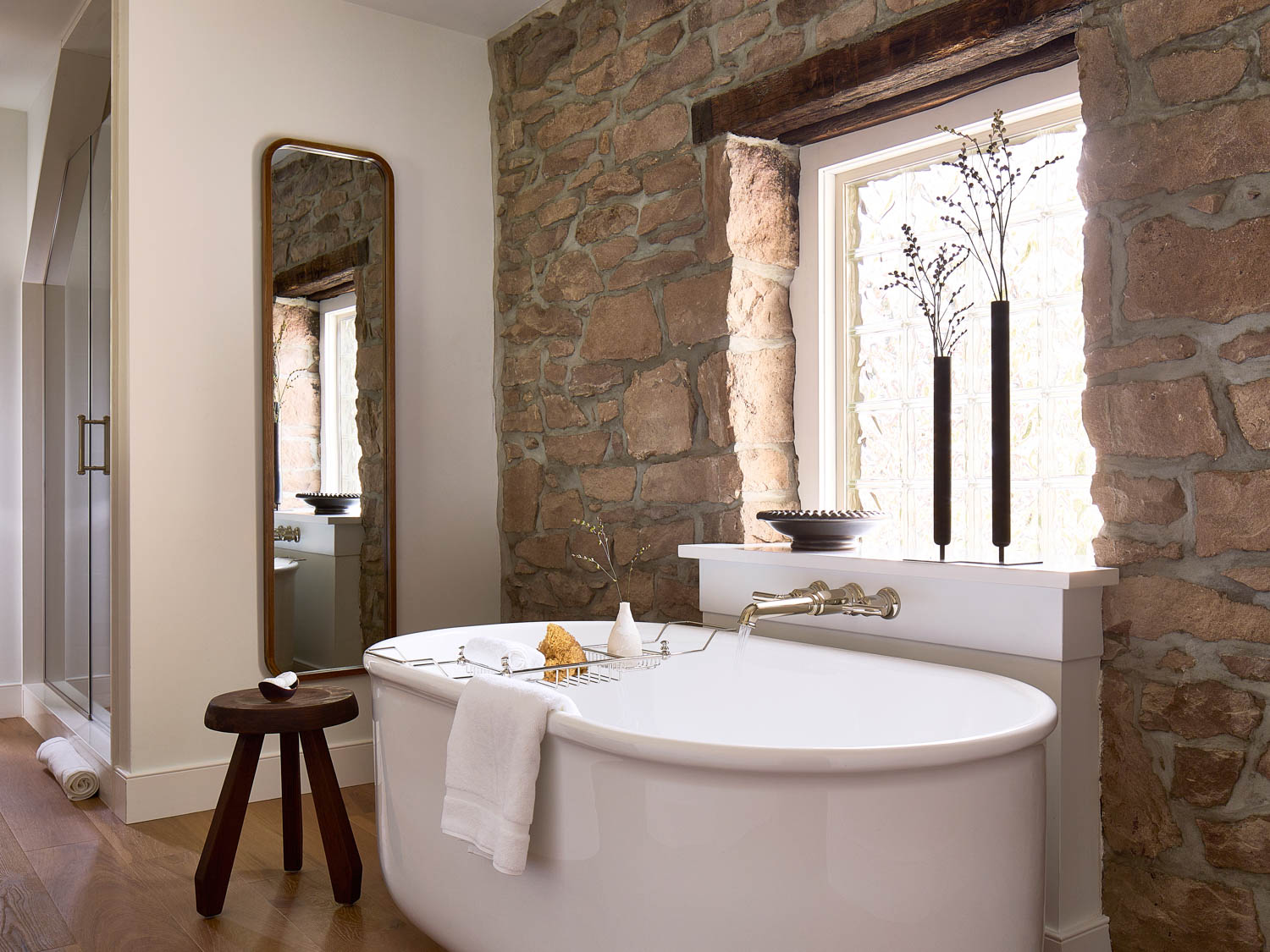
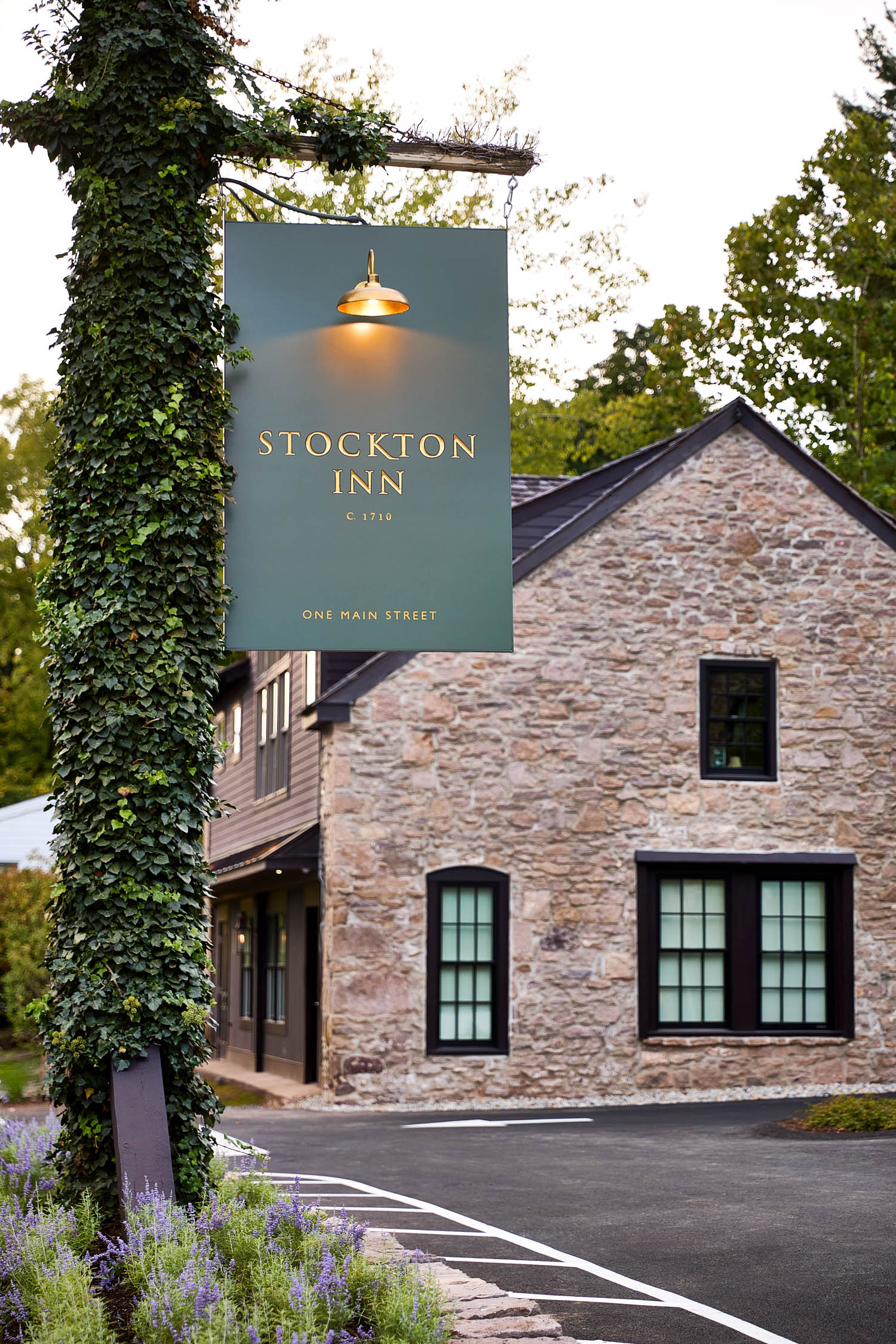
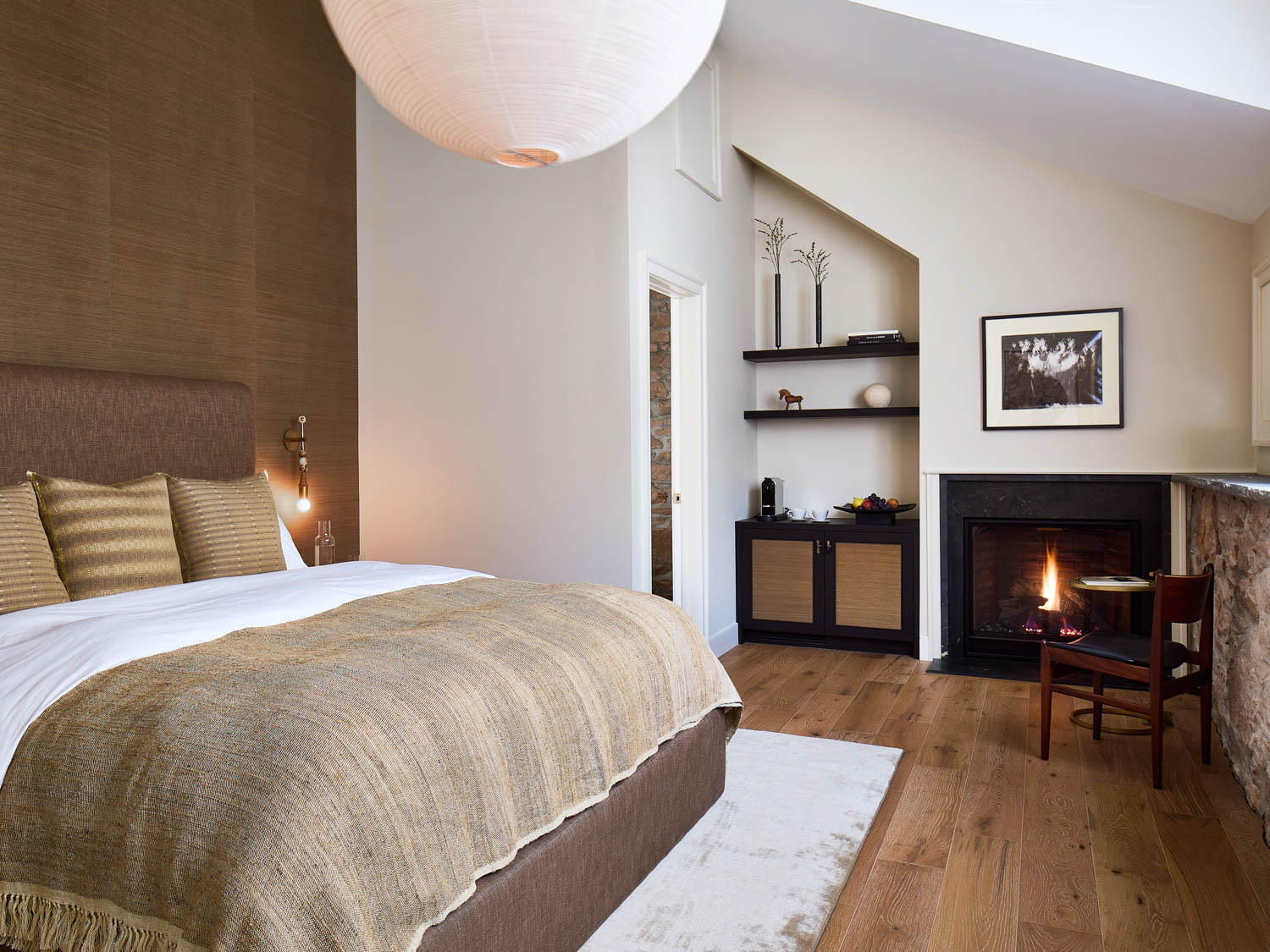
On the scenic border of New Jersey and Philadelphia, along the Delaware River, lies a quaint 300-year-old property rehabbed into the newly refreshed Stockton Inn by interior designer Christiane Duncan, formerly of Roman and Williams. Drawing inspiration from Stockton owner Steven Grabowski’s travels around Europe, Duncan imparted a sense of effortless refinement married with grounded finishes, aided by an assist from project architect Joe Datema. Across the nine guest rooms—housed in the original inn and two stately carriage houses—materials like natural stone and wood and grass cloth wallpaper dovetail with custom details: built-in daybeds; alabaster globe lights and scalloped glass sconces; handmade pillows in fabrics by Jennifer Shorto and Rose Tarlow. Restored fireplaces serve as anchors in many rooms, reinforcing the sense of heritage and hearth, and artful tchotchkes lend character.
Think vintage Scandinavian animal figurines, Swedish pottery, and various industrial relics—the latter a nod to local attraction the Mercer Museum, a treasure trove of historic tools. “The idea was for the rooms to evoke a personal sanctuary—relaxed, grounded, and restorative,” Duncan says. “The building’s historic 1710 origins were our primary influence: we wanted every design decision to feel like a natural extension of that heritage.”
Christiane Duncan Revives The 300-Year-Old Stockton Inn With Modern Ease
As for F&B, there’s The Dining Room, the property’s airy fine-dining restaurant. It acts as an extension of the garden, with fig-hued drapes, a green honed marble floor, limewashed fireplace, mohair-upholstered seating, and a standout marble-and-wood wine centerpiece by Cider Press Woodworks. Challenges here became opportunities: Two small columns that were supports could not be moved, so Duncan expanded their circumference and clad them with glistening custom brass chandeliers.
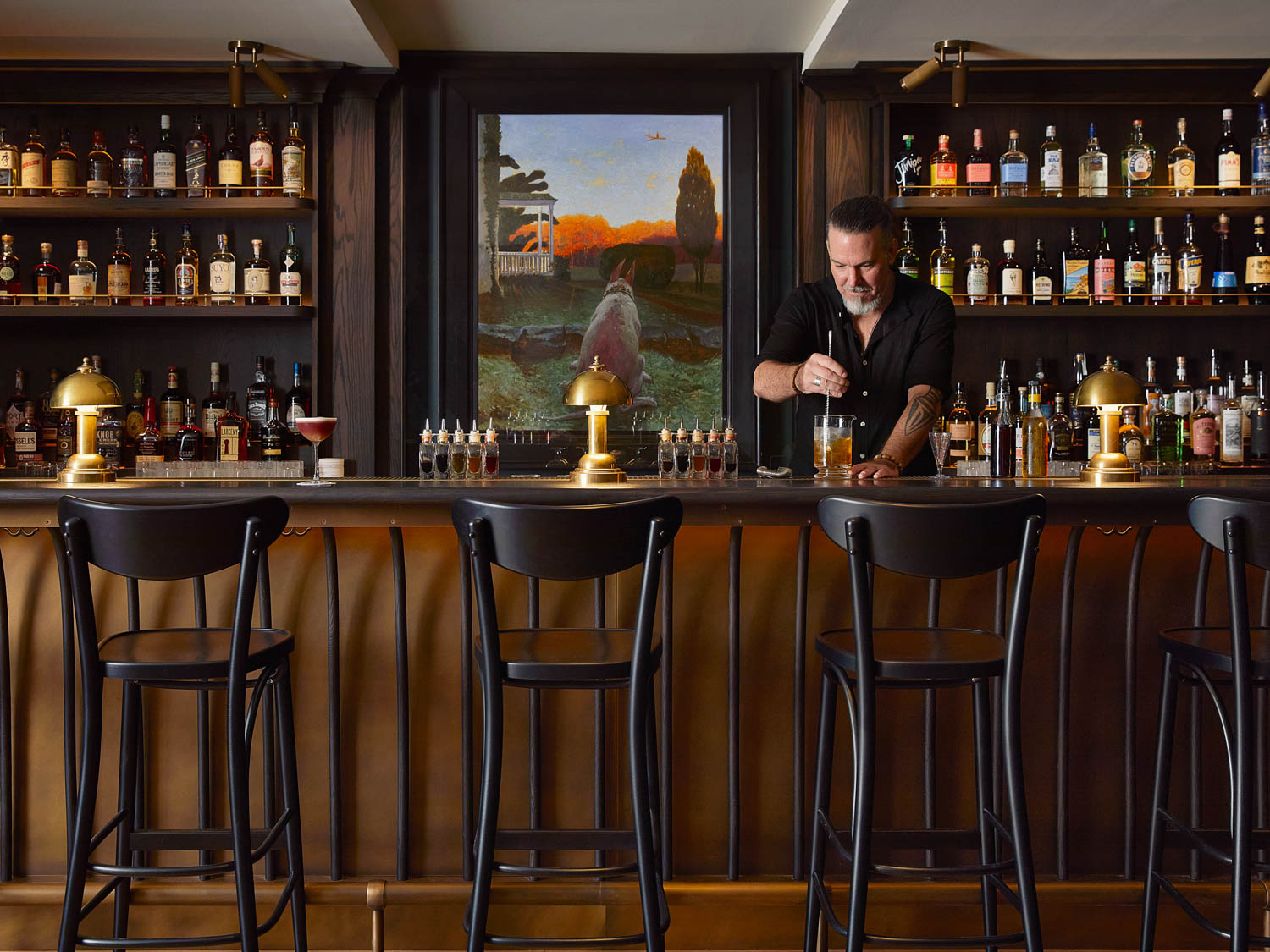
The Tavern, located in the oldest part of the property, is altogether moodier, evoking an English pub crossed with a member’s club, its walls bathed in Farrow & Ball’s deep Studio Green paint. “This space bears the same name as the inn’s original tavern, then the owners donated their Jamie Wyeth painting Final Approach in Philadelphia for the centerpiece of the bar, which further propelled the theme,” Duncan recalls. “During the design process I came across 1970’s hand-beaded basket chandeliers with brass deer detailing. I wasn’t sure if the clients would go for them, but they appreciated the humor!”
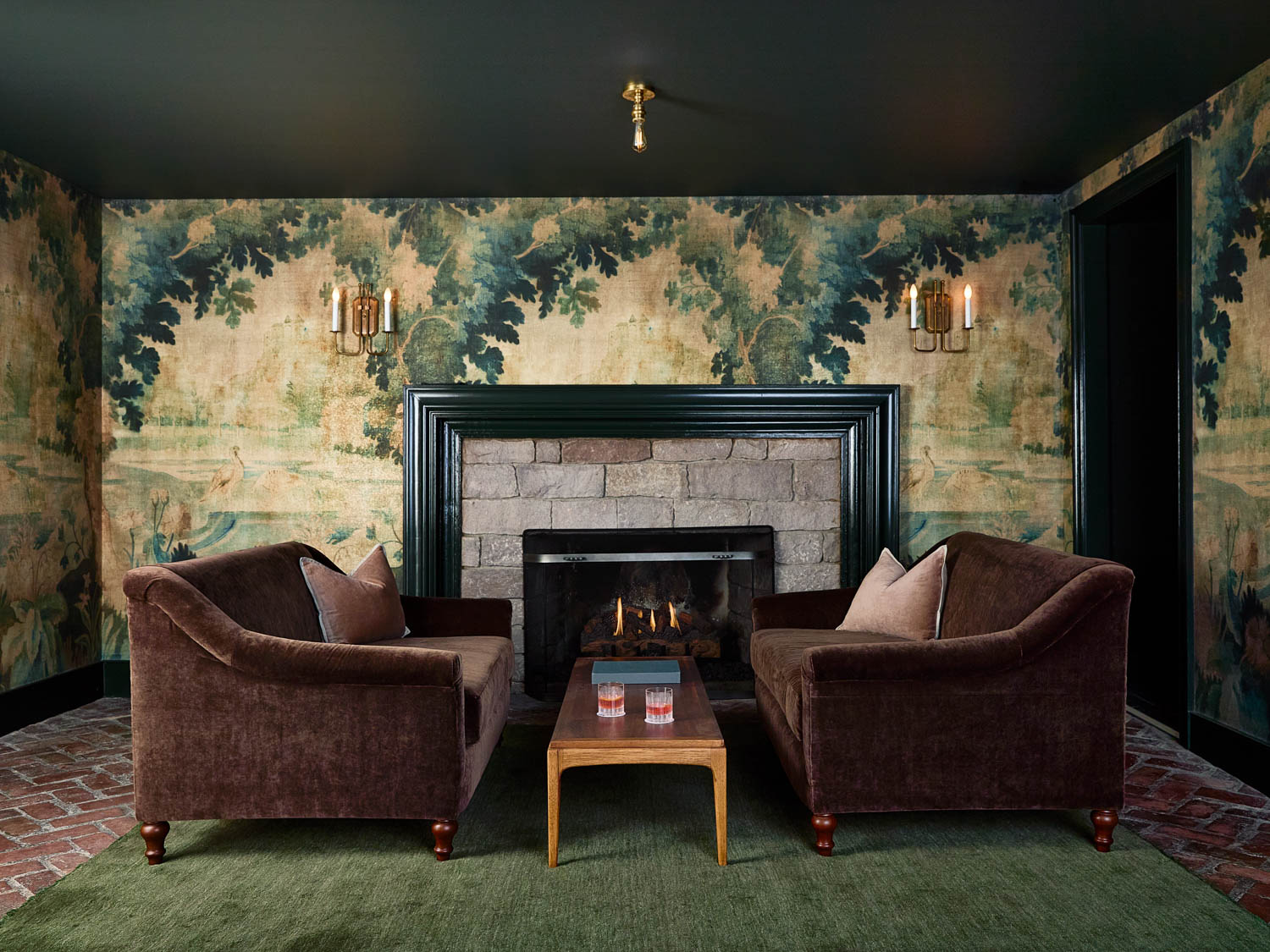
Other hits with guests are a cozy lounge with 18th-century brick floors and walls wrapped in a pastoral Pierre Frey wallpaper. “It’s a little hidden jewel with a fireplace and honor bar that you can eat in if you are a guest,” the designer explains. Then there’s the private dining room, which features playful hand-stamped wallpaper from Zuber in France—both neat examples of how to layer historic craftsmanship with contemporary hospitality needs.
Explore Stockton Inn By Christiane Duncan Interiors
read more
Projects
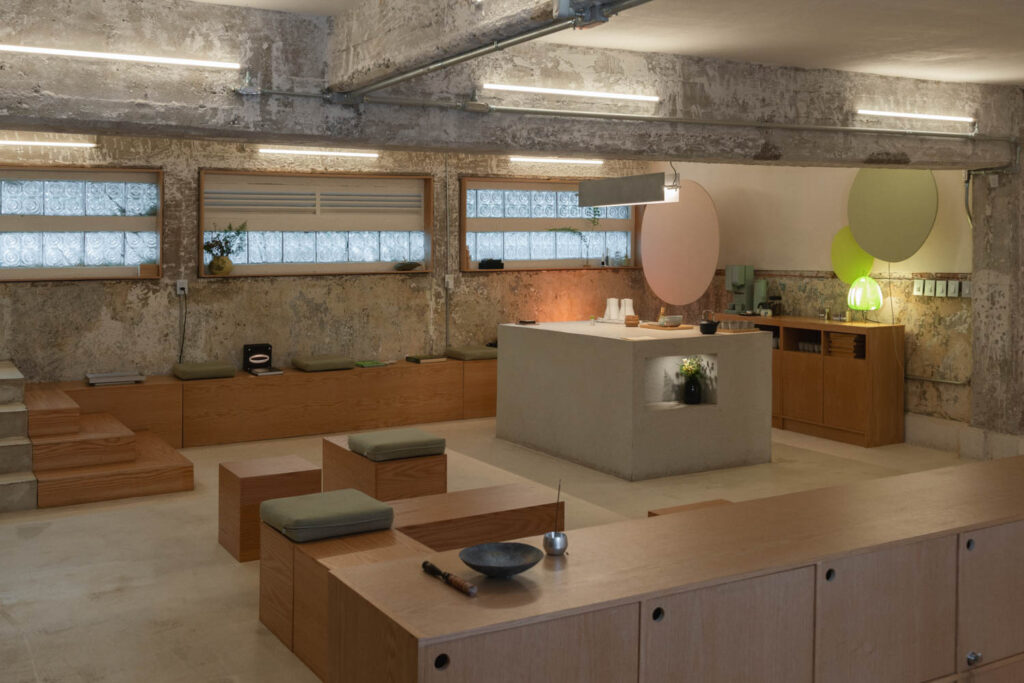
This Mexico City Lounge Centers The Act Of Listening
Sona, located in Mexico City and designed by Épico Estudio and Panorama, invites visitors into a sonic immersion.
Projects
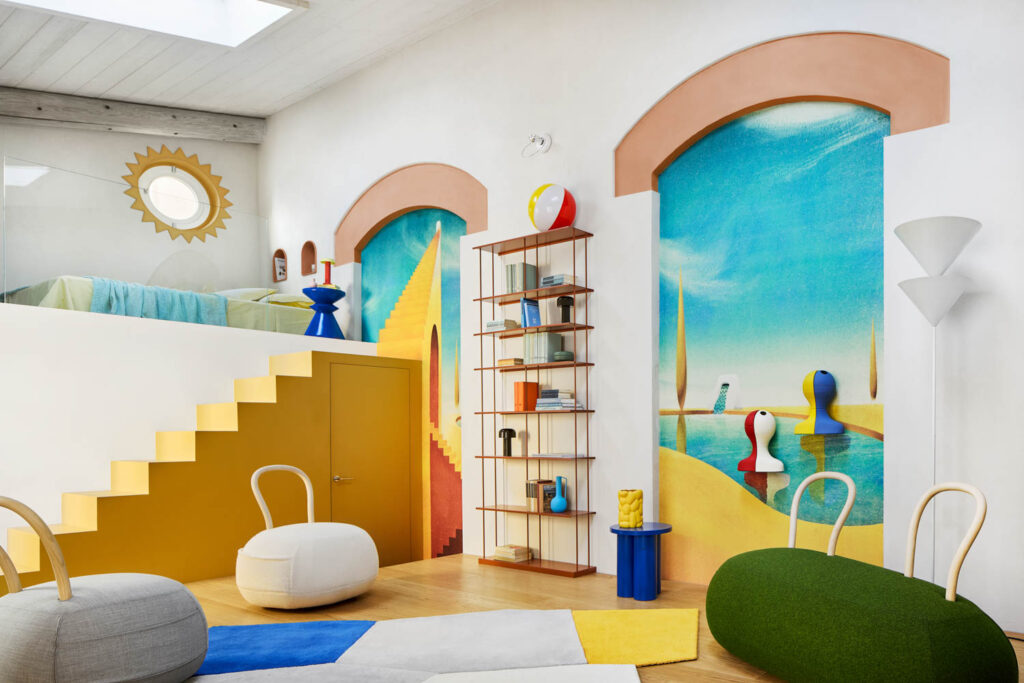
A Milan Storage Unit Transforms Into A Meditative Home
Giovanni Muzio’s arching 1930s La Triennale di Milano inspires an artful 570-square-foot Milanese apartment designed for travelers exploring the city.