
10 Questions With… Annalisa Rosso On Salone Del Mobile
Fully immersed in Milan’s ever-stratified and globally impactful design industry—its product, furniture, and fashion sectors—one will have almost assuredly come across Annalisa Rosso. The multifaceted figure has been on the scene here for at least two decades. The trained anthropologist turned editor, turned curator, turned consultant is a design world impresario if there ever was one. Through various, often overlapping, projects, Rosso has transcended and done away with the no-longer-attested boundaries of cultural and commercial initiative. Her aim: revealing the cross-pollination and interdisciplinary collaboration already taking place beneath the surface.
She served as the editor of Domus web and the editor-in-chief of Icon Design magazine but has also mounted an endless list of exhibitions; developed successful audience engagement strategies for both brands and cultural institutions; helmed juries, and lent her expertise to numerous panels. Through the Milan-based consultancy she co-founded almost a decade ago, Mr.Lawrence, the polymath has worked with the likes of the Design Doha Biennial, Saudi Arabia Architecture and Design Commission, B&B Italia, Driade, EMU, Ambientec, DesignSingapore Council, IRTHI – UAE Contemporary Crafts Council, Four Seasons, and Santoni, to name a few.
In recent years, Rosso has also taken up the monumental charge of Salone del Mobile’s editorial and cultural directorship, working tirelessly to keep the preeminent furniture fair relevant. In her role of heading up the major event’s talks program, she brought in the critical perspective of Shigeru Ban, Francis Kéré, Hans Ulrich Obrist, and John Pawson. But the true fruit of the ever-evolving labor is Salone Raritas, debuting at this edition of the fair, its 64th (April 21 to 26, 2026).
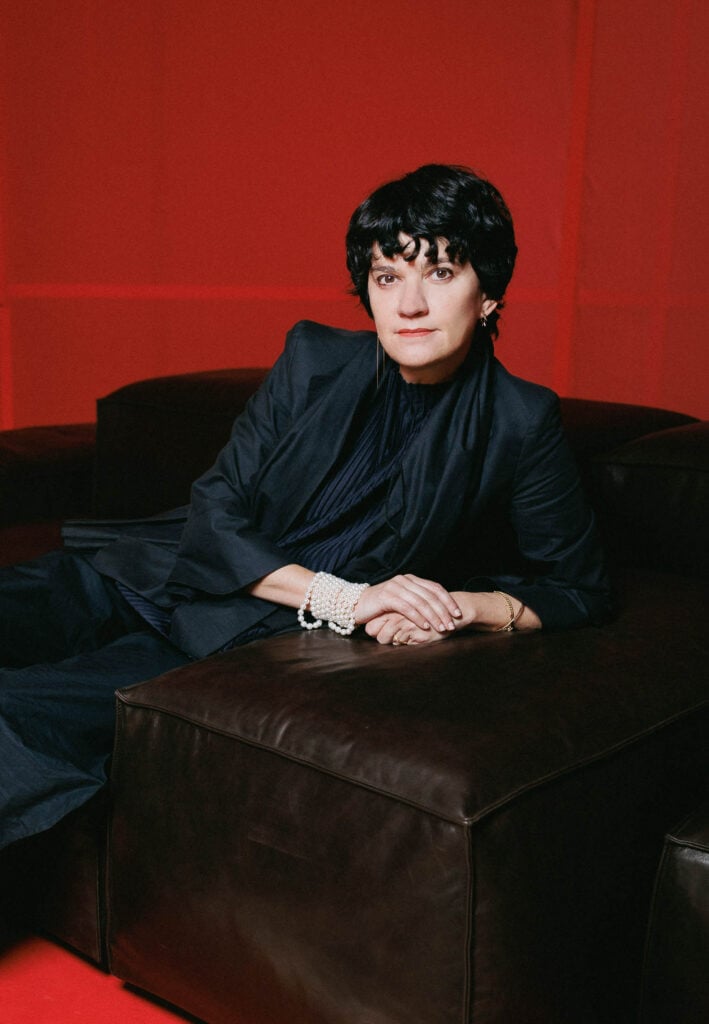
Bringing the oft-siloed world of collectible design into the fold, this new, dynamic fair-embedded showcase is set to meet the moment; survey where things are headed for both independent talents that have defined this market but also historic virtuosos still shaping its narrative. The distilled, meticulously curated, presentation will host long established “institutions” like Nilufar, maverick platforms such as London’s Max Radford Gallery, and widely revered autonomous designer like Sabine Marcelis. Joining Rosso in not only the staging but also conceptual framing of this seismic endeavor is equally influential design studio Formafantasma. Rosso spoke to Interior Design, in depth, about this “breath of fresh air” project and how it situates in an ever-changing design industry.
Annalisa Rosso Talks Salone del Mobile Raritas, The Expanded Role of Trade Fairs, and the Importance of Cultural and Commercial Hybridization
Interior Design: There are a lot of terms being thrown around these days: collectible design, functional sculpture, art furniture, etc. Glenn Adamson uses “avant garde design.” How does the latin word “raritas” (the quality of what is rare) transcend all of this semantic deviation?
Annalisa Rosso: It’s true that the concept has expanded considerably over time, as has the market it refers to. We were looking for a word that would not point to a too narrowly defined field, because the section spans a wide spectrum: from contemporary research-driven explorations—including unique pieces and limited editions—to collectible works, antiques, and designs created with exceptional craftsmanship. What we needed was a term capable of identifying the common ground among practices that differ greatly in terms of period, language, and geography. What ultimately connects them is the notion of rarity—that particular quality that complements and enriches the industrial market. The choice of the Latin word also points to a broader semantic dimension, one that moves beyond specific labels and categories. In that sense, raritas attempts precisely to transcend and bring together the many ways in which these practices are currently described.
ID: In that respect, what went into the process of selecting the exhibitors for this new format showcase?
AR: The selection process was guided by the desire to present a constellation of practices rather than a single narrative, one that could meaningfully engage with the specific B2B audience of the Salone del Mobile, where visitors come not only to discover new products but also exchange knowledge, stay updated, and ultimately conduct business. For many architects and designers, the gallery system remains somewhat peripheral, especially when it comes to antiques, collectible design, and certain forms of exceptional craftsmanship. Raritas aims to create a bridge between these two ecosystems, and provide both with a new opportunity for direct and purposeful encounters.
Interested in learning more about this year’s Salone del Mobile.Milano? The fair’s president, Maria Porro, offers candid insights about Salone’s evolution and what to expect in a recent DesignWire episode on the SURROUND Podcast Network.
ID: Citing one or two standout examples of exhibited work, how will the carefully curated showcase highlight a range of furnishing typologies?
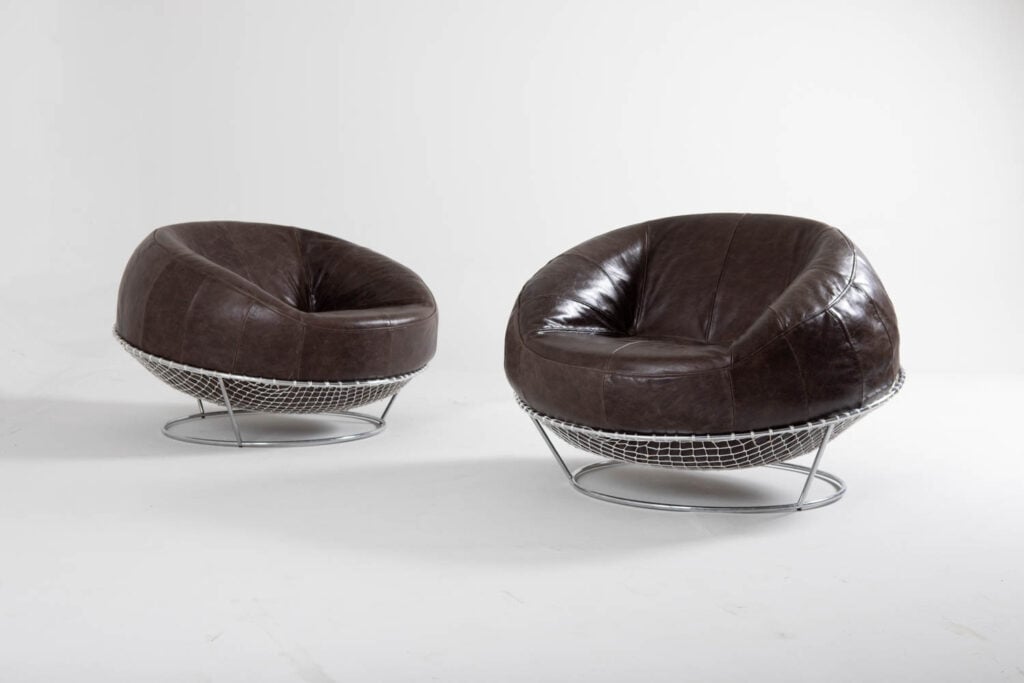
AR: One of the most interesting aspects of the exhibition will be, precisely, the diversity of typologies that visitors will be able to uncover. For example, a solo showcase of pieces by Job Smeets, curated by Maria Cristina Didero for Mouromtsev Design Editions, will resonate with those looking for pieces that are intelligent, bold, and highly contemporary in both aesthetic and formal language. At the same time, the Brazilian Modernist masters exhibition by Mercado Moderno, alongside the antiquarian works of Brun Fine Art, will appeal to a different group of connoisseurs. Or maybe not only? I strongly believe that these interests can intersect and that Salone Raritas can become a place of happy discovery.

ID: Citing one or two other examples, how will the selection reveal the different aesthetic styles, unexpected uses of material, and formal retooling currently defining contemporary practice?
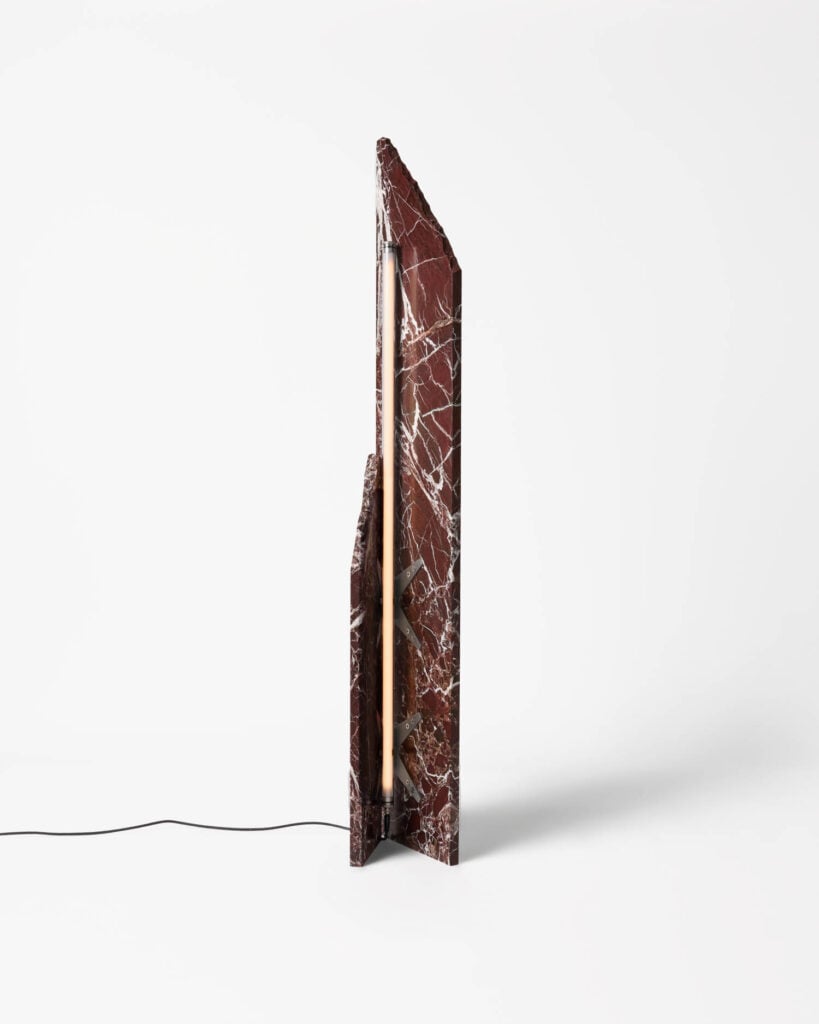
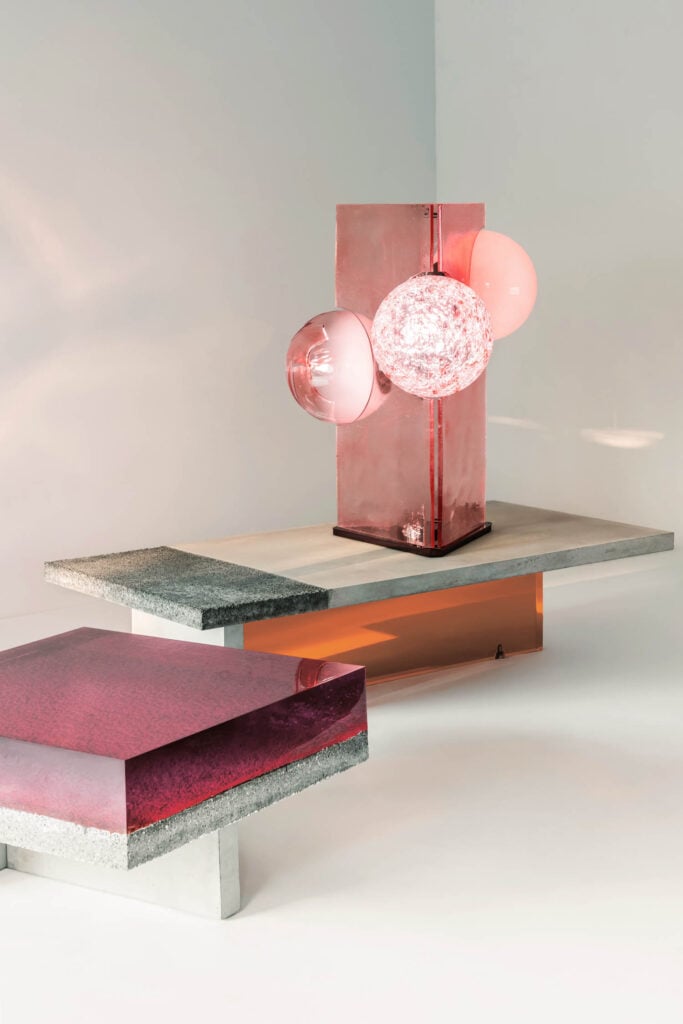
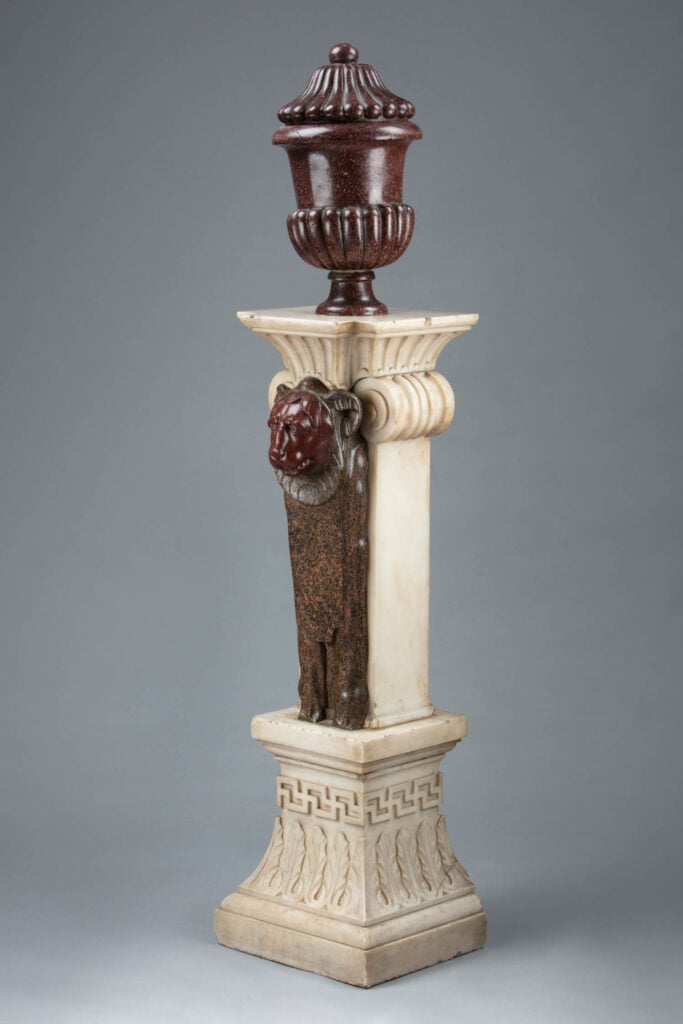
AR: This will be another very interesting aspect of the exhibition. On the craft side of things, it’s been fascinating to see manufacturing realities with a deep, highly specialized knowledge of specific materials invite forward-thinking talents to reinterpret their production in innovative ways. This is the case, for example, with the Murano glass of Salviati reimagined by Draga & Aurel, or the marble of Bianco67 revisited by the Milanese collective Parasite 2.0. At the same time, I believe it’ll be equally compelling to observe the dialogue between materials across different periods. The resin of Dutch designer Sabine Marcelis, who’s set to present a new work with Dubai-based gallery Collectional, will resonate in an unexpected way when seen alongside Brun Fine Art’s historical hardstones.
ID: How will exhibited works also reveal a growing propensity for the past; reveal a historical lineage in the use of ornamental flourishes but also in the changing functional attribution ascribed to different furniture categories?
AR: Design evolves through continuity as much as innovation. Looking at antiquarian works alongside contemporary collectible design allows us to recognize recurring themes: the role of ornament, the transformation of furniture typologies, and the shifting cultural meanings attached to objects over time. When we began discussing this new space with Formafantasma, we also mentioned as a reference the V&A East Storehouse archive display, which opened less than a year ago and hosts more than half a million works from every creative discipline. Even when works from very different periods are placed side by side, there’s always something to glean from the comparison.
ID: Across contract and residential design, there’s increased demand for furniture with both visual and visceral distinction—antidotes to virtual hegemony and the continued prevalence of modernism. Why is it important to bridge the gap between different design industry markets, especially given the fact that the disciplinary boundaries long separating fine art and design have all but blurred?
AR: Across these sectors, there’s a growing interest in objects capable of introducing identity and specificity into projects, and bridging the gap between different markets responds to this need. More and more architects and developers are looking for pieces that can anchor a space culturally as well as functionally. In that sense, the Raritas project acknowledges a transformation that’s already in motion.
ID: In your professional trajectory as a cultural polymath, supporting the design industry from all directions—as a writer, editor, curator, consultant, et al—how have you seen this shift take place over time? How is Salone Raritas a chance to share that perspective?
AR: My background is in anthropology, so listening, exchanging points of view, and paying attention to various forms of hybridization have always been part of my process. Over time, I’ve observed, with interest, a shift in sensibilities and growing openness—of course not from everyone—toward different types of collaboration. I’m referring to companies, institutions, critics, and professionals working across the design field. Despite the difficult times we are going through, there’s a strong sense of resiliency pushing our sector to move forward and embrace new possibilities. What I’ve learned is that one needs to approach this prepared, with a willingness to grow in a sustainable way and, of course, listen. I believe Salone Raritas will be an opportunity to highlight this mindset. It’ll respond to the demand for curated platforms capable of generating new cultural and business opportunities.
ID: How was choosing to work with Formafantasma, a practice that has proven itself capable of operating across the various facets of the design industry—the increasingly dissolved boundaries of cultural and commercial pursuits—essential in bringing this project to fruition?
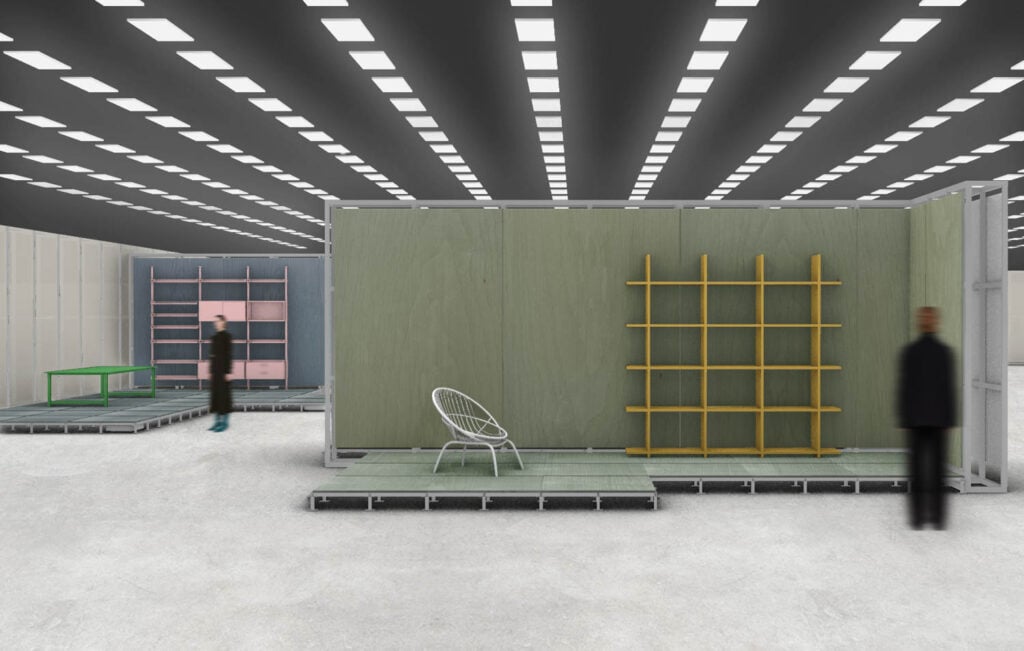
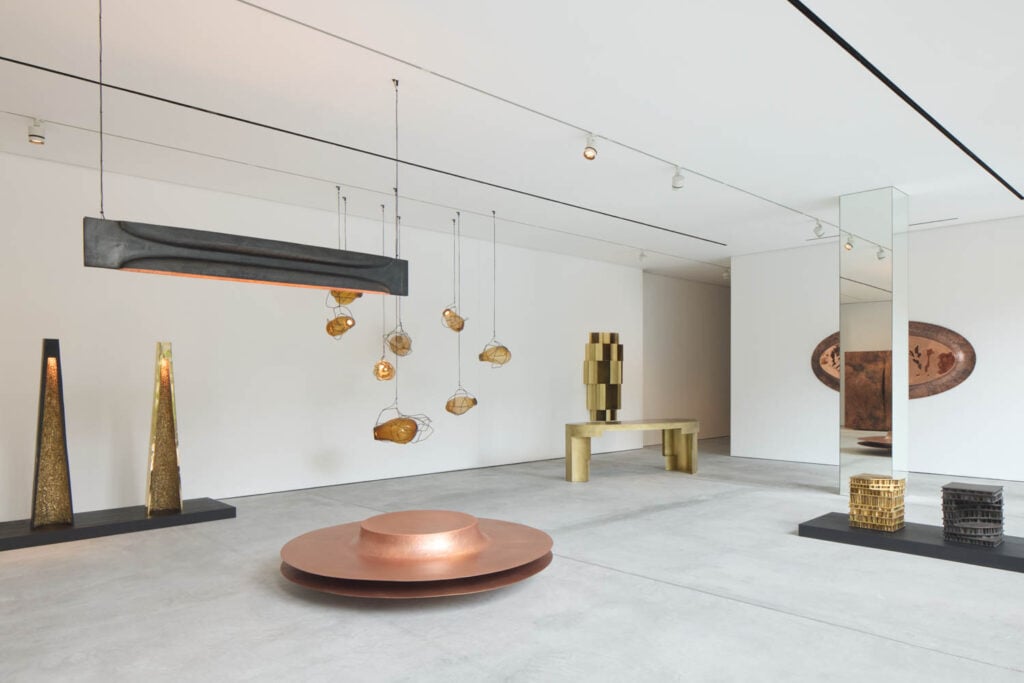
AR: Salone del Mobile and Formafantasma have worked together for several years now. They designed the arena for the public program Drafting Futures, the bookshop curated by Corraini, and visitor resting areas. With Salone Raritas, this partnership didn’t just entail the exhibition design, which were already quite complex because they had to respond to multiple requirements. The duo was integral in helping to develop the concept and formulating a coherent proposal. We wanted to create an environment that would be distinct within the fair but also, ideally, in continuity with it. At the same time, the space needed to respect the identity of each exhibitor while visually connecting the different aesthetic and visual languages presented within the space.
ID: How, in your mind, will this endeavor welcome a new, or returning, audience to Salone del Mobile. How can this type of programming serve as a model for other trade fairs perhaps struggling to maintain relevance?
AR: This project first and foremost offers a service to the B2B professionals already attending the fair. This year, the showcase will be joined by the forum space developed by Rem Koolhaas and David Gianotten, anticipating the medium- and long-term alone Contract fair project that OMA will debut next year. Our program is expanding and evolving. Raritas will offer an additional layer and therefore ,attract new visitors while also bringing back some who may have reduced their presence in recent years. It’s a new element that adds to the already well- articulated Salone del Mobile ecosystem. With time, Raritas will adapt to the needs of new geographies and the developments of the markets we engage with. It’s now clear to everyone that today’s trade fairs are not just commercial platforms but also ones where the discipline can reflect on itself.
ID: After this major undertaking, what’s next for you? What else are you working on at the moment through Mr.Lawrence and other ventures?
AR: I am already thinking about new collaborations and territories to explore. Mr.Lawrence is the strategic design consultancy I co-founded with Francesco Mainardi in 2018. From Milan, we’re increasingly engaged with different contexts and countries. For us, this is a fundamental engine: continuing to build bridges, generate conversations, and open new perspectives. Within design, and beyond, this kind of exchange is vital. At the moment, we’re working as cultural and strategic partners with a number of companies and institutions across different parts of the world, developing initiatives that move between languages, markets, talents, and very good ideas.
read more

DesignWire
Designers And Manufacturers On The Move: September 2026 Edition
Interior Design‘s latest On the Move includes must-know industry promotions and hires, like Perkins&Will’s strategic move to expand its design capabilities.
DesignWire
10 Questions With… Artist and Designer Conie Vallese
From sculpture and ceramics to glass, textiles, and furniture, Conie Vallese embraces a multidisciplinary practice shaped by curiosity and creativity.