
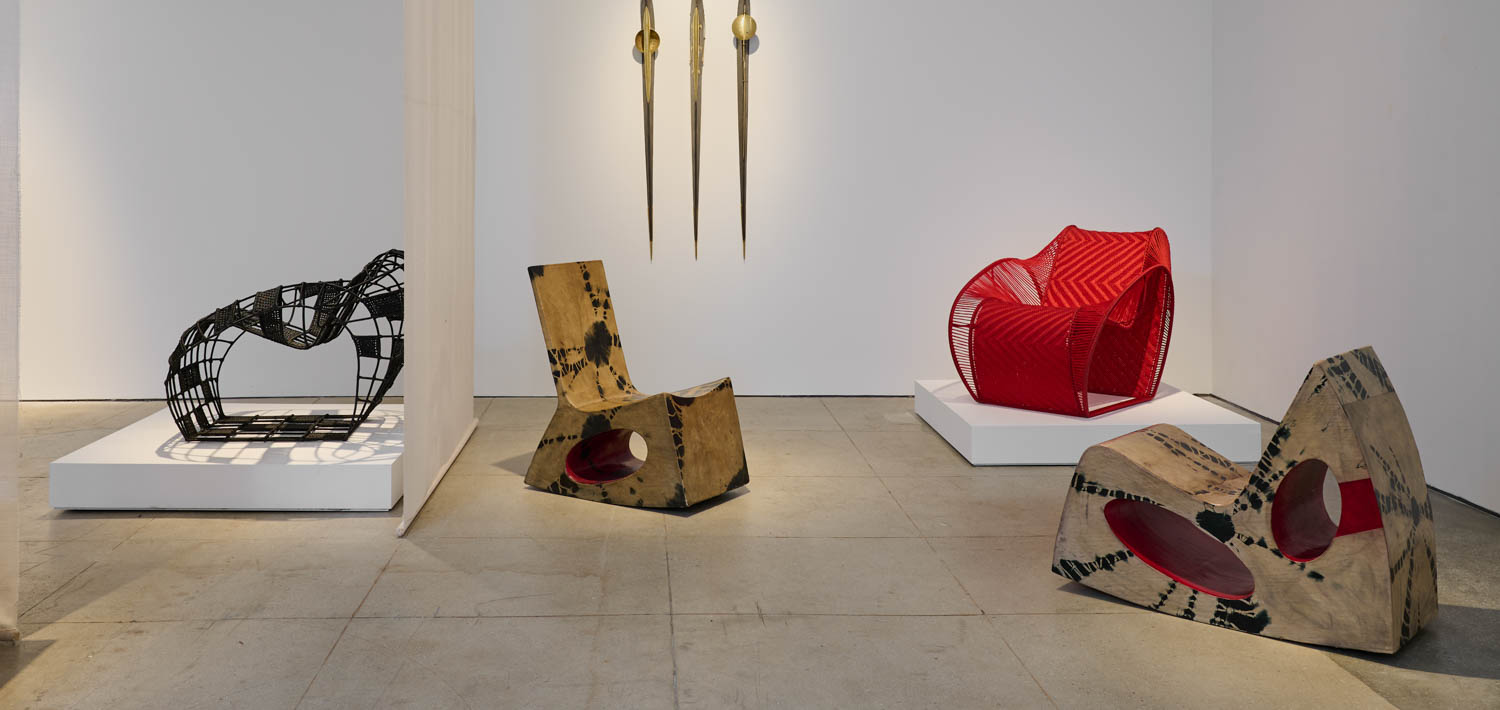
10 Questions With… Architect and Designer Cheick Diallo
Cheick Diallo believes that the future of African design is bright and not because he’s one of the designers who has shaped it into its contemporary form, but because he’s a designer who cherishes the work of this new generation and how they are pushing boundaries.
Diallo—an optimistic designer by nature as he prefers to be addressed—comes from a line of architects, so him becoming an architect felt closely like a passage of creativity. He was born in 1960 in Bamako, Mali’s capital, and describes his childhood as creative, filled with tinkering with locally available materials, part of which shaped his love for design. It was during his training at the Rouen School of Architecture in France that he discovered he had this passion for design and enrolled at the ENSCI Paris for a furniture design program. At the same time, his works gained top honors from the Musée des Arts Décoratifs in Paris and he founded the Association des Designers Africains.
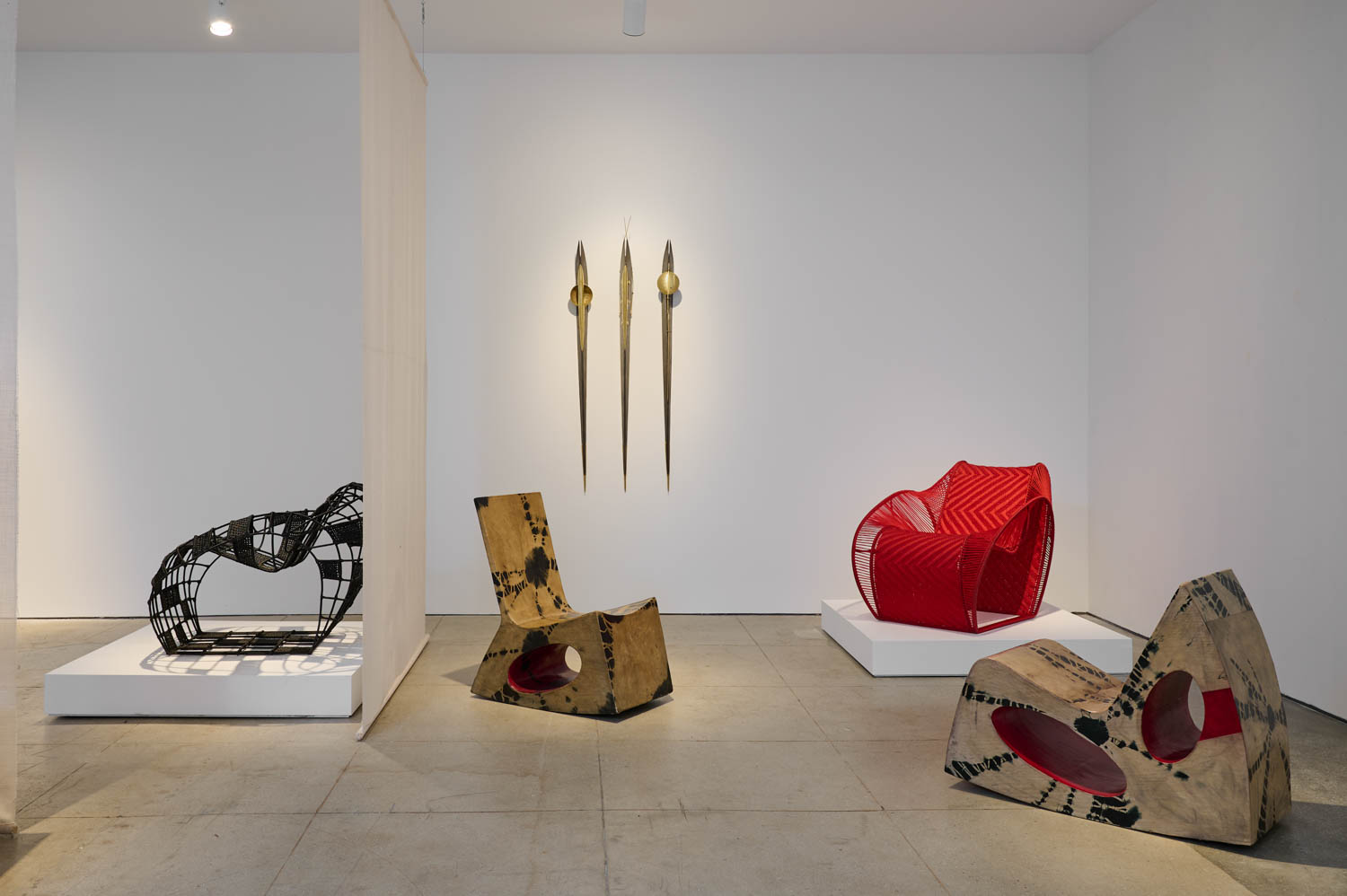
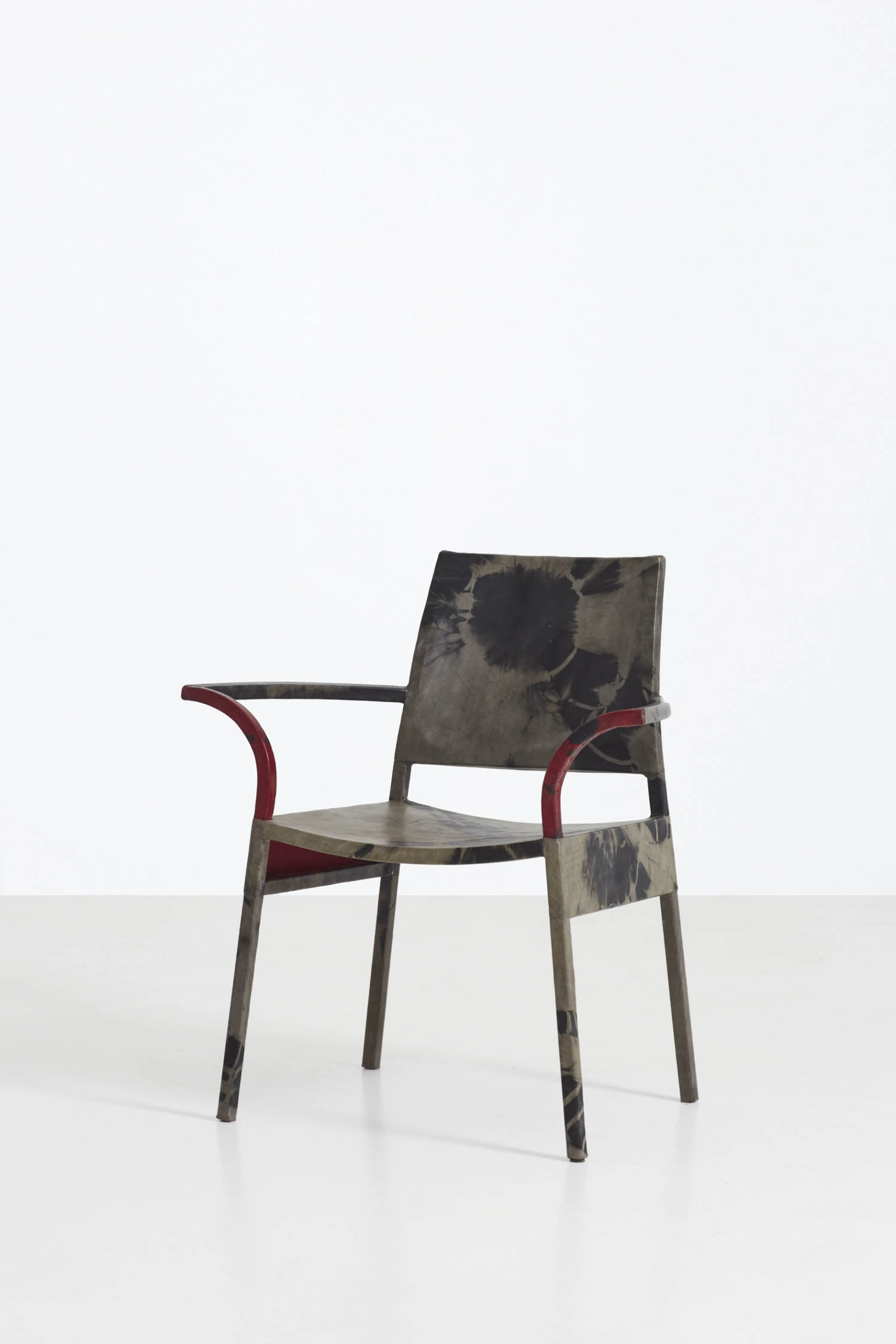
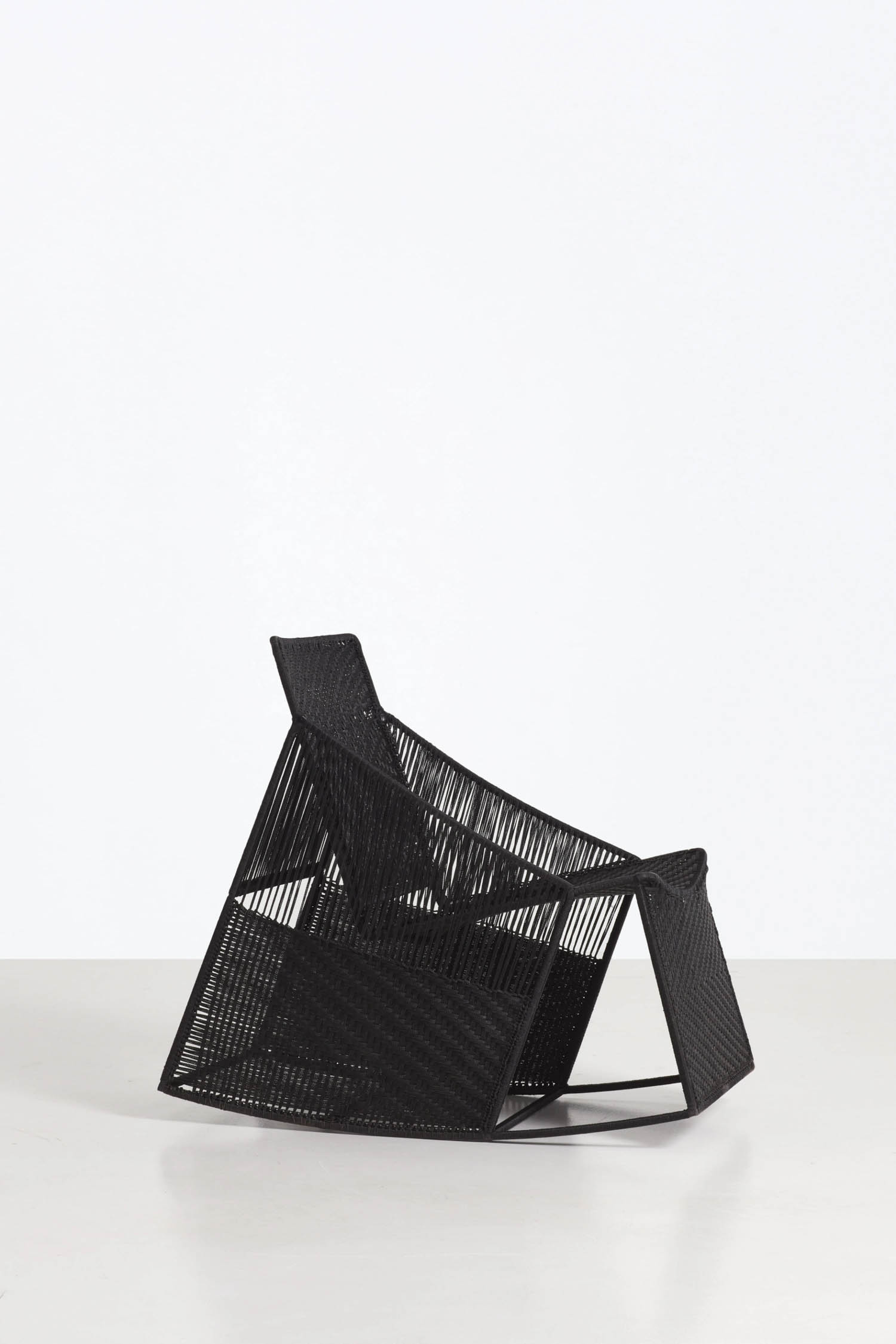
His practice has heavily relied on upcycling, taking inspiration to his early days in Bamako, addressing consumerist negligence in the continent and also expressing how designers could weaponize that in their creative process. His latest solo exhibition is his debut in a gallery in the United States, and for the designer, it’s lovely to be showcasing his work to a new audience. The exhibition is titled Taama, meaning “voyage” in Malinké language and sums up his entire artistry and practice as a designer.
Interior Design had an amazing chat with the designer and architect about his life, growing up in Bamako, his design journey over the decades and where he currently lives creatively.

Cheick Diallo Leads The Way In African Design
Interior Design: As an architect and designer, you are an incredible voice in the African design scene, but most won’t be able to trace how you started. Can you tell us about your journey as an architect, how you started out, studies and how you have gotten this far?
Cheick Diallo: I began my studies in architecture in Rouen, France. During this time I discovered design. I graduated with a diploma in architecture, having also practiced a little in different firms. I thought it was necessary to complete my training as a designer in an industrial design school in Paris, where my integration was initially difficult—I think because I was the first African to join. During my time there, I was lucky enough to receive awards at least three times in the school competitions that were organized with commercial partners. This allowed me to understand the challenges of design to the extent that I said that Africa needed this tool, because I consider design to be a tool at the service of development. So, my mission became to create a contemporary style through the design of everyday objects in Africa.
ID: Can you give us an insight of your background growing up in Bamako?
CD: My childhood in Bamako, in my opinion, was joyful because I was lucky enough to be born in a semi-residential and semi-working-class neighborhood. We were on the border of these two areas and we had a large courtyard where all the children would play together. I was quite handy and mischievous too. I spent my time trying to transform and sculpt objects after school. My father passed this onto me because he was also an architect, and it was through this tinkering and experimentation that I had fun creating my own objects for play.
In Bamako, I was in a French school, where I was the only Malian African in the class. This allowed me to understand who I was among all the European children who lived in Mali. I was unruly and that earned me a trip to Senegal to learn about environments other than rural ones. I think that was the greatest gift my parents gave me: taking me away from the city and into a village where everything was studied and everything was a curiosity for me. I discovered virtues and education systems completely different from those in the city and that made me grow—it nourished me. And it is this nourishment that, until now, continues to nourish me.
ID: How does it feel to be making your debut solo exhibition at a gallery in the U.S after so many years of your career?
CD: It’s a source of pride for me to show my work outside my country, and in this case in the United States. In many ways, it’s a kind of monograph (in material form) that honors me and my practice, and I thank my gallerists at Southern Gallery who offered me this opportunity to show my work in America. Even in my 60s, I always consider myself a learner and I want to learn from everything—any organized exhibition is a good learning opportunity for me.

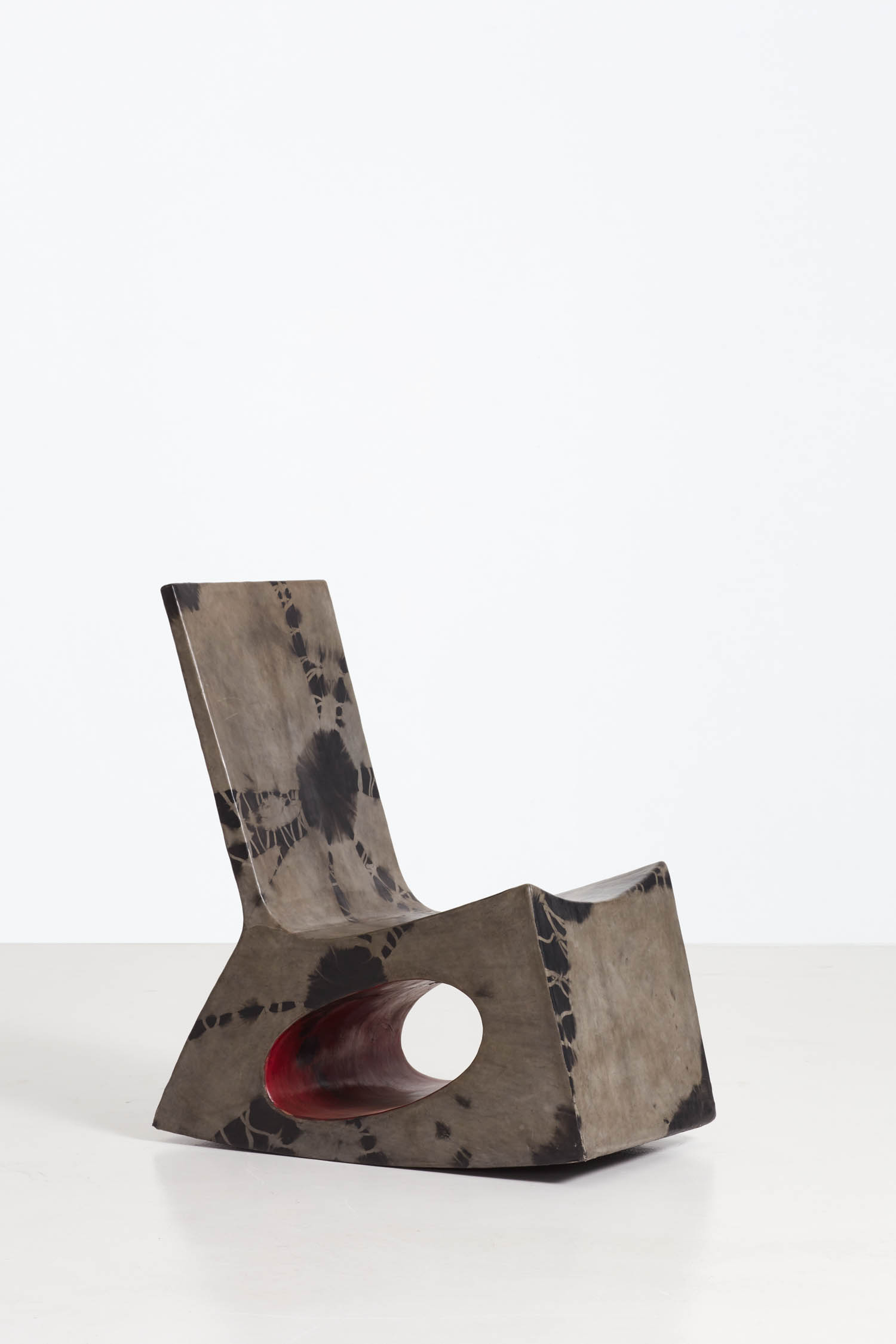
ID: Tell us about this exhibition of yours and what inspired you to call it Taama?
CD: Taama, meaning “voyage” in the West African language of Malinké, inspired me because I believe that all the creations we make come from encounters, from going (voyaging) towards each other. It also perfectly sums up the trajectory of my career over the years: a long journey of discovery, creation and experimentation (and one I hope will continue on). It also refers to the fact that creating is itself a journey—full of ups and downs—and it takes passion, commitment and courage to continue and produce. Even after all these years, I am still learning. The idea of voyaging and walking is also linked to the street. Many encounters also occur here and for me it’s a kind of social laboratory. I love observing human interactions. My appetite for observation, which is the cornerstone of the mode of creation for me, is sated by being on the street and just watching the exchanges.
ID: Your way with shapes is so impeccable. What inspired the other-worldly shapes? Do they come from animals, the environment or just random ideas that appear in your imagination?
CD: My sources of inspiration are multiple and varied. As I mentioned earlier, the street is fundamental to me because it contains a hive of different kinds of situations. For example: I’m not saying I’m creating a chair, but rather that I’m trying to propose another way of sitting. Transforming these situations is a real exercise for me because I believe we don’t create for ourselves, but for others. Serving the community or humanity (if we want to be a little more ambitious) is about providing solutions to the problems posed. It’s up to the designer or creator to be an attentive observer in order to translate an object into a response to a problem. A verb, a word, or a situation are sources of inspiration for me. Design, for me, is nothing other than narration. Knowing how to tell stories, stories of men, with their codes and their poetry. It is not just a question of technique or technology, but of transmitting pleasant moments through the narrative that these objects tell.
ID: You started your studio in France in 1997. Has that been a catalyst to support the emerging design talent in Bamako?
CD: Yes, in many ways. I wanted the young designers, artists and craftsmen who followed me to learn—in design, we only learn to look. Looking leads to analysis, and it’s analysis that allows us to rationalize our techniques, our ways of producing, our economies of materials and so on. So, the inspiration is how Africa could, through our creations, create its own modernity.

ID: You normally outsource your materials through upcycling waste, which is so brilliant, but was that to create environmental and political awareness or was that what appealed to you creatively?
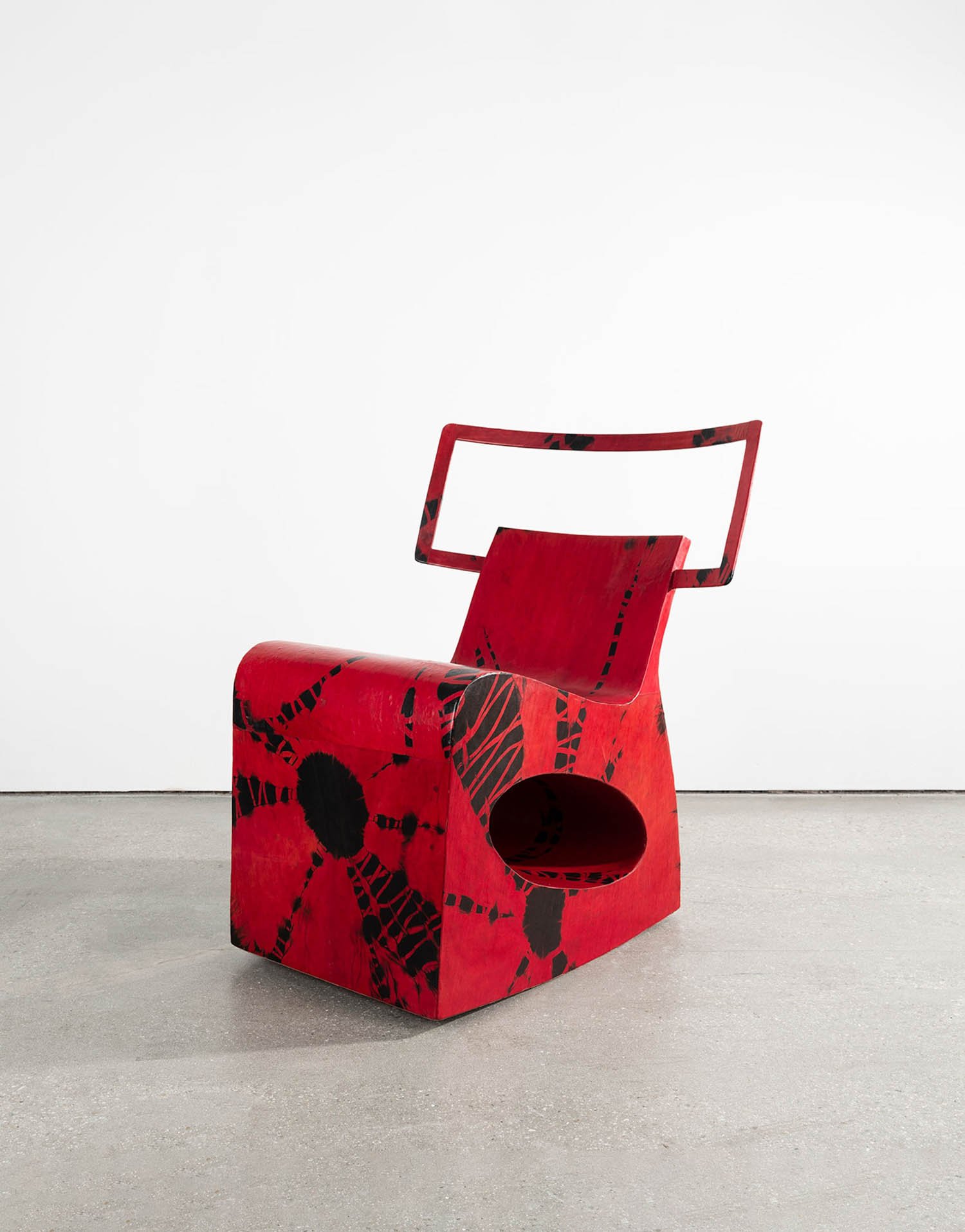
CD: Recycling is part of my studio’s production and creative methods. Recycling simply draws attention to the danger of wasting natural resources. Diallo Design’s philosophy is based on the idea that we make what we find. I believe the creative process must be a process of adaptation: adapting to the environment, to know-how, to consumption, and to needs. Objects must have a modern and contemporary character, but sometimes they are made from waste. Waste is a sign, a social code that we wish to offer to our future clients and users.
For example, at a time when there was a metal shortage, we collected crushed cans from the street, often crushed by cars—even children brought them to us. With these recovered cans, we made objects and furniture. For me, it was a signal to future and young designers: waste can be transformed into gold, that it can be transformed into quality and modern objects. There is a power in repurposing discarded materials to produce contemporary pieces that are both valued and admired.
ID: Do you think the African design scene has the potential to be one of the major players in the world due to the flourishing craftsmanship and hardworking artisans that keep things running?
CD: Design in Africa has a bright future ahead of it. I think what is emerging today in Africa will be more likely to happen in the future. We are very optimistic because I believe that creating meaning, clarity and coherence is part of the creative methodology in Africa. Africans create out of necessity and respond exactly to the needs posed. This approach—which is inherent to creators whether it be artisans or artists, even Africans, and whether they are on the side of our ancestors or young learners today—has that in mind that transformation is necessary to exist. This is vital in the process of creation and artistic production in Africa. Africa has a role to play in the world as the cradle of humanity. It’s when we’ve lost everything elsewhere that we turn to Africa. Africans just have to remember this and transform this common sense into an economic and social reality.
ID: As a designer who has been on this journey for three decades, what continues to fuel your creative force and passion?
CD: I am an optimistic designer by nature. The energy to propose new solutions and new creations never fails me and comes from the fact that at the heart of this passion resides social relationships. Social relationships are essential. Why do we create them? Simply to make life a little more comfortable. A saying goes in our country, that knowledge is the only wealth we can give without impoverishing ourselves. When we share knowledge, we don’t lose it. What nourishes us is seeing the emotion our objects arouse in our future prescribers, our future clients, our future partners. This is what we live by. The object is merely a witness, an ambassador of this relationship. When we seek to improve the daily lives of others, we find the best way to do so.
ID: What advice would you give to the younger generation of architects and designers?
CD: There is really only one thing to learn: knowing how to observe. Observation is an inexhaustible source of inspiration because it leads to analysis and it is this analysis that allows us to rationalize our techniques and our ways of producing. Then, you have to be generous and patient, because when you want to do things well, patience is essential. And above all, you have to show humility. Humility is a fundamental lesson in this profession because it is what allows you to constantly progress.
But wanting to go too fast or simply being content to communicate about your work without truly investing your talent and thought in it can be detrimental to a career. Furthermore, I think it is essential to cultivate a critical mind, but not to criticize without foundation—rather to fully and rigorously practice your profession. This is an important point to keep in mind, because the quest for continuous improvement implies a capacity for self-evaluation and self-demand.
read more

DesignWire
Designers And Manufacturers On The Move: September 2026 Edition
Interior Design‘s latest On the Move includes must-know industry promotions and hires, like Perkins&Will’s strategic move to expand its design capabilities.
DesignWire
10 Questions With… Artist and Designer Conie Vallese
From sculpture and ceramics to glass, textiles, and furniture, Conie Vallese embraces a multidisciplinary practice shaped by curiosity and creativity.