
10 Questions With… Brunello Cucinelli
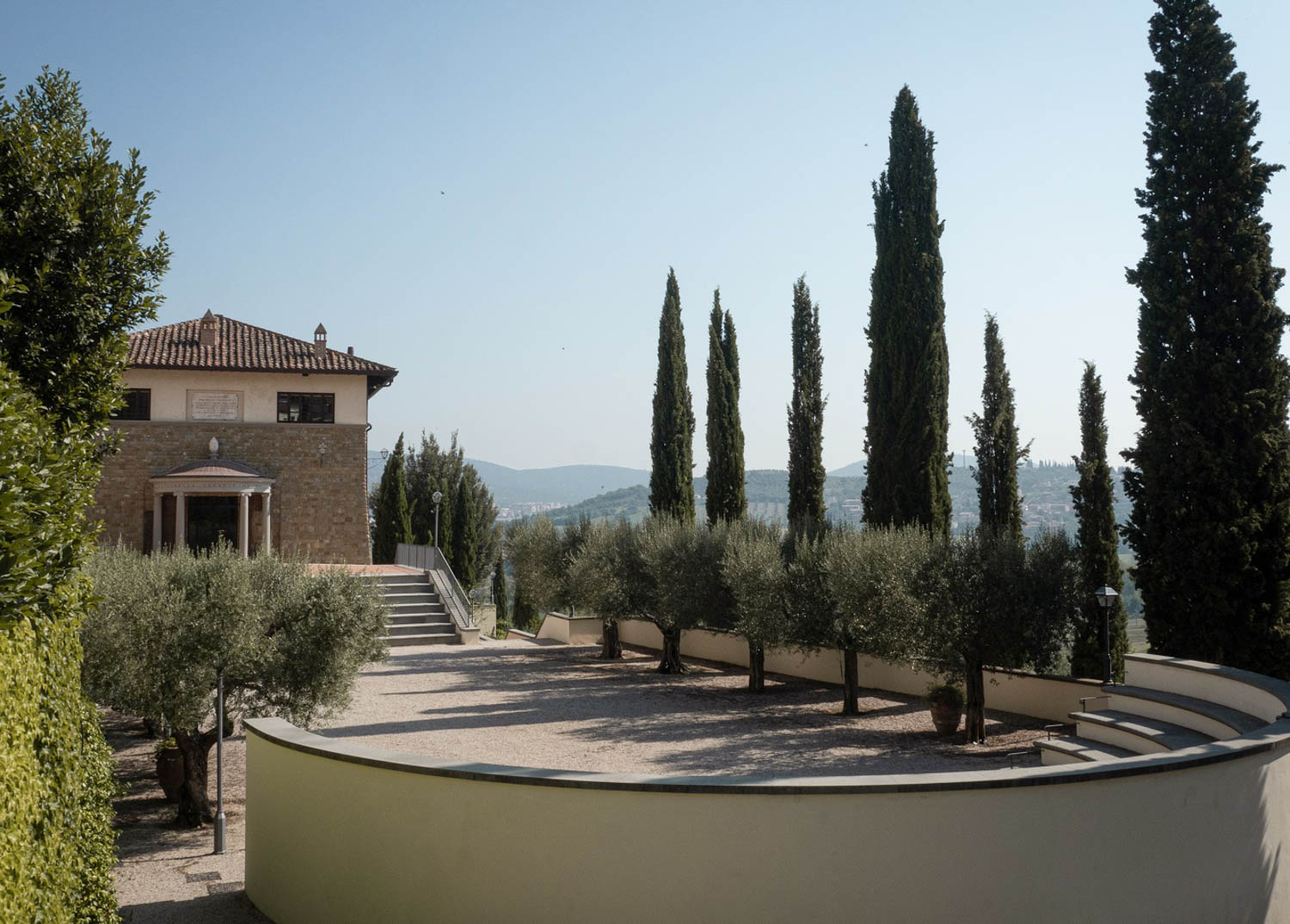
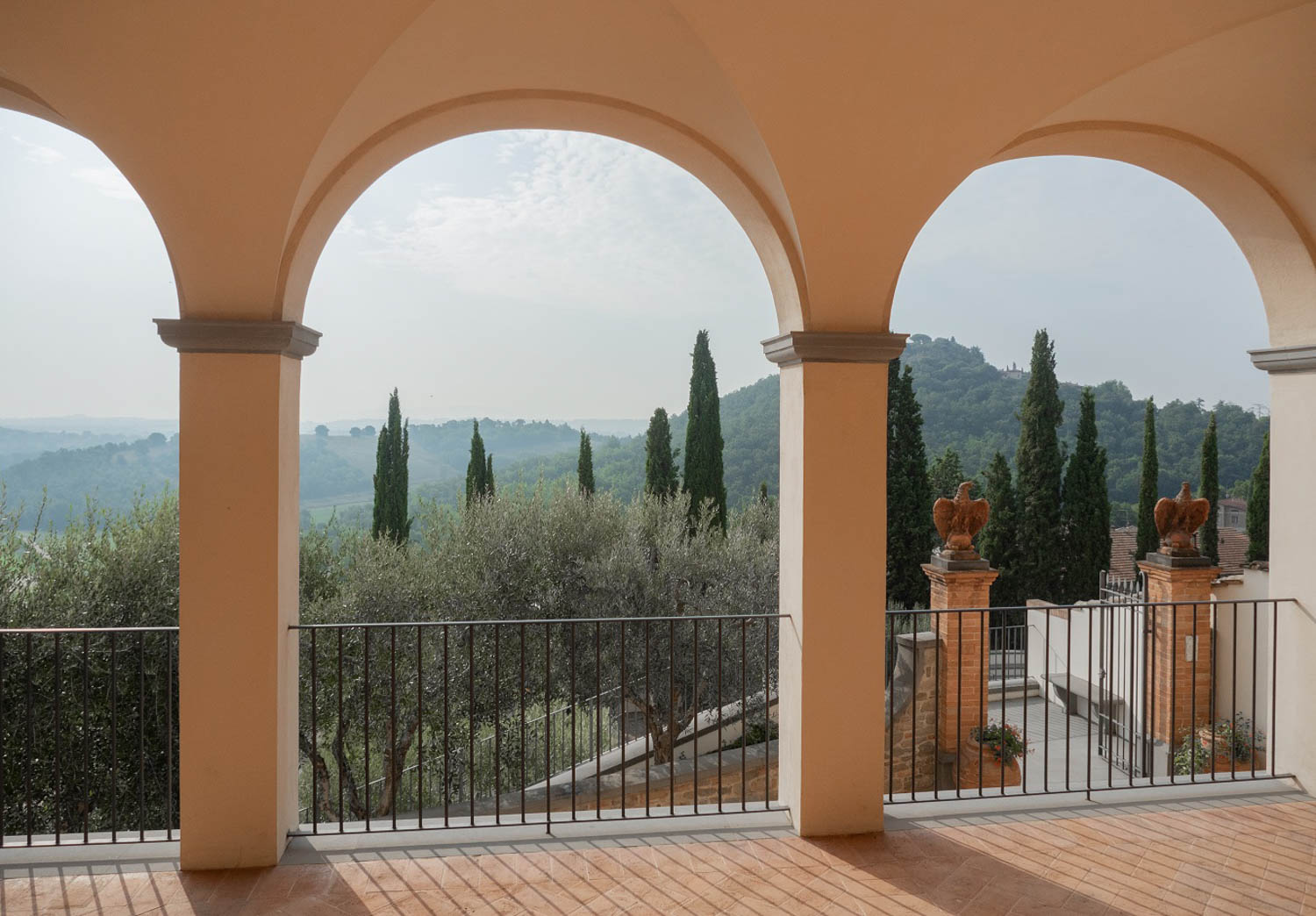
Brunello Cucinelli first came to Solomeo, Italy, where his eponymous luxury fashion brand’s headquarters is now located, in the late 1970s to visit his wife Federica’s hometown. The teeny medieval Umbria town felt almost entirely abandoned. “But I saw beauty in its streets, the view to the valley and the castle with its rich history,” Cucinelli tells Interior Design. Also from Umbria, he felt that the almost “forgotten” town “deserved more attention and a flourishing life.” And as his venture became a global household brand, the designer felt what he calls a “responsibility to give this place a future that honored its past.”
The decision led to a years-long dedication to renovate various buildings across the hamlet town while Cucinelli also built himself and his family a life there. “I firmly believe that each town has its own specific genius-loci, and my goal in every project has always been to respect it, to honor the soul, history, and character of a site,” he says. “Being aware of the harmony and dignity that these places hosted and preserved is a fundamental starting point.” The funding for these ambitious conservation projects, which also span neighboring parts of Perugia, comes from a portion of his company’s profits. He considers the basis of his operations a “humanistic capitalism” for making sure “the profit serves a deeper human purpose.”
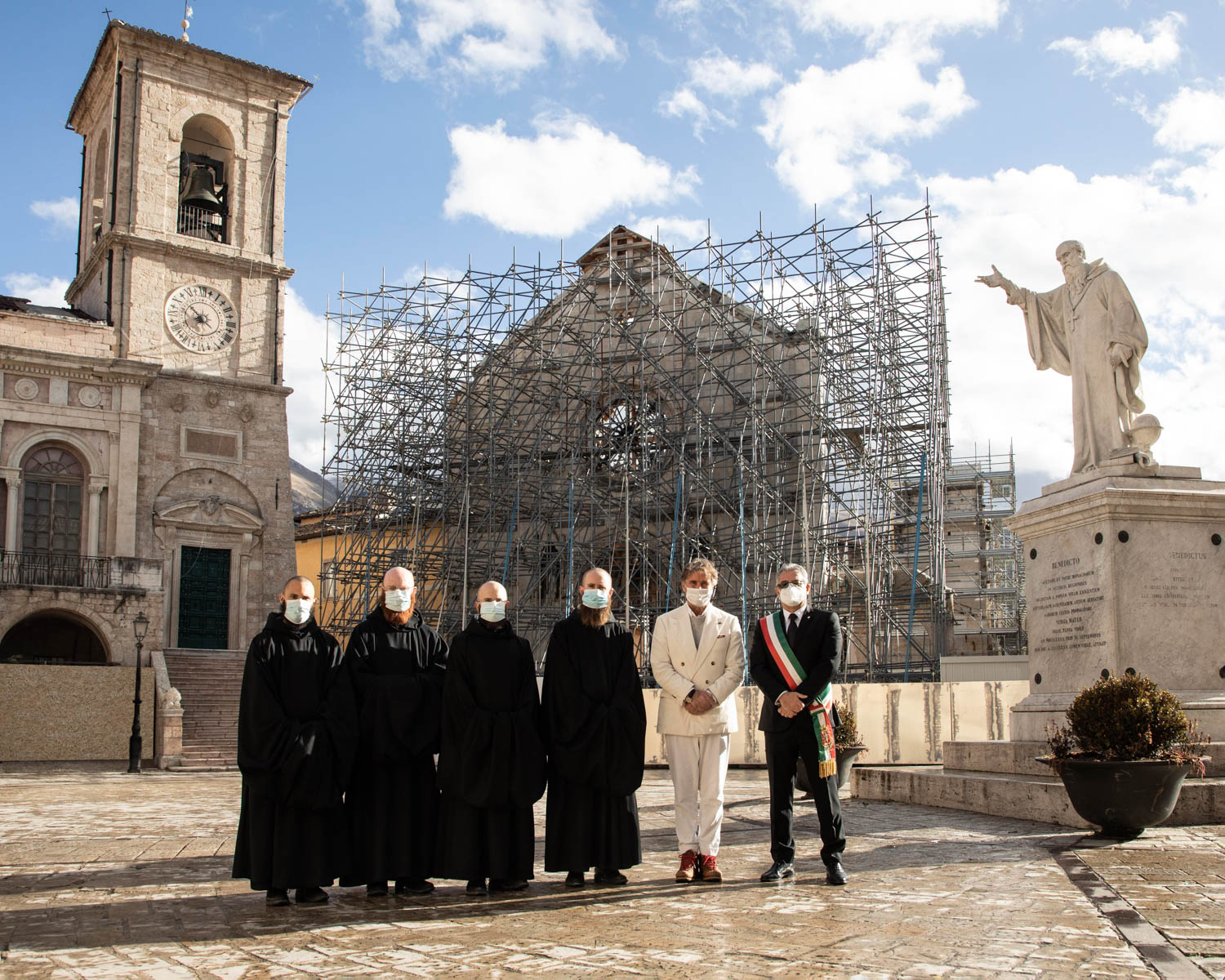
The commitment was the subject of a glorious celebration on April 3 when Cucinelli received an honorary doctorate in “Design for Made in Italy: Identity, Innovation, and Sustainability” by the Department of Architecture at the University of Campania “Luigi Vanvitelli” in Caserta. The university, similar to the designer, is invested in preserving the surrounding architectural legacy with its 16 departments working on former monasteries, convents, and abbeys from the 18th and 19th centuries.
Cucinelli admits he feels “honored, and even more humbled” by the recognition, a major distinction for a non-architect. He considers himself “only a man with a deep connection to Umbria and its communities.” Witnessing his grandchildren at the ceremony was particularly meaningful, “because I feel responsible for their future and the life of our communities beyond the years I will have to share with them,” he adds.

Brunello Cucinelli Preserves Architectural Legacies In Italy
Interior Design: What fascinates you about renovating medieval towns?
Brunello Cucinelli: Medieval towns were built by people who used their hands and respected Mother Nature as an integral part of everyday life. When I restore a town, I am not just rebuilding stone by stone, but I am also trying to revive a way of life that honored craftsmanship, community, and creation.
ID: Tell us when you realized you could make a difference through renovation and urban planning?
BC: I was in Solomeo, Italy, in the early years of my company. The town held a special meaning for my wife, Federica, who was born in this small hilltop village. Our story blossomed in its streets and building a company that was based here had a deep connection for both of us. The vision for Solomeo became clear once we moved into the castle in the center of town, using it as our office space. Surrounded by the frescoes and the old stones, we felt a certain guidance from those that inhabited those walls before us. We started with a small idea and continued to evolve it as the business grew. Both realities became intertwined. The healthier the business, the bigger our restoration ambitions grew. We could use part of our profits to benefit the entire town if we just allocated a portion of them to improving the state of the older structures and streets.
ID: Renovating historic places comes with surprises. How do you think the process helps you understand history, especially as a designer known for timeless designs?
BC: When you appreciate history and philosophy as I do, the idea of renovating an ancient site comes with an added sense of responsibility and a profound thought process to guide each choice. If you feel like a custodian, instead of an owner, your design choices are guided by different principles because you will want each building to continue to live after you are no longer part of their reality.
To touch old stone is to touch time. Each renovation reveals a new layer—a new hand that once shaped that wall, that arch, and that path. In fashion, as in architecture, I seek timelessness because I believe true beauty is not in what changes, but in what endures. Renovating teaches humility. It teaches us that we are not the first nor the last to walk these roads—and that our work must be in service of community.
ID: What parallels do you see between working with fabrics and restoring architecture, particularly when it comes to storytelling through aesthetics?
BC: As a company rooted in Italy and its culture and tradition, I believe that these two elements are connected by an approach to production, craftsmanship, and—more generally—the pursuit of beauty that is deeply Italian. Our culture has always been linked to the search for the union between the beautiful and the useful in every field: craftsmanship, art, architecture. This sensitivity has its roots in our history, whether ancient or more recent, and we have benefited from the know-how and traditions that have been passed down through generations. I believe that the connection between the two is so important that when I opened the Schools of Craft in Solomeo over 10 years ago, I felt we needed to teach not only tailoring, pattern-making, and knitting, but also masonry. Preserving culture in a country with such a rich history also means promoting the important connection that our artisans have with using their hands to produce clothing and restore or build buildings.
Both fabric and stone are vessels of memory. In both, texture is not just a surface; it is a narrative. And I strive to honor this in every item of clothing we produce and in every restored façade we aim to bring back to its original beauty.
ID: Heritage is also a word tied to both architecture and fashion. How do you think about preserving the legacy of a place, much like a brand’s identity?
BC: Heritage is the identity that allows us to look to the future, because heritage itself is something that is built by the juxtaposition of new elements, a bit like how our personal identity is formed by our life experiences. My belief is that belonging to a place, in the sense of having a place where the soul rests, has a great influence on our creativity and genius. I made a conscious choice to live in Umbria, to build my family and my company near the village where I was born. This connection is so important to me and has given purpose and meaning to my life. I believe that a company, like a place, must have its own identity, values, fixed points. Preserving Solomeo was a way of saying: Let’s not forget. We build the future, but we carry our legacy with us. The same goes for our collections. Each piece carries a thread of tradition, even as we aim to remain modern and relevant season after season.
ID: You were in an engineering program as a student but you were also interested in philosophy. What kind of parallel do you see between numbers and ideating on beauty?
BC: Oh yes—that’s a question close to my heart. I carry both sides of these two fields in my life. Mathematics and philosophy have been guiding principles in everything that I’ve done for my professional and personal projects. Numbers are harmony. Mathematics is not cold; it’s the language of proportion, balance, geometry. Philosophy helps us understand why that harmony is important. I’ve always seen design—whether it’s a garment or a building—as a balance between precision and meaning. Between the measurable and the immeasurable. I often quote the great Pythagoras and his explanation of the simple rules for a good life in his Golden Verses. It’s a great example of how philosophy and mathematics together can show us the way to a happy and rich life.

ID: You are known for believing that architecture must have a greater point than simply function. How does your passion for preserving ancient buildings inspire your day-to-day approach to fashion design?
BC: I approach design with the idea of sustainability in mind, as it pertains to having ultimate quality at the core of each project for the elements used and the elevated craftsmanship behind making them. Sustainability in my eyes is also preserving the soul and timeless appeal of any project.
I see “design” as an opportunity of uplifting the human experience and bringing harmony and beauty into the world.
A building that is only functional may shelter you, but it cannot uplift you. The same is true for a coat. When I walk through Solomeo, I am reminded that even a stone path can be poetry. I try to bring that same harmony into our collections by being very attentive to every detail in each garment and look.
ID: Quiet luxury, which is a popular term today, is the way of one’s self-expression—and your brand is considered among its frontrunners. How can architecture achieve a similar sense of nuance, minimalism, and mastery while remaining highly functional?
BC: I don’t think our collections express “quiet” luxury, but they are timeless in their appeal. The level of craftsmanship and detail in our garments speak of such a rich history and approach to manufacturing which I think are not really captured in the idea of “quiet.” I have always preferred the idea of “gentle” luxury because of our attitude in design and the ultimate effect that our clothing has on the person wearing it.
We believe that elegance and grace are important qualities when designing. The choice of each material and the conditions in which each employee works to make these pieces all contribute to the appeal of the items we produce. Similarly, when we thought about new buildings to add to Solomeo, we wanted to respect the landscape of the town and bring new structures that could fit perfectly well into the rest of its rich history.
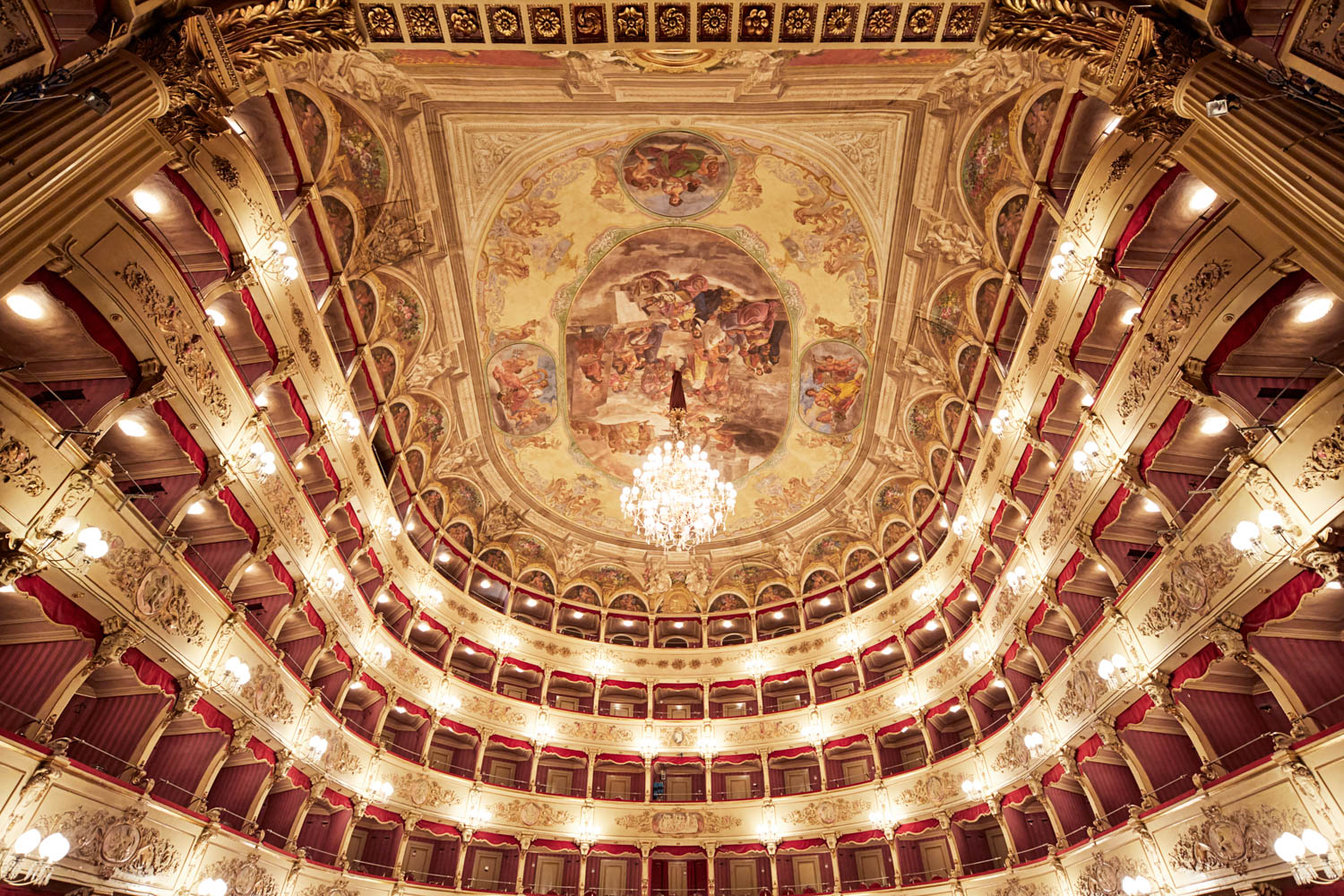
The most powerful architecture is often the one that blends so perfectly well with its surroundings that it feels as though it has been there since the start. A simple arch. A perfectly balanced façade. Our theater in Solomeo, built in 2008, was designed with the idea that anyone seeing it for the first time would feel as though it had always been a part of this village.
ID: What was the most important message you made sure to convey to young students in your honorary doctorate acceptance speech for the Department of Architecture at the University of Campania?
BC: I told them that I believe in them. I don’t follow the mindset of so many people before me who see young people as lost and troubled. I am inspired by young people—their desire to protect the earth, to have inspiring leaders, to hold adults accountable for their actions. I hope they seek dignity in all that they do and that they continue to uphold big ideals, to be guardians of the earth. I want young people to never forget that their work can be a moral gesture. A way of elevating humanity.
ID: What are your most recent and upcoming renovation and urban planning projects in Solomeo? Are there any buildings that you have just completed renovating?
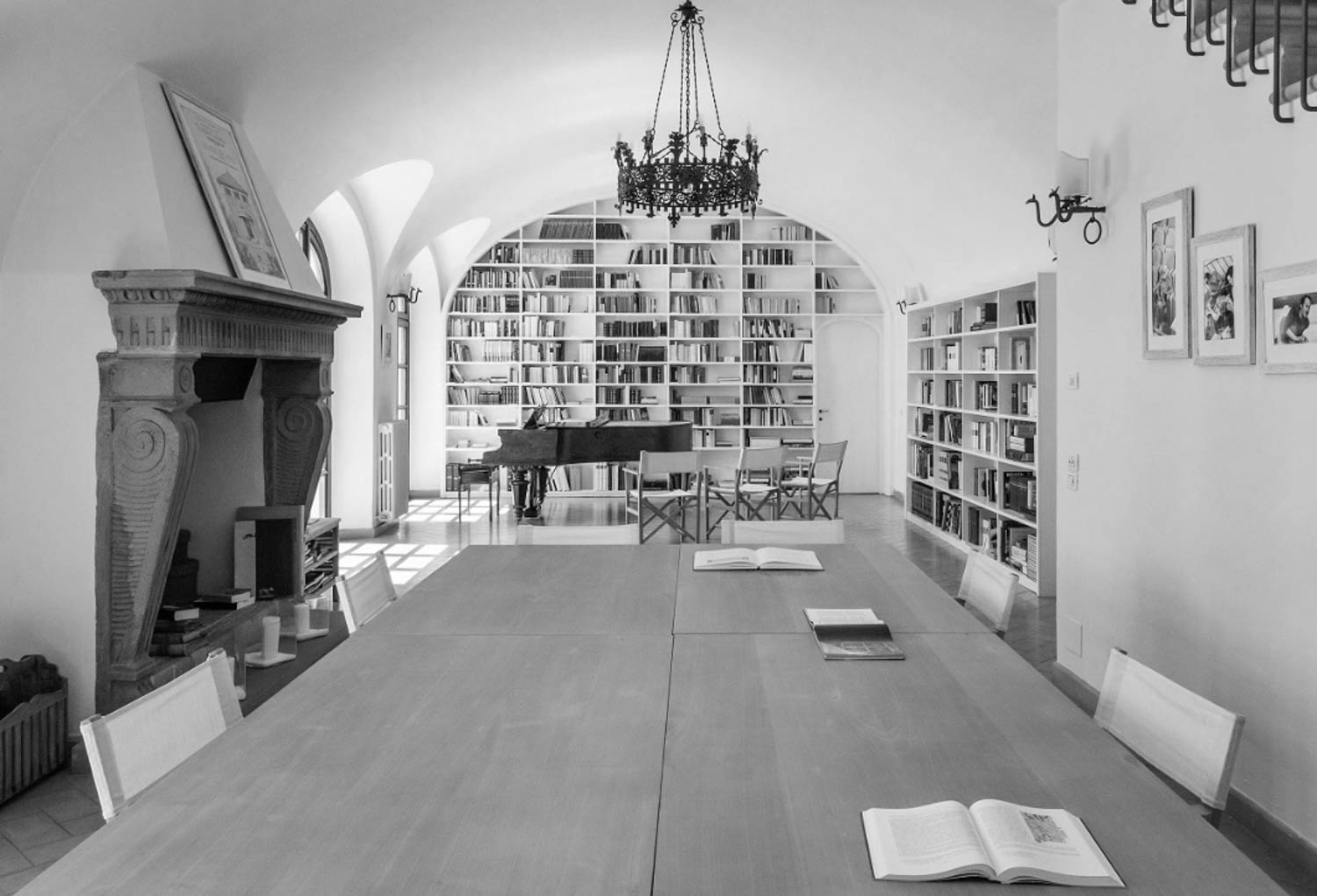
BC: We are actively working on the Universal Library in Solomeo. It’s inspired by the great library of Alexandria in Egypt, and I hope this will be a new home for all the books I have collected through the years in various languages. I think of this space as a gift for future generations, who will come to visit Solomeo and will be able to indulge in the peace of a space dedicated to culture and history. Books have been my great “teachers,” and I want to design a place that will give them the dignity they deserve.
read more

DesignWire
Designers And Manufacturers On The Move: September 2026 Edition
Interior Design‘s latest On the Move includes must-know industry promotions and hires, like Perkins&Will’s strategic move to expand its design capabilities.
DesignWire
10 Questions With… Artist and Designer Conie Vallese
From sculpture and ceramics to glass, textiles, and furniture, Conie Vallese embraces a multidisciplinary practice shaped by curiosity and creativity.