
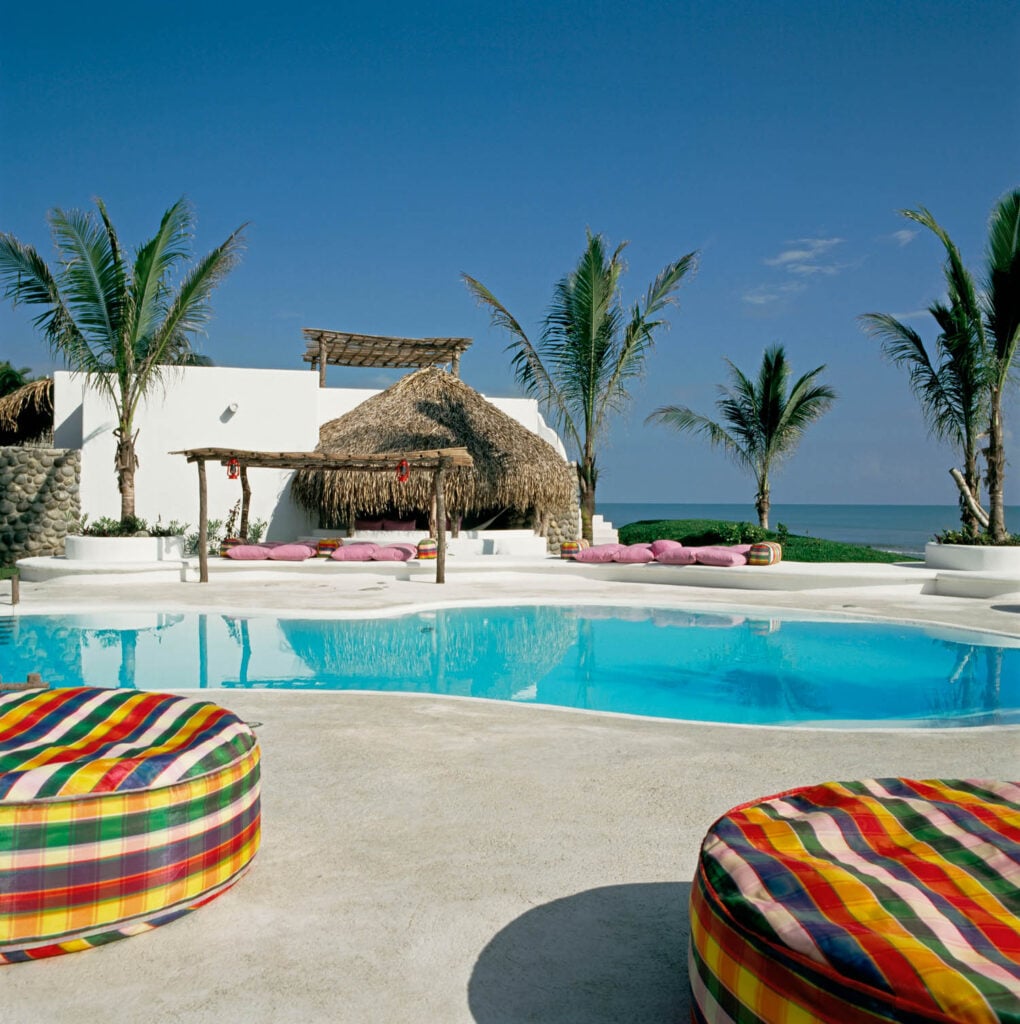
10 Questions With… Grupo Habita’s Rafael Micha
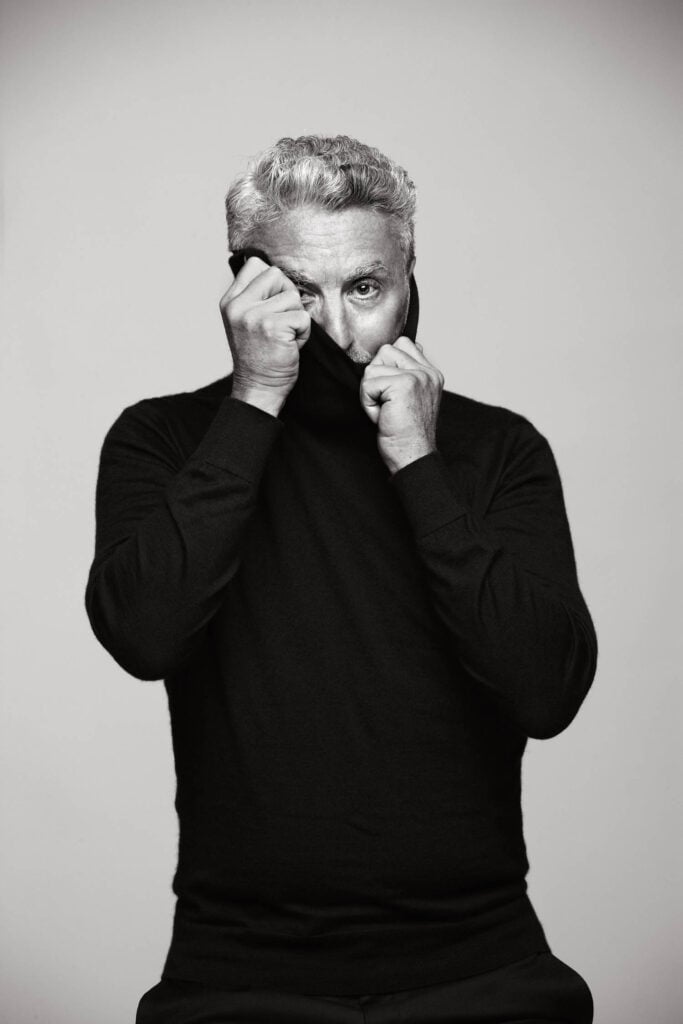
Rafael Micha left the world of private banking to cofound Grupo Habita, a chain of boutique hotels that revolutionized Mexico’s hospitality industry. In the year 2000, the 36-room Habita Hotel marked the brand’s debut with an avant-garde minimalist design by TEN Arquitectos. The building—located in the neighborhood of Polanco in Mexico City—rapidly became an architectural landmark, recognized for its emerald-colored glass façade, its modern and sophisticated interior design, and its trendy gathering spaces—a pool deck on the fifth floor and a terrace on the sixth.
Grupo Habita is internationally known for creating hotels with strong and authentic personalities, offering travelers unique, unforgettable experiences, and a feeling of being deeply valued. To create these places, Micha and his business partners—his brothers Moises and Jaime Micha, as well as Carlos Couturier—work together with renowned architects and interior designers, including India Mahdavi, Joseph Dirand, Frida Escobedo, and Zeller & Moye. Each hotel’s identity is inspired by its setting yet breaks paradigms. The recently opened Hotel Sevilla, for example, is located in a 500-year-old building in downtown Merida (Yucatan), which Zeller & Moye brought into the 21st century by juxtaposing the restored original details with limewashed walls, and concrete interventions like the reception desk and a spiral staircase.
Rafael Micha also has a trained eye for art. His parents, Marcos and Vicky Micha, own one of Mexico’s most important art collections, with pieces by Diego Rivera, Picasso, Duchamp, and David Alfaro Siqueiros, among others.
He grew up with the belief that art was meant to lived with and enjoyed. Thus, Grupo Habita’s hotels showcase artworks by national and international contemporary artists such as Jan Hendrix, Betsabeé Romero, and Jonathan Hernandez, which have become beloved among guests and visitors.
Micha is completely immersed in Mexico’s art scene as a philanthropist, cultural promoter, and art collector. Interior Design caught up with him to talk about Grupo Habita’s iconic hotels, the brand’s new locations, and his parents’ art collection, which was featured in the recently published book The Vicky and Marcos Micha Levy Collection: Inhabiting Art/Habitar el arte. This year, Mexican artworks from the collections are currently exhibited at de Casa de México en España in Madrid.
Rafael Micha Talks Art, Architecture, And Creating Hospitality Hot Spots
Interior Design: You grew up surrounded by art. How did that vision influence Grupo Habita?
Rafael Micha: All our hotels have a strong artistic component. Habita Hotel, for example, the first one we opened, has two murals by Dutch-born artist Jan Hendrix. He created a porcelain one for the pool on the fifth floor, and then replicated it in metal on the main floor, one side positive, one negative. In CONDESAdf we have a sculpture by Mexican artist Betsabeé Romero called Memorias de Hojalata (Memories of Tin). It’s an old Chevy from the 1950’s which evokes memories of old photographs. In Baja Club Hotel we have an artwork by contemporary artist Gonzalo Lebrija called Black Marlin. It’s a swordfish anchored to the hotel’s façade, so it looks like it jumped out of the sea and stuck to the side of the building.
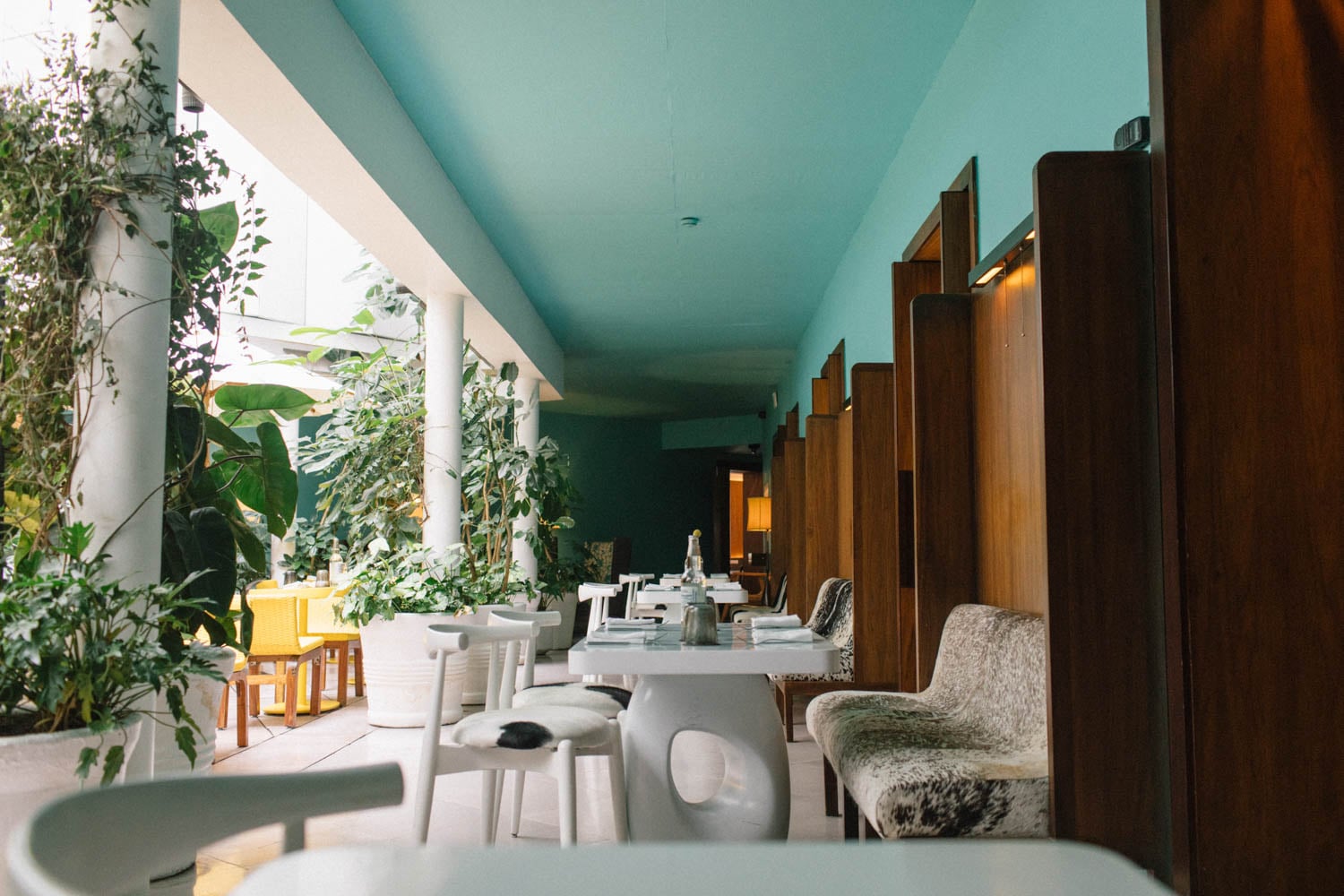
Hotel CONDESAdf. Photography © Andrea David. 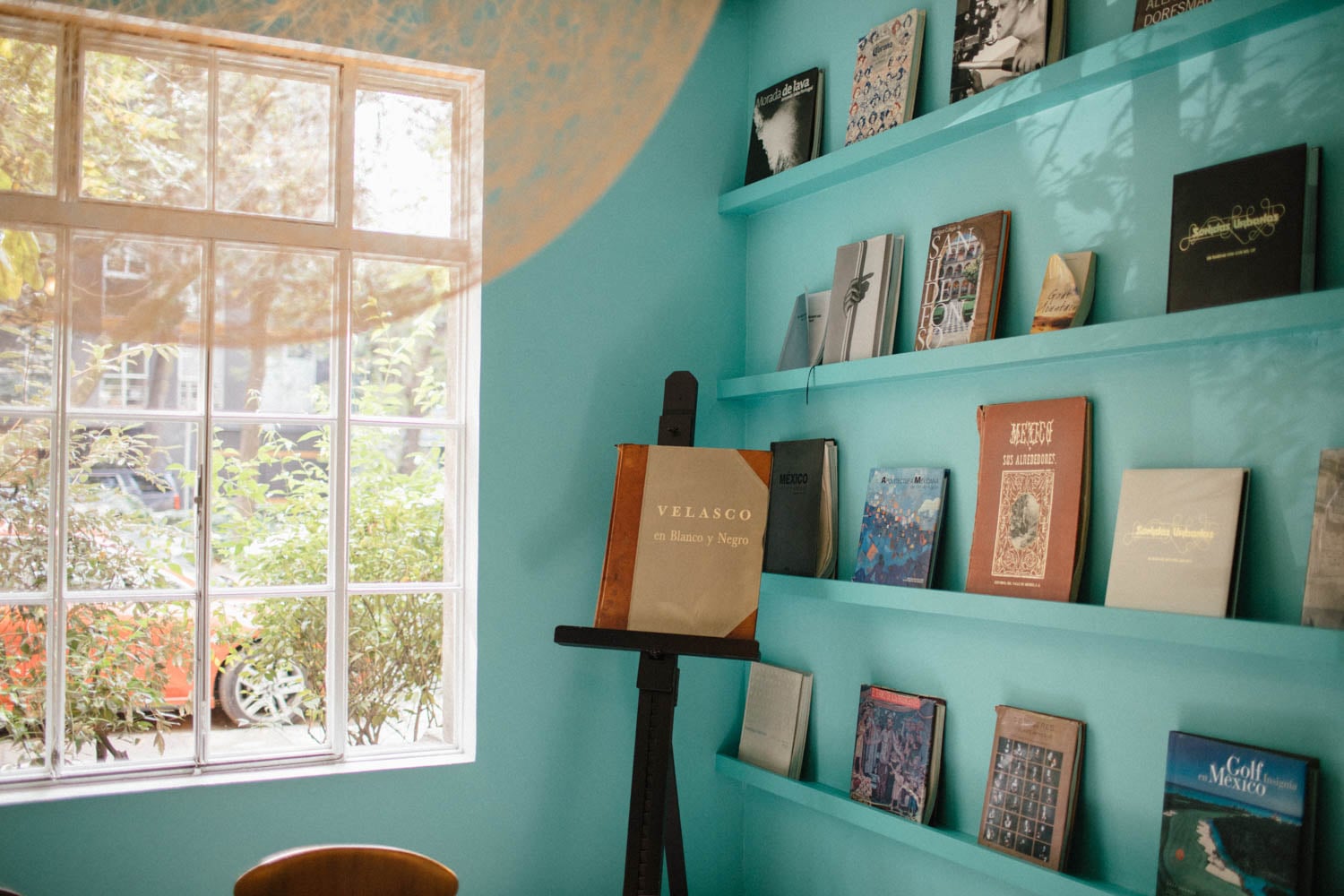
Hotel CONDESAdf. Photography © Andrea David. 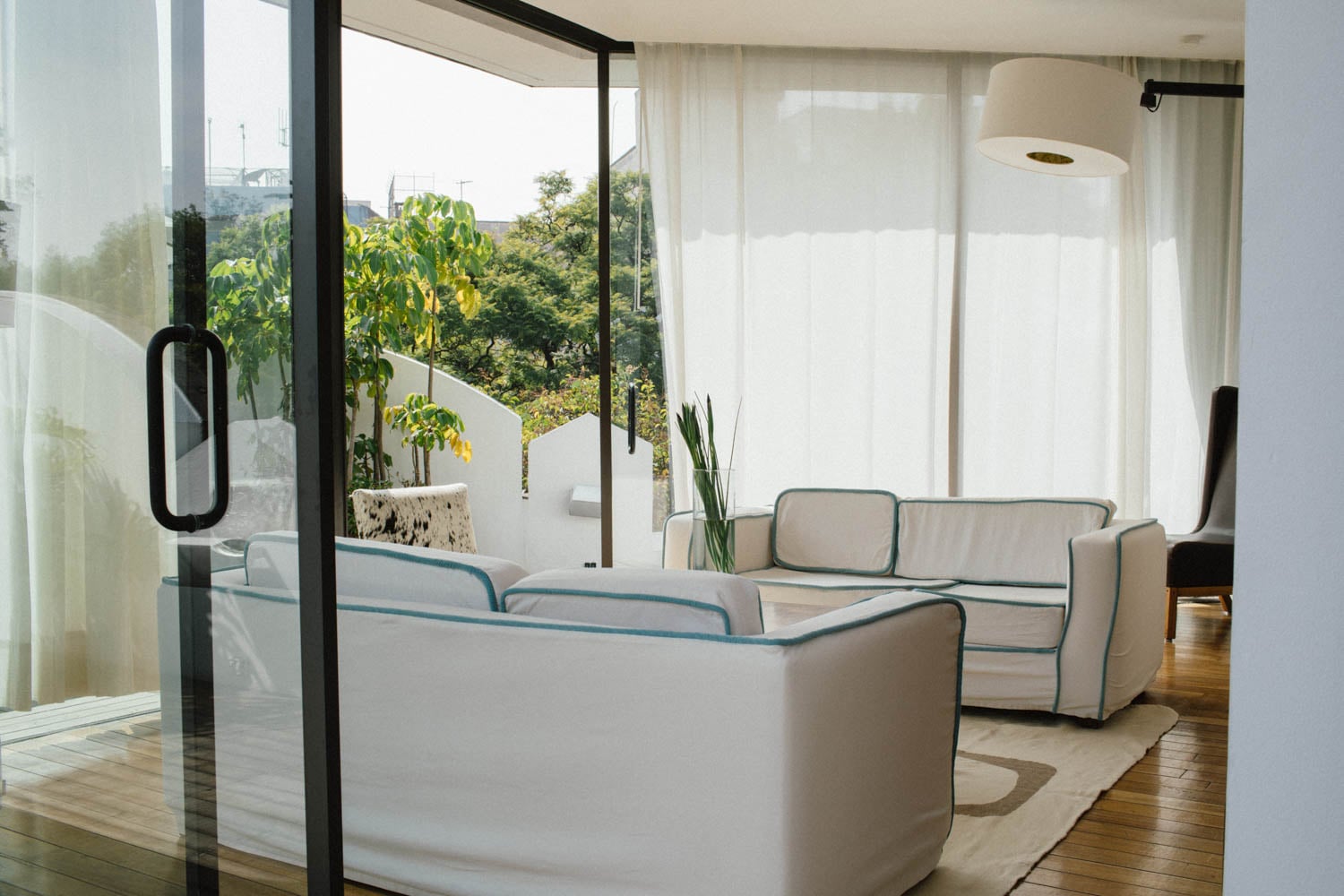
Hotel CONDESAdf. Photography © Andrea David. 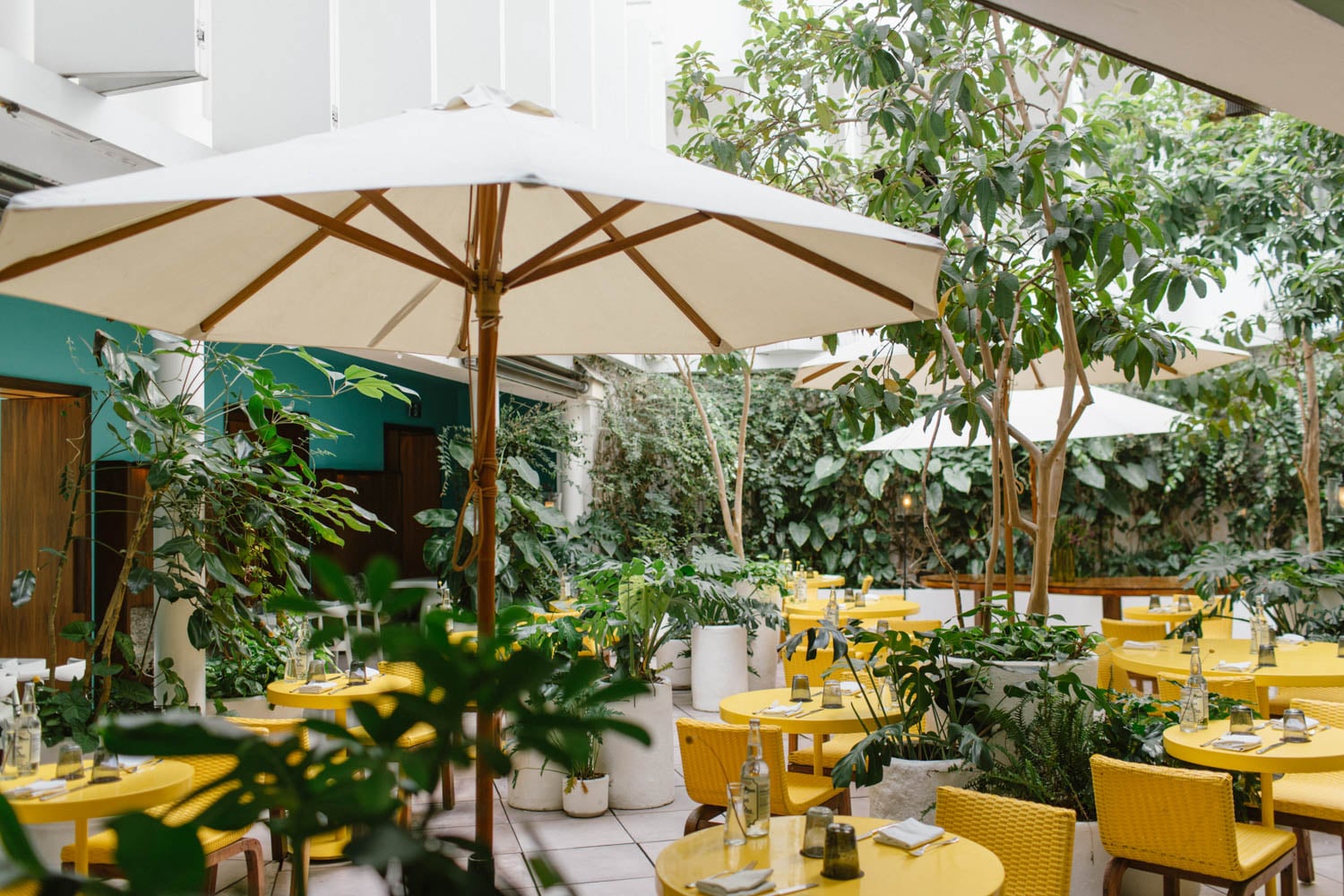
Hotel CONDESAdf. Photography © Andrea David. 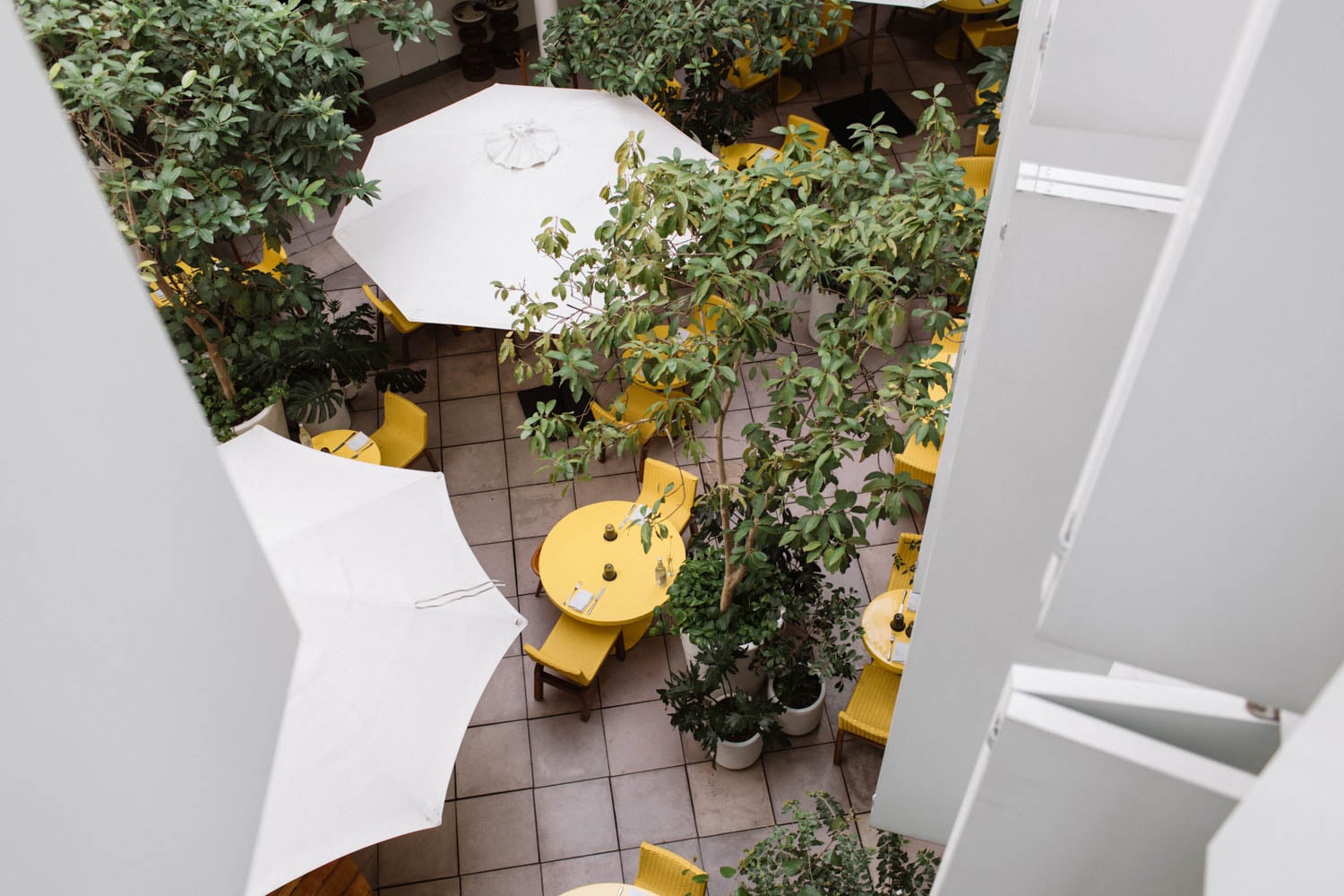
Hotel CONDESAdf. Photography © Andrea David.
ID: Since opening its first hotel, Grupo Habita has become a benchmark in Mexico’s hospitality industry. Tell us about Habita Hotel and the role architecture and interior design play in guests’ experiences.
RM: In 2000, Habita Hotel burst onto the scene with a minimalist design by TEN Arquitectos, then led by Enrique Norten and Bernardo Gómez Pimienta. The hotel’s building was from the 1950’s and it had almost no architectural merit. TEN Arquitectos decided to give it a new look by surrounding it with glass, and creating social gathering spaces that would breathe new life into it. They designed a pool deck on the fifth floor and a terrace on the sixth. At the time, that was completely unheard of in Mexico City. The idea behind the hotel was to create a haven of calmness amid Mexico City’s chaos.
Habita Hotel became a watershed moment for the country’s hospitality industry. Our aim was to bring to Mexico an international trend that was taking over the hospitality industry in cities like New York and London: namely, designer and lifestyle hotels. In the 2000’s, Ian Schrager was revolutionizing New York with his boutique hotels designed by French architect [and Interior Design Hall of Famer] Philippe Starck, among them, the Royalton and the Paramount. So, we seized the opportunity of doing something similar here, and getting Mexico on board with this international avant-garde.
Today, Habita Hotel is a landmark in Mexico City, and Jan Hendrix’s murals are recognized around the world because of all the photographs taken by guests and visitors. Additionally, the hotel features designer furniture such as the Eames Chair, named chair of the century by TIME magazine.
ID: You mention how Jan Hendrix’s murals are recognized around the world because of all the photographs posted on social media. This seems to happen in your 17 hotels: What makes a space iconic and Instagrammable?
RM: Travelers today are not looking to accumulate objects or souvenirs, but rather to collect unique, unforgettable experiences. So, we make an effort to design Instagrammable spaces. In our experience, they always have something to do with art: Jan Hendrix’s murals at Habitat Hotel, Gonzalo Lebrija’s Black Marlin at Baja Club, Jonathan Hernandez’ iconic artwork Souvenir at La Purificadora, or Betsabeé Romero’s sculpture at CONDESAdf, which has become particularly beloved among couples and quinceañeras.
When we see people’s social media posts, we reply with hashtags that denote belonging such as #habitalovesyou or #wishyouwerehere.
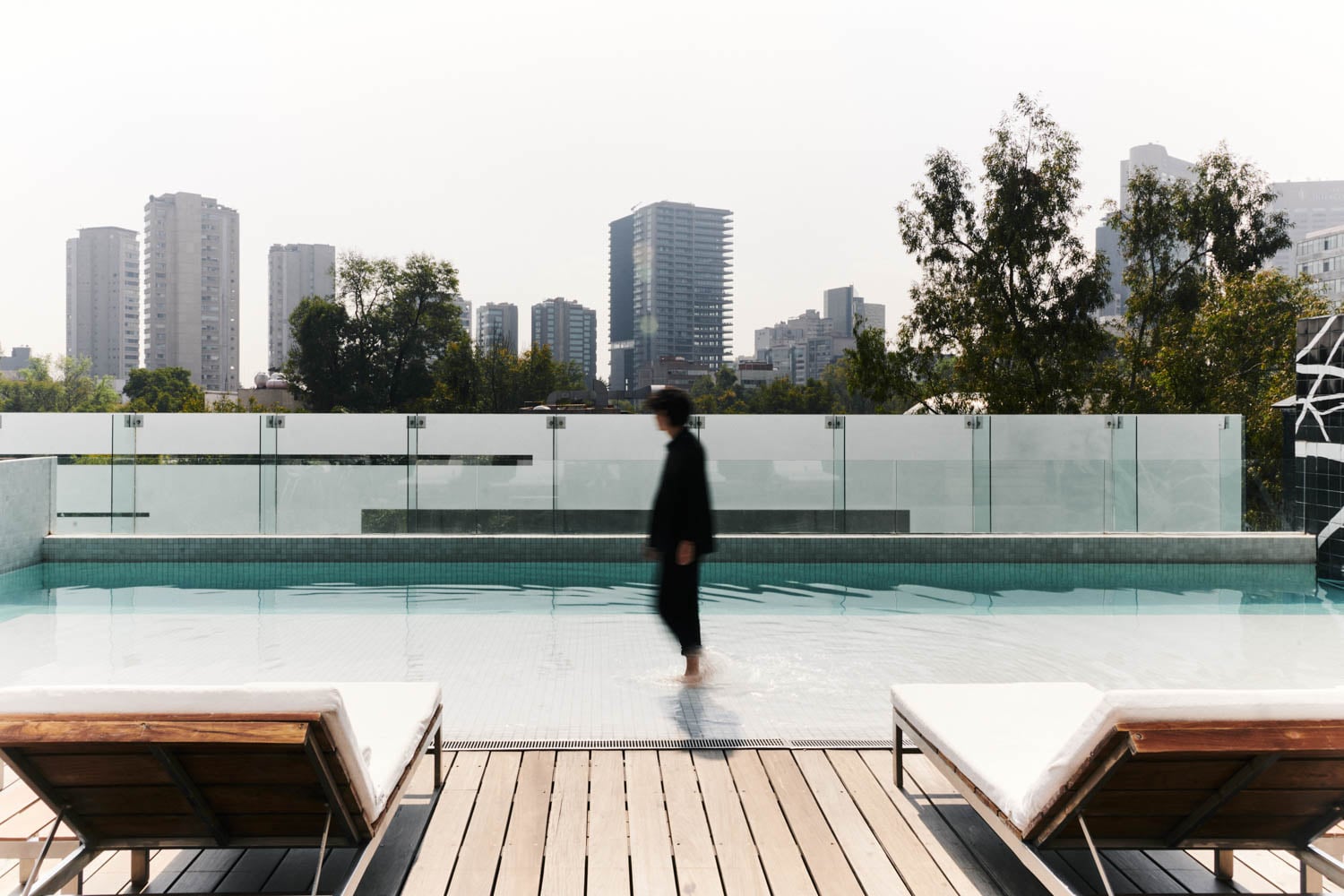
Hotel Habita. Photography © Ricardo Ramos. 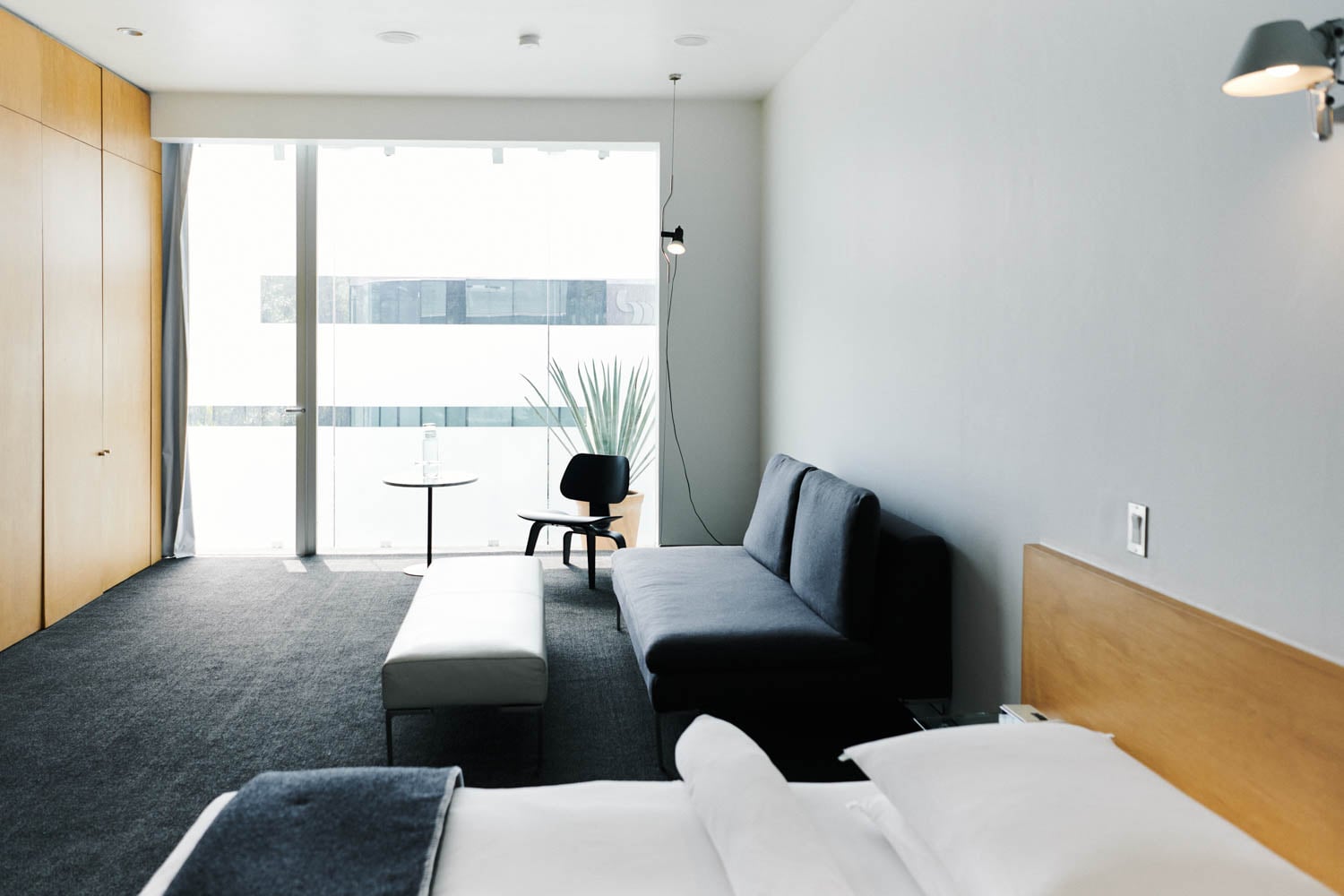
Hotel Habita. Photography © Ricardo Ramos. 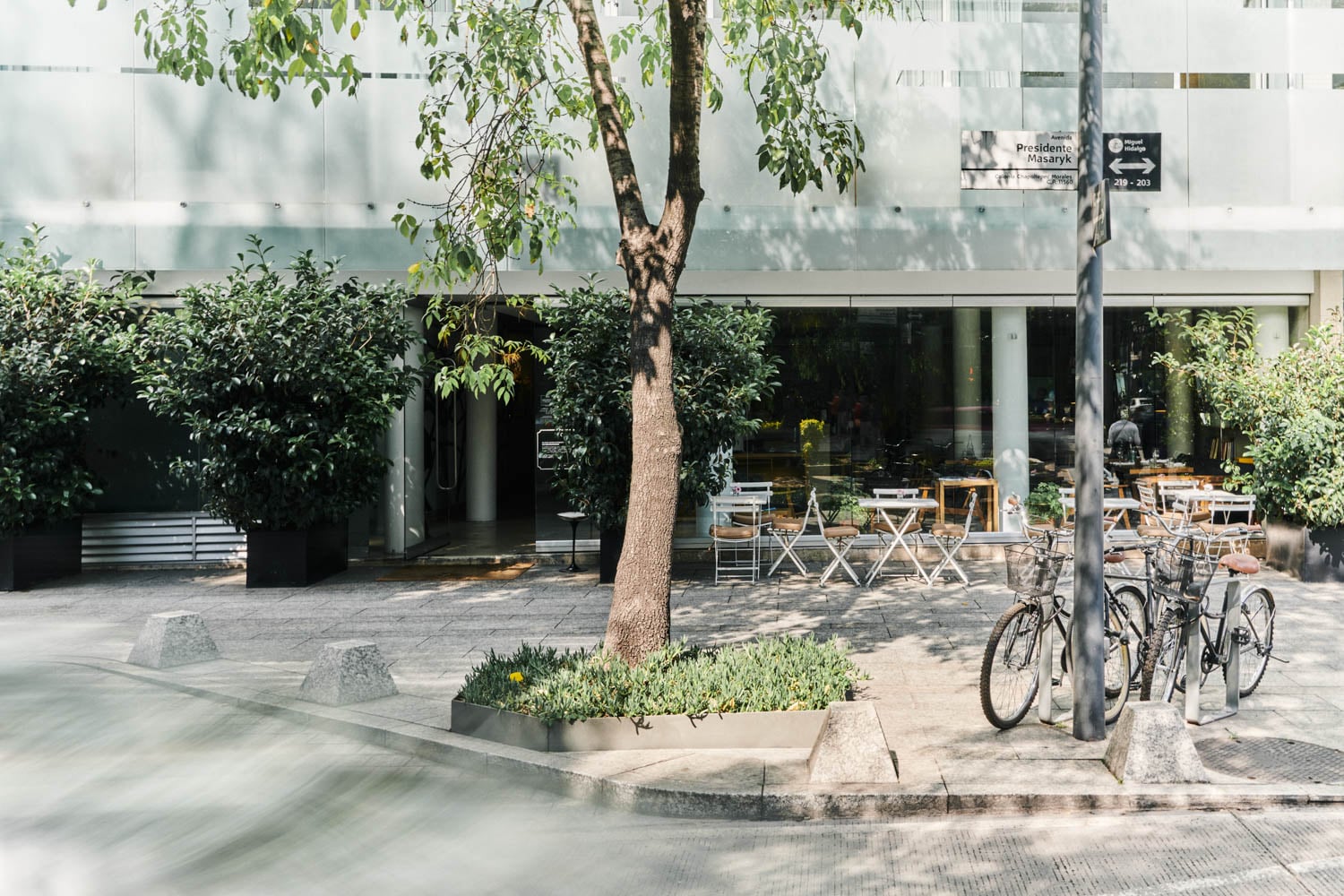
Hotel Habita. Photography © Ricardo Ramos.
ID: Each hotel has its own identity, reflected in its architecture, interior design, and cuisine, among other things. What is the creative process like?
RM: My business partner, Carlos Couturier, is always on the lookout for new talent, and knows very well what is happening in the world of architecture and interior design. For every hotel we try to break paradigms, yet make its identity fit the location. Once we have the architectural and interior design sorted out, we focus on our gastronomic offerings and on branding.
In our Baja Club Hotel in La Paz, for example, we worked with Mexico based architect Max von Werz, and for its interior design with the Marseille based architecture firm Jaune Architecture. Its atmosphere has a beachy feeling to it. Because of that, and the food ingredients available in La Paz, we decided to invite a Greek chef. Since its opening, it became famous among locals for serving Mediterranean food.
ID: You have worked with renowned architects and interior designers. Among them, India Mahdavi at CONDESAdf, and Zeller & Moye at Hotel Sevilla, which opened in 2025. What was the creative process like for those two projects?
RM: For CONDESAdf, I remember Carlos Couturier invited India Mahdavi to see the French Neoclassical building. She came, walked it for about five hours, looked at its architectural details and immediately came up with a project. She proposed a strong turquoise color, which was a bit of a shock because Grupo Habita was austere and minimalistic. Yet, turquoise was a color she had often seen in the neighborhood of Condesa, and she wanted to make a reference to that. A year ago she returned, and while vising the hotel, she saw the patio furniture was white, and said she now wanted to paint it yellow. So, its currently turquoise and yellow.
The hotel is about to celebrate its 21st anniversary, and we are very happy with the reception it’s had. Mahdavi has incredible taste, and a particular savoir faire. Almost all of the hotel’s furniture was designed by her. For example, the bishop stool and the Don Carlos chair, named after my business partner.
In the case of Hotel Sevilla, it was an eight-year remodeling project. I think one of the strengths of Grupo Habita is that we can take the time to properly restore a building and give it new life. Hotel Sevilla is in a 500-year-old building, dated close to the time of Merida’s founding. We wanted to know and respect its heritage, so for the project, along with a team of architects and creatives, we hired a team of historians. The idea was to bring it from the 16th century to the 21st. That was the genius of the architects at Zeller and Moye. They carefully restored the original details, and juxtaposed them with concrete interventions at the front desk, the pool, and the spiral staircase, for example. The building was originally a private residence, but was later transformed into a hotel. Now, it offers new experiences for travelers coming to Merida, Yucatan.
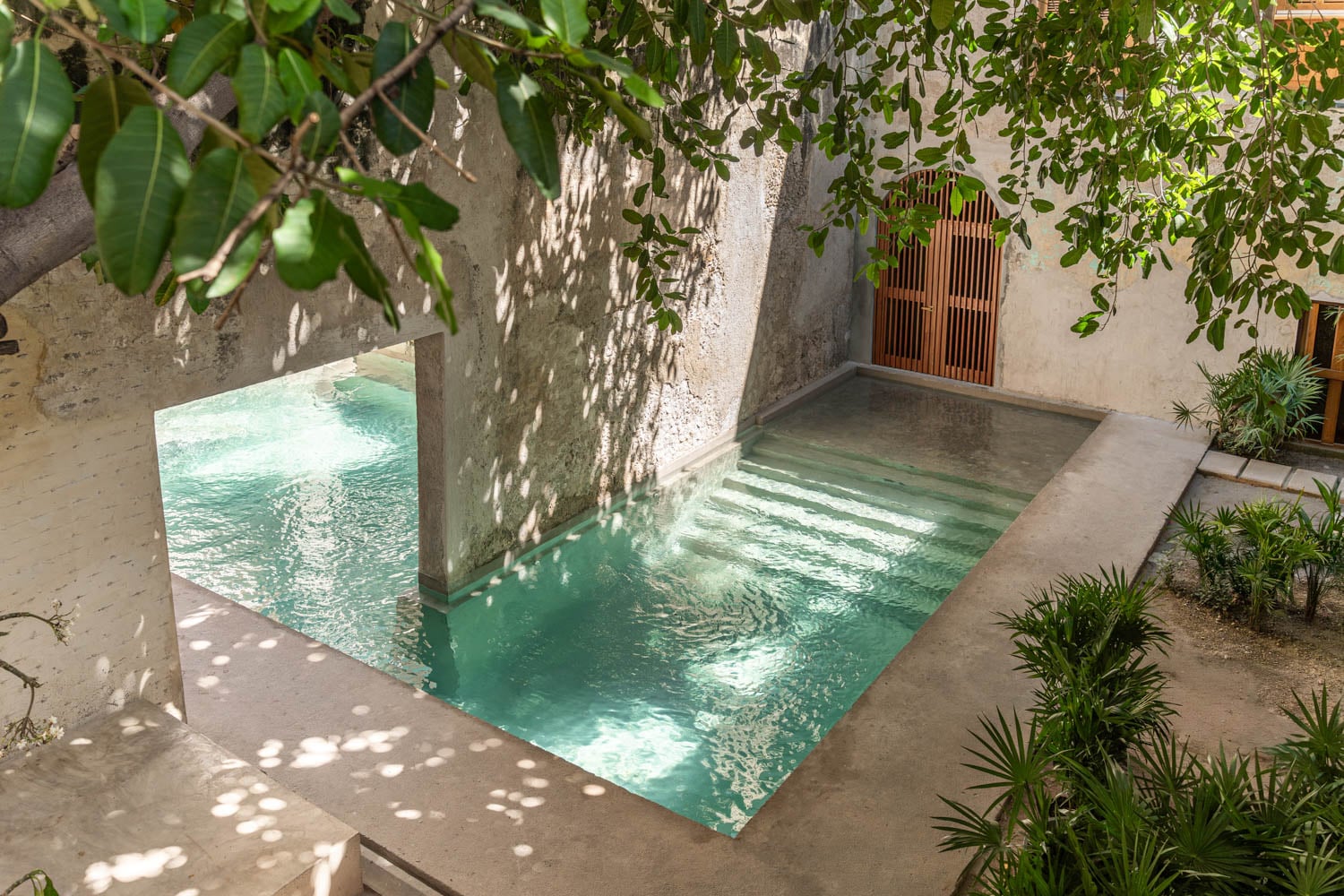
Hotel Sevilla. Photography © Rodrigo Hermida. 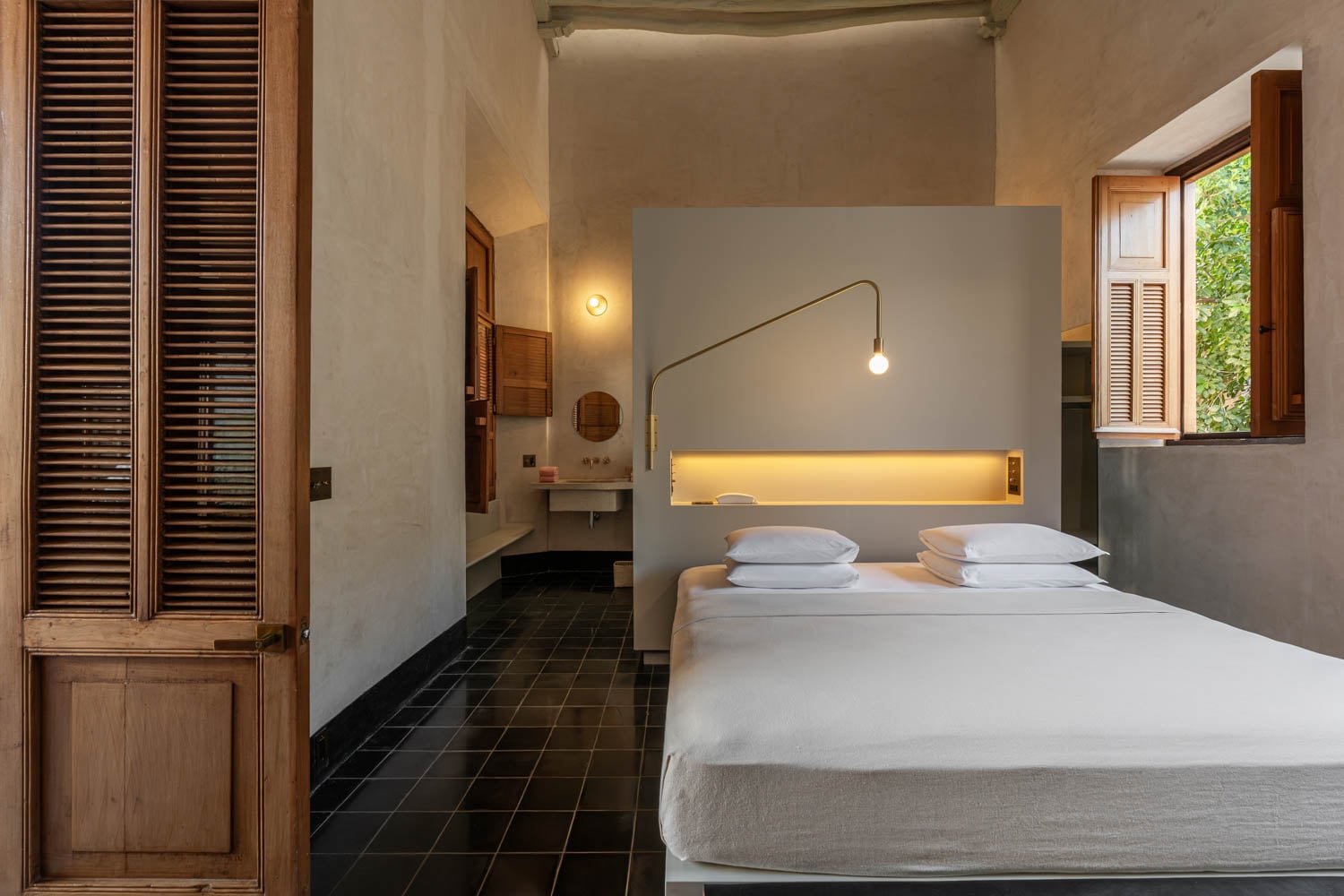
Hotel Sevilla. Photography © Rodrigo Hermida. 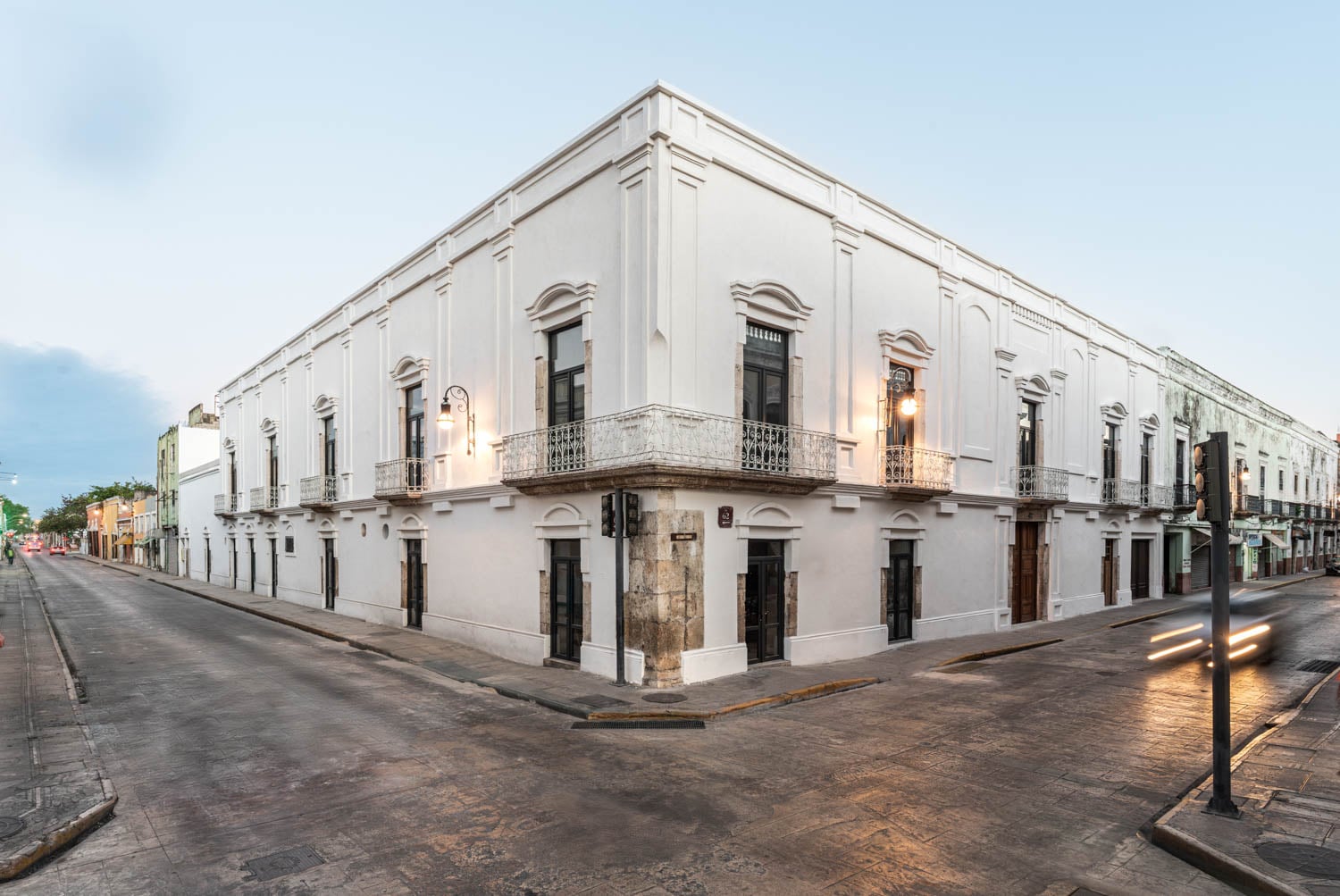
Hotel Sevilla. Photography © Rodrigo Hermida.
ID: Grupo Habita is still growing. In addition to the recently opened Hotel Sevilla, you are working in Puebla with Mexican architect Frida Escobedo, who was selected to design a new wing for the MET in New York and chosen as one of the architects to work on the renovation of the Centre Pompidou in Paris. What is the concept behind this project?
RM: This is the second time we work with Escobedo. The first time was about 10 years ago at the Hotel Boca Chica in Acapulco. The hotel’s building is from the 1960’s, and you can actually see it in one of the first scenes of the movie Funny in Acapulco (1963) staring Elvis Presley. We completely restored it, and Escobedo collaborated in the design with José Rojas by adding palapas to areas where guests can rest, and we have hammocks hanging.
The new project is our second one in Puebla. We don’t have a name yet because we are still remodeling. It has ten rooms, and Escobedo sees it as a wellness hotel because the entire basement is like a hammam, like a spa. It’s beautiful! She had almost the entire basement flooded.
ID: Let’s talk about your family’s art collection. The book The Vicky and Marcos Micha Levy Collection: Inhabiting Art/Habitar el Arte was published in 2025, and in 2026 many of the artworks will be exhibited at cultural institutions. What are some of the collection’s highlights, and what type of collectors were your parents?
RM: Today, collectors often seek advice from art consultants and advisors to find artworks. In my parents’ case, it’s the story of two curious, self-taught collectors, who researched and bought artworks they wanted to live with every day. Among the collection’s central pieces are Diego Rivera’s transportable murals and Marcel Duchamp’s Nude with Black Stockings. I never cease to be amazed by the artworks they bought! For example, pieces by Picasso, Chagall, David Alfaro Siqueiros, and Rufino Tamayo.
For my siblings and I, keeping their legacy alive means continuing to share the collection by helping organize exhibitions and lending artworks to museums. In 2026 the collection’s Mexican artworks are currently shown at de Casa de México en España. The exhibition will be titled Rebeldías Vanguardistas del siglo XX (Avant-Garde Defiance of the 20th Century). Additionally, Duchamp’s Nude with Black Stockings will be on loan at MoMa in New York.
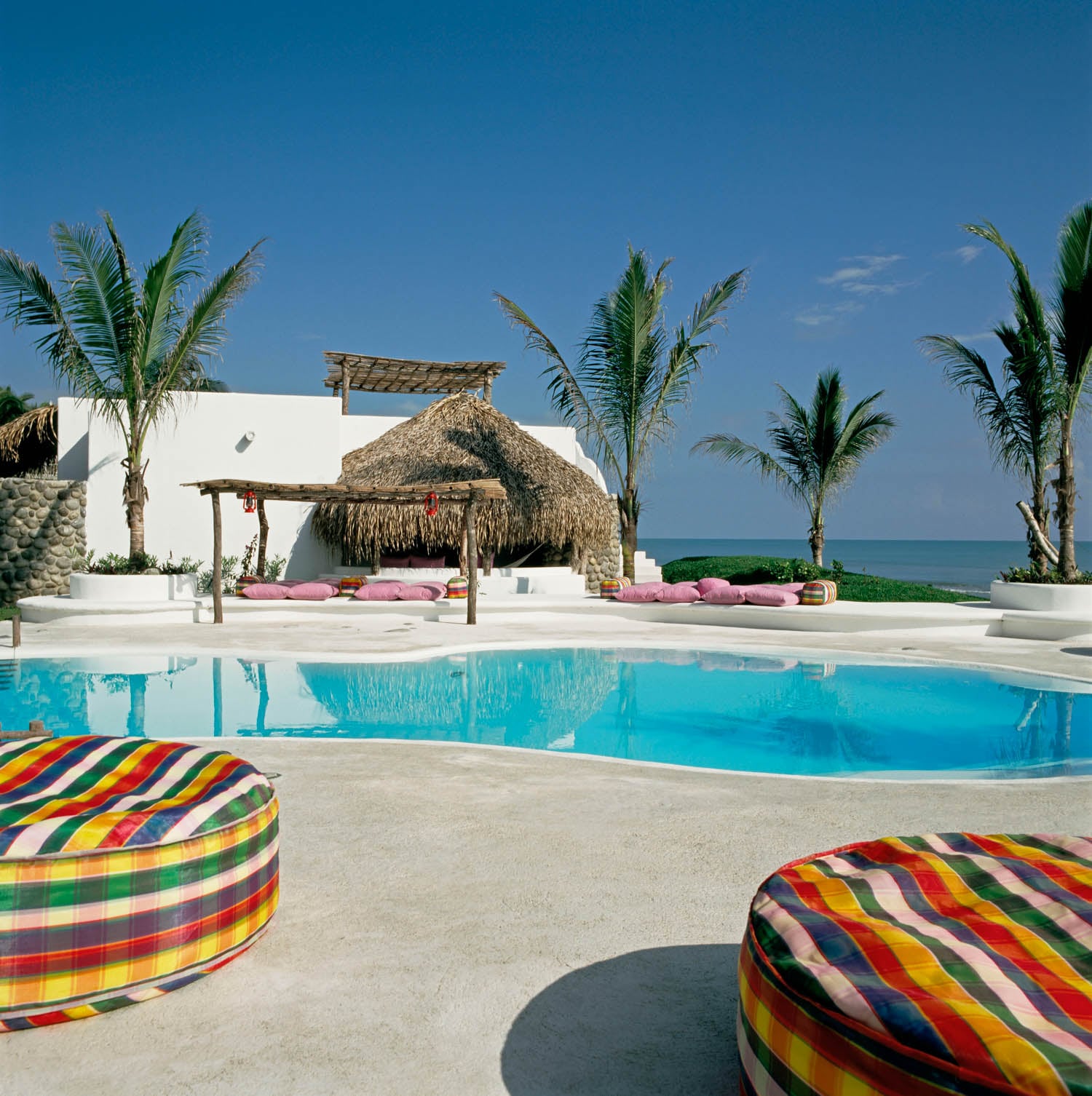
Hotel Azúcar. Photography ® Undine Pröhl. 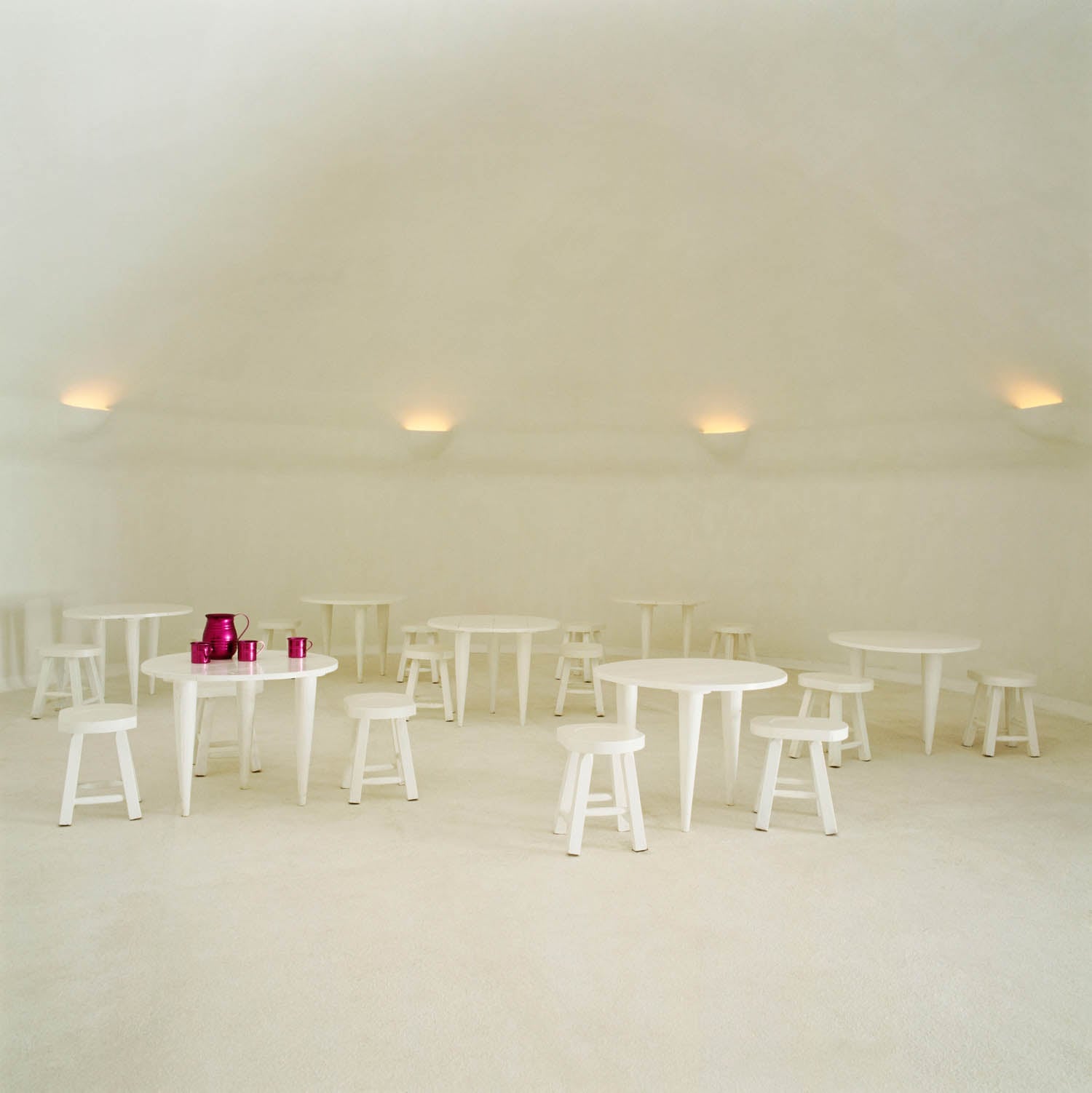
Hotel Azúcar. Photography ® Undine Pröhl. 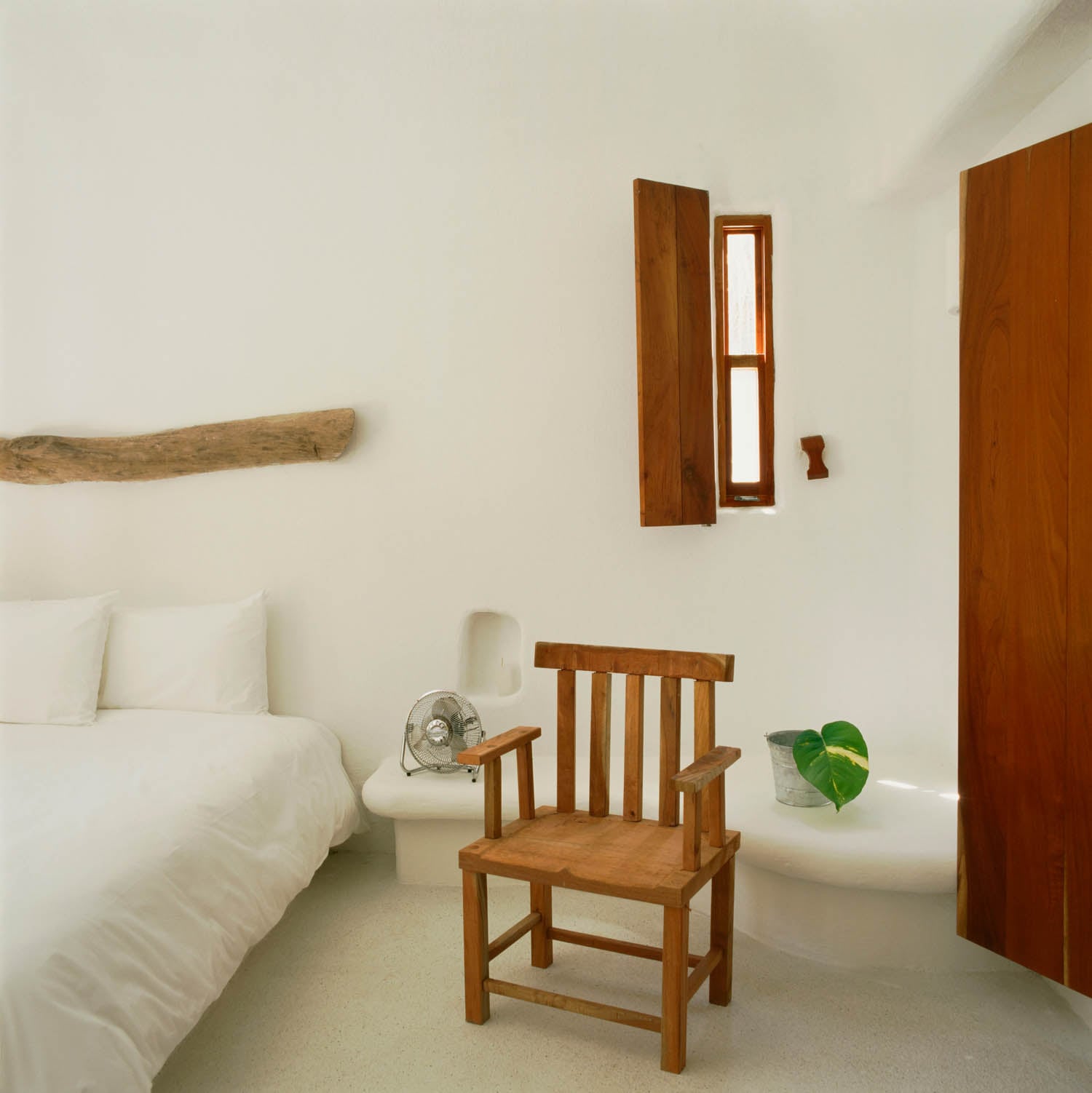
Hotel Azúcar. Photography ® Undine Pröhl. 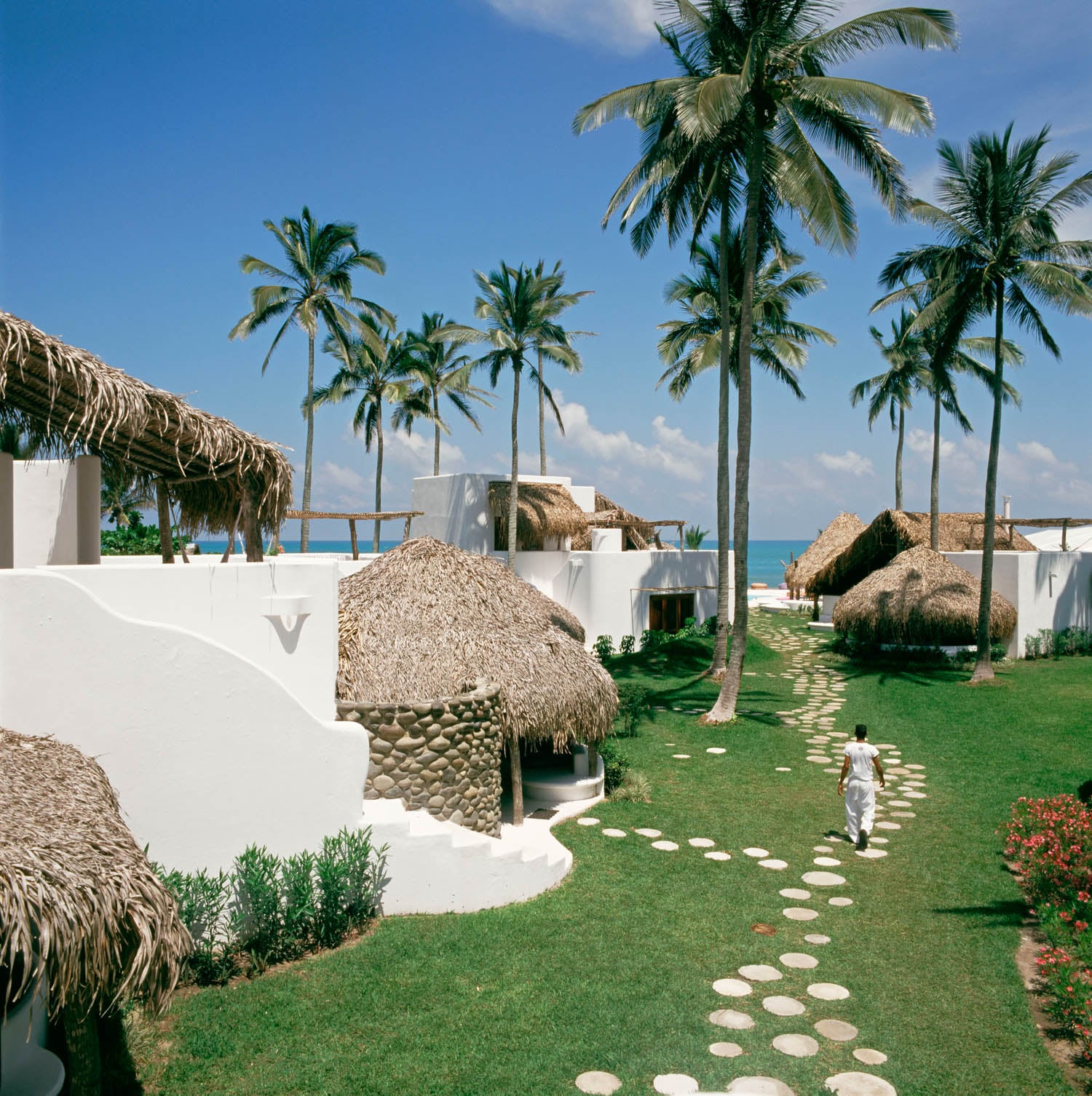
Hotel Azúcar. Photography ® Undine Pröhl. 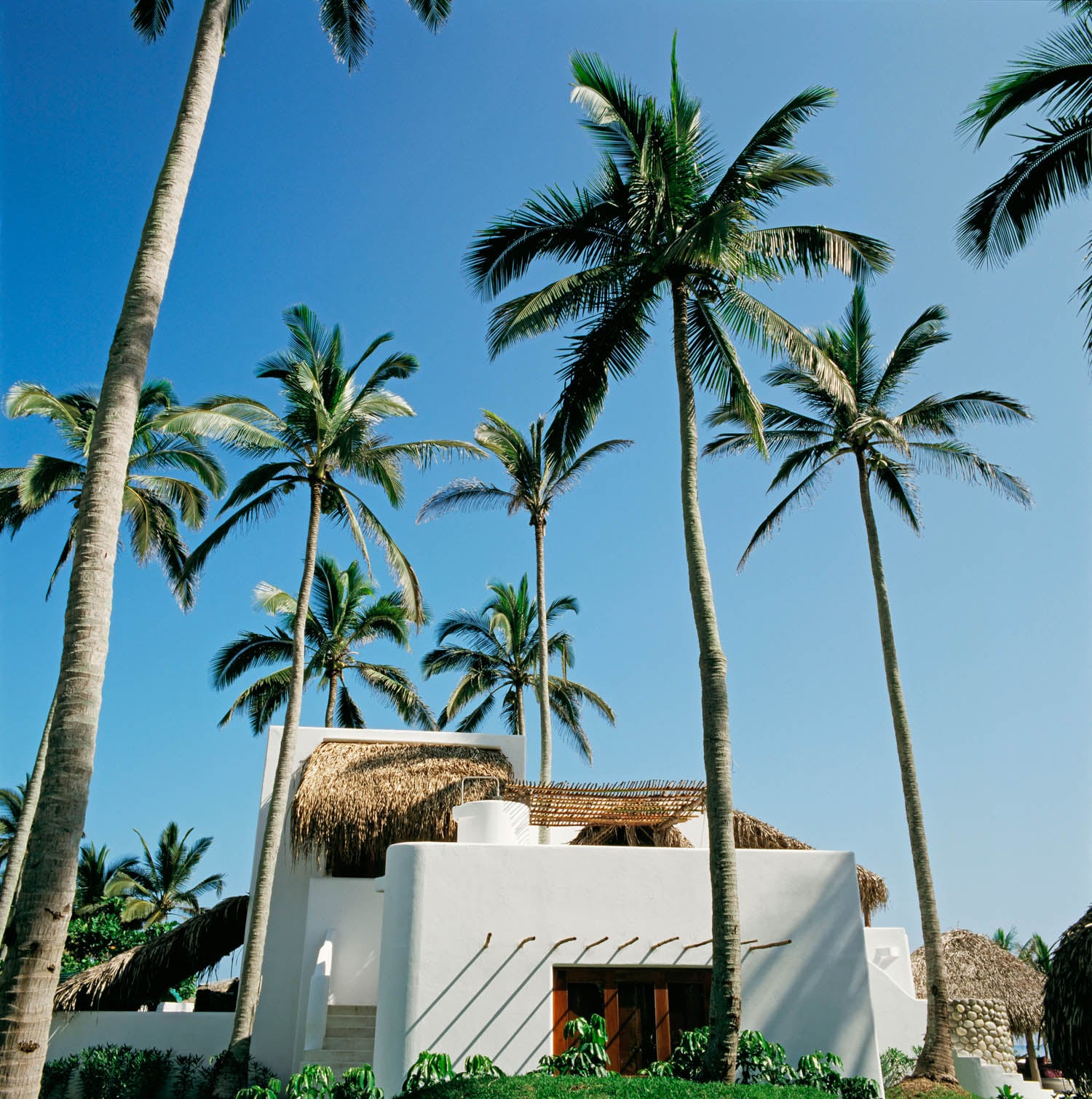
Hotel Azúcar. Photography ® Undine Pröhl.
ID: How did they build such a collection?
RM: My father was a great visionary, and with that perspective one should look at his collection. He and mother began collecting about 60 years ago. They looked for paintings at auctions, galleries and on the secondary market. They acquired almost 200 artworks of different art schools, and bought things that were not normally collected, among them, large scale works like Diego Rivera’s murals or Picasso’s extra-large tapestries.
In the 1970s he opened a gallery in Mexico City where he promoted national and international artists. He did, for example, a major exhibition on the Ecuadorian painter and sculptor Oswaldo Guayasamín (known for his expressionistic style).
ID: You are also a collector. What type of art are drawn to?
RM: I love installations and ephemeral art. Sometimes I invite artists to my house to create an artwork. For example, I really like Marco Rountree’ work, a Mexican artist we invited a couple of years ago to do an installation at the Anahuacalli Museum. He usually works with masking tape. When he came to the house, I told him: “This is your wall”, and he started drawing with blue masking tape. That artwork will disappear the day I move out.
Many collectors are avid accumulators. I am increasingly detached from things. I like that the idea behind ephemeral art is to document the action, enjoy it, and then, well, you move on.
During Mexico city’s Art Week, we used to invite contemporary artists to take over Grupo Habita’s hotels. For example, we invited Tania Cadiani —an artist who represented Mexico at the Venice Biennale in 2015— to celebrate Grupo Habita’s 15th anniversary. She extended the invitation to 25 graffiti artists, and they graffitied the entire glass façade of Habita Hotel. It was covered in tags and stencils, all in black, white, and silver. Initially, the idea was to leave it for a month, but we left it for six.
ID: Grupo Habita seems to be immersed in the art world. How else do you promote art?
RM: Yes, we are totally immersed in our country’s art scene. Grupo Habita sponsors museums, exhibitions, and art fairs, and is committed to promoting art and art collecting. For example, during Mexico City’s Art Week, which this year took place from February 3-8, we organized a collector’s brunch at the [Diego Rivera] Anahuacalli Museum. We have been holding this event for about eleven years. We usually invite 150 collectors, work together with the museum’s curator, Karla Niño de Rivera, and ask contemporary artists from different countries to engage with the museum’s pre-Hispanic art collection, which was donated by Diego Rivera.
In past editions, we invited Swiss artist Ugo Rondinone and American artist Alma Allen, who is currently exhibiting at the U.S. pavilion in the Venice Biennale. Rondinone’s two sculptures, The Static and The Serene, were bought by a Mexican collector and placed in the main square of the Torre Virreyes building in Mexico City.
We also partake in the events held by Art Week in Guadalajara, in Monterrey we hold a festival called Las Artes Monterrey, and since opening Hotel Sevilla in Merida we are involved in an event called Week of Art Yucatan. I think all these efforts have a lot do with how lucky we were to grow up surrounded by art.
read more

DesignWire
Designers And Manufacturers On The Move: September 2026 Edition
Interior Design‘s latest On the Move includes must-know industry promotions and hires, like Perkins&Will’s strategic move to expand its design capabilities.
DesignWire
10 Questions With… Artist and Designer Conie Vallese
From sculpture and ceramics to glass, textiles, and furniture, Conie Vallese embraces a multidisciplinary practice shaped by curiosity and creativity.