
10 Questions With… Solander House Cofounders
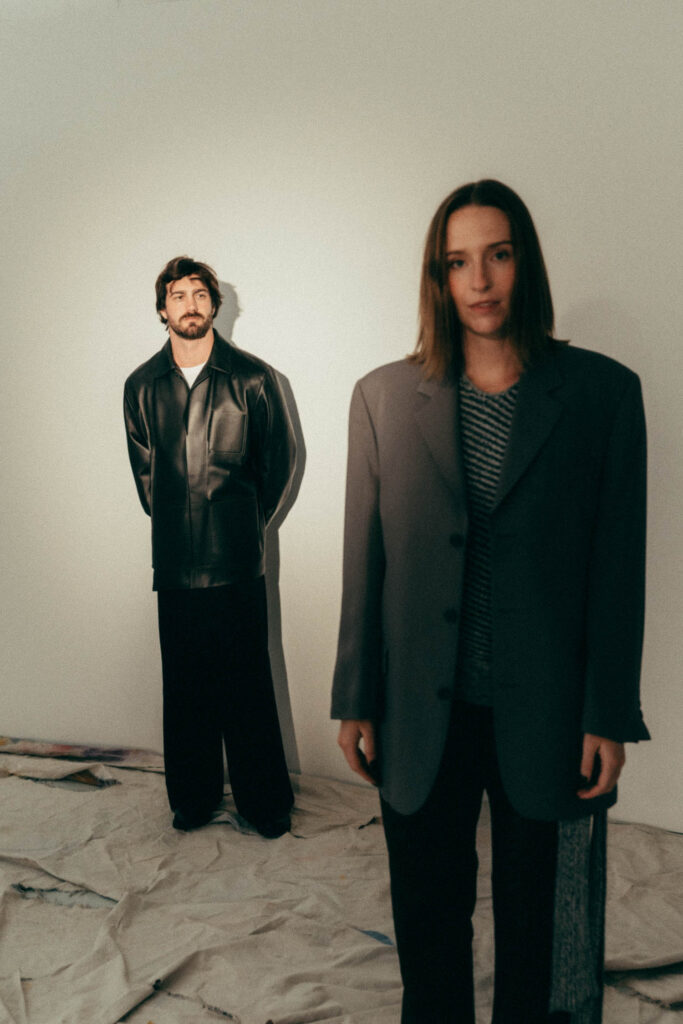
Self-proclaimed best mates Vieri Landini and Madelyn Hurd founded their interior design firm Solander House with an eye toward materiality and an ear for storytelling. Based in Milan and Sydney, and with projects located everywhere in between, the pair are building a reputation for dreamy spaces anchored by rigorous research. Earlier this year, they sat with Interior Design for a Zoom across two major oceans and talked about their conceptual process, graffiti, and how they balance being friends and colleagues.
Solander House Cofounders Talk Friendship, Design, and More
Interior Design: How did the two of you first start working together?
Vieri Landini: We have been friends for awhile, and worked at the same studio before we started our own company. It hasn’t yet tested the friendship! We definitely have different interests but the thing that ties us together is our vision. Sydney is a really beautiful place, surrounded by amazing beaches, and the design reflects that. But me and Mads both like more moody, honest design. I believe beauty can also come from the shadows. So it was nice to have that similar view, and push to create something that had a lot of connection between the client and the ethereal world.
Madelyn Hurd: The narrative behind the design is where he and I come together. We really push the idea of storytelling and how to capture a concept with narrative—looking at imperfections and elevating them, not trying to mask or polish them. That’s how we celebrate those details and make it a really honest design journey.
ID: You both used the world honest, what does honest design mean to you?
MH: For us, it’s looking at materiality in its raw form. It’s looking at a site and thinking: How we can expose the natural constraints, rather than masking them. And being honest with ourselves as well, taking on projects that align with the integrity of the brand.
VL: And also not being afraid to fail. The same way that you would make a painting and the paint starts dripping—actually turning that into something instead of just starting again.
ID: How do you manage being located in two separate locations?
VL: We always saw the studio being everywhere, a world domination kind of thing! (laughs) I was originally born in Florence and moved to Australia when I was six. We saw a big connection with Milan, our design winks at its moodiness.
MH: When we first started the business, we looked at our trajectory over a 12 year plan. At the end, it was Solander House being global. So taking that step at the beginning stage felt really aligned. We’ve had projects in New Zealand, Western Australia, and Europe.
Roy’s Restobar. 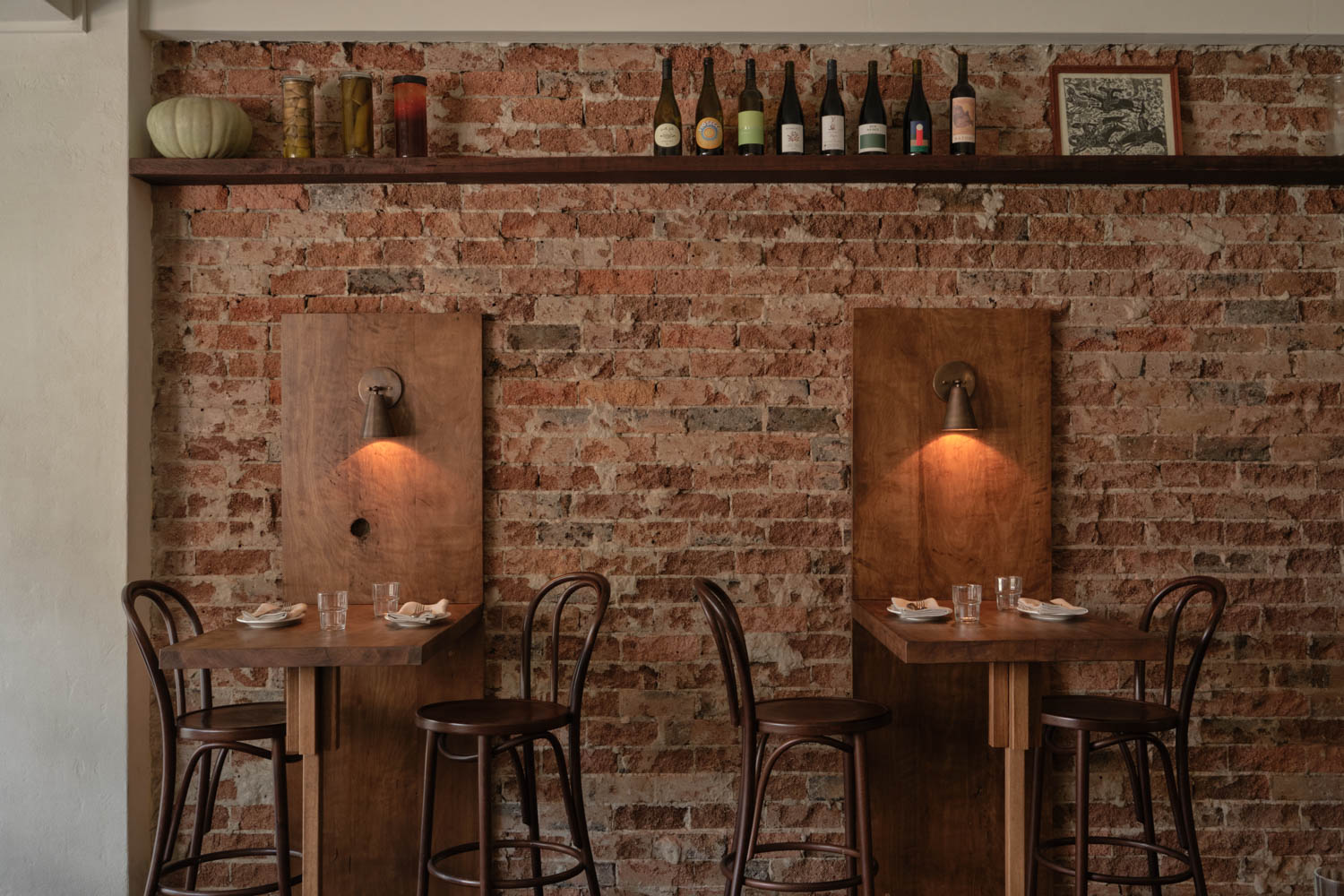
Roy’s Restobar. 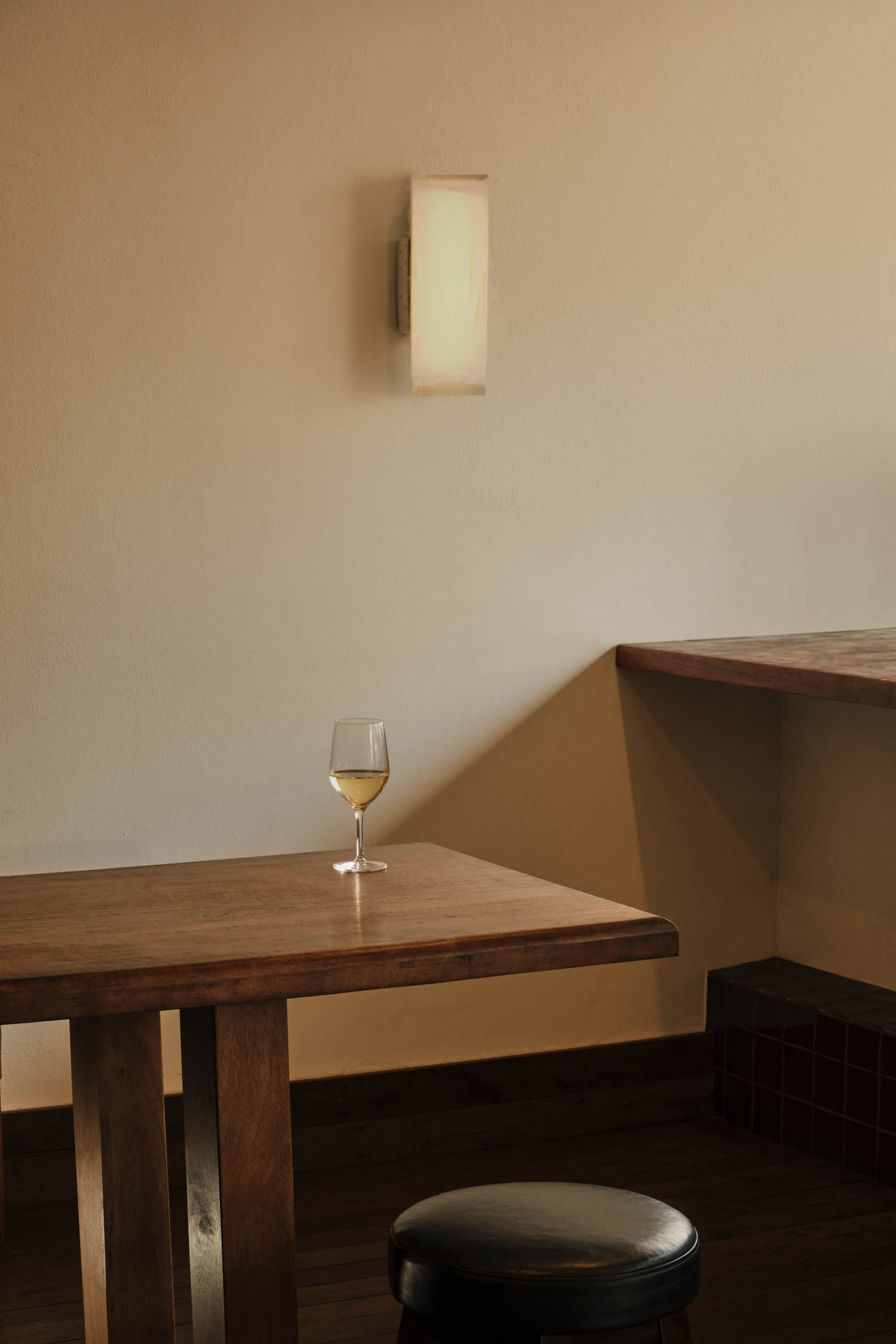
Roy’s Restobar. 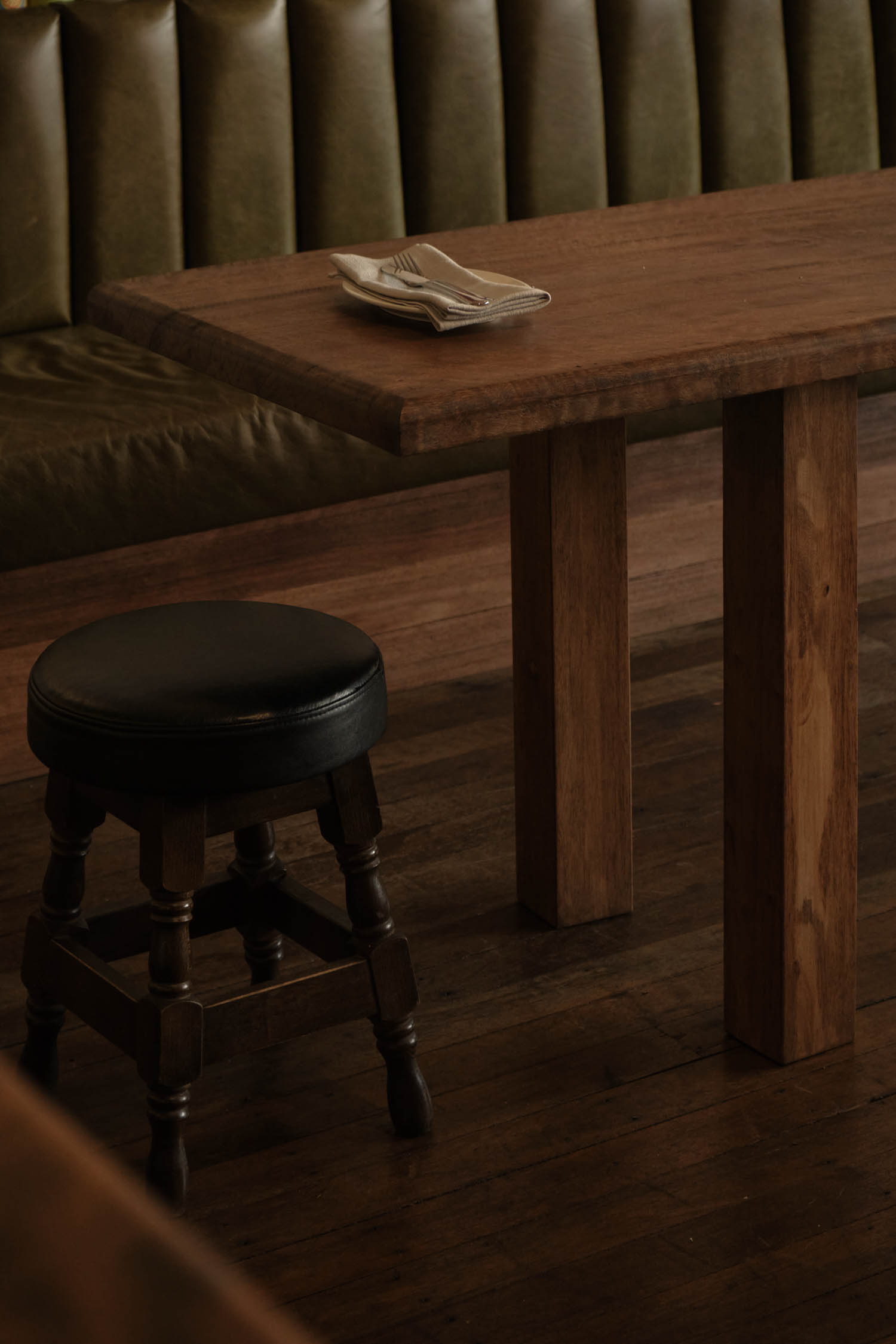
Roy’s Restobar.
ID: Do you see yourselves as bringing a kind of Australian sensibility to Europe, or vice versa? Or maybe both?
VL: Milan has the moodiness but it’s also quite polished and clean. So what we might bring from Australia is the materiality—the timber that is a bit more textured, a ruggedness. Health and wellness is very important to us being from a country like Australia that’s very outdoorsy. But it all happens naturally.
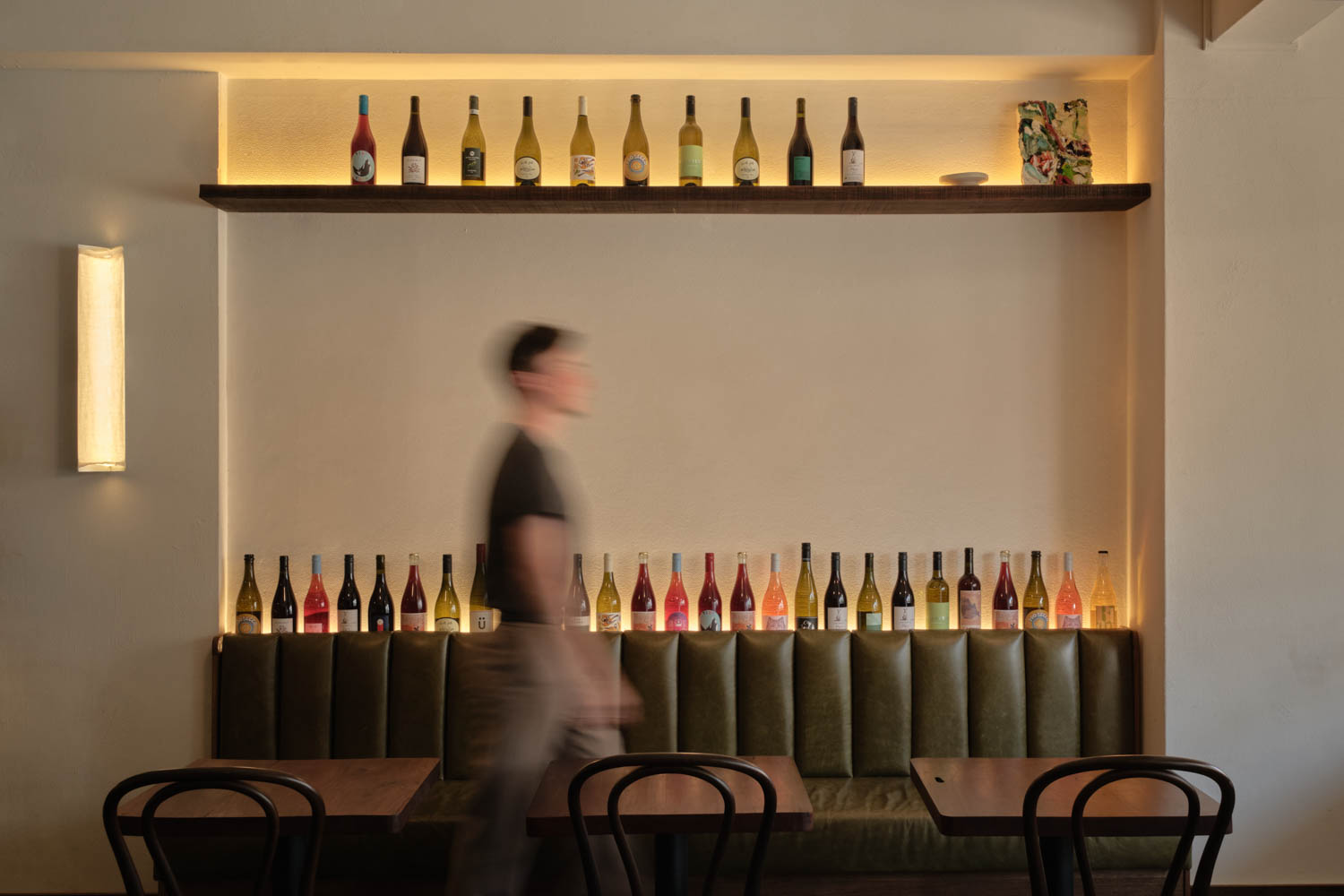
MH: In some projects we’re designing a concept around a movie or an object. For the restaurant Roy’s Restobar [in Wollongong, Australia] when we met the clients, we were like: Oh, you are the concept. The chef brought this robust energy that was almost mysterious, and he romanticized the whole experience. And then the other owner, who was front of house, was very atmospheric, so leveraging those two people became a labor of community and love. All the materials were recycled and reclaimed. The floors came from an old church, and all the timber is from a recycled yard in the south coast of New South Wales. We chipped away the walls to expose the bricks to add layering. Everything was about love for the community, because everything was locally sourced.
VL: And for Mend [a health spa], it was similar. We used a lot of recycled materials. It’s in Western Australia, which is a very seasonal place. In summer, it’s really beautiful. For the whole stretch of winter, it’s very windy, cold, and raw. A bit brutal, it gets pretty crazy storms and rough seas. That’s a really beautiful part of it, too. So we made the sauna an ode to the offseason, embracing those rough bits.
ID: Do clients need to be convinced to take risks like that?
VL: When you start with a story that understands the history of a place, the culture and people and the landscape, it ends up becoming easier to sell. We’re looking for the beauty in things that not everyone else is looking for.
MH: The conceptual phase is the longest phase of our design process. When we started working with the Pilates studio Slow Tide, we went out to the site, which is on this amazing corner of Surrey Hills called Taylor Square. It’s in this beautiful heritage building, all this ornate detailing, lots of light and timber floors. We couldn’t attach anything to the walls, because it’s a heritage space. So we looked at the practice of Pilates itself, the quiet grace and strength that comes from the movement. And the palette came from that, with stained white timber that had depth and travertine with all its movement, and metal to reflect the light. The fluid dancing movement of Pilates became the theory of perfectly mixing the materials and layering them.
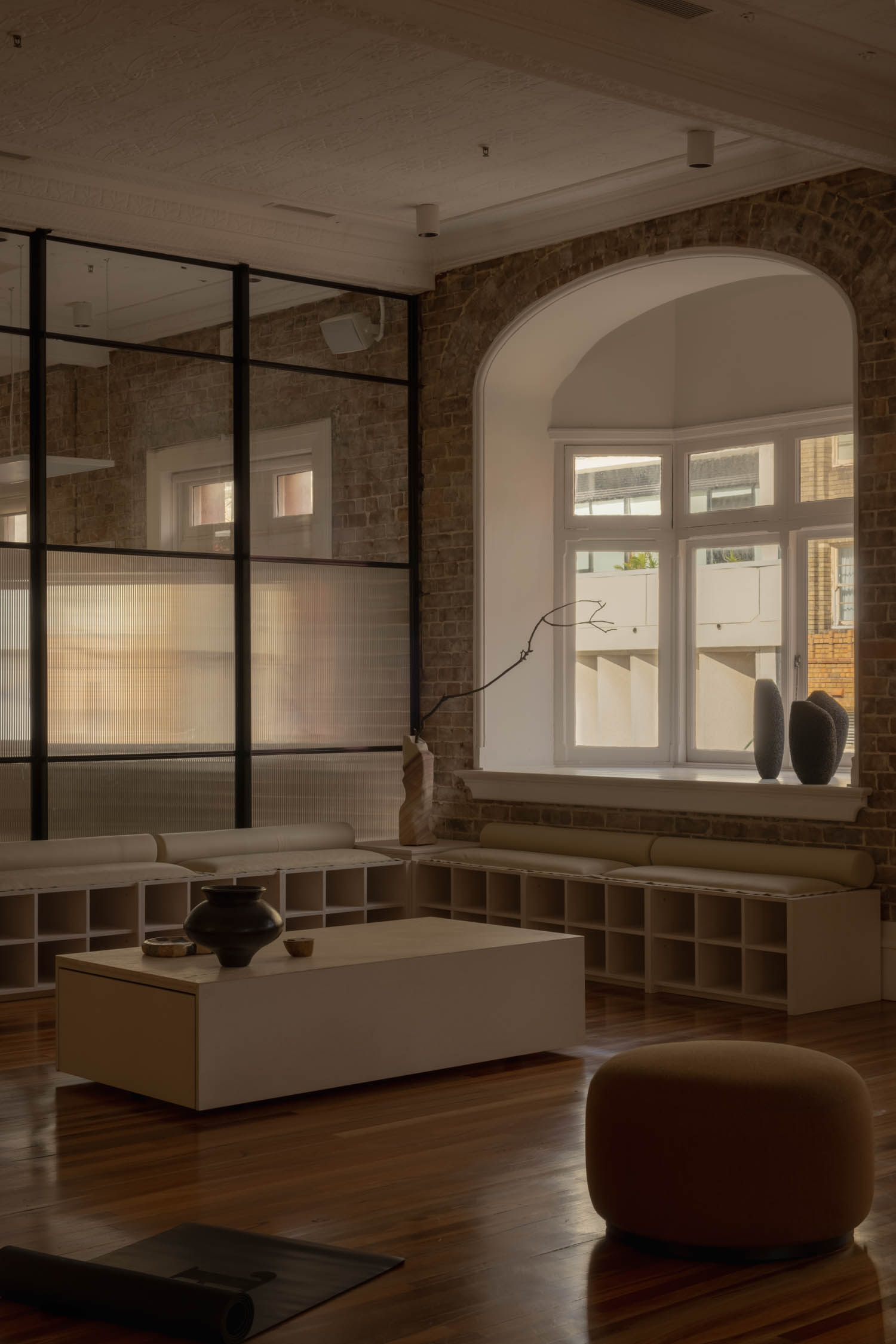
Slow Tide. 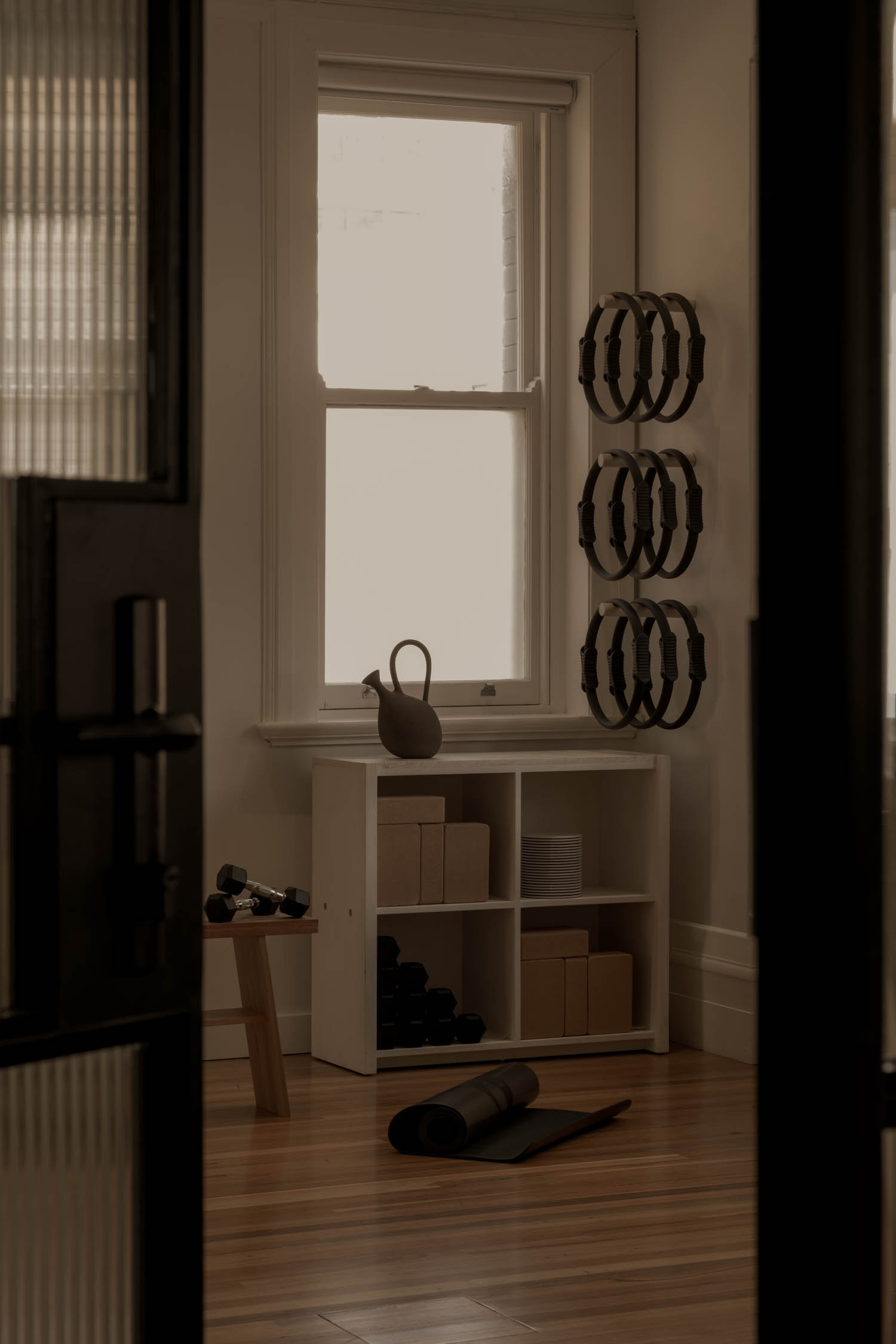
Slow Tide. 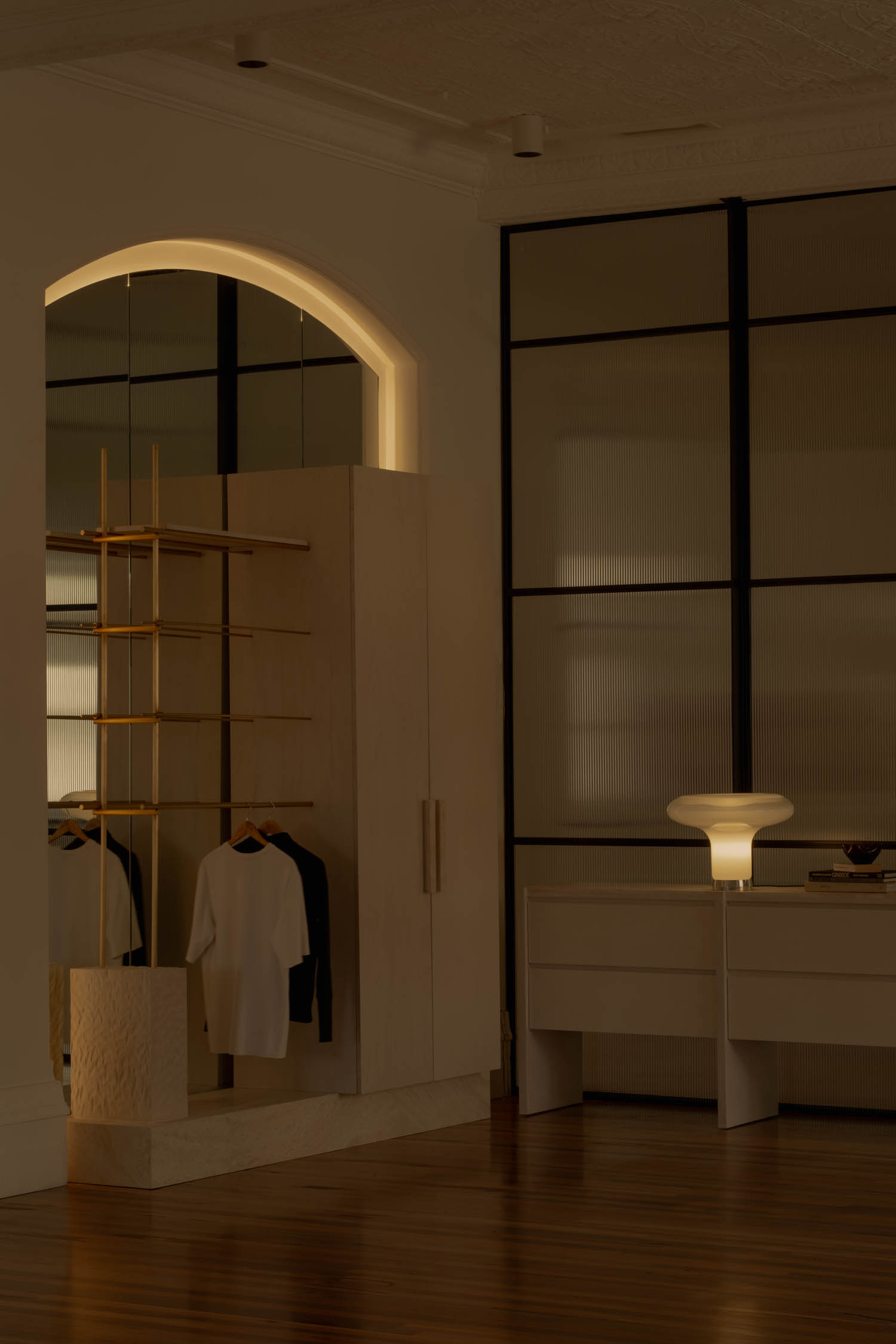
Slow Tide. 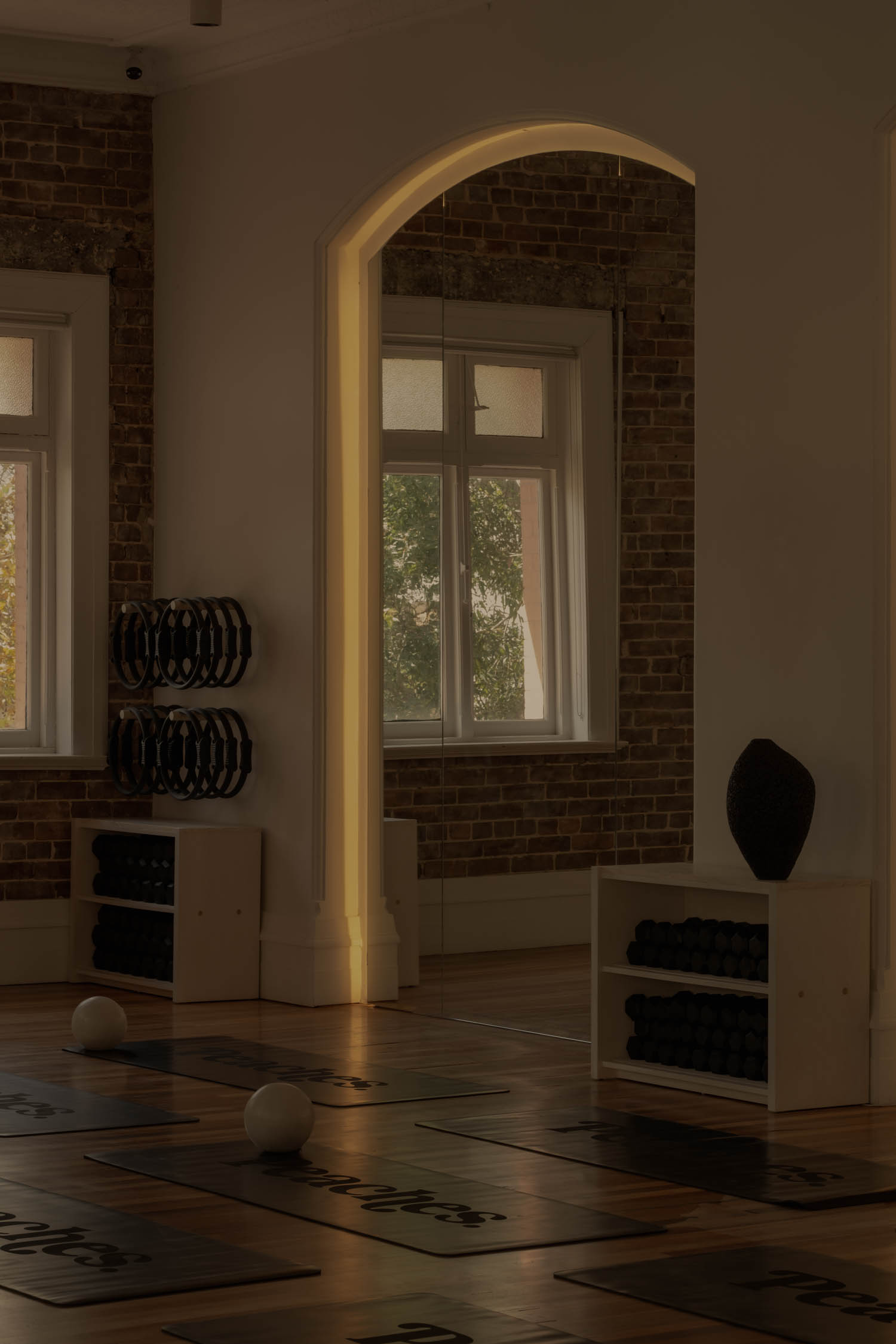
Slow Tide.
ID: What’s on the boards right now?
VL: We’ve got some residential projects in Australia, a house in Lake Como, and currently looking at some houses in Cyprus. We’ve also doing some collaborations with furniture companies and some bedding and tableware.
MH: It’s nice, collaborating with brands, because we get to share our process and thinking but with a brief to reach a broader market. So it’s the idea of bringing a really strong narrative into one singular piece and seeing how it’s experienced by different users, which is romantic, I’ve found.
ID: Was product design something you studied or were trained in?
MH: My background was actually in management and building fashion brands.
VL: Before I was doing interior design, I was a bit of a graffiti boy, doing big murals. A lot of that has translated into my interior design style, actually, like not being too precious. You understand the different materials added on the wall, and color theory, but you don’t like graffiti because it’s clean, you like it because it’s a little raw. Materialities that look weathered and aged, I think a lot of it comes from that mindset. And my other job was doing construction, which gave me an understanding of what carpenters do, what plumbers do, and the limitations of material.
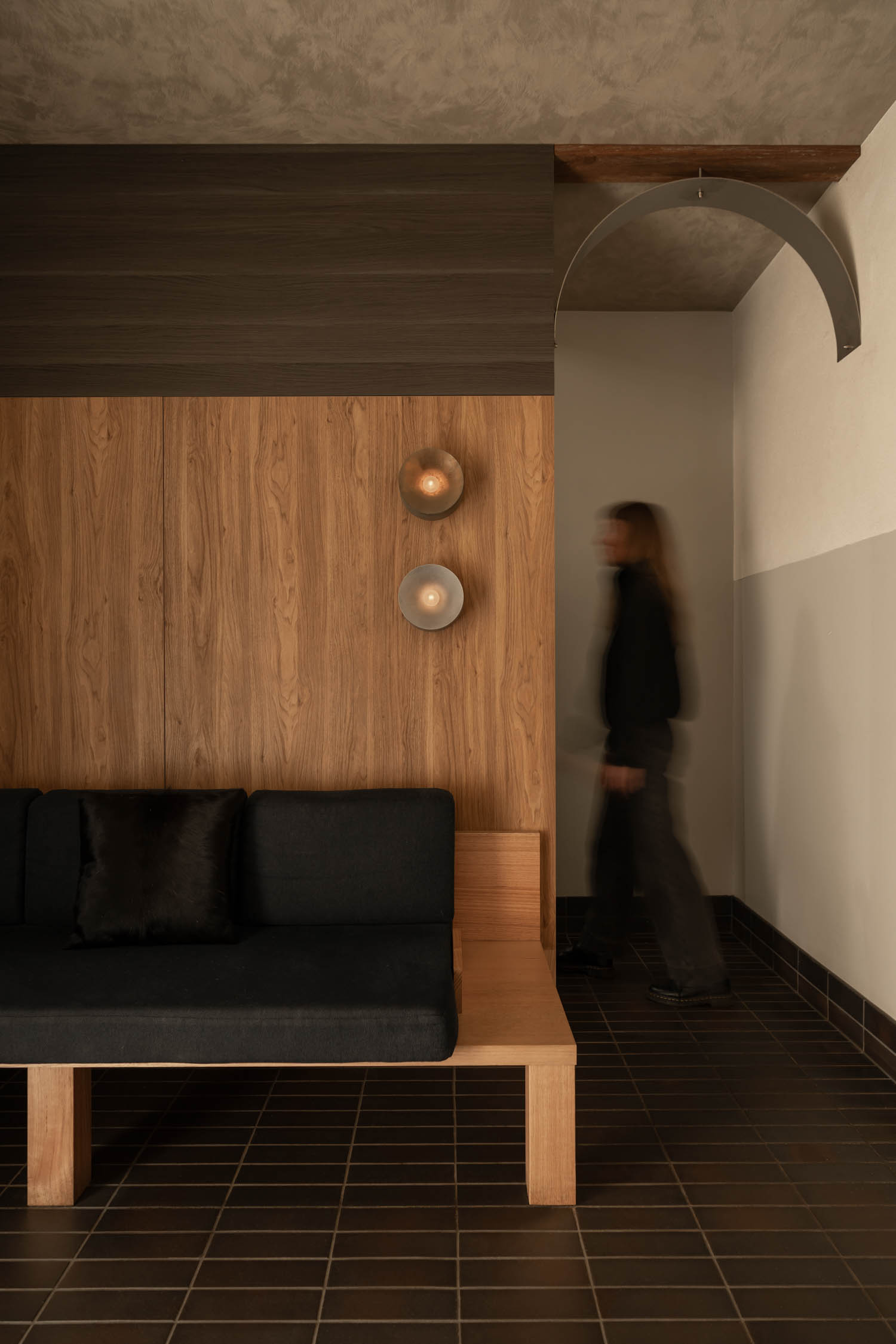
Mend. Photography by Dion Robeson. 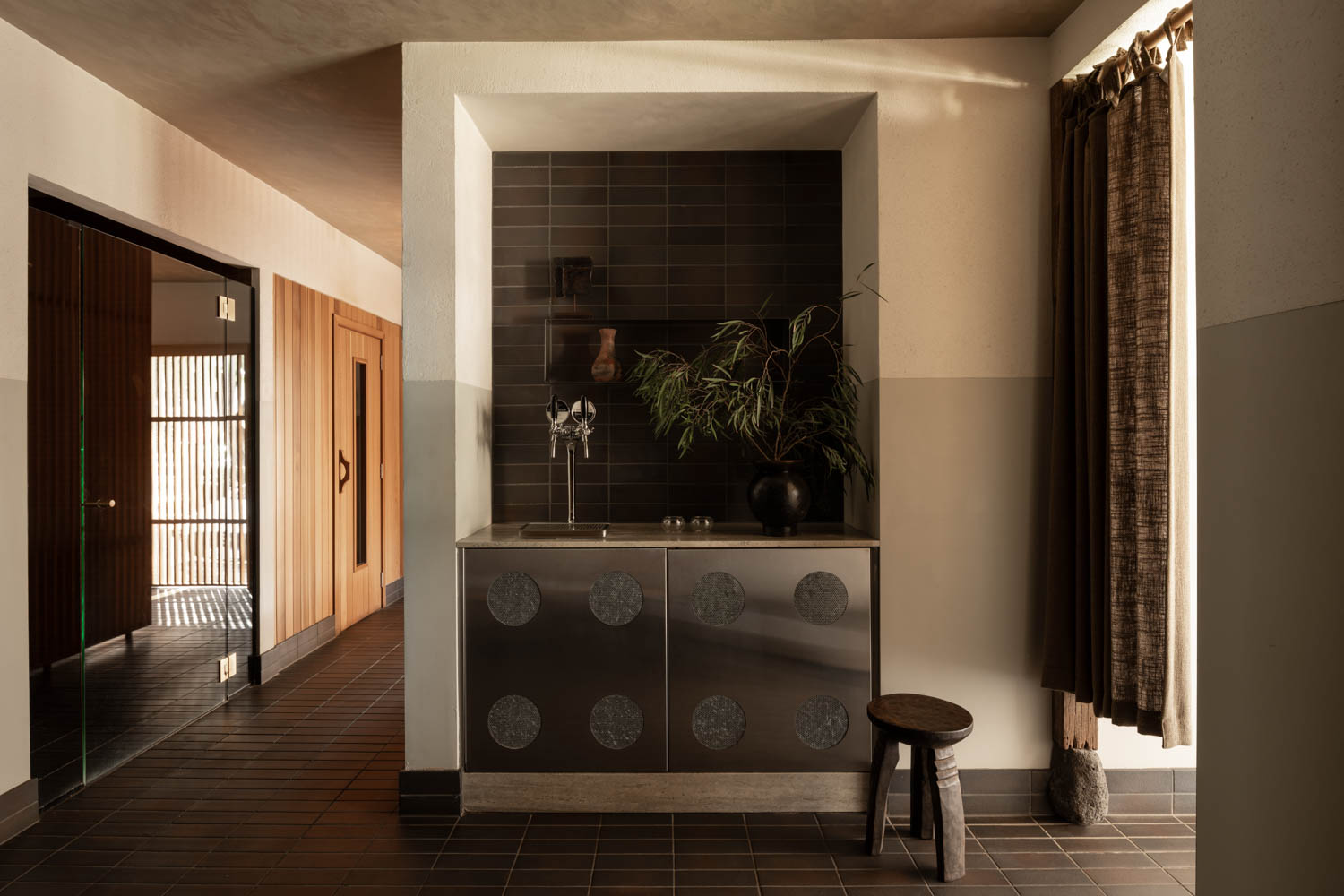
Mend. Photography by Dion Robeson. 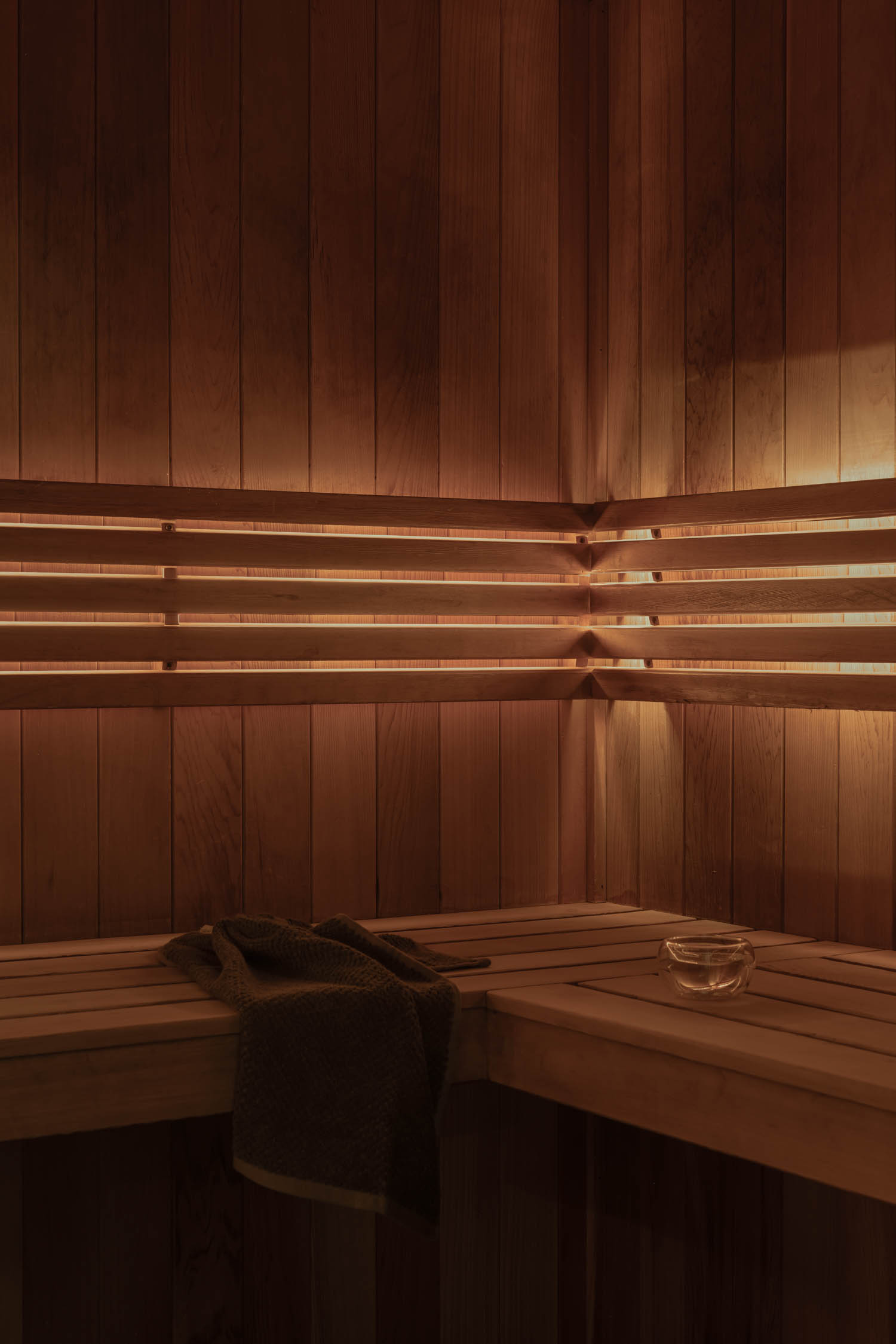
Mend. Photography by Dion Robeson. 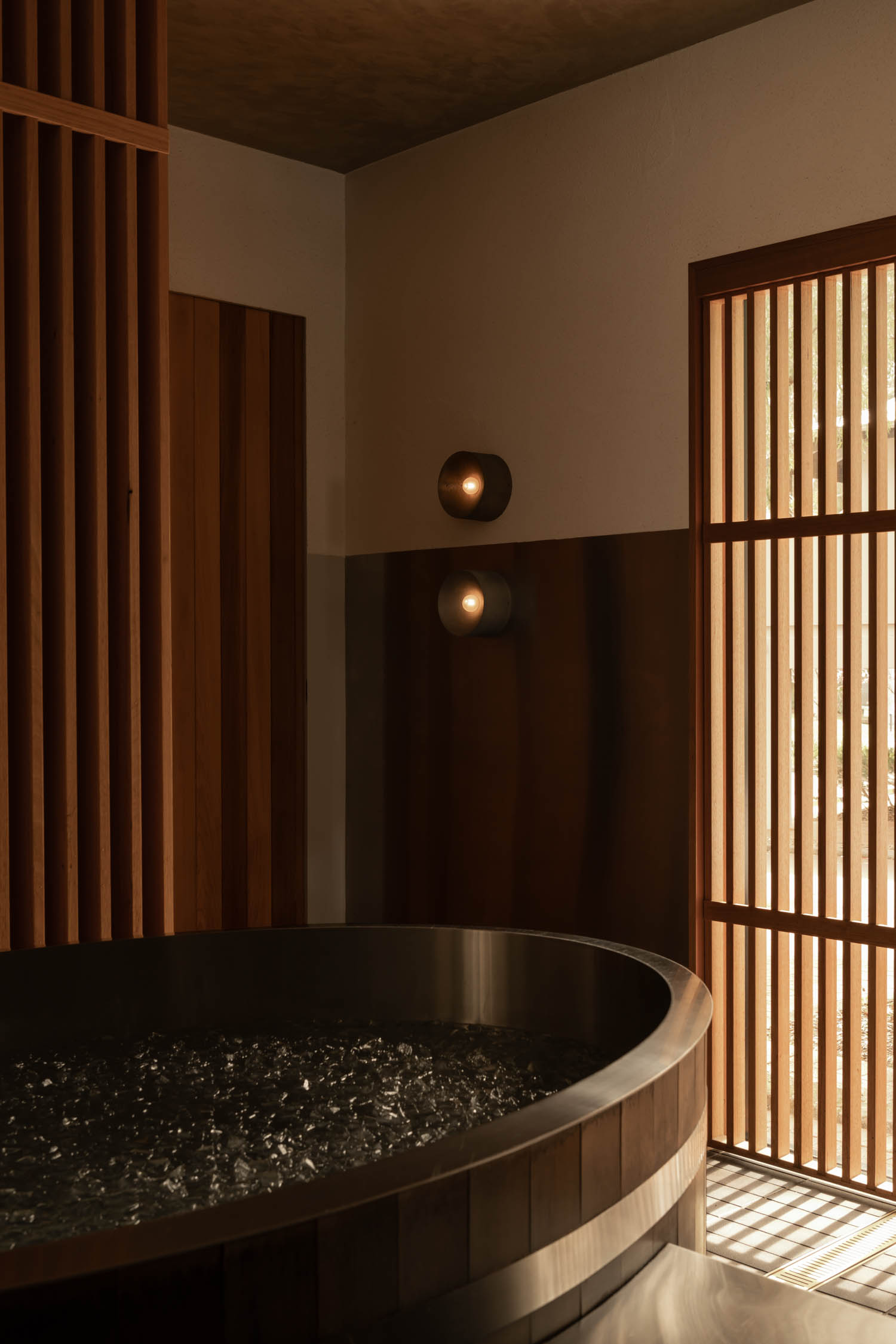
Mend. Photography by Dion Robeson. 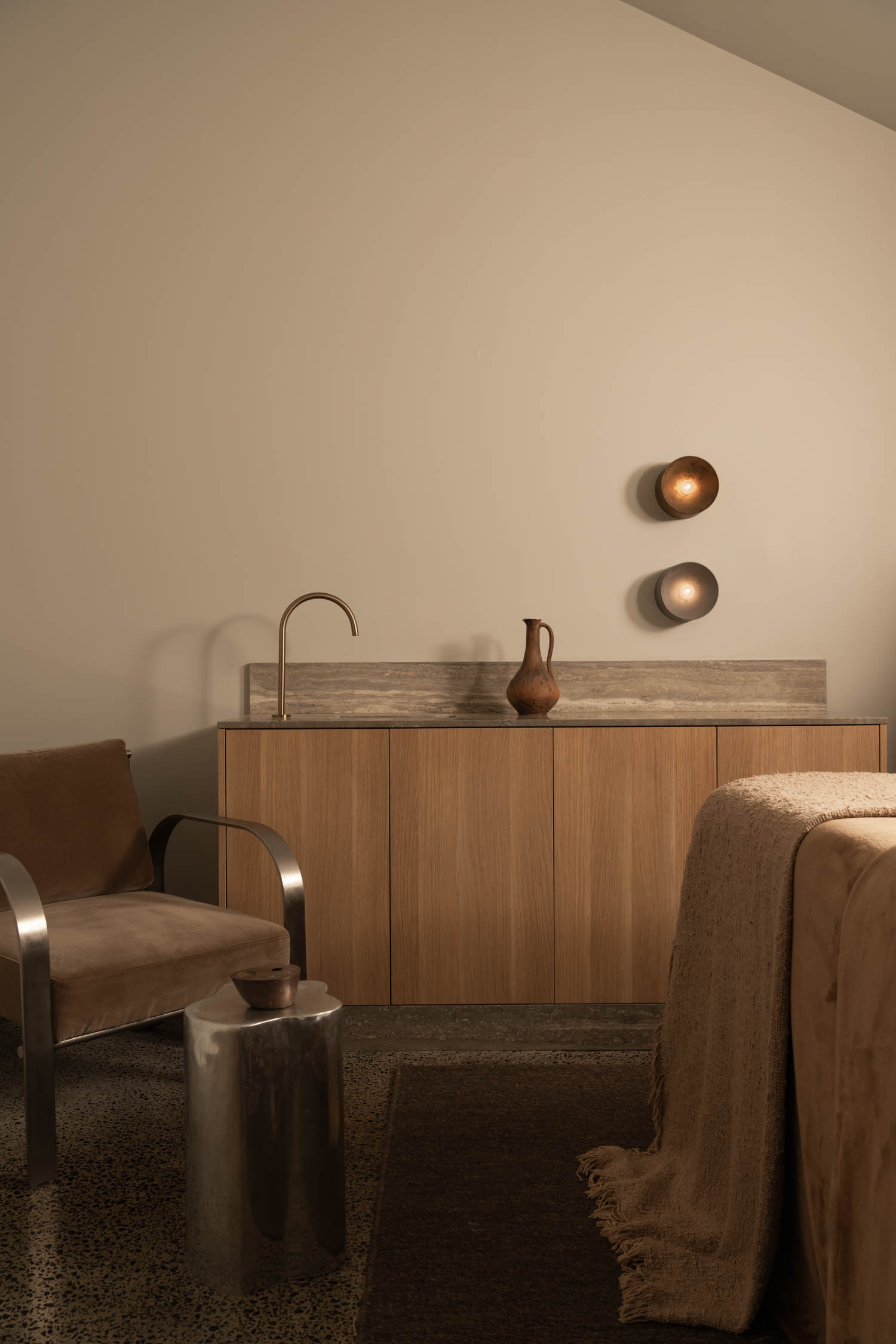
Mend. Photography by Dion Robeson.
ID: Speaking of origins, how did your firm get its name?
MH: Solander is the street I grew up on. The name symbolizes home, not necessarily my home, but home for us; the starting point of how we came together as best mates. It’s the idea of home for us, our clients, what a design house can be envisioned to be.
VL: And it’s not so much about the street but about home, and even how to disrupt it. The feeling of being uncomfortable is actually really nice as well.
ID: Last question: How do you manage to be business partners and still remain, as you say, best mates?
VL: We’ve been super swamped with work and stuff, and even our morning meetings had stopped. But we felt our friendship, not slip away, but kind of step back? And we had do decide that even though we’re really busy, we have to get back to checking in. The distance makes it hard, too. But just like any relationship, it’s about putting in the work. Where we notice it slipping, it’s because we haven’t put in the work. Communication is key.
read more

DesignWire
Designers And Manufacturers On The Move: September 2026 Edition
Interior Design‘s latest On the Move includes must-know industry promotions and hires, like Perkins&Will’s strategic move to expand its design capabilities.
DesignWire
10 Questions With… Artist and Designer Conie Vallese
From sculpture and ceramics to glass, textiles, and furniture, Conie Vallese embraces a multidisciplinary practice shaped by curiosity and creativity.