
10 Questions With… Studio Profile
“Space: the final frontier”—an opener spoken by William Shatner in 1966 on Star Trek—may be just as suitable to describe Studio Profile’s oeuvre. For the Shanghai-based studio, spatial design allows for an exploration of materials on a personal, highly tactile level. As Zoomers and Gen Alphas navigate their way through bricks and mortar shops and restaurants, they seek experiences they cannot obtain online. And the 20-somethings helming Studio Profile feel exactly the same way.
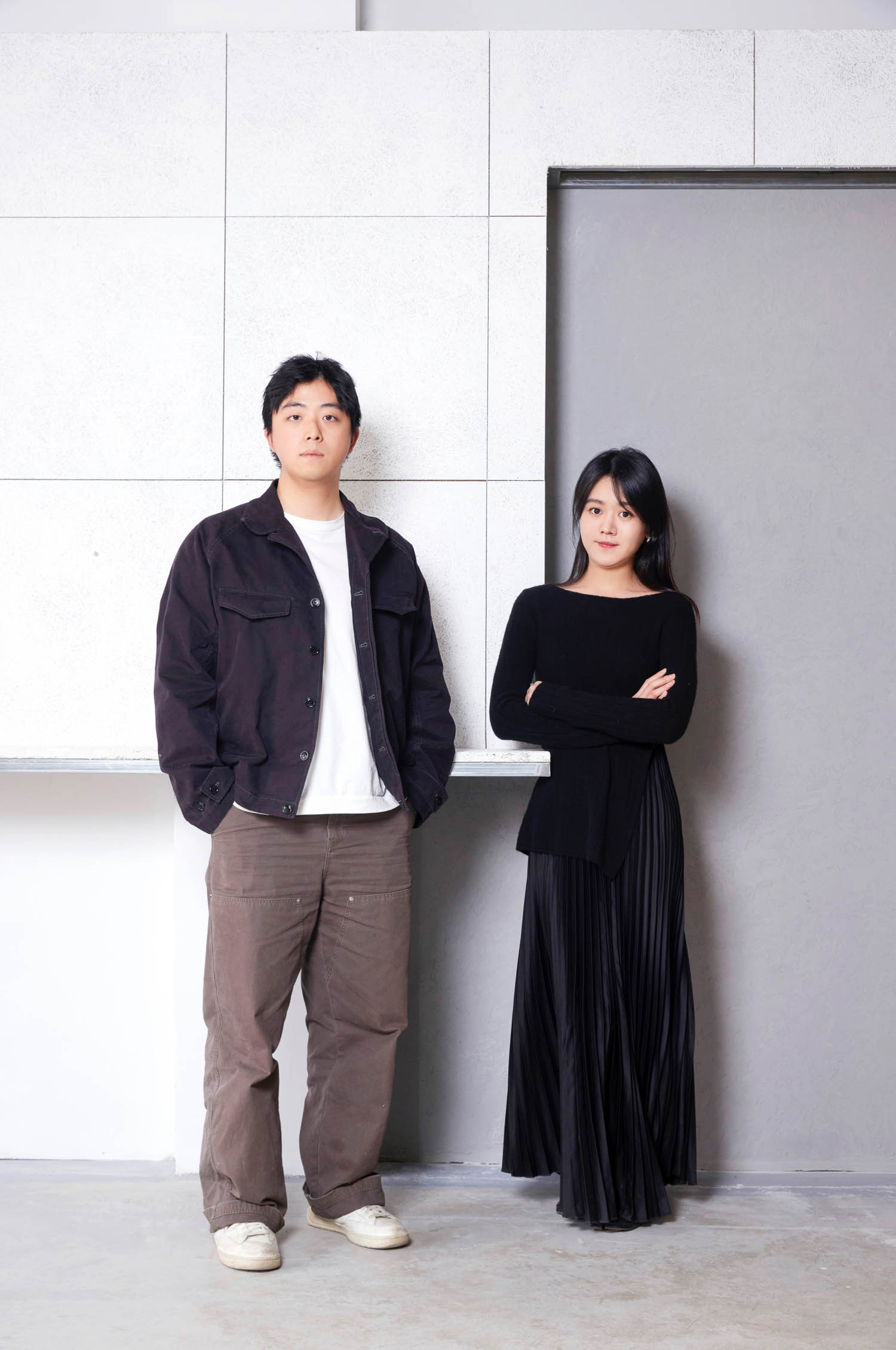
Shanghai Institute of Visual Arts grad designer Baoer Wang first met Rhode Island School of Design-trained architect Josh Ren in 2022. The two like-minded souls immediately felt they could work together. In 2023, they established Studio Profile and quickly began building emotional spaces that resonate with clients and customers. In less than three years, Studio Profile has worked on projects all over China from its home base; it is currently at the design development stage for a trendy 10,000-square-foot retail arena in the center of Bangkok.
Interior Design joins Wang and Ren to jam about what sparks their interests; how they incorporate materiality into spaces to make them sing; why work in China is full of opportunity; and how they stay on top of the fast-paced retail game for some of the country’s most popular brands.
Studio Profile Stays On Top Of The Retail Game
Interior Design: Where are you from? How did you both end up in Shanghai?
Josh Ren: I was born in Shanghai and relocated to the States when I was a toddler; I grew up between China and the U.S. After I majored in architecture at Rhode Island, I came back to work. Ruohan, a high school friend and emerging fashion designer in China, asked if I wanted to design her studio. I was seeking interesting projects and met Baoer through mutual friends. We collaborated together for Ruohan, which became our first project even before we started Studio Profile.
Baoer Wang: I am from Harbin in northeast China, near the border with Russia. I had expatriate professors in college, including a designer for a Belgium furniture brand. The founders of AIM Architects are friends of my professor and helped me secure an internship there; after graduation, I stayed. My time at AIM felt like another school: I learned so much there working with architects. The sense of achievement I felt when completing a project with my own hands and skills is immense. I got to explore every structure, every fold, every material, and how they all connect.
JR: My approach to projects is conceptual with a more European and American way of communication. So, I asked Baoer if AIM was seeking staff and ended up working there for a year. After we completed Ruohan’s studio, we decided to continue working on our own projects as Studio Profile.
ID: You are a furniture designer and an architect; why interiors?
JR: I noticed a difference between design practices in China compared to the States or Japan. In the latter two countries, many young architects start their practice working on small houses. I found there were not too many opportunities for me to do the same in China. At the same time, I noticed a lot of bold interiors with architectural concepts behind them. I originally majored in industrial design and am more into the meaning behind design—such as why we make certain design decisions.
BW: My major was originally industrial design, too. Through working with architects, I began to realize the connection between all design disciplines. To me, moving from architecture to interiors to furniture is like moving through a scale from larger to smaller projects.
ID: What strengths do each of you bring to the table?
BW: In architecture firms, furniture design tends to be under interior teams. I found that I was good at detailing and custom design work. That was why we wanted to work together. Josh has an architectural background and a more macro outlook. I come from furniture and am more into details.
JR: Baoer is more of an extrovert and handles the business development side of things. She does things more on the outside with clients and on site; I’m more on the inside working in the studio.
BW: At AIM, I tried my hand at public relations and marketing. I found this aspect of practice interesting as it puts me in touch with the media and different people.
JR: In terms of design approach, as she studied product and I studied architecture, we meet in the middle. I’m more top down and she’s more bottom up. Baoer can finesse construction details and provides more balance to what we do.
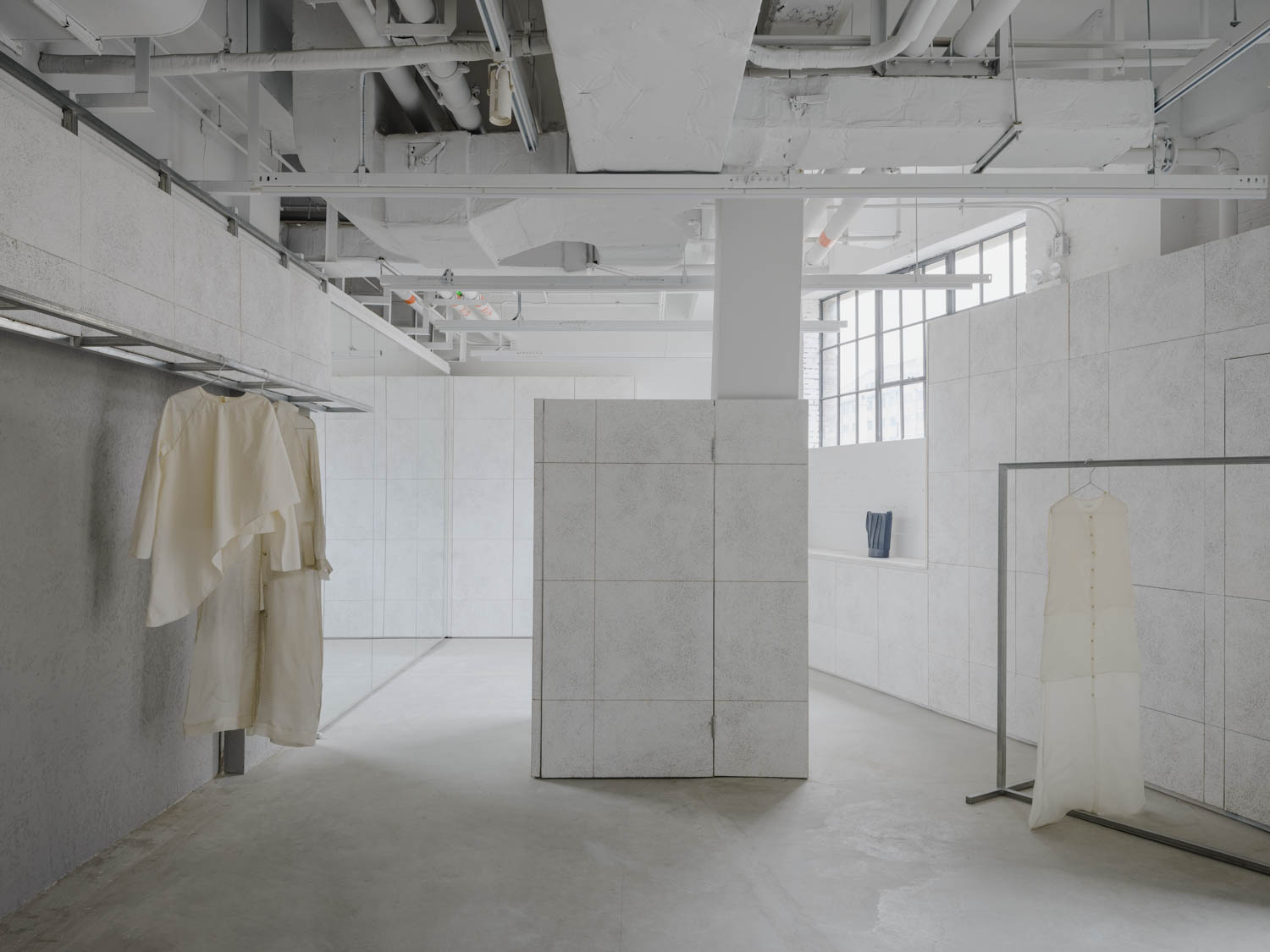
ID: What made your Ruohan Studio project special?
JR: It defines our studio. We arrived at the concept through working with different fabrics. There were limitations: low budget and a minimalist style of fashion. We focused on geometries with unique textures. We wrapped the space in a cloth-like material, like wrapping a dress. And we explored how we interact with fabric: the cuts, how to put seams together, the pockets all relate to our design language. By cutting into the wall with fabric-like textures, we leave a skeletal structure behind. From afar, it looks like a minimal white dress; close up, textures are revealed. Mirrors are like scissors cutting through the space. And we programmed the studio with a separate space that can host exhibitions.
ID: What are some common denominators between your projects?
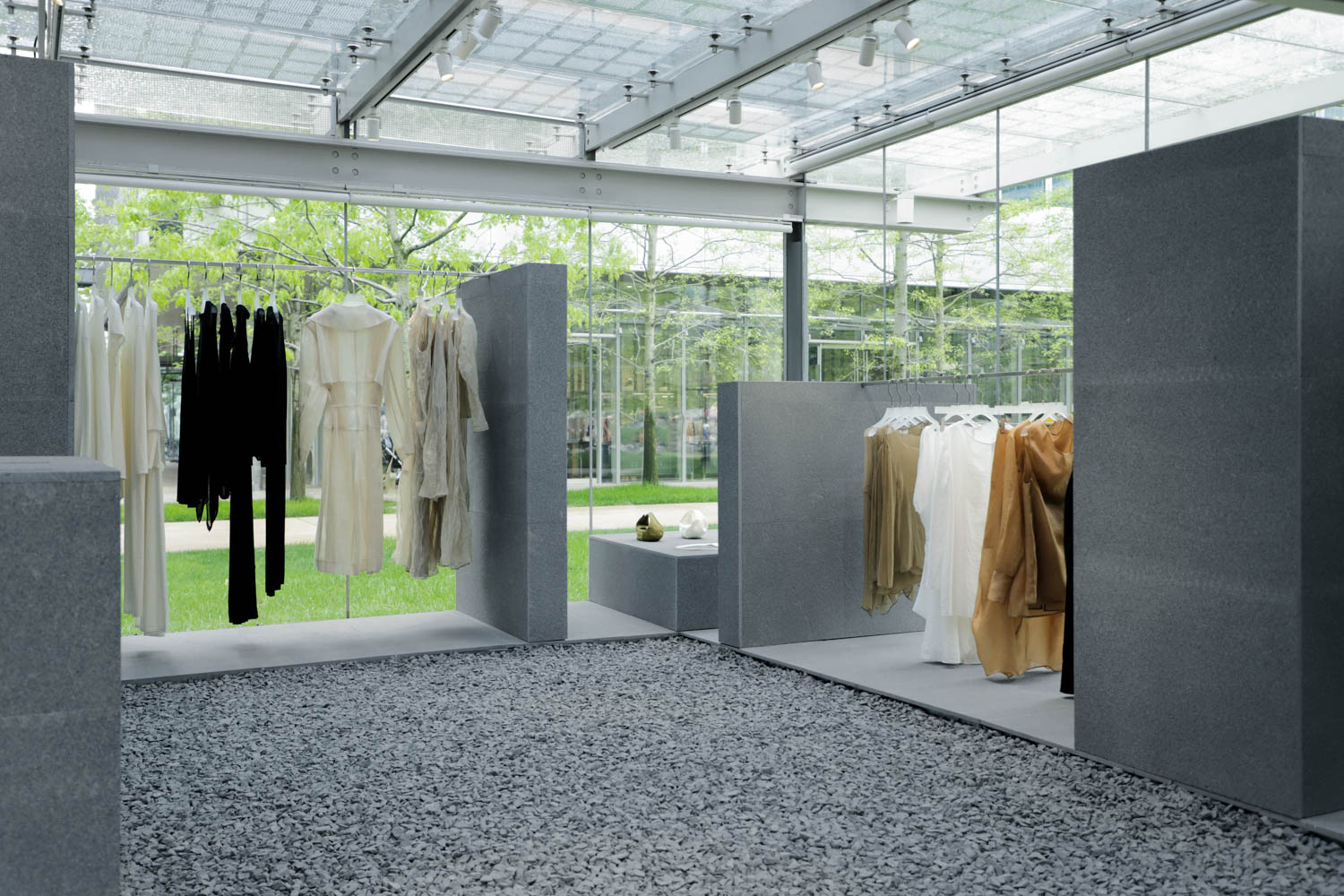
JR: All of our projects are derived from interaction with materials and a human touch. We use design to reflect and understand the world. We are obsessed with translating materiality into spatial languages.
BW: Through interiors, we can extend the life of architecture, to give spaces meaning, and to make them aesthetically rich. The word profile in our company name refers to architectural structure. We help our clients summarize the value of their brands through the profile of their spaces. And potential clients come to us because they know we can materialize their vision systematically.
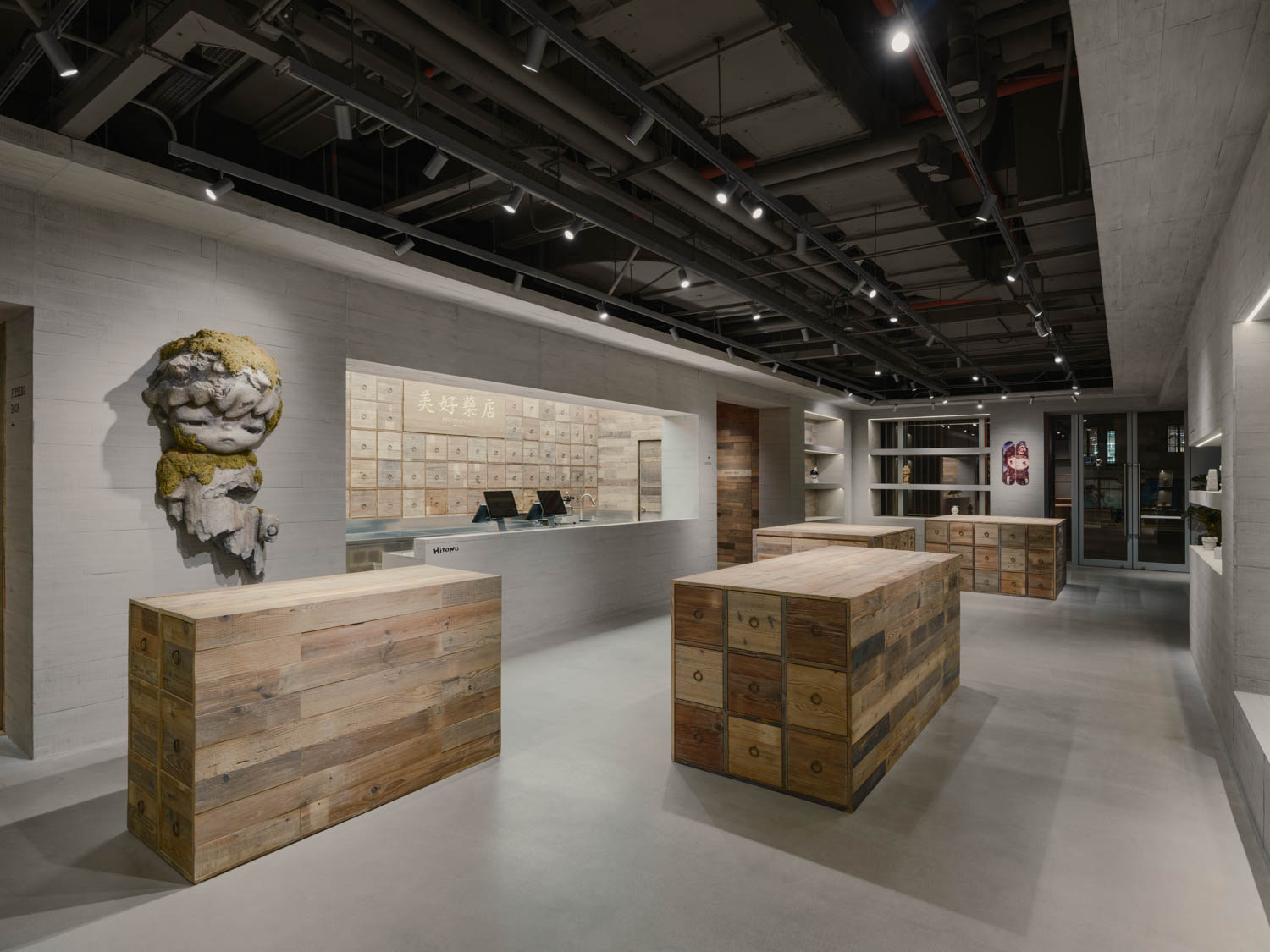
ID: Why a stand alone shop for Hirono?
BW: It is our first Pop Mart interiors—the group approached us.
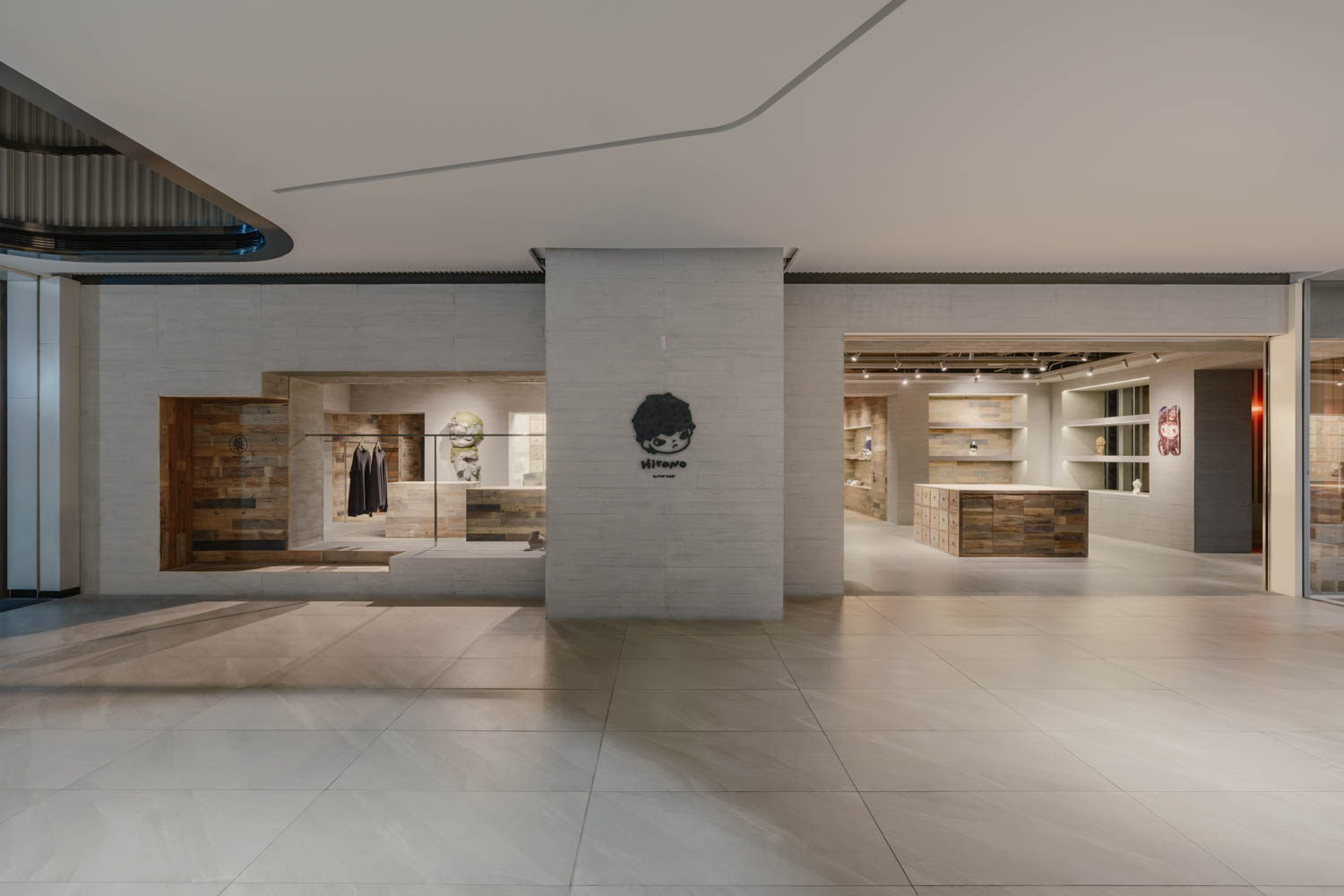
JR: We were surprised they came to us, as our aesthetics tend to be quieter. Lang, the artist behind Hirono, asked us to create a vision for his character. As it’s a unique aesthetic for Pop Mart, we decided to collaborate with him. The IP Hirono is a vessel for a wide range of complicated emotions. By embracing them, people are comforted.
Our design approach was both material and spatial. On the material level, it was about abstraction and translation. What materials could represent sadness? We looked at the natural decay of reclaimed wood and cast concrete. Traces of wood fibres and the frame of the cast can still be seen in them. One is softer while the other is solid and offers serious shelter. In spatial terms, the shell is very irregular. We used a solid concrete rectangle to organize the space with wood in the leftover bits. The narrative of this project reflects our interest in using materials in a genuine way.
BW: Hirono characters are displayed thorough broken concrete blocks. The toy’s beauty is about disorder and chaos. Our design fits Hirono as it celebrates entropy.
ID: How do people use spaces like Pop Mart? Why are they important to consumers?
JR: We’ve been discussing internally why people buy Pop Mart things—and have to explain this to our confused parents, too. It’s really no different than when people buy or aspire for luxury brands. Pop Mart leans heavily into the act of collecting as a way to shape identity and a sense of belonging. A physical store allows consumers to embed themselves into a more holistic vision of the characters they relate to and love.
BW: Our Hirono shop opened around six months ago. I’ve observed people going there together to experience and share what they purchase. They roam around the space and soak in all the possibilities of the IP. It’s more enticing for people to shop in a physical space. They have already hosted live events with IP artists signing limited edition products. Launches, a café—these comprise the total experience. The opening saw a huge line with people waiting four or five hours, which were incentives for second hand sellers to set up shop outside the new store as they had a captive market. As we are not in-house Pop Mart designers, we present ourselves as creators of a home for Hirono where his fans can immerse themselves in his world.
ID: What would be your dream project?
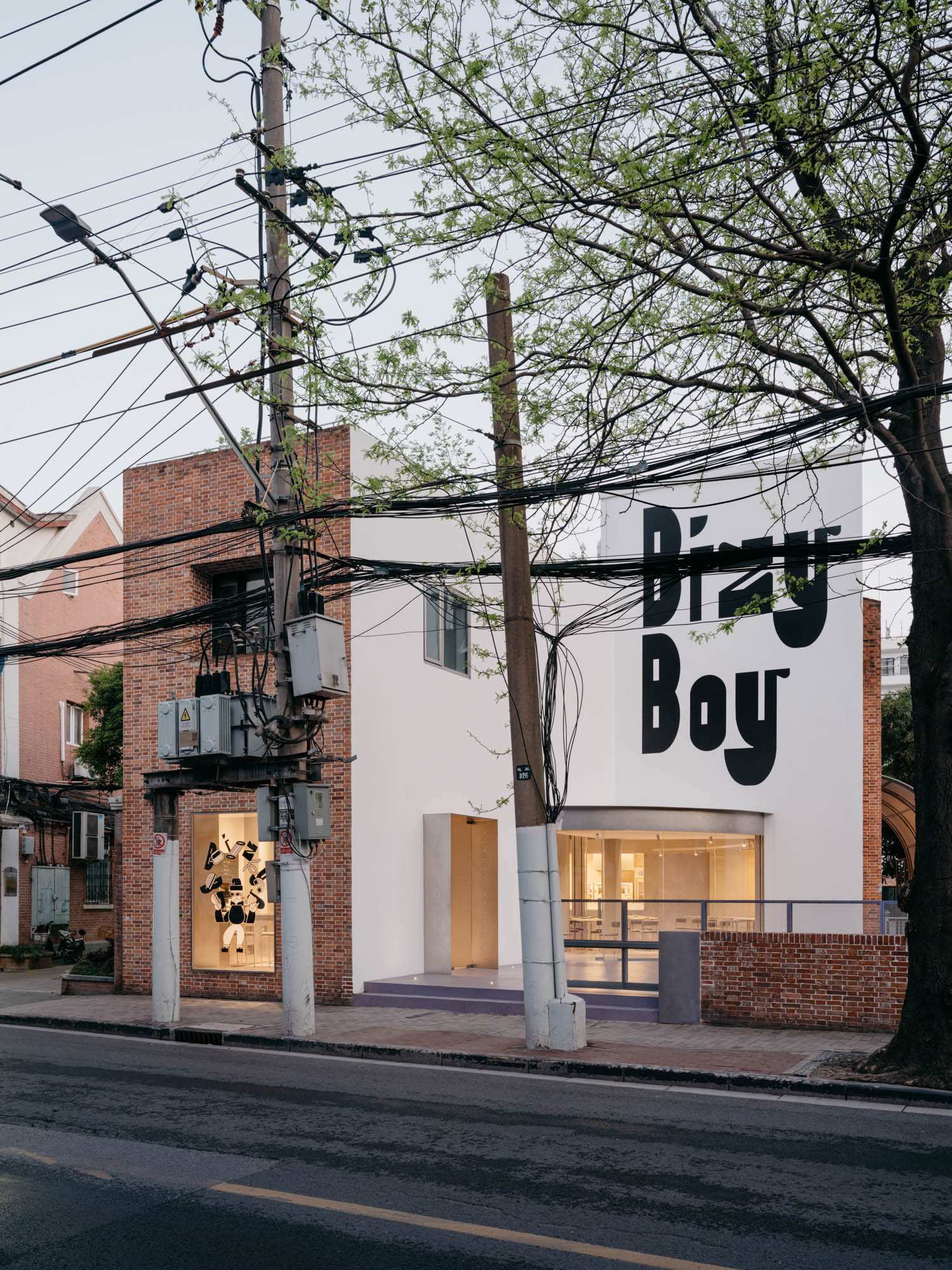
JR: After completing the restaurant BizyBoy, we realized how different F&B is from retail. The space is open to everyone and we can really create a sense of community. It’s not a large place, but everyone on the team is an A-lister: one of the best chefs in Shanghai, a great brand, an excellent graphic designer. They are passionate and enthusiastic, which made for a happy project during and after it was completed.
BW: We hope to do more public spaces, different in terms of magnitude and with longer lead times. A larger space can gather more people. Creating a sense of belonging is more important than the project itself. We welcome the opportunity to work on architectural renovations. We arranged the courtyard facing BizyBoy, which was architectural work.

ID: As Chinese Gen Z designers, what does Studio Profile offer?
BW: Gen Z breaks boundaries and I feel that we are doing the same. Fashion, literature, art, culture, trends, architecture and furniture are increasingly interwoven, their borders dissolving. This resonates deeply with what we do. Our work spans across multiple disciplines and will never be limited to interiors alone. The desire to create naturally extends into many fields. Yet what I cherish most is how physical space can provide people a profound sense of belonging, recognition, and material coherence.
In China, we hear economists say that the country’s trajectory resembles Japan 20 years ago: rapid economic rise followed by stagnation. Our parents reaped enormous benefits from China’s urban development and real estate boom, shaping the material foundation of our lives and giving us more opportunities to see the world. Yet, rapid development has also led to cultural fractures. Endless shopping malls no longer satisfy the ambitions of younger consumers. Instead, non-standard and custom spaces have begun to emerge: in-between, human-centered environments that may offer the cultural depth and sense of belonging that standardized Chinese cities have failed to provide.
ID: What do you do away from the studio to regroup and recharge?
JR: I like going on urban holidays to places with lots of cultural institutions. I love visiting galleries and museums to observe and sketch.
BW: I travel to get my snowboard fix. I find boarding is a good way to focus. This year, I holidayed in Japan and Sweden; the snow quality is very good in Japan and it’s close to Shanghai—only a two hour flight. Easy! I absorb a lot of inspiration through travel, which I hope to incorporate into our work.
read more
DesignWire
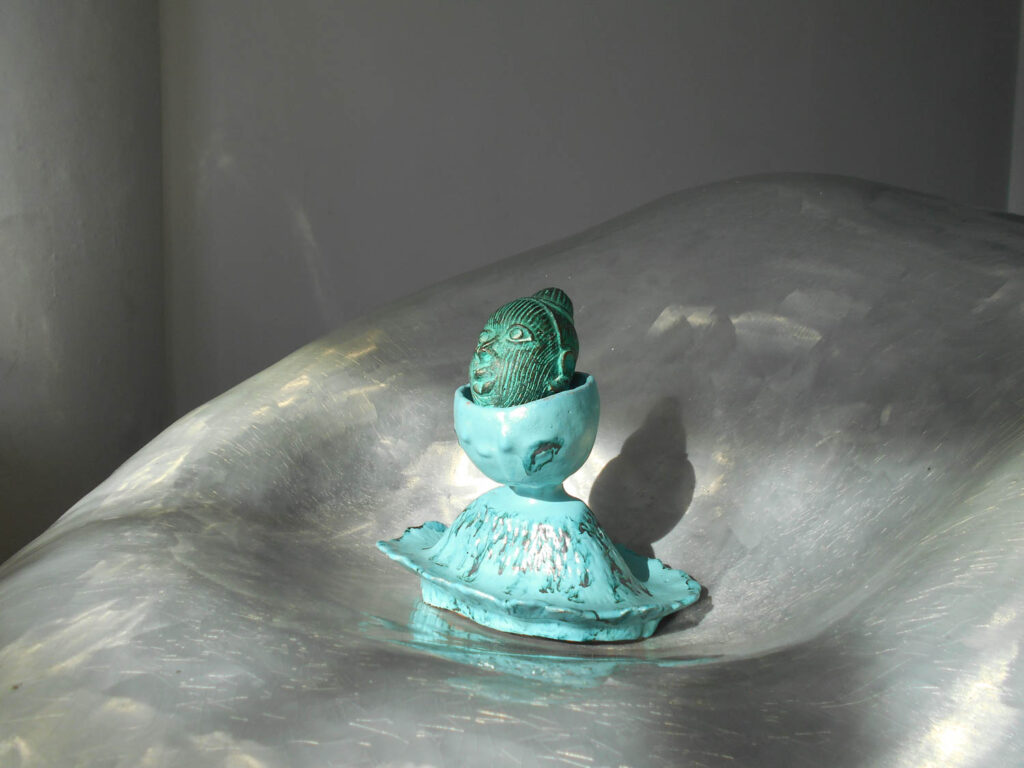
10 Questions With… Sculptor Aminata Mboup
Aminata Mboup discusses her practice, inspirations, fluidity between disciplines, as well as her unique approach to materials.
DesignWire
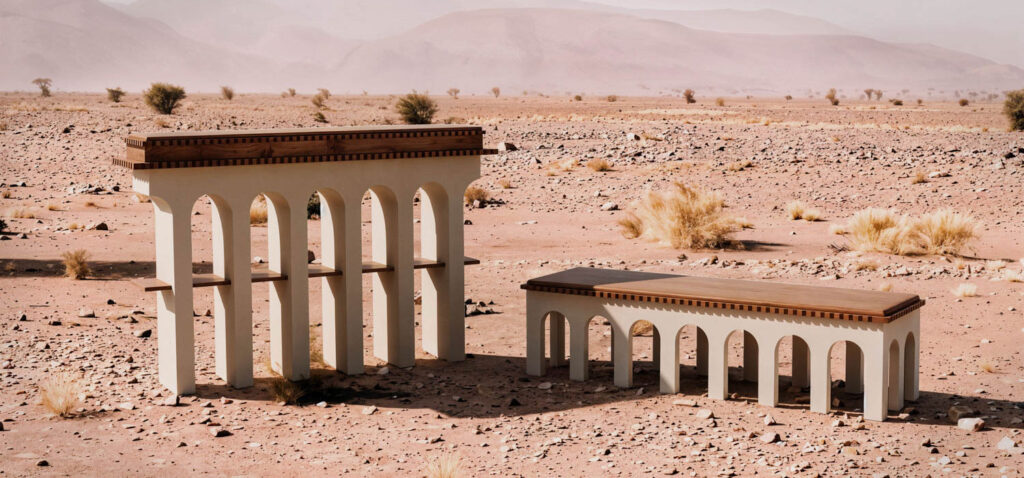
10 Highlights From Amman Design Week
Amman Design Week 2026 gathers a host of regional designers and architects under the theme ‘Accumulations.’