
Timeless By Design: Charlotte Perriand’s Modular Modernity Reimagined
Charlotte Perriand’s (1903–1999) belief that design must respond to human needs rather than impose rigid form remains urgent nearly a century after she collaborated with Le Corbusier and Pierre Jeanneret to redefine modern living. “Charlotte Perriand. L’Art d’habiter / The Art of Living,” on view at Kunstmuseen Krefeld in Germany through March 15, 2026, traces how she translated industrial materials and rational planning into warm, flexible spaces that adapt to daily rhythms. Drawn from reconstructions, archival models, and original prototypes, the exhibition reveals a designer who anticipated the seamless blending of work, rest, and domestic gathering that defines contemporary interiors.
From tubular-steel furniture to prefabricated alpine refuges and modular shelving, the show highlights her conviction that interiors must evolve with their inhabitants and social context. Her resurgence feels especially timely: Saint Laurent unveiled newly realized Perriand designs at Salone del Mobile this year, further extending her legacy into the present market. As designers confront shrinking footprints, shifting lifestyles and sustainability pressures, Perriand’s flexible systems and material clarity resonate less as historical precedent than as a blueprint for living today.
Trace Charlotte Perriand’s Design Legacy In This Exhibit
Early Industrial Modernism

Designed in 1928 by Le Corbusier, Pierre Jeanneret, and Charlotte Perriand, the Chaise Longue Basculante transformed leisure seating with its anatomical curve, adjustable cradle, and machine-age steel frame. Crafted for effortless recline and still produced today by Italian furniture brand Cassina, the piece endures as a modern icon, balancing industrial rigor with a radical commitment to bodily comfort.
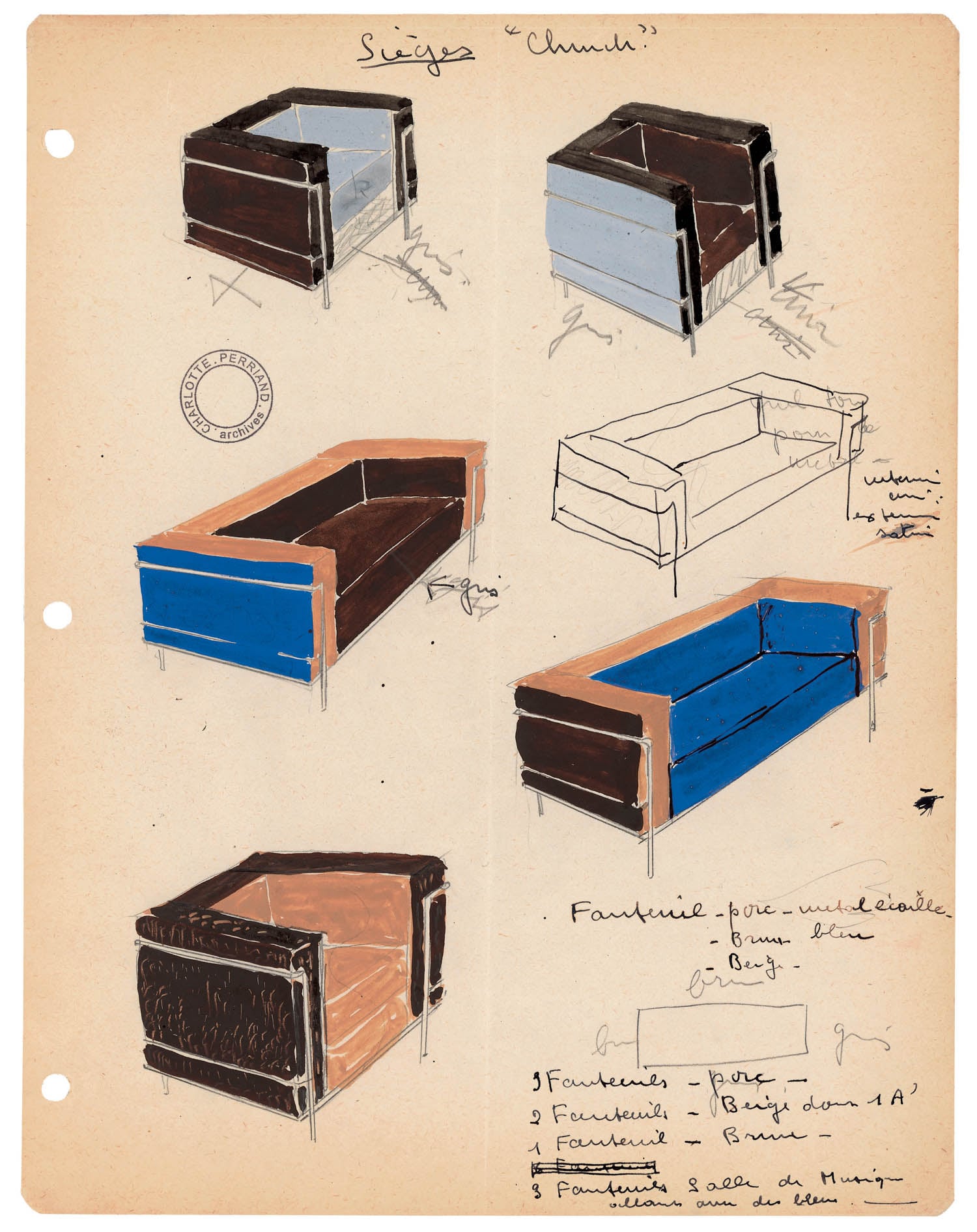
The Fauteuil grand confort highlights Perriand’s early embrace of industrial modernism, foregrounding functional clarity over ornament. Her designs reconceived the armchair as an engineered object built for comfort and movement, crystallizing a new template for modern seating.
Reinventing The Interior
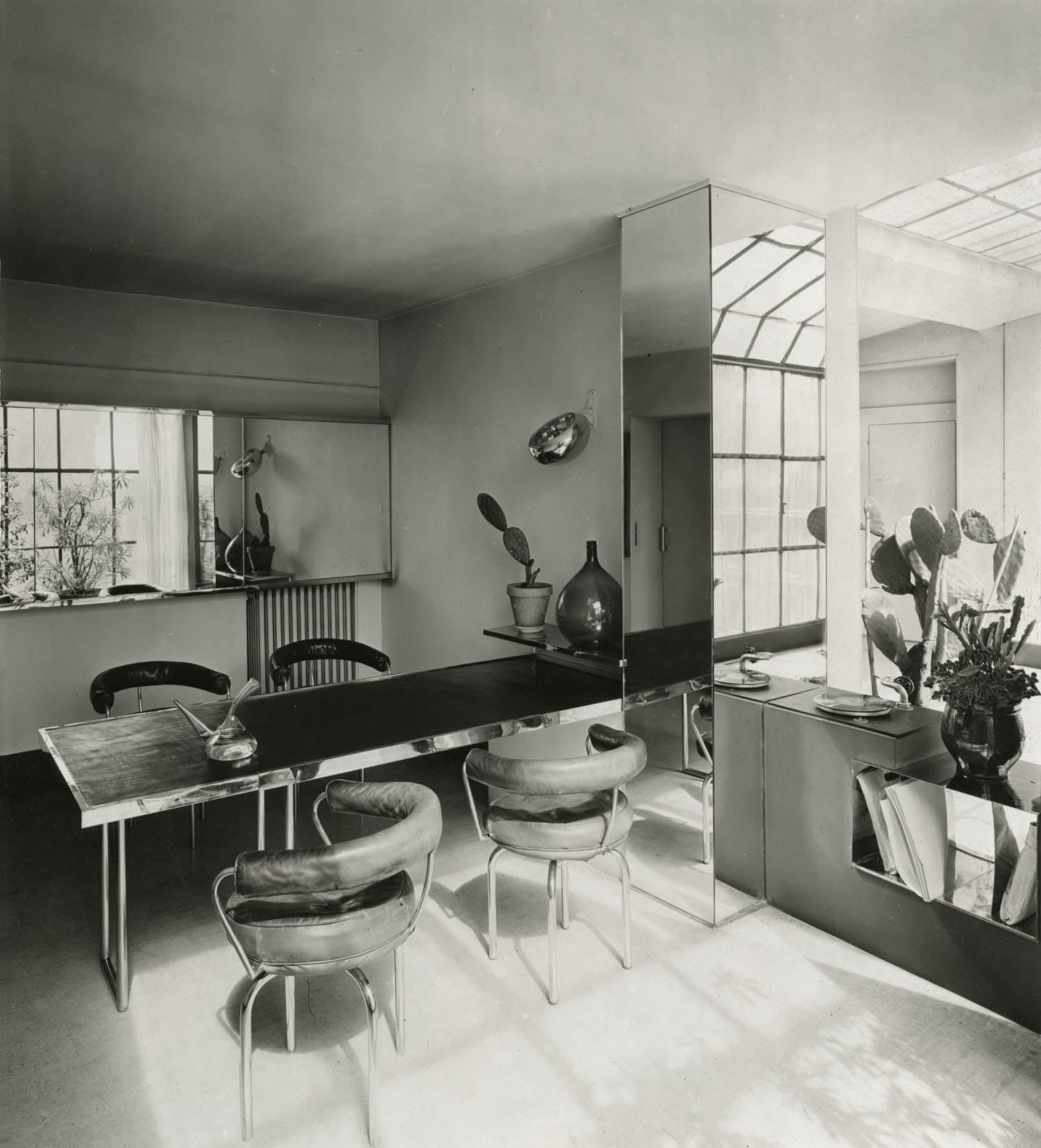
Perriand’s 1928 Salle à manger, Saint-Sulpice, unveiled at the Salon des Artistes Décorateurs, signaled her pivot to machine-age modernism with tubular steel, glass surfaces, and rigorously composed spatial sequences. The dining room articulated a new vision of coordinated domestic space, positioning Perriand as a driving force behind modern interior systems.
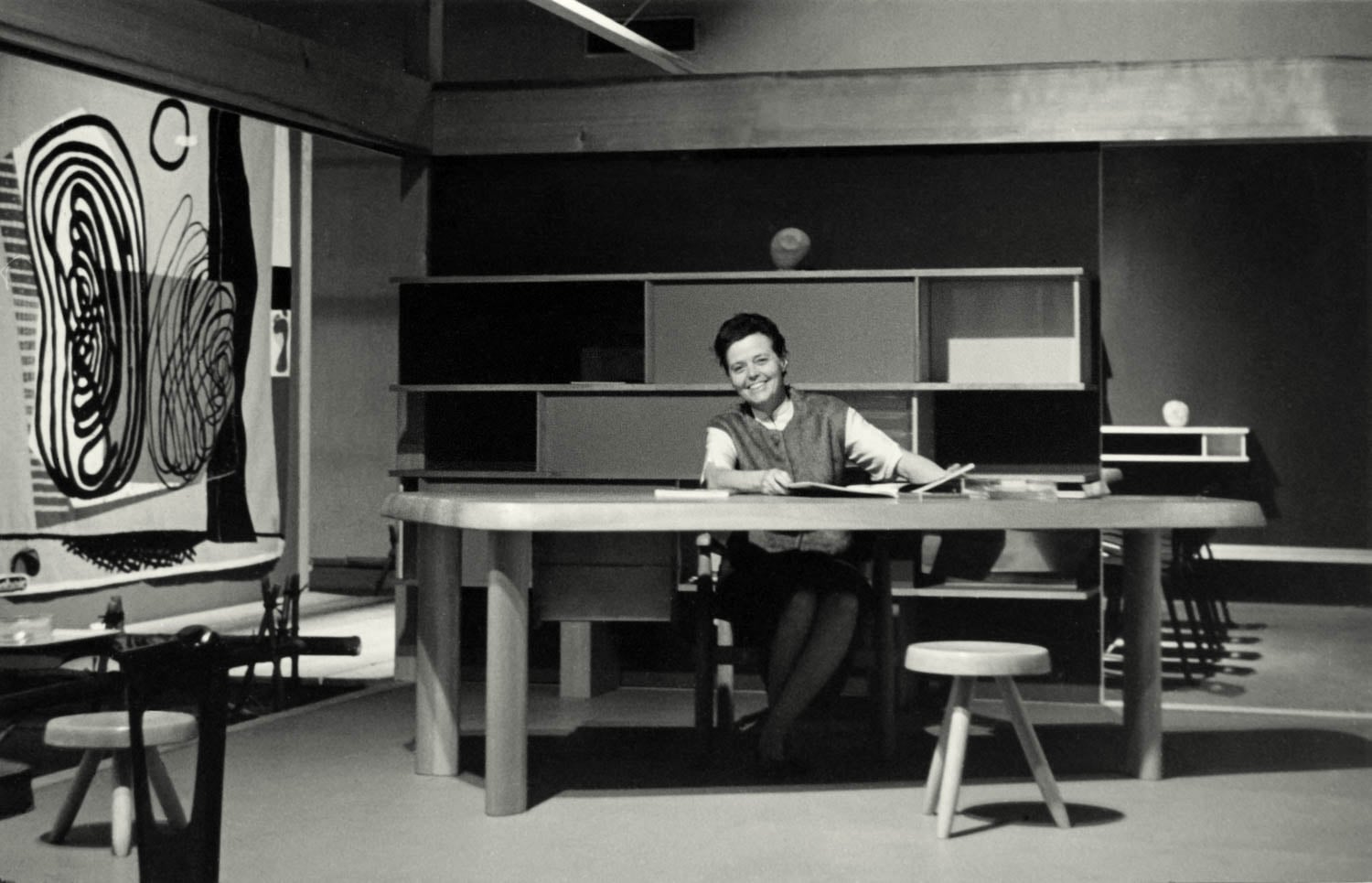
A meticulous reconstruction of the 1929 Salon d’Automne interior—realized in partnership with Cassina, the authorized producer of many Perriand icons including the Chaise Longue Basculante, Nuage shelving, and Ventaglio table—spotlights her belief that domestic space should flex with its inhabitants through modular surfaces and mobile elements.
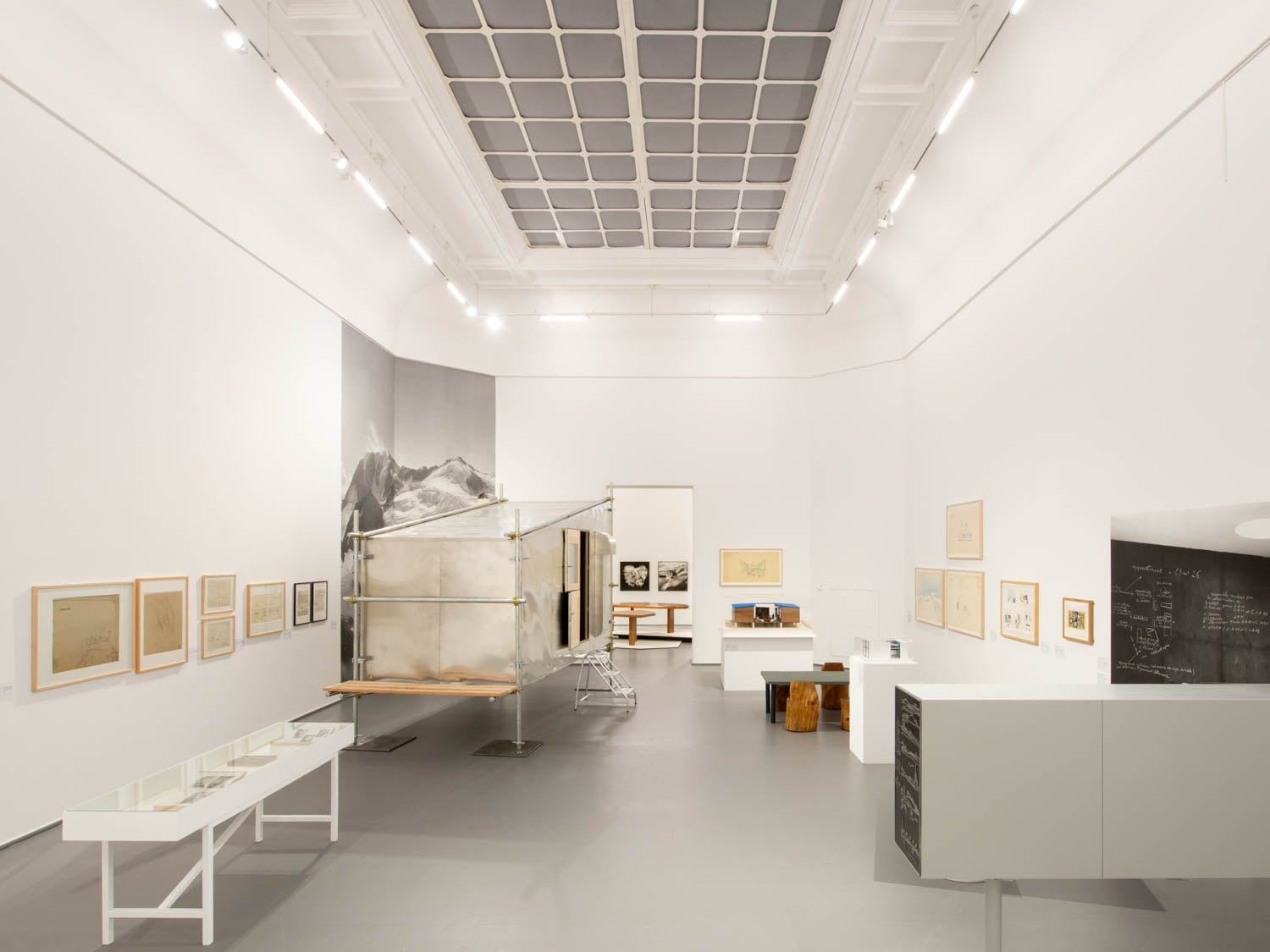
Perriand’s Refuge Bivouac (1938/39) on Mont Joly pushed her modernist vocabulary into the alpine landscape, testing modular construction and prefabricated assembly in extreme conditions she knew firsthand as an avid skier and mountaineer. Compact, transportable, and communal at its core, the shelter anticipates today’s micro-architecture and underscores her belief that design must respond directly to human needs.
Modularity As Architecture
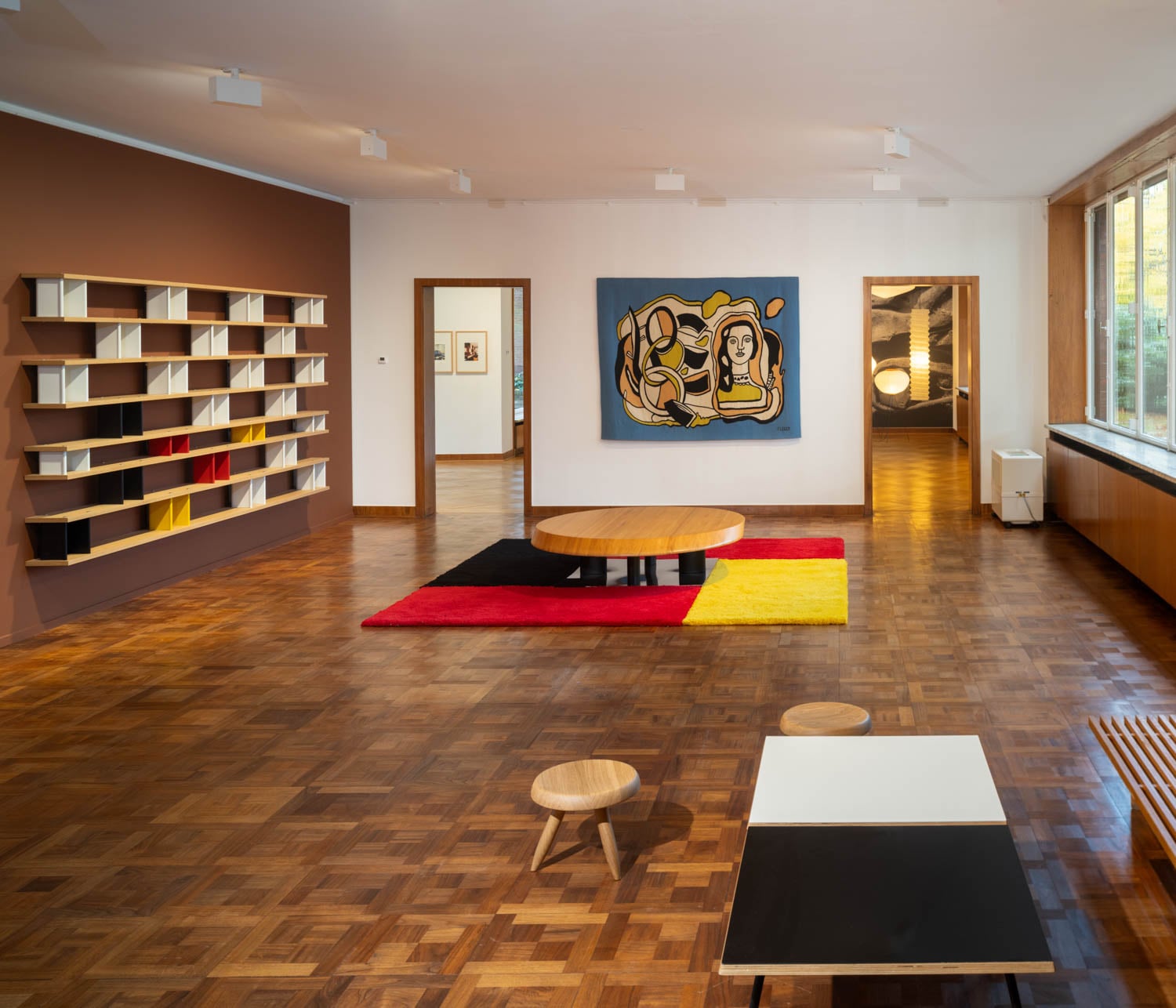
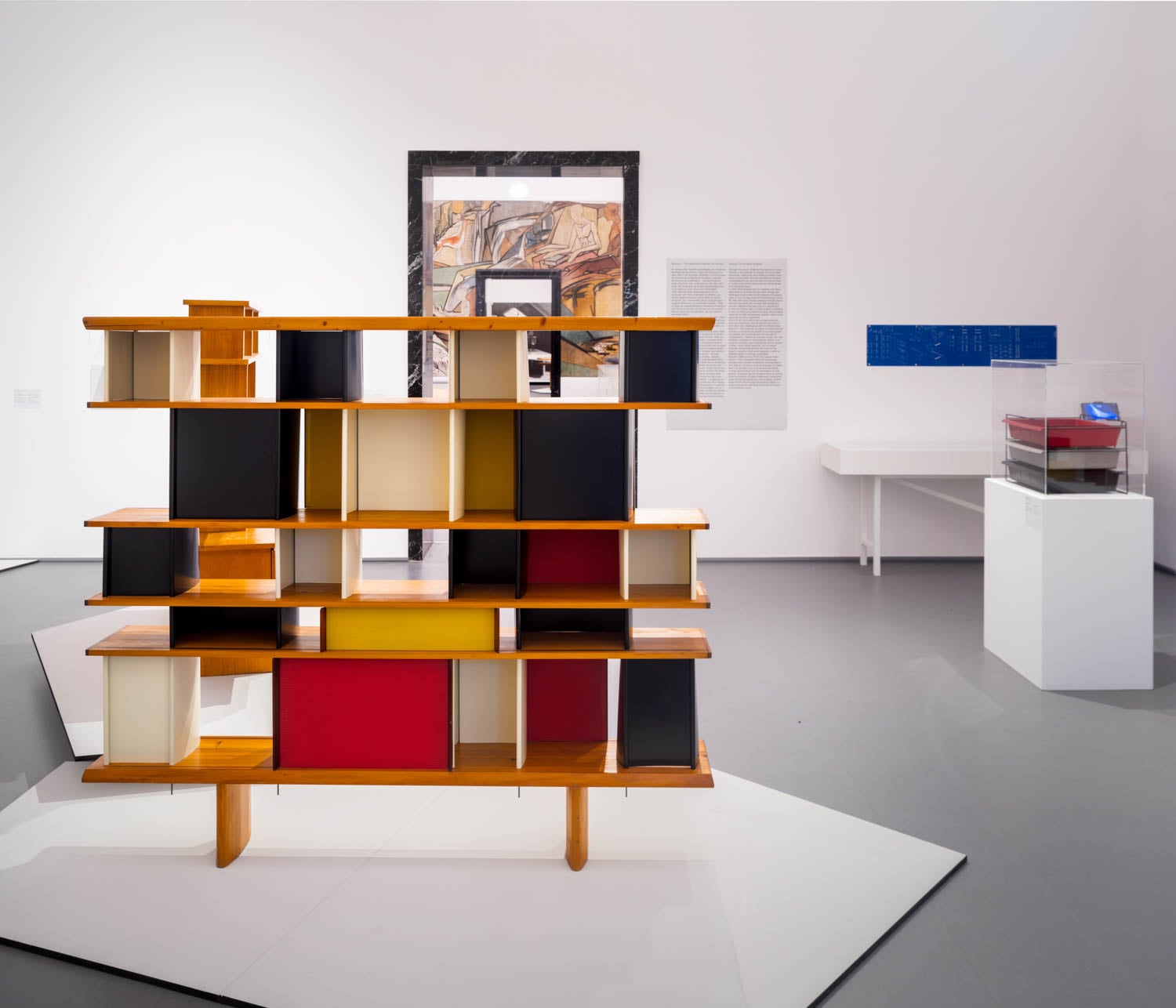
Perriand’s Nuage shelving evolved through multiple iterations, defining a highly flexible system of shifting open and closed units that can stretch across walls or seemingly float in space. Its asymmetrical rhythm and lifted footprint transform storage into an architectural gesture—lightening the room while offering endlessly reconfigurable compositions.
Where Nuage reads as an architectural system that floats across the wall, opening endless configurations, the Mexique bookcase stands as a self-contained object with a rhythmic, sculptural presence. Its fixed vertical frame occupies space rather than dissolving into it, asserting furniture as form instead of infrastructure.
Furniture As Living Infrastructure
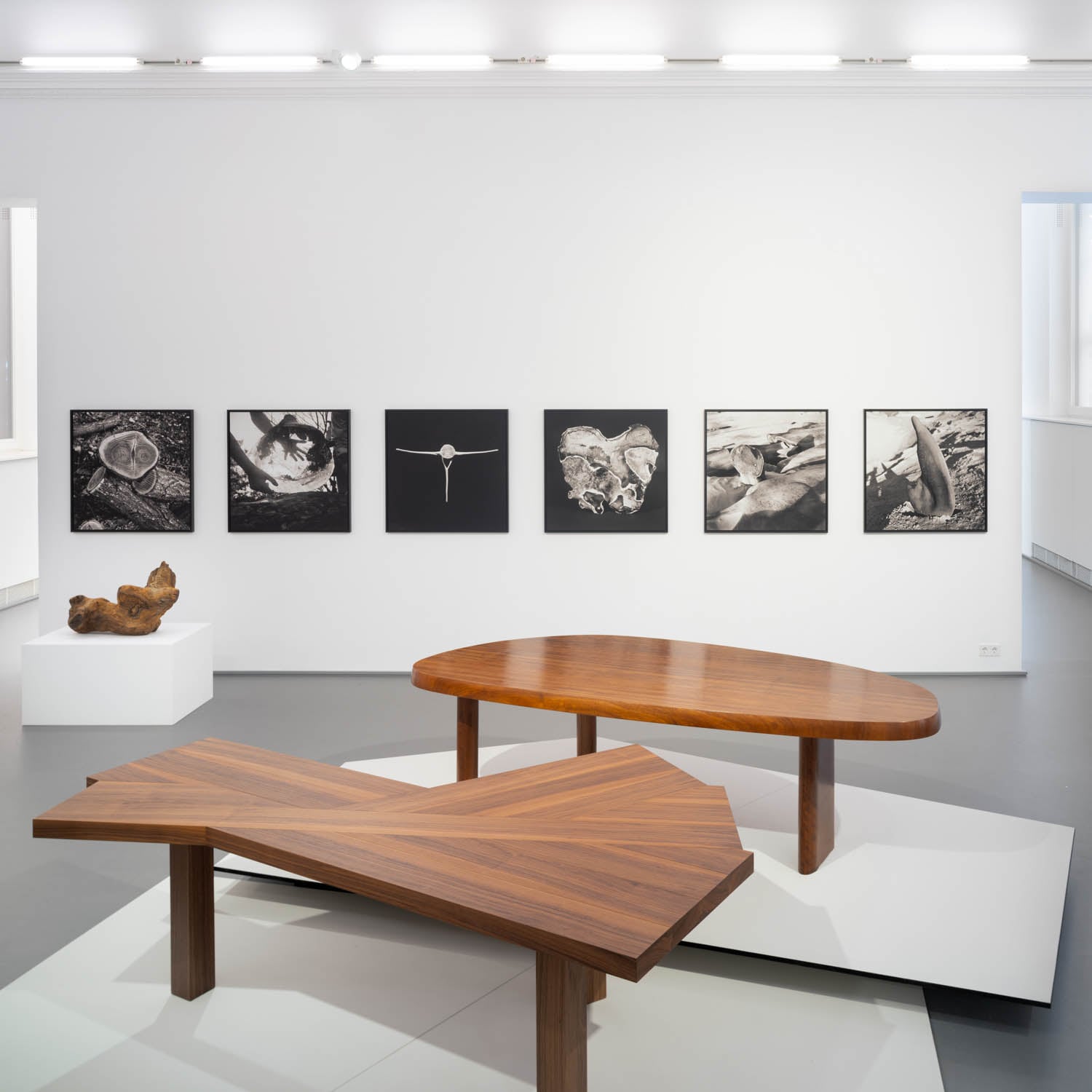
In 1972, Perriand developed the Ventaglio table for Cassina, engineering fan-like articulated segments that expand and contract with ease. The design reflects her ongoing pursuit of adaptable living, transforming the dining surface into an expansive social gathering point. Her free-form Leaf table (1953) achieved €138,600 (approx. $150,000 USD) at Christie’s Paris in May 2025, underscoring sustained market demand for her nature-inflected forms.
Highlights From This Exhibit Showcasing Charlotte Perrirand’s Work
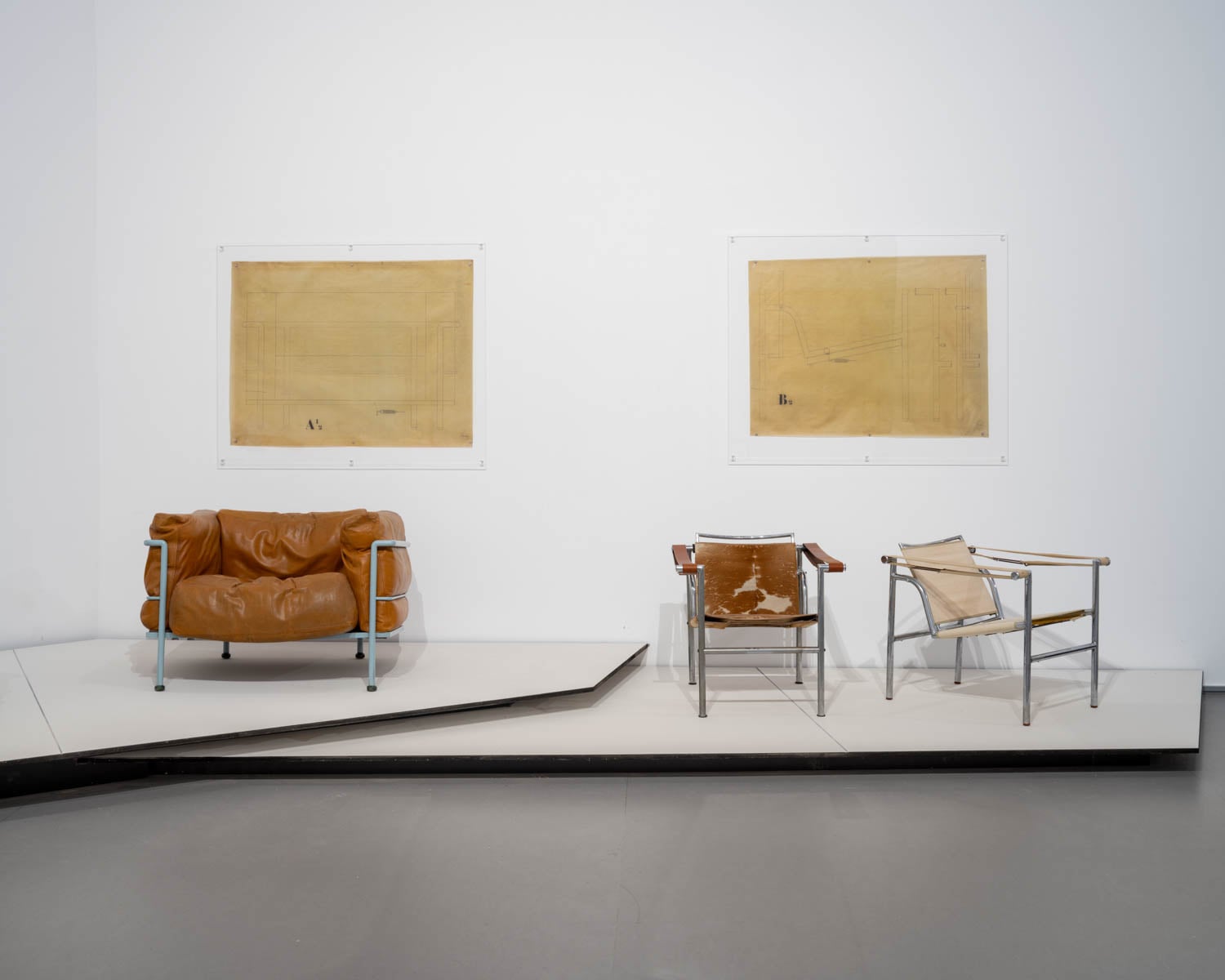
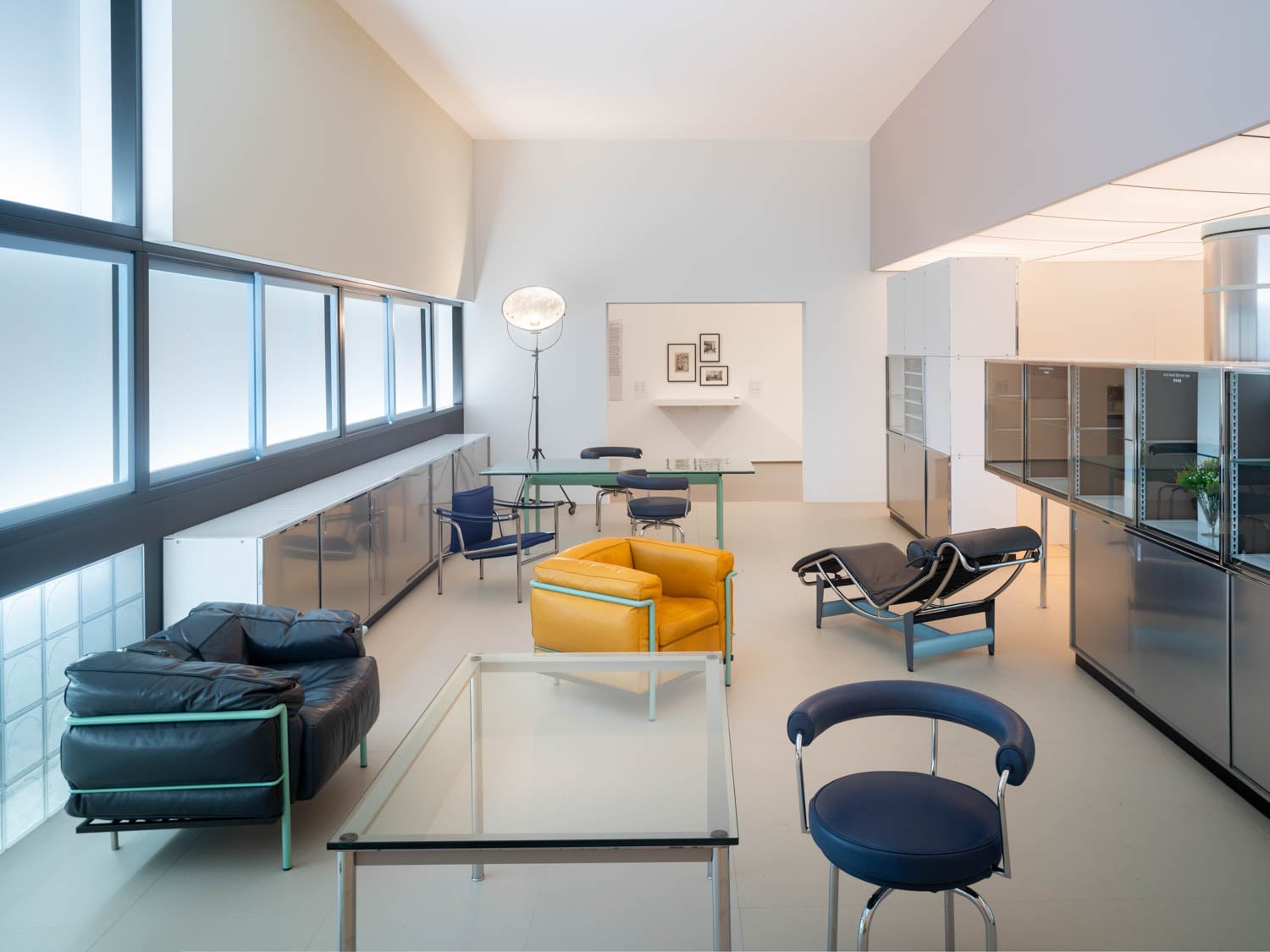
“Charlotte Perriand. L’Art d’habiter / The Art of Living” is on view through March 15, 2026, at Kunstmuseen Krefeld in Germany, spotlighting the modernist pioneer’s lasting influence on contemporary living.
read more

DesignWire
Designers And Manufacturers On The Move: September 2026 Edition
Interior Design‘s latest On the Move includes must-know industry promotions and hires, like Perkins&Will’s strategic move to expand its design capabilities.
DesignWire
10 Questions With… Artist and Designer Conie Vallese
From sculpture and ceramics to glass, textiles, and furniture, Conie Vallese embraces a multidisciplinary practice shaped by curiosity and creativity.