
Creative Voices: The Design Duo Behind Formafantasma
Simone Farresin and Andrea Trimarchi are among the most inquisitive and intellectually rigorous Italian designers working today. Everything that enters their orbit is meticulously examined, questioned, and then artfully reimagined for the benefit of both people and the planet. Born in Emilia-Romagna and Sicily, respectively, the two met as students at Florence’s Istituto Superiore per le Industrie Artistiche. After earning master’s degrees at Design Academy Eindhoven in the Netherlands—where they led the GEO-Design department until 2023—they founded Formafantasma in 2009, their Milan-based studio distinguished by the curiosity, playfulness, and borderline obsession it brings to every project.
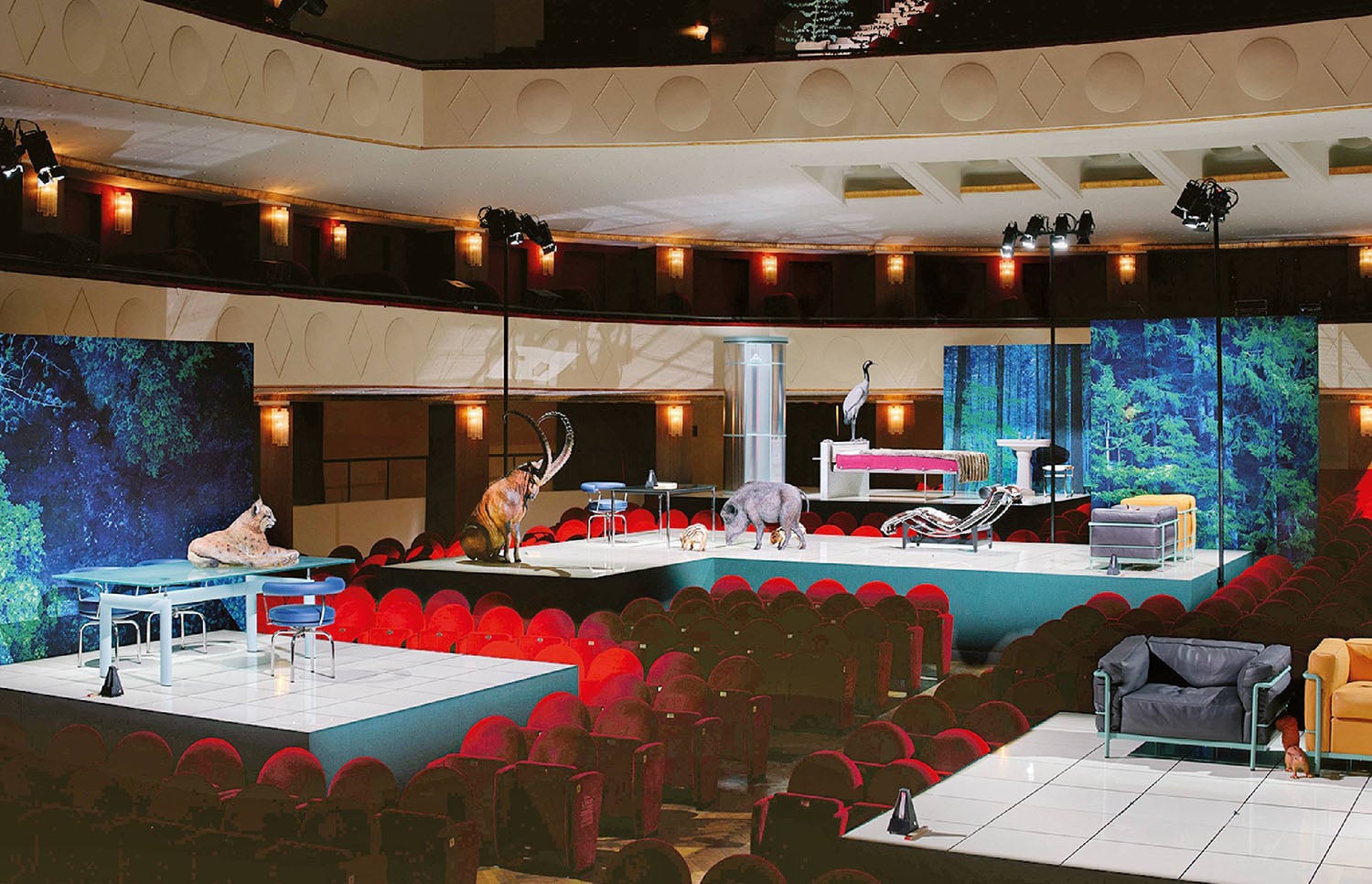
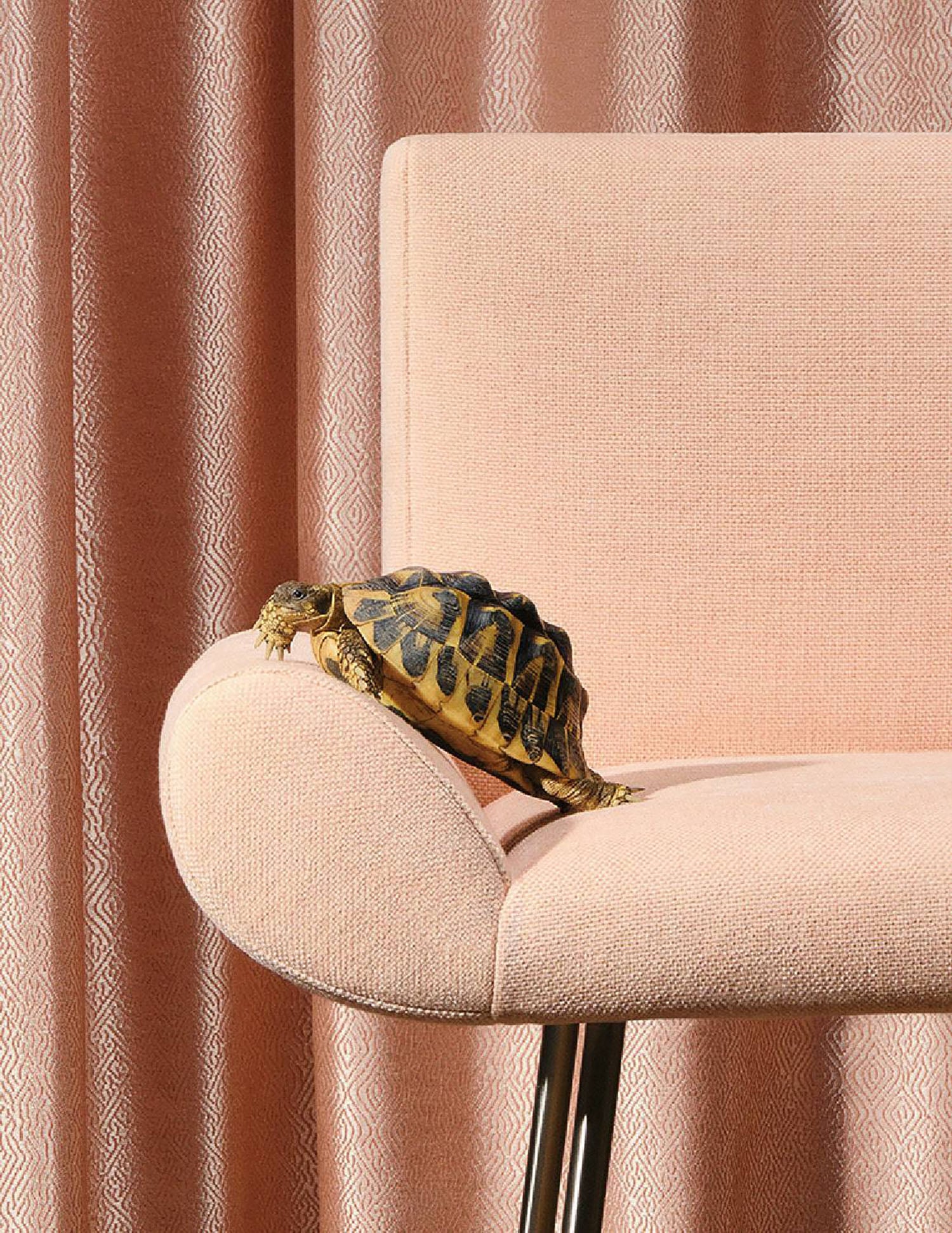
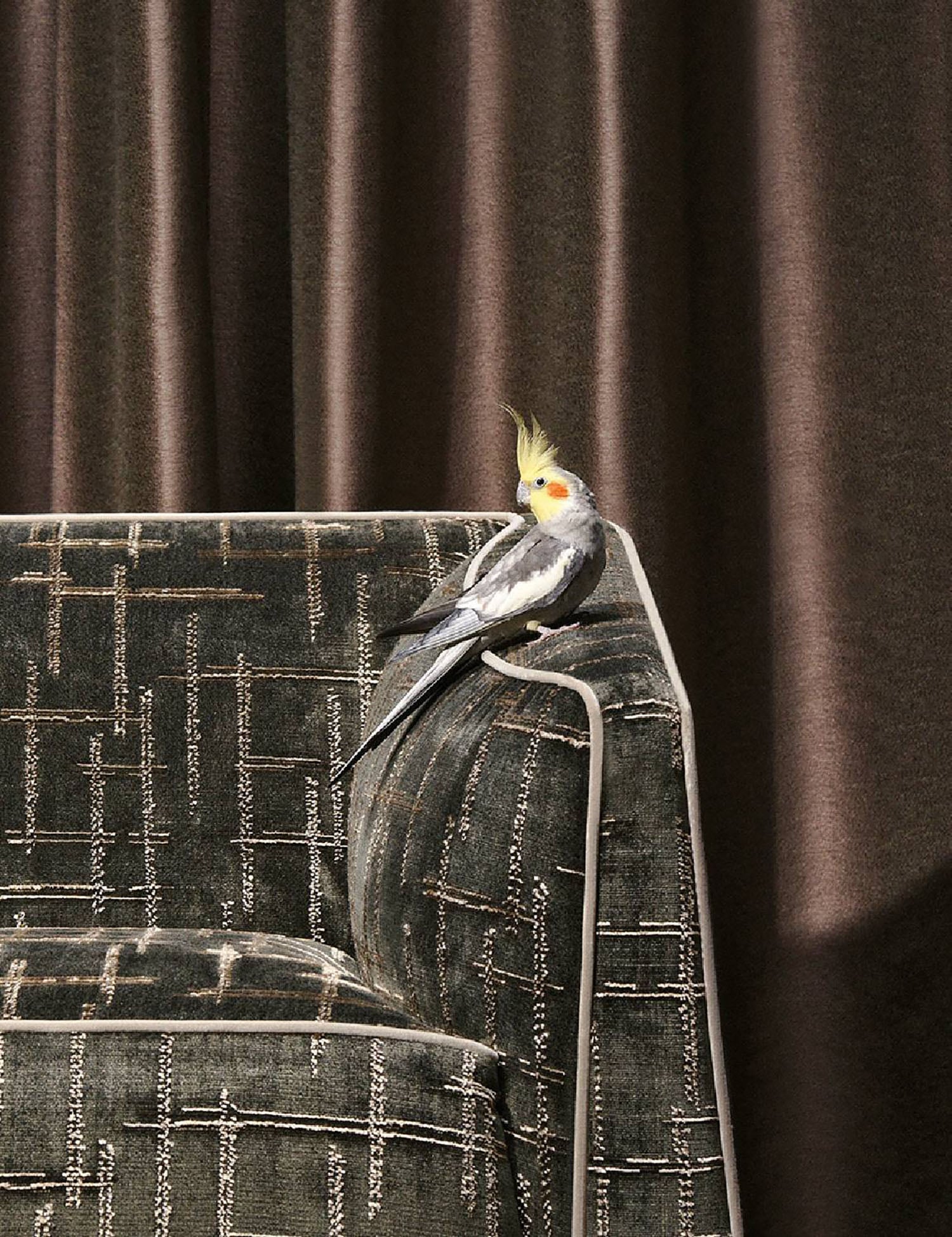
The studio’s name was inescapable during Milan Design Week 2025, from the Drafting Futures Arena, a dedicated discussion space at the Salone del Mobile, to a performance-based exhibition for Cassina at a theater in the city center. Formafantasma’s ongoing collaborations with heritage Italian brands like Prada and Rubelli also extend far beyond product collections, unearthing and expressing the DNA of these historic companies. A recent fascination with the relationship between domesticity and modernity, and its legacy across contemporary systems and production, has also guided the firm’s commercial work for Artek and Vitra as well as collectible design for the gallery Friedman Benda. Throughout the duo’s practice, however, they’re always careful to avoid clichés.
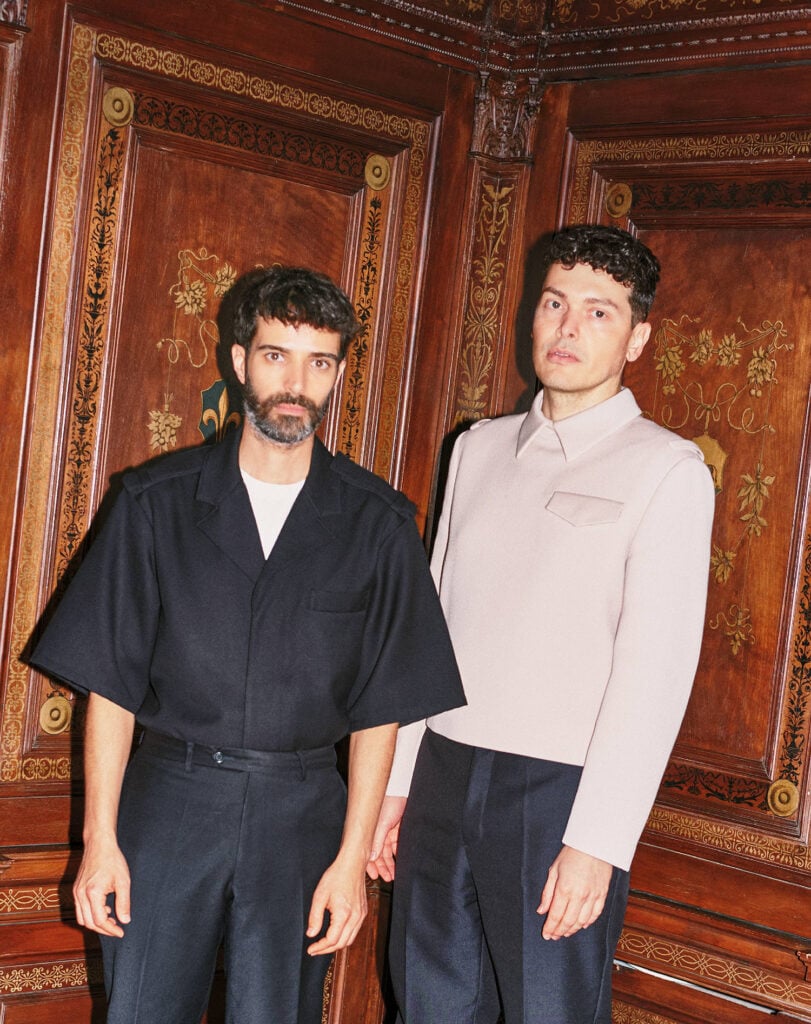
For example, Farresin and Trimarchi’s deep sense of care for the environment has driven painstaking technical research into easily repairable modular lighting and spurred imaginative literature aimed at educating the next generation on climate issues. Their approach eschews typical “corporate sustainability,” and instead aims to redefine the cultural structures that shape our economy and production. We spoke to them recently about project highlights from the last year.
Formafantasma Cofounders Talk Design, Collaboration, and More
Interior Design: Which have been particularly exciting projects for you over the past year?
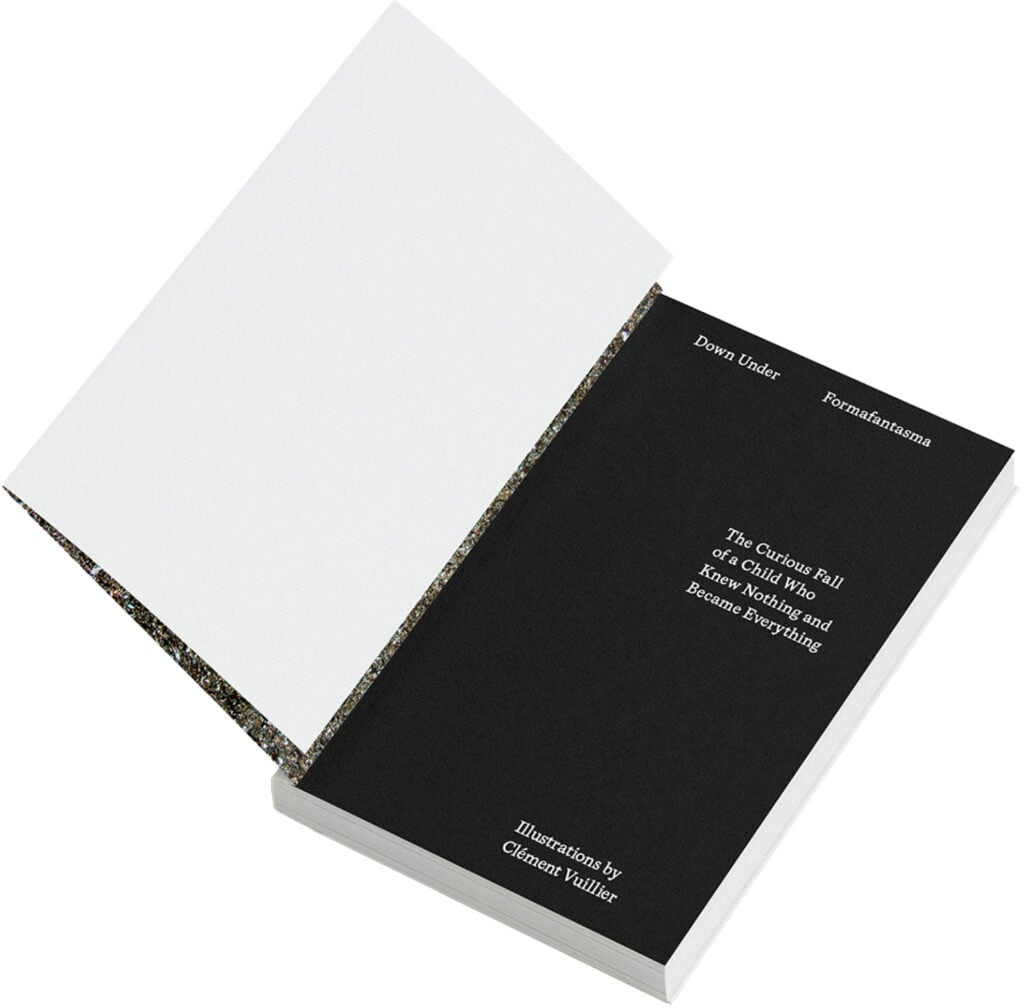
Simone Farresin: The ongoing “Prada Frames” talks series has become something we truly enjoy. It’s rare to work with a brand where you can do something consistent, thoughtful, and genuinely engaging. It allows us to focus deeply on subjects we care about. Cassina’s “Staging Modernity” was both peculiar and adventurous for us—intellectually stimulating and aligned with the brand’s objectives. On a smaller scale, we developed a children’s publication, Down Under. It may not have had the same budget as the others, but it allowed us to explore our interests in a new and meaningful way.

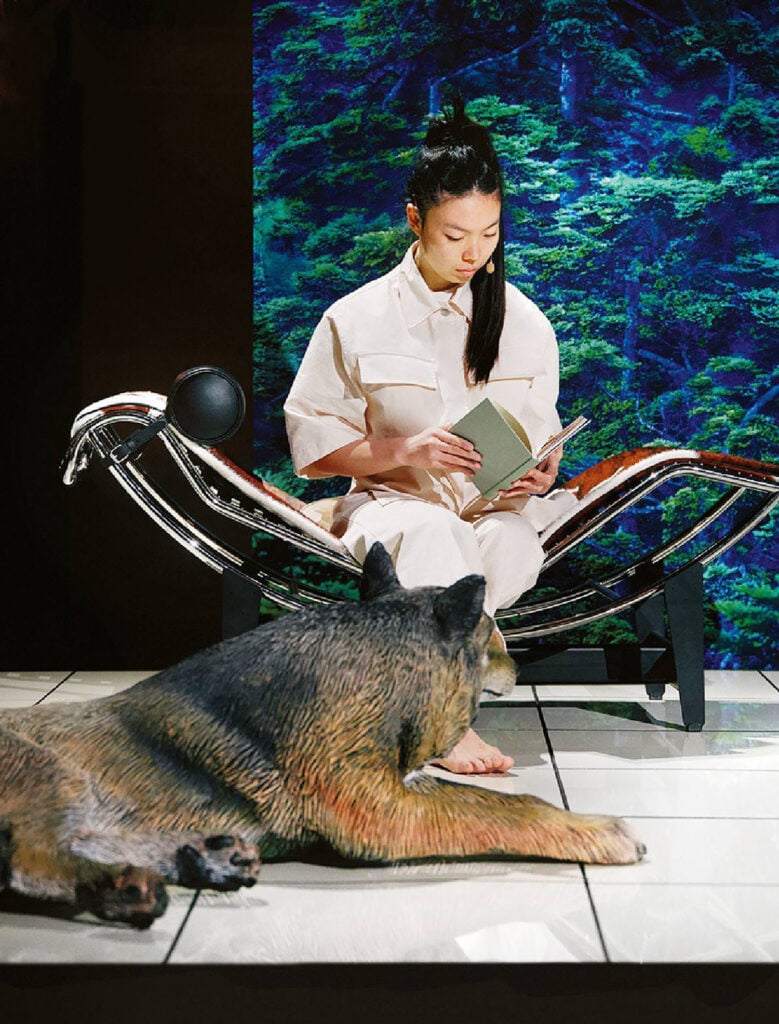
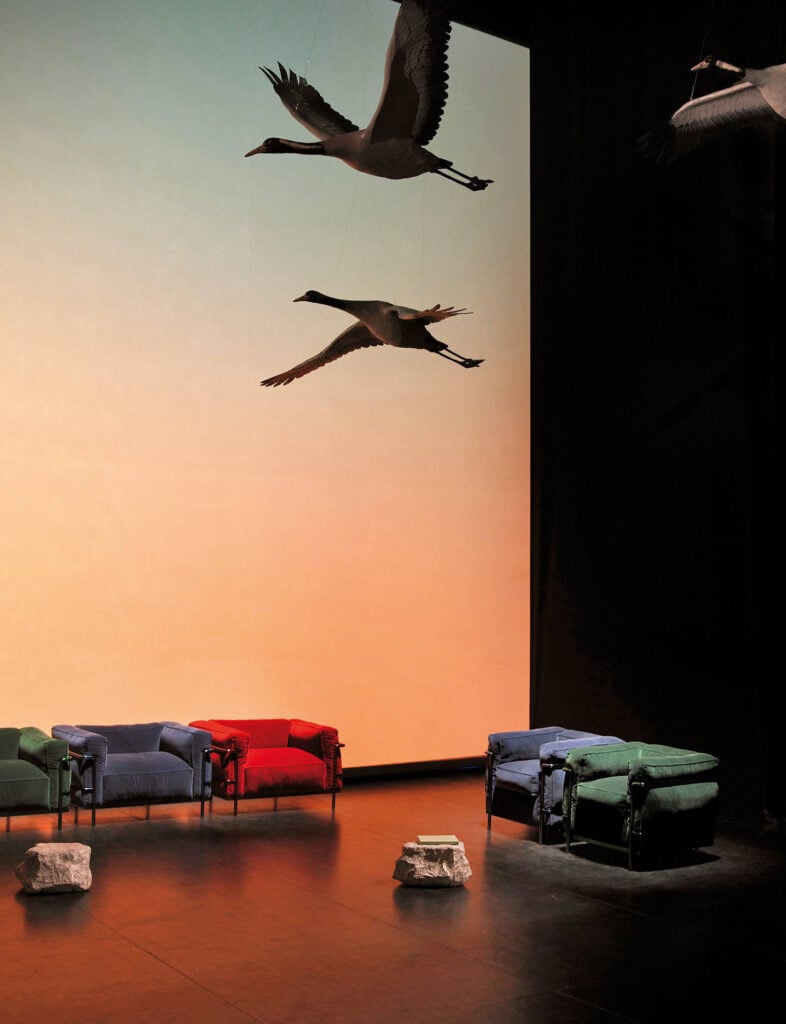
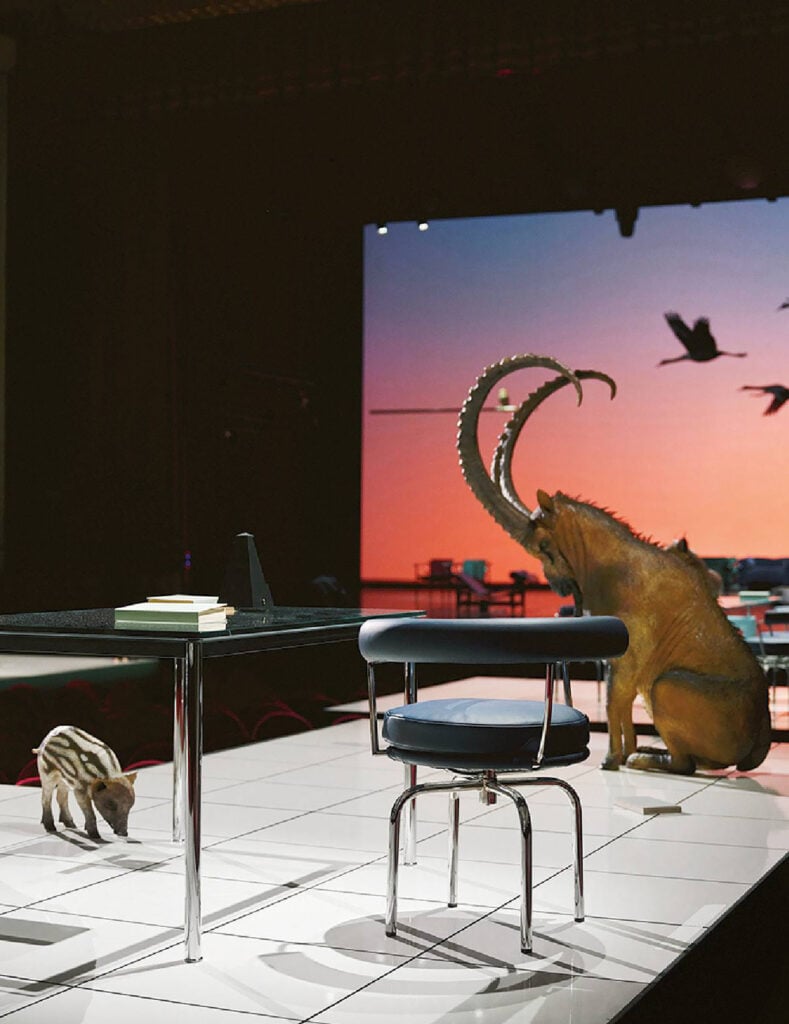
ID: “Staging Modernity” was an unusual theatrical presentation marking the 60th anniversary of Cassina producing works by Le Corbusier, Pierre Jeanneret, and Charlotte Perriand. How did you conceptualize it?
SF: We believe the past should always be viewed critically, which doesn’t mean dismissively. The work of Perriand and Corbusier is incredible, but it’s still a product of its time. It’s interesting to reinterpret that through contemporary lenses—ecological, cultural, and philosophical. During Milan Design Week, we feel a responsibility to honor the spaces we occupy. That led to a performance in a theater instead of a conventional installation. The format let us explore the relationship between bodies and chairs—not literally, but as a way to deconstruct icons of modernism. We involved thinkers and writers we admire: Emanuele Coccia, Andrés Jaque, and Feifei Zhou. At a certain point, we handed it over to director Fabio Cherstich to respond to our ideas. It was nerve-racking but beautiful to let it go. The result was surprising in the best way—unpredictable, collaborative, alive.
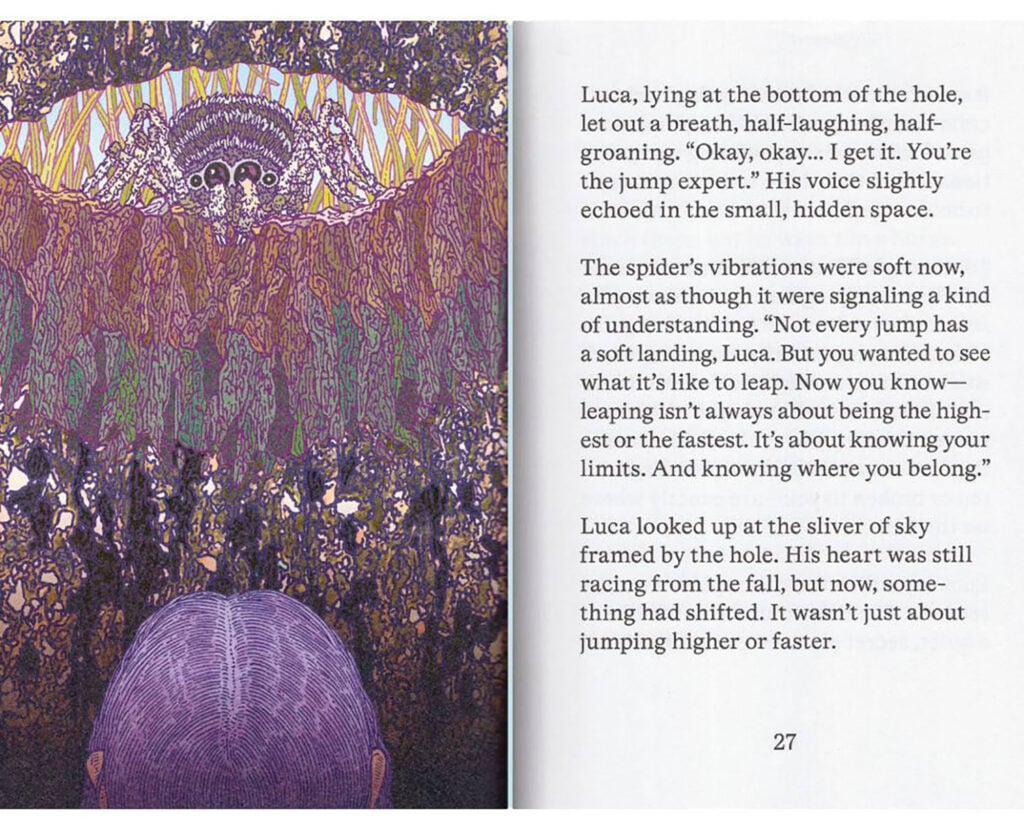
ID: How did the Down Under book take shape, and why is educating young people about environmentalism important to you?
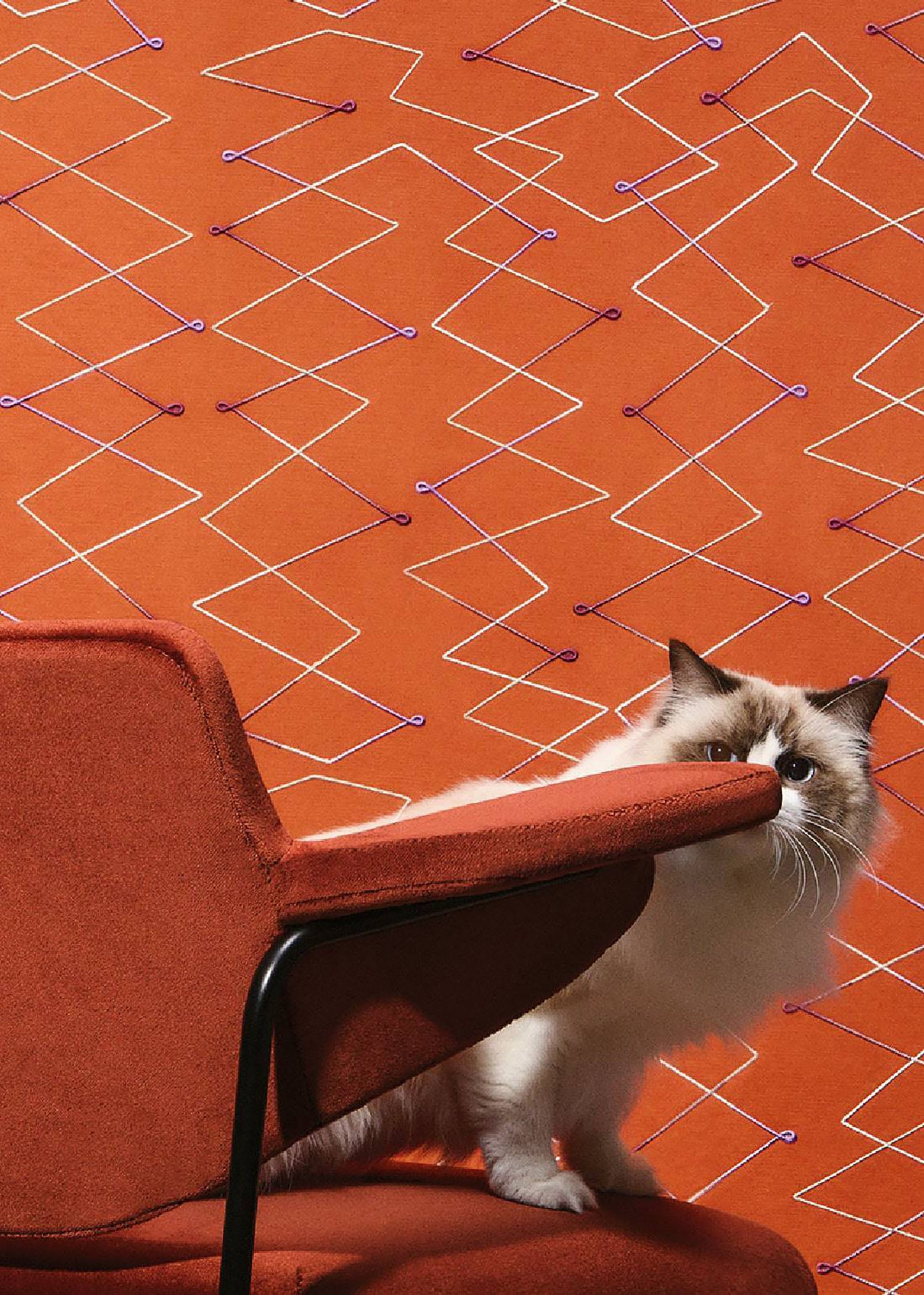
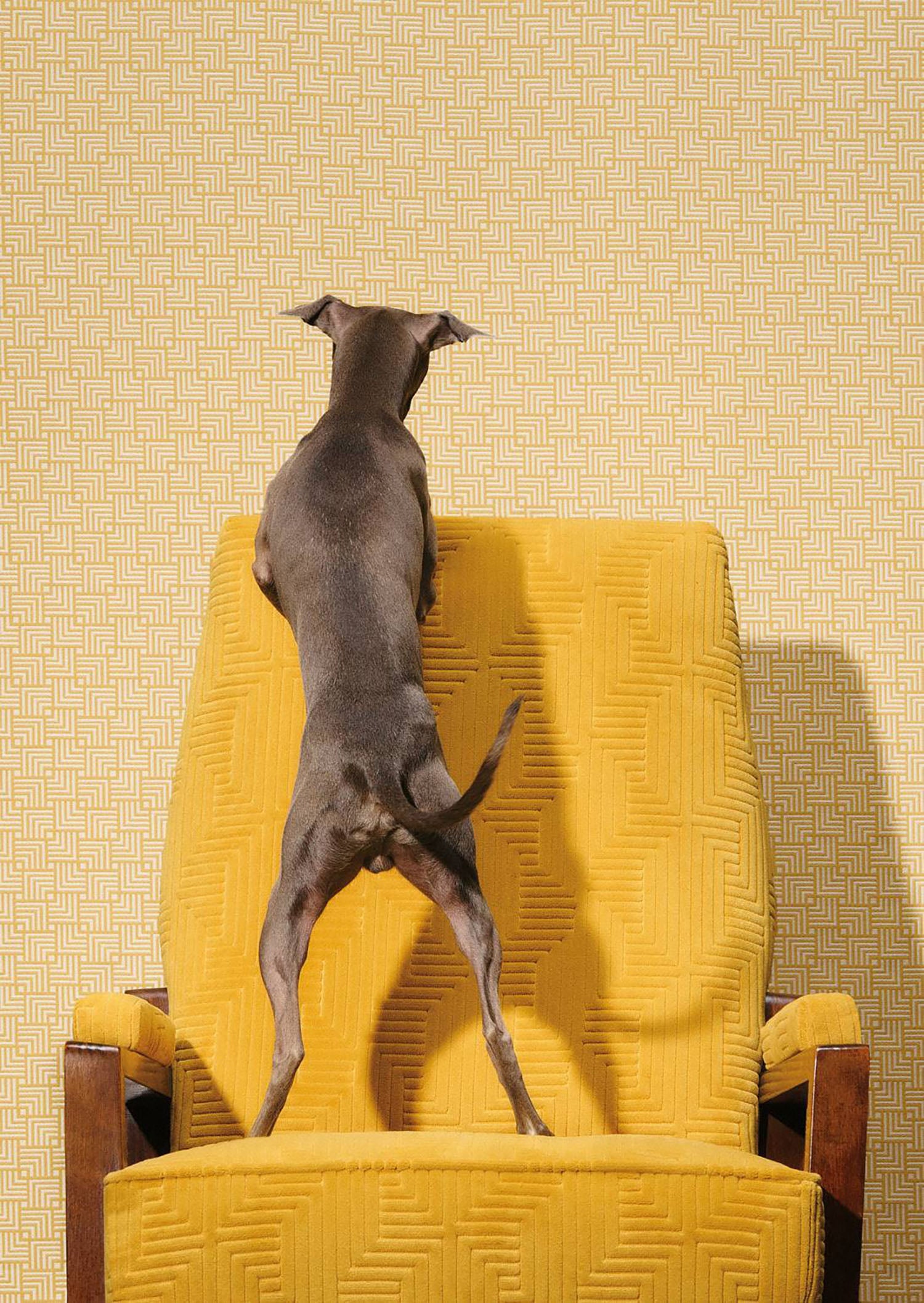
Andrea Trimarchi: We were looking to make something serious and respectful, not patronizing. We all had those books as children that seemed boring at first but became fascinating later—that’s the feeling we sought. True change requires rethinking today’s worldview, and education is where that begins. It’s meant to be transgenerational—something adults can learn from, too. It’s personal, even playful, with stories that reflect our own perspectives—and even include our dog!
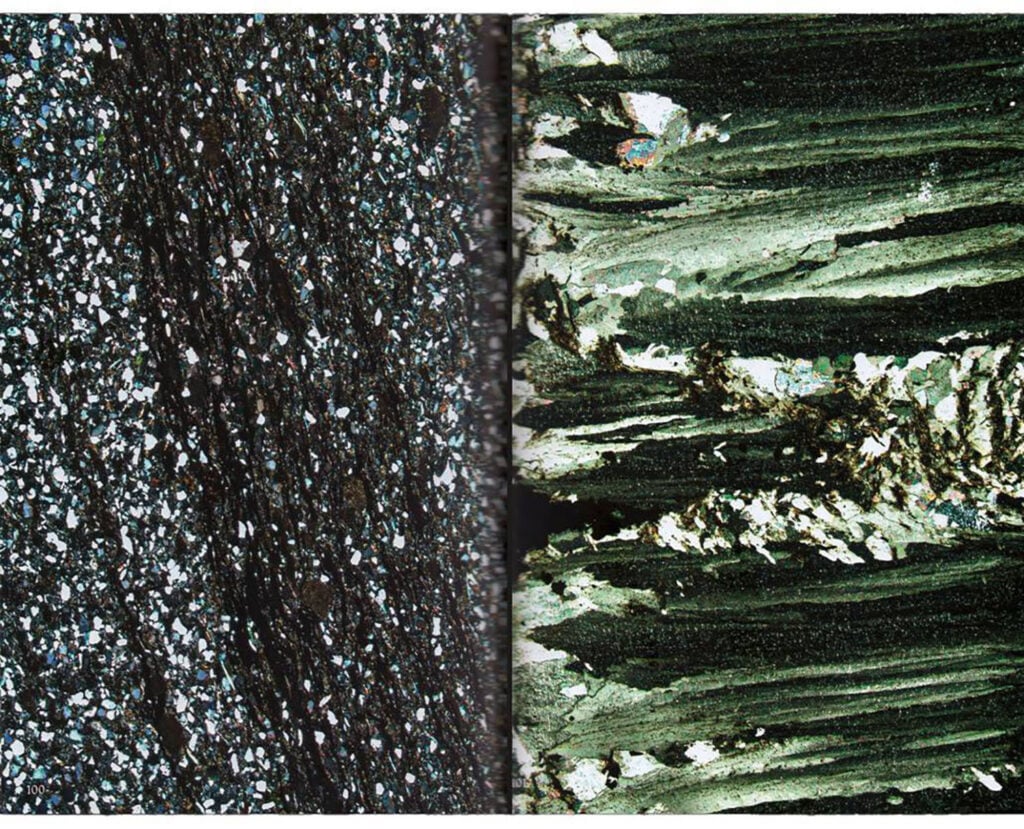
ID: Tell us about your “Formation” exhibition of furniture and lighting with Friedman Benda gallery in New York.
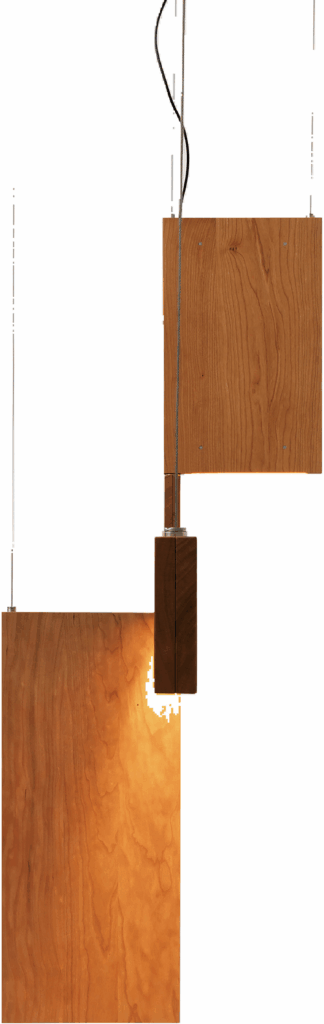
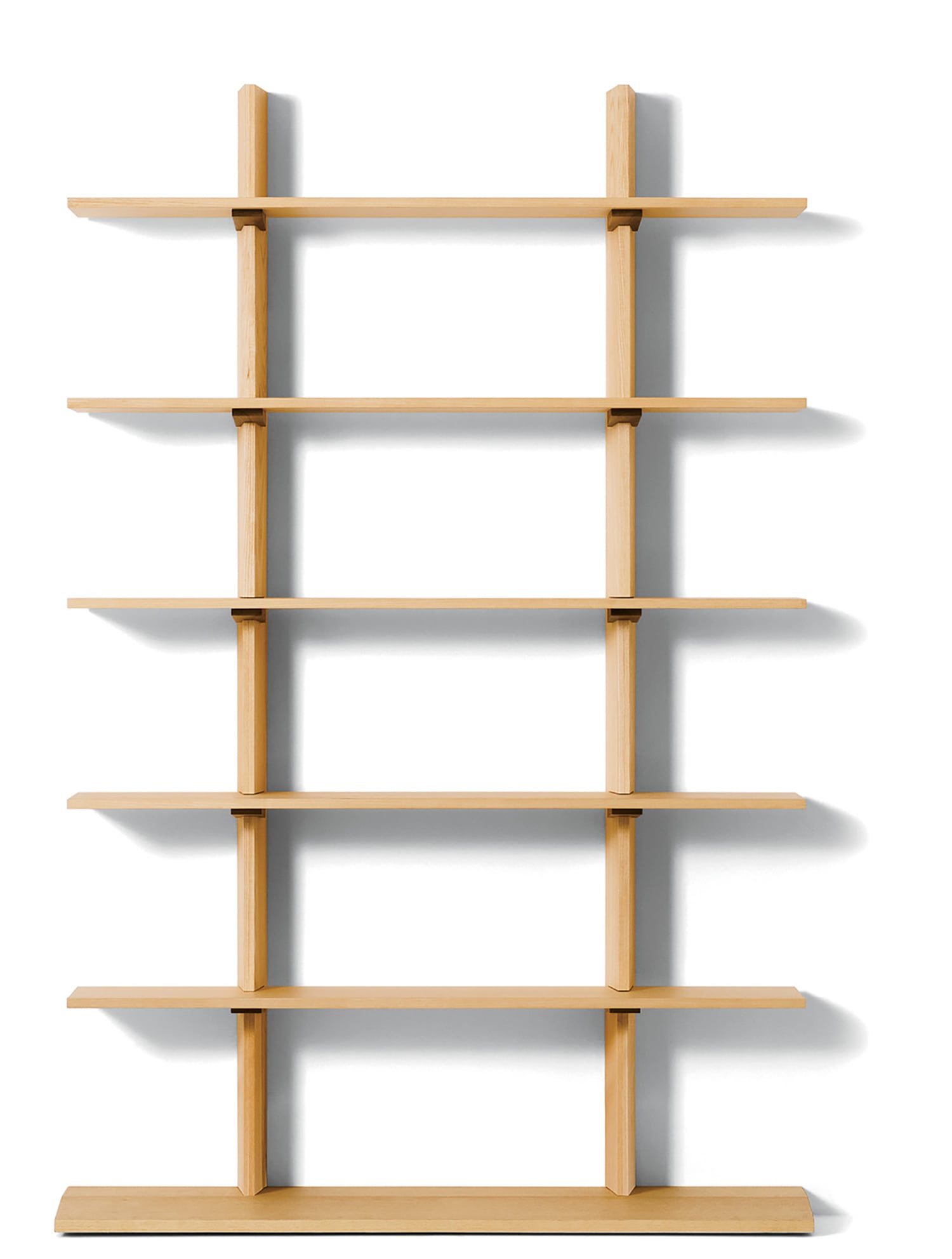
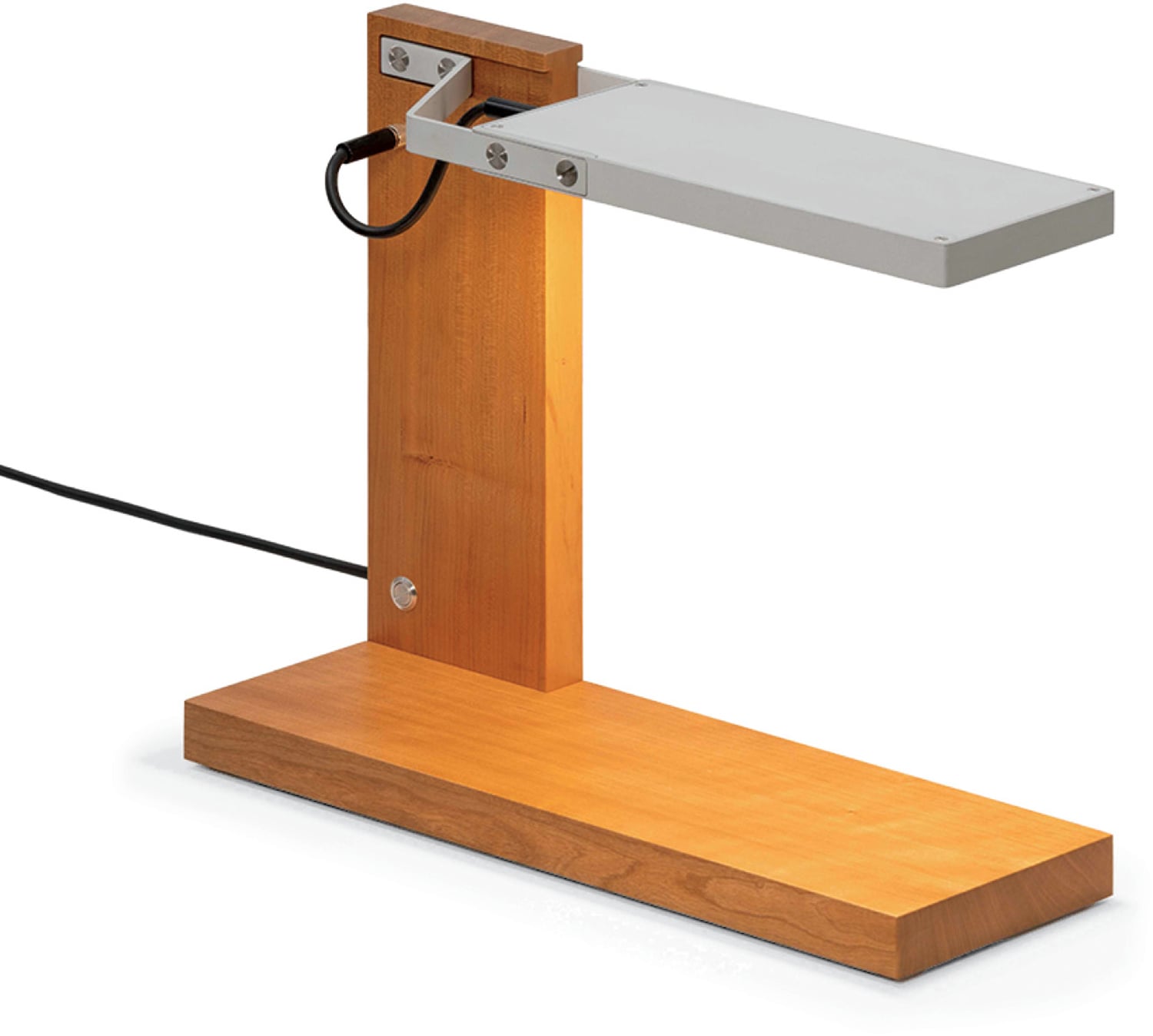
AT: Marc Benda asked us to think about “archetypes,” so we looked at laptops to inform lighting proportions, and the “plank” as a timeless construction element. More importantly, we asked what it means to design for a gallery today. We didn’t want to make amorphous, overly expressive “gallery pieces”—the kind of blobby forms that have become clichés. Instead, we aimed for something rigorous, thoughtful, and expressive in a quieter way. You don’t need a strange form to make something meaningful.
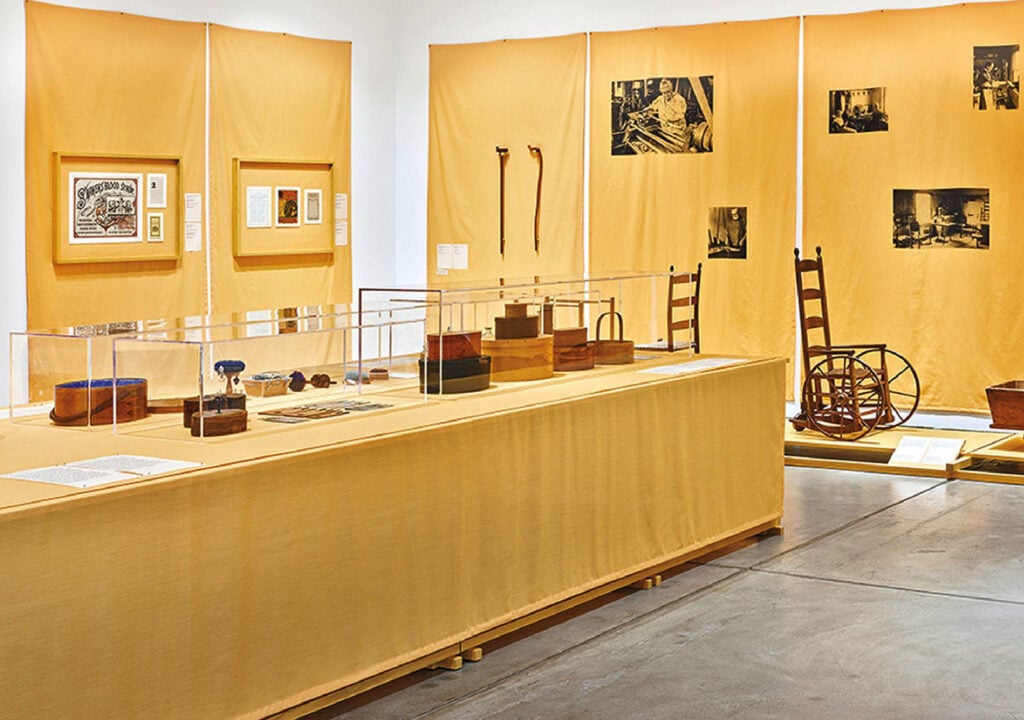
ID: What was your approach for “The Shakers: A World in the Making” at Germany’s Vitra Design Museum this summer?
SF: We’ve always loved the Shakers, but this project let us go beyond the iconic furniture to consider its inherently female-oriented origins. We were drawn to the idea of textile labor—the everyday work of ironing, folding, and caring for linens. That became the basis for the exhibition: using modules derived from tablecloths and bed linens in simple gestures, such as hanging cloth on string to define space. We wanted it to feel deconstructed, almost like a toolkit that could be folded away, rather than a heavily designed installation.
ID: You’ve been working extensively with Flos lighting. What’s your latest collaboration?
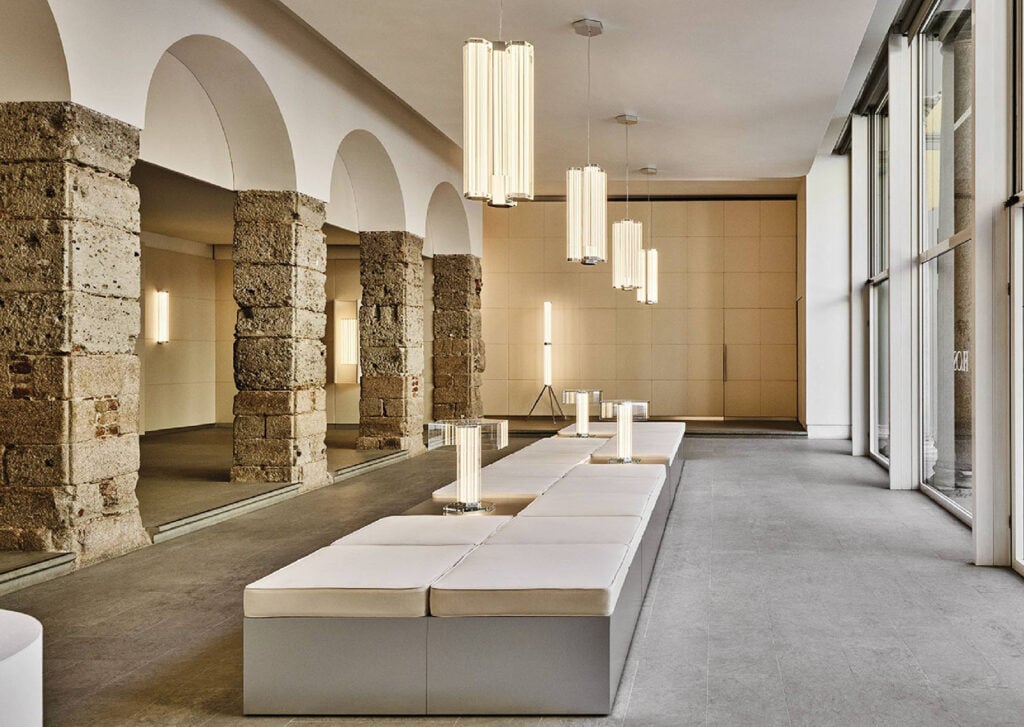
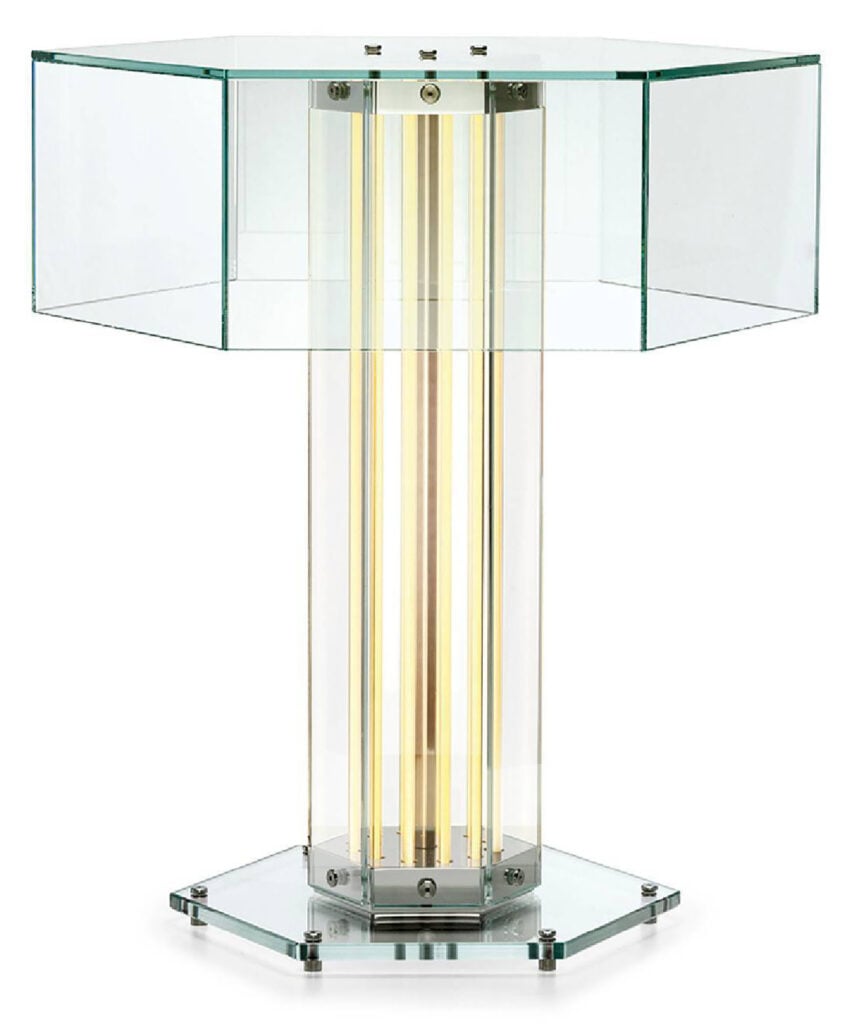
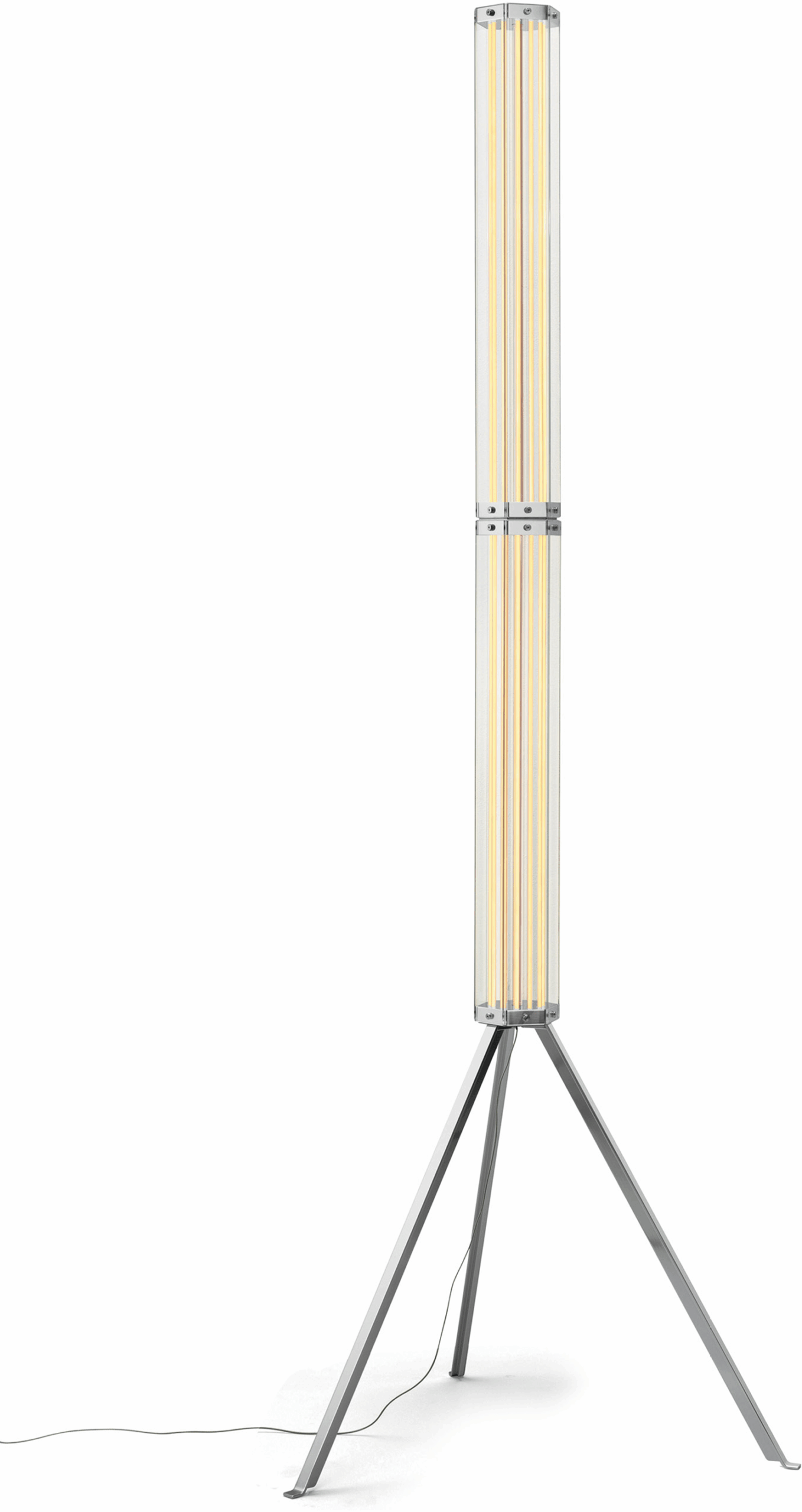
SF: SuperWire, one of the industrial projects we’re most proud of. It took four years to develop. The most innovative aspect is that users can repair or replace the LEDs themselves—something rare in contemporary lighting. The technology is unique, using elongated light sources instead of standard strips, and the design evolved naturally from that. The objects have a slightly architectural look, with many visible screws, which we like because they feel both forward-looking and familiar. It’s about transparency and circularity.
ID: What themes or ideas do you want to explore next?
AT: We’re increasingly interested in influencing production systems rather than just designing products. We’re still fascinated by modernity—maybe even obsessed—and how its values continue to shape our thinking. We want to keep exploring what modernism erased, especially in relation to domesticity. And internally, we’re rethinking how our studio operates, making space for self-initiated research so it doesn’t get overshadowed by commercial work. Finding that balance is our next big goal.
- No tags selected
read more
DesignWire
Designers And Manufacturers On The Move: September 2026 Edition
Interior Design‘s latest On the Move includes must-know industry promotions and hires, like Perkins&Will’s strategic move to expand its design capabilities.
DesignWire
10 Questions With… Artist and Designer Conie Vallese
From sculpture and ceramics to glass, textiles, and furniture, Conie Vallese embraces a multidisciplinary practice shaped by curiosity and creativity.