
A Glimpse Into the Future of Design at Expo 2025 Osaka
Climate, connection, craftsmanship—all those and more support Designing Future Society for Our Lives, the theme for the more than 100 pavilions at Expo 2025 Osaka in Japan.
Inside the Futuristic Pavilions of Expo 2025 Osaka
Enorme Studio, Extudio, and Smart & Green Design
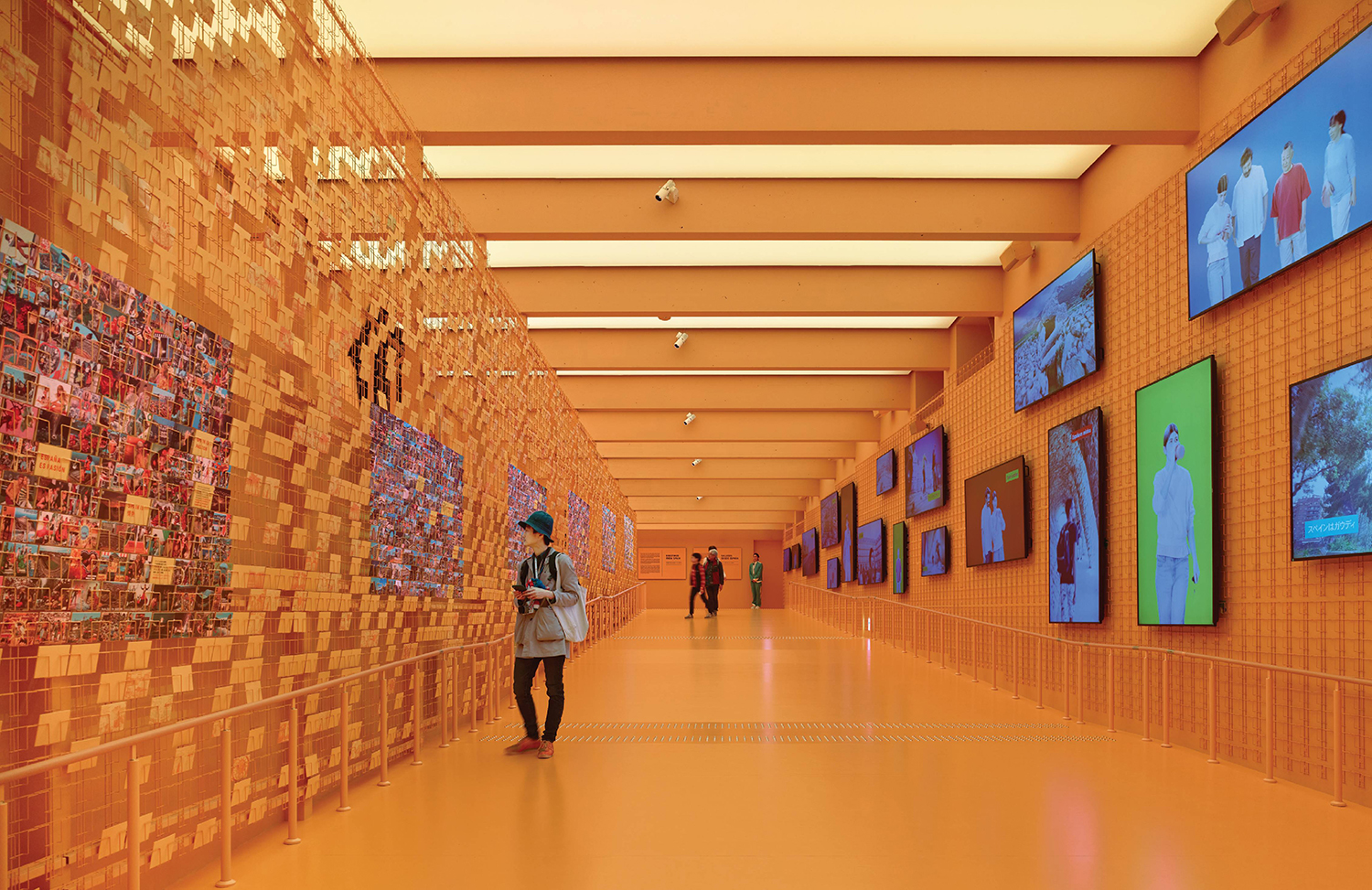
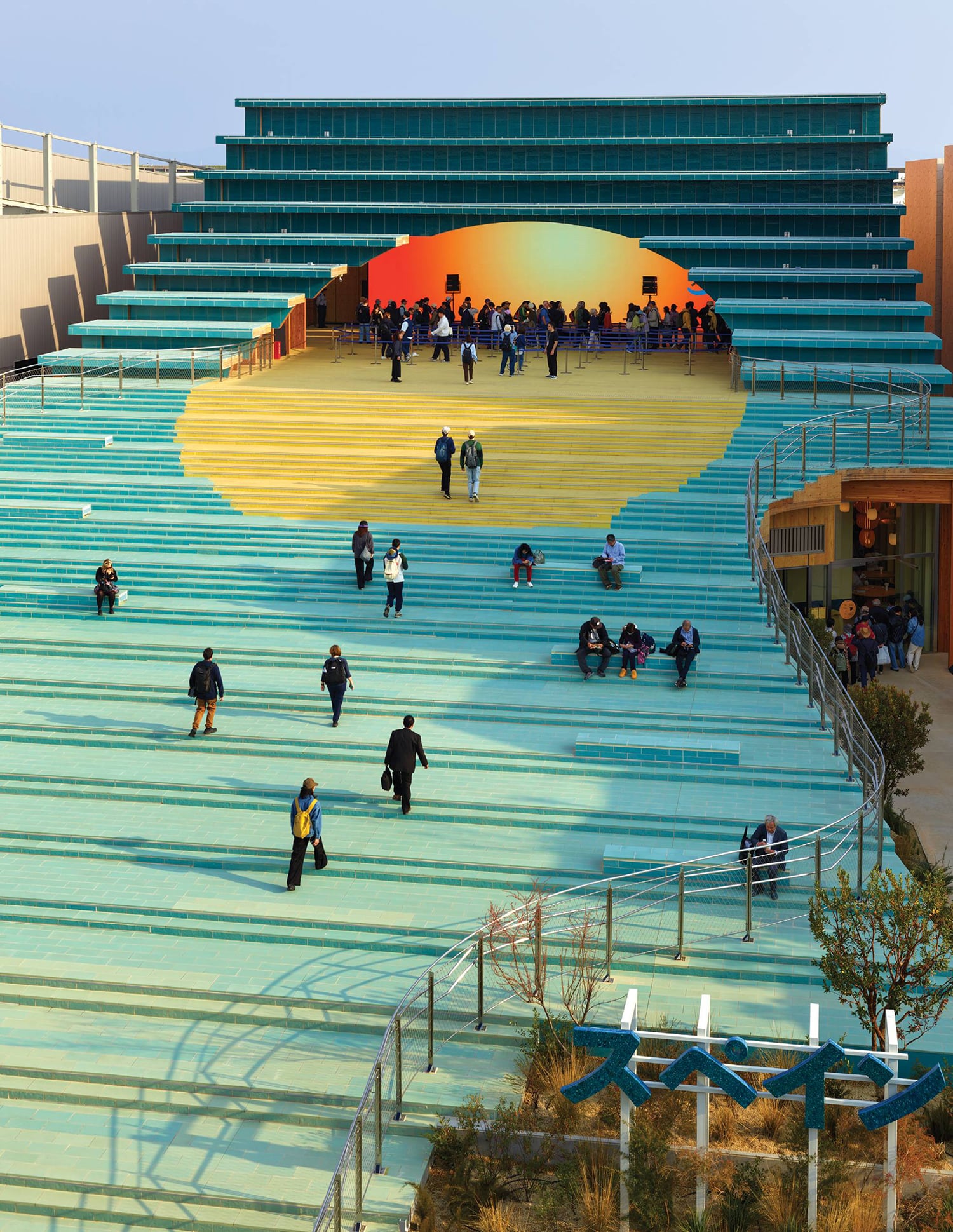
On the left, explore this Spanish pavilion, where a hall hung with vintage postcards and screens looping real-time social posts compares analog and digital communication. On the right, titled the Kuroshio Current, an actual navigation path that links Spain and Japan, the facade draws inspiration from sea and sun, its wavelike steps employing dry-joined Japanese red cedar and varying-blue ceramic, identified by recycled fishing–net signage.
Sou Fujimoto Architects
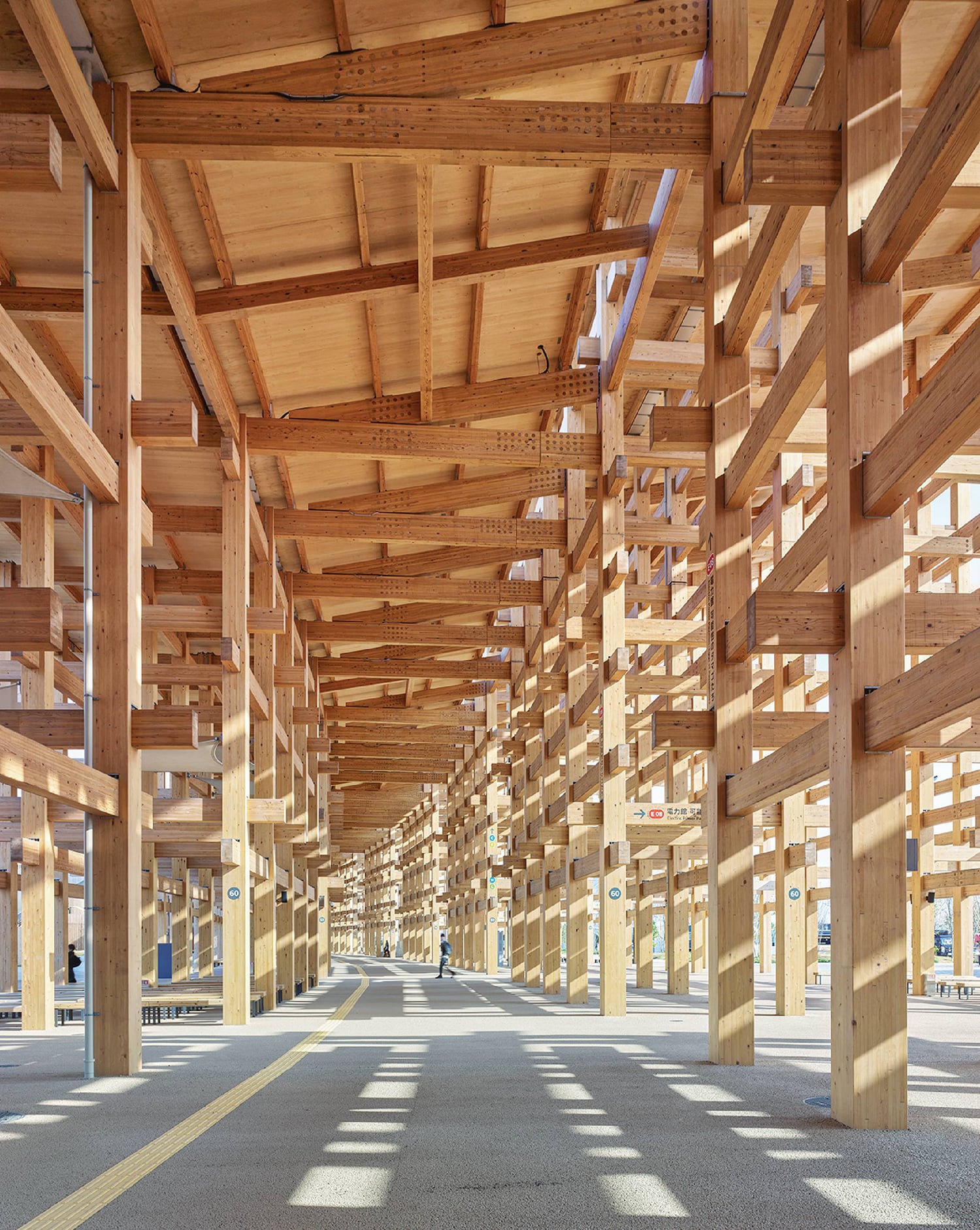
The 2,200-foot-diameter Grand Ring by the firm that also conceived the expo’s master plan encircles the entire site, serves as the main circulation route, and is made of local Sugi cedar and Hinoki cypress, the intricate latticework achieved with traditional Nuki joinery.
LAVA
The German pavilion embraces circular design literally and environmentally via six interlocking cylinders made of such natural and/or easily renewable materials as glulam, steel, bamboo, rammed earth, and mycelium, each with a green roof and an oculus projected with digital floral animations.

SANAA
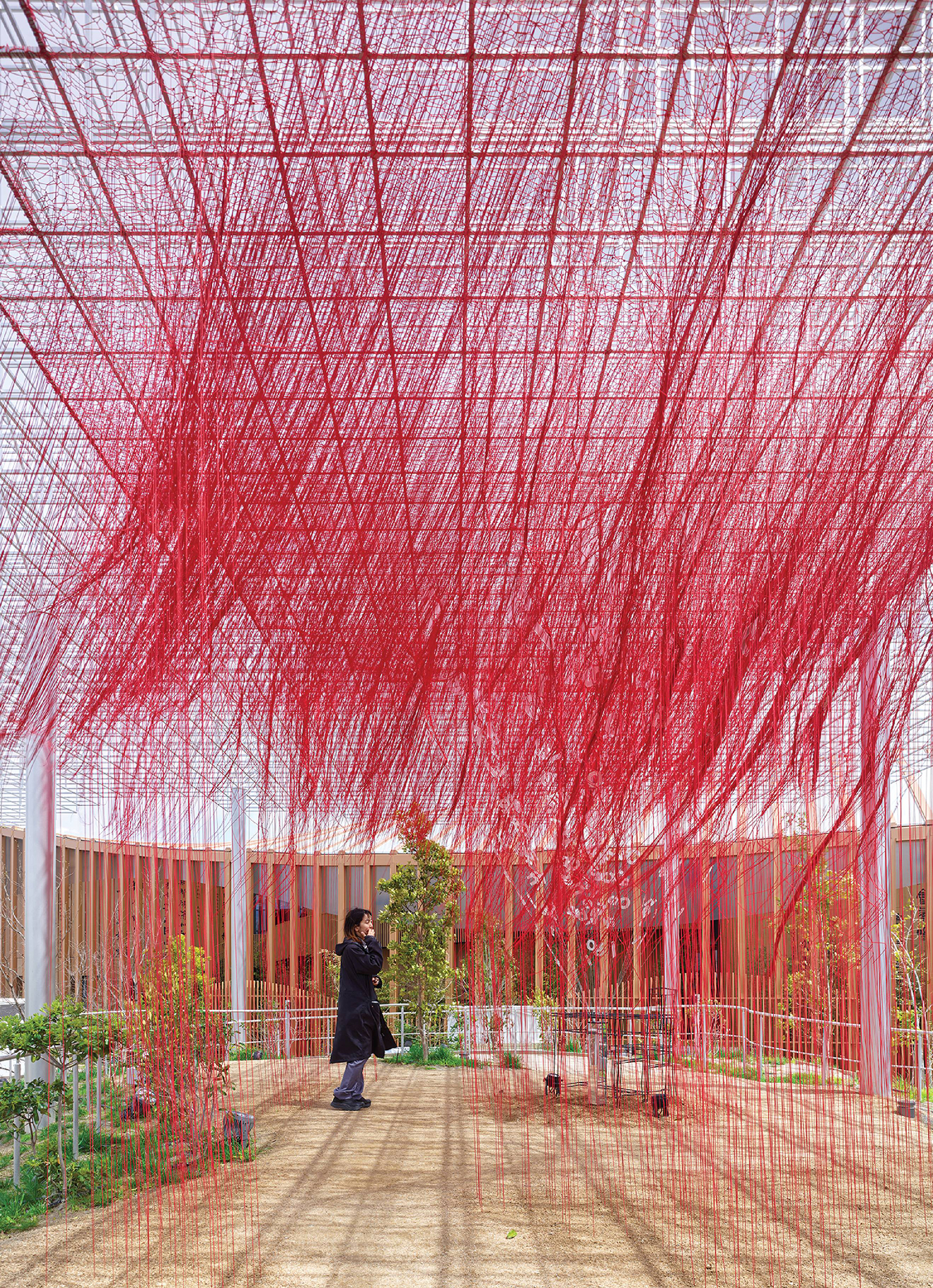
The Better Co-being pavilion was created with scientist Hiroaki Miyata to symbolize empathy, interaction, and the sharing of resources through a system of translucent canopies installed with Chiharu Shiota’s Hill of Language, a web of red threads and wire resembling a flowing data network.
MIDW and Niimori Jamison
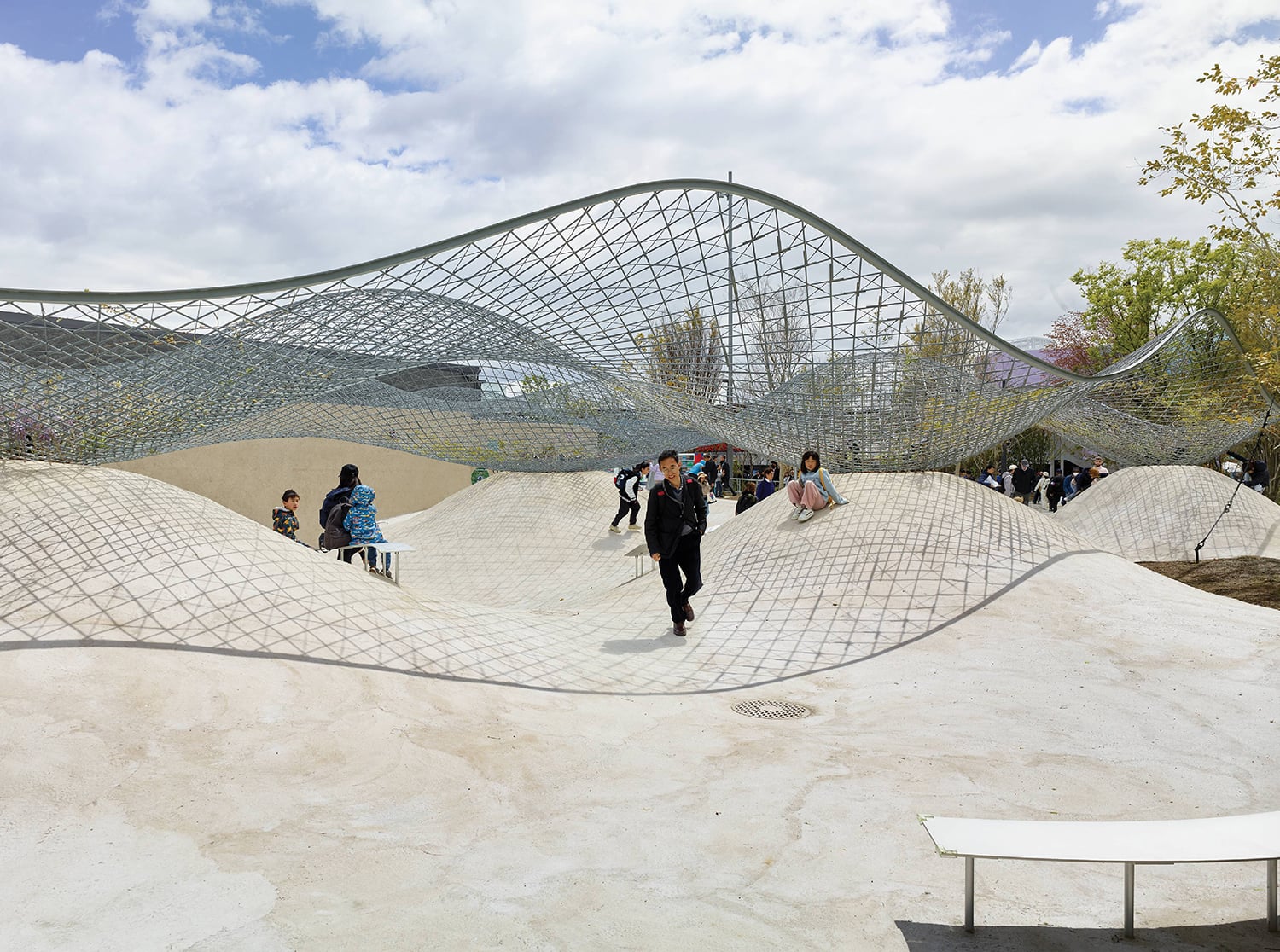
The expo’s rest area is composed of excavated and mounded soil formed into a rhythmic landscape of peaks and valleys crisscrossed by a canopy of latticed steel rebar, offering shade and seating for visitors.
Foster + Partners
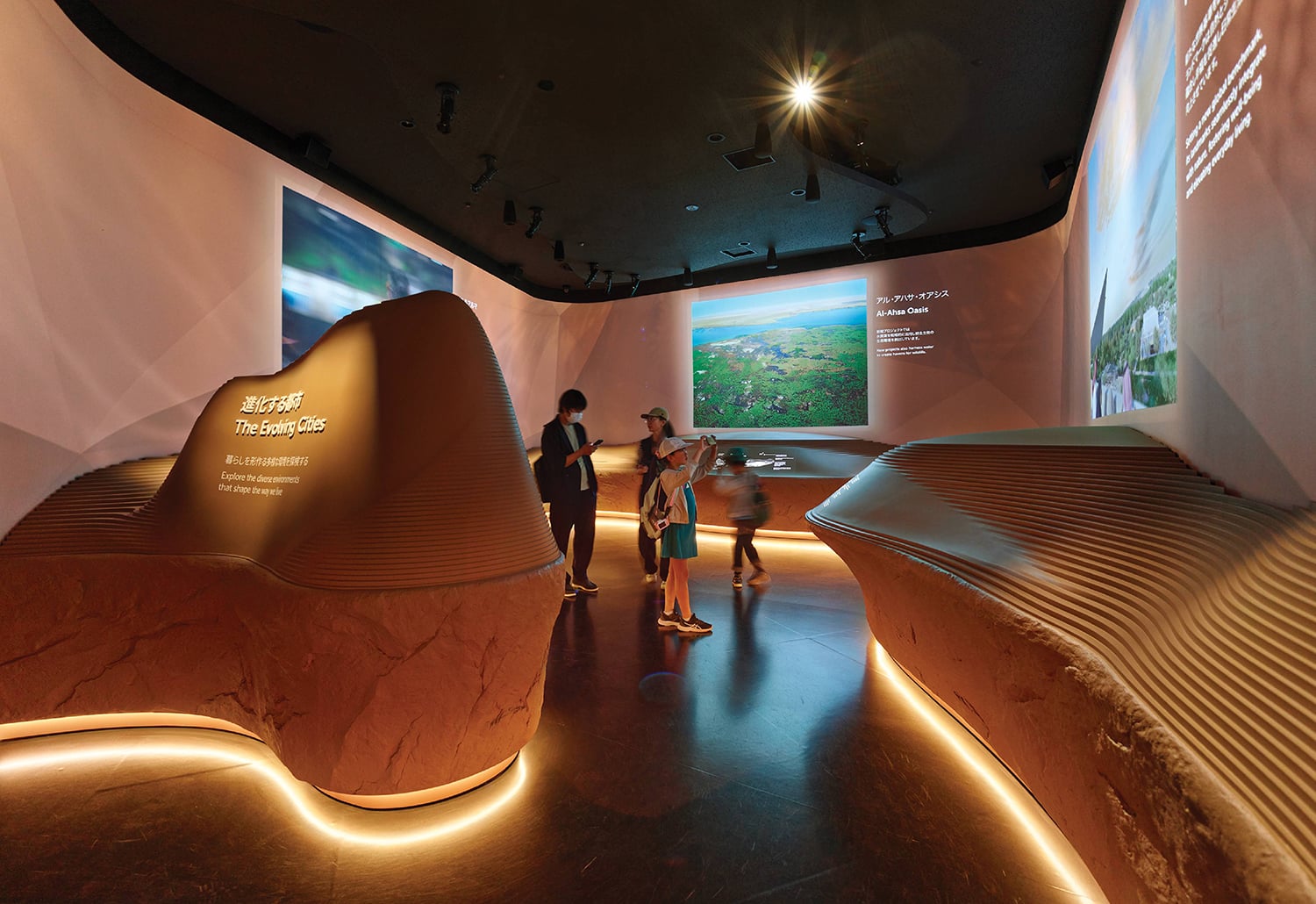
A collaboration with Journey, the 38,000-square-foot Kingdom of Saudi Arabia pavilion is a villagelike microcosm of the country’s towns, cities, ancient bazaars, and desert courtesy of undulating stone-composite walls, courtyards, and audiovisuals of Saudi culture, arts, and daily life.
NOIZ and Yoichi Ochiai
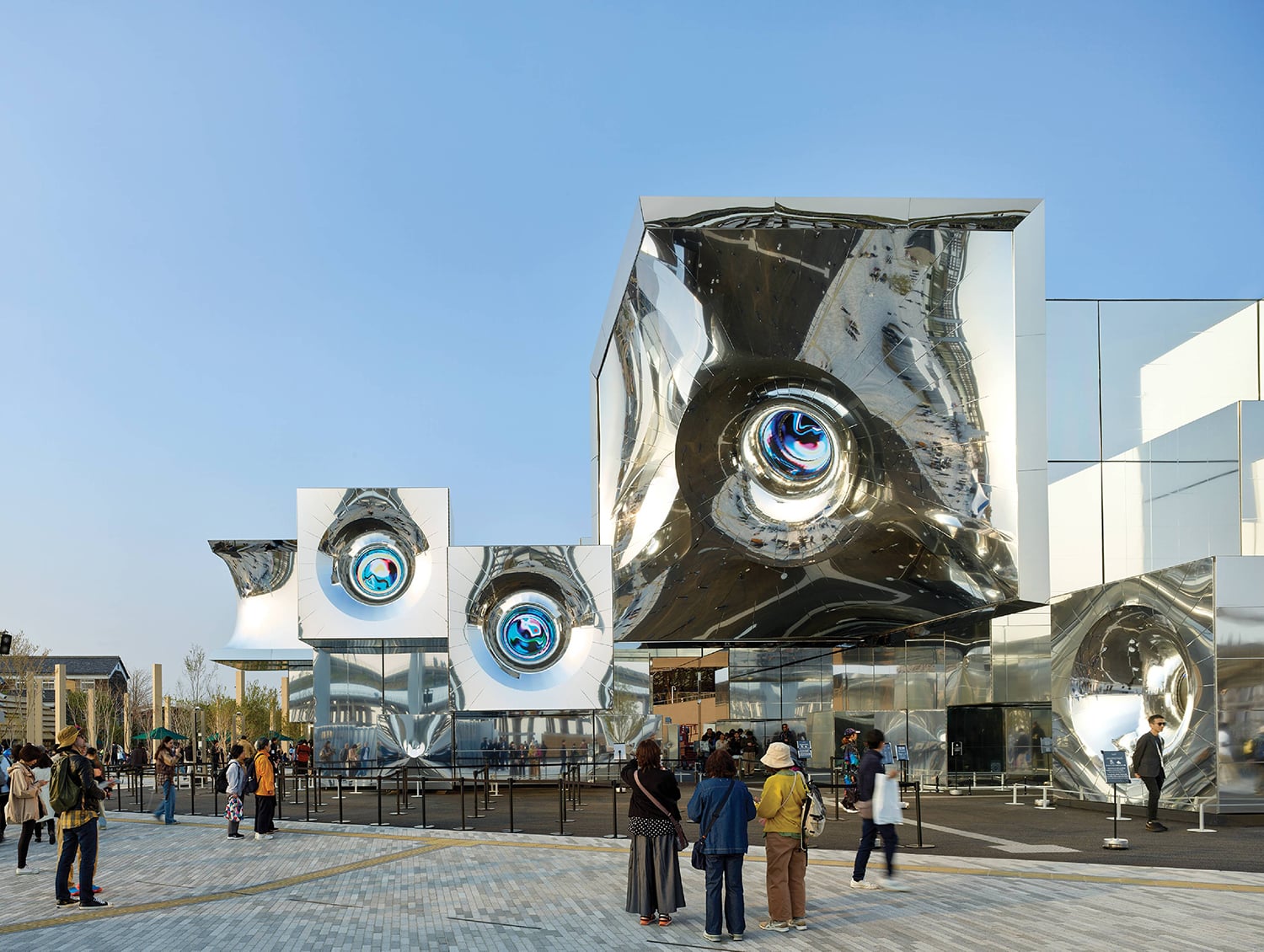
The Null2 pavilion centers on the mirrored body concept: An infrastructure of steel-framed cubes surfaced in a flexible mirrored membrane is powered by blockchain and AI, which scan and digitize each visitor to create their virtual alter ego.
Constructo
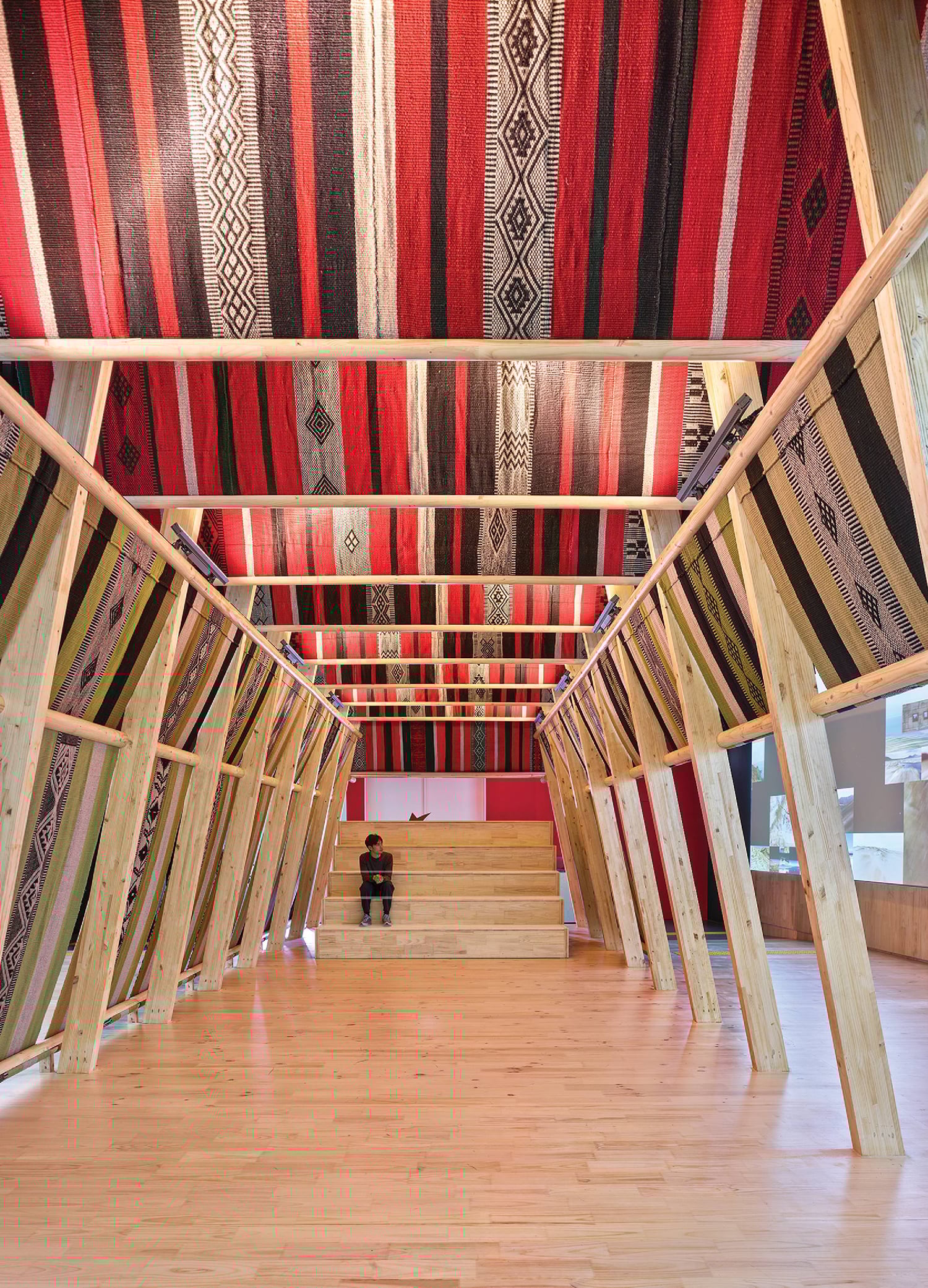
Makün: the Blanket of Chile is the moniker for the country’s 3,200-square-foot CLT-framed pavilion, where sustainably harvested Radiata pine is hung with wool tapestries handwoven by some 200 women artisans from the Araucanía region, pigmented with extracts from native flora, and which is planned to return to Chile after the expo.
LAVA
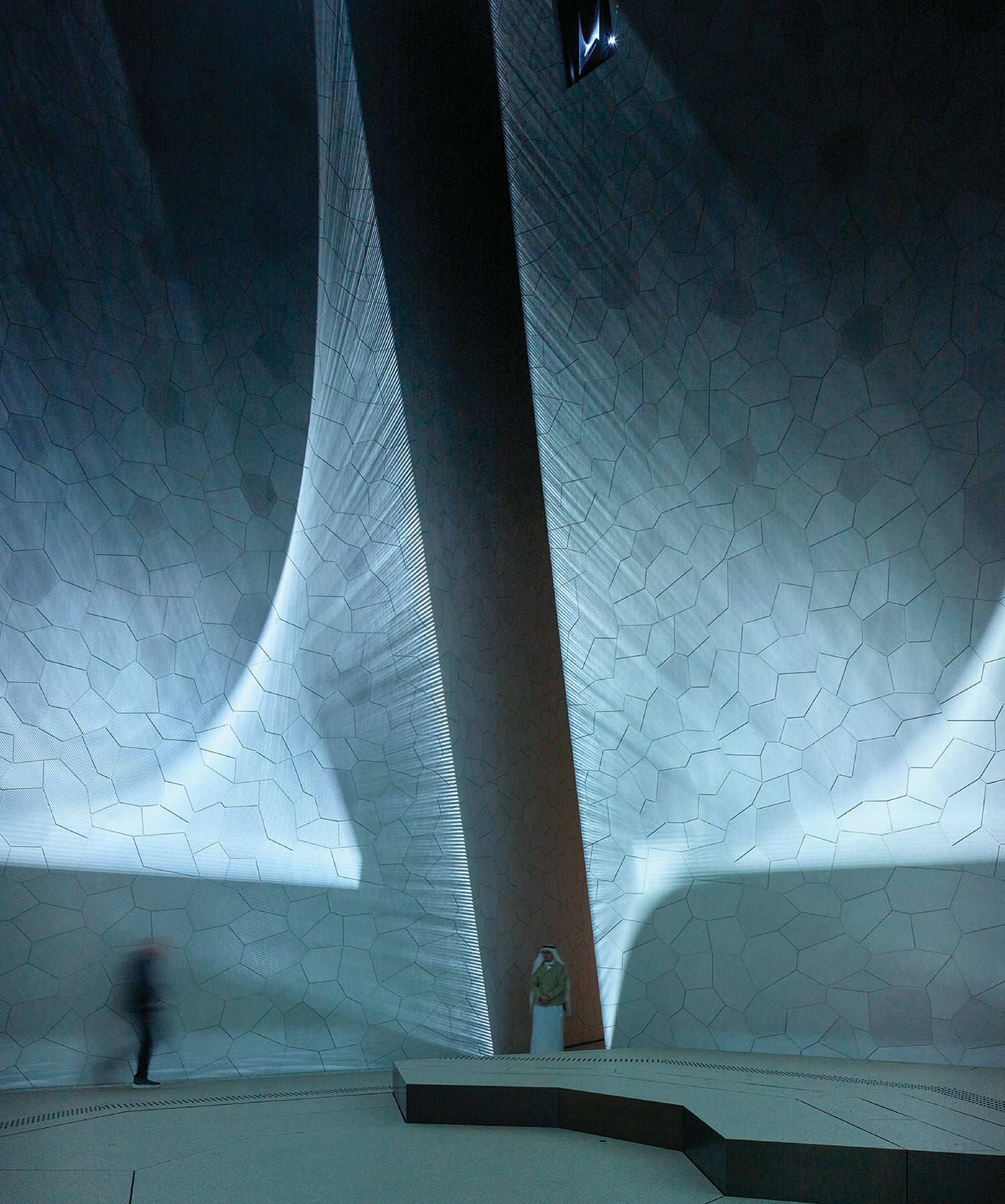
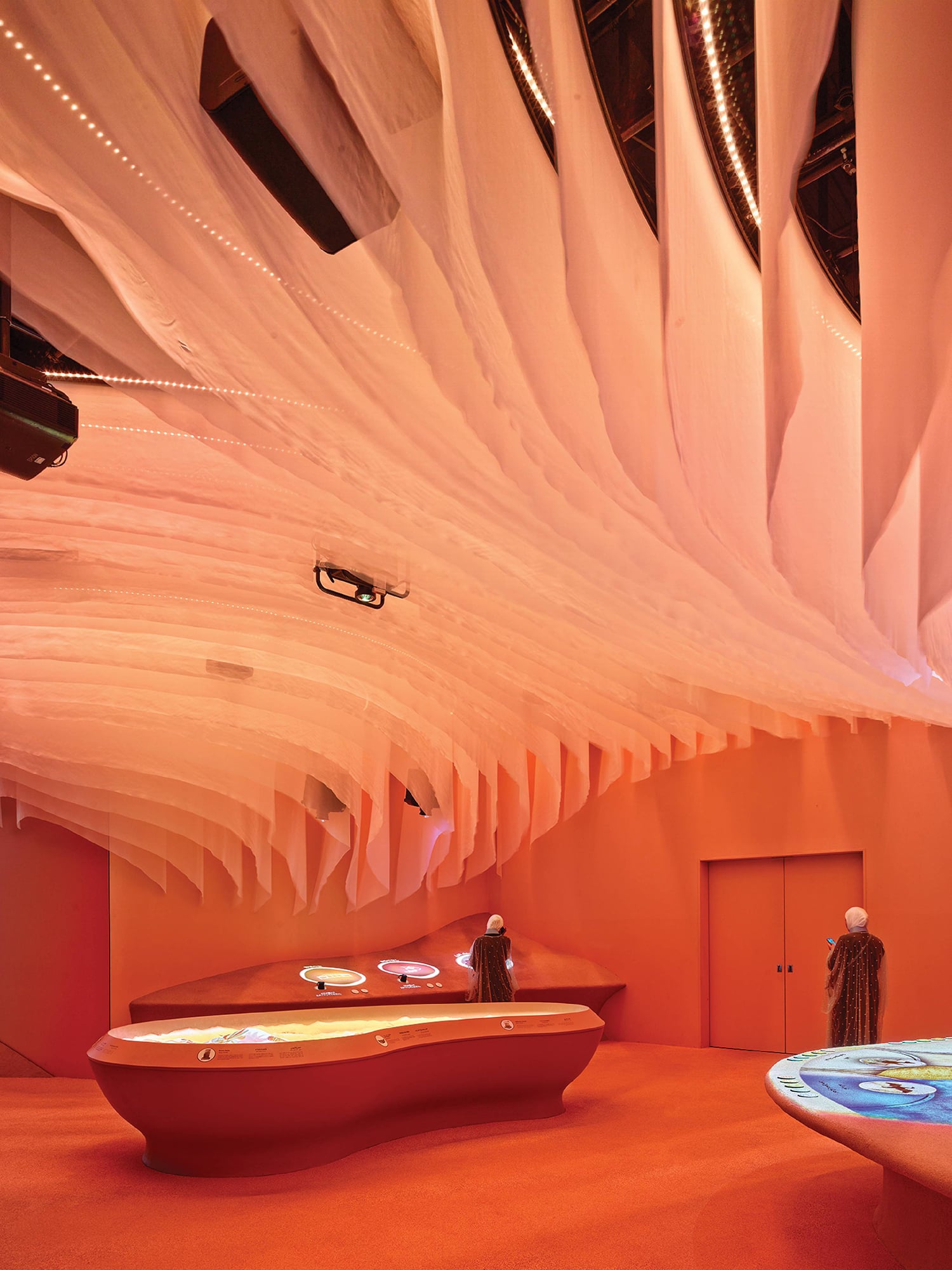
The German firm makes a second appearance at the expo with its Kuwait pavilion, dubbed Osaka’s visionary lighthouse, invoking desert winds and bedouin craft with a winged geometric silhouette and a billowing, semitransparent ceiling.

Shigeru Ban Architects
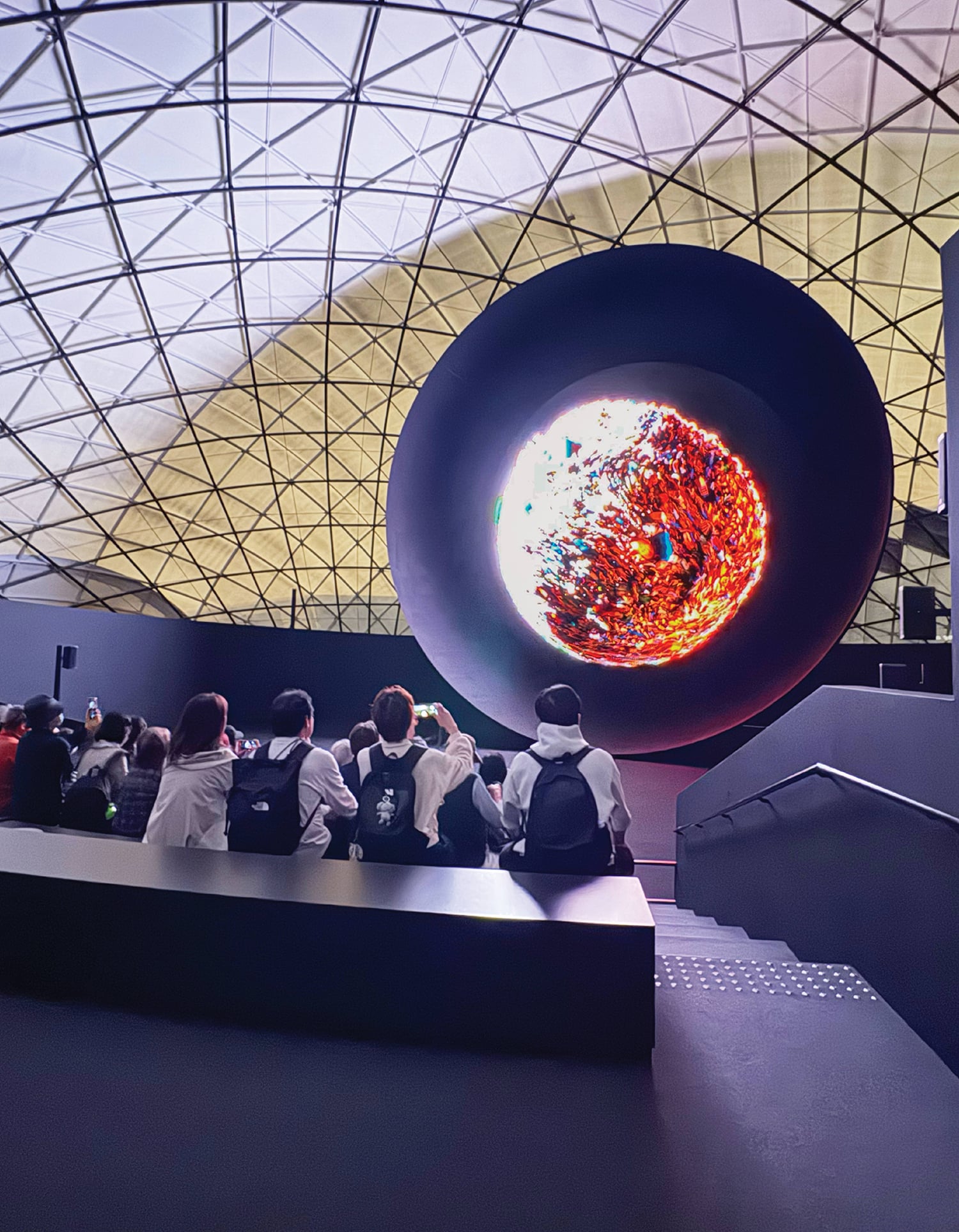
Switching from Ban’s signature cardboard tubes to carbon fiber–reinforced plastic ones enveloping recycled paper and laminated bamboo, the 21,000-square-foot, zero-waste Blue Ocean Dome features videos curated by Muji art director Kenya Hara on pollution via an LED screen shaped like a hemisphere, and will too be reinstalled, at a resort in the Maldives, exemplifying that the material will be not ultimately go into the sea but face it.
read more

DesignWire
Designers And Manufacturers On The Move: September 2026 Edition
Interior Design‘s latest On the Move includes must-know industry promotions and hires, like Perkins&Will’s strategic move to expand its design capabilities.

DesignWire
10 Questions With… Artist and Designer Conie Vallese
From sculpture and ceramics to glass, textiles, and furniture, Conie Vallese embraces a multidisciplinary practice shaped by curiosity and creativity.