
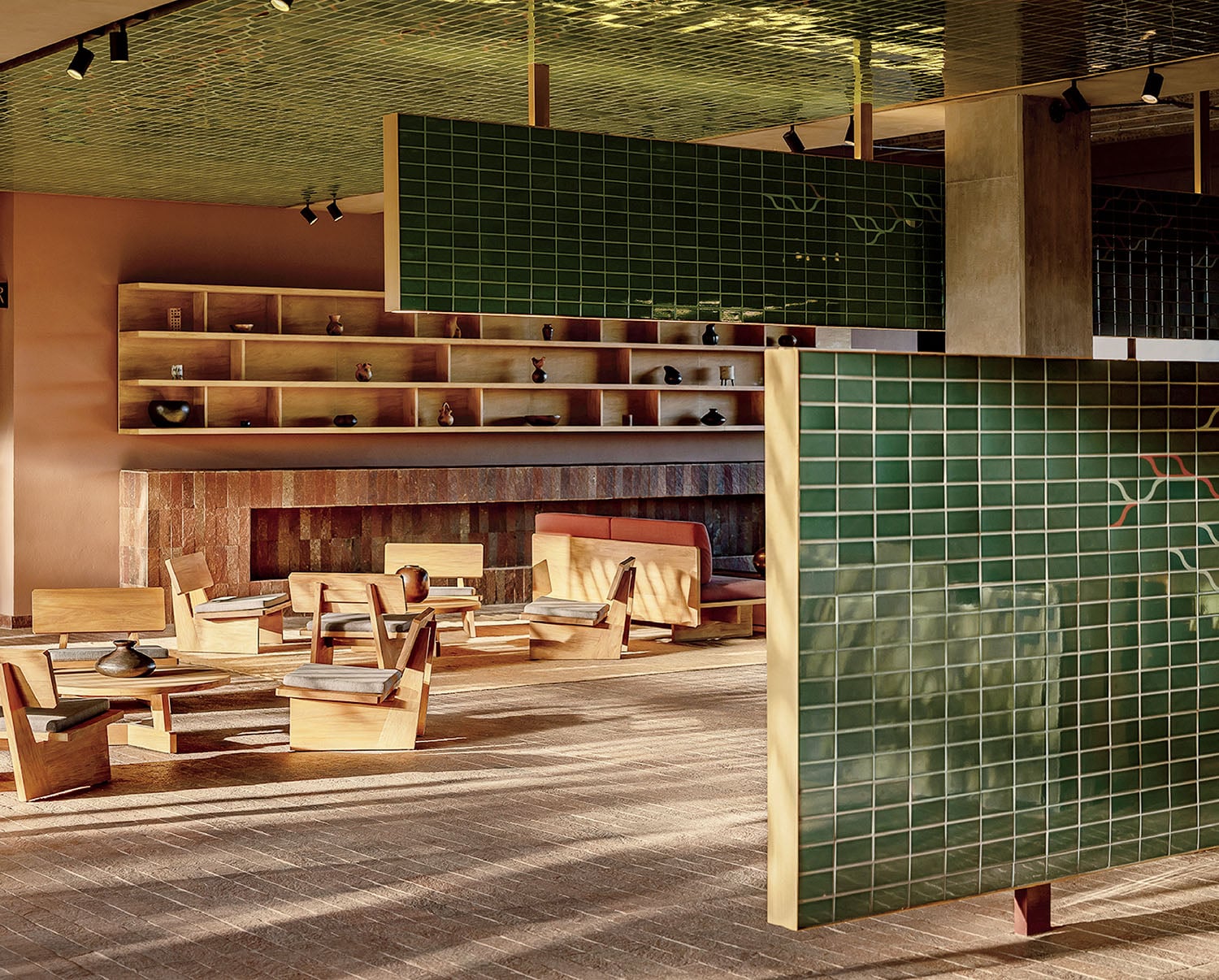
Héctor Esrawe: 2025 Interior Design Hall of Fame Inductee
Multidisciplinary. Multi-hyphenate. Multitalented. These are all fitting descriptions of Héctor Esrawe, the 56-year-old creative powerhouse whose Mexico City design practice defies easy definition. Esrawe originally trained as an industrial designer, graduating Mexico’s Universidad Iberoamericana in 1992, then teaching furniture and product design there for many years; later, he served as design director at Universidad Centro, the country’s top design and media school, where he headed up the industrial design program. Since launching Esrawe Studio in 2003, he’s been gleefully exploring “all the fields I’ve been intrigued with,” as he puts it: architecture, interiors, exhibitions, art installations, furniture, objects, and sculpture, often intentionally blurring the lines between disciplines. “I’m always pushing for more creative freedom,” he says.
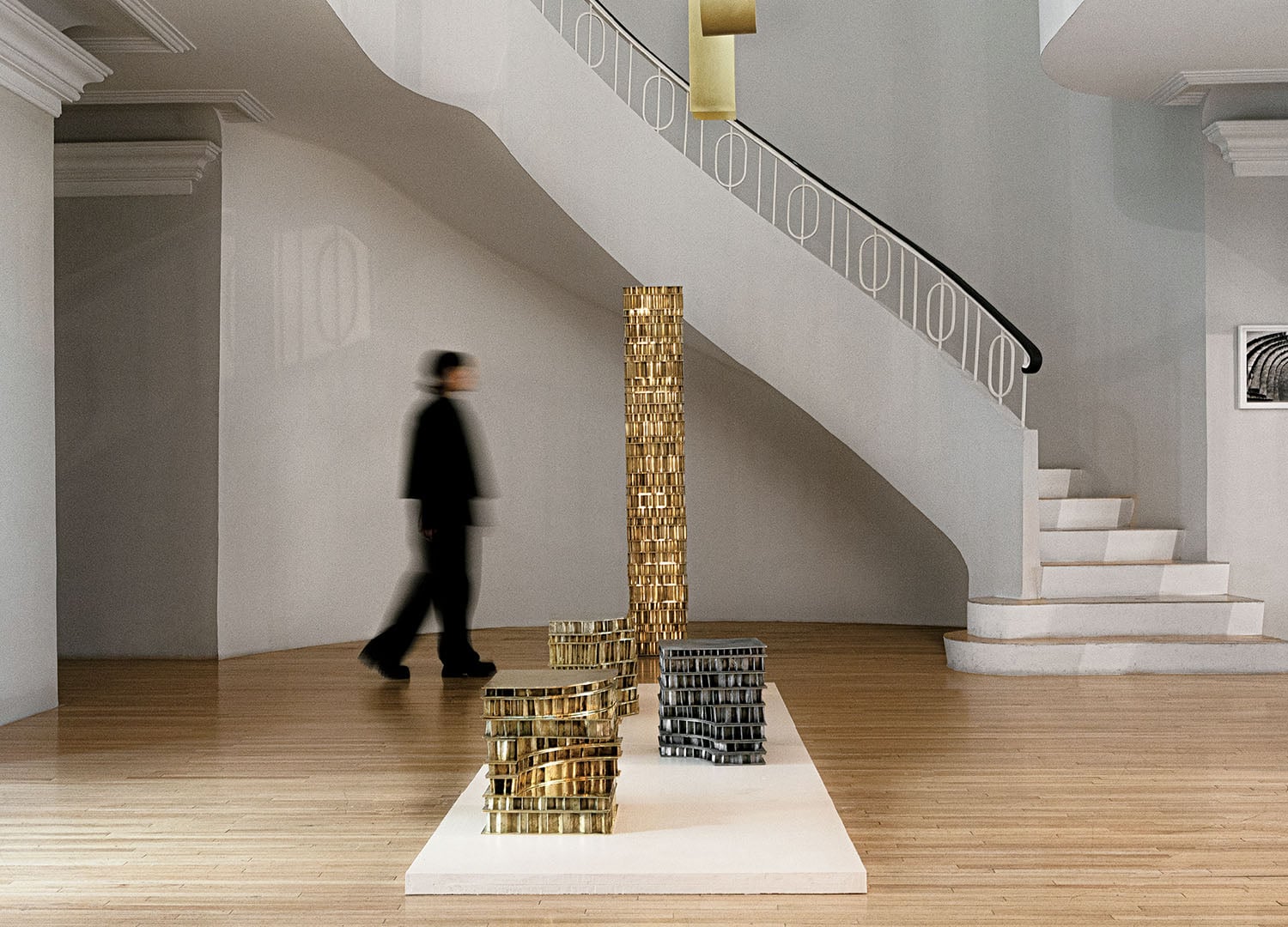
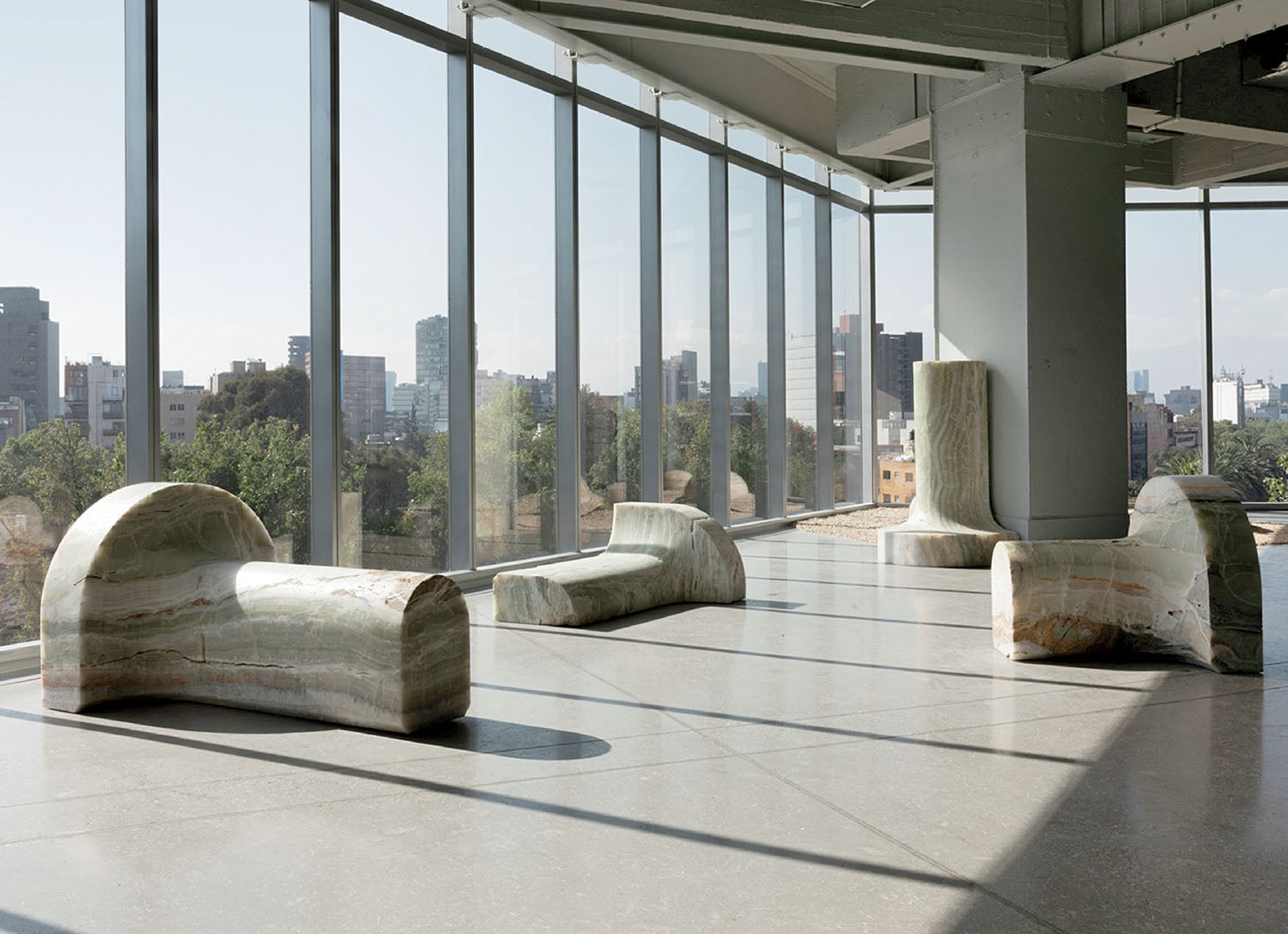
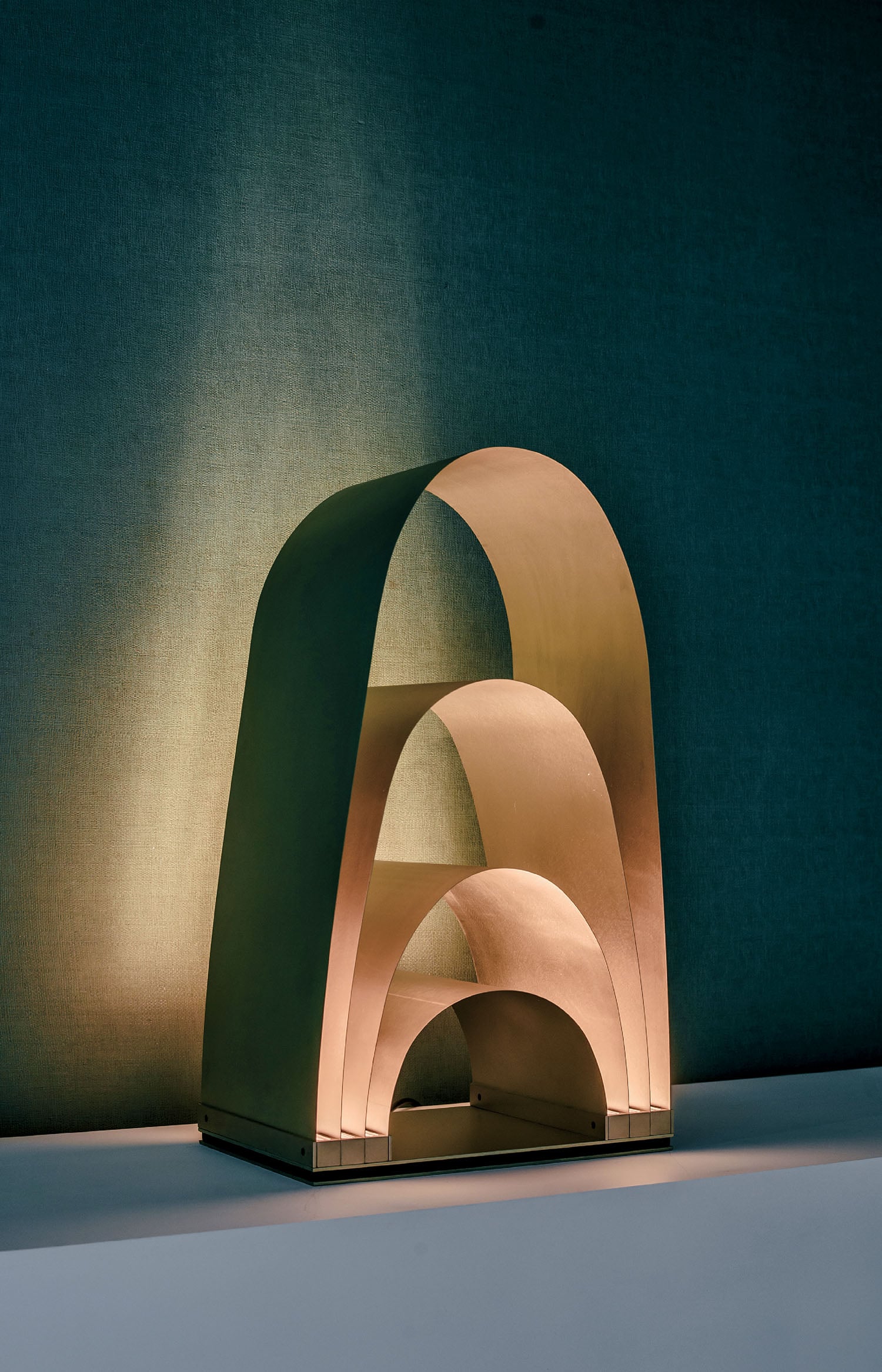
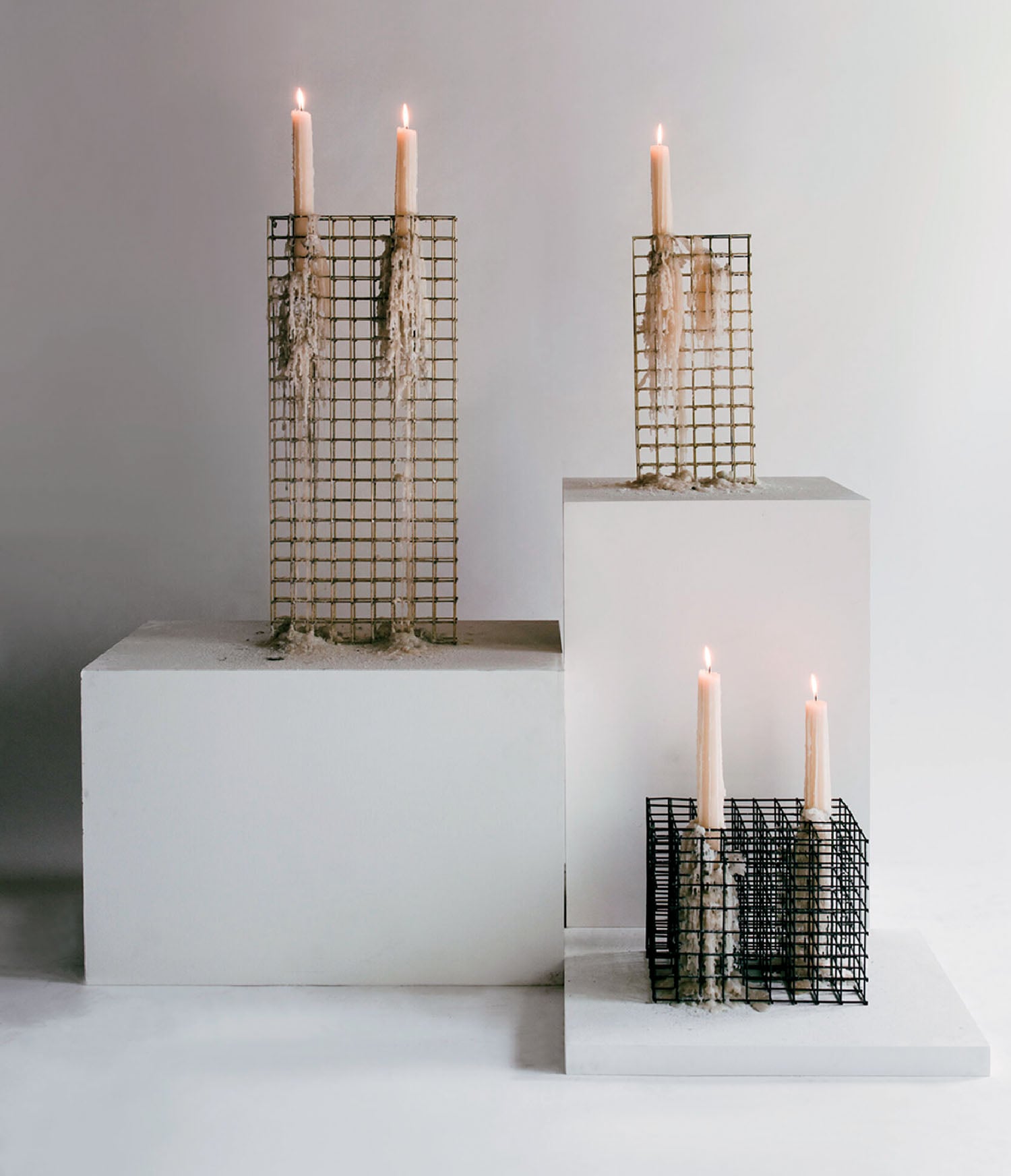
He also has a hand in a number of other ventures outside Esrawe Studio, including his own limited-edition art and design pieces, many of them in polished brass, cast bronze, and other muscular metals. With Ewe Studio, a collaboration with designer Manuel Bañó and curator Age Salajõe, Esrawe creates sculptural furniture, lighting, and objects with local artisans. Masa is a roving art and design gallery—pop-up locations have included CDMX and Rockefeller Center in Manhattan—he does in partnership with Salajõe and American-born artist Brian Thoreen. (Also cofounded with Thoreen along with designer Emiliano Godoy is Vissio, an experimental glass-making collective that is currently on pause.)
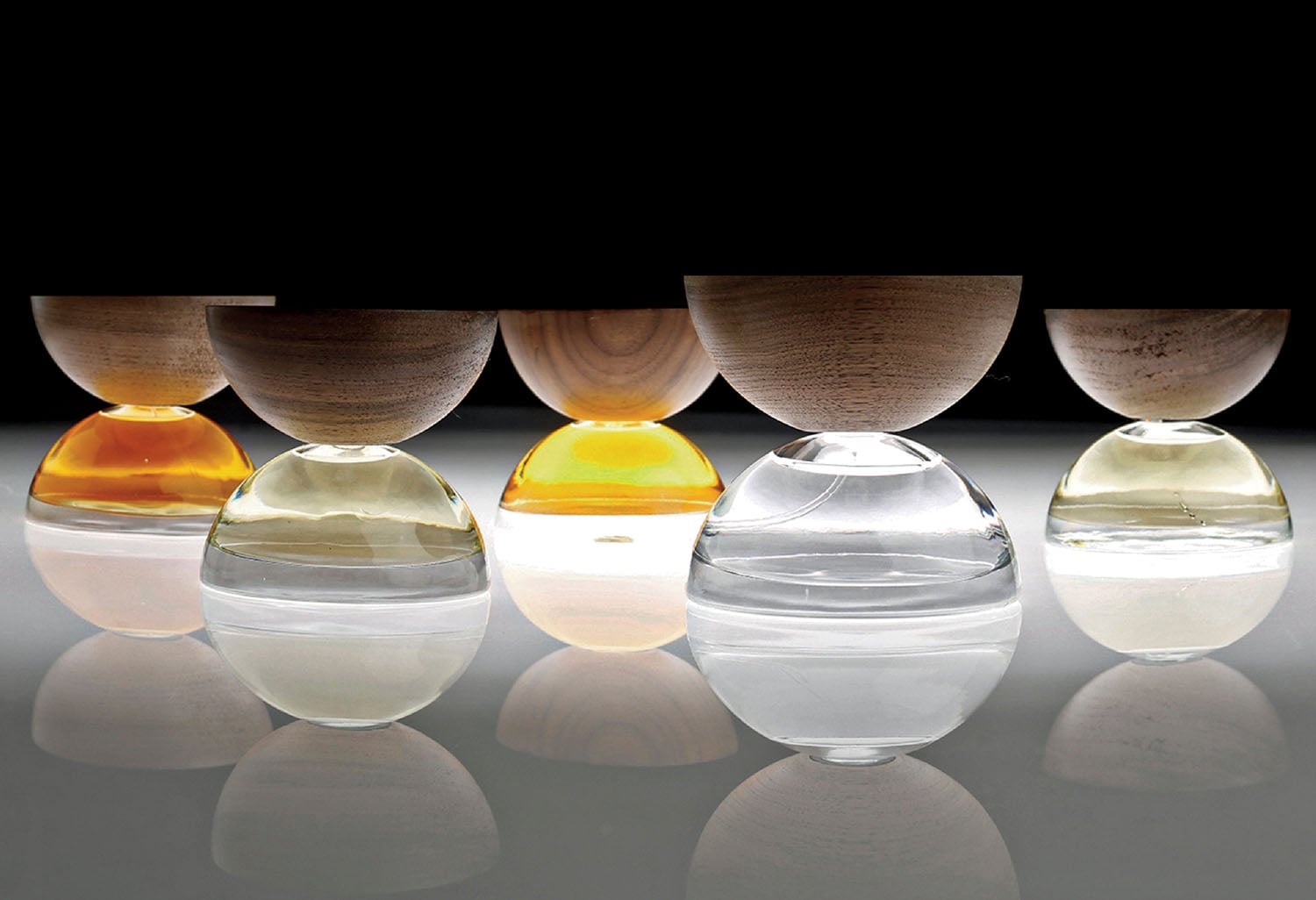
And Esrawe is a partner in Xinú, a niche perfume brand in which the Estée Lauder Companies announced just last month is making a strategic minority investment, its first with a Latin American brand; Xinú, which develops custom scents and soaps for Michelin-starred restaurants like Pujol and Rosetta, has a retail flagship in Mexico City that Esrawe designed. In many ways, that space–where seductive tableaux of twigs, stones, and dried leaves surround wavy porcelain candle jars, enveloped by wobbly handblown-glass bell jars—is the embodiment of Esrawe’s philosophy. “I’m applying industrial design, interior design, and architecture. We’re working with artists, graphic designers, and product designers. I don’t want projects that impose limits on my creativity,” he explains.
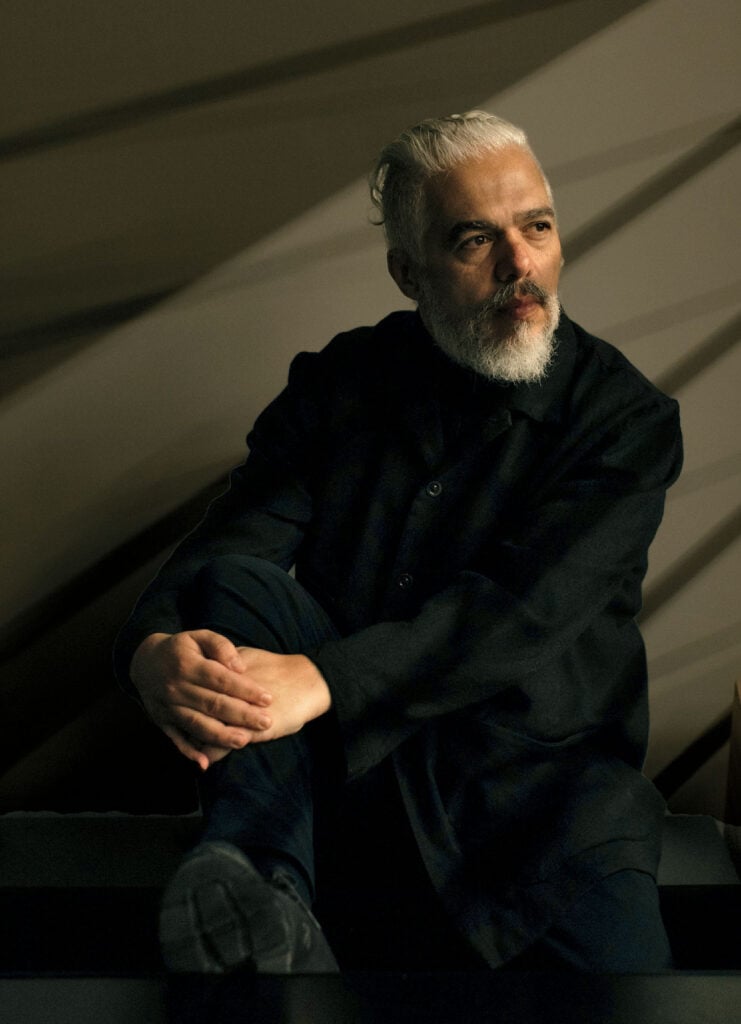
How Héctor Esrawe Pushes For Experimental Creativity
Esrawe admits he didn’t map out his career with a clear long-term vision. “If you ask me if it was planned, it wasn’t,” he says of his fluid approach to practice. “At 18, I was totally confused, questioning what I wanted to do. Then I realized that I wasn’t confused, I just felt attracted to art, sculpture, architecture, and interiors. It opened a way of thinking that allowed me to ‘visit’ other fields and ally myself with people who have mastered other abilities. Over time, I’ve been able to integrate all these disciplines into my everyday life,” he continues. “It may seem like I’m all over the place, but I see it as collaborating with like-minded people and a shared philosophy.”
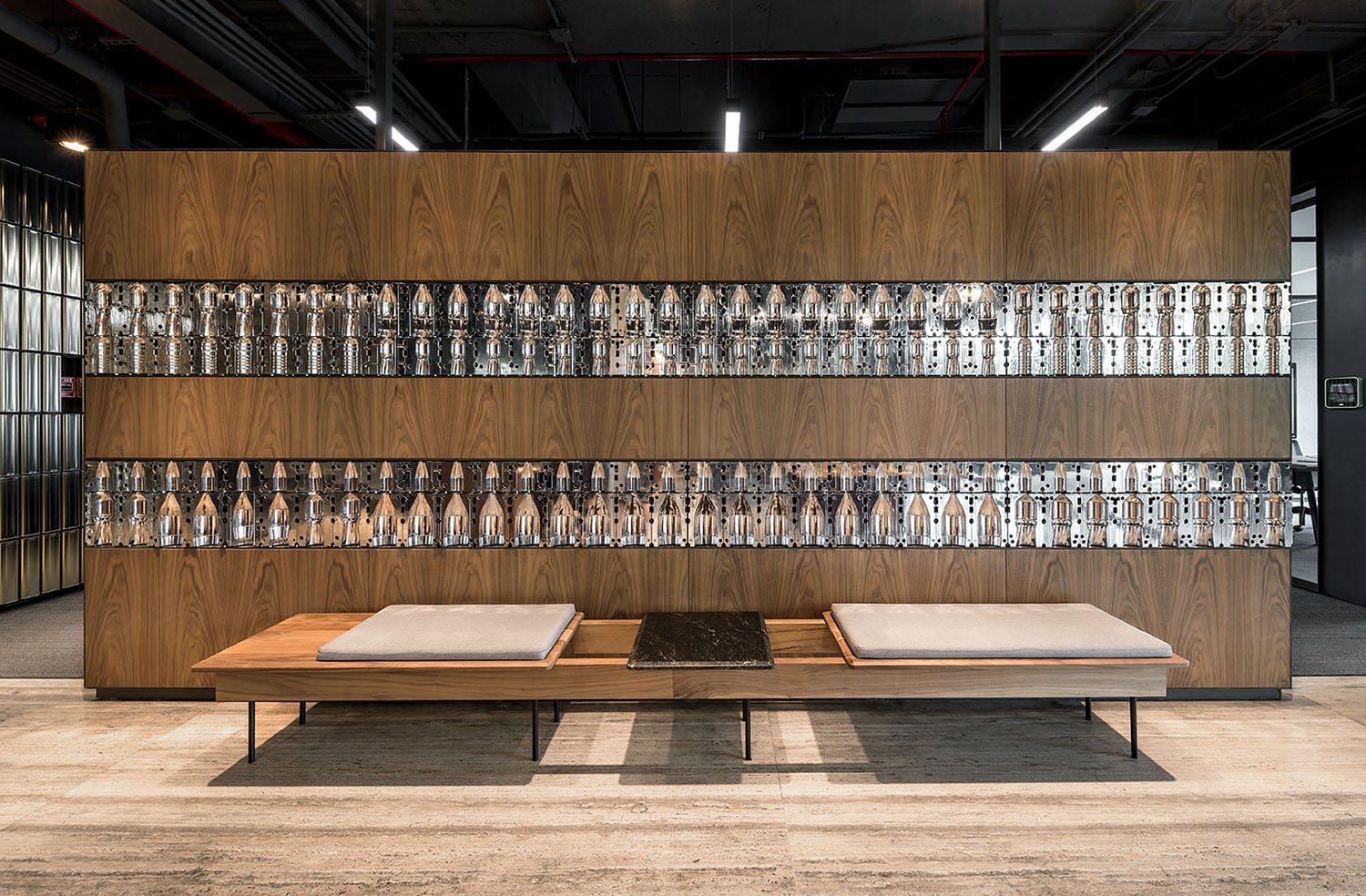
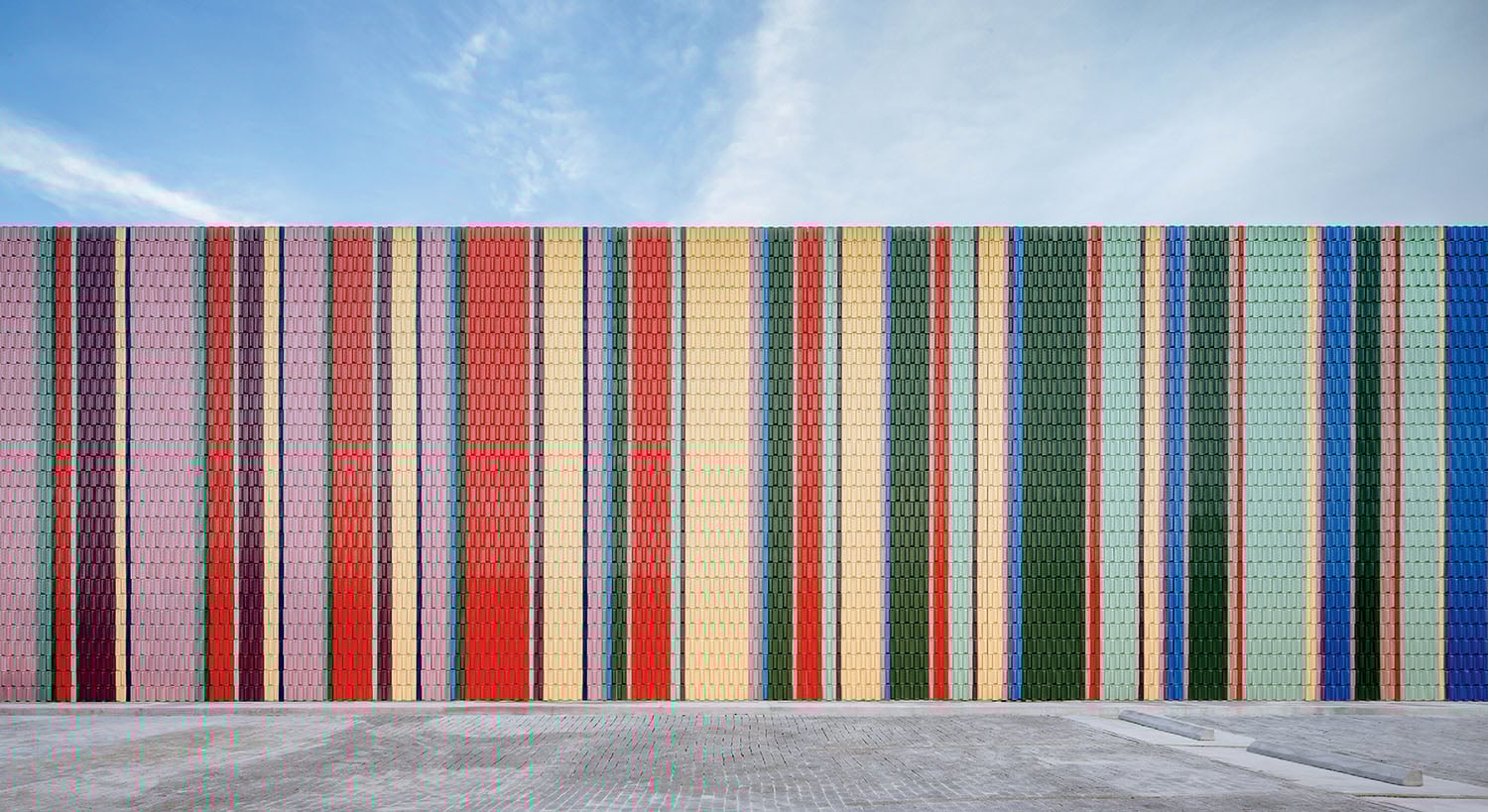
Since 2019, a renovated 1950’s dance hall in the hip Roma Norte quarter has been the base of Esrawe’s operations. The current staff of about 50 works in a soaring space softly illuminated by skylights above huge wooden trusses. Most of the team is a core group of interior designers, architects, and engineers; their previous noteworthy projects include a design center and a warehouse for Grupo Arca, a premium construction–materials company, while a cliffside hotel in Bali, Indonesia; a meditation pavilion in Göcek, Turkey; and new outposts of Xinú in Tokyo and Oaxaca, Mexico, are among current projects. Another eight staffers work on Esrawe’s limited-edition pieces, and a dozen on Ewe Studio. “It’s a balance of different talents and individuals, but we all work toward the same goal,” Esrawe states. “I try to push the boundaries of the collaboration so my staff gets a glimpse of other disciplines—but not to make them a different person. I like the idea of expanding their understanding of other fields, to align intentions and be more empathetic about what people in other disciplines do.”
What drives creativity for Hall of Famer Héctor Esrawe? Watch the Hall of Fame documentary on DESIGNTV by SANDOW to find out.
Championing Mexican Craft + Philosophy
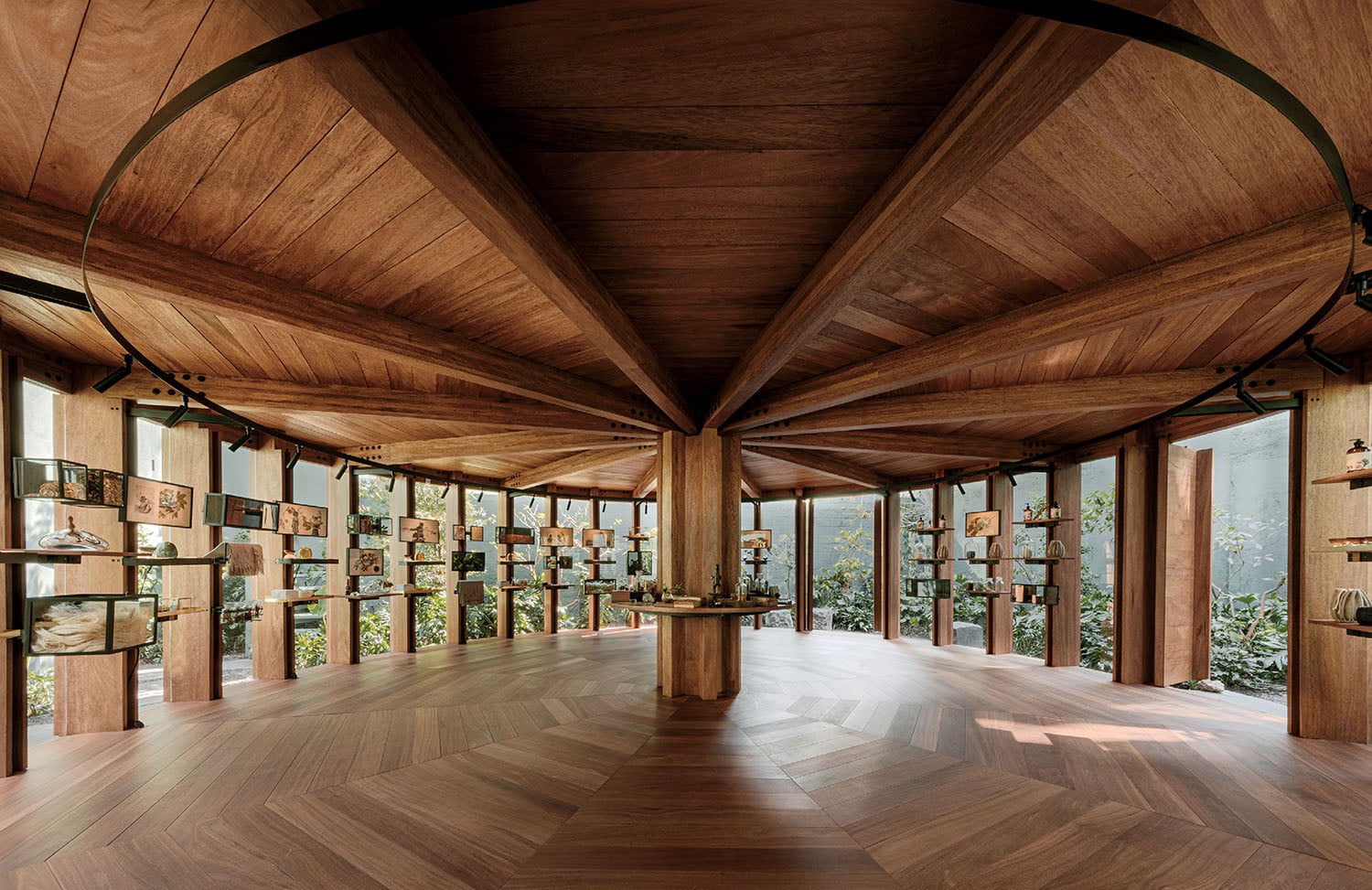
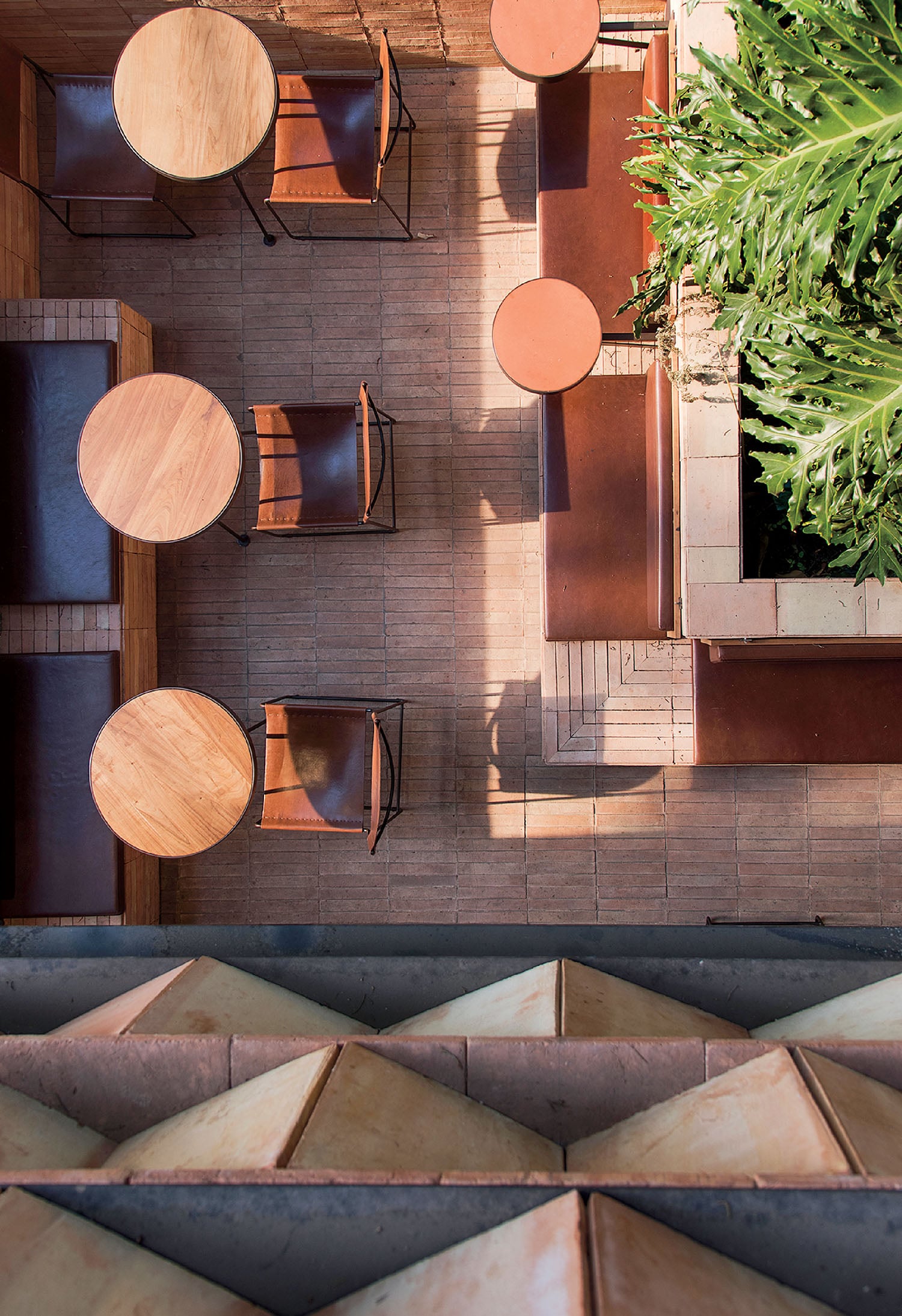
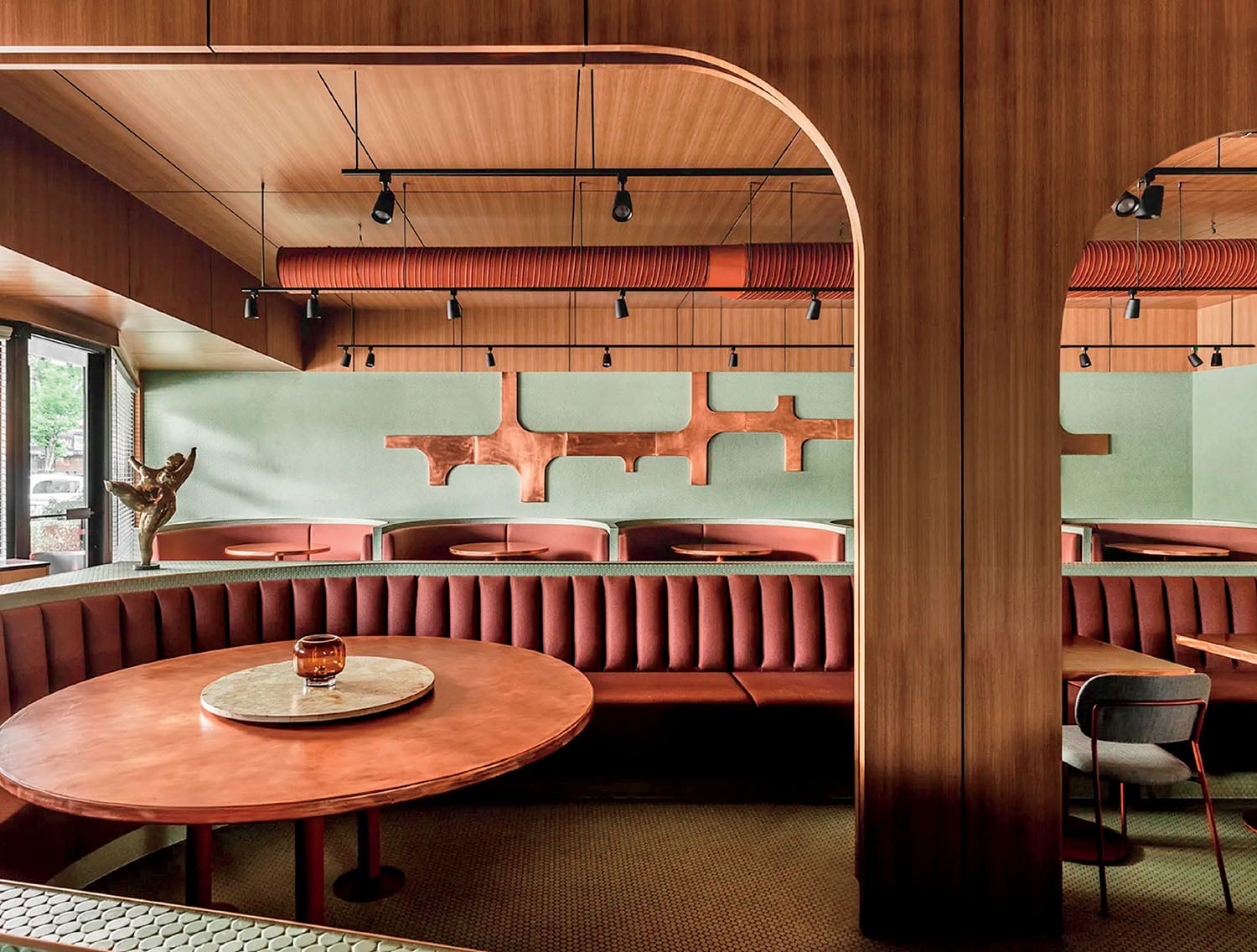
Esrawe cites Japanese and Scandinavian design and culture as influences on his work, especially their embrace of craft. But there is definitely a Mexican soul, too. “We have an ancient belief that in our crafts, the deeper you go into a technique, the closer you get to the gods. Many of those techniques are still alive and we aim to embrace them,” he says. That philosophy is evident in Ewe Studio’s handmade furniture—pieces referencing traditional metallurgy, ancestral rituals, and ceremonial objects—as well as in the architecture and interiors of the coffee-house chain Tierra Garat, where earth-toned clay brick and tile speak to indigenous craft and rustic coffee farms and which is among the many projects he’s collaborated on with Cadena Concepts founder and architect Ignacio Cadena; in fact, the firms have won Interior Design Best of Year Awards for two projects they partnered on (the ice-cream shop Gelatoscopio and the Mexico City Xinú, in which Cadena is also a partner), and are currently collaborating on a hotel and healing center in the Yucatán. “The more we dig into our pre-Hispanic heritage to build our narrative, the more we find,” Eraswe notes.
As a university student, Esrawe visited indigenous communities where a professor, architect Oscar Hagerman, was designing housing, schools, and social centers. “It helped me understand the value of design as a transformative tool that can change people’s lives. It humbled me,” Esrawe recalls. It also left him with the desire to do more than just design beautiful objects and spaces. “We’re always looking to promote a social connection, to explore how a project can integrate the local community and how we can give back,” continues Esrawe, who was recognized in 2024 as an honorary AIA fellow for his contributions to architecture and society on an international level. “I don’t want to be characterized as only doing luxury projects. I like the idea that design is not black or white. It’s a spectrum of grays,” he adds. Which sounds like a fitting motto for a design career that’s never stayed within clearly defined lines. As Esrawe puts it, “It’s beautiful to work in a profession in which everything can be different every day.”
Explore Héctor Esrawe’s Creative Work
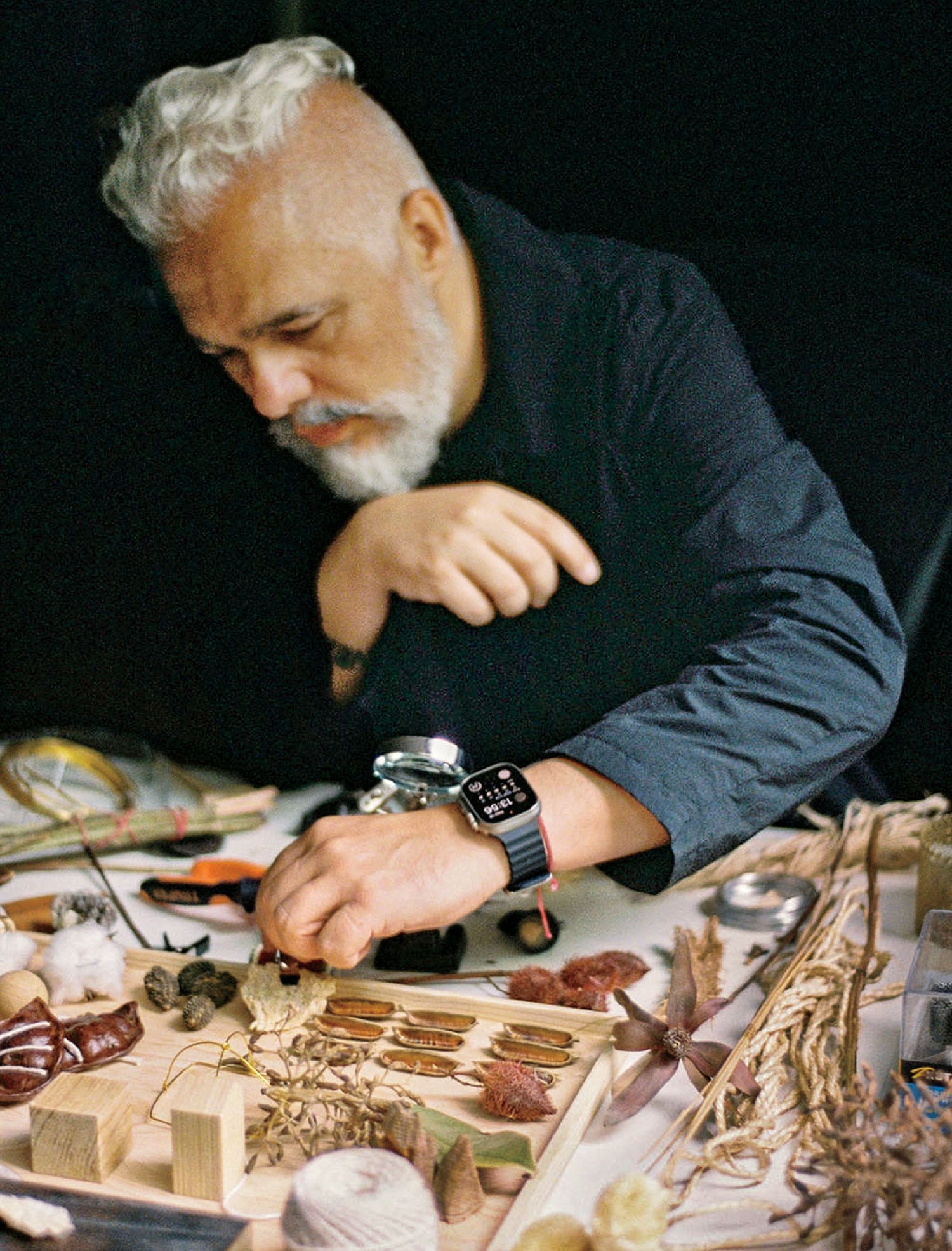


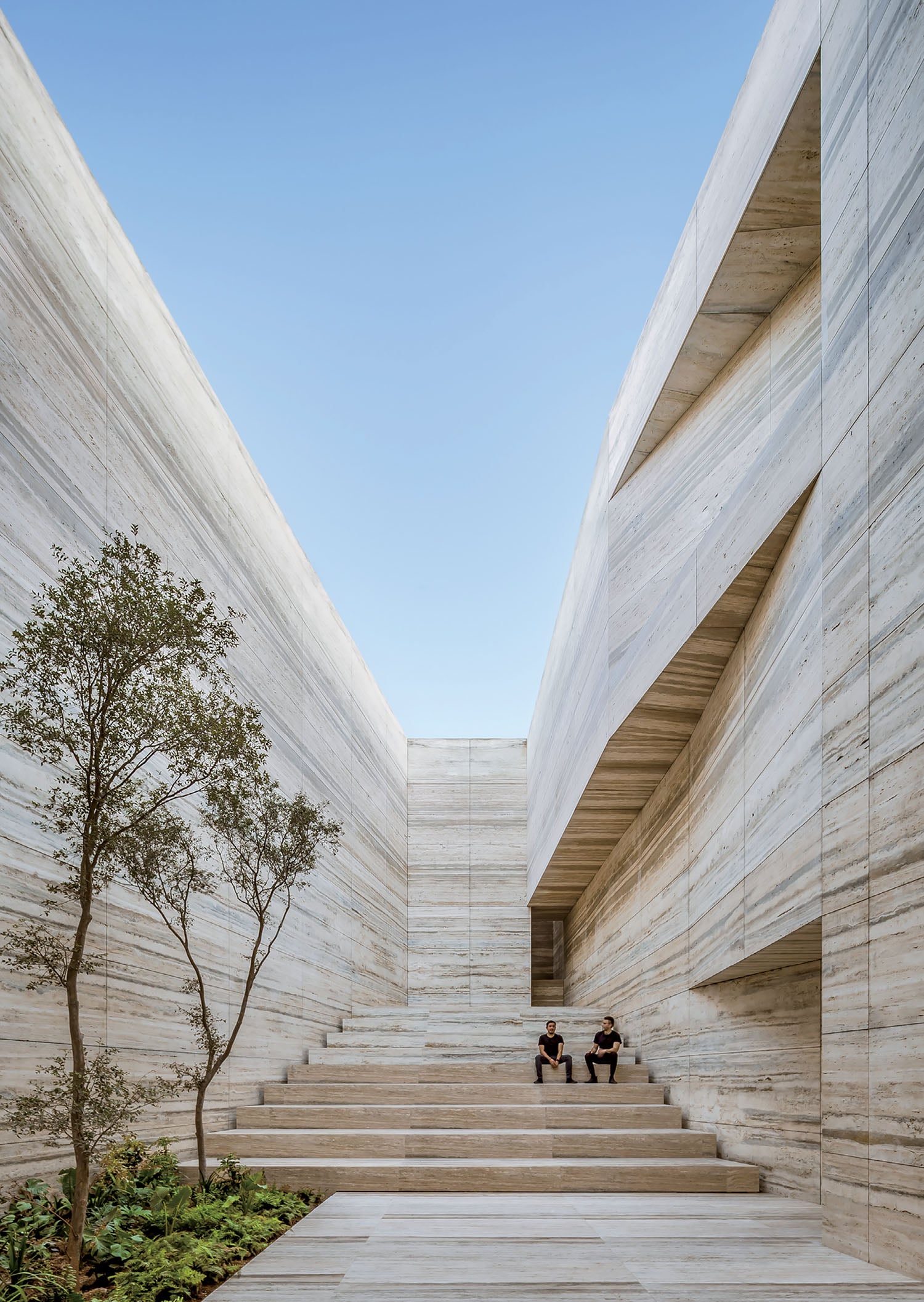
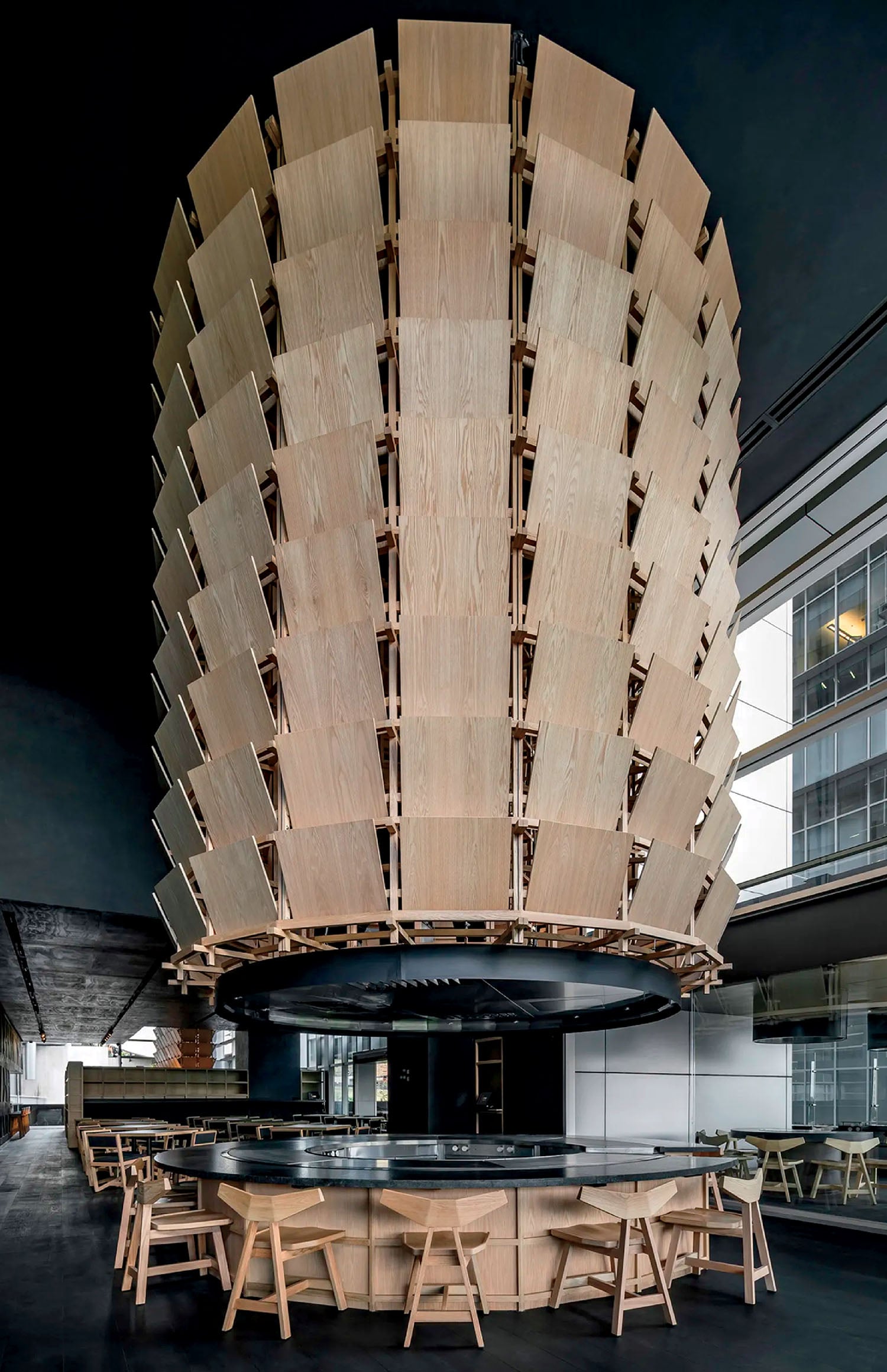
Inside Héctor Esrawe’s Unique Spaces

read more
DesignWire
10 Questions With… Artist Alma Haser
Alma Haser shares insights into her recent exhibitions, her appreciation for analog processes, and her dislike of artificial intelligence.

DesignWire
Emirates Debuts Hospitality Suite Inspired By Its Premium Aircraft Cabins At The US Open
Emirates brings the refined feel of its onboard experience courtside at the US Open with a newly redesigned hospitality suite featuring a replica A380 bar.