
Discover The Enduring Legacy Of Margarete Schütte-Lihotzky
Long before efficiency became a design mandate, Vienna-born architect Margarete Schütte-Lihotzky (1897–2000) was already rethinking how space could shape daily life. Among the first women to study architecture in Austria, she built an international career in the interwar years, applying modernist thinking not to monuments but to the routines of living.
Her most influential contribution, the Frankfurt Kitchen, reconceived the domestic interior as a site of precision and social progress, introducing a rigorously organized, space-saving model that would redefine residential design.
How Margarete Schütte-Lihotzky Reshaped Modern Kitchen Design
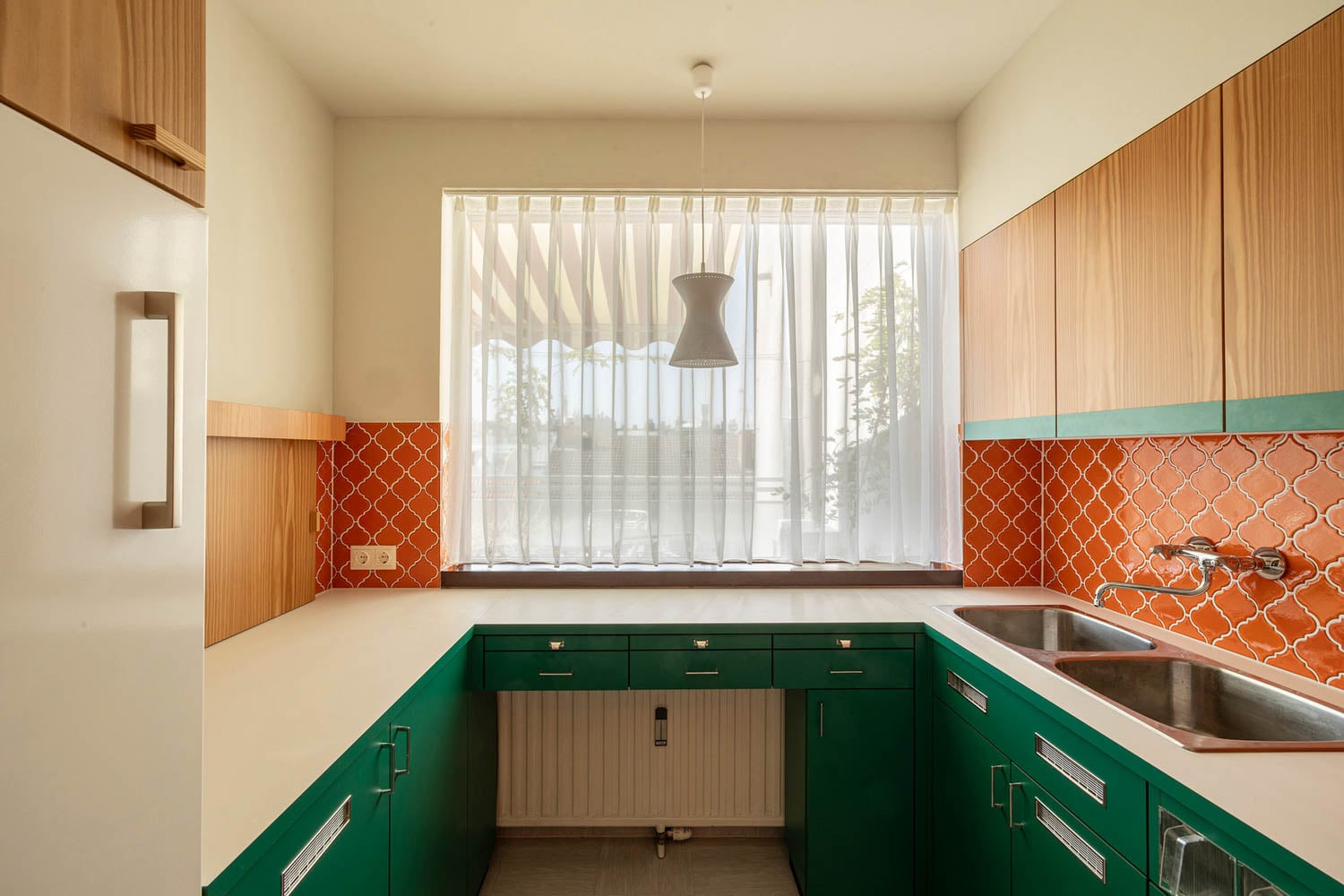
Designed in 1926 for municipal housing in Germany, the Frankfurt Kitchen is widely considered the prototype of the modern fitted kitchen. Drawing on railway dining cars and the efficiency principles of scientific management, Schütte-Lihotzky analyzed movement, storage, and workflow to compress meal preparation into just 6.5 square meters (ca. 70 square feet).
“I worked on the first model of the Frankfurt Kitchen for nine months, together with industry partners,” she once recalled. “We then installed a prototype in the town hall and Women’s organizations all came to see it. After this experiment we were able to move into mass production.”
See How The Frankfurt Kitchen Changed Domestic Design
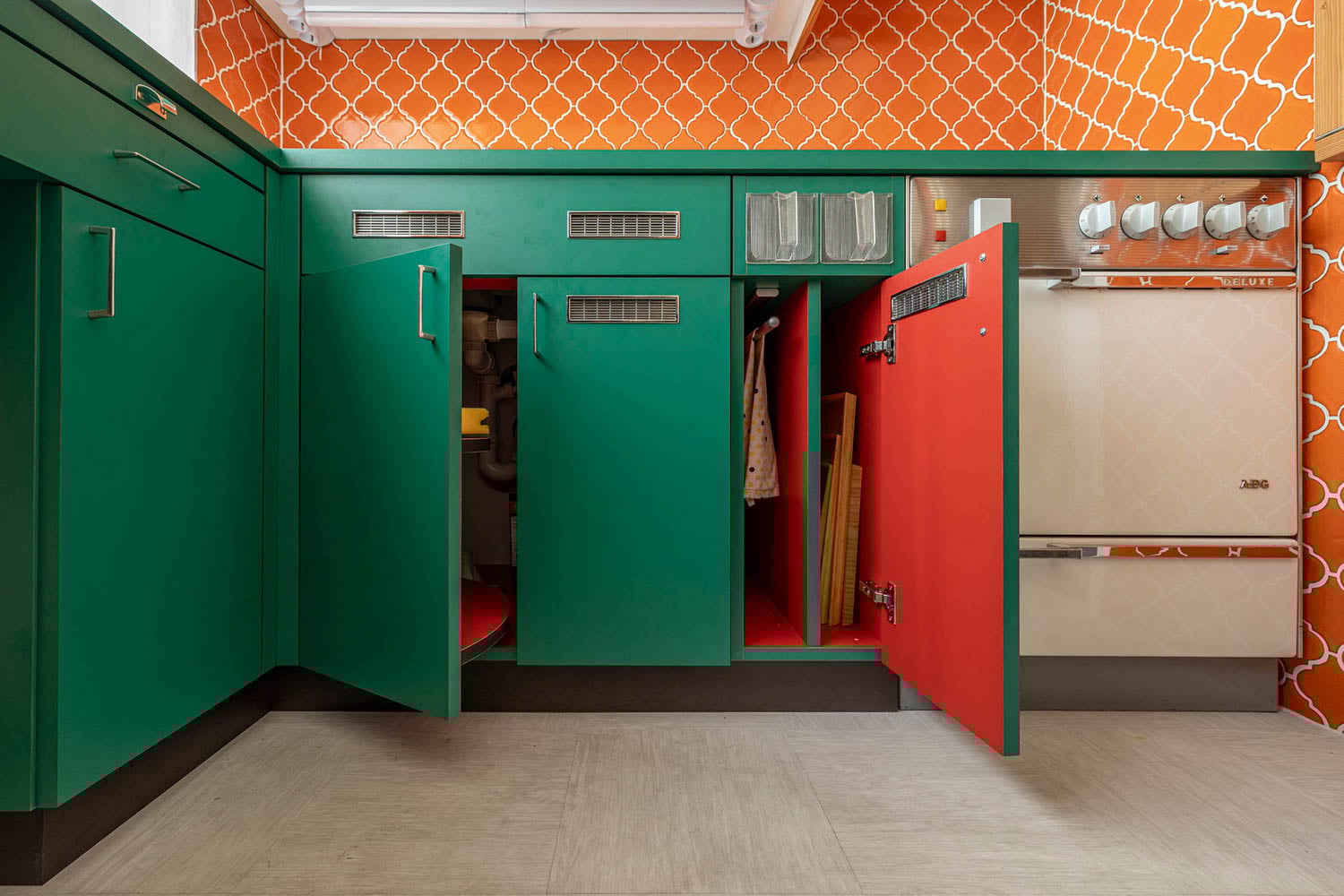
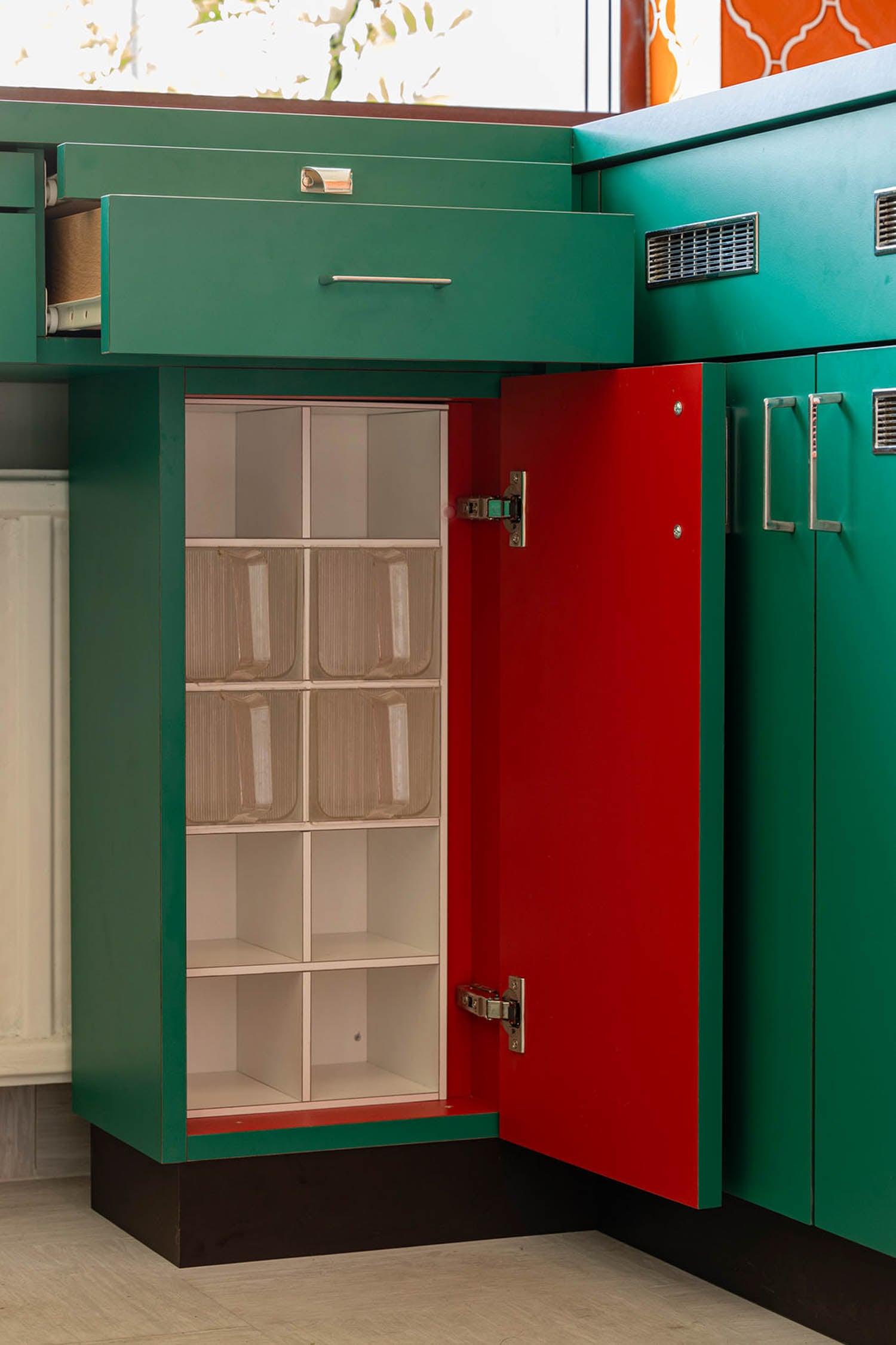
Built-in cabinetry, sliding components, and labeled storage created an integrated system rather than a furnished room, easing domestic labor while making compact apartments more livable. Many features now seen as standard kitchen ergonomics trace back to this carefully engineered environment.
Schütte-Lihotzky’s work extended well beyond the kitchen to housing, schools, and shared civic infrastructure. She developed serial housing models alongside kindergartens, community facilities, and service buildings designed to support modern life at every scale. Communal laundries and shared amenities shifted labor from the private apartment into collective space, while daylight-filled classrooms and child-scaled proportions aligned architecture with progressive pedagogy. Her modernism was grounded in usability, affordability, and access, anticipating today’s emphasis on inclusive, human-centered design.
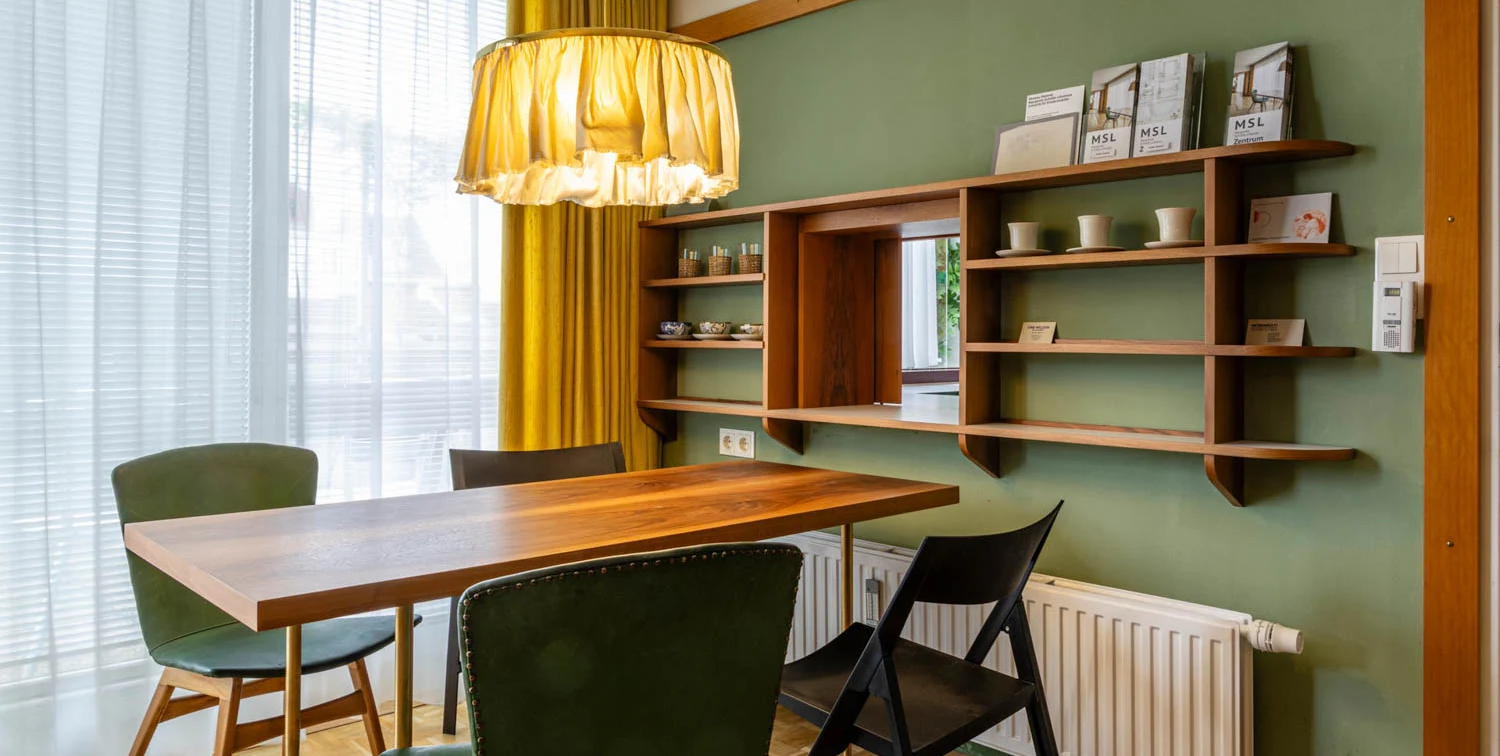
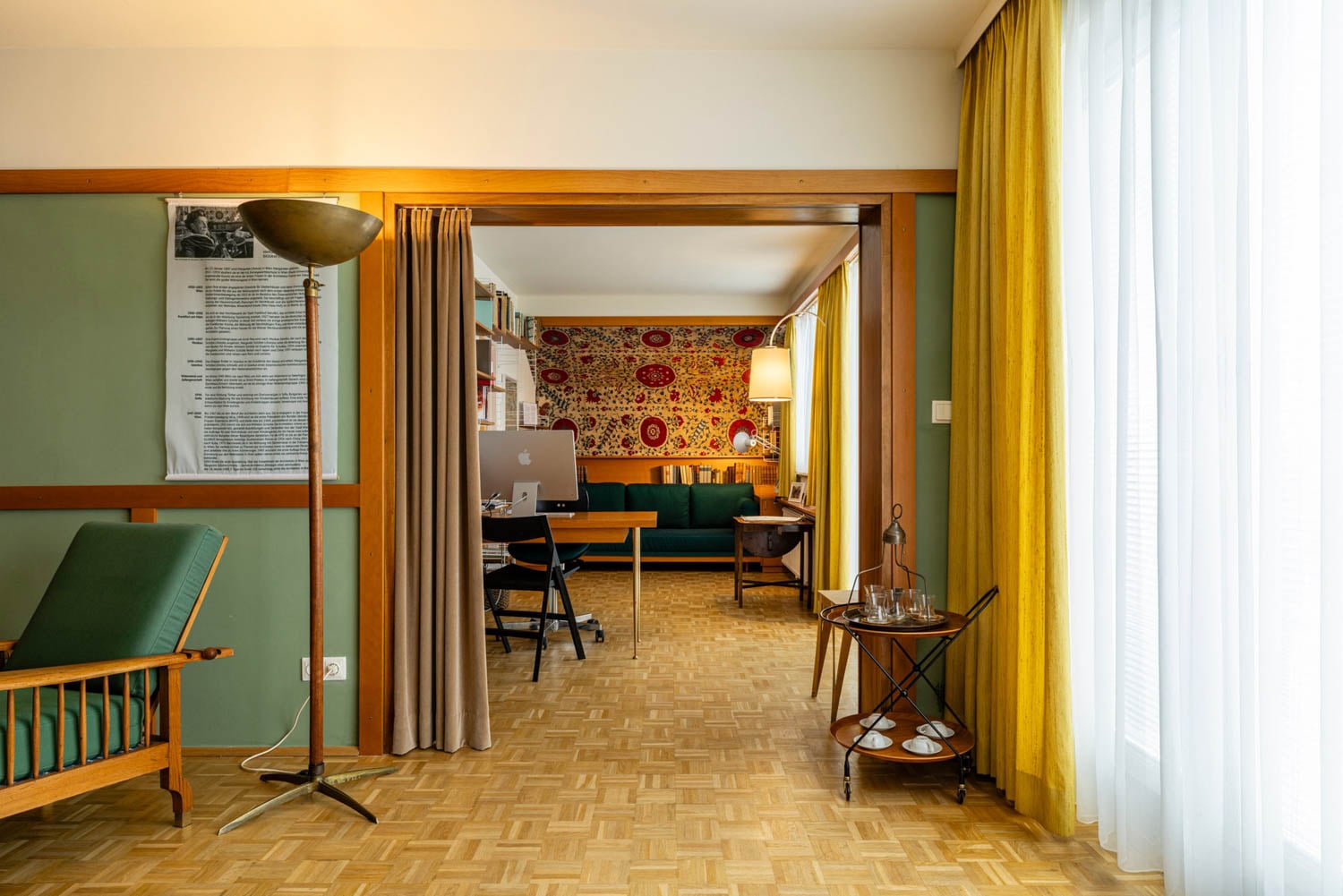
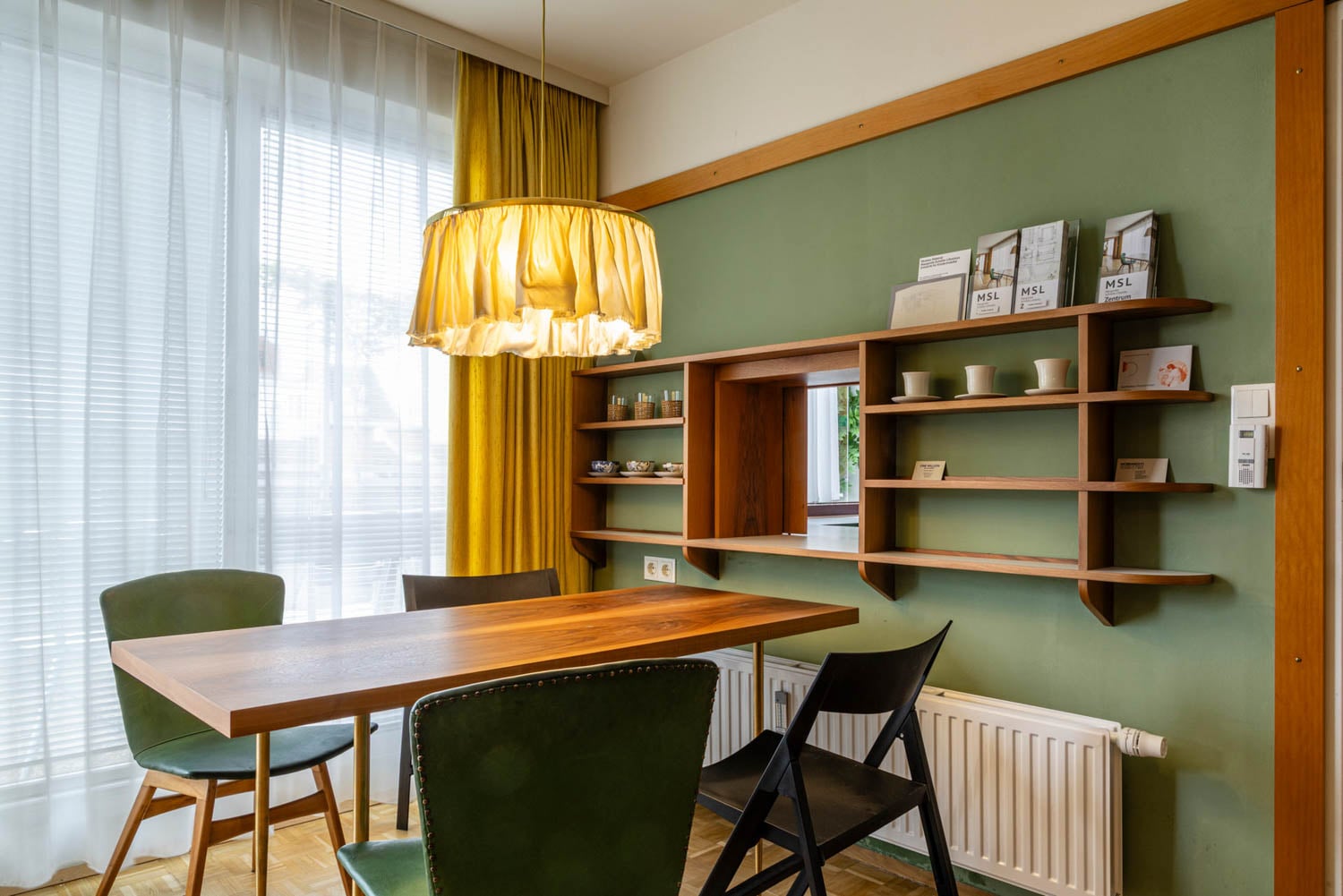
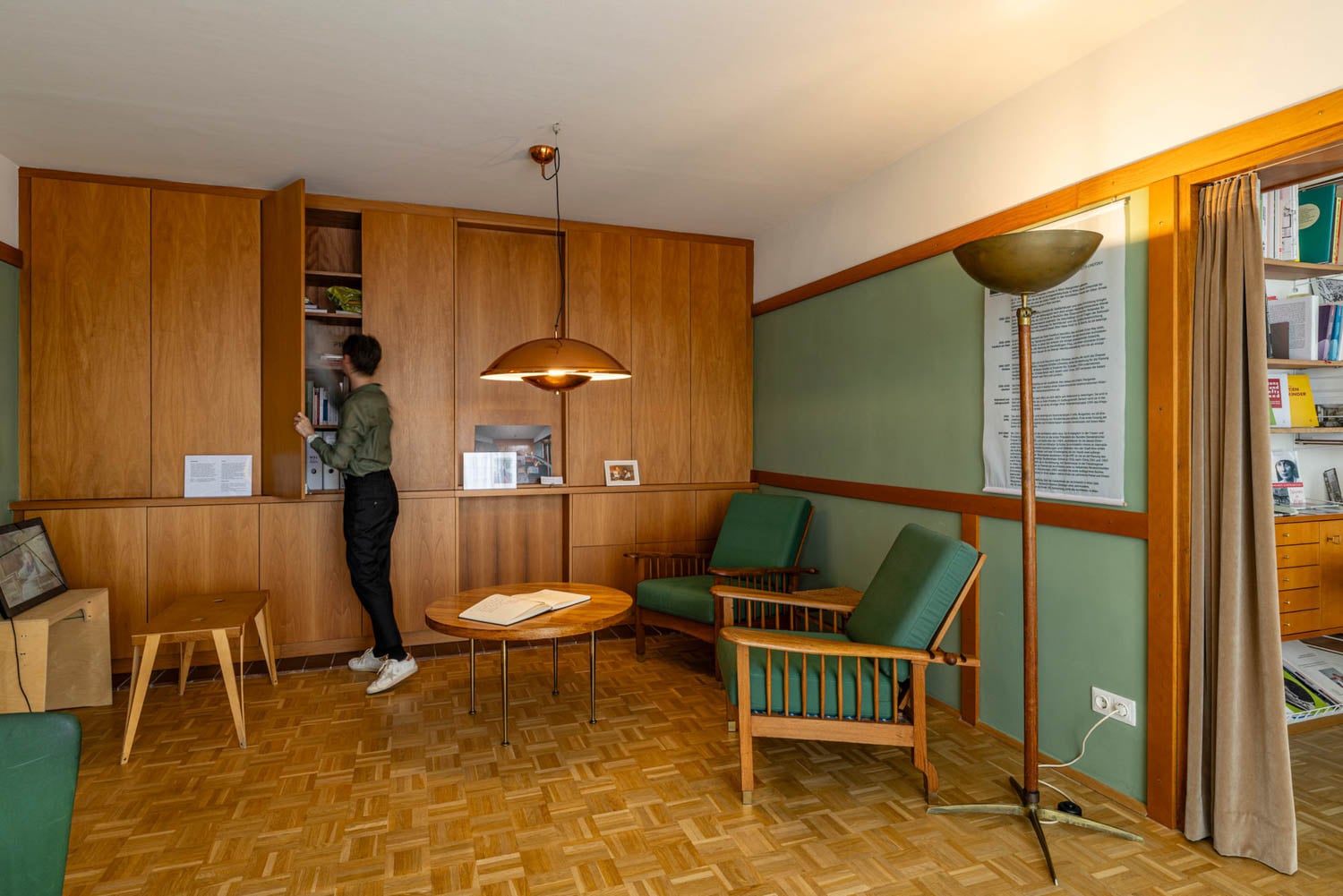
That ethos remains tangible at the Margarete Schütte-Lihotzky Center in Vienna, housed in her former apartment, where compact planning, flexible live-work zones, and integrated storage read as a built distillation of her ideas. Now an active research and exhibition space, it continues her commitment to education, visibility, and the transformative potential of design.
Inside The Margarete Schütte-Lihotzky Center
read more

DesignWire
Designers And Manufacturers On The Move: September 2026 Edition
Interior Design‘s latest On the Move includes must-know industry promotions and hires, like Perkins&Will’s strategic move to expand its design capabilities.

DesignWire
10 Questions With… Artist and Designer Conie Vallese
From sculpture and ceramics to glass, textiles, and furniture, Conie Vallese embraces a multidisciplinary practice shaped by curiosity and creativity.