
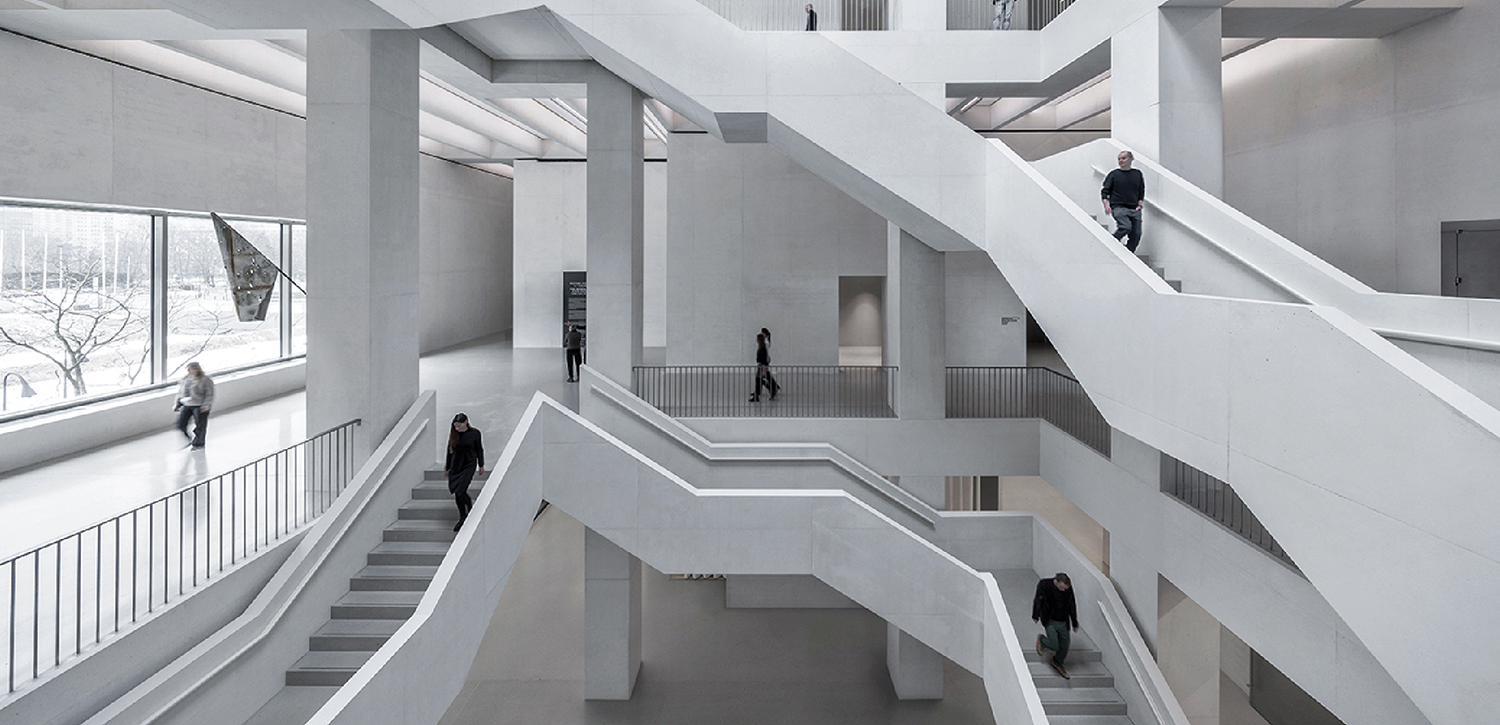
Thomas Phifer Designs The Museum of Modern Art Warsaw
Celebrated architect Thomas Phifer has worked on dozens of cultural institutions across the U.S., most notably completing expansions to the Glenstone in Potomac, Maryland, and the Corning Museum of Glass in New York, plus myriad residential commissions. But he hasn’t done a project in Europe. Until now, when Thomas Phifer and Partners has designed not one but two buildings in Poland: the Museum of Modern Art Warsaw and the TR Warszawa Theatre. The former has just bowed, marking not only a milestone for Phifer but also for the museum, or MSN (the Polish acronym for Muzeum Sztuki Nowoczesnej), which hasn’t had a permanent home since its founding in 2005.
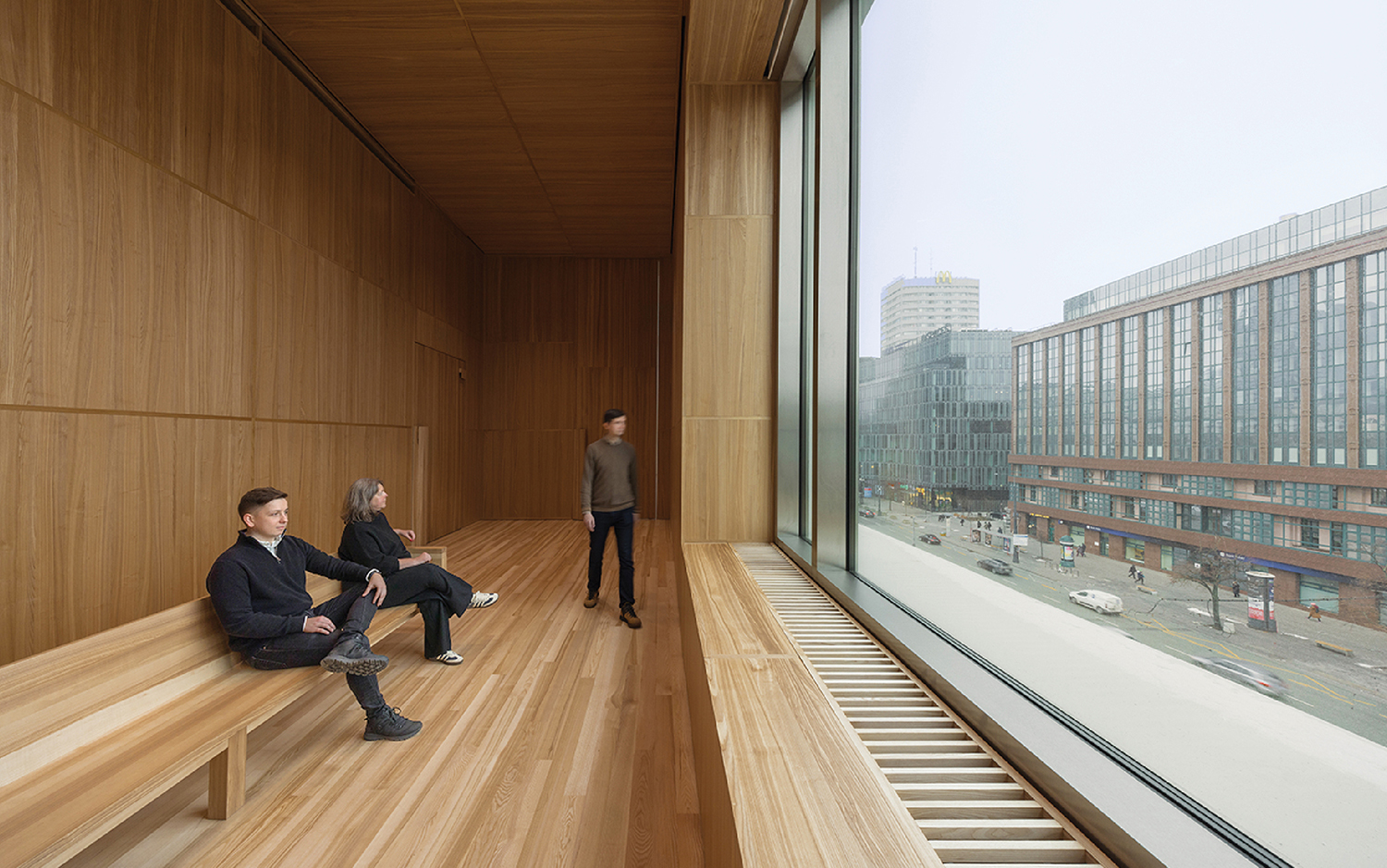
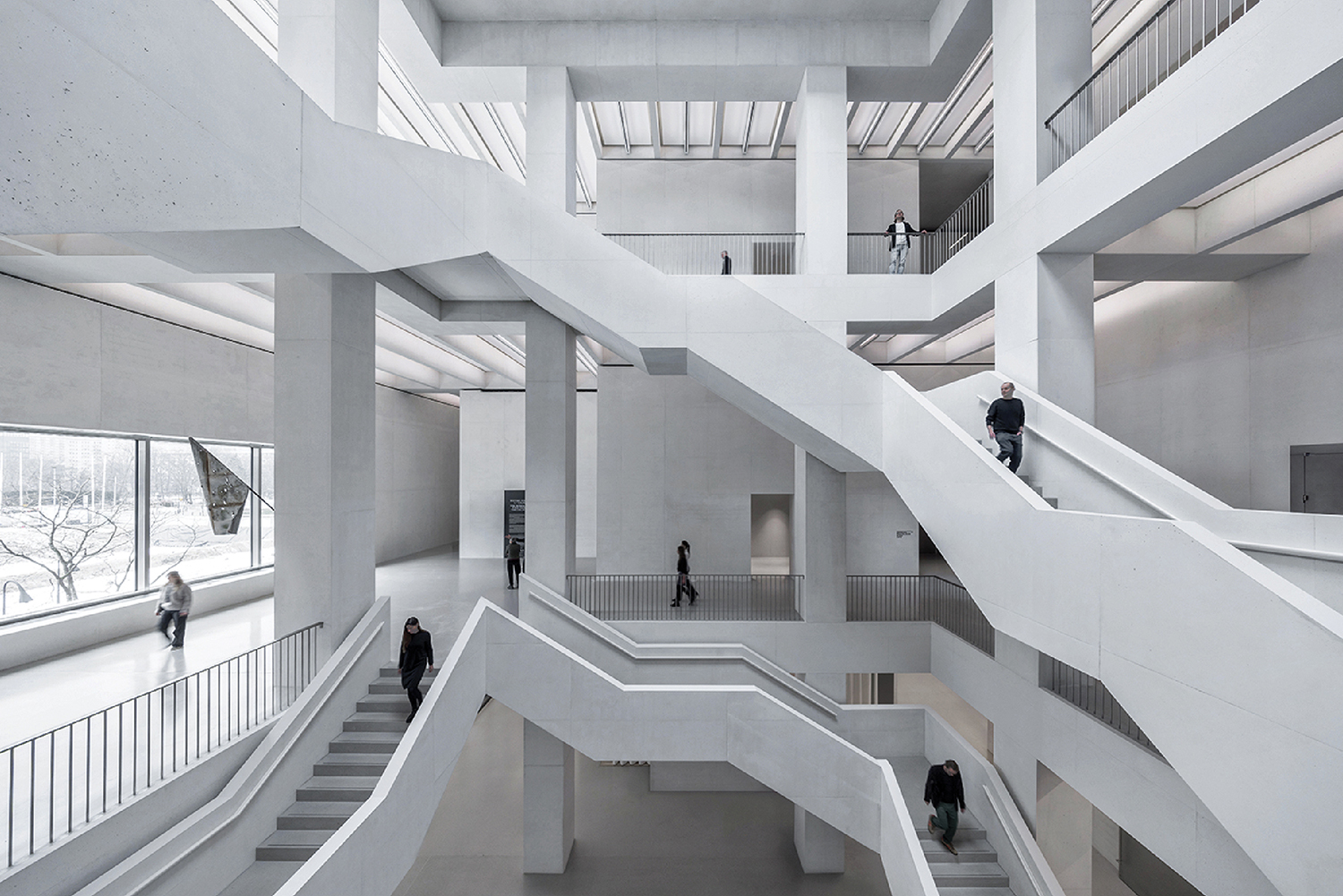
And what a home it is. The three-story structure is on Plac Defilad, the largest public square in Europe. Beyond its facade of crisp-white architectural cast-in-place concrete, the 213,000-square-foot interior features a series of “city rooms,” their expansive windows overlooking the plac, and a monumental staircase connecting all the galleries. Those are now installed with “The Impermanent: Four Takes on the Collection,” the MSN’s inaugural exhibition drawn from its 4,300-plus holdings, which spans pieces from the 1950’s to today, focusing on how artists have interpreted modernism and its political, economic, and creative implications and revealing the changes across the visual arts in the last seven decades. “The galleries serve as catalysts for Warsaw’s cultural renaissance,” Phifer says. “We imagined the building as a vitrine of light, not only a museum but also a town hall where Varsovians and visitors can participate in the life of the city.”
Inside The Museum of Modern Art Warsaw

read more
DesignWire
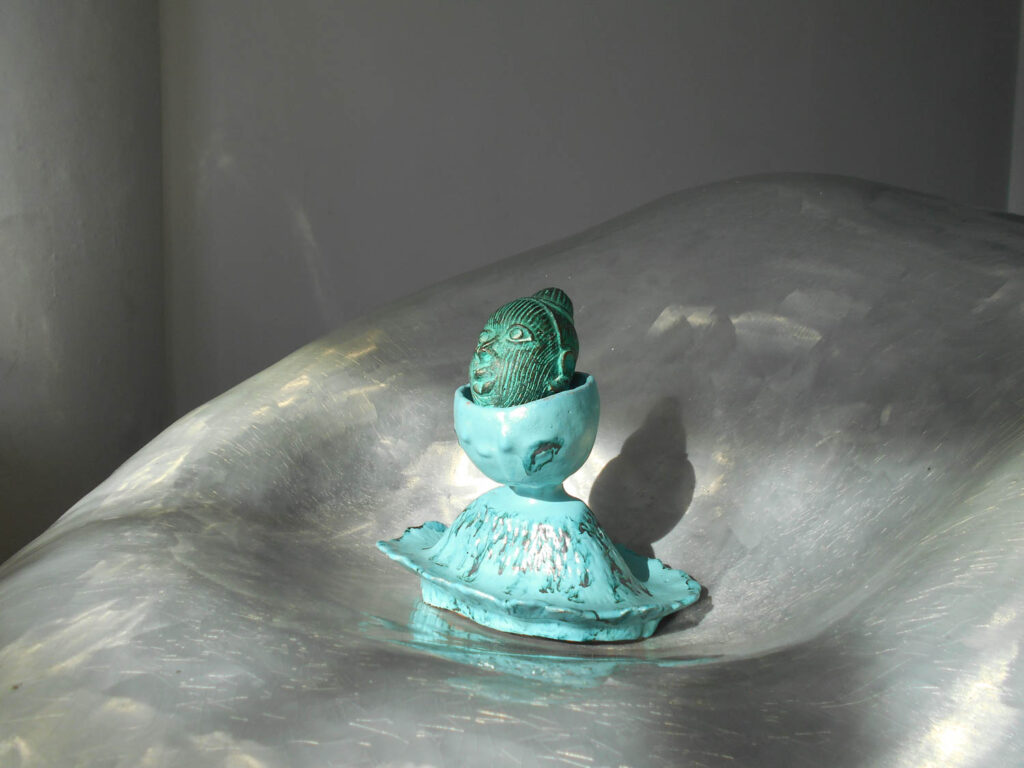
10 Questions With… Sculptor Aminata Mboup
Aminata Mboup discusses her practice, inspirations, fluidity between disciplines, as well as her unique approach to materials.
DesignWire
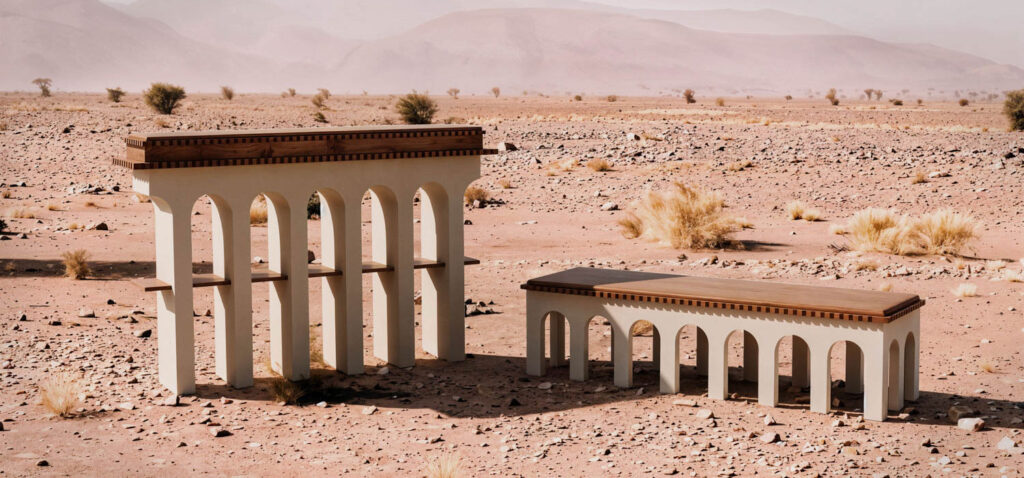
10 Highlights From Amman Design Week
Amman Design Week 2026 gathers a host of regional designers and architects under the theme ‘Accumulations.’