
How SOM Is Exploring A New Wellness Blueprint
When it comes to crafting wellness spaces, designers and architects often take into account biophilic elements, non-toxic materials and WELL certifications but Stefano Tronci, Asia Pacific sustainability lead at Skidmore, Owings & Merill (SOM) based in Hong Kong, goes a step further, taking a more holistic approach. The designer is leading the charge in prioritizing those within the commercial environments the firm designs to create spaces that foster community and connection.
Joining host AJ Paron, EVP and design futurist at SANDOW Design Group, in the latest Once Upon a Project podcast, hosted on the SURROUND Podcast Network in partnership with Shaw Contract, Tronci shares how his team crafts high-performance spaces that prioritize occupant wellbeing.
SOM Sets A New Standard for Healthy Architecture
“I’ve always been interested in linking design to sustainability and thinking about how the design that we do in our work affects nature and our footprint on resources around the world,” he shares. “At a certain point in my career, I started to reflect on the possibility of design actually impacting the quality of life and the outcome in the life of our users who inhabit the spaces we design.”
Tronci asserts that to create people-first spaces, input from those most impacted is essential, including developers, engineers, and city officials. “The reality is that we don’t just want to propose things because they are pretty… We want to propose strategies that have an impact, not just in the design but in the outcomes that these projects are going to have,” he says.
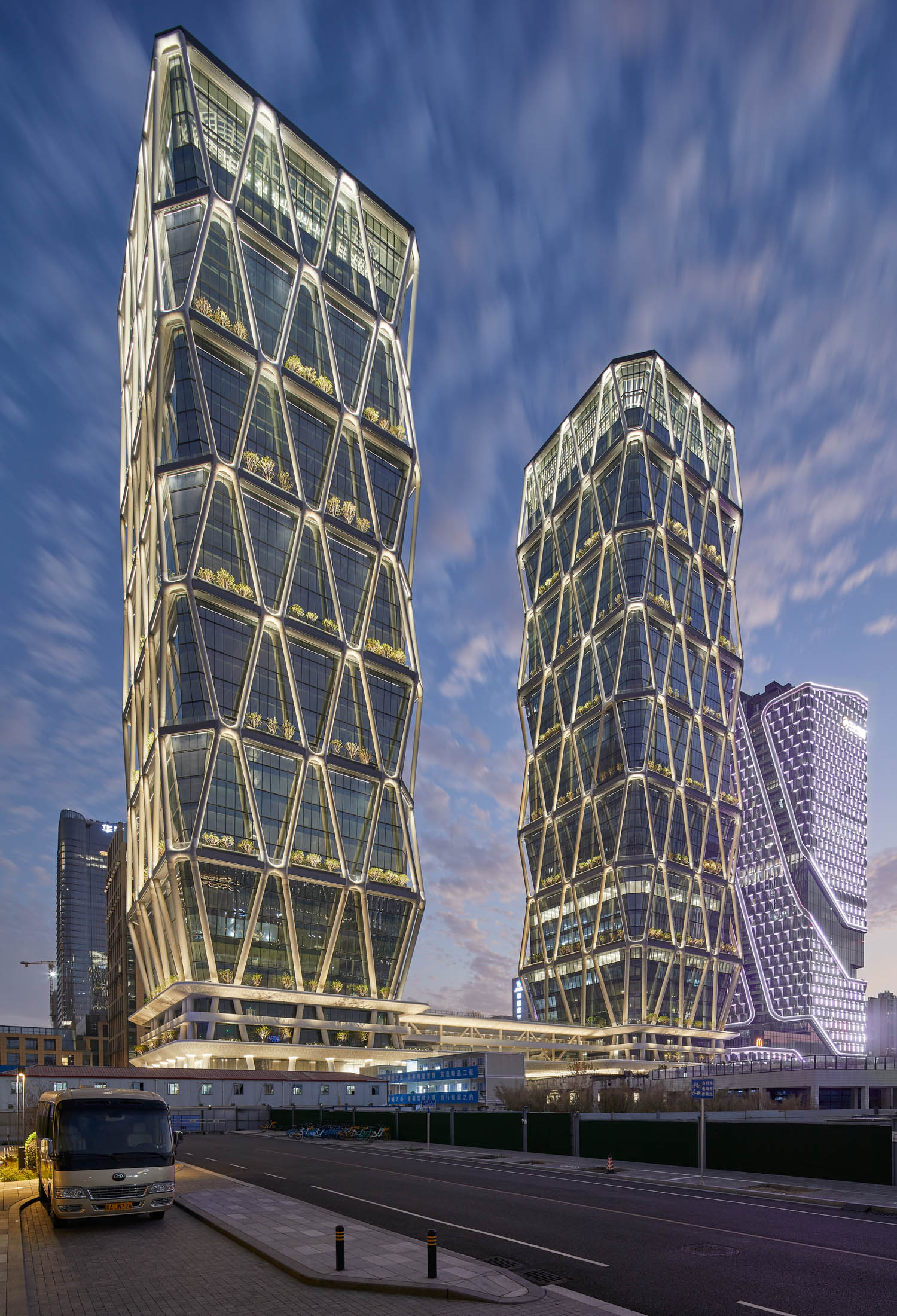
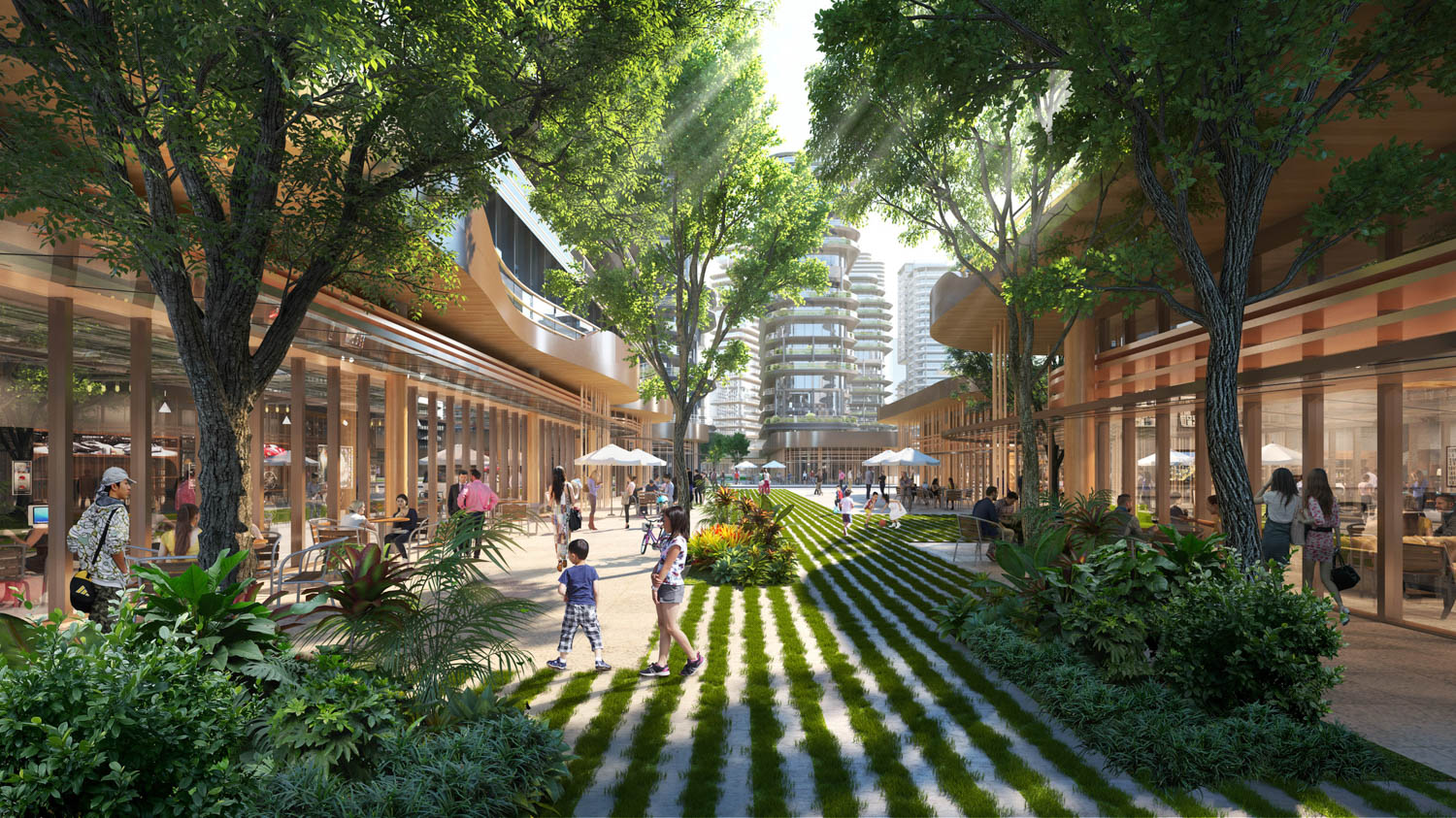
With wellness top of mind, SOM aims to codify key quality of life factors, such as the importance of daily movement, circadian lighting, and immersion in nature, in the architecture of the spaces being designed. Tronci says: “Very big cities, like we have in East Asia, often have several million people, which comes with pollution, noise and traffic, and a lot of stressors… How do we reimagine a society that can be deigned in a way that improves their health and wellbeing?” SOM’s master plan for a University Island development in Guangzhou, China, offers an example of the firm’s approach. Taking into account the nearby surroundings, SOM closely studied the local climate, finding ways to bring air flow in, drive pollution away and, ultimately, lower the overall temperature.
Safety is also top of mind when creating new developments, Tronci says, especially given the effects of climate change, such as increased heat waves and flooding. To address this, SOM installed large green connections that cross the University Island development and naturally absorb water, creating tidal pools and regenerating the environment’s biodiversity. “We can still design spaces that, at the very least, mitigate the impact of climate change on the residents and support a strategy that improves the quality of life for the people living in this place so that they can not only survive a changing climate but thrive within it,” he continues.
Whether designing a bench or a sky-high tower, Tronci asserts the power of place-making. “Finding purpose within an urban environment improves your sense of place, your ability to call a place home,” Tronci adds. “It’s so important to create that level of placemaking, not by just putting a beautiful landmark somewhere, but rather, through life intersected through all of the different architecture, buildings, communities, and activities that happen in that.”
Tune into the full podcast episode—created in partnership with Shaw Contract—to learn more and explore all Once Upon a Project episodes on the SURROUND Podcast Network.
read more
DesignWire
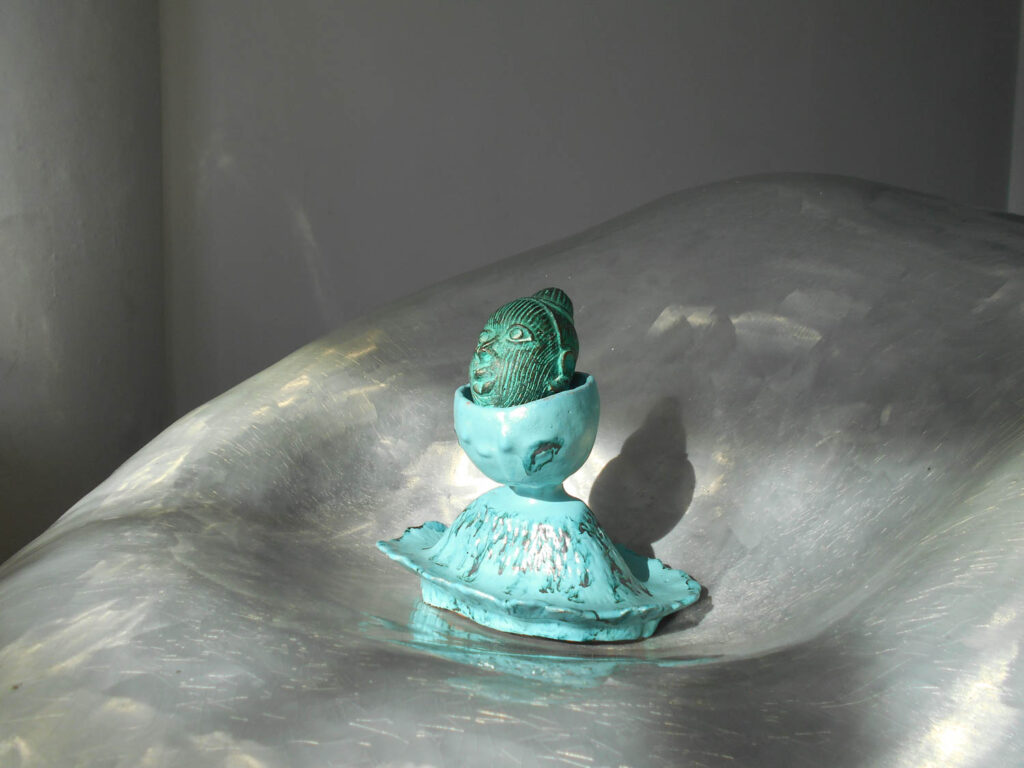
10 Questions With… Sculptor Aminata Mboup
Aminata Mboup discusses her practice, inspirations, fluidity between disciplines, as well as her unique approach to materials.
DesignWire
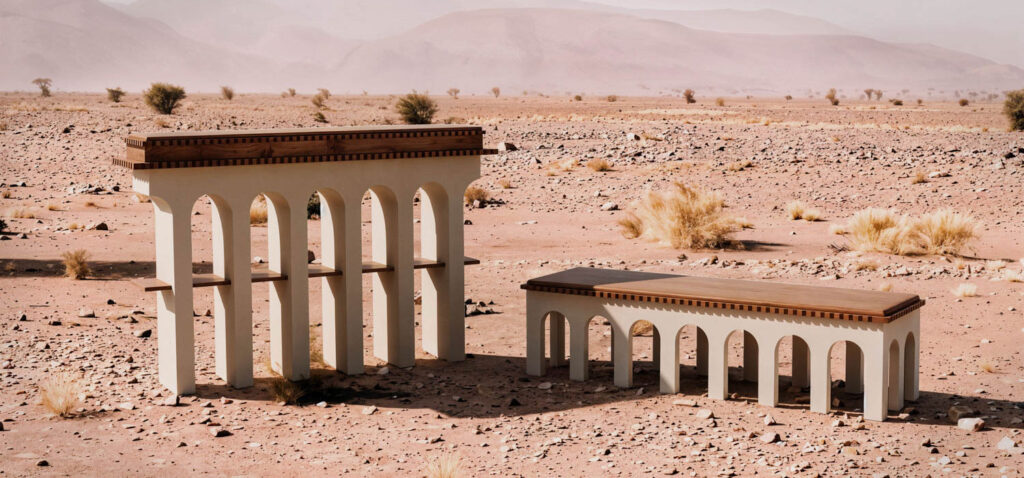
10 Highlights From Amman Design Week
Amman Design Week 2026 gathers a host of regional designers and architects under the theme ‘Accumulations.’