
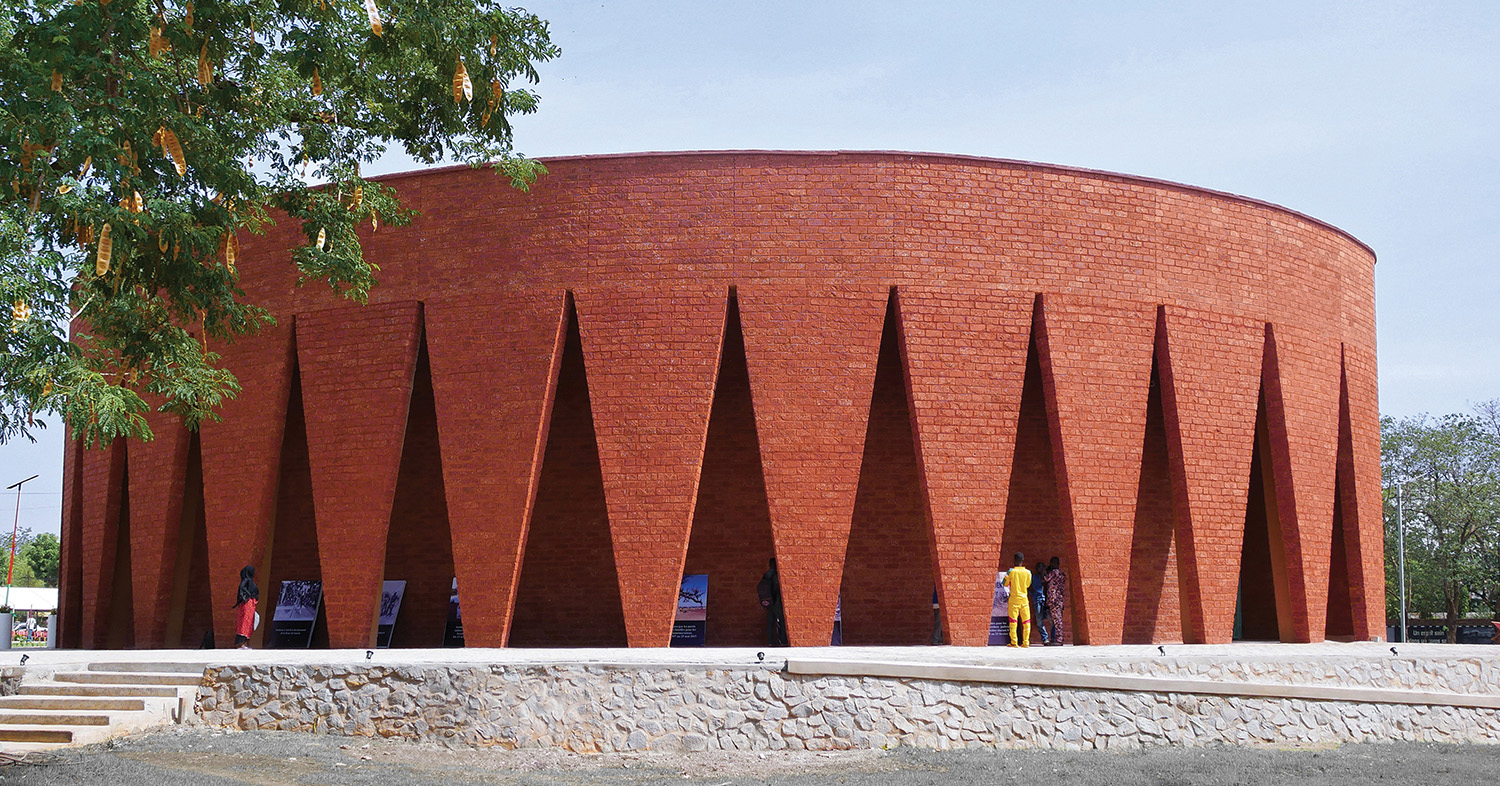
Discover the Monument Honoring the Legacy of Thomas Sankara
Thomas Sankara, a Pan-Africanist revolutionary who led a successful coup in Burkina Faso and served as its president from 1983 until his assassination in 1987, has been described as the country’s version of Che Guevara. Now, the Thomas Sankara Mausoleum has risen in Ouagadougou, in the exact place he and 12 other officials were killed. It’s appropriately the work of Pritzker Architecture Prize–winning architect Francis Kéré, who’s Burkinabé himself. “It’s a space that belongs to the people, an important historic site, and a symbol of progress, change, and hope for all,” the Kéré Architecture founder says.
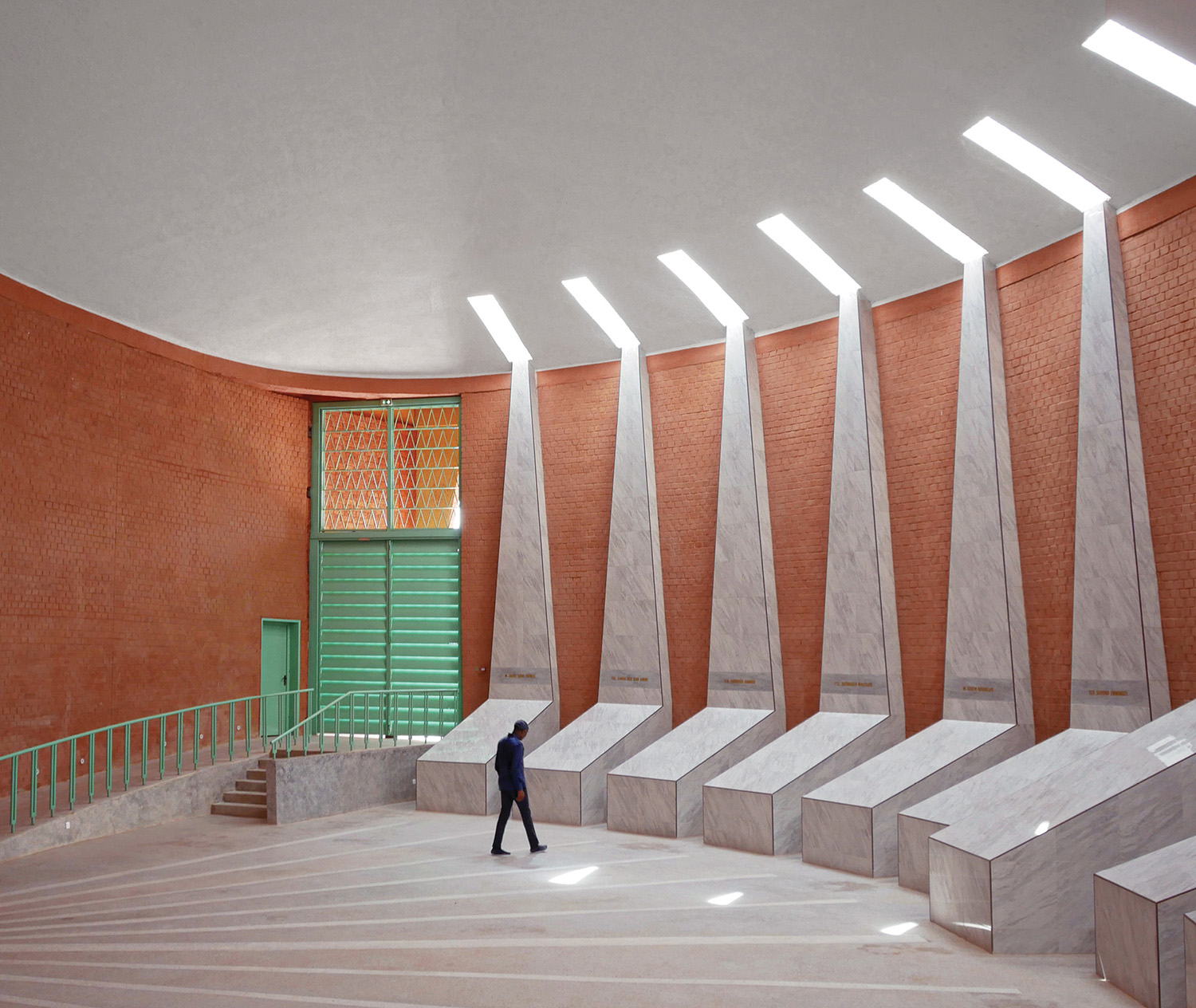
The 4,800-square-foot volume has a circular inner chamber where 13 tombs are arranged concentrically and each crowned by a skylight that follows the sun’s path. Every hour, a different tomb is illuminated, moving visitors through a ritual of remembrance. The same number of concrete columns stretch skyward, their hollow forms embodying a symbolic absence.
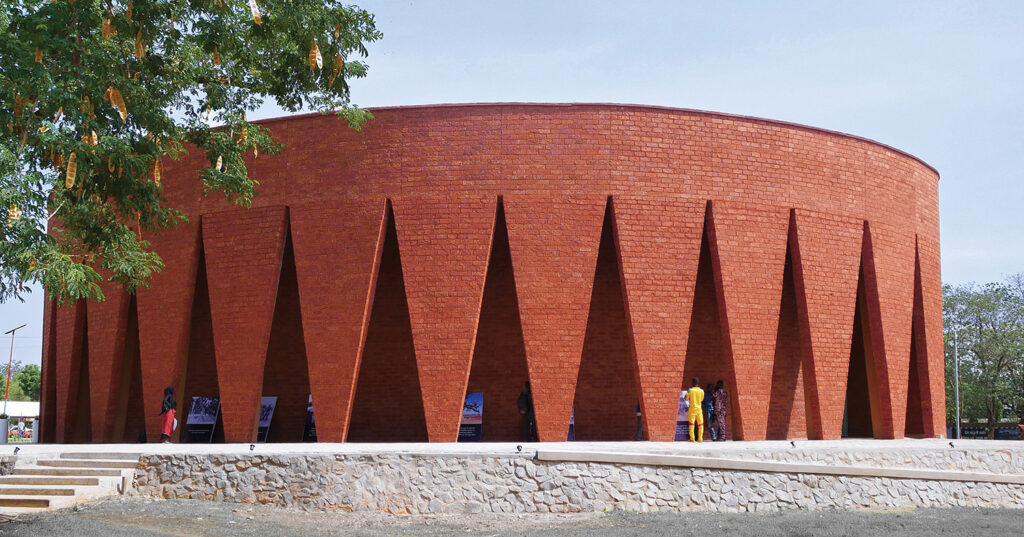
Kéré rooted the project’s construction in surrounding context. The laterite soil and clay bricks used to form the structure are locally sourced, and members of nearby communities were hired for their extraction and production. Indigenous wisdom led the building’s environmental strategy: Two large louvered gates along the east-west axis funnel prevailing winds through the central chamber, while the 111-foot-high stone dome acts as a thermal buffer, helping to keep the mausoleum cool despite the baking Sahel sun. It’s phase one of the 35-acre Thomas Sankara Memorial Park, which will encompass restaurants, educational facilities, and offices, connected by verdant plantings and shaded paths, transforming loss into life.
Tour The Thomas Sankara Mausoleum
read more
DesignWire
25 Years, Countless Design Stories: Celebrating Cindy Allen
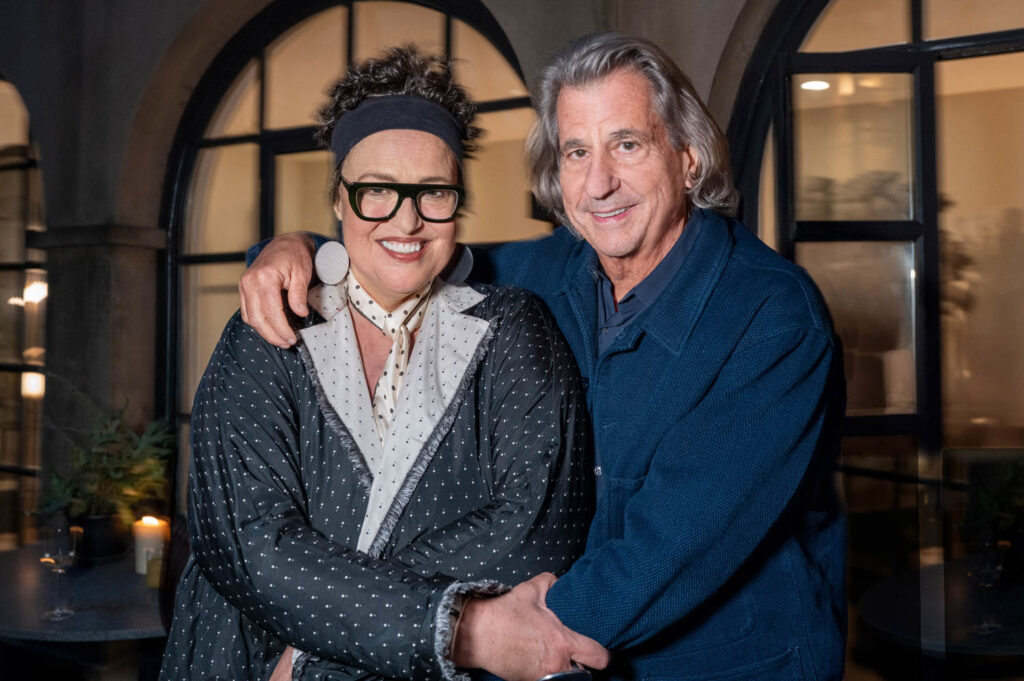
Interior Design Editor-in-Chief Cindy Allen’s 25th anniversary brought the design community together at Manhattan’s historic Clé Townhouse.
DesignWire
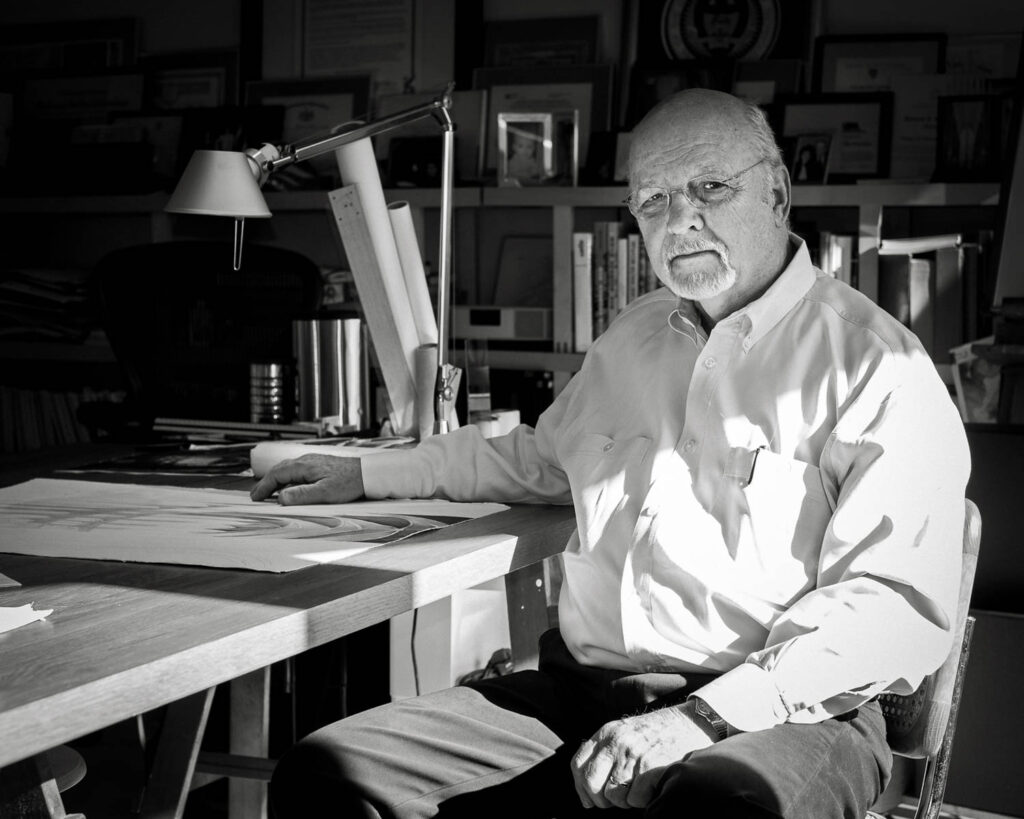
Thomas W. Ventulett III, Cofounder Of TVS, Dies At 90
A tribute to the life and legacy of Thomas W. Ventulett III, co-founder of the Atlanta-based architecture firm TVS.