Adaptability Drives Modular Design at B+N Industries
The categories that once organized interior design have grown porous. The hotel lobby now accommodates the remote worker, the office has taken on the warmth of a hospitality space, and brand-centered experiential design has expanded well beyond its origins in retail. “We're seeing the boundaries that have traditionally existed between these market verticals completely breaking down,” says Elisa Radominski, Product Manager at B+N Industries. For B+N Industries, designing purposeful and beautiful places has always meant building systems capable of evolving with them, and the current moment is one the portfolio was built for.
Founded in the early 1980s and now part of the Momentum Textiles & Wallcovering family, the California-based company designs and manufactures modular systems that treat adaptability as a design value in its own right. The approach is rooted in what Radominski calls “future proofing”: basing systems on well-considered modular building blocks that can evolve as market needs change, without requiring spaces to be rebuilt from scratch. Three of those systems, System 1224, Sorbetti 2.0, and Muro, show what that thinking looks like in practice.
Form Follows Adaptability
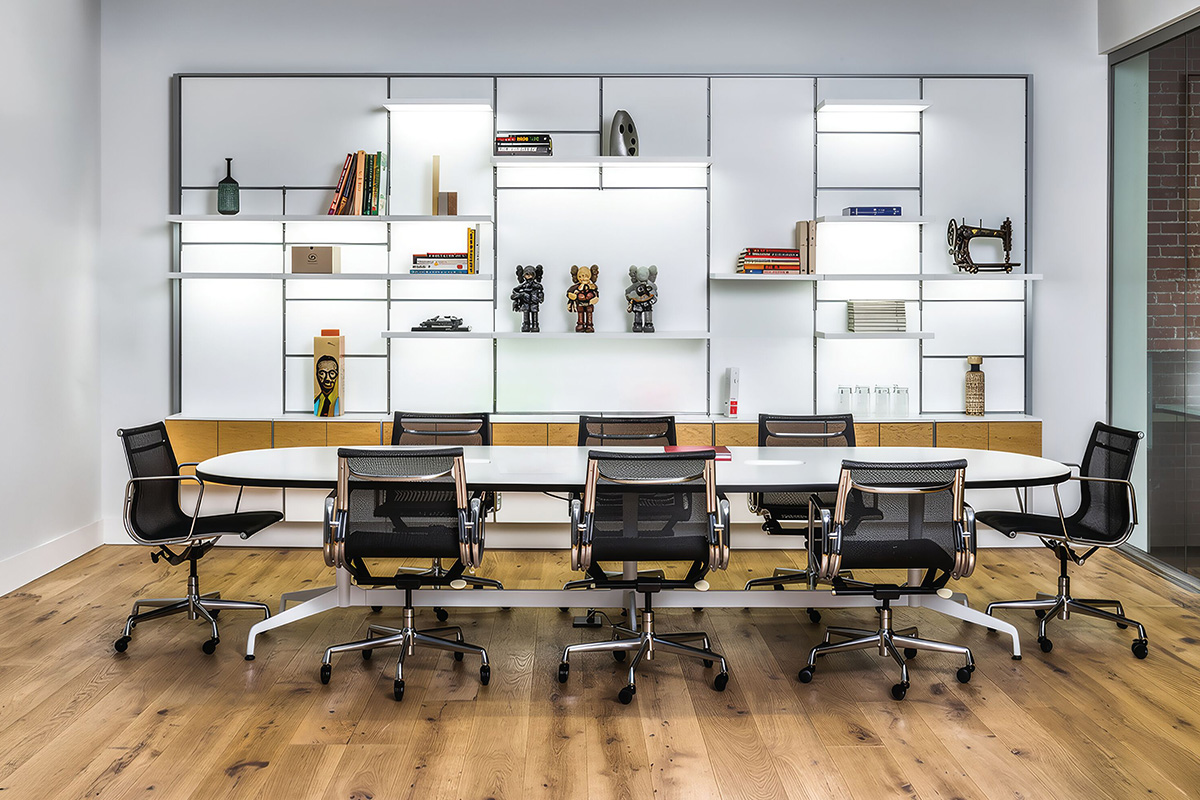
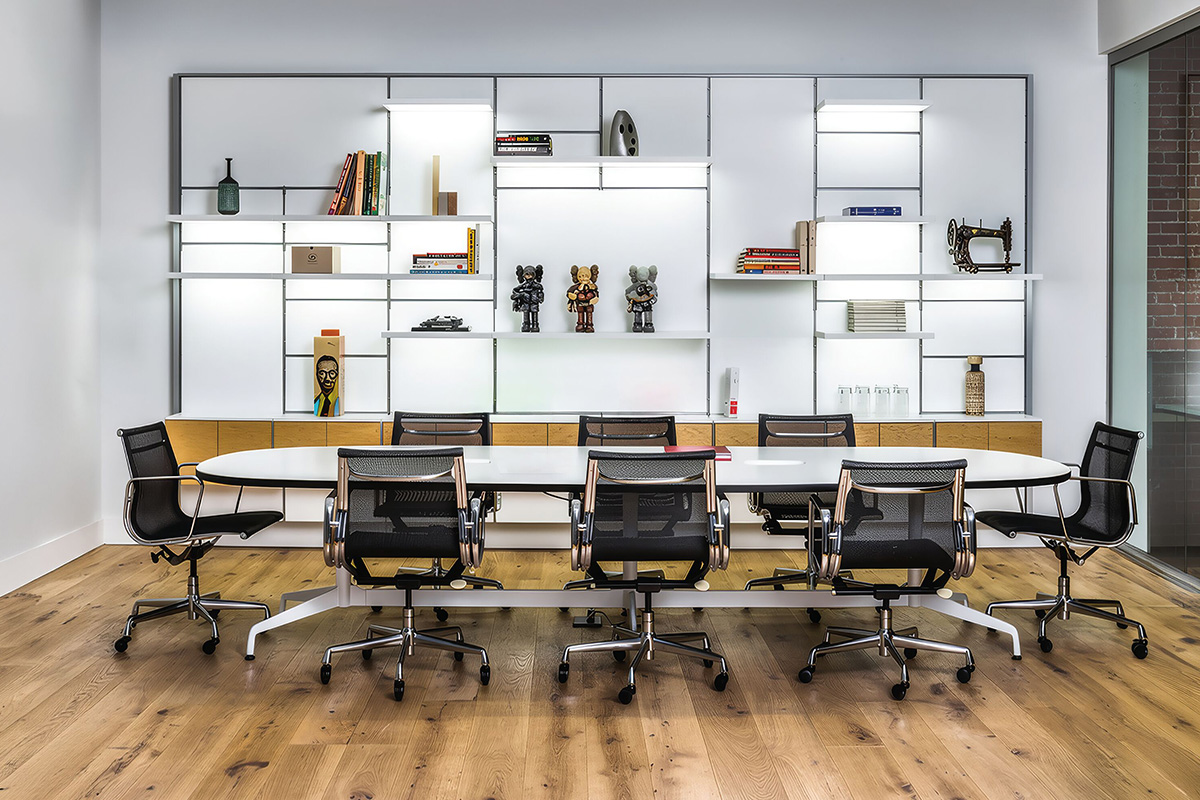
System 1224 is a wall-mounted and freestanding shelving, cabinet, and panel system rooted in the principles of International Style: rectilinear forms, repeating modularity, and an absence of applied ornamentation. Any component can be removed and replaced from the front of the system, singularly and without tools, allowing designers and operators to reconfigure displays, refresh messaging, and update layouts without disruption. Integrated electrification supports lighting and digital experiences, while magnetic and SEG graphic capabilities allow brands to update visual storytelling, customize environments for specific industries and applications, and refresh messaging quickly. “The depth and product maturity of System 1224 allow brands to demonstrate a fully rounded story with limitless display options and branded signage,” says Radominski. “The modular nature of our system allows designers to quickly grow and change a project with the seasons, moods, and styles of the moment.”
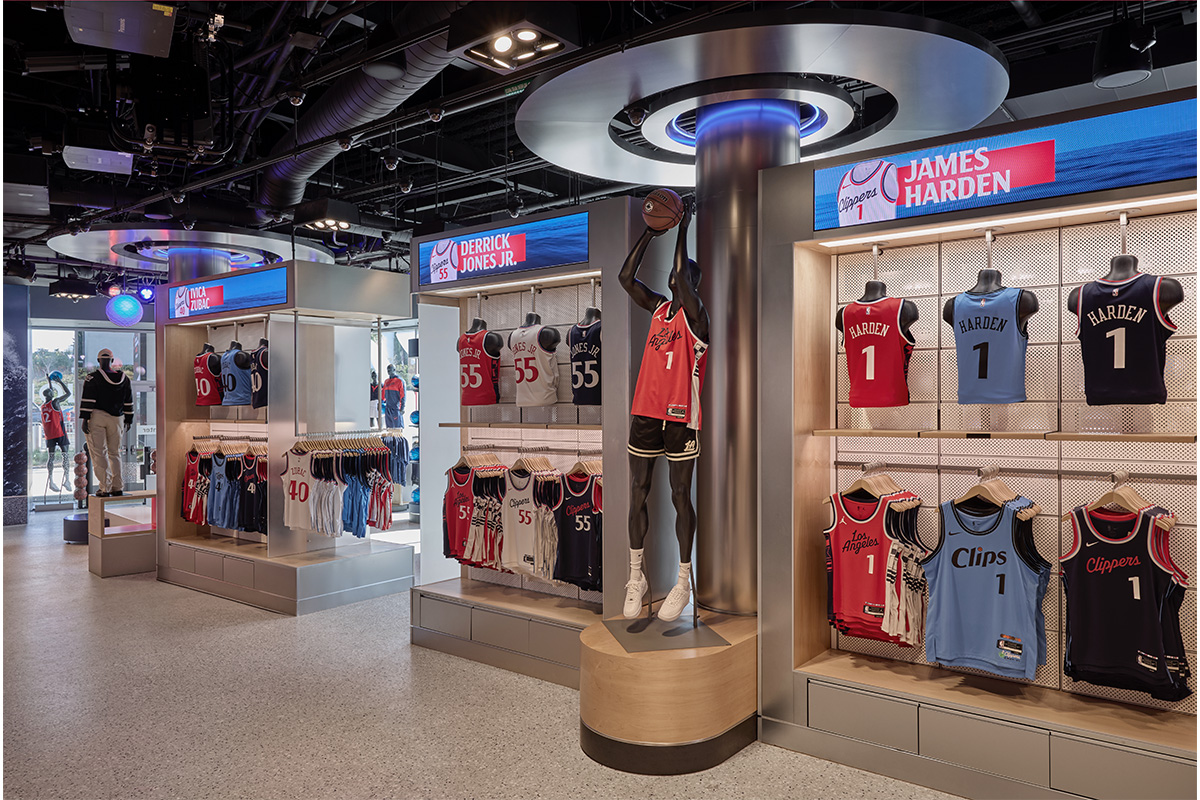
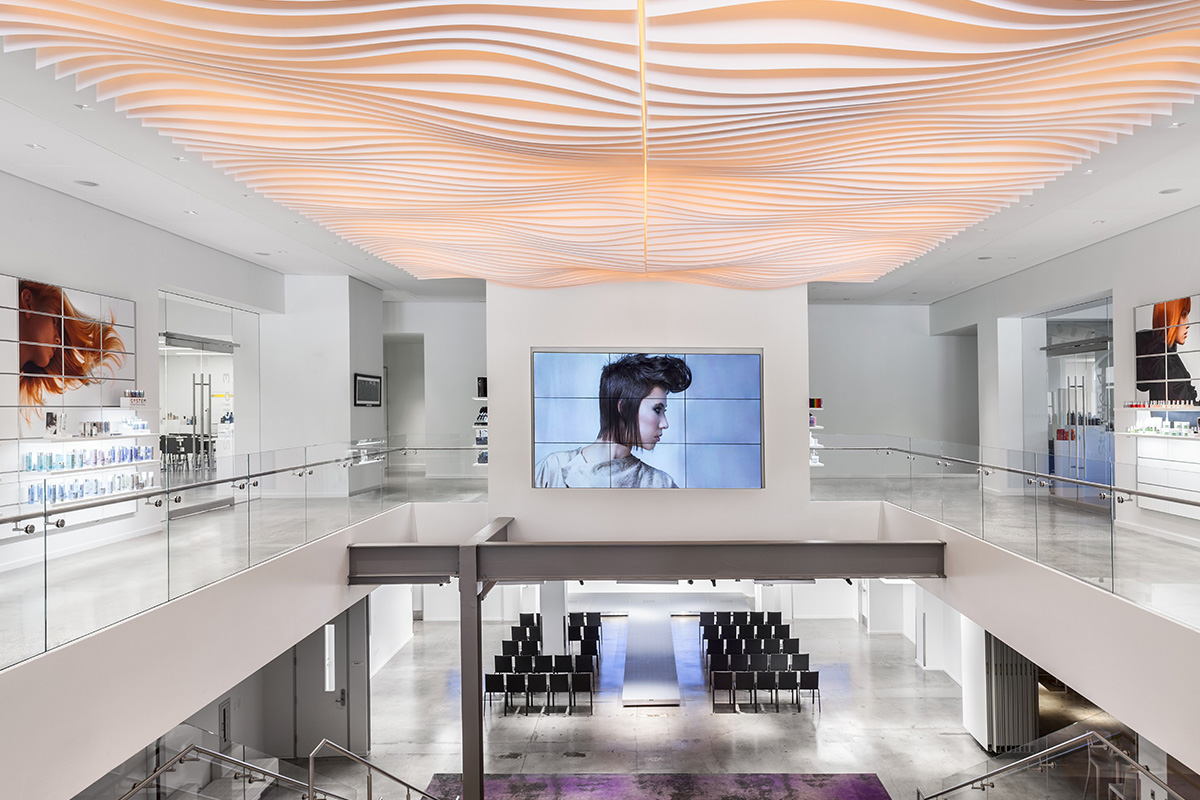
At the Intuit Dome in Inglewood, California, Studio Archer deployed it as the foundation for the LA Clippers' retail program, integrating graphics, lightboxes, and vitrines across a highly seasonal environment where the ability to refresh displays quickly was essential. Across town and across sectors, the same logic applied at Coty's 25,000-square-foot beauty studios in Calabasas, designed by Moshiri Associates, where LED-illuminated shelving and customized panels served a space built equally for product showcase and professional education. The system's capacity to serve both speaks to what modularity looks like when adaptability is treated as an architectural principle.
The Evolved Classic
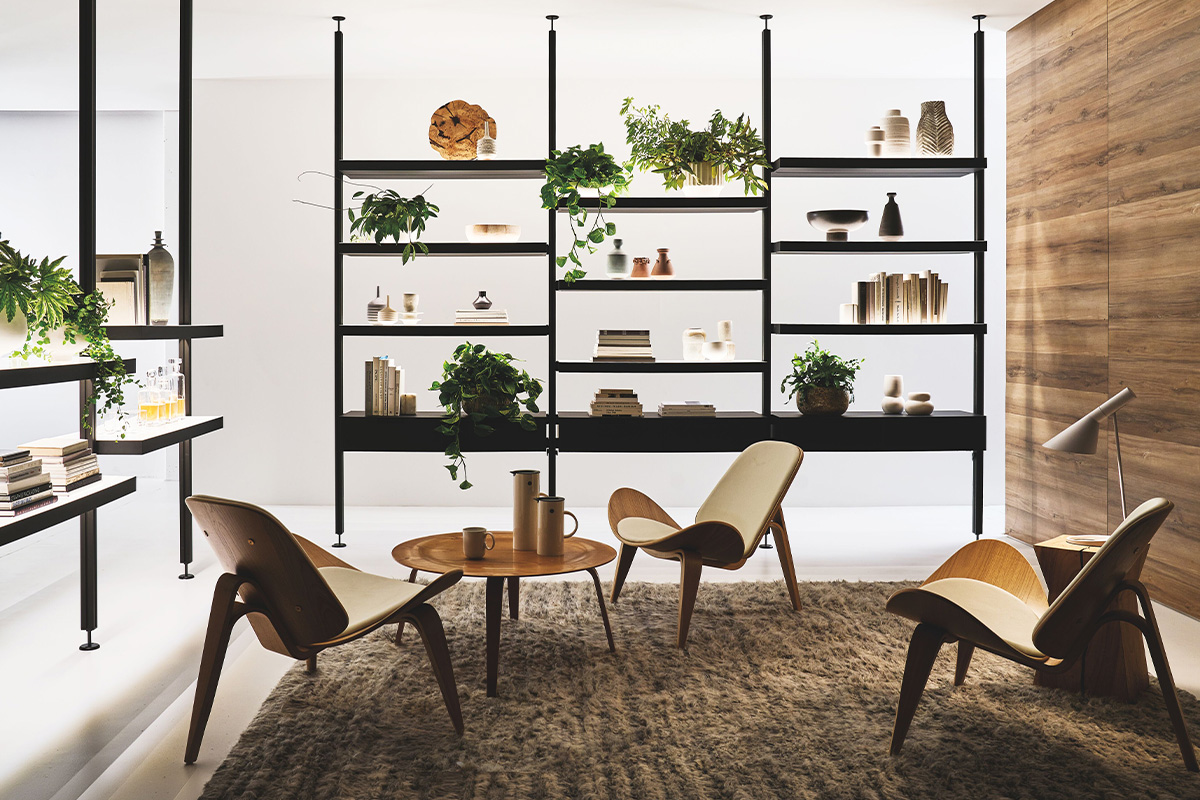
Sorbetti 2.0 arrives from a different design lineage. The original Sorbetti system debuted in 2000, drawing on the mid-century modern tradition of designers like George Nelson and Poul Cadovius, organizing itself around a central upright with an array of component parts: shelving, hooks, bars, panels, and floor-to-ceiling or floor-to-wall mounts. The current iteration preserves that sensibility while adding integrated LED lighting and internal low-voltage power routed through the uprights themselves. The system can also accommodate SEG graphics, extending its branding capabilities while eliminating the need for external wiring or trenching. “As the technology behind low voltage LED lighting evolved, we saw an opportunity to not only integrate an electrical feature into its predecessor but refine the design aesthetic,” says Radominski. A system that once defined itself through restraint and modularity now carries light and power within its own structure.
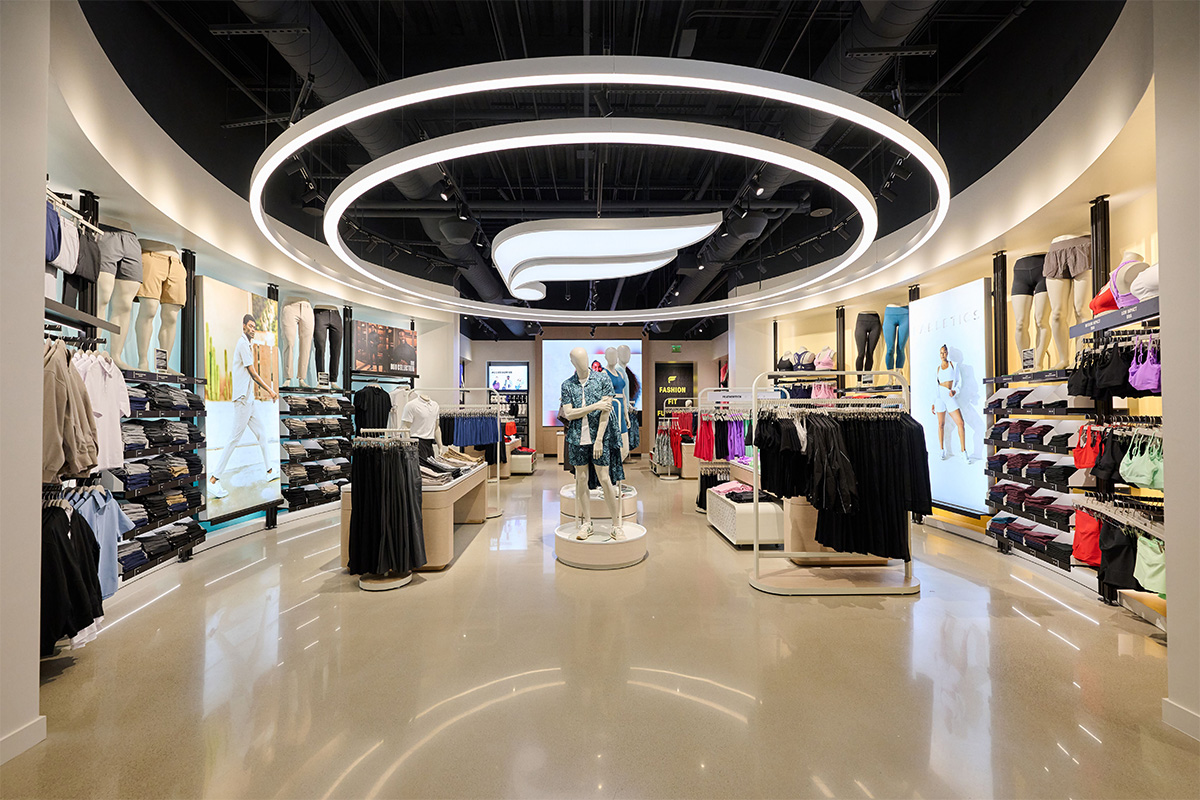
Across a four-store rollout for Fabletics in California and Texas, designed by MBH Architecture and Onyx Creative, pole-integrated electrification removed the need for trenching at each site while the system's minimal profile kept merchandise in the foreground and structure behind it. At the North Park location in Dallas, an additional pole per section allowed the system to follow a curved wall, and a custom baseboard enclosure concealed all wiring and drivers from view. The Fabletics rollout demonstrated what Sorbetti 2.0 makes possible in practice: sophisticated enough for high-profile retail, flexible enough to adapt to each site's specific conditions.
Built for What Comes Next
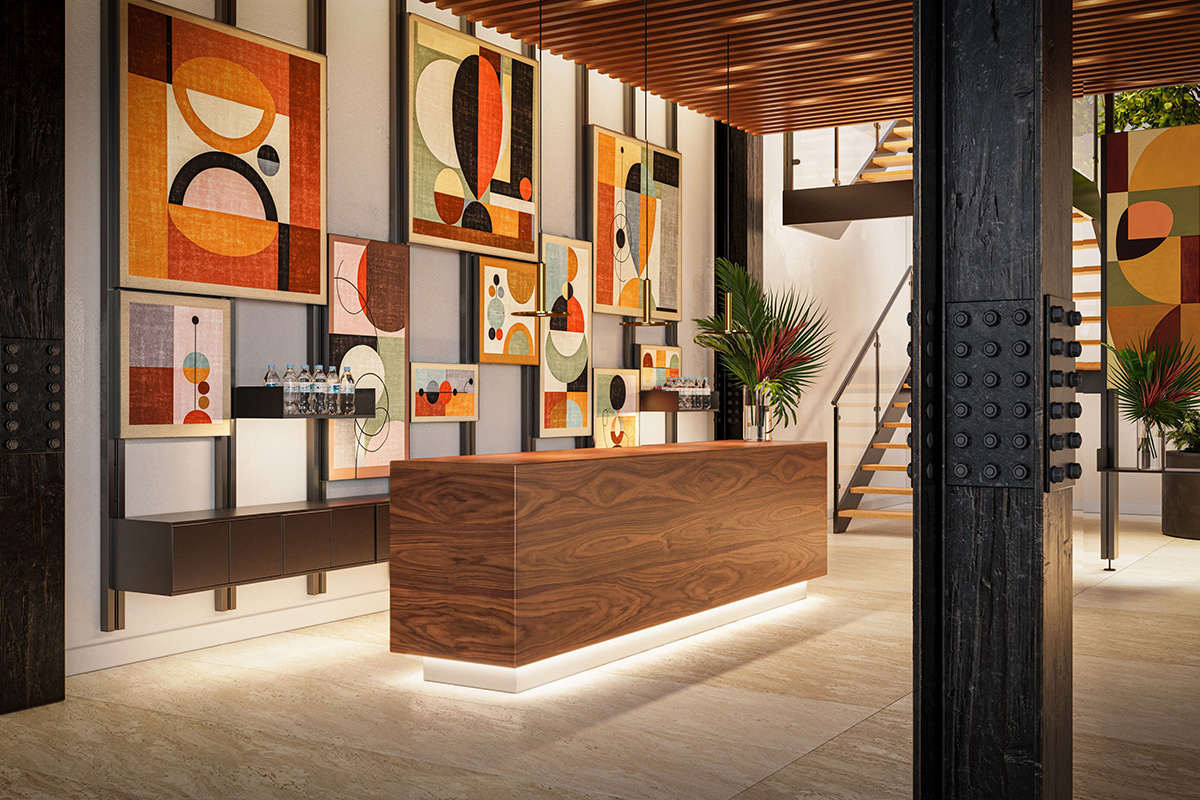
Muro is the most recent addition to B+N's modular portfolio, conceived for environments where the boundaries between retail, hospitality, and workplace have blurred. A minimal, open-backed display system built from just seven core components, it functions as casework, wall, divider, and floor fixture, with columns mountable wall-to-ceiling or floor-to-ceiling and a power track supporting plug-and-play lighting and large-scale graphics.
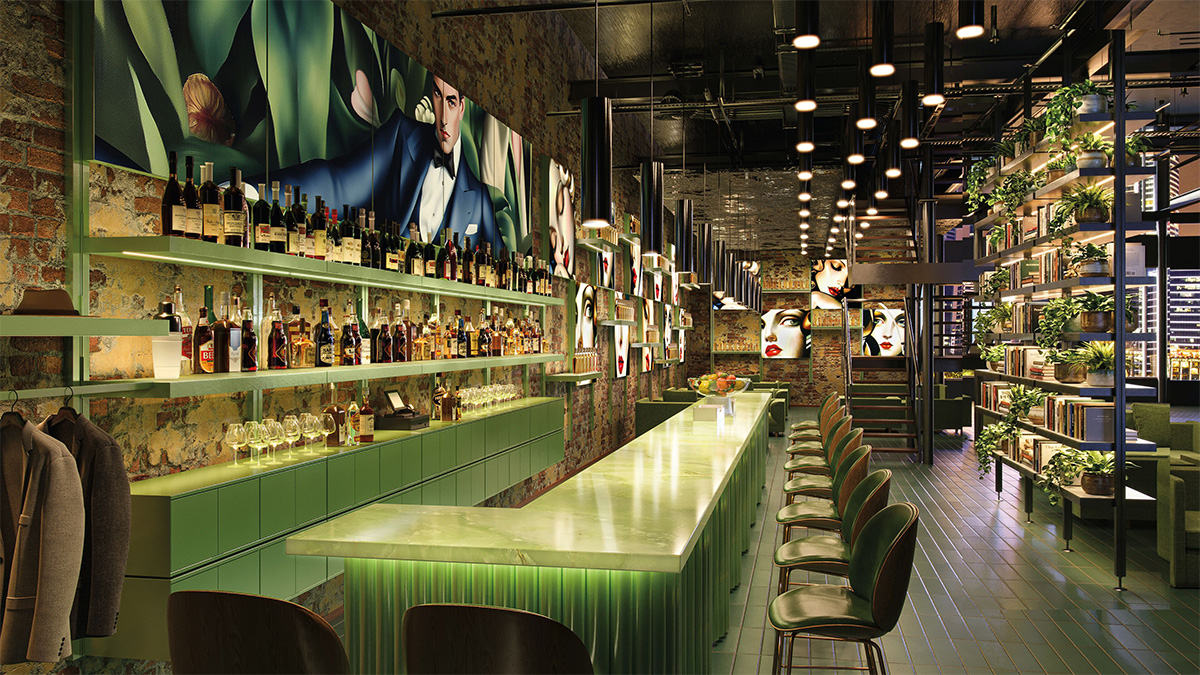
“Muro responds to change with ease,” says Radominski. “Our clients simultaneously think of Muro as a display system, illumination source, marketing vehicle, or privacy wall.” Its modularity supports a longer lifecycle for each installation, allowing spaces to be reconfigured and refreshed over time, a principle that has guided B+N's approach across all three systems and across more than four decades of practice.