

Bronze Craftsmanship Endures at Rocky Mountain Hardware
At a foundry in the foothills of the Idaho Rockies, molten bronze is hand-poured into sand molds. From there, it’s cast, cooled, and machined with care, moving through more than 20 steps shaped by centuries-old techniques and modern precision. Rocky Mountain Hardware has built its identity around this process, crafting each piece in-house from raw material to hand-applied finish.

An Intensive, Hands-On Process
Every piece begins with a material decision: sand casting or lost wax. The two techniques, both centuries old, are chosen based on form. Sand casting offers control and efficiency for repeatable shapes, while lost-wax casting is used for intricate detail and organic contours. Models are carved by hand or rendered digitally, then used to create molds—either through packed sand or wax patterns dipped in ceramic slurry. Once the molds are prepared, molten bronze is poured at over 1,900°F, capturing even the most subtle surface variations.
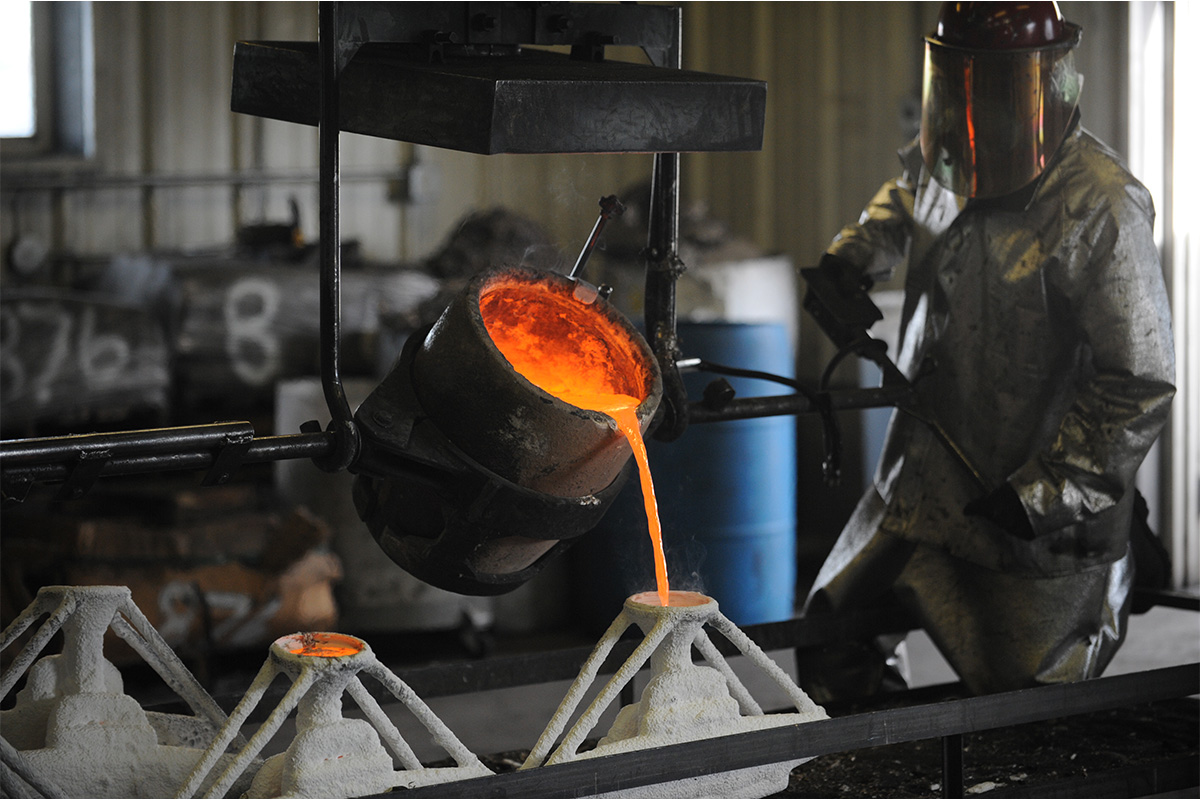
What follows is a sequence of refinements shaped by experience and exacting standards. “Our creation of new parts and products is always an adventure,” says Christian Nickum, Owner and President of Rocky Mountain Hardware. “No two pieces or processes are alike; each new part requires a thoughtful process drawing from our years of experience to determine the parting lines to the shrinkage rate during the master and mold making process then to the casting process.” After casting, adjustments are made as needed—refining gate placement, responding to environmental conditions, or calibrating tooling for better results. Each piece then moves through grinding, machining, and assembly, all managed in-house to ensure consistency and control at every stage.
Made in the U.S., Start to Finish
All production takes place at Rocky Mountain Hardware’s Idaho facility, where the team alloys its bronze from 90% post-consumer recycled content and oversees every stage of manufacturing. In-house control supports quality, consistency, and the ability to accommodate custom design needs and timelines.

“The ability for us to be vertically integrated with our production process allows us the ability to move very quickly when and where needed,” says Nickum. “Whether it is a custom project or the need to rush a specific order through our process for our customers, we are not reliant on outside vendors.” With each step managed internally, the team has multiple opportunities to review quality and make adjustments. Every part moves through a series of hands, with each person responsible for ensuring it meets the company’s standards before advancing to the next phase. The company’s LEED Gold–certified facility reflects a broader commitment to durability and environmental responsibility—from sourcing materials to minimizing waste over the product’s lifespan.
Finishes Made to Perform and Evolve
Each piece is hand-patinated in-house, using oxidizing agents to develop one of Rocky Mountain Hardware’s signature finishes. Available in a range of tones from warm silicon bronze to silvery white bronze, these finishes are designed to change over time—gaining character as they age.
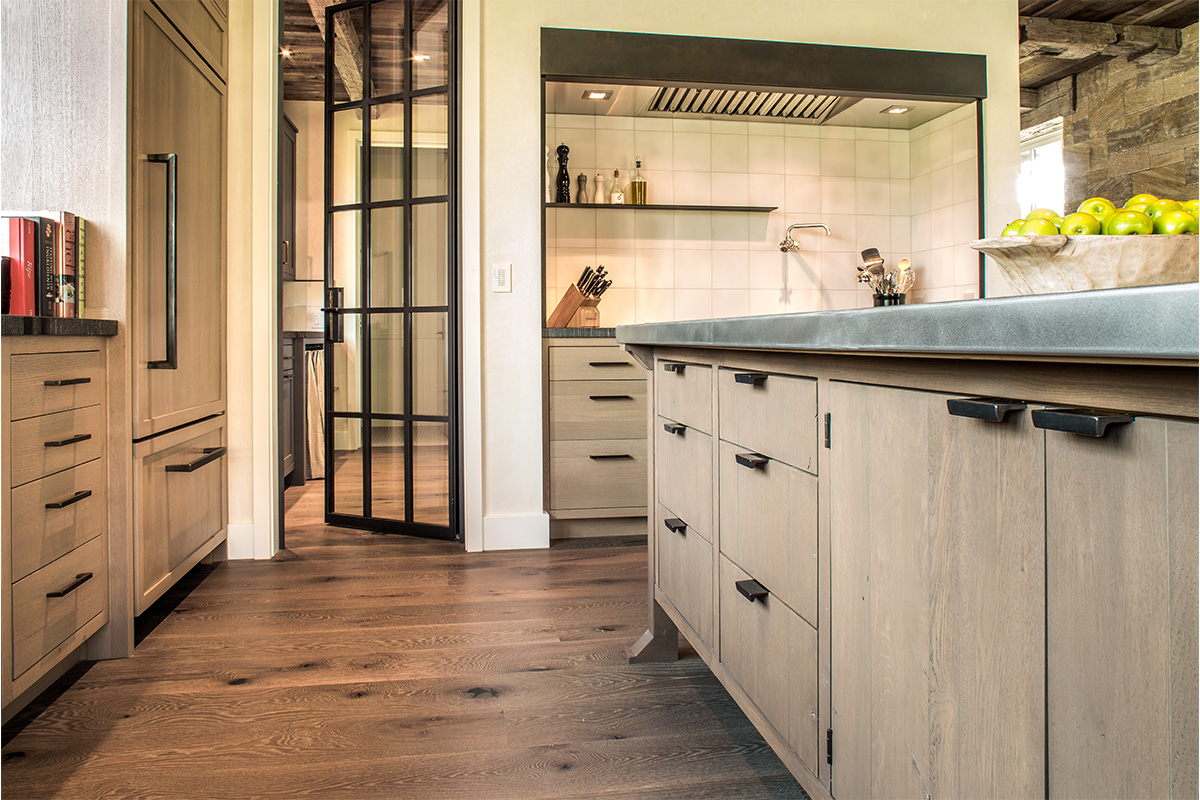
“We have developed our finishes over the years by listening to what our customers want,” says Nickum. “We are limited at times to what we can actually accomplish with the bronze and brass base metal alloys. The most difficult message to teach our customers is the ‘living’ finish aspect of our finish options.” This concept is central to how the company approaches surface treatment. Bronze patinas are enhanced through a controlled element bath, then allowed to evolve through natural exposure to touch, weather, and light—resulting in surfaces that deepen in tone and texture over time.
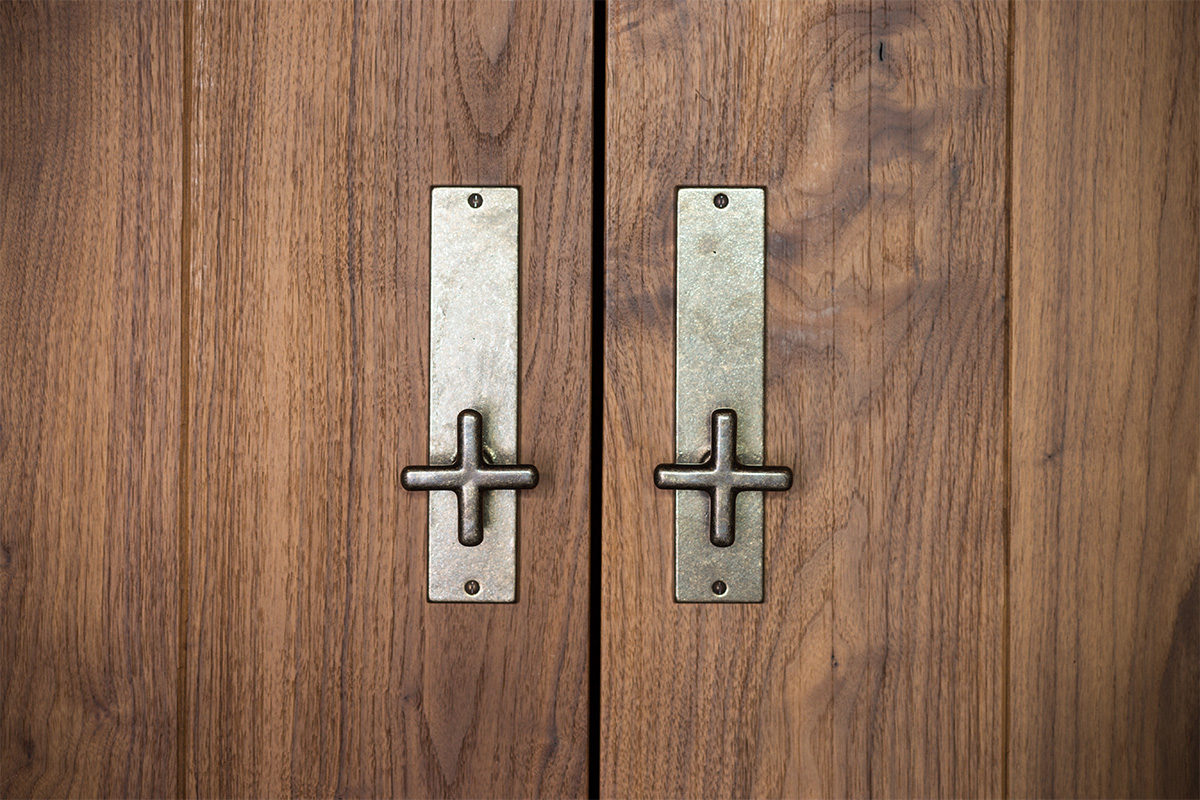
At a time when durability, material transparency, and manufacturing continue to shape design decisions, Rocky Mountain Hardware offers an approach grounded in process and place. Every part, from a cabinet pull to a custom handle, carries the mark of its making.