
DARRAN’s Limousine by Brad Ascalon: A Sensory Dimmer Switch
In 2016, Brad Ascalon visited a friend's office in Manhattan and found himself turning over a spatial paradox. The environment had been carefully considered, yet the high-back sofas filling the room had come to work against it, furniture that in solving one problem introduced another. The observation lodged itself in the designer's mind and ultimately served as the impetus for the Limousine Collection for DARRAN, a line of seating built around an integrated lift that rises on demand to deliver privacy without compromising the architectural calm of the spaces it inhabits.
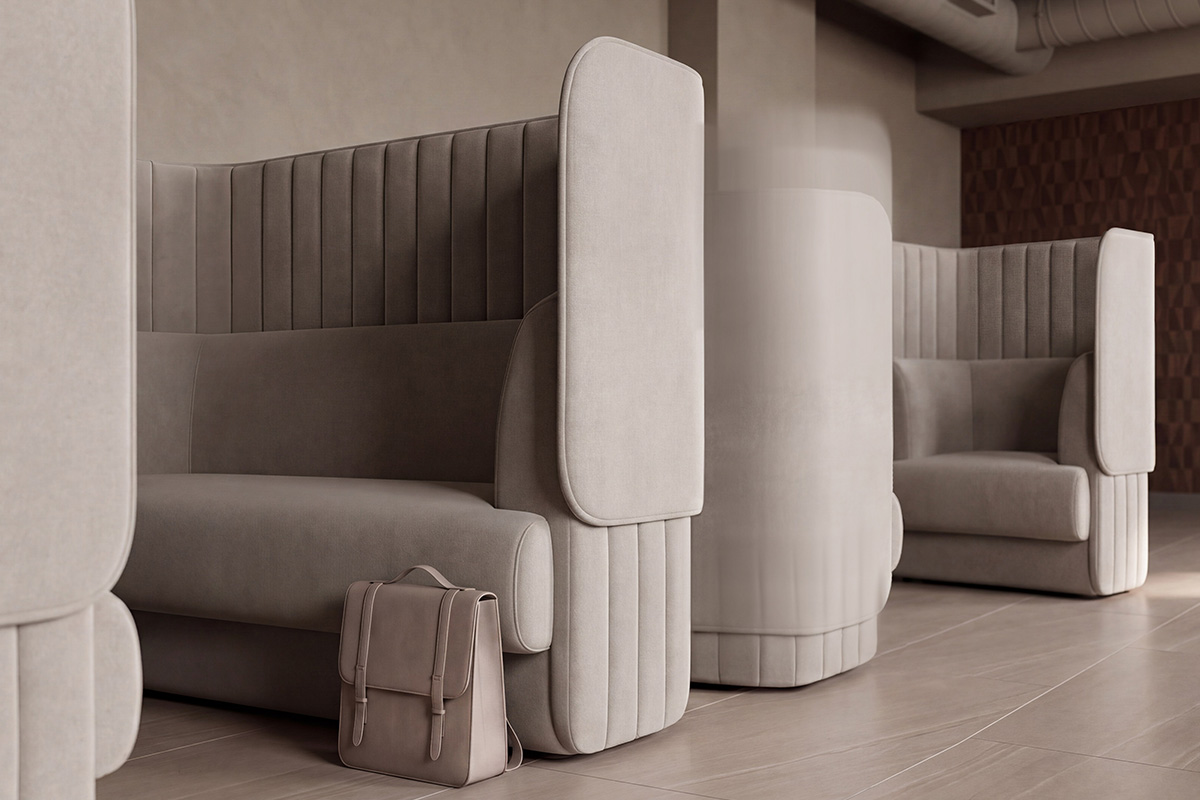
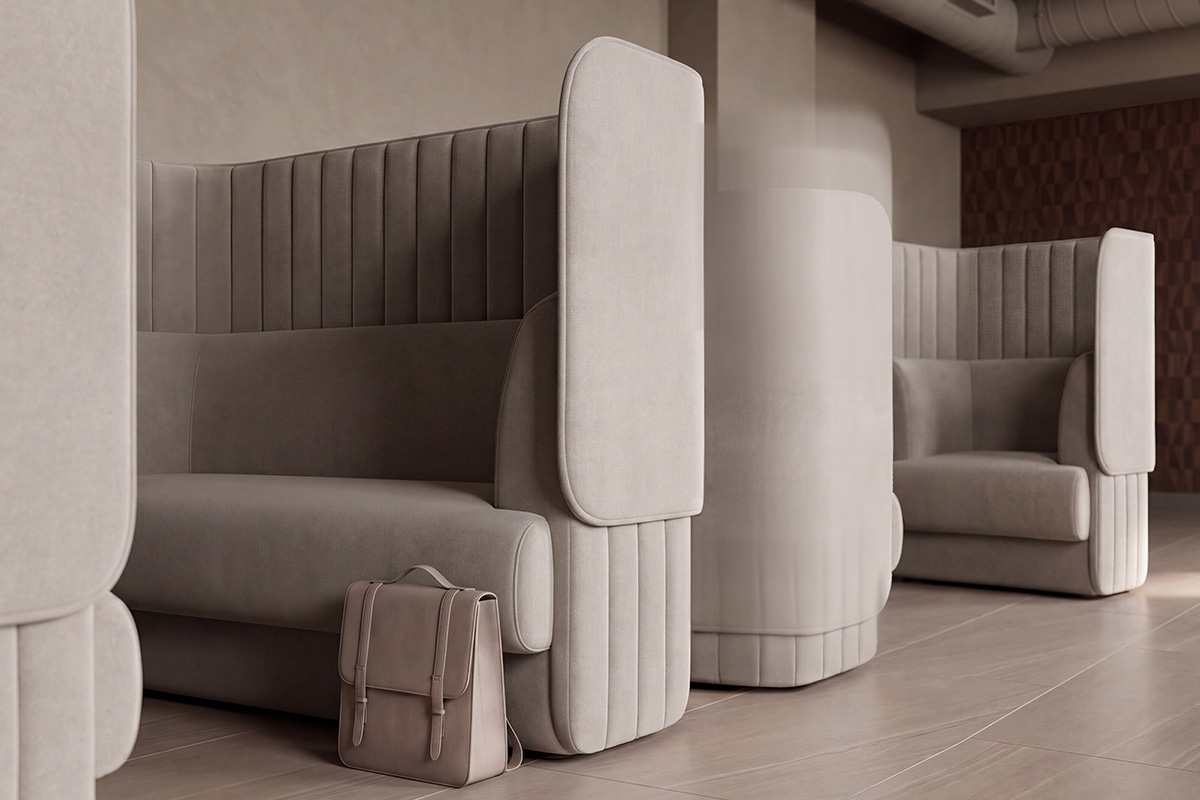
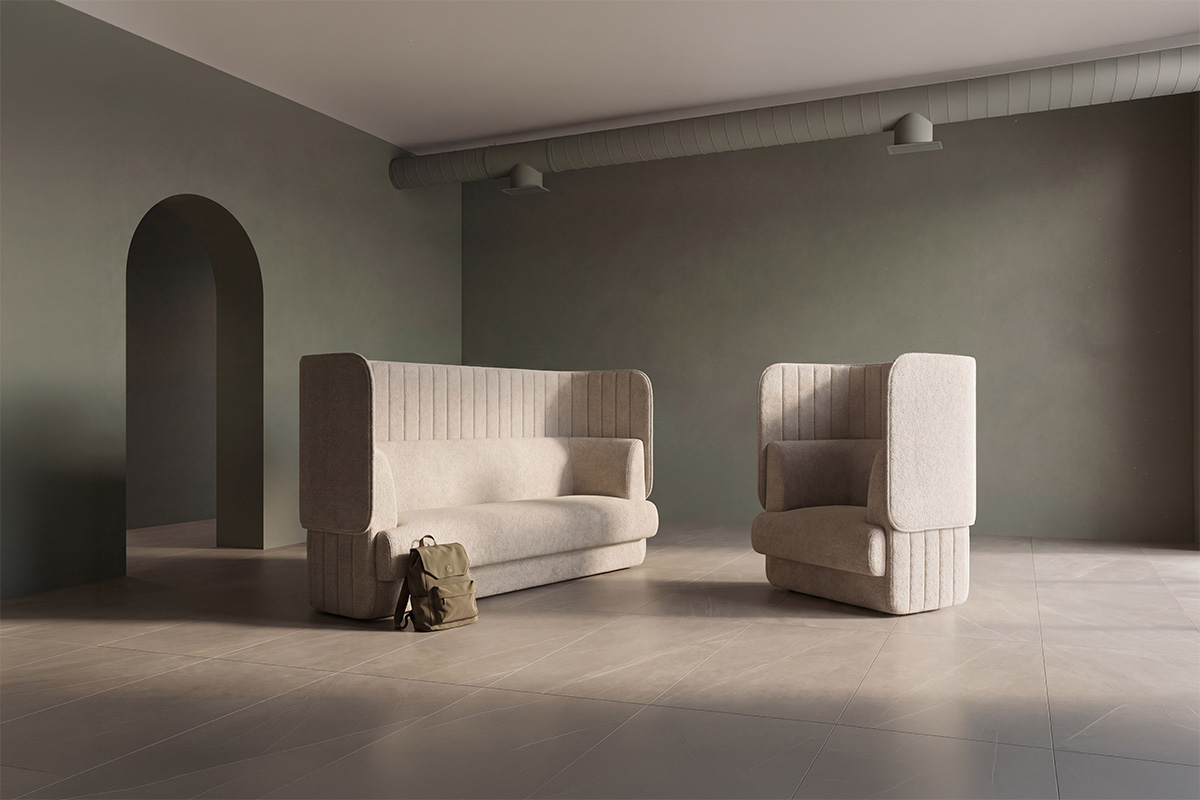
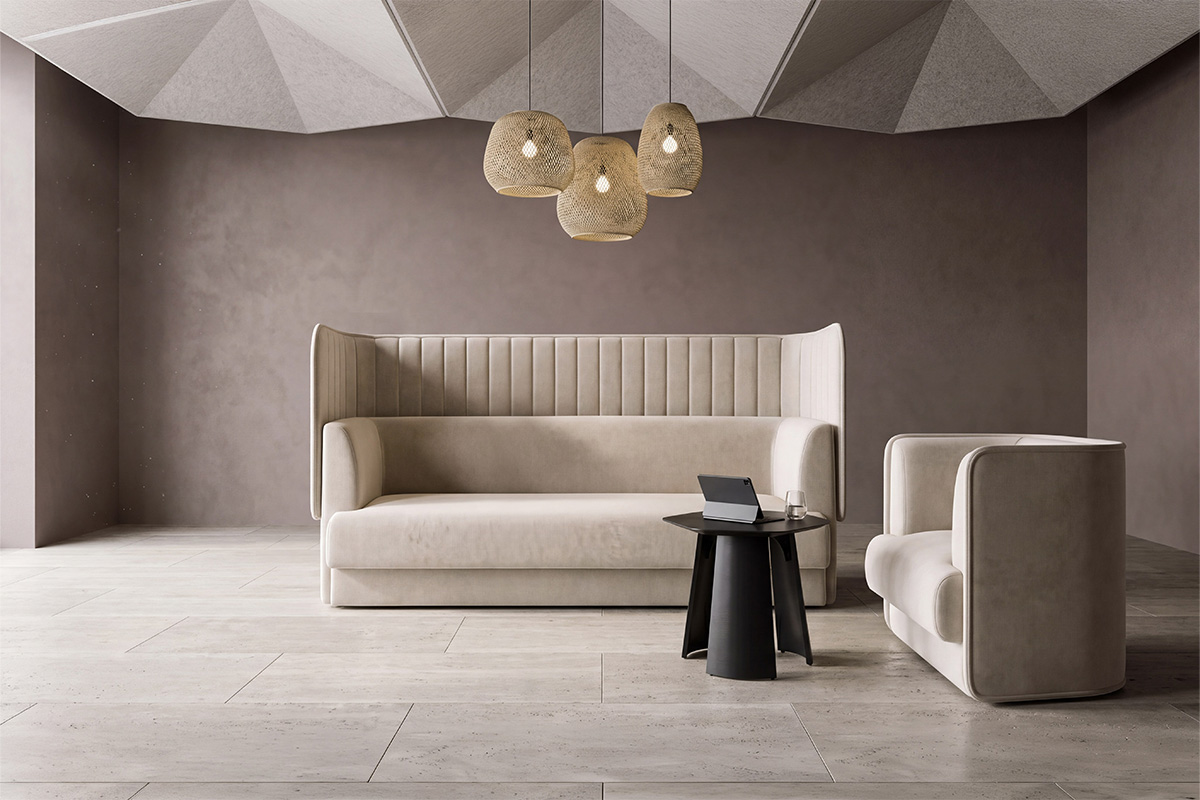
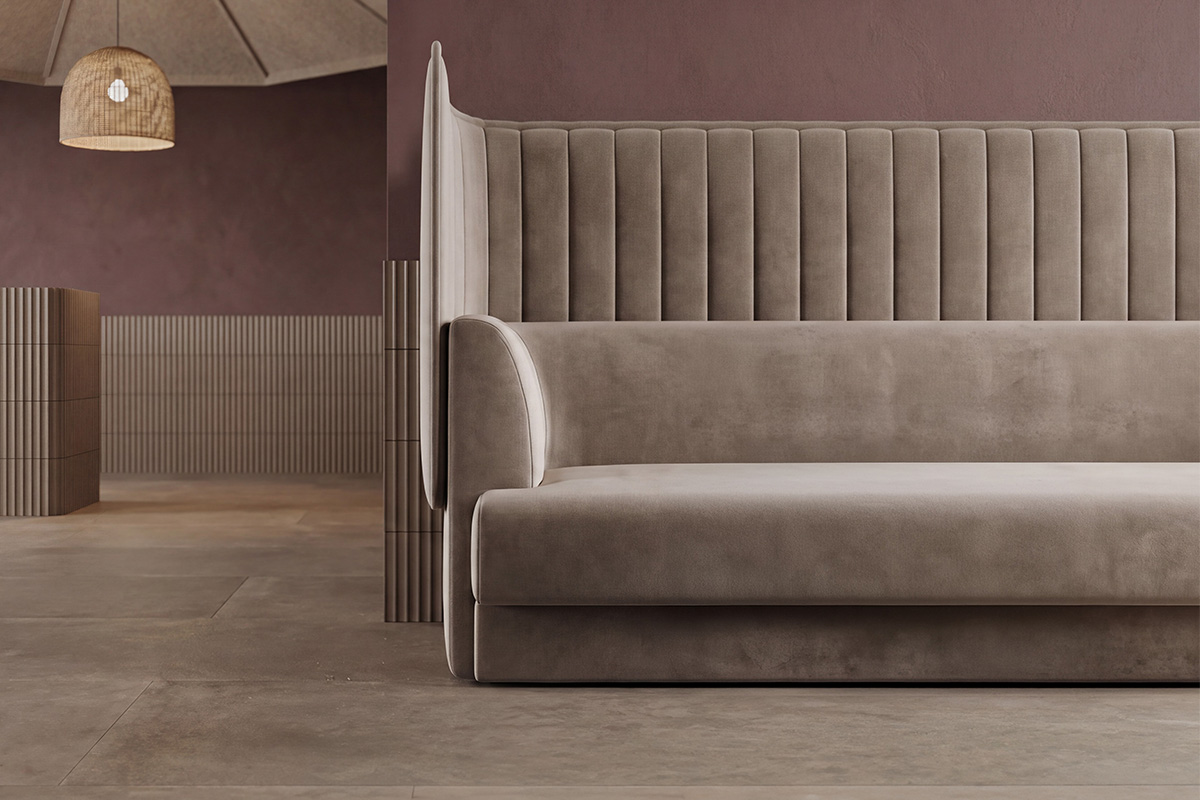
In its resting state, the collection is defined by restraint: low-profile, horizontally proportioned, finished in vertical channel tufting that gives the form its textural weight. Earlier iterations had consistently read as furniture with an active purpose, a quality Ascalon worked to resolve. The goal, as he describes it, was that the seating feel immediately familiar: an inviting place for sitting, meeting, working, or waiting, with the functionality held entirely out of view. “When someone first encounters Limousine, they shouldn't feel like they have to figure it out,” he says. “We landed on a design that reads purely as an elegant, somewhat standard typology of a sofa.”
Restraint as Strategy
The vertical channel tufting gives the collection its tailored character while serving a precise structural role: during the lift, it manages fabric tension across the back panel, preventing sagging or distortion through repeated cycles. It is a detail where the craftsmanship directly resolves the engineering challenge, and where the engineering, in turn, disappears into the surface. When the lift is engaged, the back panel rises to form an acoustic and visual enclosure. In Ascalon's description, it sends “a polite, visual cue to the room that the users are engaged.”
The transformation is designed to feel intuitive, the act of raising the back becoming, as Ascalon puts it, “muscle memory for the user—a completely seamless, thoughtless transition into focus and privacy, a sensory dimmable switch if you will.” To sustain that reliability, the 3 lift mechanisms are tested for thousands of cycles and the frame constructed from CNC-cut hardwoods, ensuring the silhouette remains crisp over time.
Agency by Design
Where the lift delivers privacy on demand, its deeper design logic is rooted in individual agency. Open offices have long promised flexibility while producing environments that require workers to conform to the space rather than the reverse. Limousine's lift allows a user to modulate their immediate surroundings in seconds, addressing what Ascalon sees as a critical gap in inclusive design. “Limousine taps into conversations around neurodiversity,” he notes, providing “a vital sense of privacy, security, and comfort, allowing users to dim the sensory input and instantly create a quiet sanctuary within an otherwise high-stimulation setting.” Ascalon was deliberate about ensuring that transition felt frictionless and formally hospitable, avoiding the clinical aesthetic that characterizes most privacy furniture.
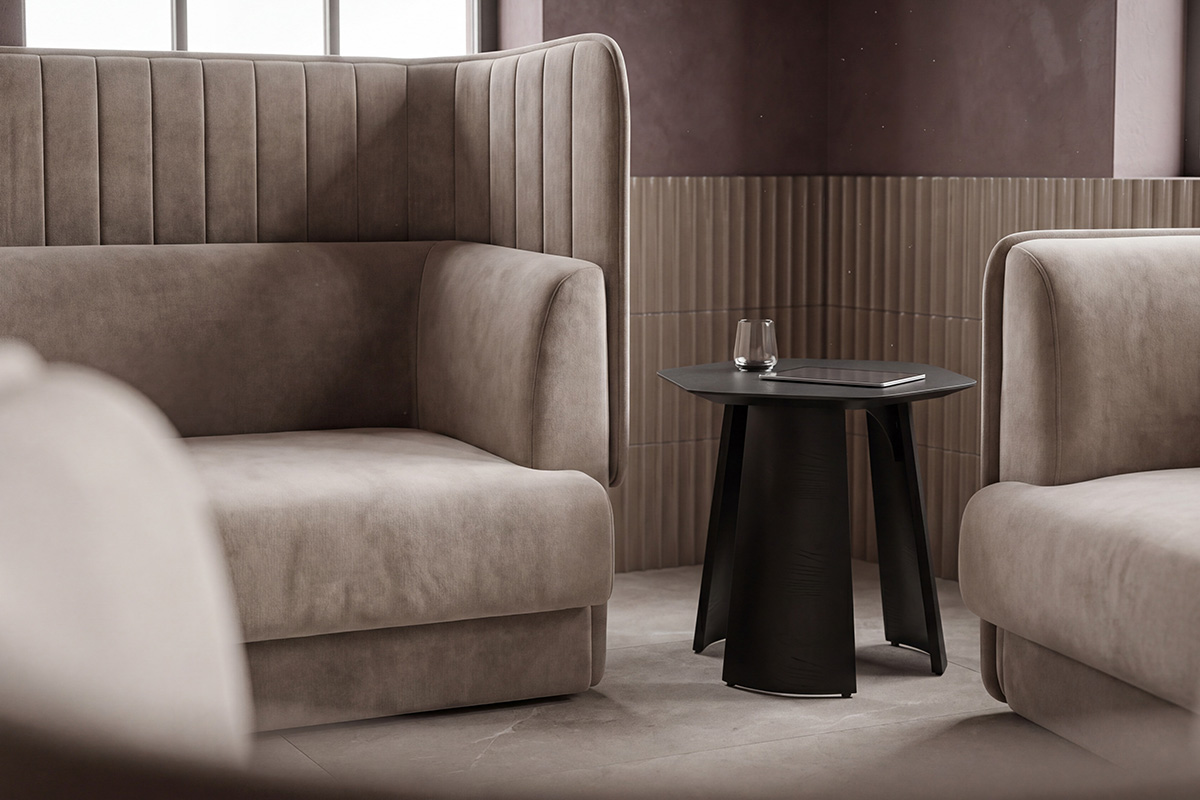
Suited to open-plan offices, executive lounges, higher-education settings, and healthcare environments, Limousine is designed for spaces where the privacy deficit is most acutely felt. For Ascalon, the measure of the collection's success is ultimately human. “I hope it communicates a profound sense of empathy,” he says. “I want it to be clear that the organizations that incorporated Limousine into their spaces genuinely prioritized the physical and emotional comfort of their people.”