
Feeney Built a Legacy Through Innovation and Ongoing Dialogue
At the edge of San Francisco Bay, an old soap factory became a working floor for wire rope and rigging systems, serving the maritime, military, and construction industries of the postwar era. It was here that Feeney got its start. Founded in 1948 by Jim Feeney in Berkeley, California, the company’s early work developed alongside the industries shaping the region. From the beginning, Feeney held to a straightforward belief: better hardware creates better experiences.
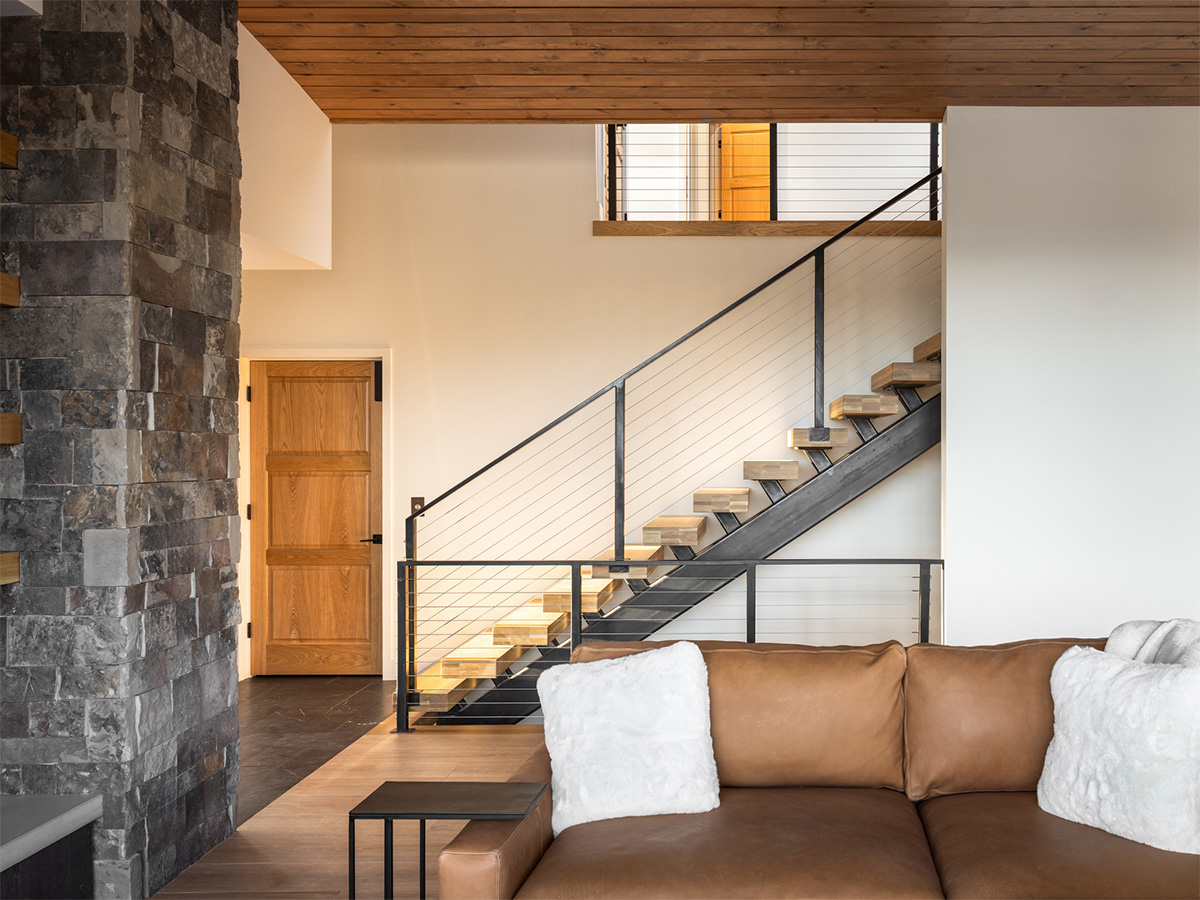
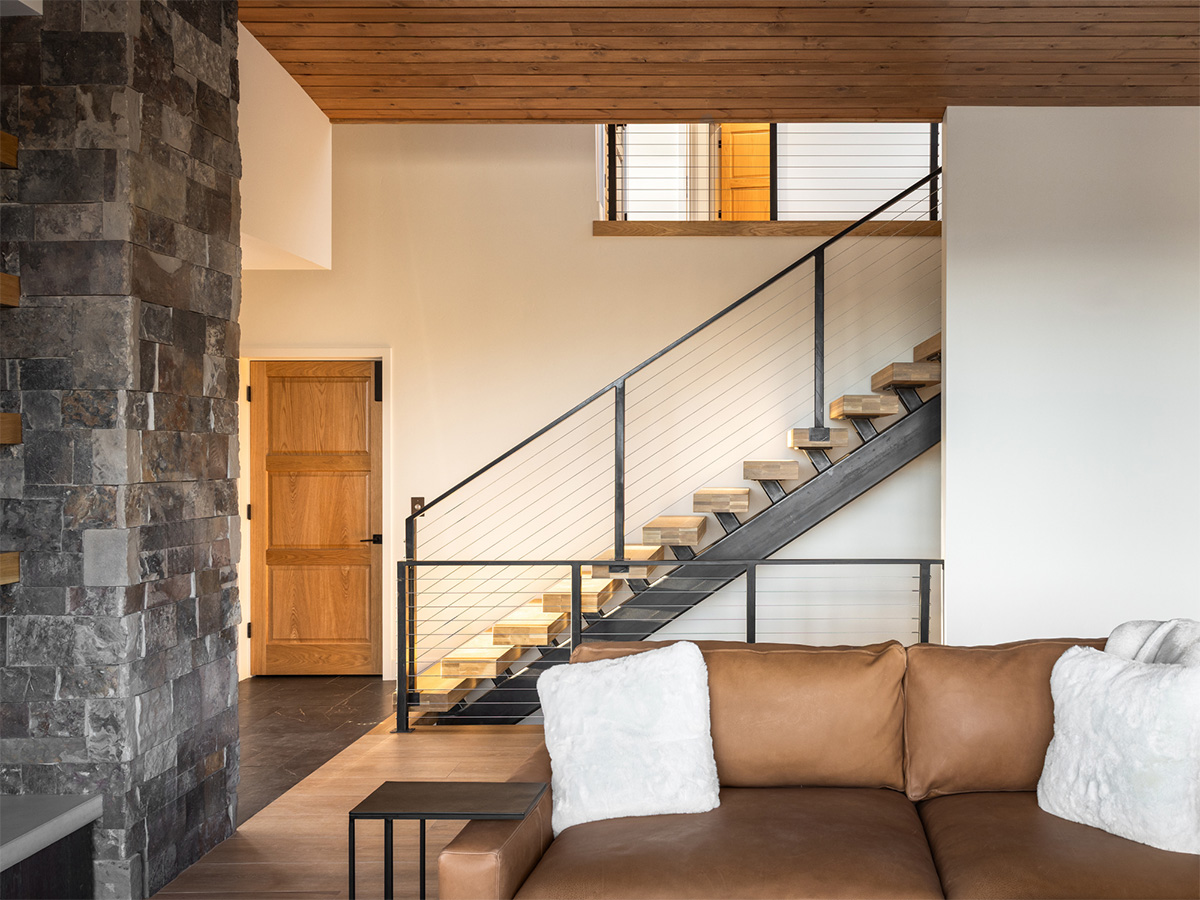
Precision assemblies and responsive fabrication established a foundation that would extend as those systems moved beyond strictly industrial use and cable began to be understood in new ways. “Eventually, it became apparent that there was a beauty in those same materials,” says Kym Nosbisch, Senior Marketing Director for Feeney. “The cable offered a clean, minimalist way to create a railing infill without being bulky and obtrusive, which was a new and growing trend for architects and builders in the late 80s.” Cable infill allowed for uninterrupted sightlines and a lighter visual boundary across residential and commercial projects. Over the decades that followed, Feeney moved into closer collaboration with architects and designers, as its systems expanded beyond their original uses.
Built on Ingenuity
Central to that expansion was CableRail, a line of architectural cables and fittings that gave the material a considered, code-compliant form architects and specifiers could work with. Building the category meant working directly alongside the people using it. "Leadership's approach was really about partnership and education," says Nosbisch. Close collaboration informed new assemblies, refined fittings, and focused training, including the patent-pending QuickConnect® fitting, which eliminated the need for crimping, swaging, or special tools. Over time, this trust extended across the broader community of contractors, fabricators, architects, designers, and specifiers seeking modern railing solutions that wouldn't compromise on design intent, establishing Feeney as a category authority.
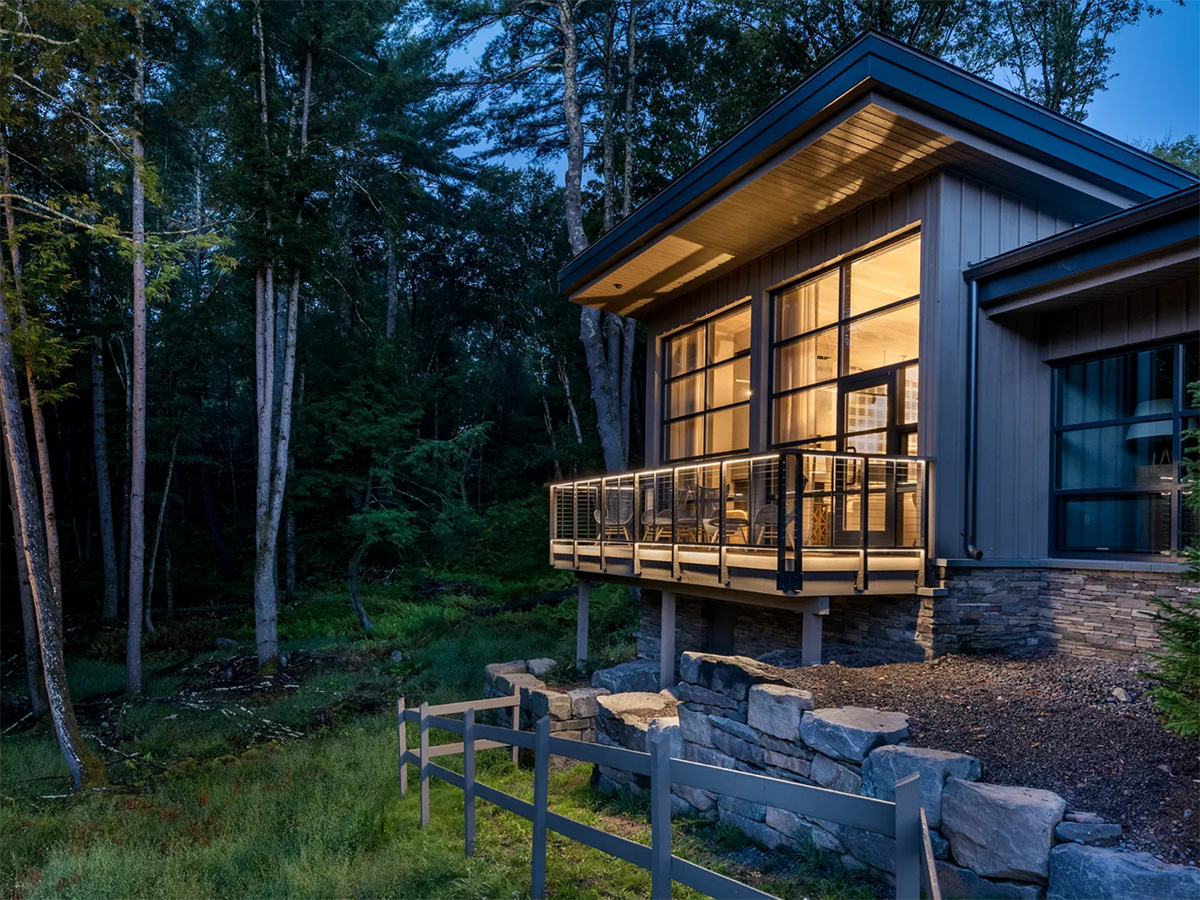
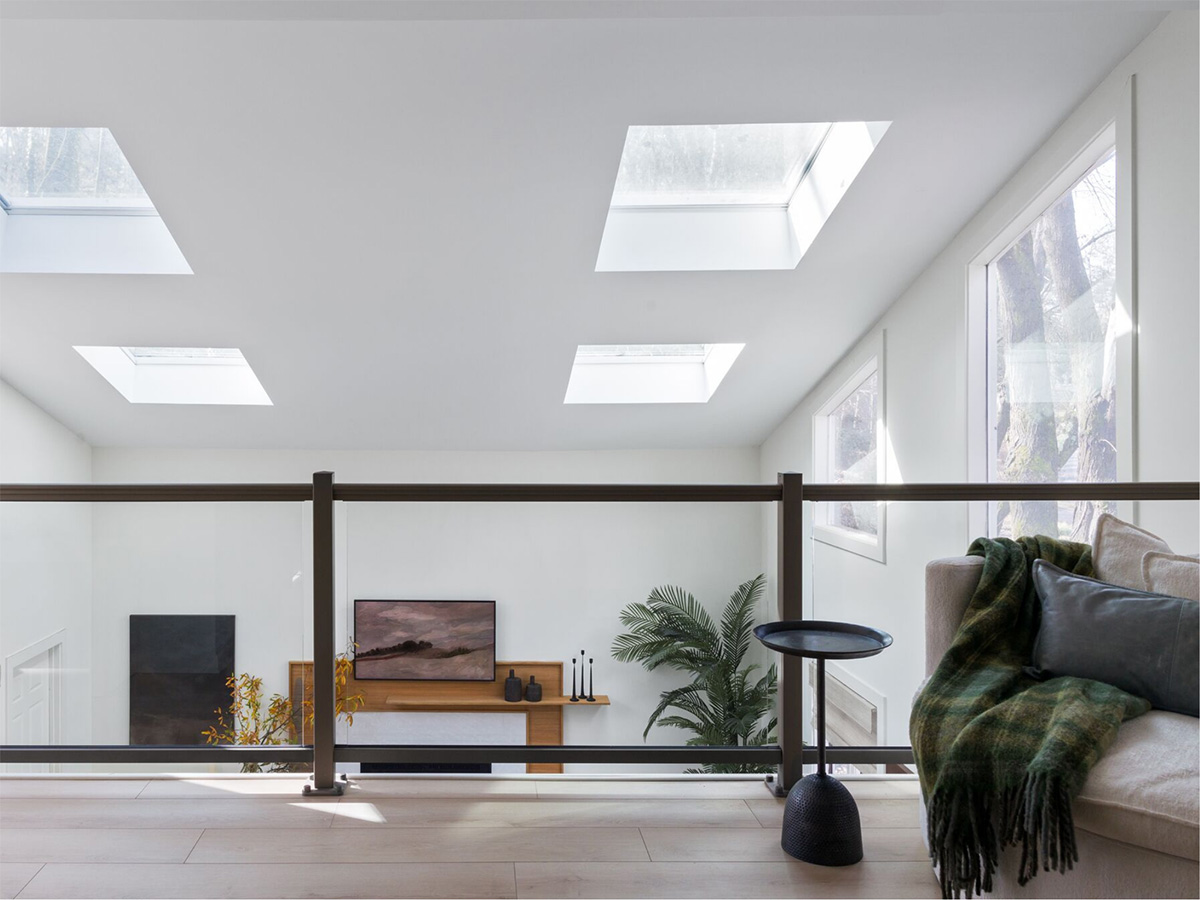
Under the ownership of Katrina Ralston and Grissell Ralston, who brought new leadership and made Feeney a woman-owned company, the company’s work moved beyond cable infill. The introduction of DesignRail® gave form to that shift, establishing an aluminum railing system engineered for both interior and exterior applications and designed to accommodate cable, glass, and specialty panel infills. “The innovation of the full railing system meant that Feeney could now support the full design vision rather than just one component of it,” says Nosbisch.
Working in Collaboration
As Feeney’s systems grew, so did the way the company approached product development, in closer dialogue with the broader design community. “Working with designers has been incredibly energizing for us,” says Nosbisch. “Designers naturally approach products differently. They think about light, pattern, texture, feeling. It pushed us to think about our products that way as well. As important as code compliance and safety is, the railing can also be expressive and bold.”

The Feeney x Kerrie Kelly LaserCut Collection reflects that approach, translating the system into a series of laser-cut metal panels where pattern, density, and light become part of the railing itself. Developed in collaboration with Kerrie Kelly, the designs draw from both geometric and nature-based motifs, introducing variation and surface articulation within the framework of DesignRail®. The panels define how the railing is experienced across interior and exterior applications, moving it beyond structure into expression.
Feeney's story is one of purposeful evolution. What cable infill made possible visually—unobstructed sightlines, an openness to light—the brand has mirrored in how it works: through education, technical resources, and sustained dialogue with the people using its systems. From industrial fabrication to architectural collaboration, Feeney has consistently expanded its scope without losing sight of what built it: precision engineering, responsive fabrication, and close partnership with the design community.