
Hyphyn Performance Vinyl Degrades Without a Trace
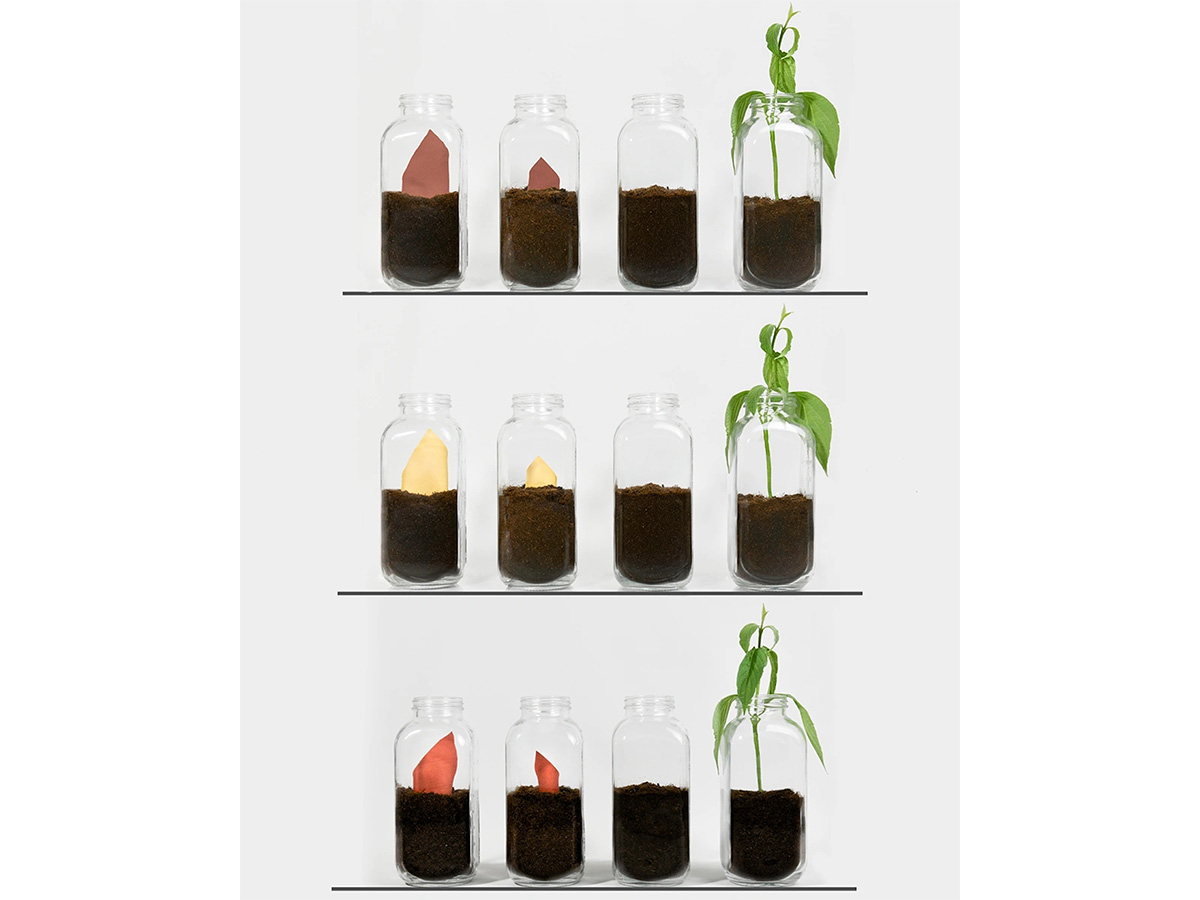
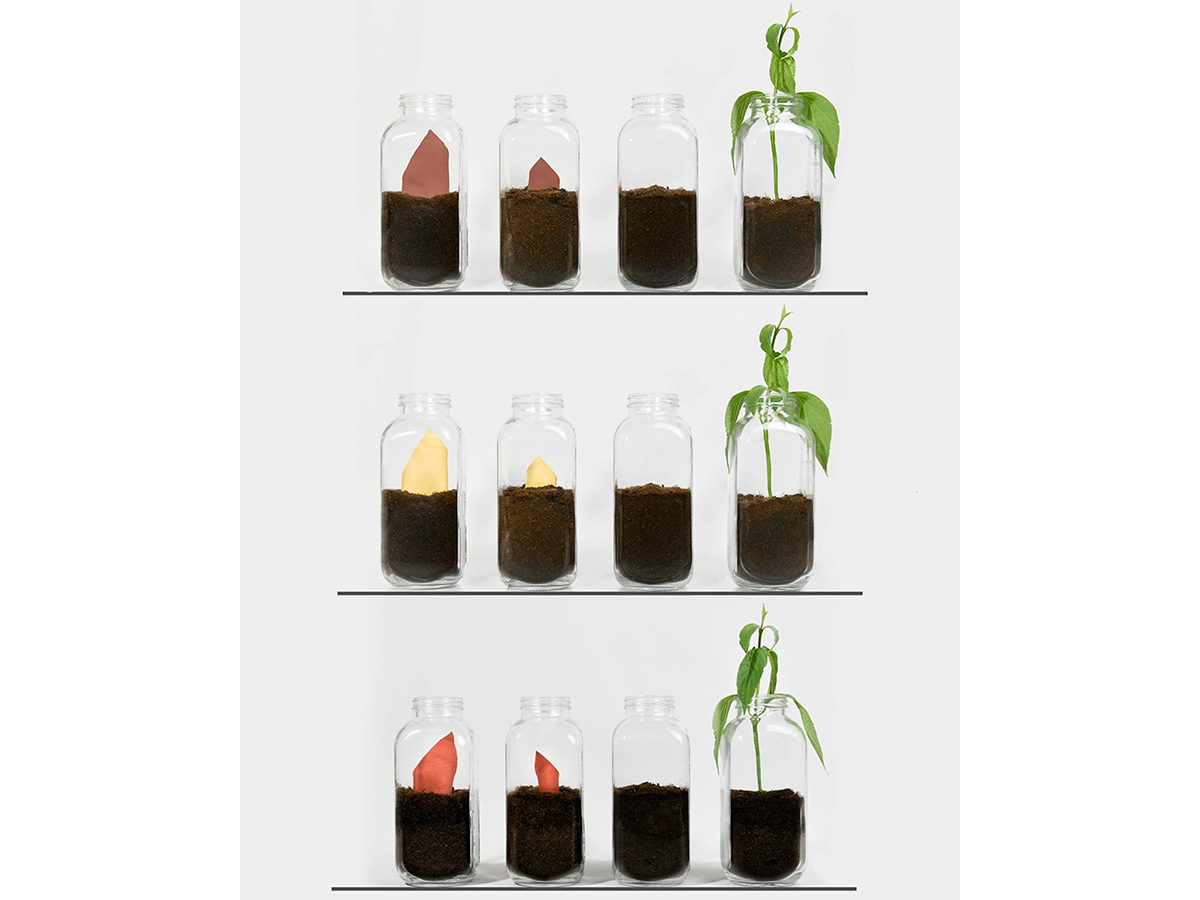
A germination study planted seeds in two samples: soil that had broken down a coated upholstery vinyl, and soil from a standard one. Every seed sown in the first sprouted. A screening for more than 1,000 potentially toxic chemicals turned up nothing.
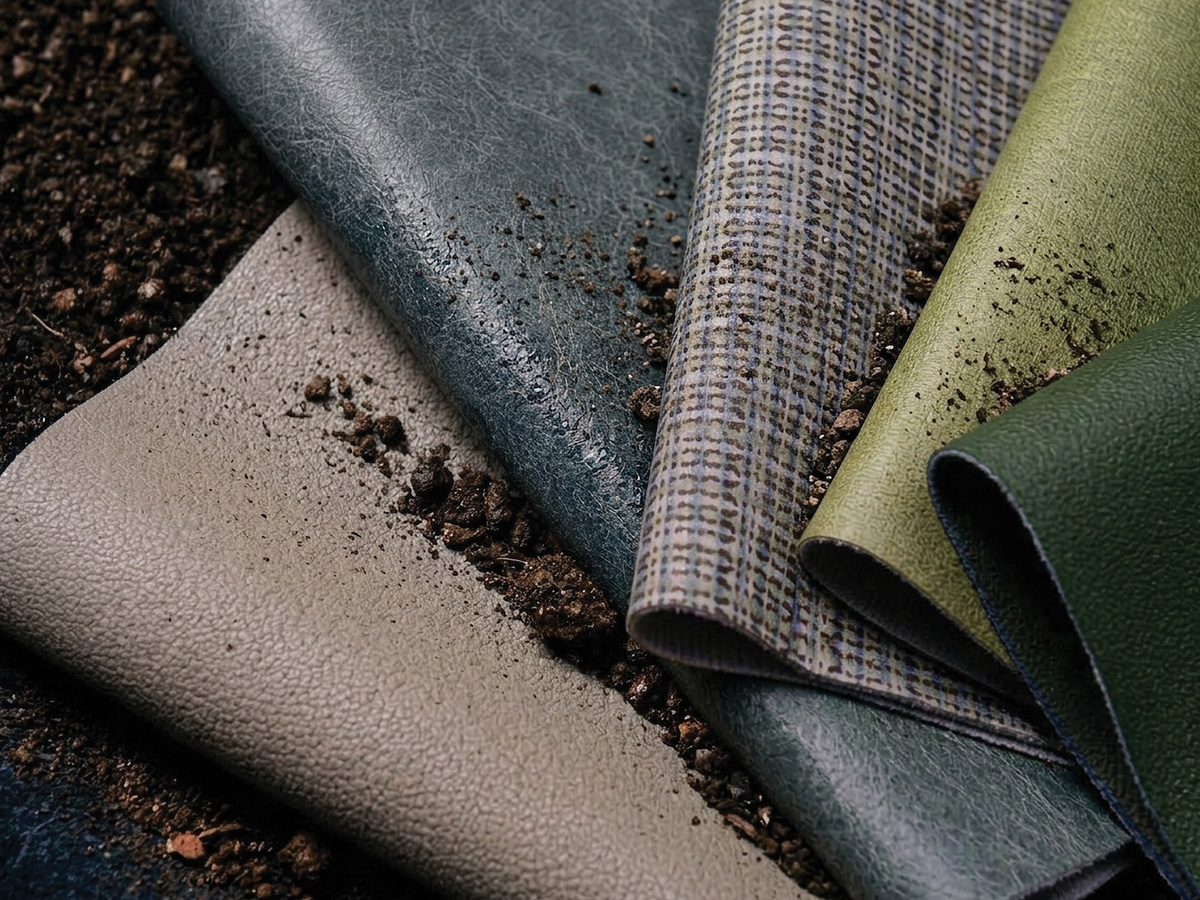
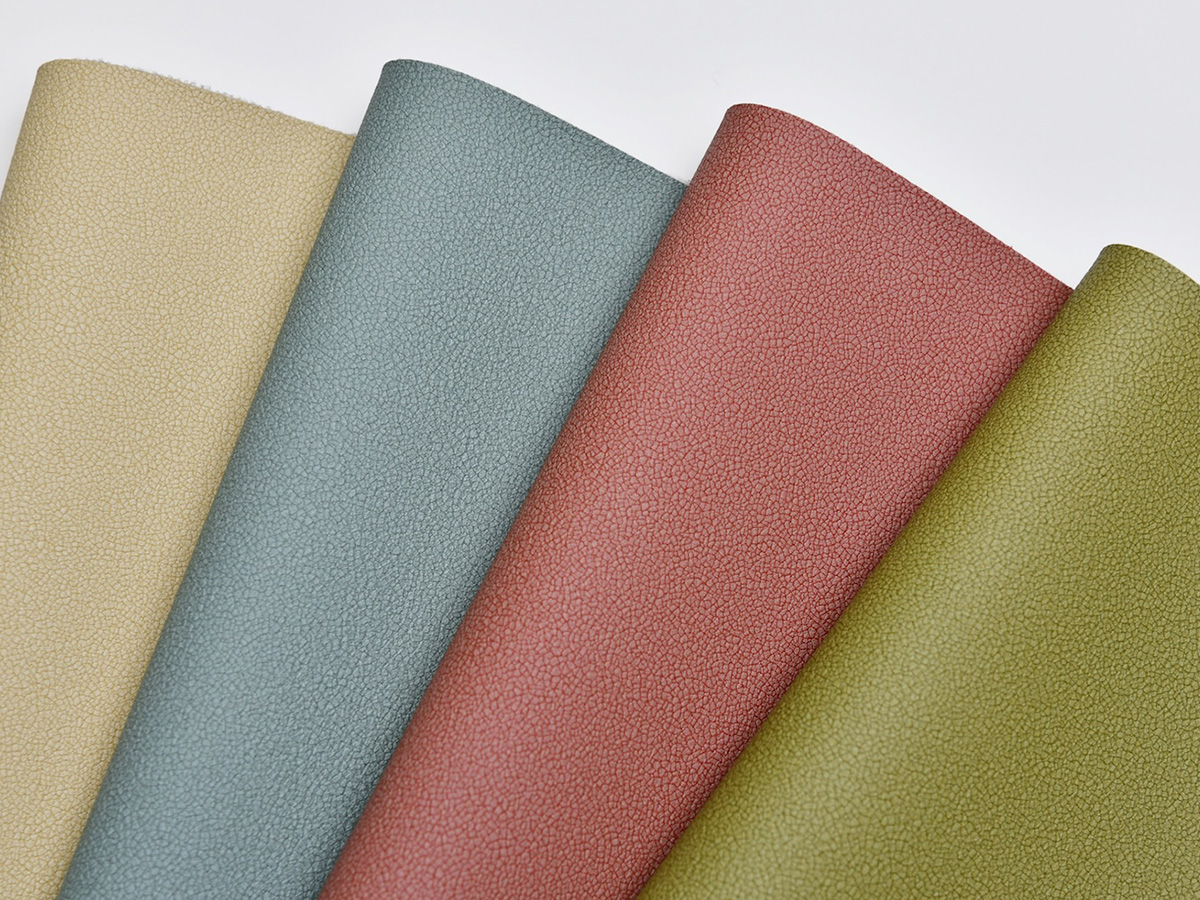
The material in that sample was Hyphyn™, the first biodegradable performance vinyl, developed by Nassimi for hospitality, healthcare, education, office, and retail interiors. Coated upholstery has long held its place in those settings on durability and cost, and Hyphyn matches both while adding a hand and finish made for luxury interiors, the kind of balance that comes from long practice in the category.
Nassimi has been a market innovator in faux leather and performance upholstery textiles since its inception in 1978, setting industry standards in innovation and sustainability. It works closely with manufacturers across a range of industries on their vinyl and coated fabric needs, applying technical expertise to cost-effective, application-specific products. Hyphyn is the company's latest, raising the bar with biodegradable technology and going a step further with its recycled post-consumer plastic backing.
A patented enzyme system is embedded in both the PVC and the polyester backing, the latter rebuilt in spring 2026, dormant through the material's service life and responsive to landfill-specific microorganisms. Their presence accelerates microbial breakdown, converting the fabric into inert gases that landfill gas recovery systems can capture and convert into energy. More than 90 percent degrades within two years under landfill conditions, leaving neither microplastics nor toxic residues, while bleach cleanability and stain resistance hold to conventional expectations.
Testing ran outside the company, covering ASTM D5511 biodegradation, soil impact, and chemical analysis, and the material was assessed separately for indoor air quality. "We knew from the beginning that sustainability claims needed to be backed by measurable science," says Iwan Nassimi, Executive Vice President of Nassimi. "That independent validation was critical because credibility is the foundation of any meaningful sustainability initiative."
"We also wanted to ensure Hyphyn could be safely handled in areas where products are not disposed of in landfills but are incinerated," Nassimi says, noting that conventional vinyl may emit harmful levels of dioxin when burned. Recently published results record a toxicity level below 0.001 ng/g on the I-TEQ scale, the international standard for measuring those emissions, clearing the fabric for disposal by fire as well.
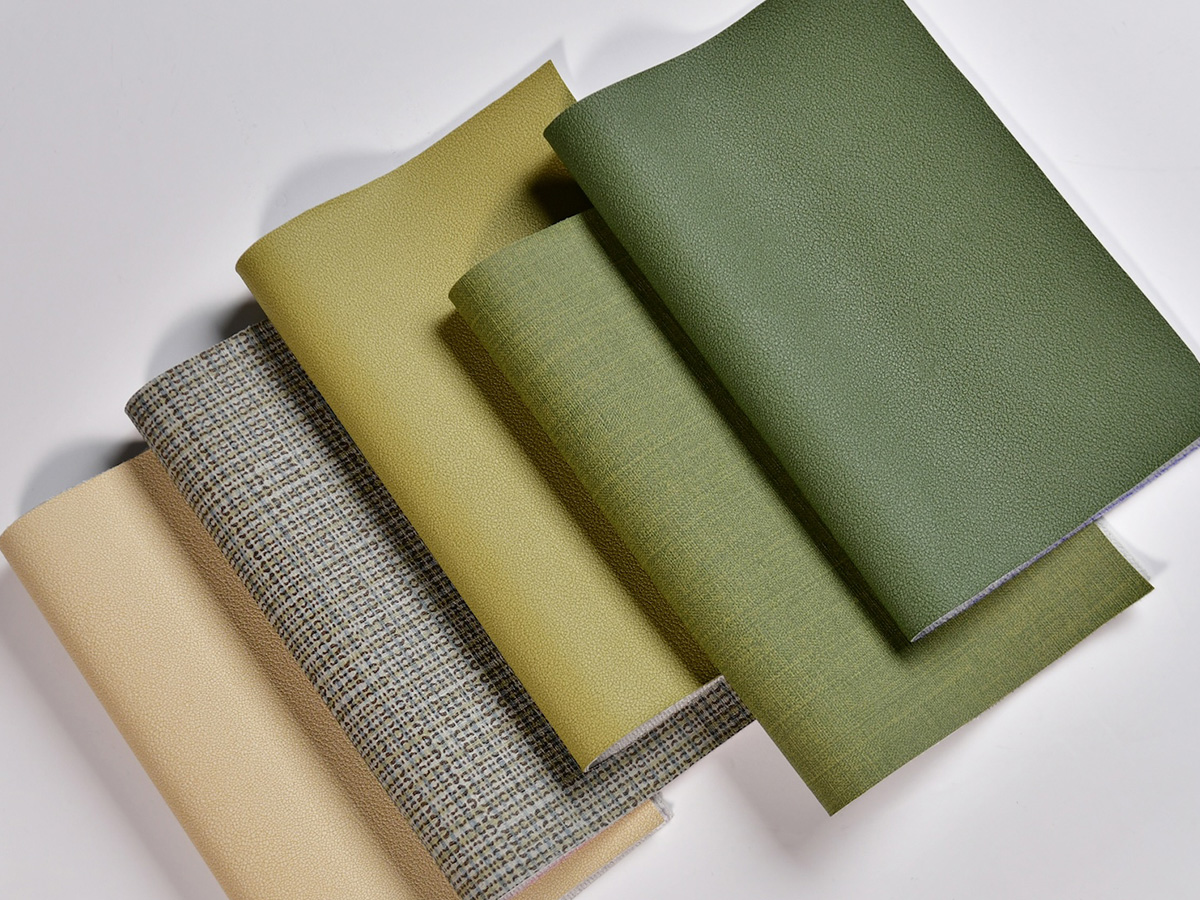
Dimensional stability comes from the polyester substrate beneath the coating. "We saw an opportunity to improve the vinyl product by rethinking the material backing, making it from recycled post-consumer plastic bottles," he says. The same enzyme runs through that layer and the vinyl face alike, allowing the material to biodegrade as a complete system. Bottles that would have persisted for generations now carry the structural load of a surface engineered to break down.
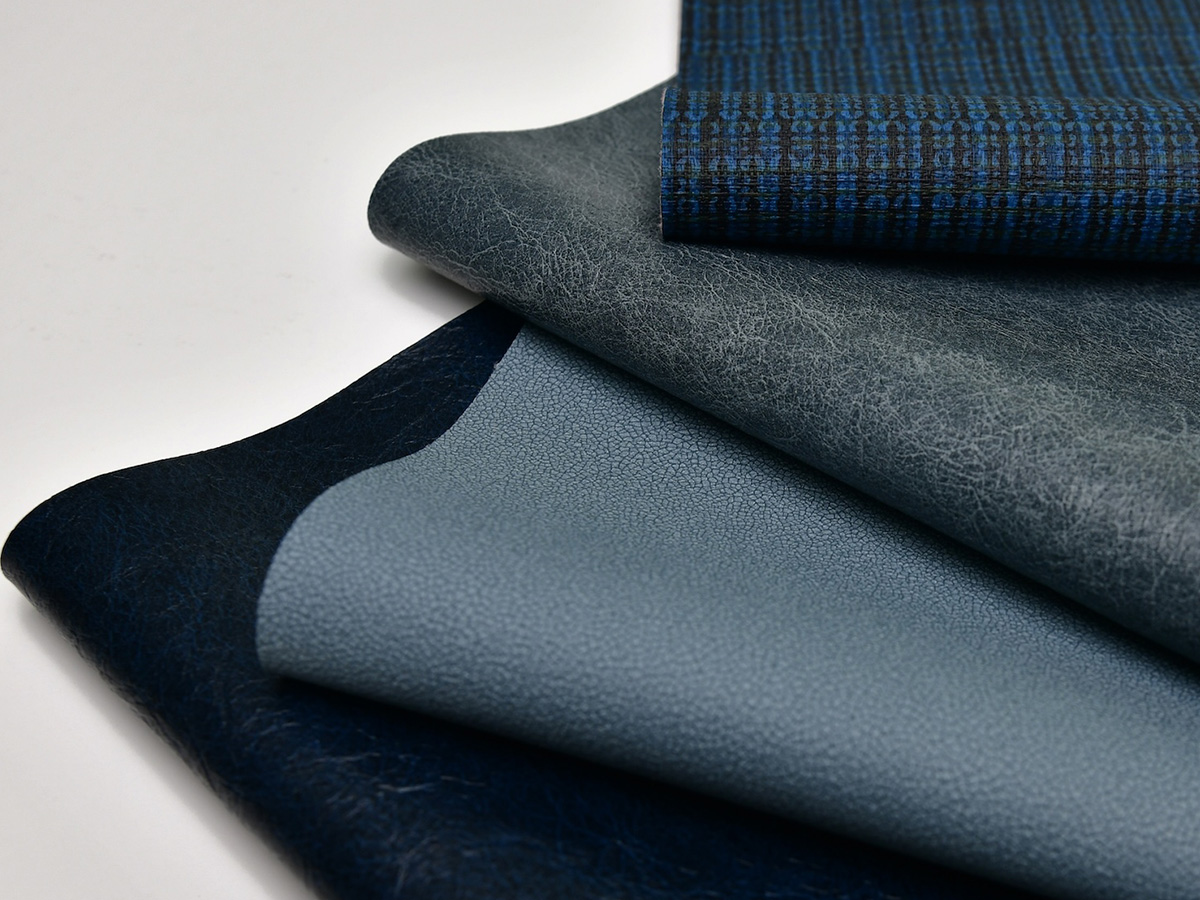
Five health and safety evaluations stand behind the line, spanning chemical content, biodegradation, post-degradation soil analysis, seed germination, and VOC emissions. Hyphyn is free of lead, heavy metals, PFAS, and formaldehyde, and meets Prop 65, RoHS, and REACH compliance standards. The most legible proof remains the seedlings that came up in soil where the vinyl had already gone.