
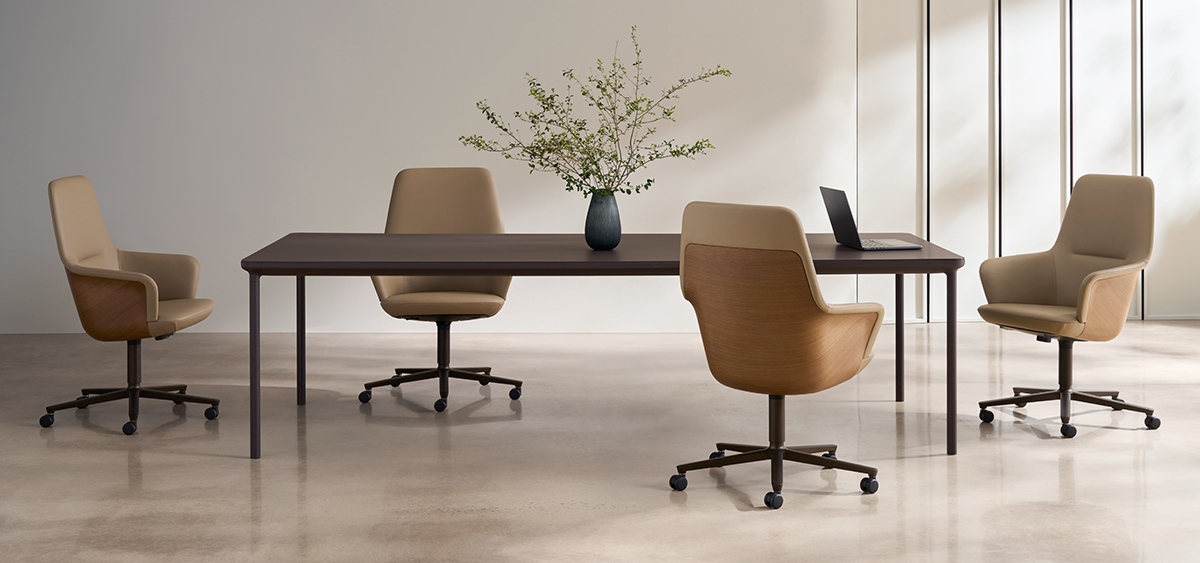
Jonathan Prestwich Designs Avena for Davis Furniture
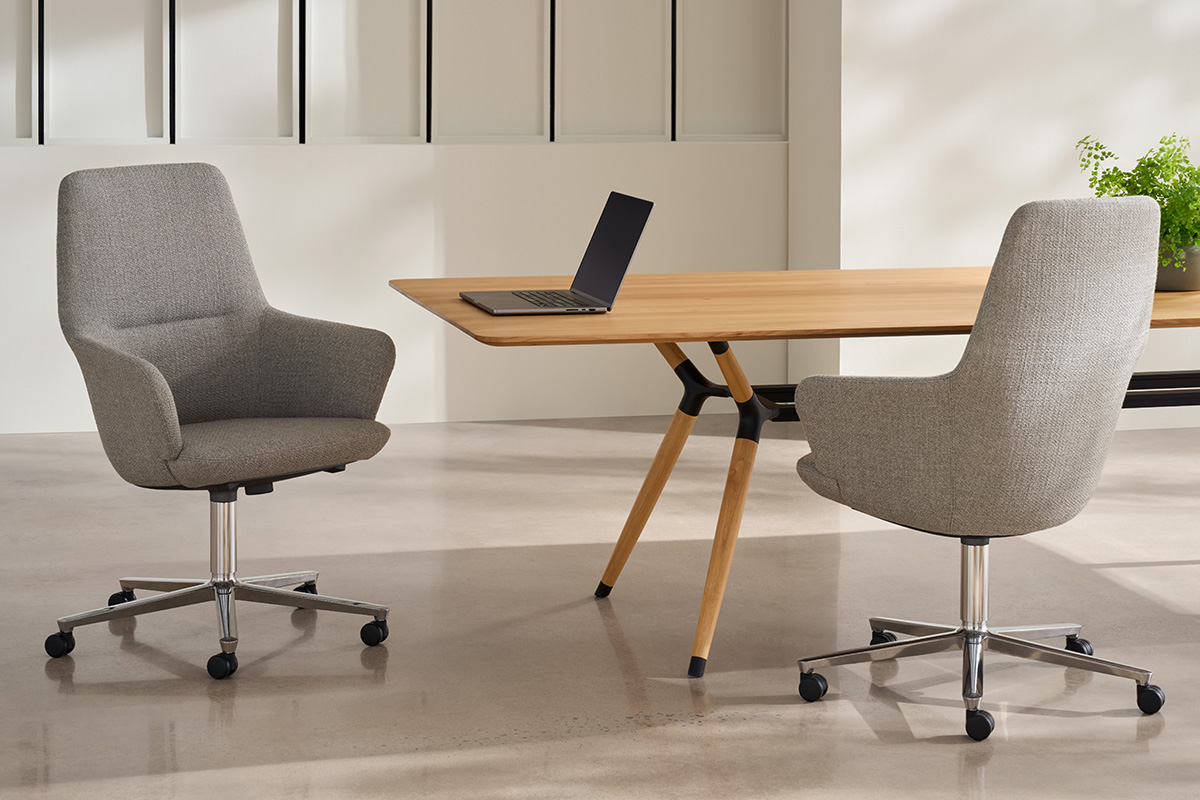
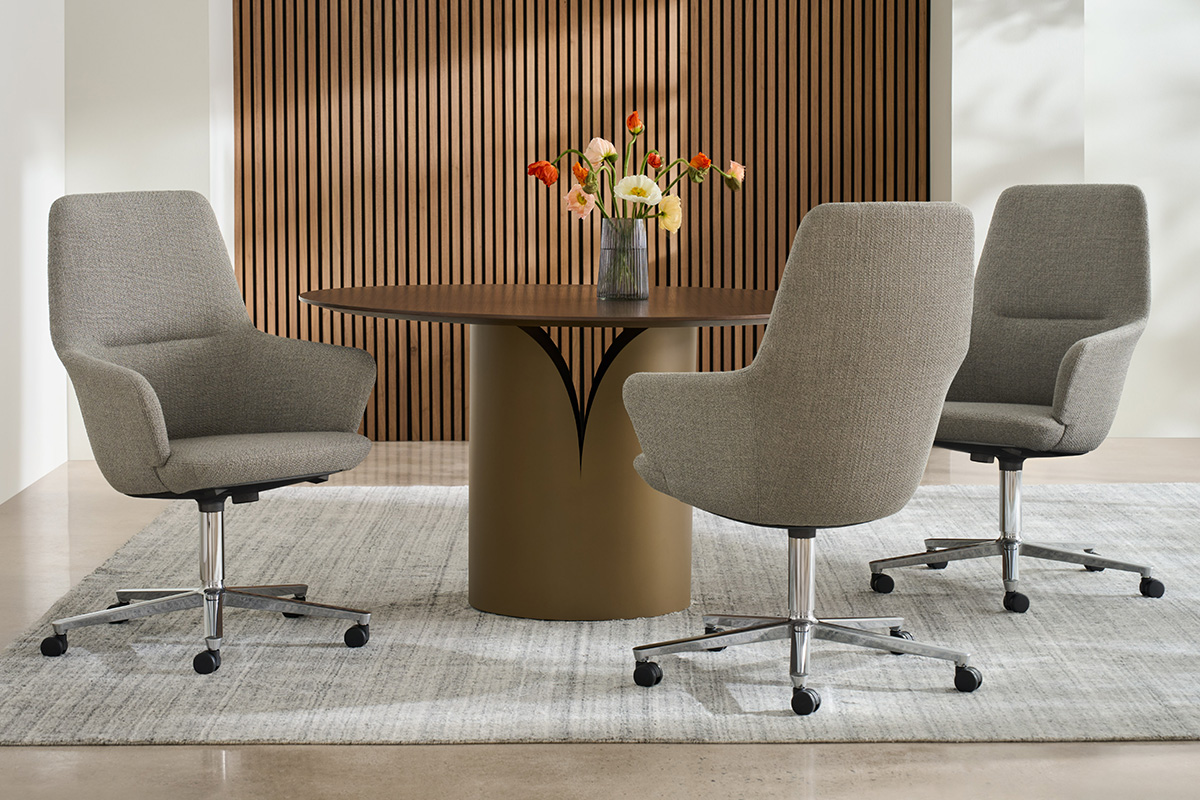
What started with a sketch, unfolded through conversation, and resulted in a sculptural chair that redefines comfort and movement with quiet confidence. Designed by Jonathan Prestwich for Davis Furniture, the Avena Chair took shape through dialogue—each refinement a response, each gesture a quiet answer to how we sit, move, and focus. With its sculptural 3D veneer, discreet integrated mechanism, and enclosing form, the chair invites presence through precision. In this interview, Prestwich sheds light on the ideas and iterations behind the chair—and how his collaboration with Davis continues to shape the future of thoughtful, human-centered design.

Interior Design: What was the inspiration behind the design of Avena?
Jonathan Prestwich: Avena started with an exploration of movement and comfort. I’ve always been fascinated by how mechanical and organic movements interact with the body—how they either support natural postures or encourage a certain behavior. With Avena, we found a movement that perfectly transitions from an active, upright posture to a more relaxed, lounge-like comfort.
That movement became the heart of the design. Typically, with a conference chair this comfortable, you’d separate the seat and back. But with Avena, we enclosed the seat within the back and armrest, creating a more unified, seamless motion. It’s subtle, but that sense of being enclosed and supported has a psychological effect—it makes the user feel more focused, more grounded.
Once we figured out the best way to support the body with this movement, the design followed naturally. Our design process always starts with a sketch, a single organic line that evolves into a fully realized form. And along the way, we have endless conversations about every single line, pushing each detail until it feels like the only way it could have been done. When it’s right, it looks effortless.
The goal was to create a chair that feels as good as it looks, comfortable, supportive, and made with as little material as possible. Every product we’ve designed for Davis has evolved from simple, intentional prompts. For Avena, it was about organic forms that respect the body’s shape while minimizing material use. These small but significant shifts push our designs forward and set new benchmarks.
Sustainability, particularly in terms of material consumption, was a big part of the conversation. We focused on natural materials, designing an assembly that could be easily dismantled, and minimizing material contamination. By integrating the mechanism into the seat, we reduced visual noise and let the organic silhouette shine.
One of the biggest design choices was offering the option to utilize 3D veneer on the outside of the chair. This natural material, paired with a simplified form, creates a real sense of calm. And integrating the movement into the seat? That was no small feat. We worked closely with engineers to craft a bespoke mechanism that delivers intuitive feedback to the body. The result is something you really must experience firsthand—the way Avena moves with you is unlike anything else.

ID: In what ways does Avena respond to the shifting landscape of workplace design, particularly in terms of flexibility, comfort, and visual lightness?
JP: The workplace is constantly evolving—perhaps now more than ever. As designers, it’s crucial to recognize the difference between true evolution and passing trends. With Avena, we wanted to create a chair that feels relevant in today’s workplace. As the world grows more complex, the objects we interact with daily can provide a sense of stability and control. The modern workplace has become a hub for human connection, and the furniture within it must reflect that.
Avena is designed with people at its core. It acknowledges the effort it takes to be in sync with a workspace and responds with a welcoming, human-centered design. Through its soft, organic form and use of natural materials, Avena fosters a sense of calm and encourages a more intuitive connection between people and their environment.
ID: How do you approach balancing aesthetics and ergonomic performance in Avena’s design?
JP: With Avena, we set out to create the perfect balance of aesthetics and ergonomics—without compromising on either. The chair needed to provide both a strong, upright, active sit and an incredibly relaxed position, with a transition between the two that felt fluid, dynamic, and luxurious. At the same time, the design had to be sophisticated and unlike any conference chair before it. That was the challenge we set for ourselves: to achieve both exceptional comfort and a striking visual presence. I’d encourage everyone to experience it firsthand—but I truly believe we’ve achieved just that.
ID: Can you walk us through a key moment or breakthrough in the development of Avena that shifted the direction or unlocked a new possibility?
JP: There were several moments during Avena’s development where we pushed production technology to its limits. At the start, we had a simple movement, but it came with a very complicated way of achieving it. We kept analyzing and refining, searching for a way to simplify the mechanics while preserving that effortless motion. And then, we had our eureka moment, where we streamlined the mechanism resulting in an understated and simple design. In the end, the experience of sitting in Avena feels incredibly refined.
Another major breakthrough was working with 3D veneer. This material is naturally stunning but shaping it to flow seamlessly from under the seat, up through the armrest, and into the backrest was an exciting challenge. Finding a way to make that happen not only pushed the limits of veneer technology but also elevated Avena’s design to a whole new level. That kind of discovery is what makes the design process so rewarding.
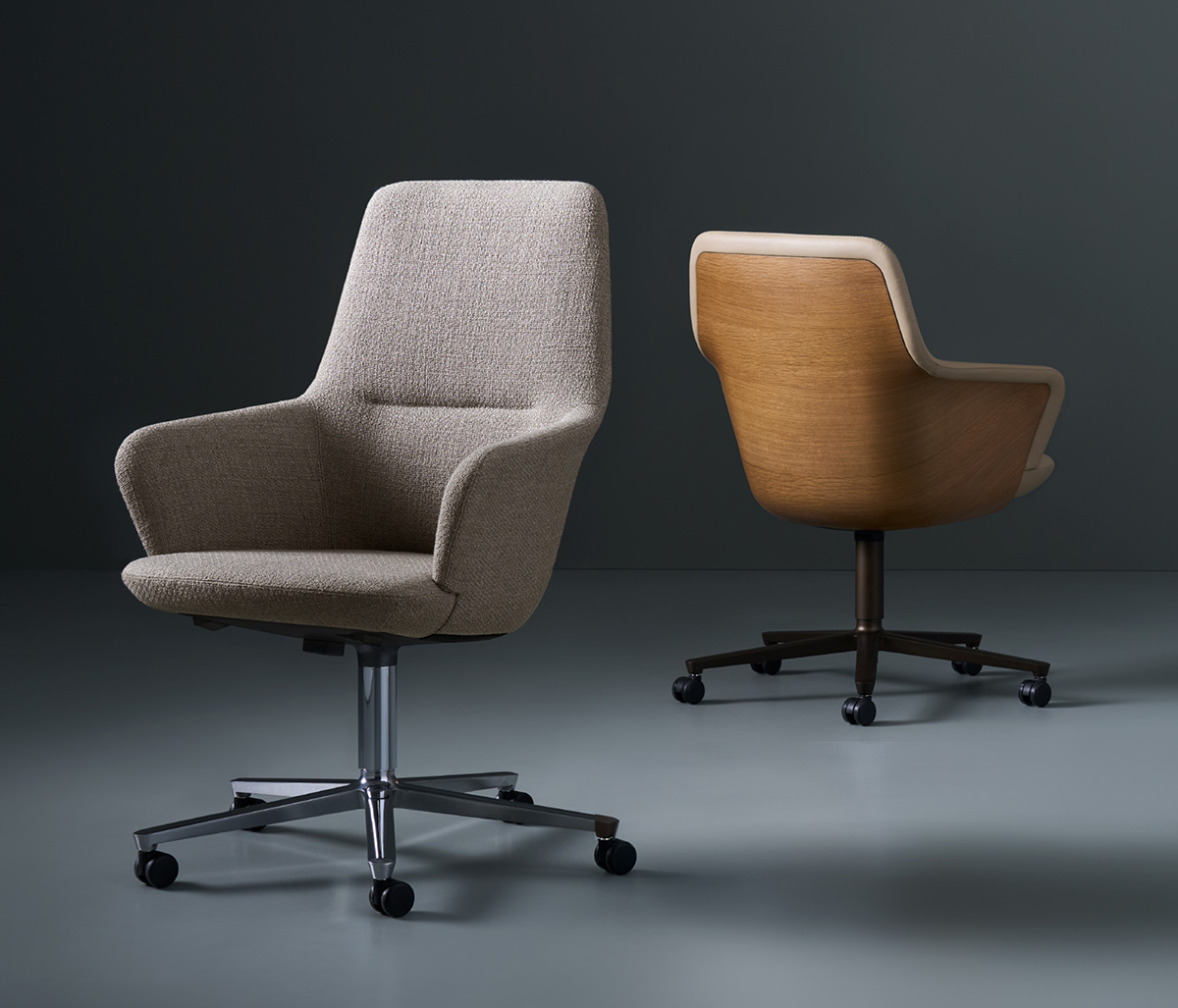
ID: Avena is available in both veneer and fully upholstered options. How do these material choices shape the versatility of the chair?
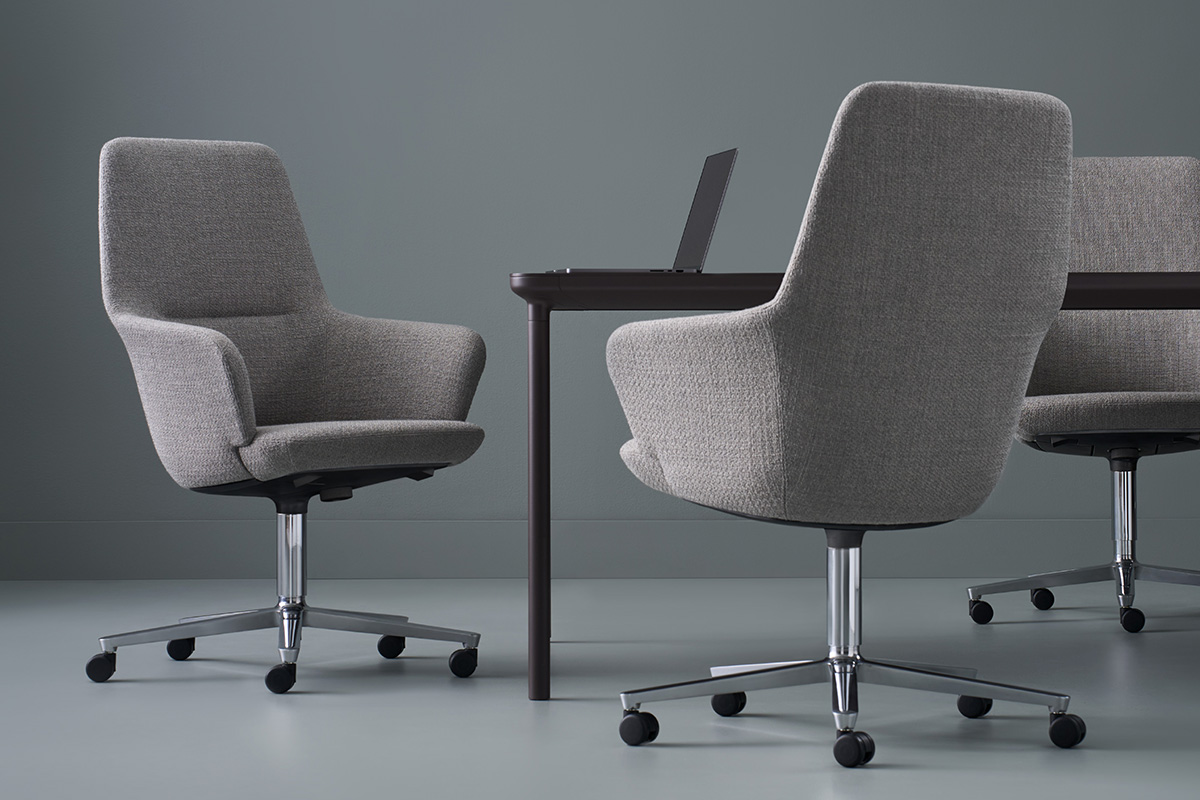
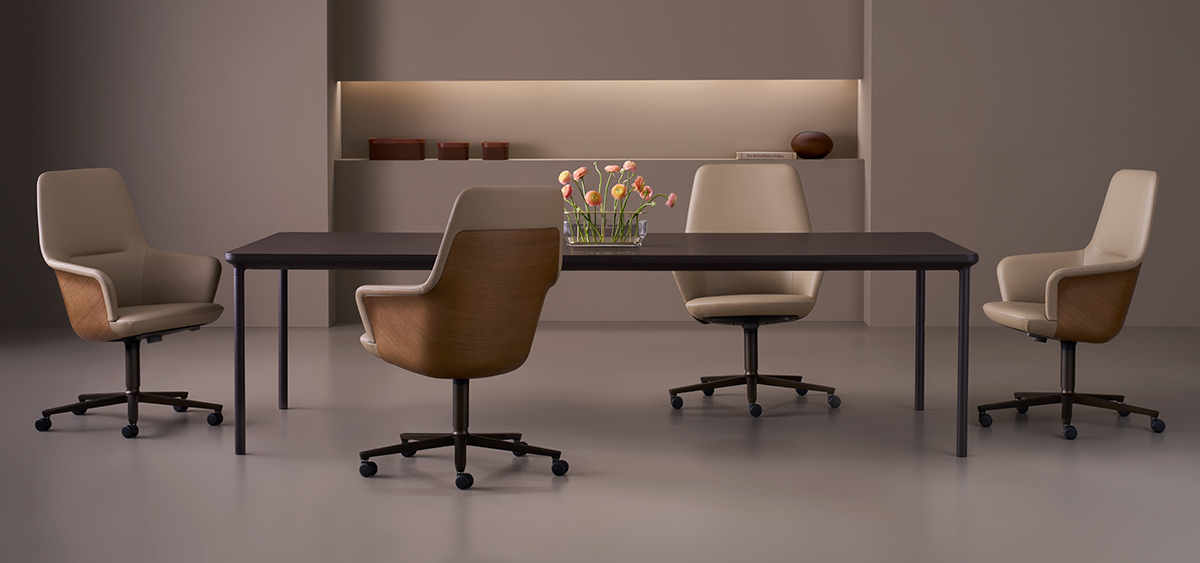
JP: Versatility was always at the core of Avena’s design. Offering two different back heights and a wide variety of finish options allows it to adapt effortlessly to a variety of office spaces. The fully upholstered version provides a softer, more traditional feel, making it a perfect fit for a wide range of fabrics and leathers. On the other hand, the oak and walnut veneer shell options take the design to another level, showcasing the beauty of natural wood and highlighting Avena’s sculptural form. Whether blending seamlessly into a space or making a statement, Avena’s material choices give it the flexibility to work in so many different environments.
ID: Can you share any challenges you faced while designing this chair and how you overcame them?
JP: The biggest challenge with Avena was creating a compact, discreet mechanism while still delivering a sophisticated sit. In the beginning, the mechanism was simply too large—it disrupted the design and took away from the chair’s elegance. We worked closely with external engineers and the team at Davis, brainstorming ways to refine it without compromising movement. It sounds simple, but it took countless prototypes, rounds of development, and rigorous testing before we landed on the perfect solution.
Another major challenge was shaping the 3D veneer. If anyone wants to see just how far you can push the limits of this material, Avena is a perfect example. It took a deep understanding of veneer technology and a lot of experimentation to achieve the seamless, organic form that defines the chair today.
ID: How does Avena fit within the existing Davis Furniture collection?
JP: Davis Furniture is constantly evolving—it’s an incredible collective of creative minds, all pushing design forward. Because of that, the level of design must continually evolve. Avena was designed to fit seamlessly within the Davis collection. Every piece in the Davis portfolio is distilled down to the essence of its unique concept, and Avena had to live up to that level of refinement. Davis has curated such a strong, cohesive collection over the years, with long-standing relationships between its designs, so there’s a natural dialogue between every piece. Avena finds its place as both an executive chair and a conference chair, balancing sophisticated design, exceptional comfort, and the signature quality that defines Davis Furniture.
ID: Davis Furniture has long been a collaborative partner in your work. How did their manufacturing capabilities and insight help push the design of this chair further?
JP: I feel like there’s a special kind of synergy between Davis Furniture and me. When I’m developing a new concept, I often find myself imagining their feedback—anticipating their thoughts, refining the design before even presenting it. That kind of intuitive collaboration only comes from really knowing and trusting each other. It pushes me to create something that I know Davis will not only appreciate but get genuinely excited about.
Beyond that, Davis has an incredible production team. The people there are highly skilled and share a deep appreciation for craftsmanship, always striving to create products that few others could achieve. Knowing they have such strong internal capabilities—and how generous they are in their product development approach, along with working with the best suppliers externally—gives me the confidence and motivation to push the design even further. With Avena, we knew we could challenge the limits of what was possible, and Davis would rise to the occasion and bring it to life.
What began as a sketch evolved into a sculptural, responsive chair that meets the needs of the modern workplace with quiet confidence. Avena is the newest expression of an ongoing dialogue between Jonathan Prestwich and Davis Furniture, shaped by shared values of craft, comfort, and clarity of form.