
Mohawk Group’s TECHNE Finds Craft and Technology in Dialogue
TECHNE, Mohawk Group's Color + Design Vision for 2026, began with an examination of craft's current moment: the depth of its cultural value, and the scope of technology's influence on it. “We explored the deeper meaning of Techne—the idea that knowledge lives equally in systems and in skilled hands,” says Royce Epstein, Senior Director, Design Insights at Mohawk Group. The research framework that followed took that tension as its subject. “It quickly became clear that the most compelling work wasn't purely technological,” Epstein says. “It was hybrid.”
Three sub-themes carry the research forward: Craft Core, Coded Craft, and Soft Logic, each tracking a different dimension of how making is changing across design and the built environment. To build out each theme, Mohawk Group drew from projects spanning materials, geographies, and techniques, each a different expression of technology in service of the human spirit. “We looked for work that demonstrated authorship, process transparency, and an intentional relationship between maker and material, whether analog, digital, or both,” says Epstein.
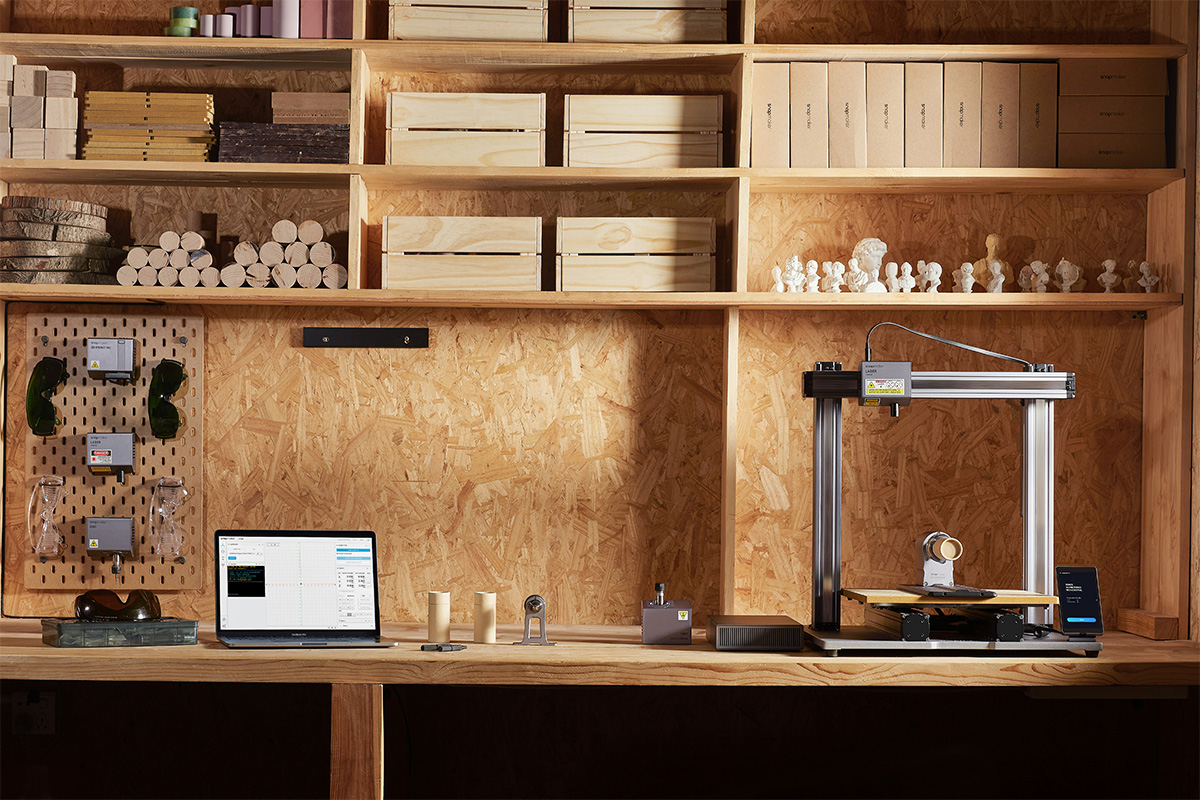
Craft Core is grounded in a doubling-down on the handmade, treating heritage materials and visible labor as stabilizing forces against mass production and digital overwhelm. Clay, wood, and fiber sit at its center, each carrying embedded histories of place, labor, and tradition that designers are recontextualizing through contemporary forms and fabrication methods. “What stood out most was how these materials were being revisited not only as nostalgic gestures, but as vehicles for future-thinking design,” says Epstein. “In a time of rapid technological acceleration, their tactility and material honesty feel stabilizing and deeply human.” One case study within the theme reconstructs new forms entirely from salvaged parts of damaged mid-century furniture, treating repair as its own mode of authorship. “There is also a deep appreciation for preserving what was already made,” she says. “Care, repair, and mending also play an important role.”

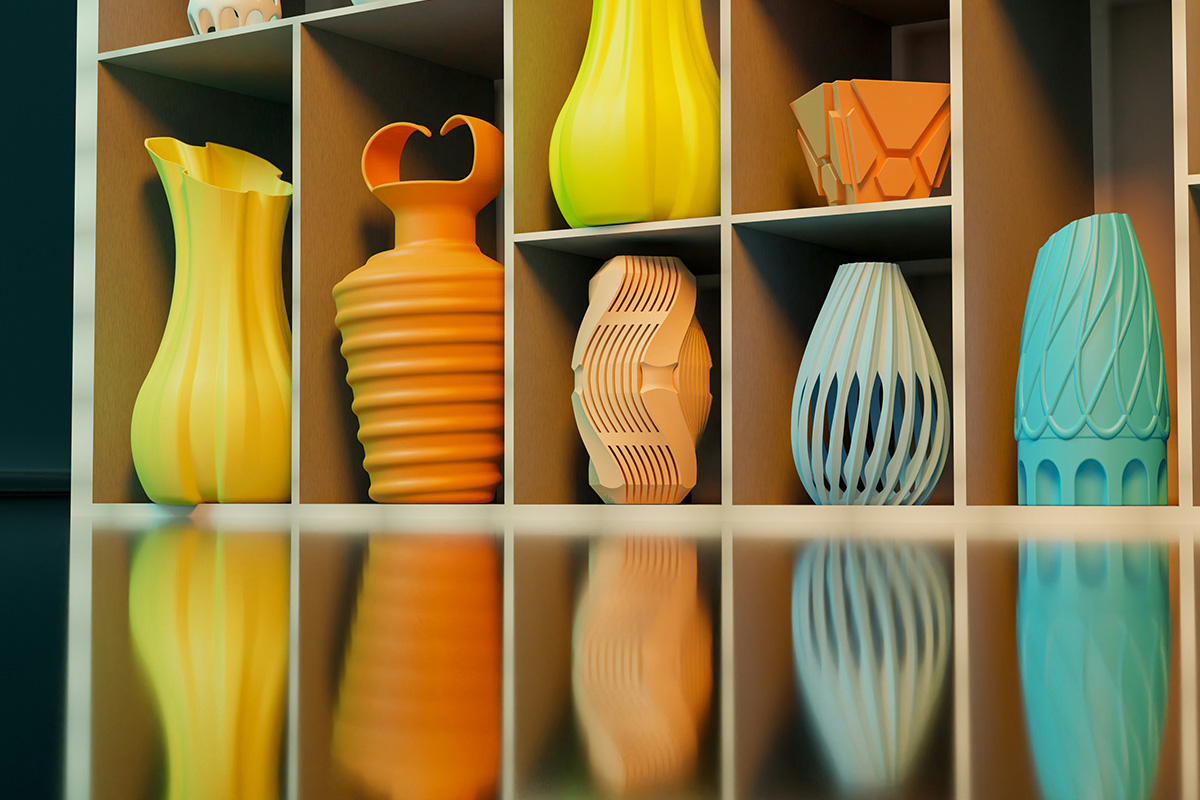
Coded Craft tracks the evolution of traditional making as technology becomes an extension of the artisan's skill, with algorithms, 3D printing, and AI expanding what is possible without erasing what came before. The work gathered here ranges from digital ceramics and machine embroidery to algorithmic weaving, each finding a different point of entry where craft and computation meet. A thread running through the case studies is an acceptance of what the machine reveals. Epstein found that in digitally fabricated work, small deviations record the collaboration between code, machine, and material. “Those irregularities create authenticity,” she explains. “Within Coded Craft, the glitch becomes a signature rather than an error—an acknowledgment that innovation still benefits from imperfection.”
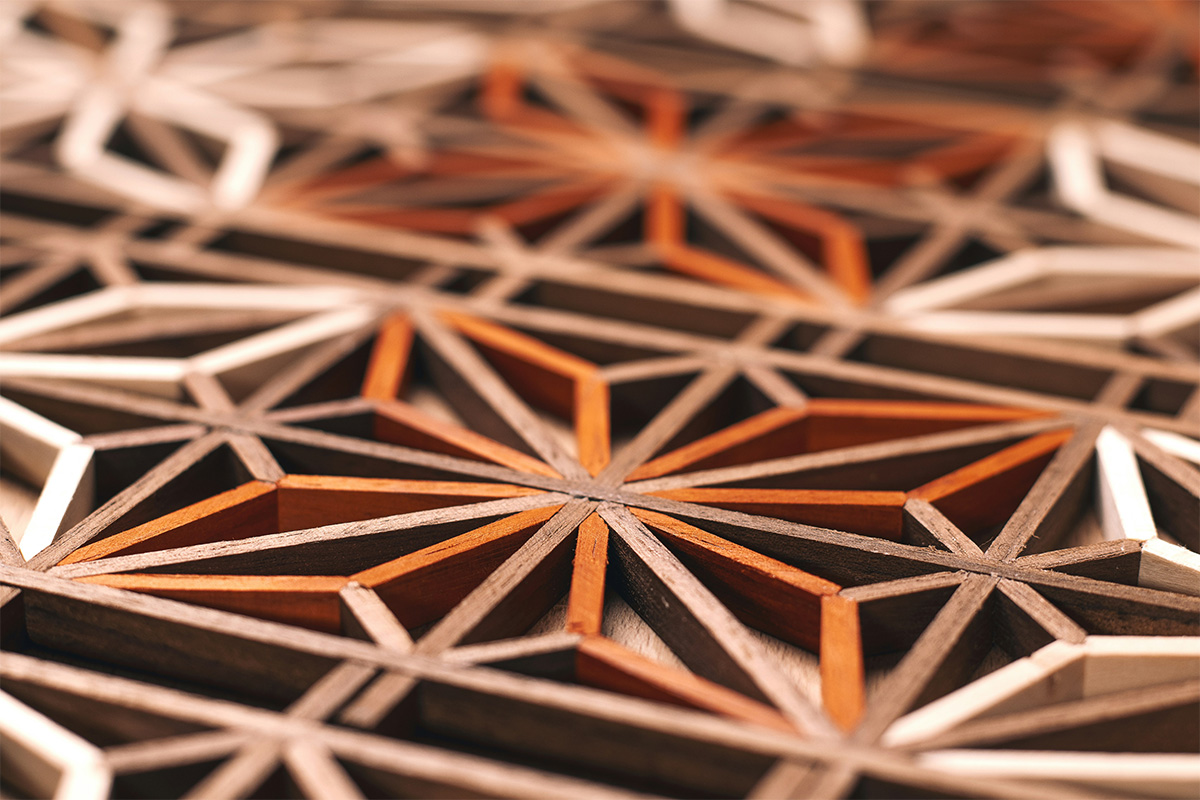
Soft Logic extends the research toward craft as a vehicle for emotional well-being and community co-creation, where objects, homes, and urban systems become more inclusive and resilient. The case studies selected span continents and communities, each using craft—in traditional or hybrid form—to strengthen social bonds and support human well-being in specific, material ways. “Many of the designers framed technology as a supportive layer,” says Epstein, “enhancing comfort, calm, and sensory awareness.” The work reflects a broader shift in how design is being asked to function. “Craft has always been essential to our human survival and well-being,” Epstein says, “so it only makes sense that this evolves with how craft is evolving today.”
Color followed the research the same way the case studies did, through material. As the three themes took shape, a palette emerged alongside them. Heritage Hues, the foundation of TECHNE's color forecast, centers terracotta, raw clay, porcelain, linen, and umber browns, deepened by muted earthy greens and watery blues. “Once the thematic narratives were clear, color became a tool to reinforce them—grounding some, softening others, adding dimensionality where innovation met tactility,” adds Epstein. “Rather than feeling applied, the palette emerged as a visual extension of the ideas themselves.” Sherwin-Williams' 2026 Color of the Year, Universal Khaki, falls within the same foundational neutrals, a sign that the material instincts behind TECHNE are resonating across the industry. The palette, like the research itself, is evidence of a process.
Mohawk Group’s Color + Design Vision 2026 CEU expands on TECHNE, with additional information available through Mohawk Group representatives.