
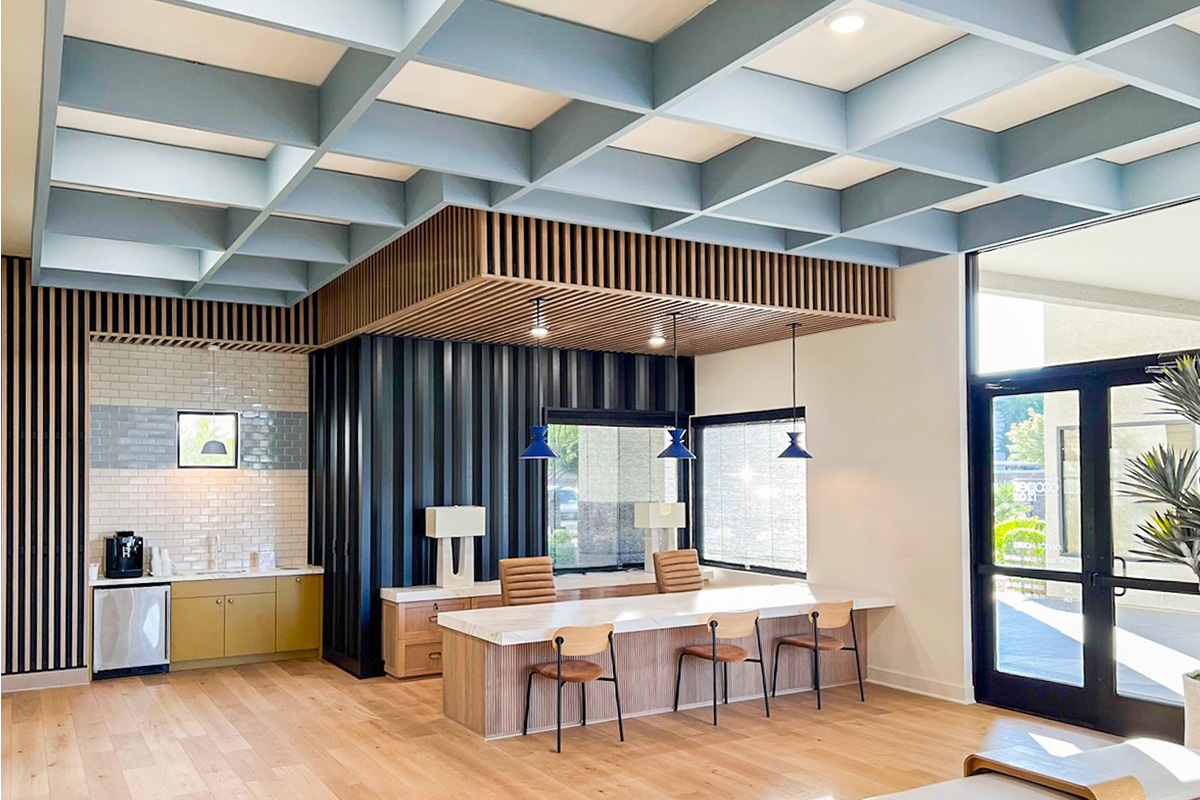
MPS Acoustics Makes Customization Standard
A soft wash of pigment settles across a felted surface—precise in tone, fluid in transition, and engineered to absorb sound with a subtlety that mirrors its visual appeal. SHADES, the custom program by MPS Acoustics, turns color into structure, translating visual ideas into high-performance acoustic panels through an iterative, image-driven process.
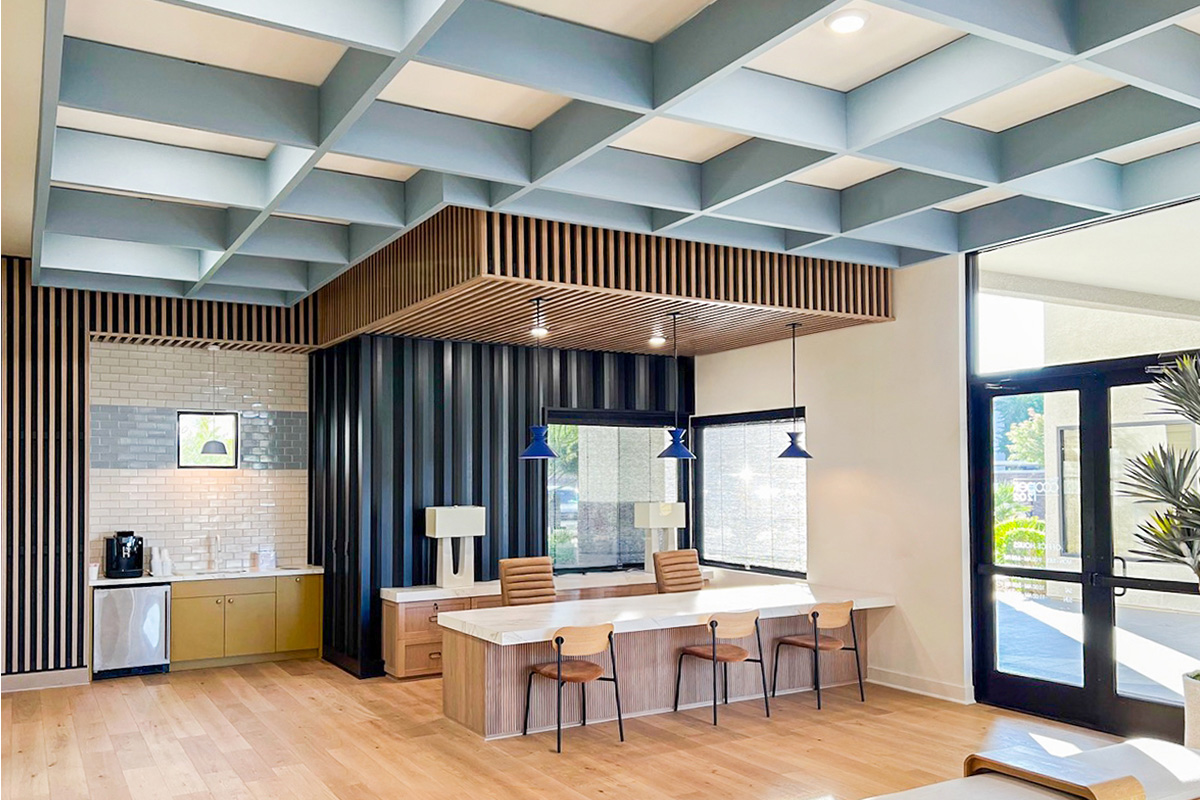
Customization Without Compromise
SHADES was developed to give designers more control, particularly over color, where standard options often fell just short of a client’s vision. With capabilities ranging from Pantone-matching to woodgrain effects and gradients, the program replaces limitations with creative collaboration. “We’re ‘find a way’ people as an organization,” says Andy Vawter, President at MPS. “So we said let’s develop a process to give clients exactly what they want, without compromise.”

The process begins with a conversation—whether through a design call or detailed project intake. From there, the MPS team works closely with the client to understand aesthetic goals, customization needs, and acoustic requirements. Digital mockups and Pantone-matched samples are generated through the SHADES online color tool, which many designers use to explore sample references, then translated into physical test prints for final approval. Only once this is signed off does production begin, ensuring no surprises.
Material and Performance
SHADES panels are printed using a proprietary process that retains the acoustic integrity of MPS’s high-performance PET substrates. Visual consistency is maintained through a multi-step print calibration, including resolution adjustments and scale reviews to ensure clarity across panels. Designers can specify hues from Pantone, Benjamin Moore, or Sherwin Williams systems, or submit custom artwork for translation. The team frequently collaborates on unconventional surface treatments, pushing the limits of acoustic PET through visual experimentation. Inks are water-based and low-VOC, and test prints are always provided before final production begins. “Designers can confidently print colors and patterns without compromising acoustic performance,” adds Vawter.
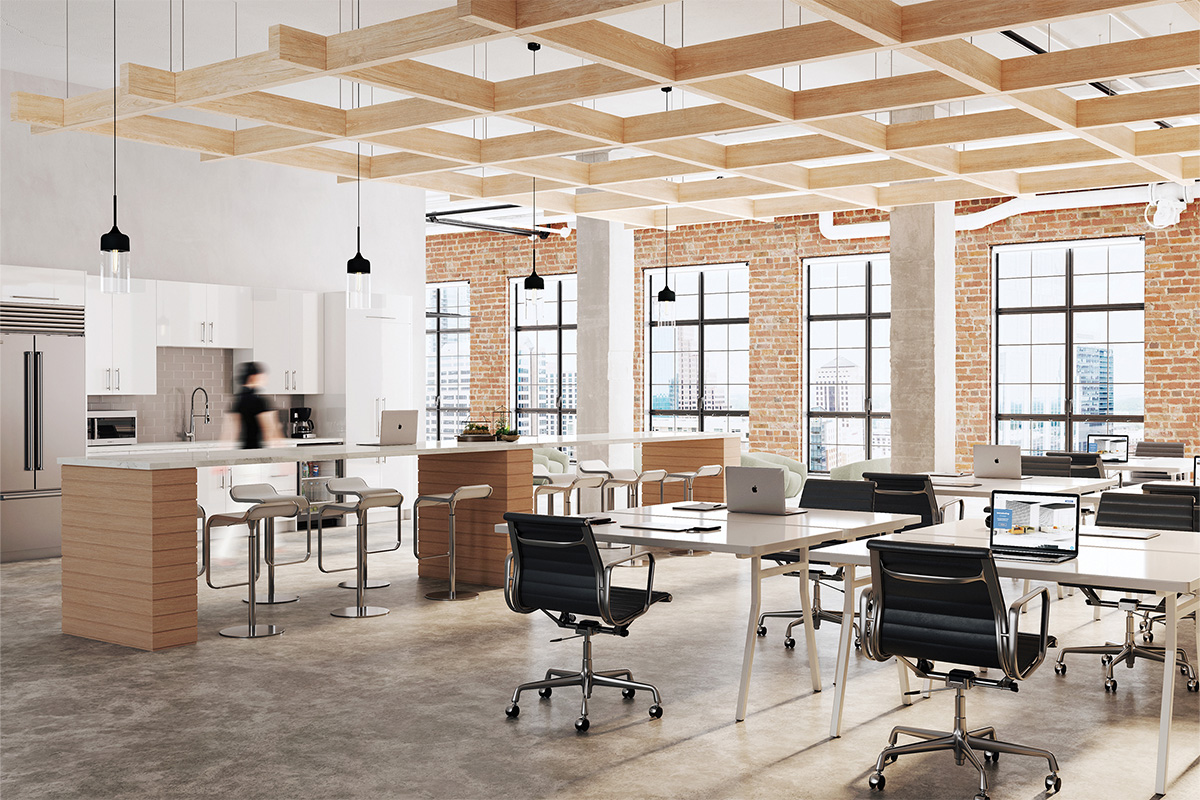
Panels come in a range of effects and finishes, from smooth white PET to heathered neutrals, allowing designers to tailor the tone to their vision. Acoustic PET acts as both surface and canvas, allowing printed artwork or tonal effects to function with equal visual and acoustic intention.
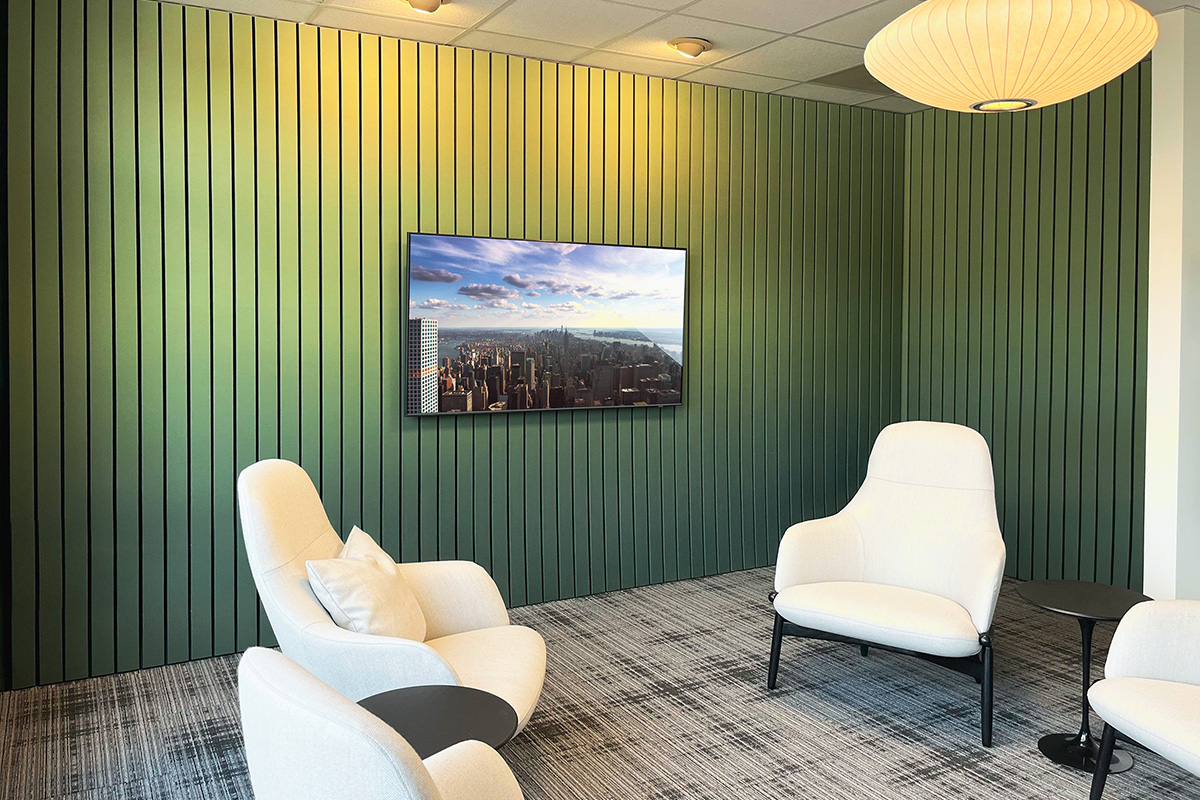
MPS Acoustics continues to expand SHADES as a flexible tool for designers seeking both material performance and creative agency. With new visual effects and broader custom capabilities in development, the platform reflects a future where acoustics are shaped as much by imagination as by need.