
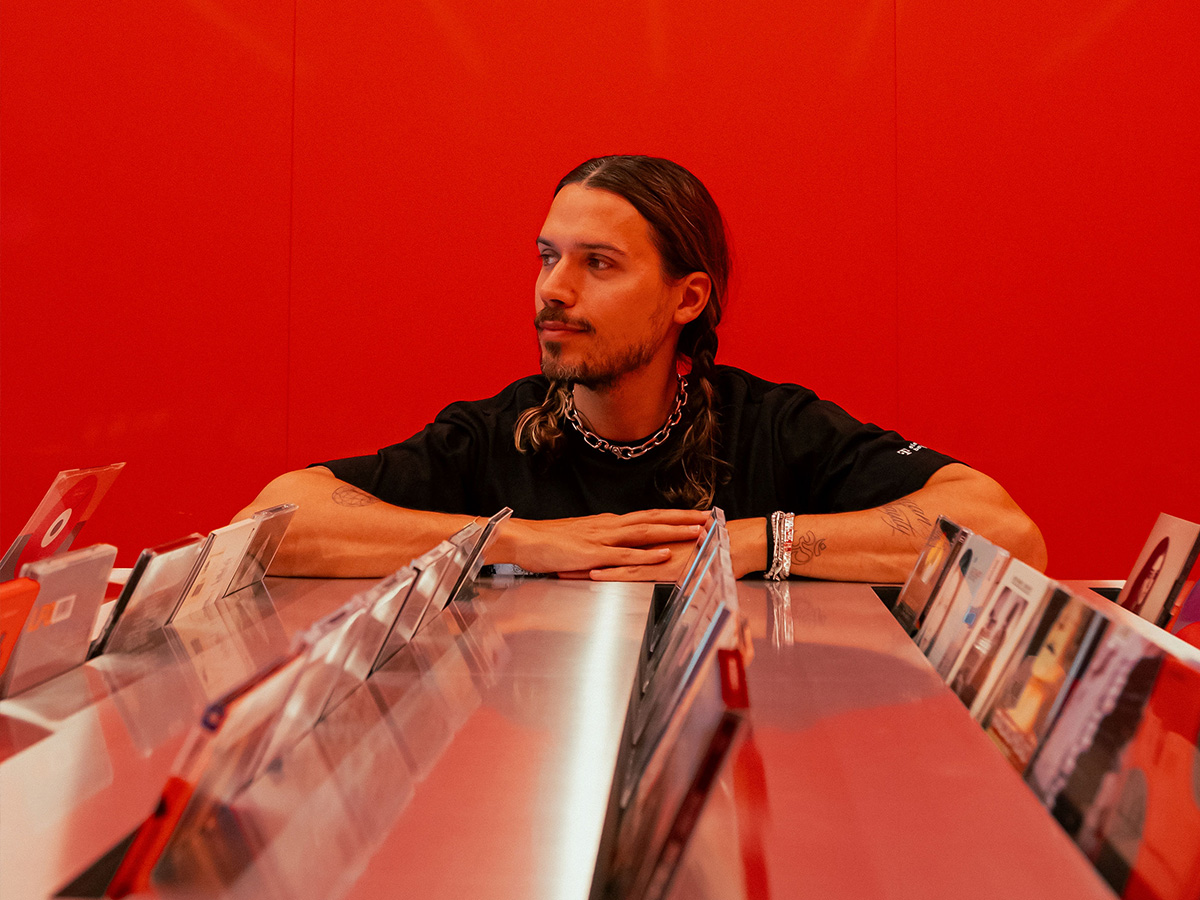
Past Reveals Future with Harry Nuriev at Maison&Objet 2026
When Maison&Objet opens in January, Harry Nuriev’s installation will trace the dialogue between material, space, and meaning. Developed under the theme “Past Reveals Future,” the presentation will unfold as an exploration of transformation—an idea that runs through his work, where craftsmanship meets contemporary design and familiar forms are given new life.
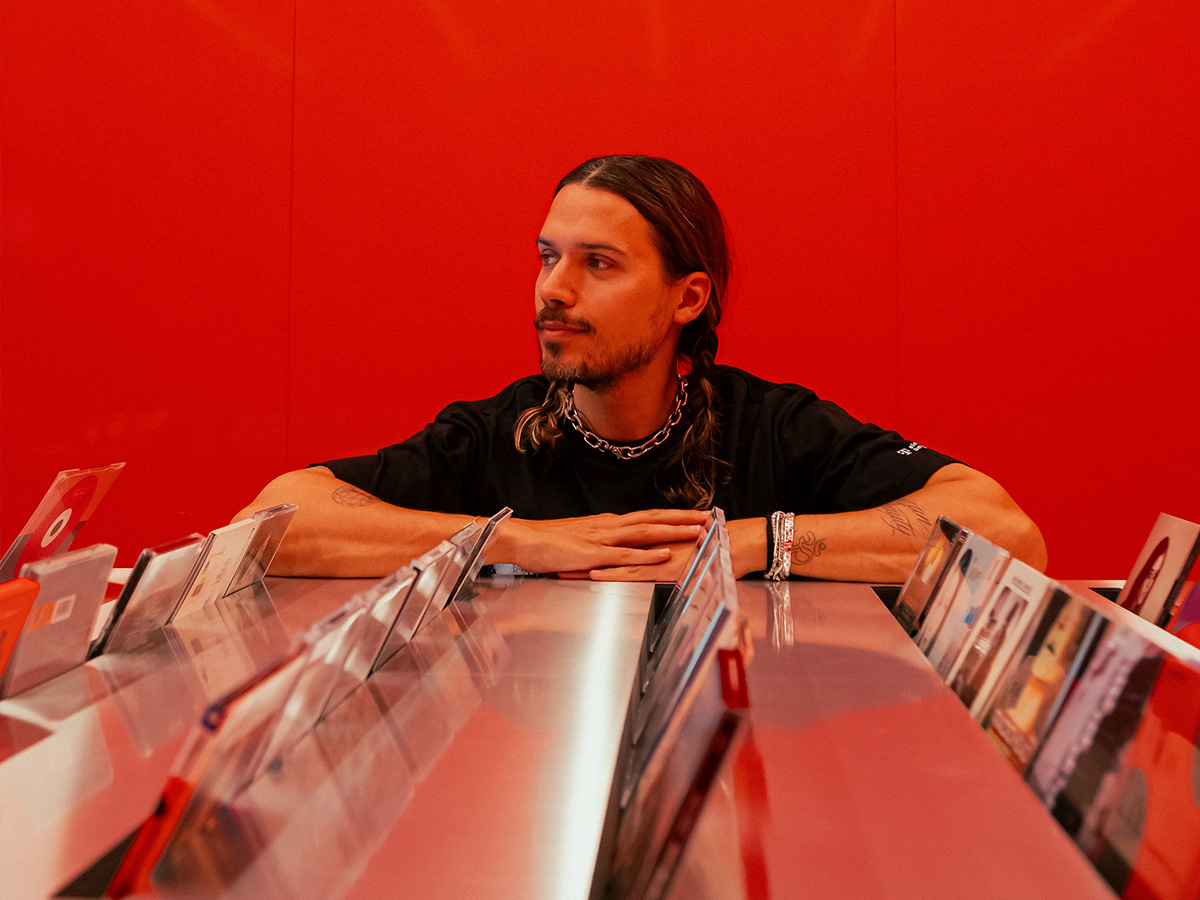
Named the 2026 Designer of the Year, Nuriev brings a cross-disciplinary approach shaped by architecture and contemporary art. Born in Stavropol and educated at the Moscow Institute of Architecture, he founded Crosby Studios in New York in 2014 and later opened a second space in Paris. The studio now produces more than thirty projects each year across retail, fashion, hospitality, and cultural institutions, balancing collectible design with large-scale commissions.
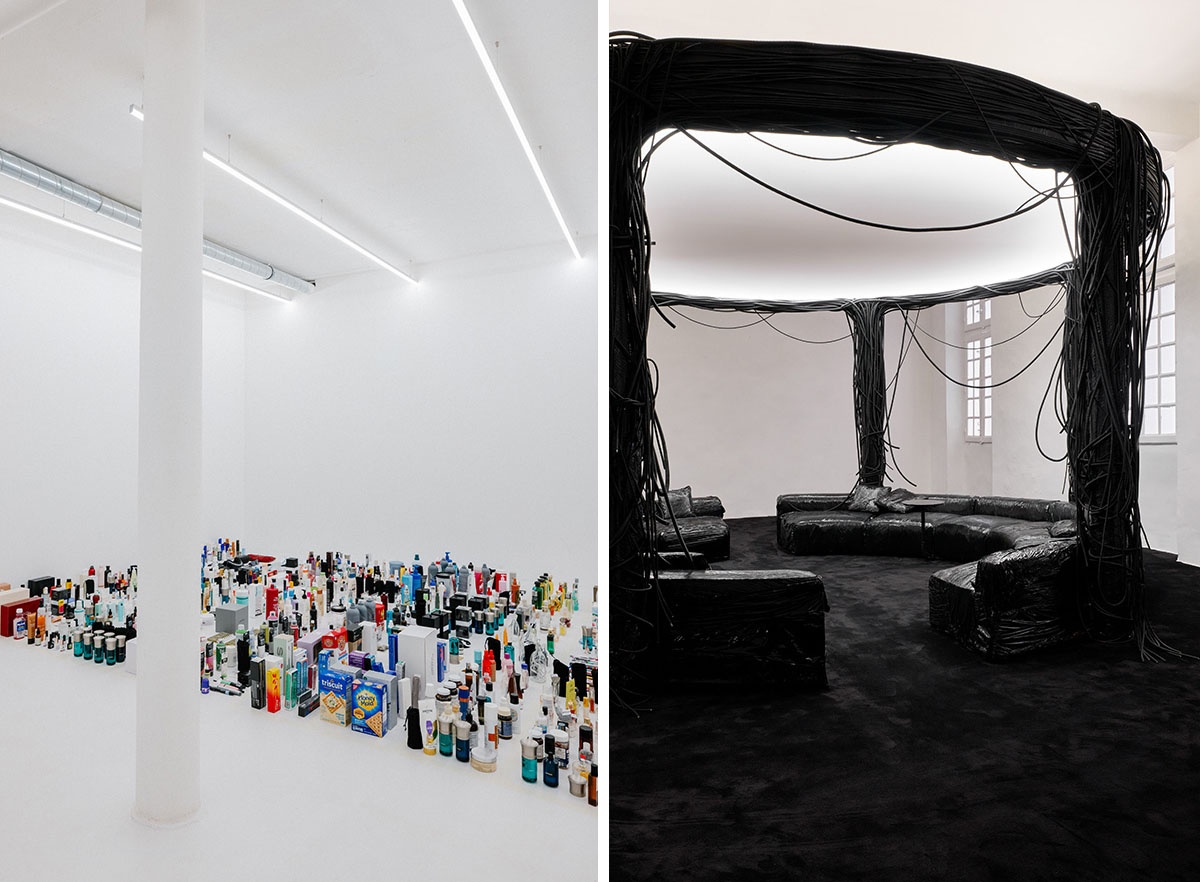
His collaborations include work with Balenciaga, H&M, Fusalp, Baccarat, and the Louvre, alongside exhibitions for Art Basel Miami and Mobilier National. Across these settings, his focus remains consistent: to uncover new forms of meaning within familiar objects. “Transformism is the act of turning something into something else—not by erasing its origin, but by amplifying its essence,” he writes in his manifesto.
Transformism as Practice
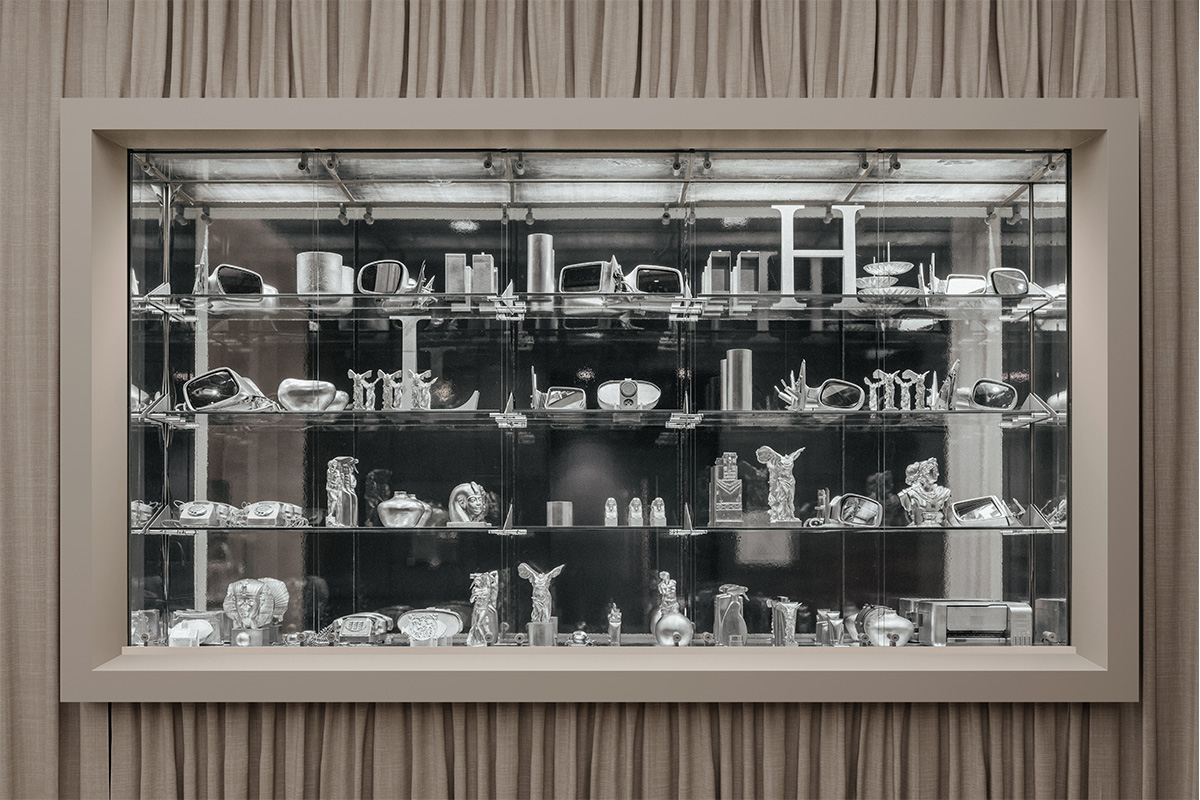
For Nuriev, design starts with perception. “My creative process begins not with a blank canvas, but with the world as it is,” he notes. In the years leading up to Maison&Objet 2026, this philosophy has taken form in a series of transversal works. In 2025, his Memorabilia collection for the Louvre reinterpreted iconic art objects through a uniform silver glaze, turning familiar motifs into reflective souvenirs. At Mobilier National in 2023, he applied artificial intelligence to centuries-old Royal House tapestries, introducing contemporary patterning that extended their visual language. For Baccarat, he reimagined the brand’s glassmaking legacy through a series of installations that transformed archival forms into coded symbols, recasting the house’s history as a living vocabulary.
Across projects, Nuriev approaches history as material in motion, open to interpretation through contemporary design. “It is about giving a second life to objects that have lost their place…creating meaning from what others overlook,” he writes. Through this lens, design becomes an ongoing dialogue with what already exists, attentive to form, memory, and perception.
From Heritage to Future
At Maison&Objet, this perspective unfolds as an immersive environment centered on furniture as artifact. Every piece functions as a “totem of its era,” projecting forward through material and form. The installation positions these works within a shared continuum, connecting design to the histories and gestures that shape it.
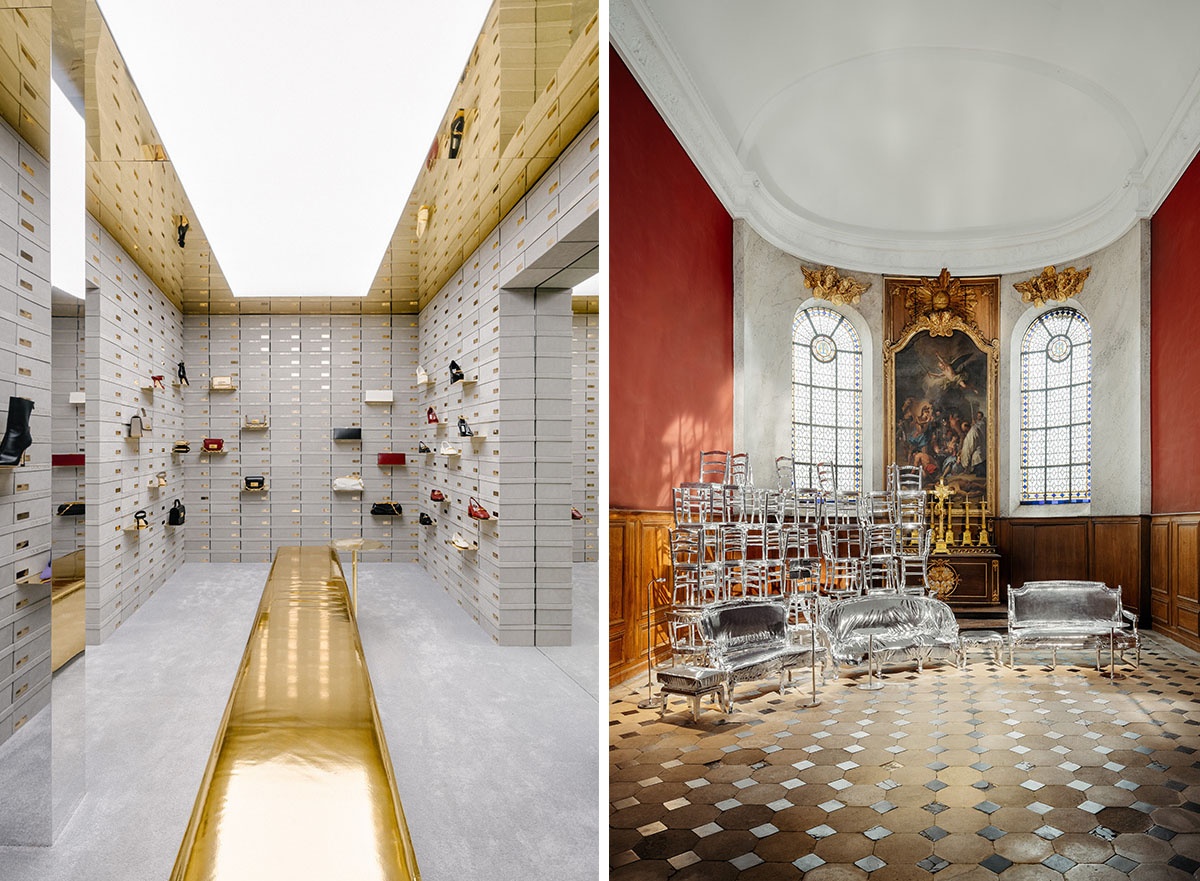
Nuriev describes his creative outlook as a response to saturation. “We live in a world oversaturated with objects, data, and ideas,” he writes. “Today, the true challenge is not invention, but perception.” His installation embodies that shift, treating design as an act of care—an exercise in sensitivity, empathy, and deliberate attention to what endures.
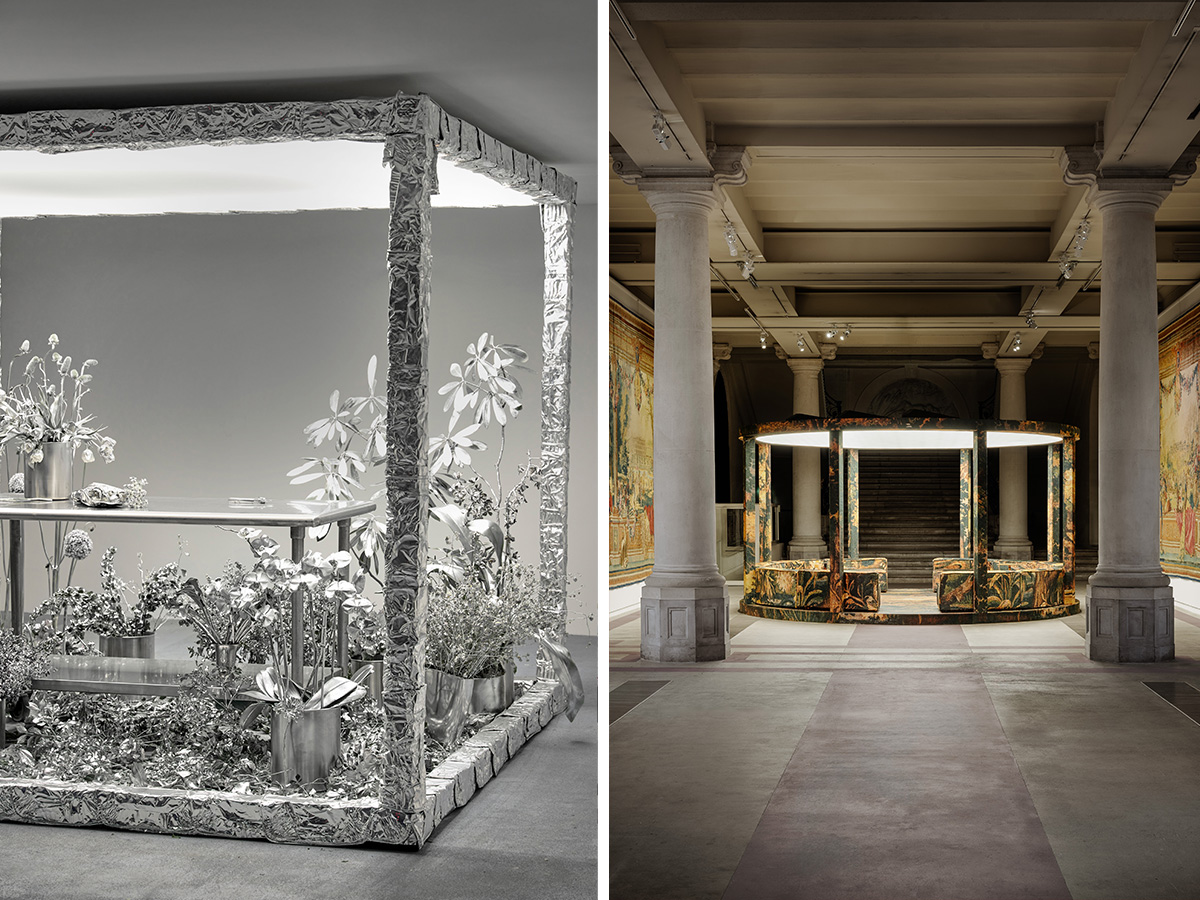
“If the 18th century was the century of colour, the 19th the century of form, and the 20th was synonymous with philosophy, today I invite people to look more carefully around them, to rethink their surroundings with sensitivity and empathy,” Nuriev says. In that invitation, Maison&Objet’s theme finds its mirror: a vision of design where the past is never fixed, and the future is already taking shape in the things we choose to see anew.