
Sustainability Shapes the Evolution of Teknion’s Brand
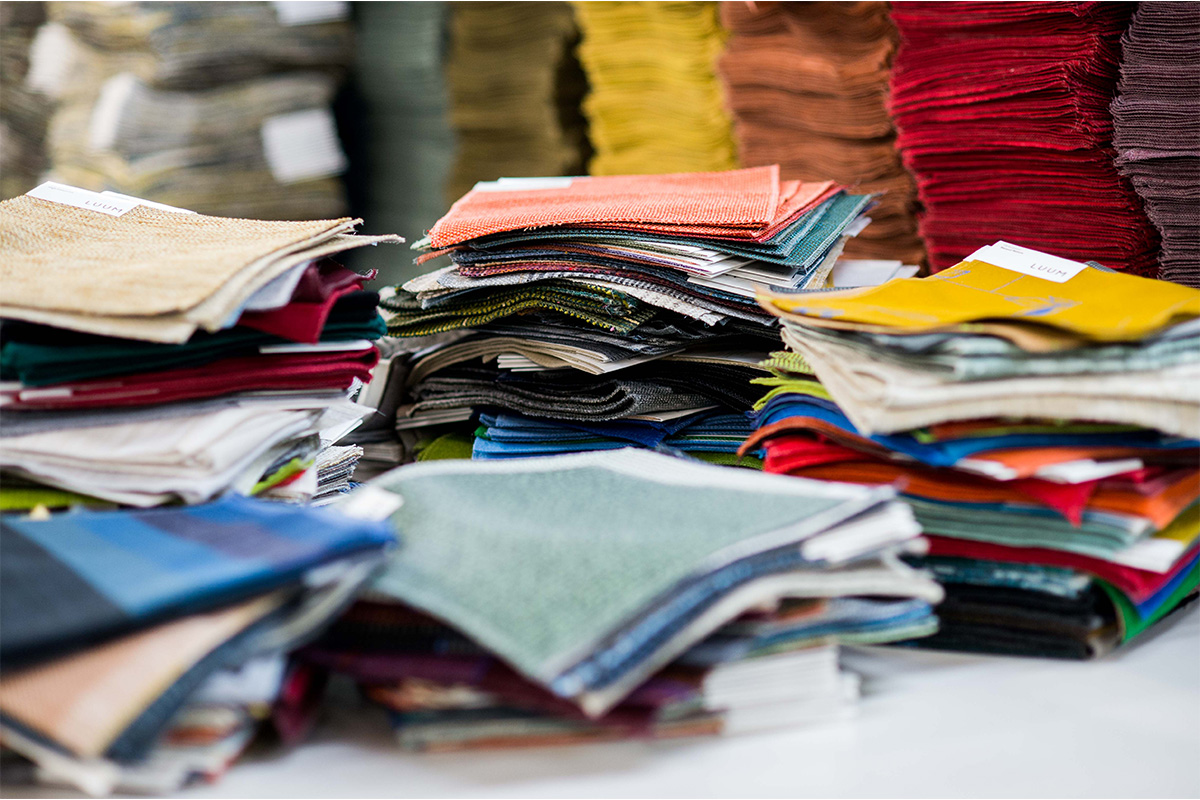
In Teknion’s in-house textile test lab, fabrics are pushed far beyond the thresholds that frame industry standards. Swatches are pulled, abraded, and stretched through cycles of pressure and motion, their limits recorded one test at a time. Each outcome is logged into a growing database, a record of thousands of trials that, taken together, mark a long arc of persistence in reshaping everyday practice.
Such efforts reflect a broader philosophy that has guided the company for more than forty years: doing the right thing, not the now thing. As David McDivitt, Director of Corporate Program Management, explains, “Teknion has taken a strategic approach to this subject; focusing our efforts on actions that result in real world impacts that we can see and measure.”
Heritage and Entrepreneurial Spirit
Teknion’s philosophy is matched by a drive for innovation that has shaped its trajectory from its earliest days. Under the leadership of President and CEO David Feldberg, the company has cultivated a culture of curiosity and risk-taking that allows it to adapt to new trends, technologies, and client needs. As McDivitt notes, “Teknion’s entrepreneurial spirit helps us keep our ears (and minds) open—collaborating with our clients and supply chain to respond both to new furniture design trends, but also to new science, technology and research that impact the health of workspaces and our production.”
Programs like Advanced Concepts have carried this mindset into practice, creating space to test prototypes, explore new materials, and anticipate emerging needs. It extends into collaborations with designers and allied brands, where shared expertise broadens the scope of what is possible, and into initiatives that rethink manufacturing logistics, like replacing disposable shipping materials with reusable sleeves and textile packaging. Knowledge-sharing forums and workshops led by Teknion’s Insights + Strategy team keep the conversation moving, engaging clients and peers on issues from design inclusivity to sustainability. Together, these efforts underscore how curiosity and collaboration remain central to Teknion’s evolution.
Milestones and Material Responsibility
One of Teknion’s longest-running efforts has been the removal of PVC from its products, a change that required more than a decade of trials, new tooling, and collaboration with suppliers before polypropylene could meet the same standard. “It’s a material that’s difficult to replace due to its low cost, physical properties that make it easy to work with and its supply chain ubiquity,” says McDivitt in reference to PVC. “While a sprint is sometimes required, on some issues a longer term, sustained effort is needed to get to the finish line.” The next frontier in that work is electrical wiring, an entrenched commodity that will present its own challenges but one the company has already begun preparing for.
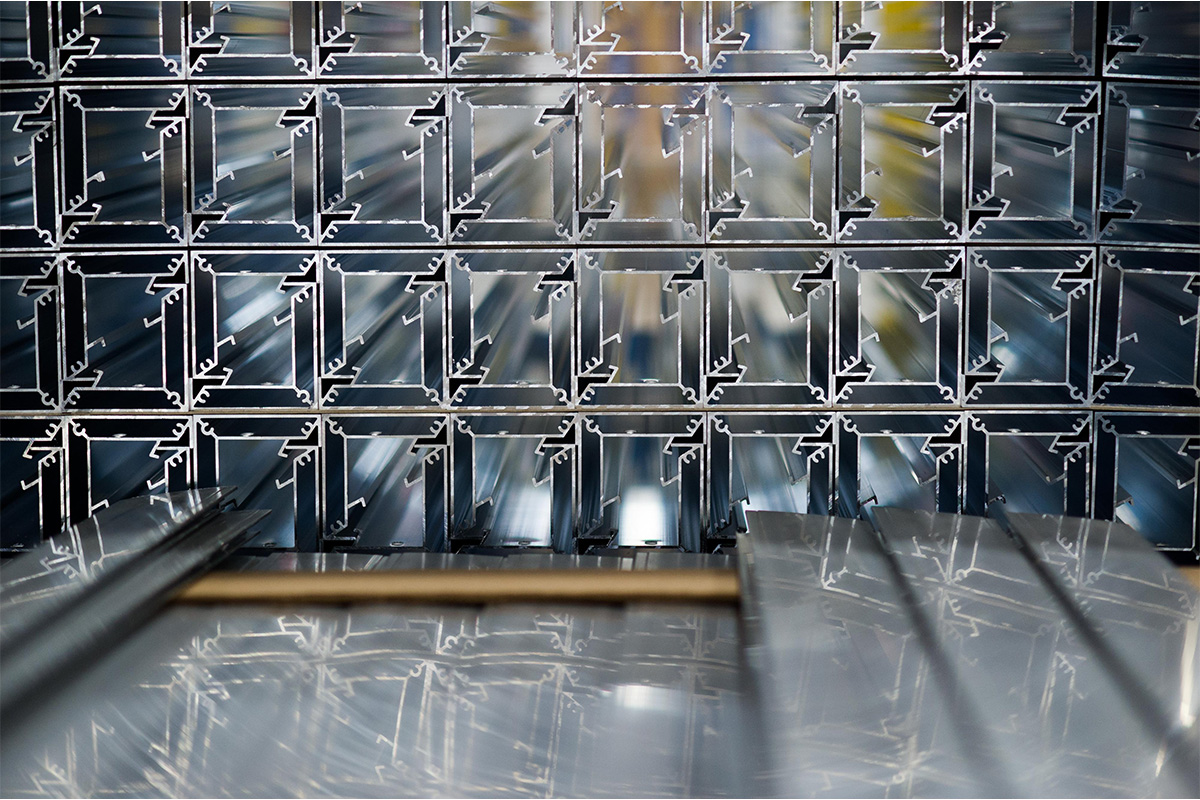
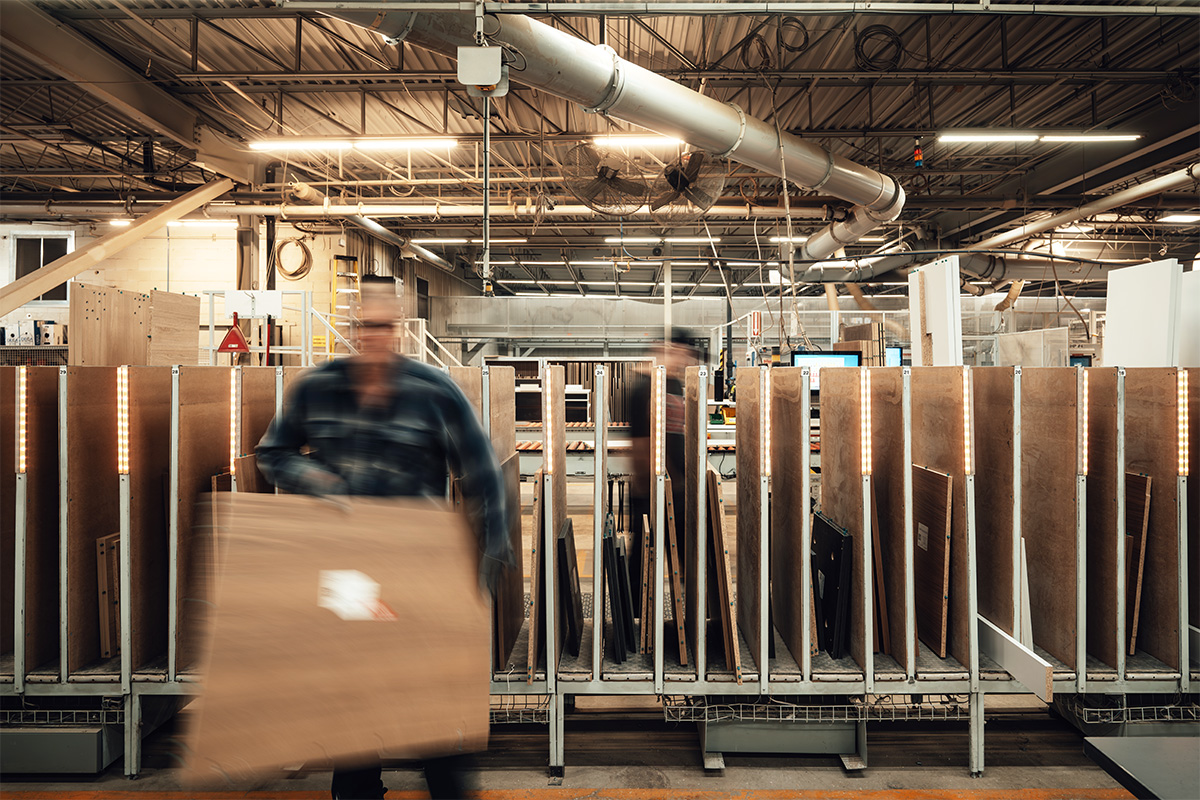
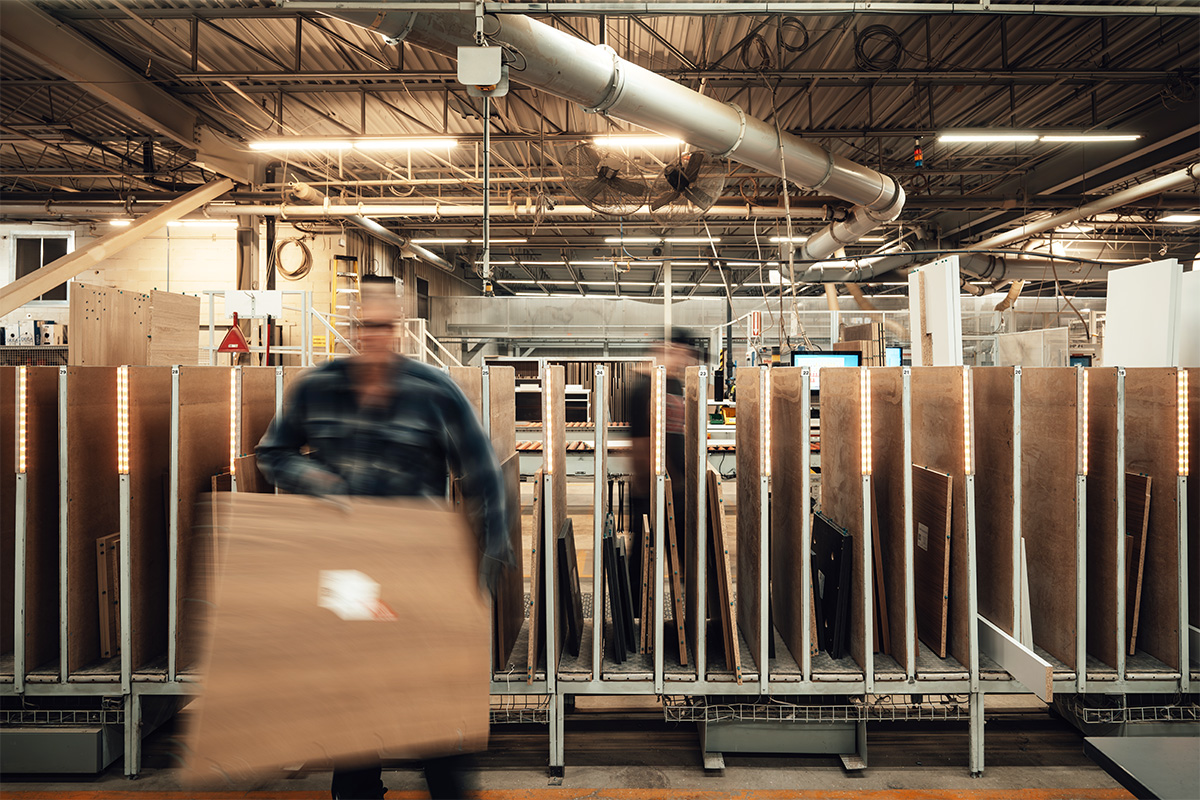
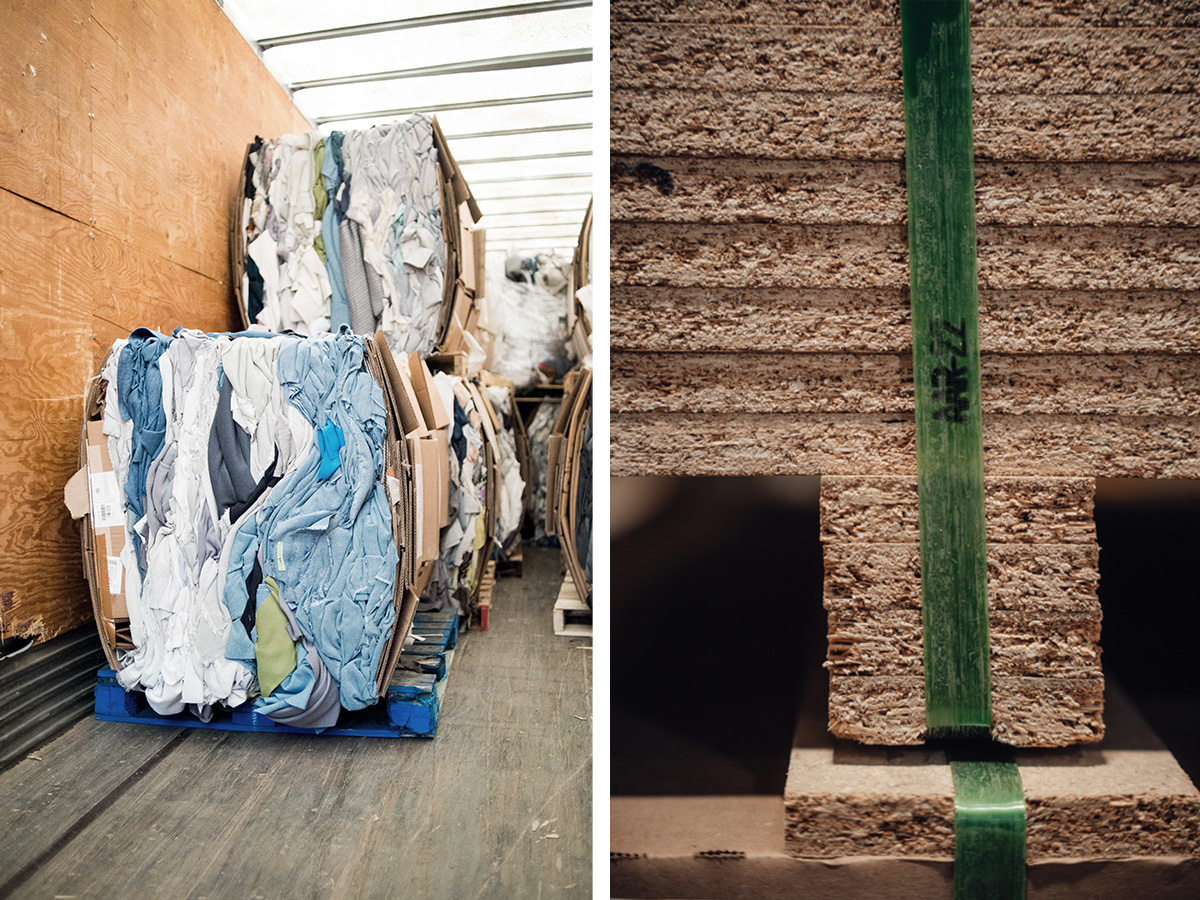
Other initiatives have carried that same persistence into everyday manufacturing, from recycling discarded adhesive liners into home insulation to sourcing aluminum cut-to-length to avoid off-cut waste. Micro-emissions PUR glue lowers carbon output in assembly, while scrap wood from factories is repurposed into shipping skids. Each of these actions folds responsibility into the ordinary rhythms of production, showing how change often happens in increments rather than dramatic shifts.
Innovation in Action
Programs that extend responsibility beyond the factory floor are reshaping how clients and communities engage with Teknion today. The Divert program, which addresses furniture decommissioning, has reframed expectations for what manufacturers can deliver. “Clients are increasingly expecting furniture manufacturers to be able to support their decommissioning needs,” says Alison Sanchirico, Manager of the Teknion Divert Program. “Programs like Divert offer a sustainable solution for work that needs to be done regardless and give clients an opportunity for a positive narrative on what once could only be a blemish in their sustainability story.”
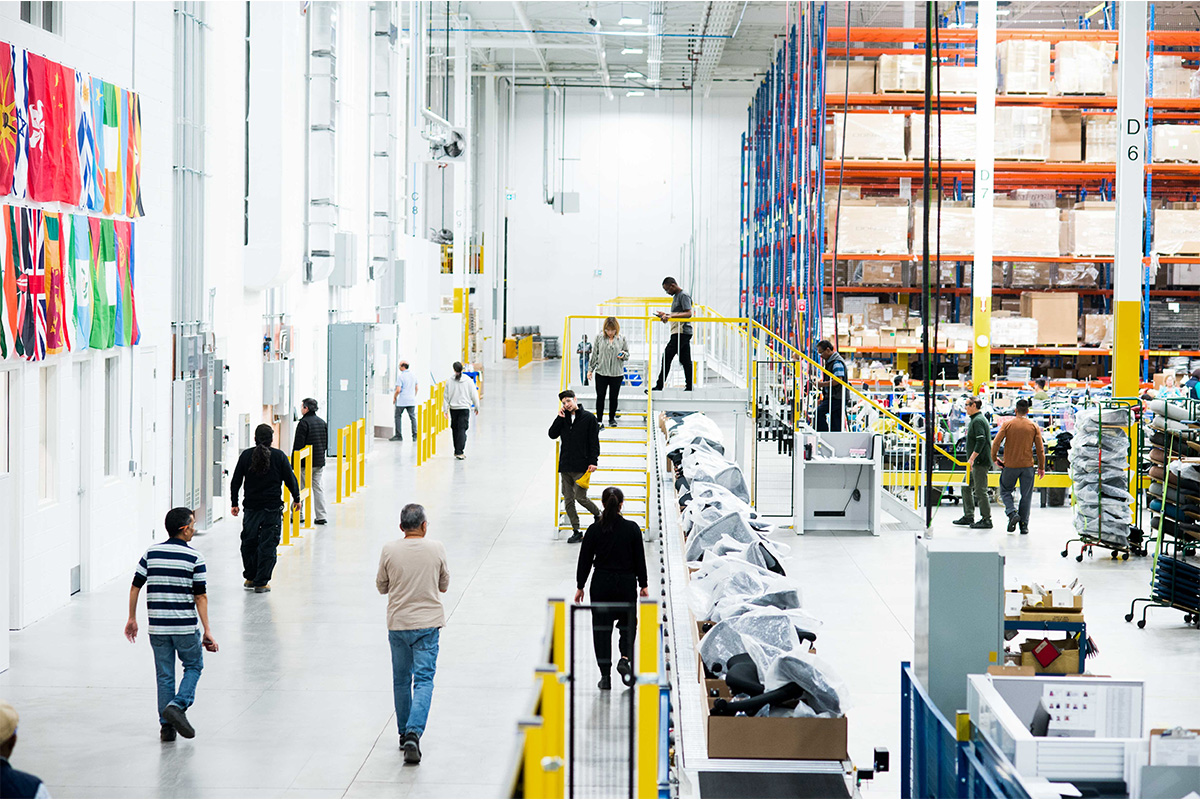
Beyond products, Teknion’s people- and place-centered commitments have become equally central. WELL at Scale, which extends wellness strategies across Teknion’s global footprint, brings practices like movement, nourishment, and mental well-being into daily operations. Partnerships with Indigenous communities have fostered dialogue and action, exemplified by the Gord Downie & Chanie Wenjack Legacy Space at Teknion’s Toronto headquarters—an environment for reflection, learning, and reconciliation. As Margo Gordon, Vice President of Human Resources, explains, “These initiatives show that our focus extends beyond creating a physical product to fostering well-being and building meaningful relationships. They go beyond simple performative acts, becoming deeply embedded in our company culture and daily actions.”
Future Vision
Looking ahead, Teknion frames its next chapter around the urgency of climate action. “The actions that are convenient and comfortable are not going to result in the levels of impact that are needed to make the world anywhere close to sustainable,” says McDivitt. “While we are just a company making furniture, our actions combined can be deeply impactful and it will take the action of us all to advance a sustainable and just world.”