
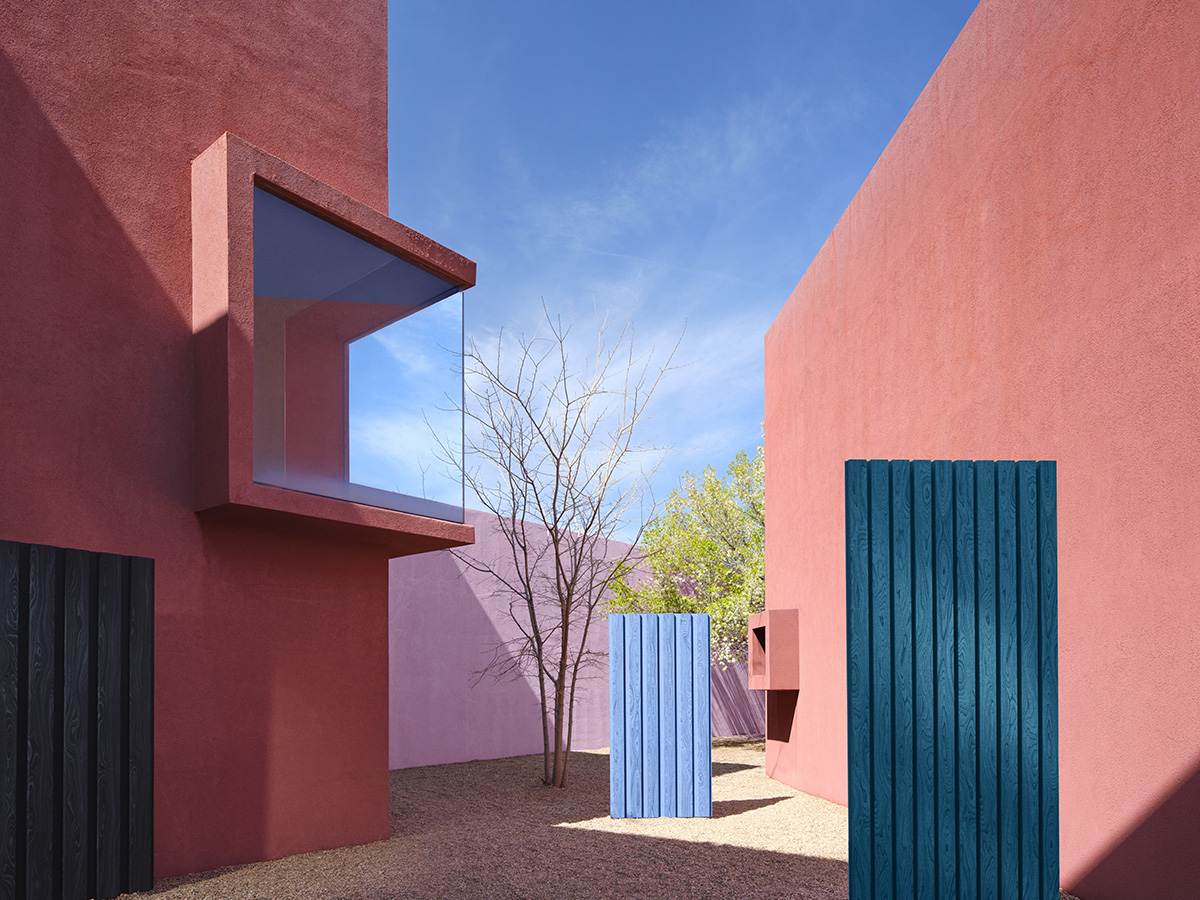
Turf Debuts Three New Patterns in Wood Textures Collection
Rendered in felt yet rooted in the artistry of milled wood, Turf’s latest acoustic designs trace the grain patterns revealed by veneer cuts, moving through clean, close lines, bold burls that heighten contrast, and measured layers punctuated by soft knots. These are the visual signatures of Rift, Rotary, and Flat—the three digitally rendered patterns at the center of the newly released Wood Textures collection, each an expressive interpretation of traditional milling methods and the surfaces they reveal.
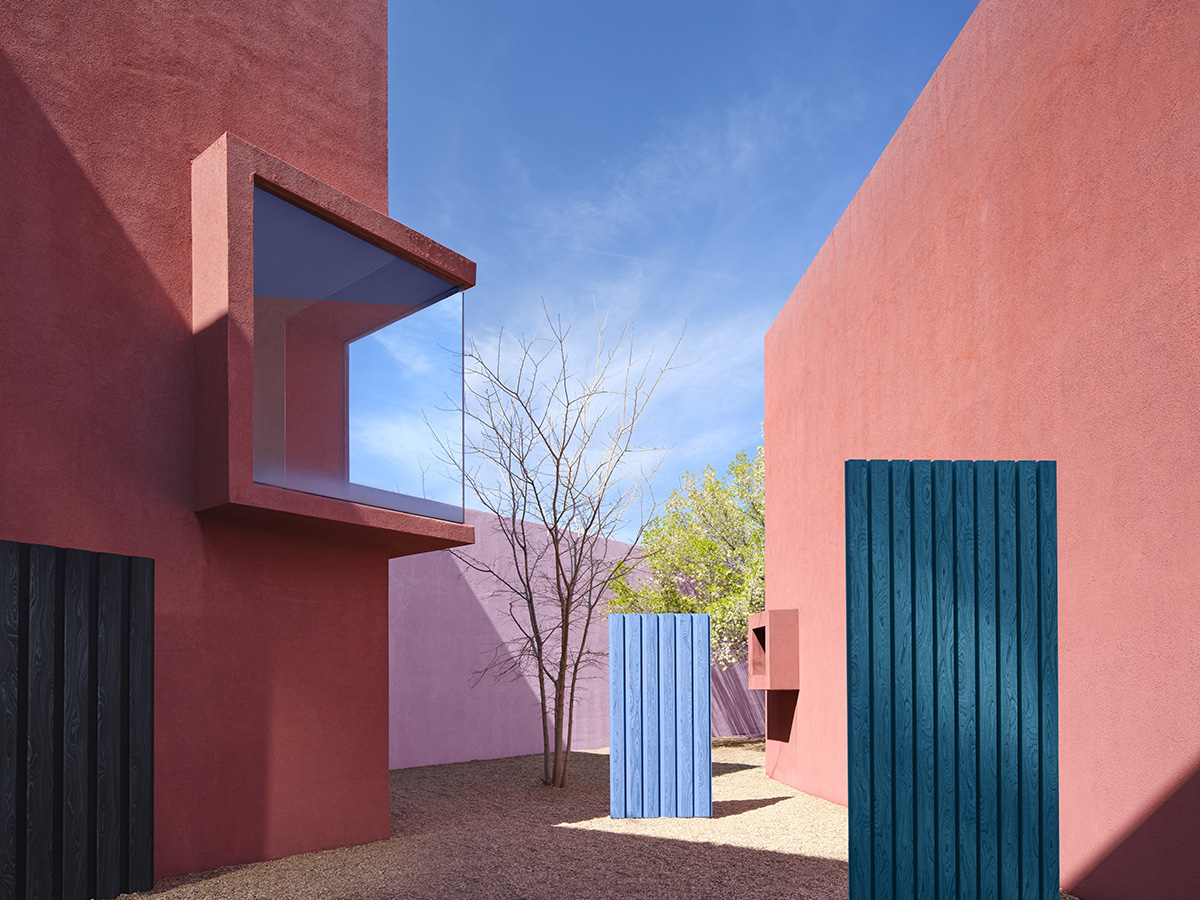
Developed in collaboration with Carolyn Ames Noble, ASID, WELL AP, WELL Faculty and founder of Ames Design Collective, the collection draws on shared research, trend exploration, and material development between Noble and the Turf design team. Each of the three new patterns pairs with Turf’s in-house Hues palette—a suite of 32 colors ranging from soft neutrals to saturated tones—to create 96 combinations across the brand’s 9mm PET felt. “This collection advances our commitment to sensory and neuro-inclusive design with a biophilic gesture and dynamic NRC capabilities,” says Noble. “By offering an interpretive approach to natural wood aesthetics, these textures provide designers, architects, and specifiers with a versatile medium for the ultimate creative exploration.”
Color, Pattern, and Process
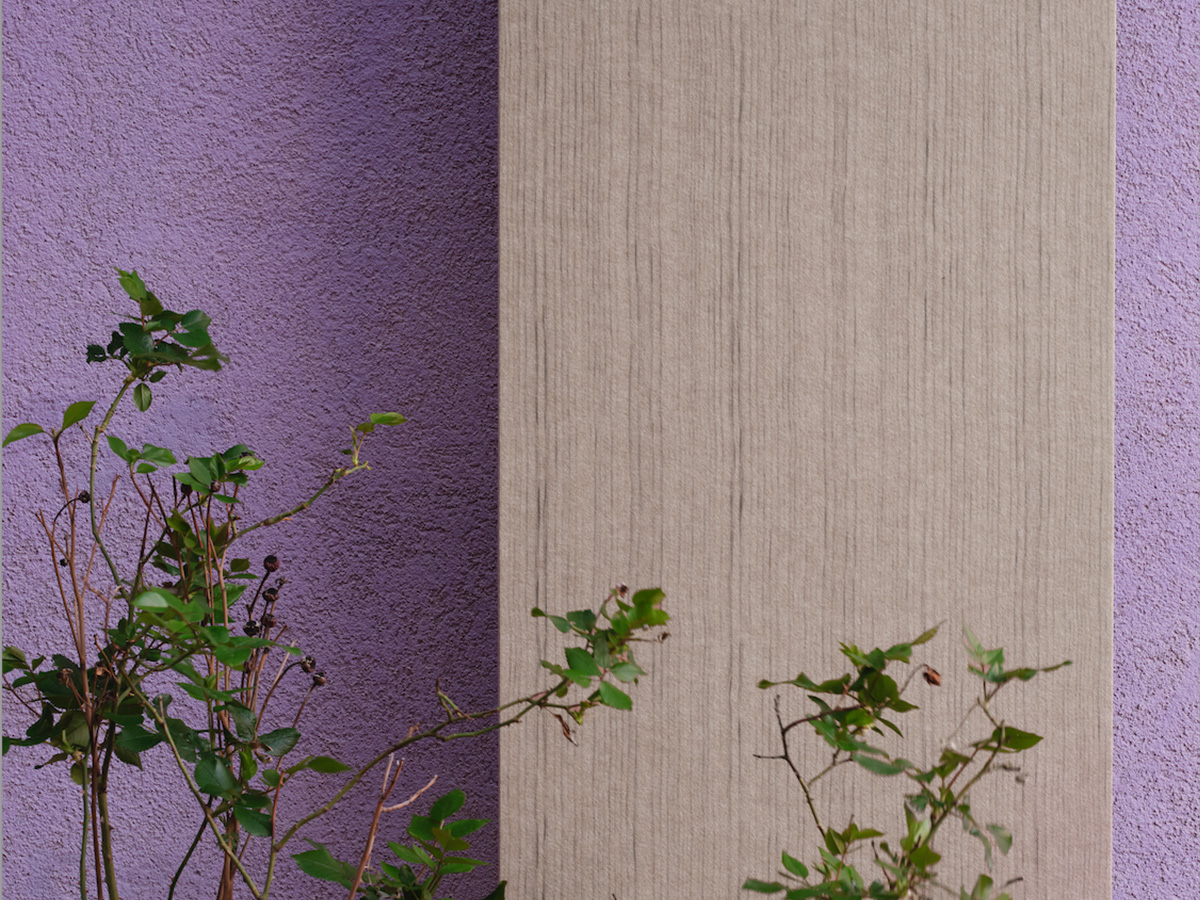
Designed to work across the full Hues palette, Wood Textures supports a wide range of visual outcomes, from subtle tone-on-tone combinations to bold applications that emphasize both color and pattern. Each pattern is printed with UV-cured, water-based black ink, adjusted in concentration to suit the depth of the base color. On lighter hues like Blush and Safflower, the application appears soft and restrained, while darker tones such as Merlot and Grasshopper carry a denser, more pronounced imprint. On Turf’s Black hue, the process uses white ink in reference to shou sugi ban, the Japanese wood-burning method that highlights grain structure through tonal contrast. From a distance, the effect appears crisp, while up close, it reveals a layered, dimensional surface.
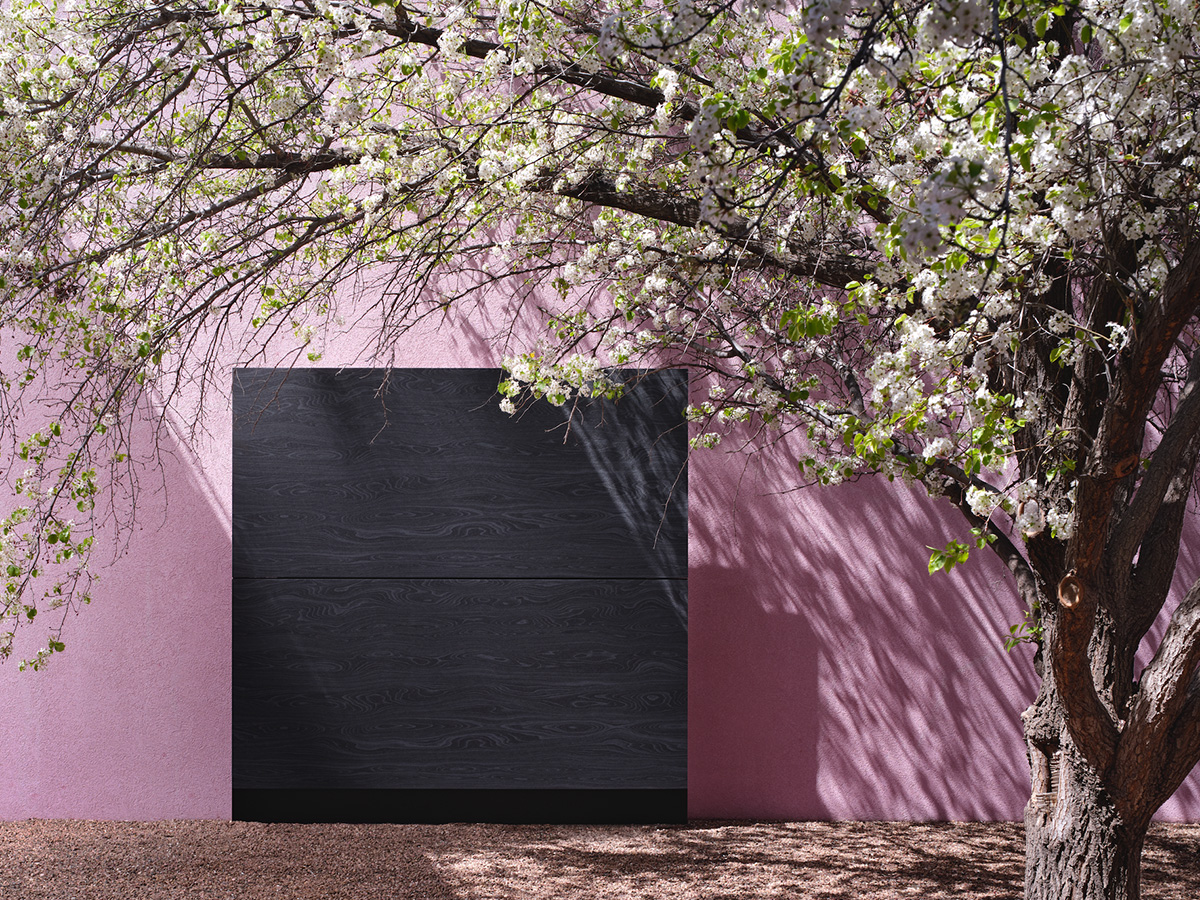
Each of the three patterns maintains a distinct character. Rift is the most minimal, defined by evenly spaced linework and limited variation. Flat serves as a midpoint, blending tonal movement and soft detailing to create balanced, continuous coverage. Rotary introduces the most visual energy, with dimensional burls and irregular forms that shift across the surface.
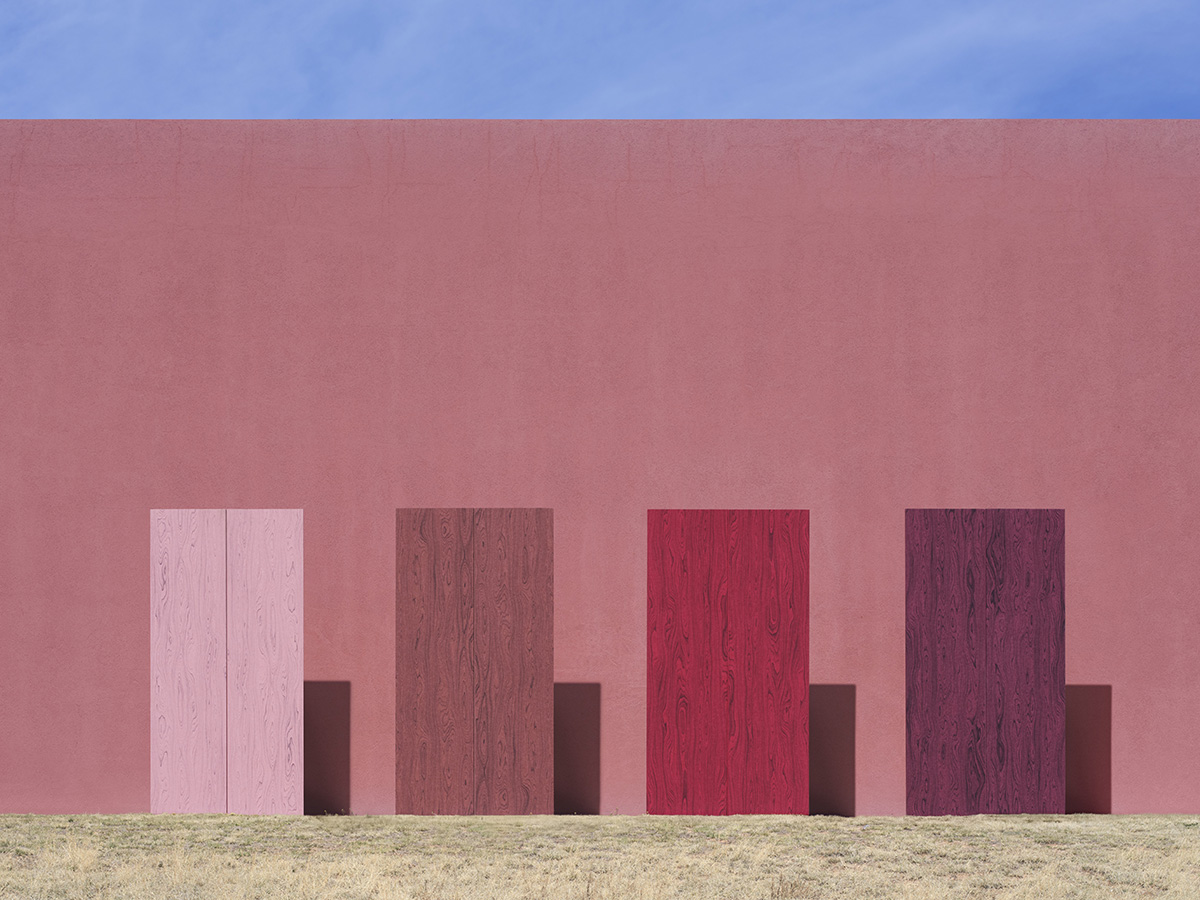
This adaptability across color and pattern expands how the collection can be used in space, as Noble explains: “Applied to neutral colors, they evoke the richness of real wood grain, while bold color pairings can create impactful focal points. This collection facilitates diverse applications, from monochromatic designs with varied textures to multi-hued schemes with consistent texture or a play across both.”
Application and Acoustic Function
Wood Textures are compatible with all of Turf’s acoustic formats made from 9mm felt, including wall tiles, baffles, and architectural panels like Monolith and Barcelona. Book-matching—offered exclusively on the Monolith and Barcelona panels—enhances continuity across installations, mirroring patterns in a technique borrowed from traditional veneer work.
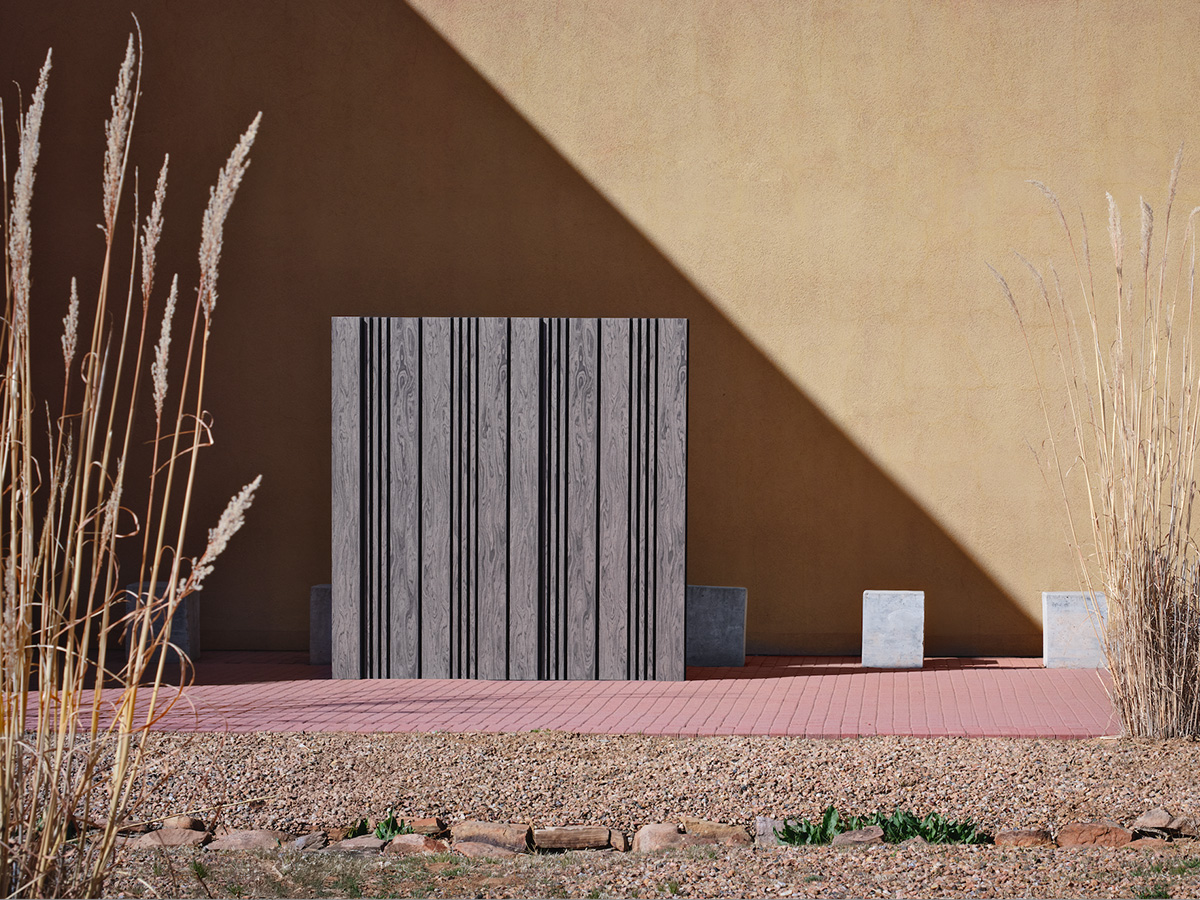
The collection builds on Turf’s broader material strategy, combining pattern, performance, and nature-inspired design across its growing portfolio. “As we continue to develop our Textures collections, our goal is to provide designers with the perfect tools to easily incorporate elements of nature and high-quality acoustics into their spaces,” says Rob Perri, President of Turf. “Our first collection of Wood Grains launched this approach. We built on it further with our exclusive Hues palette and Stone Textures, and now, we’re proud to leverage that foundation with the transformation of Wood Textures into a dynamic, color-forward line.”
Wood Textures expands the surface vocabulary available to architects and designers working with acoustic materials. Grounded in the material language of wood but reinterpreted through color, ink, and fiber, the collection invites new ways of using pattern.