
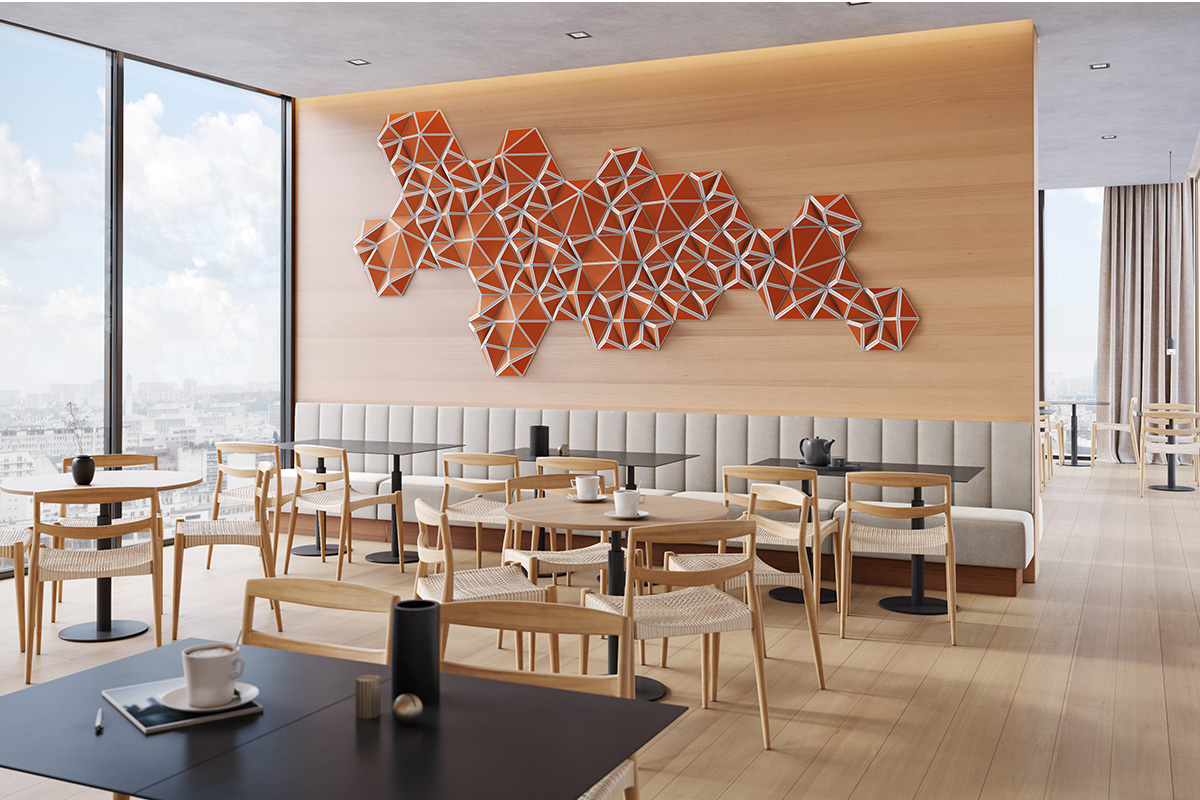
Unika Vaev Marks 50 Years of Design and Innovation
The Danish words for “unique weave” gave Unika Vaev its name, and with it, a compass carried forward in every fabric, surface, and acoustic form within its collections since 1975. Over the past 50 years, the company has marked milestones in material invention and global reach while holding to the belief that design should unite performance with purpose. From its textile beginnings in Denmark to a portfolio now defined by decorative acoustic solutions, Unika Vaev has expanded its scope while staying true to its design ethos. An exclusive interview with Wick Wolfe, President and COO of Unika Vaev, sheds light on how the company’s history and design vision continue to shape its future.
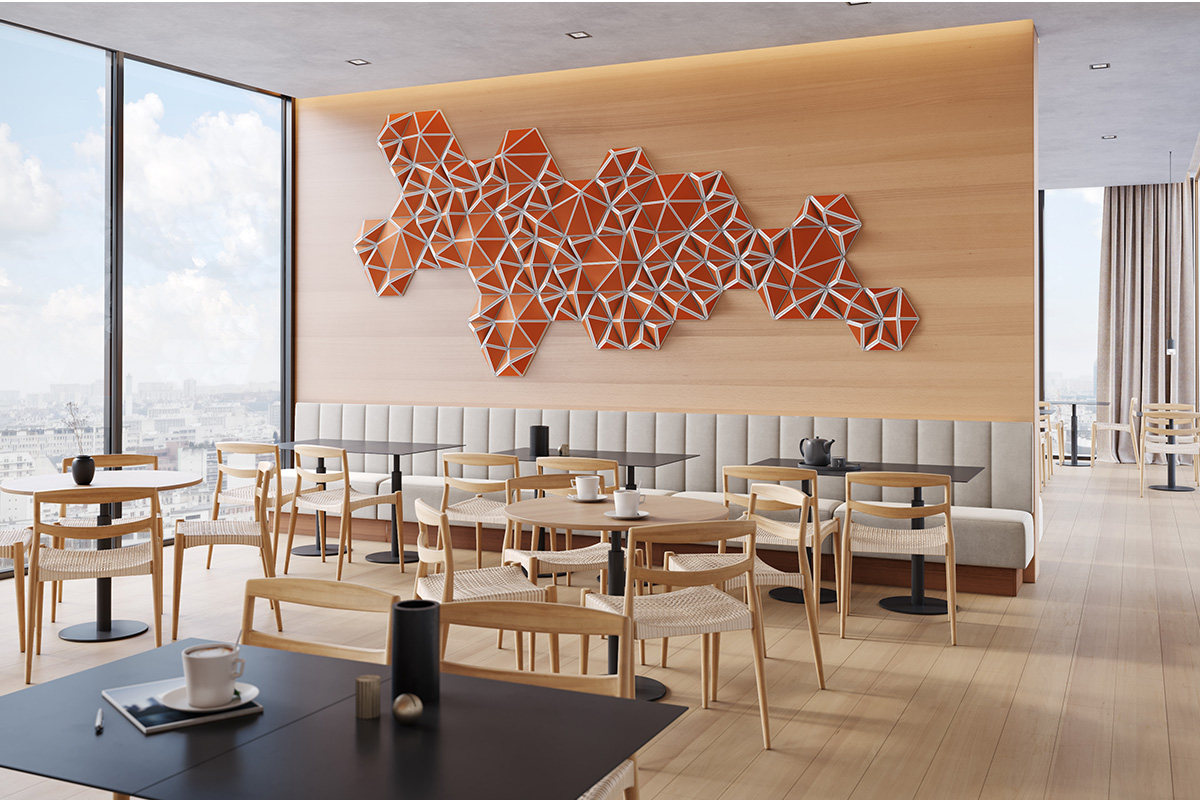
Interior Design: To begin, can you share a bit about how Unika Vaev’s identity has taken shape over time, from its roots in textile design to the broader scope of work today?
Wick Wolfe: Unika Vaev’s roots as a Danish company have always been grounded in the belief that design is the heart of every product, but design must also serve the product’s purpose. Without delivering on both quality and performance, even the most beautiful design loses its relevance. This guiding principle has remained unchanged for more than 50 years. While our journey began in textiles, that same design ethos has carried seamlessly into our decorative acoustic collection. Today, Unika Vaev continues to explore new and distinctive materials, processes, and design innovations, building on our legacy while expanding a comprehensive portfolio that unites form and function.
ID: What prompted the move into acoustics, and how did the company’s textile expertise help inform that transition?
WW: As workplace design criteria evolved rapidly, we saw a clear gap: little emphasis was being placed on sound attenuation. Most available solutions were purely utilitarian, basic drop-in ceiling tiles or plain fabric-covered panels, with limited design appeal. Through presenting our ideas to design firms across the United States, it became clear that there was a strong need for distinctive acoustic products that simply didn’t yet exist. Drawing on our deep technical expertise in textile design, particularly our understanding of patterns, textures, and their influence on a space, Unika Vaev was able to reimagine acoustics. We applied the same design-driven approach that defined our textiles, recognizing that well-designed acoustic products can transform the overall aesthetic and experience of a space, just as textiles do.
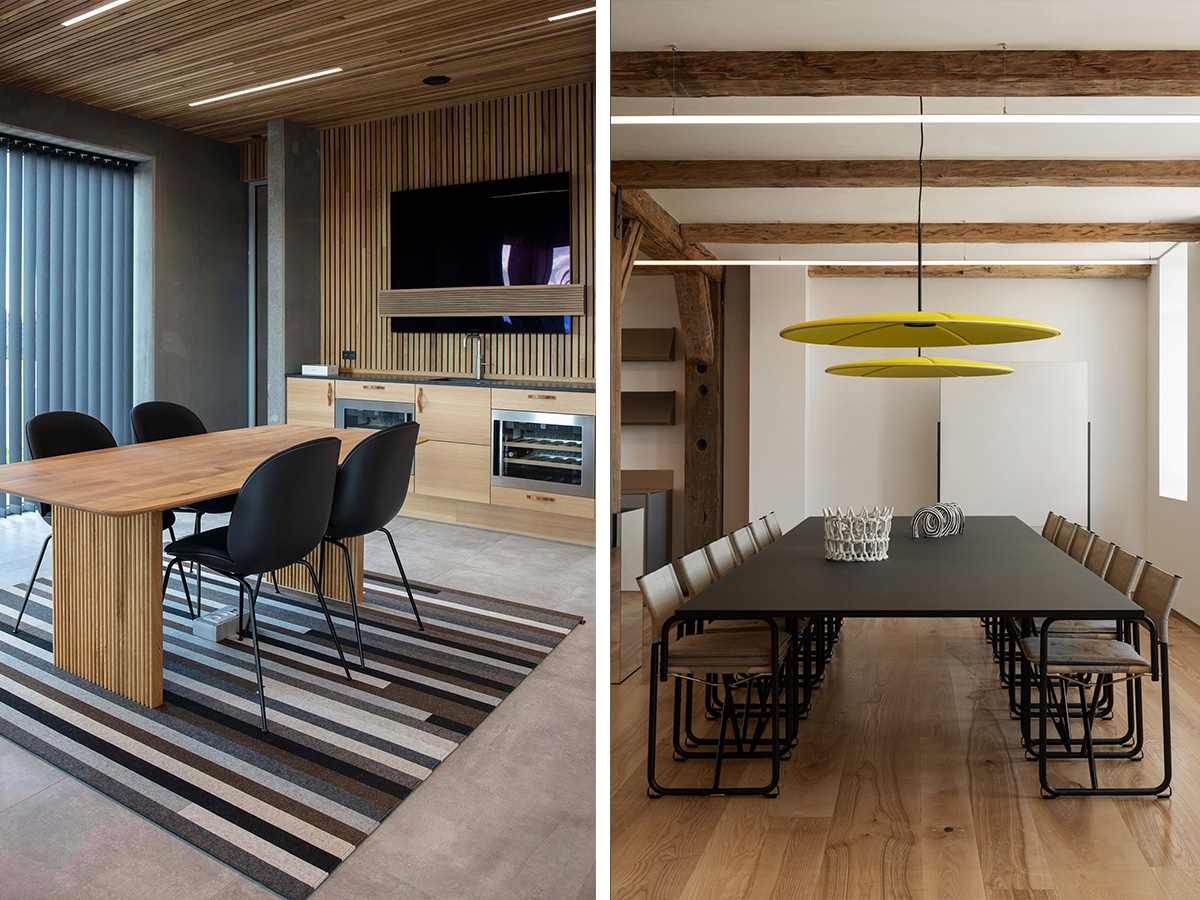
ID: Can you share how visual expression and acoustic performance come together in the design of your wall, ceiling, and freestanding solutions?
WW: Designing acoustic products requires a broad approach, one that balances diverse design aesthetics with the functional demands of sound control. Unika Vaev’s wall, ceiling, and freestanding solutions span a wide range of styles, enabling designers to take a multifaceted approach while meeting the acoustic needs of any space. Through our comprehensive custom design program, we collaborate directly with designers and end users to develop one-of-a-kind solutions that honor the designer’s creative vision while ensuring optimal acoustic performance. Visual expression is further elevated by our extensive range of finishes, both standard and custom, tailored to complement any project.
ID: What does the material selection process typically look like across the product portfolio, particularly when working with recycled or renewable resources?
WW: In today’s rapidly evolving landscape of materials, surfaces, and sound-absorbing technologies, Unika Vaev partners with a wide range of organizations dedicated to advancing sustainable design. Our product development and material selection process is thorough and intentional, driven by a continuous search for new and distinctive materials that deliver the highest quality products. We place an increased emphasis on incorporating recycled and renewable resources, and whether or not a product is marketed as sustainable, every attribute and claim is carefully vetted through rigorous testing and third-party certification to ensure accuracy, integrity, and lasting performance.
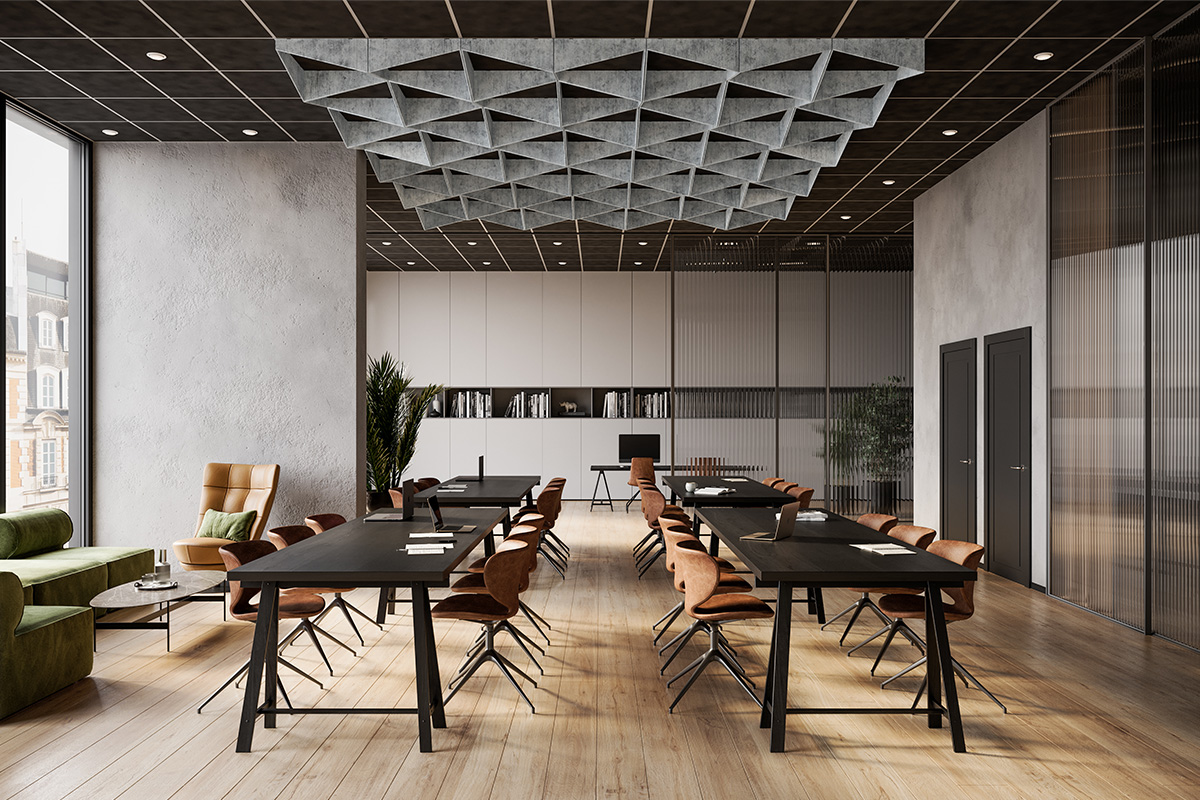
ID: How do certifications such as Cradle to Cradle and Declare reflect the company’s broader sustainability goals?
WW: As an early pioneer of sustainable practices in the textile industry, we carried those same commitments forward when developing our first acoustic products. From the start, we’ve aligned with leading sustainability platforms and certifications to ensure our products meet the highest environmental standards. Partnering with organizations like Cradle to Cradle and Declare reinforces our dedication to responsible design and manufacturing and reflects our ongoing focus on creating solutions that benefit both people and the planet.
ID: Could you speak to the influence of long-standing collaborations—like those with Instyle—and how partnerships continue to shape your collections?
WW: We actively seek partners who share our commitment to innovation and creativity, whether it’s translating a curated collection of Wilsonart® laminates into printed acoustic products, or expanding design possibilities through Instyle’s extensive resources and product range. Each partnership brings fresh perspectives and capabilities, helping us deliver collections that embody our highest design intentions.

ID: In what ways does Unika Vaev draw from its own design history, including collections like the Archives series, when developing new products?
WW: Unika Vaev’s rich history of recognizing and celebrating exceptional design continues to guide the development of our new products. Whether inspired by a timeless textile, a striking work of art, or a beautifully crafted object, we hold each creation to the same standard: it should embody design excellence in a way that inspires and sets a benchmark for generations of designers to come.
ID: As the company approaches its next chapter, what types of innovation or areas of focus are guiding the direction forward?
WW: We’re exploring new finishes, materials, and advanced machining techniques that will expand the possibilities of our product designs while furthering our commitment to sustainability. These innovations not only enhance the aesthetic and functional qualities of our collections but also support the growing demand for environmentally responsible solutions.