
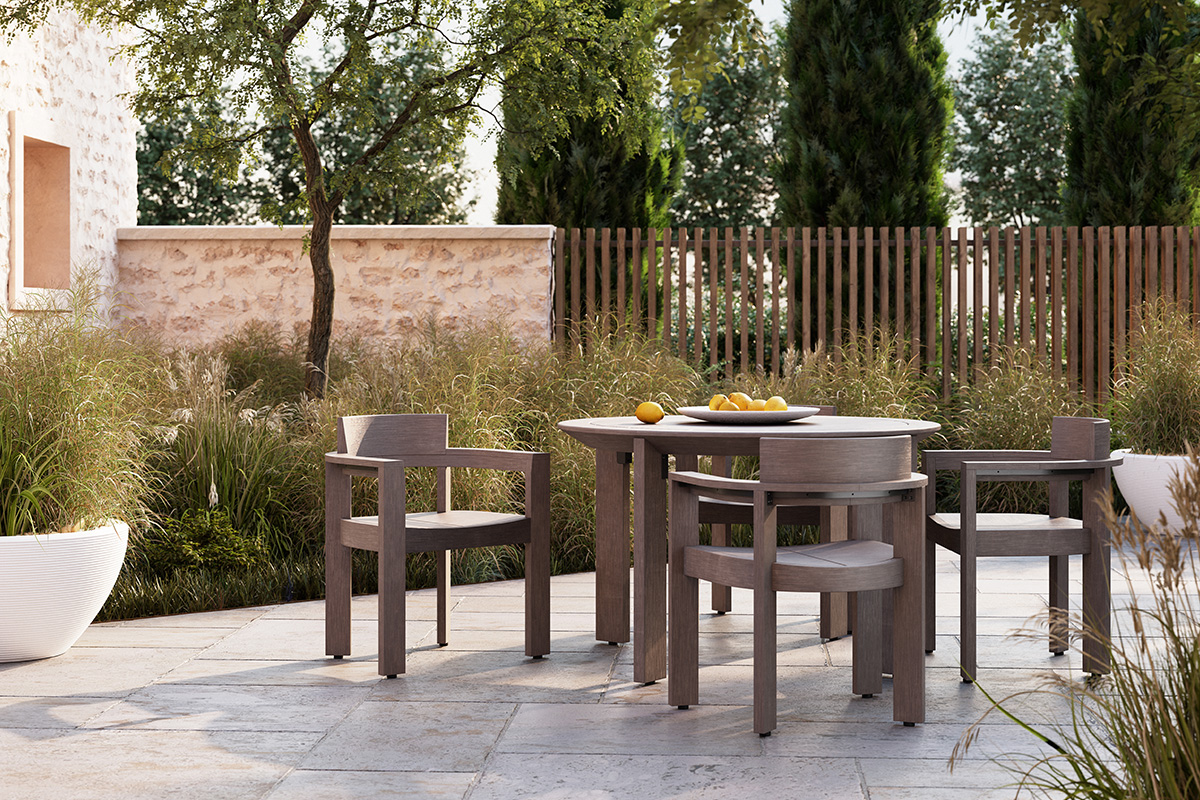
Woodard Brings New Texture to a Century of Outdoor Craft
The story of Woodard is one of American ingenuity—wrought in iron, shaped by hand, and built to last. With a century and a half of history behind it, the brand’s outdoor furniture has become a fixture on porches and patios across the country. Its collections have earned spots in national museums and across White House lawns. Today, that presence evolves through new materials, scale, and function—bringing fresh relevance to the enduring language of outdoor craft.
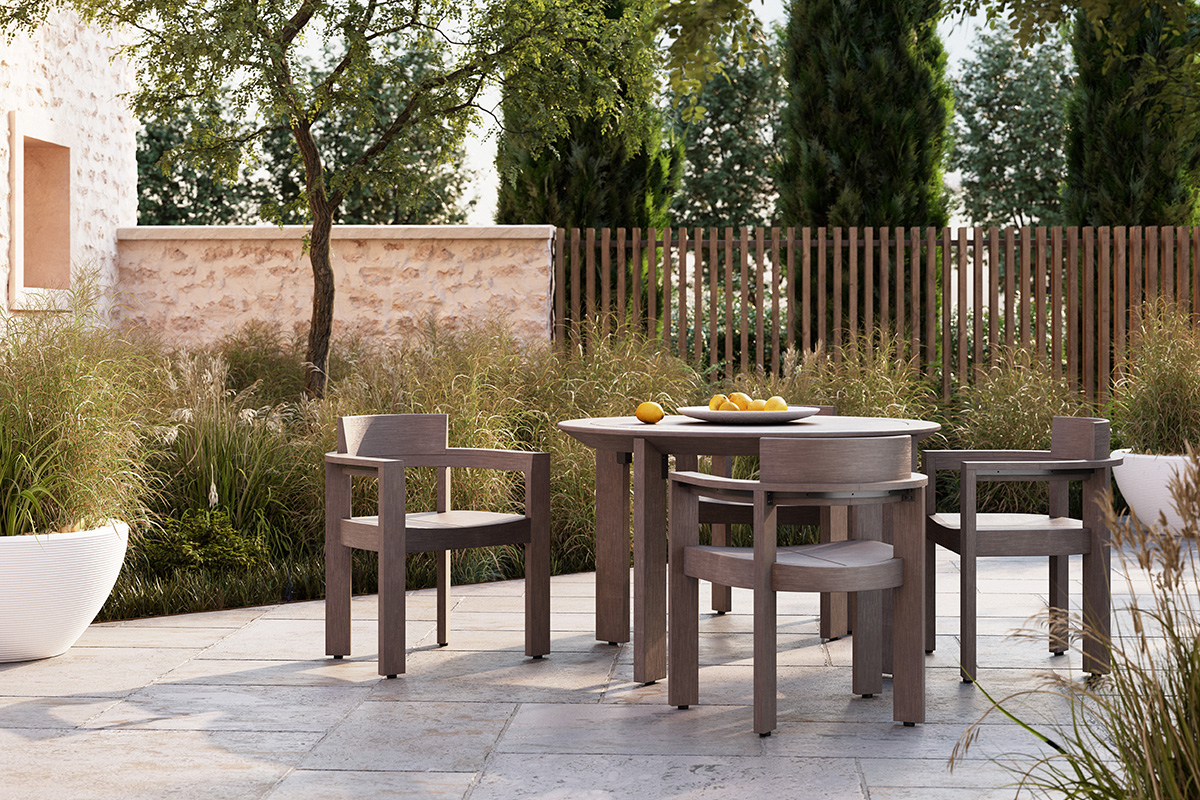
“For over 150 years, Woodard has stayed true to its basic core offering high-quality outdoor furniture built in America and styled to reflect its American roots,” says Perry Solomon, Senior Vice President of Residential Sales. Key moments in the brand’s timeline continue to define its reputation—most notably the 1940s release of the Orleans collection, now in the Smithsonian’s permanent display, and the debut of Sculptura in the 1950s, a wire-form design based on automotive technology that now resides at the Cooper Hewitt. In 1978, Woodard’s Andalusian collection was endorsed by golf legend Arnold Palmer, and over the years, the company’s furnishings have found a place in the lives of American presidents. “Woodard has remained a favorite of the White House, with Eisenhower, Jackie Kennedy, Barack Obama, and George W. Bush all being fans,” adds Solomon.
Material Evolution
That legacy continues through a new material innovation: NexTeak. Developed from upcycled waste and shaped by modern engineering, NexTeak was designed with the outdoors in mind. It carries the warmth and grain of natural teak, minus the upkeep that so often comes with it. Unlike many synthetic stand-ins, Solomon notes, NexTeak leans into nuance—true-to-life color, subtle variation, and a surface that resists fading over time. “The fact that it is formed of recycled materials, makes it friendlier to the environment than wood,” says Solomon. “We expect faux wood as a category to become an integral part of our growth.”
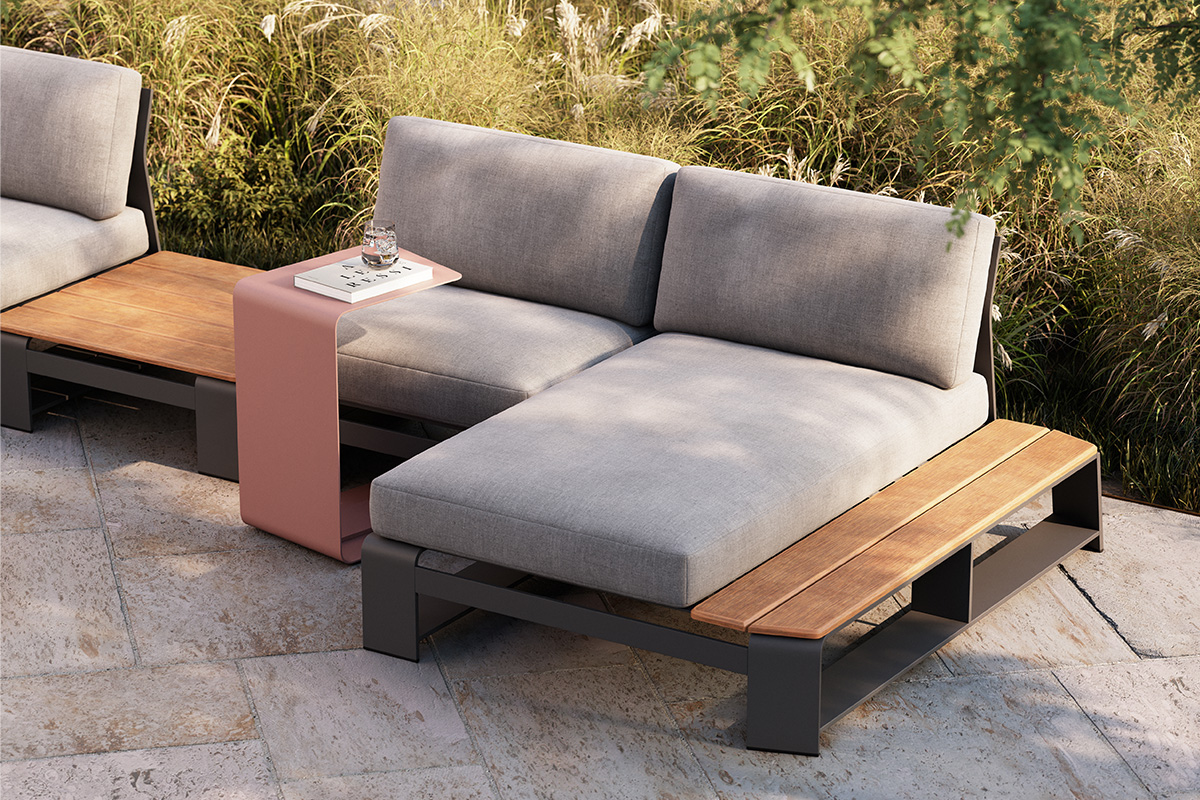
This new material plays a central role in three recent collections designed by Site Li: Gather, Beau, and Reed. Each explores a distinct use case—from connection to comfort to craft—and together they mark a thoughtful evolution in Woodard’s approach to outdoor environments. “Woodard’s new collections—Gather, Beau, and Reed—celebrate outdoor living through connection, sustainability, and craftsmanship,” says Li, the brand’s in-house designer. “Gather transforms outdoor spaces into central hubs for meaningful gatherings. Beau prioritizes sustainability with durable, low-maintenance materials. Reed honors and advances Woodard’s wrought iron heritage.”
Design Philosophy
Their designs are rooted in a deliberate alignment of form, material, and long-standing method. “Balancing heritage craftsmanship with modern innovation involves a thoughtful integration of tradition and progress,” says Li. That philosophy carries through not only in process, but in purpose: “By applying traditional techniques in a more efficient and sustainable way, we honor the past while addressing today's environmental needs,” he explains. “Maintaining classic references, yet giving the form a modern twist, ensures designs remain timeless and relevant.” Li also emphasizes the importance of adapting functionality to contemporary lifestyles—ensuring that the brand’s legacy continues to meet modern expectations.
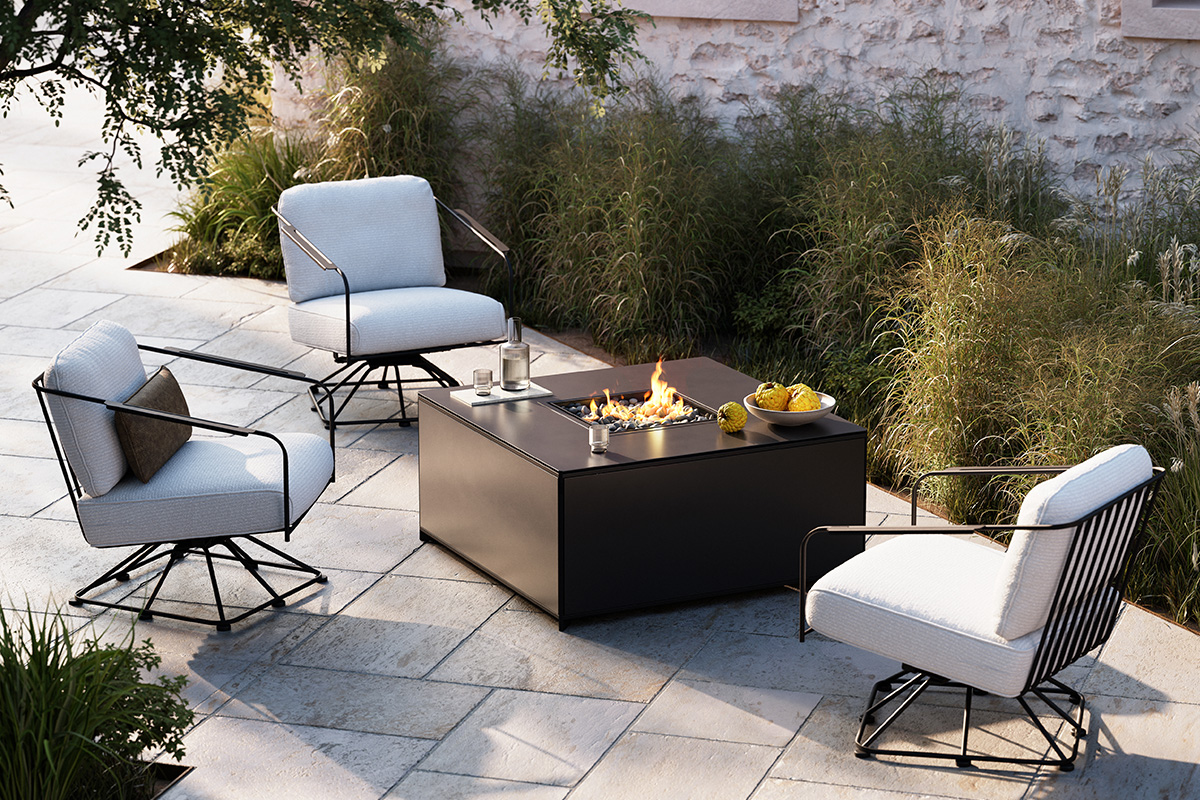
Flexibility is central to Woodard’s process, extending from design decisions to how each piece is made. With manufacturing based in Michigan, the brand maintains a close hold on quality, timing, and detail. Every piece can be adjusted—table size, seating arrangement, finish, fabric—allowing the design to respond to both space and setting.
Shaping What’s Next
Looking ahead, Woodard continues to find inspiration in how people inhabit outdoor space. “What excites us most is the opportunity to transform overlooked outdoor spaces into places of poetry and comfort,” says Li. “By embracing emerging technologies, innovative materials, and the latest design trends as tools and inspirations, we can redefine outdoor living. These elements allow us to push creative boundaries while ensuring that functionality and beauty harmonize effortlessly. The future holds endless potential to craft outdoor environments that inspire, soothe, and enrich everyday life.”