

A Look Back at Gio Ponti’s Superleggera Chair
Gio Ponti regarded his Superleggera for Cassina as one of his three major masterpieces. (The other two are his Pirelli Tower in Milan and Taranto’s Concattedrale Gran Madre di Dio.) Named after the Italian term for super-lightweight (clocking in at just 3.7 pounds), the ash and rattan chair represented an exciting take on the Ligurian region’s traditional chiavarina. Ponti’s first iteration, the Leggera of 1951, distilled into an even more elemental form in 1957 with the lithe Superleggera, which achieves its stability from struts slotted together. To test the design, it was thrown from the fourth floor of an apartment building; the chair bounced on the street but did not break. Ponti was satisfied and the rest, as they say, is history: Superleggera has been produced continually ever since.


read more
DesignWire
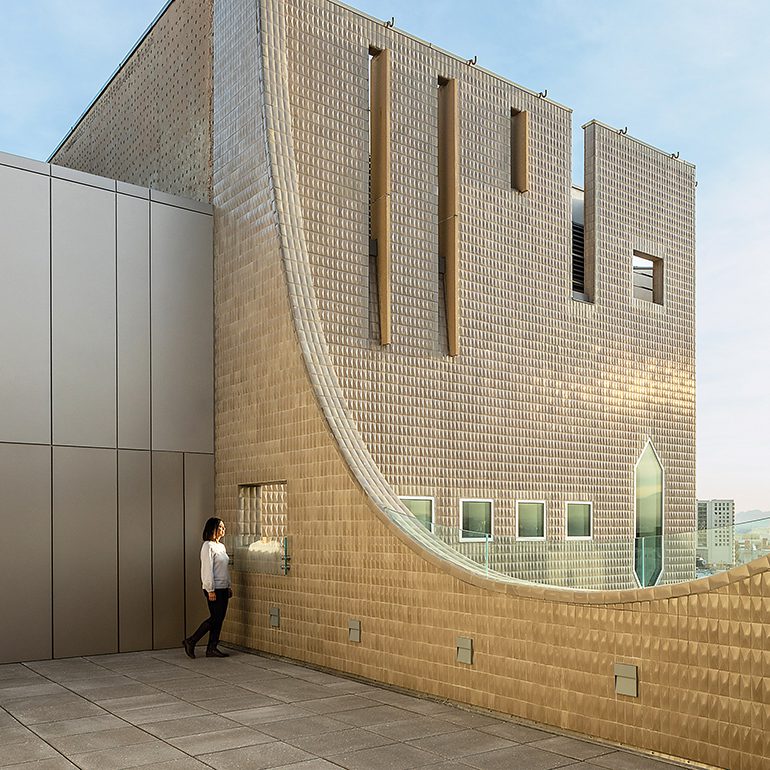
Denver Art Museum Celebrates Gio Ponti for 50th Anniversary
The Denver Art Museum’s upcoming anniversary honoring Gio Ponti has kicked off a campus-wide transformation by Machado Silvetti and Fentress Architects.
Projects
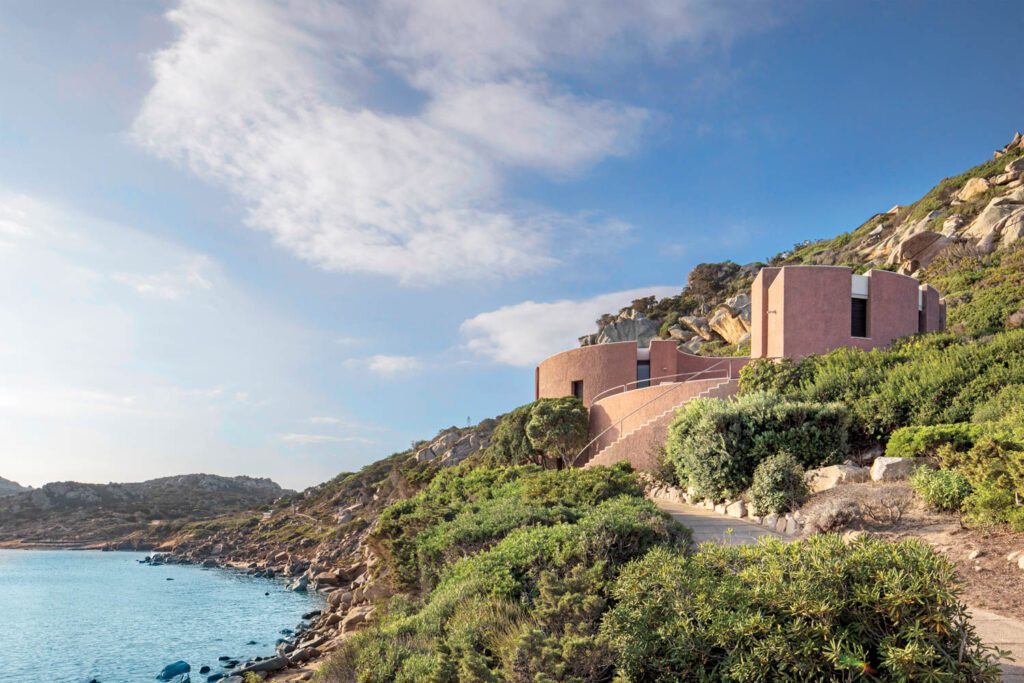
At Home With Cini Boeri in Sardinia
Not so long ago, in Italy, women architects were few and far between. In fact, when Cini Boeri graduated from the Politecnico di Milano in 1951, she was one of only three.

Products
This Chair by Sebastian Herkner is Made to Move
German designer Sebastian Herkner ingeniously melded the mobility of a task chair with the comfort of a lounge chair. Light in scale and with an attached leather handle on the back—not to mention a glide or caster base…
recent stories
Products
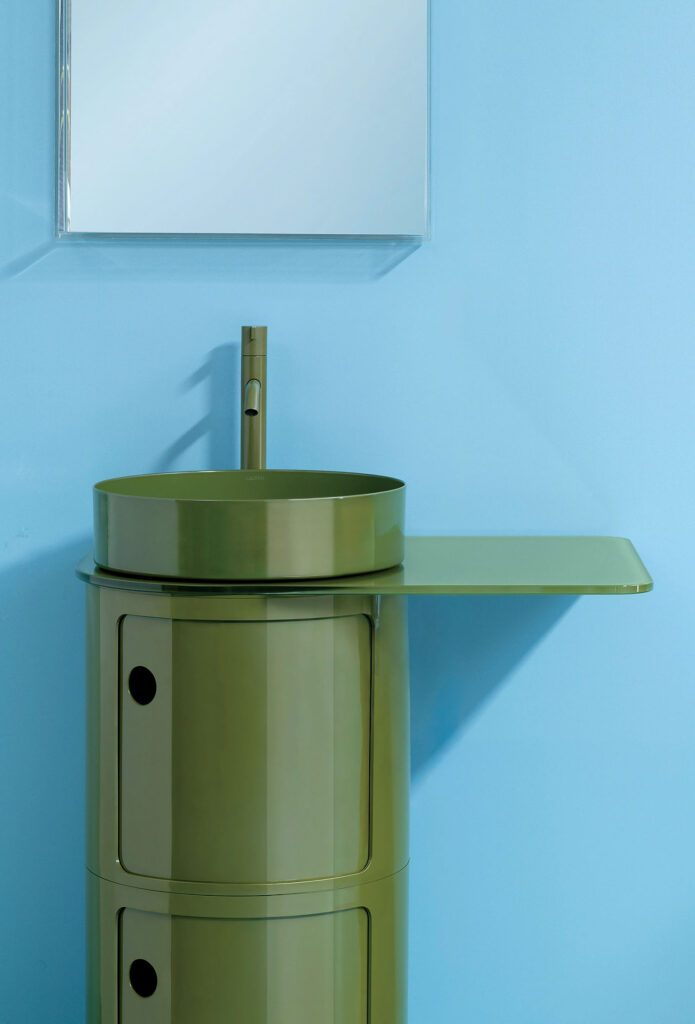
Kartell And Laufen Reimagine An Icon For The Bathroom
Kartell and Laufen reunite for Bathroom Collection 2.0, transforming Anna Castelli Ferrieri’s iconic Componibili storage tower into a colorful washbasin.
Products
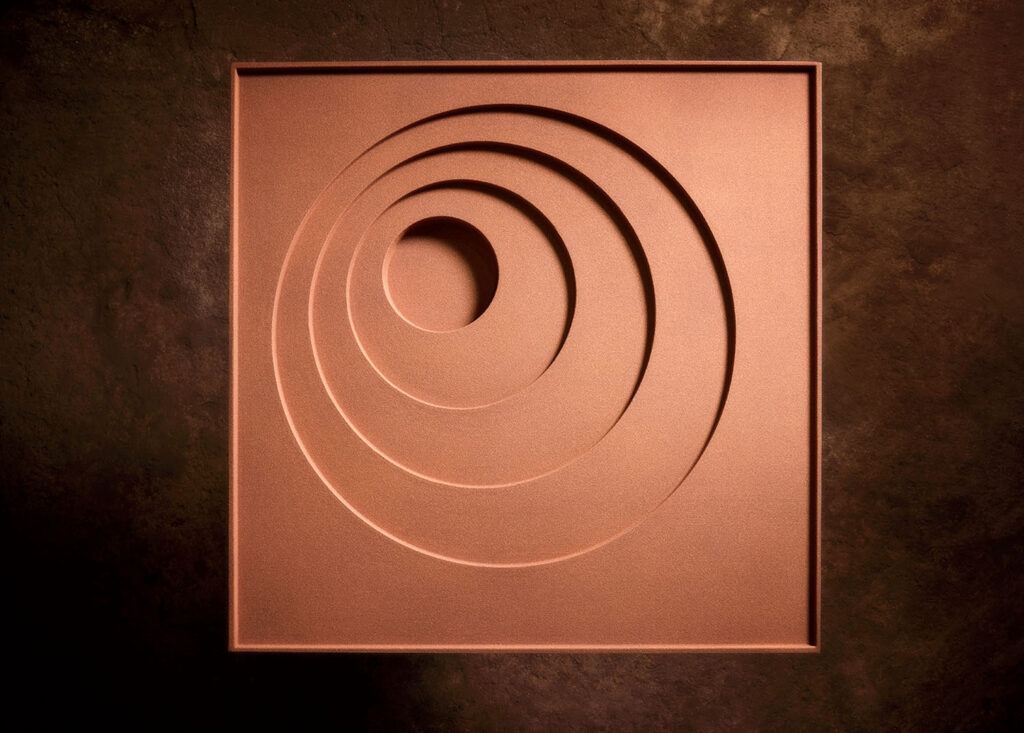
8 Products To Elevate The Bath
From outdoor baths for pollinators to tiles reminiscent of woven bamboo and a towel warmer inspired by chopsticks, these standout designs invite a touch of whimsy.
Products
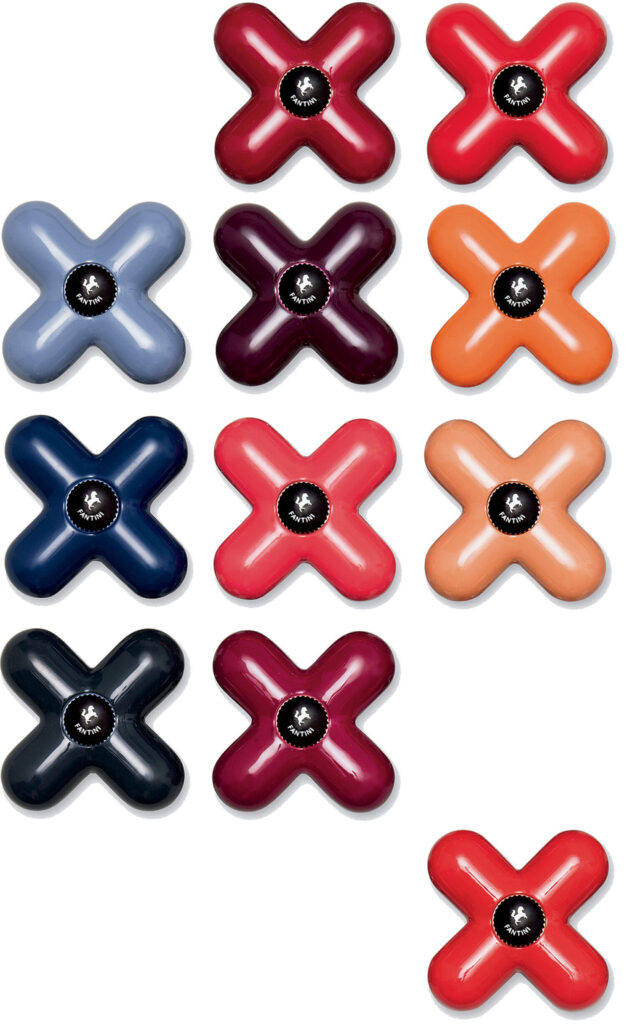
A Look At Fantini’s Timeless Taps
A closer look at a Fantini collection that continues to withstand the test of time, 50 years and counting.