
How A Historic Bank Became Corinthia Rome
In Rome, a historic bank finds new life. Housed inside the former headquarters of the Banca d’Italia in the center of the Italian capital, Corinthia Rome opened its doors in March, and its new interior by international hospitality design studio GA transforms a monumental institutional building left derelict for nearly a decade into something unexpectedly welcoming and intimate.
Originally designed by Italian architect Marcello Piacentini, the neoclassical palazzo lost much of its original character after a renovation in the 1960s. With the exception of the stately facade with its towering walnut double doors and a grand salon with breathtaking frescoes, after stripping away decades of unsympathetic renovations, little more than a leaky shell remained. For Simon Abela, associate at GA, and founder of Studio Abela, the challenge was not simply restoring a historic building, but reimagining what it could become in a careful balancing act between preservation and transformation.
For a new boutique hotel, GA cashes in on a forgotten Roman landmark
“Our starting point with the interior design was reinvention,” says Abela. “It was a bank, but the story is more than that—this building is a palazzo that has been in a family for generations.”
Rather than leaning heavily into the building’s financial past, the design team approached the hotel as though it were a deeply personal Roman residence shaped over decades. The result is a series of spaces that feel residential rather than theatrical—rich in detail but restrained.
Abela and his team researched historic Roman palazzos extensively, drawing inspiration not only from Piacentini’s original architecture but also from surrounding residences across the city. Architectural elements lost during earlier renovations, such as decorative moldings, were recreated entirely from scratch, while references to local architecture appear in subtle ways: molded wall paneling, cornicing, timber detailing, and travetti-style ceiling beams inspired by traditional Italian construction. The material palette also serves as an homage to Rome itself. Damasks, polished Venetian plaster, richly veined marbles, and oak surfaces stained in a warm walnut hue create interiors that feel tactile and layered rather than overly buttoned up and formal. Working with an art consultant, the team sourced all art locally, from either Italian artists or international creatives who live in Italy, and filled walls with both original and reproduction works.
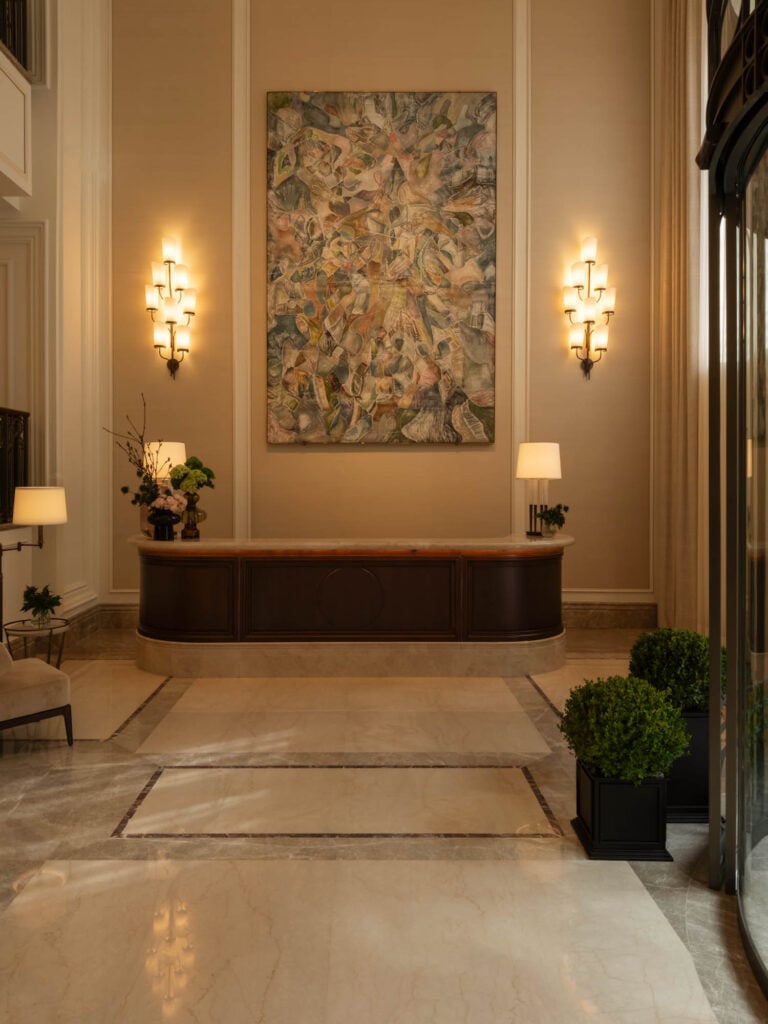
Marble is one of the project’s defining features. Abela estimates the hotel contains up to 20 different marble varieties—featured on the reception desk, sinks, showers, tubs, and flooring in bathrooms—all of which he personally selected from Italian quarries. “The beauty—and daunting side—of marble is the element of surprise when you select a block,” he admits. “You might prefer the front, but you don’t know what is in the middle or back.”
That unpredictability extends far beyond finishes. Once the building was stripped back, previously unknown structural complications emerged, including (according to plans) a missing third basement: “It was only a five-foot undercroft,” Abela notes wryly. There were also widely inconsistent ceiling heights and concealed beams. “We had to continually reconfigure layouts and reposition certain rooms so we could fit them between the beams,” he continues.
Rather than forcing uniformity, the GA team embraced the quirks, resulting in one-of-a-kind layouts across the historic structure. The hotel’s 60 suites are all unique—a direct result of the building’s irregular geometry. The smallest entry-level suite begins at approximately 270 square feet, while the hotel’s dramatic two-story duplexes span up to 1,320 square feet.
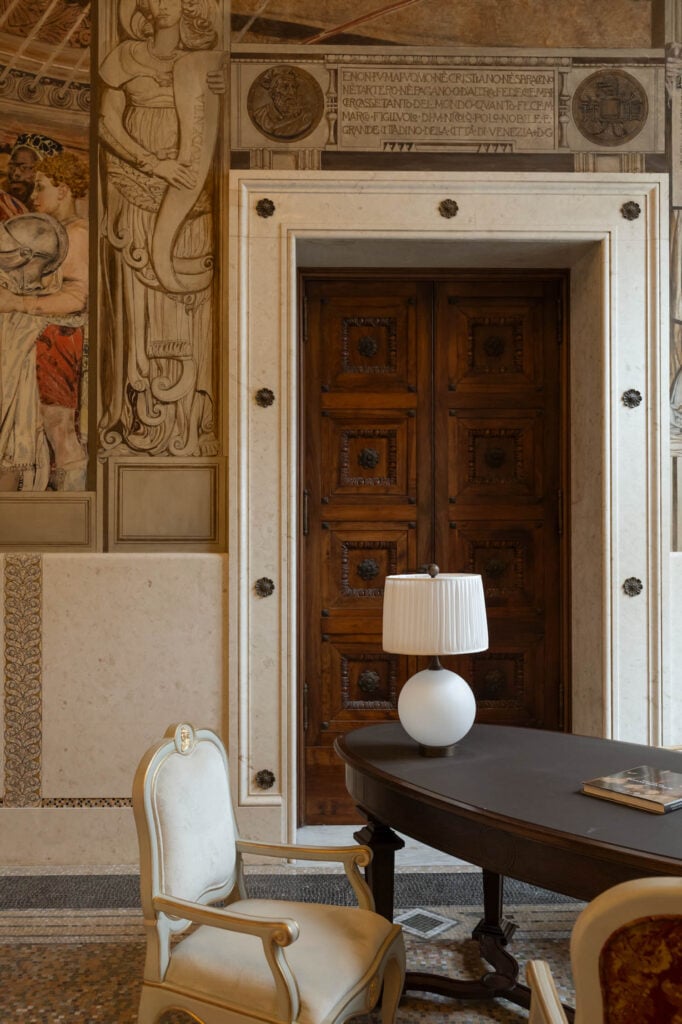
One standout accommodation, a sprawling 1,044-square-foot suite paired with a private 1,647-square-foot rooftop terrace, offers a bird’s-eye view of Palazzo Montecitorio, home to the lower house of the Italian Parliament. Clearly the hotel’s most exclusive suite, the 1,610-square-foot Theodoli Heritage Suite contains that single retained room, a grand salone with 1920s ceilings by Giulio Bargellini and historic frescoes. It was once a meeting room for members of the bank’s board.
In the entrance foyer, a contemporary glass vestibule preserving the interior climate was a big risk, Abela states. Inserted to satisfy environmental requirements, “it could have gone very wrong, but it turned out very elegant and blends into the space so well without encroaching.” Strict local regulations also forced decisions such as the removal of an existing stair—another design constraint that helped shape the hotel’s character.
Deep in the basement, the former vault, now spa, has traded gold reserves for wellness rituals. A tribute to ancient Roman bathhouses, it offers an indoor heated pool, hot tub, sauna, hammam, treatment rooms, and a fitness center. The notably thick walls are original.
Walk Through The Corinthia Rome Hotel
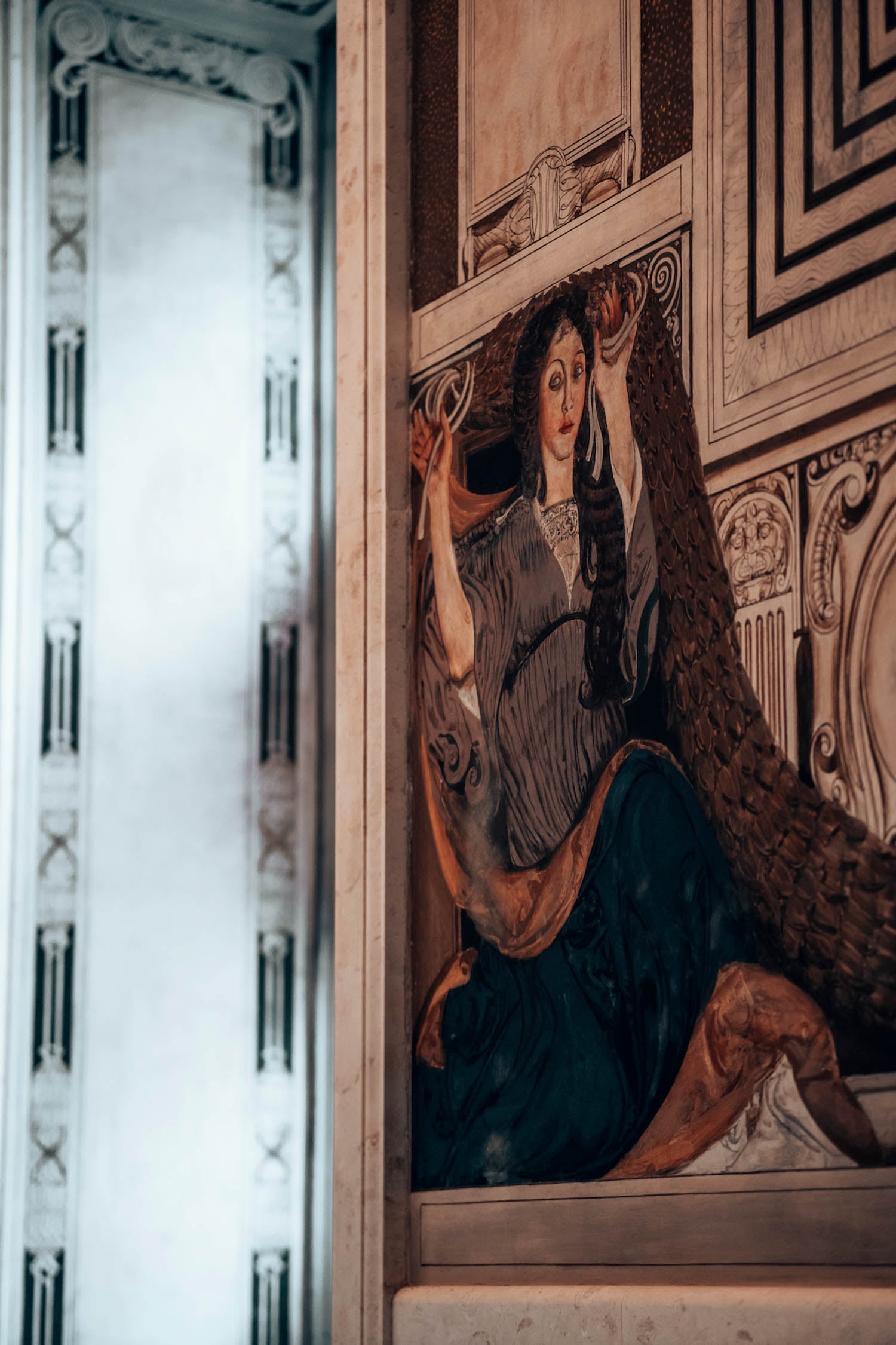
The Theodoli Heritage Suite at the Corinthia Rome, designed by GA. Photography by What The Fox. 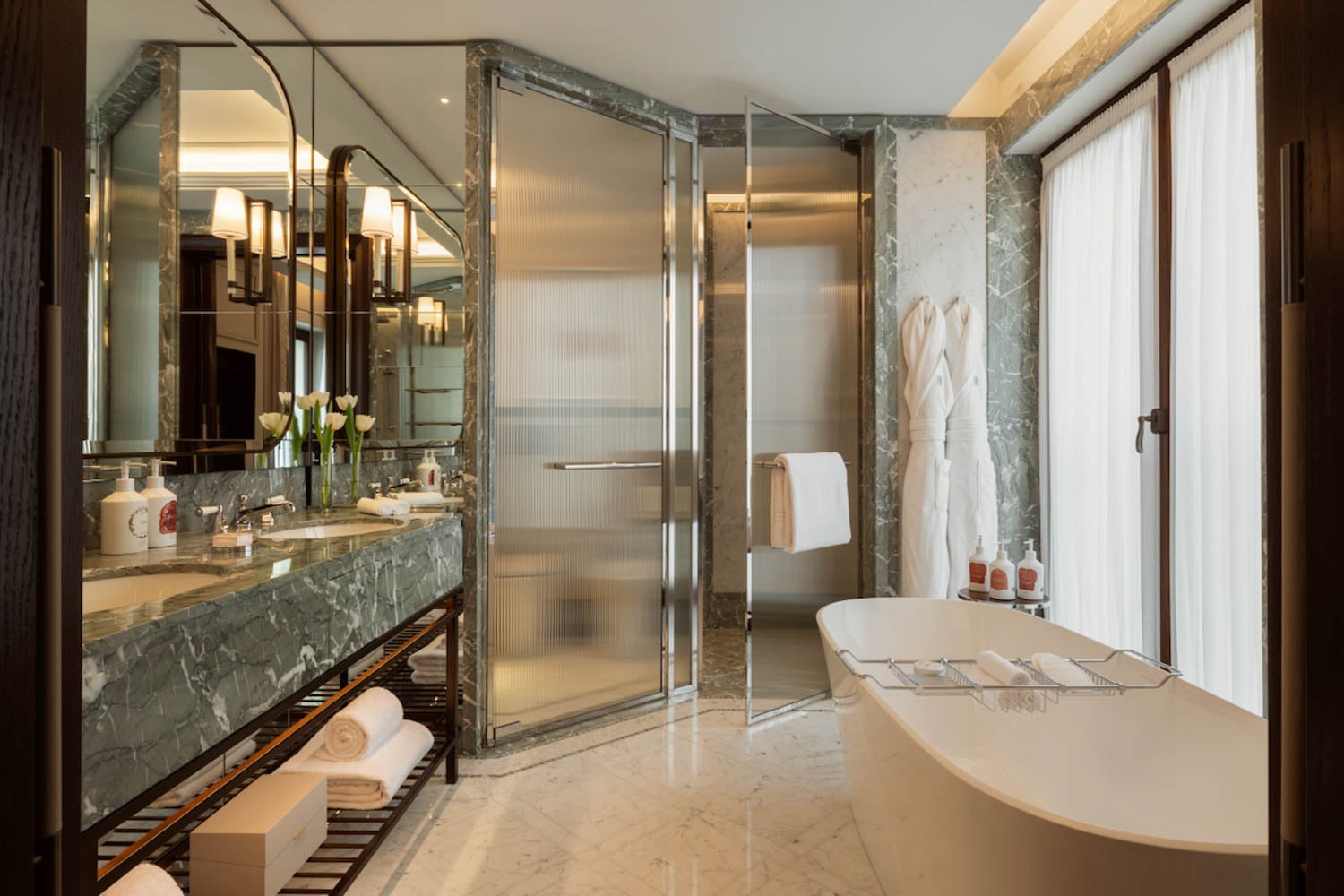
Superior Suite at the Corinthia Rome, designed by GA. Photography by What The Fox. 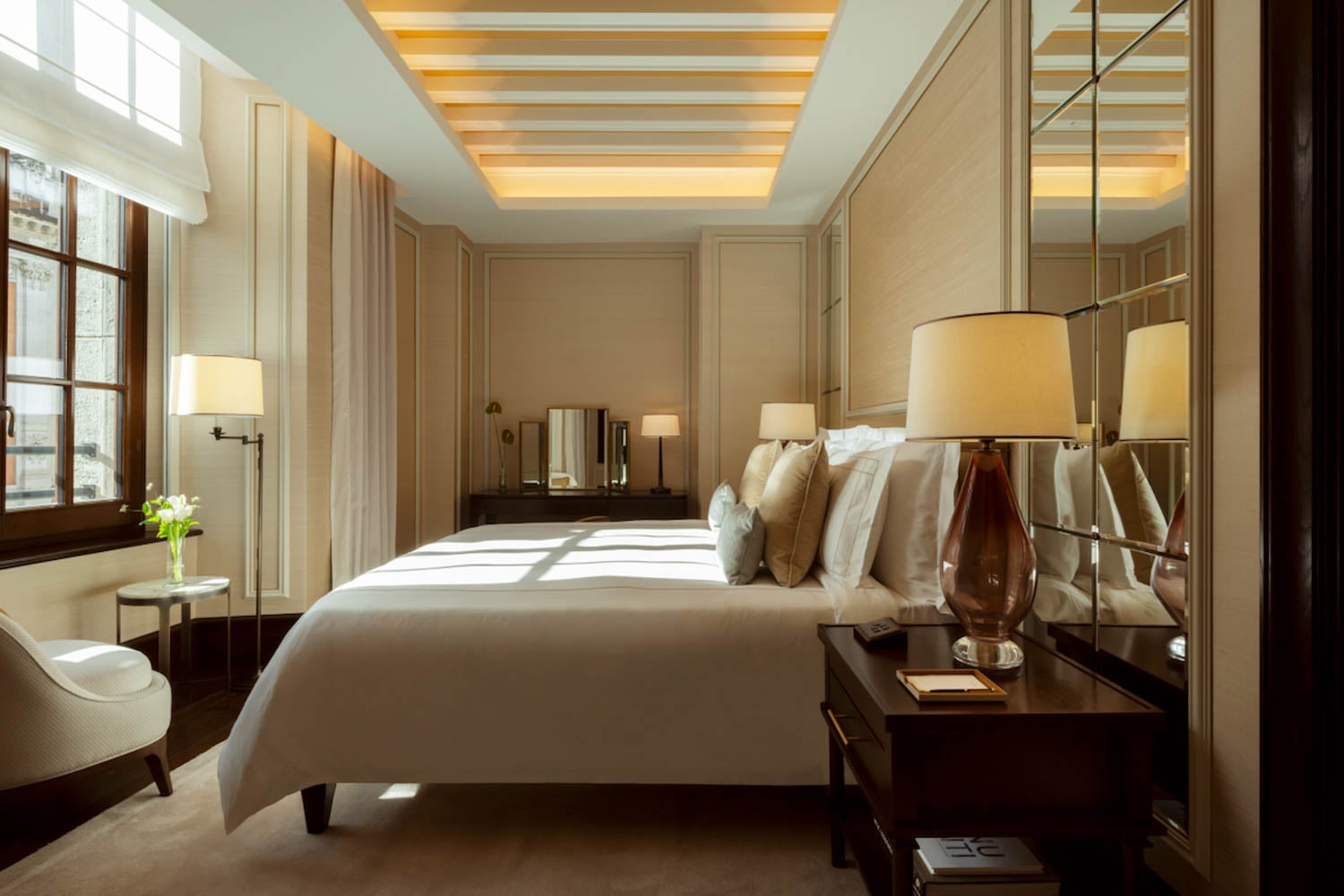
Deluxe Suite at the Corinthia Rome, designed by GA. Photography by What The Fox. 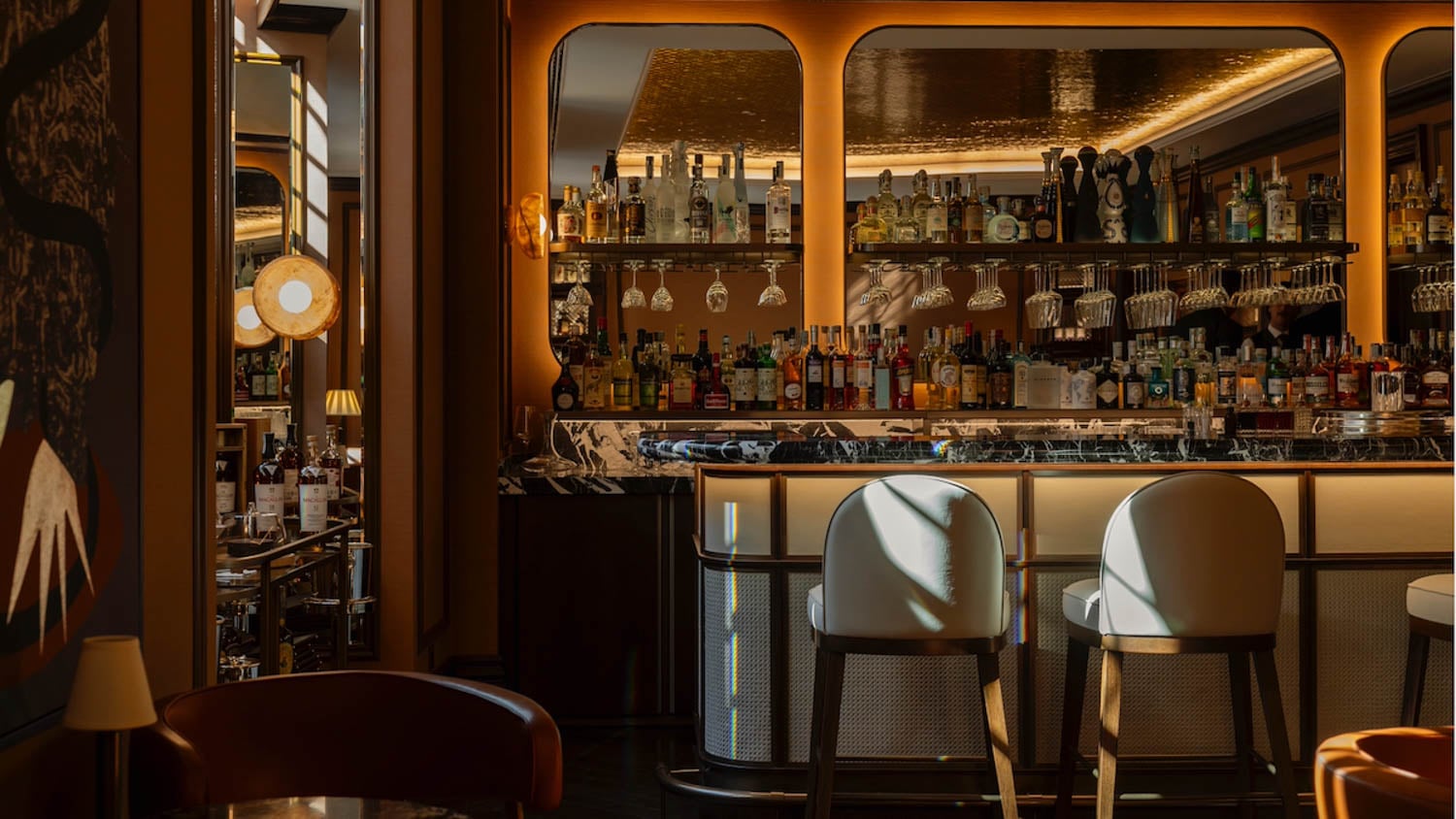
Restaurant at the Corinthia Rome, designed by GA. Photography by What The Fox. 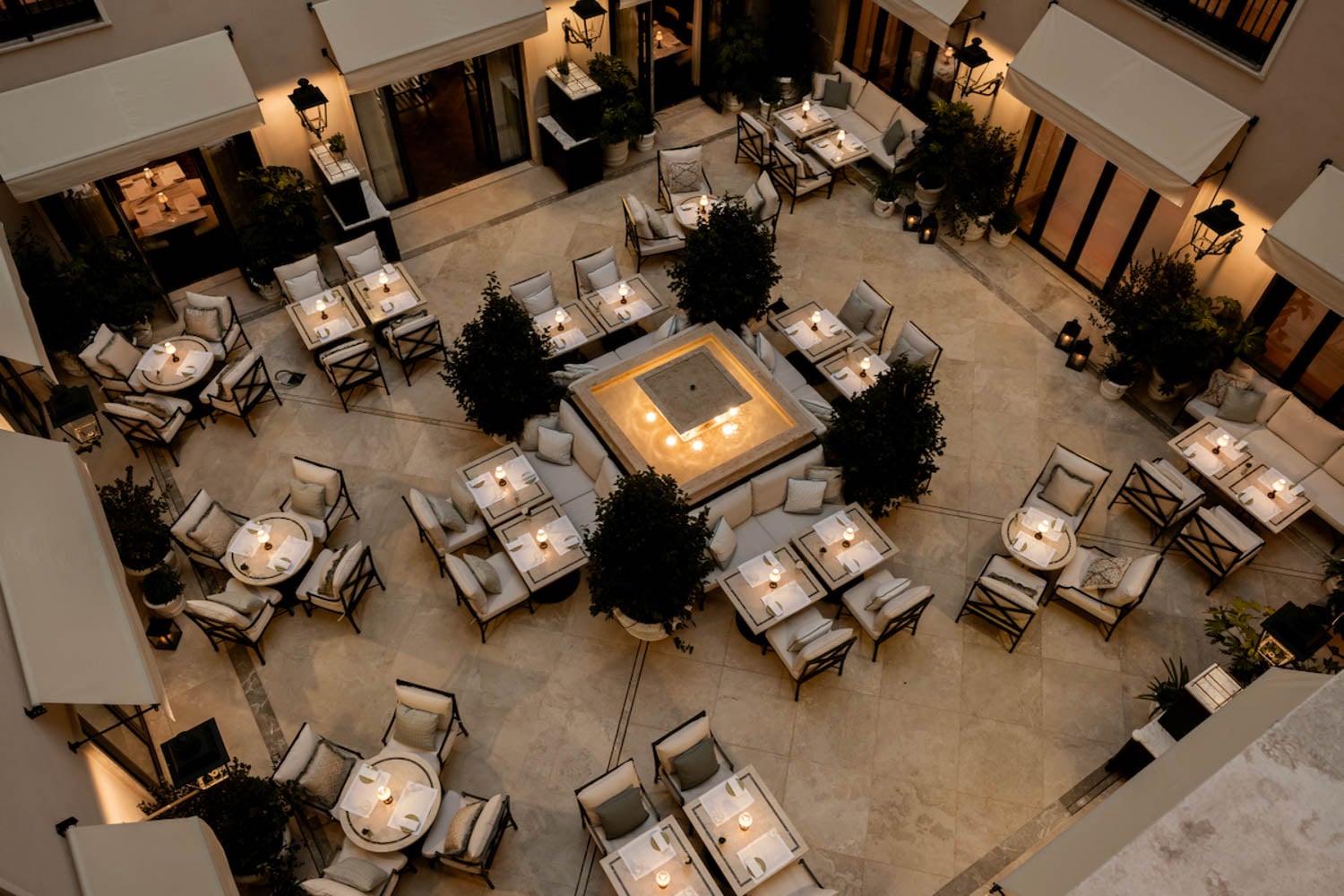
Inerior courtyard at Corinthia Rome, designed by GA. Photography by What The Fox. 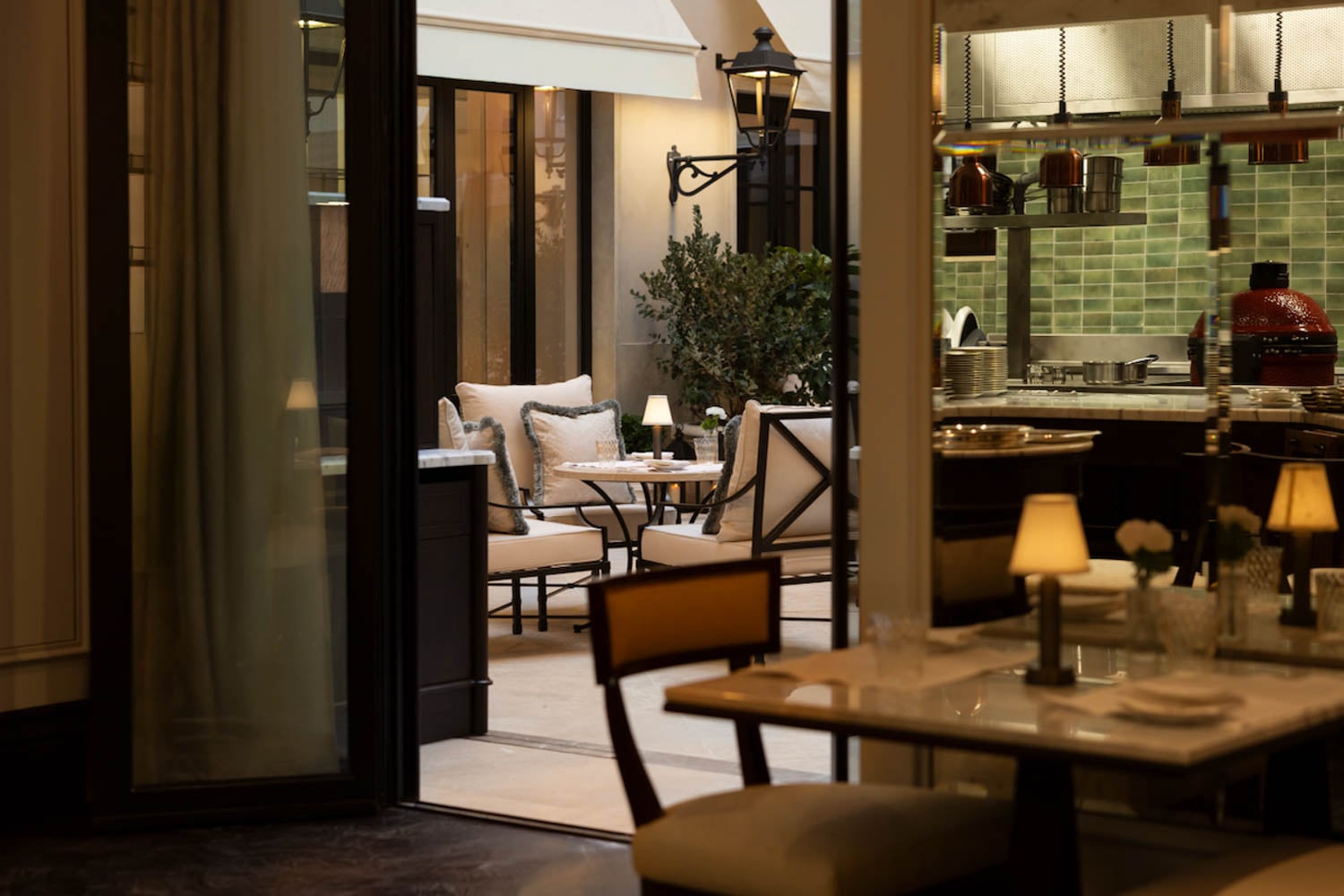
Restaurant with view to the interior courtyard at the Corinthia Rome, designed by GA. Photography by What The Fox.
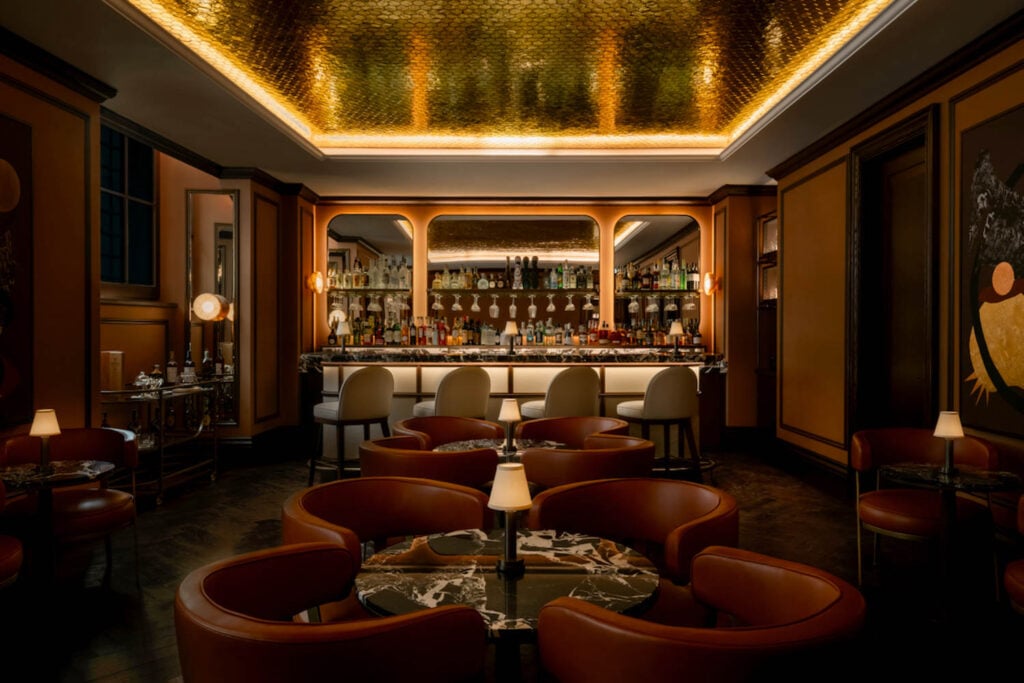
References to the site’s banking history are understated. Most notable is the bar’s ceiling, where gleaming gold-toned mosaic tiles subtly reference stacks of coins. Elsewhere, motifs lifted from original architectural detailing and former banking chambers reappear in furniture, porcelain tableware, and decorative elements throughout the property.
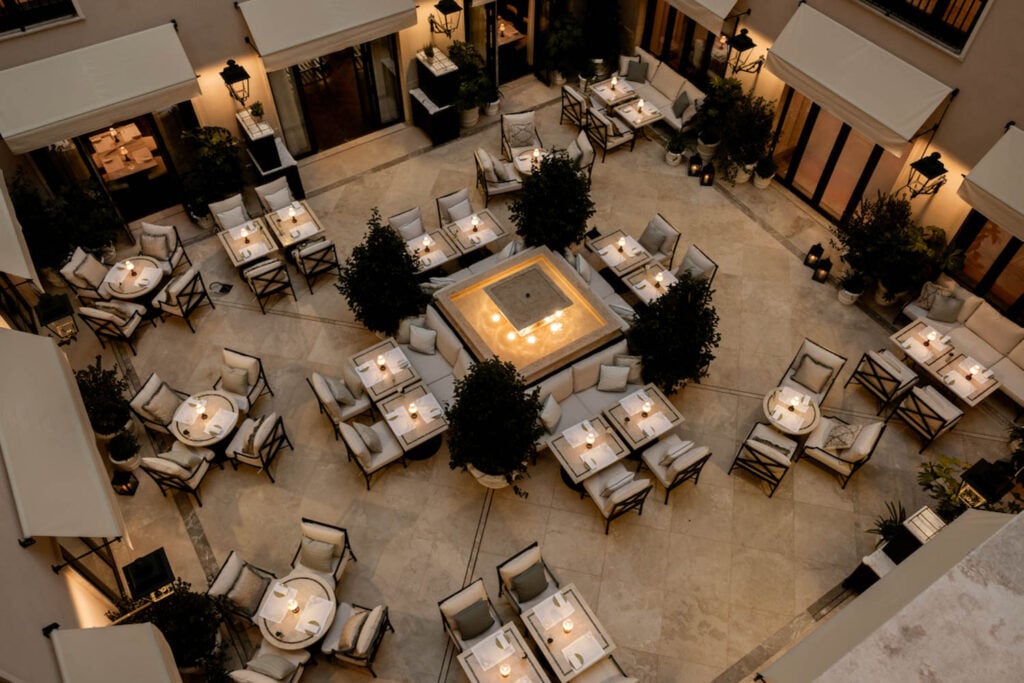
The once-enclosed courtyard now acts as the social and architectural center of the hotel. In a defining move, the team removed the roof added during a previous renovation, allowing natural light to flood the lobby, restaurant, and bar while restoring a sense of openness to the building.
Instead of recreating a museum-like version of a Roman palazzo, GA has created a hotel that is softer, more livable, and quietly contemporary—in a building where history feels inhabited rather than preserved behind glass.
read more

DesignWire
Designers And Manufacturers On The Move: September 2026 Edition
Interior Design‘s latest On the Move includes must-know industry promotions and hires, like Perkins&Will’s strategic move to expand its design capabilities.
DesignWire
10 Questions With… Artist and Designer Conie Vallese
From sculpture and ceramics to glass, textiles, and furniture, Conie Vallese embraces a multidisciplinary practice shaped by curiosity and creativity.