
Embrace The Power Of The Sun In This Lausanne Exhibit
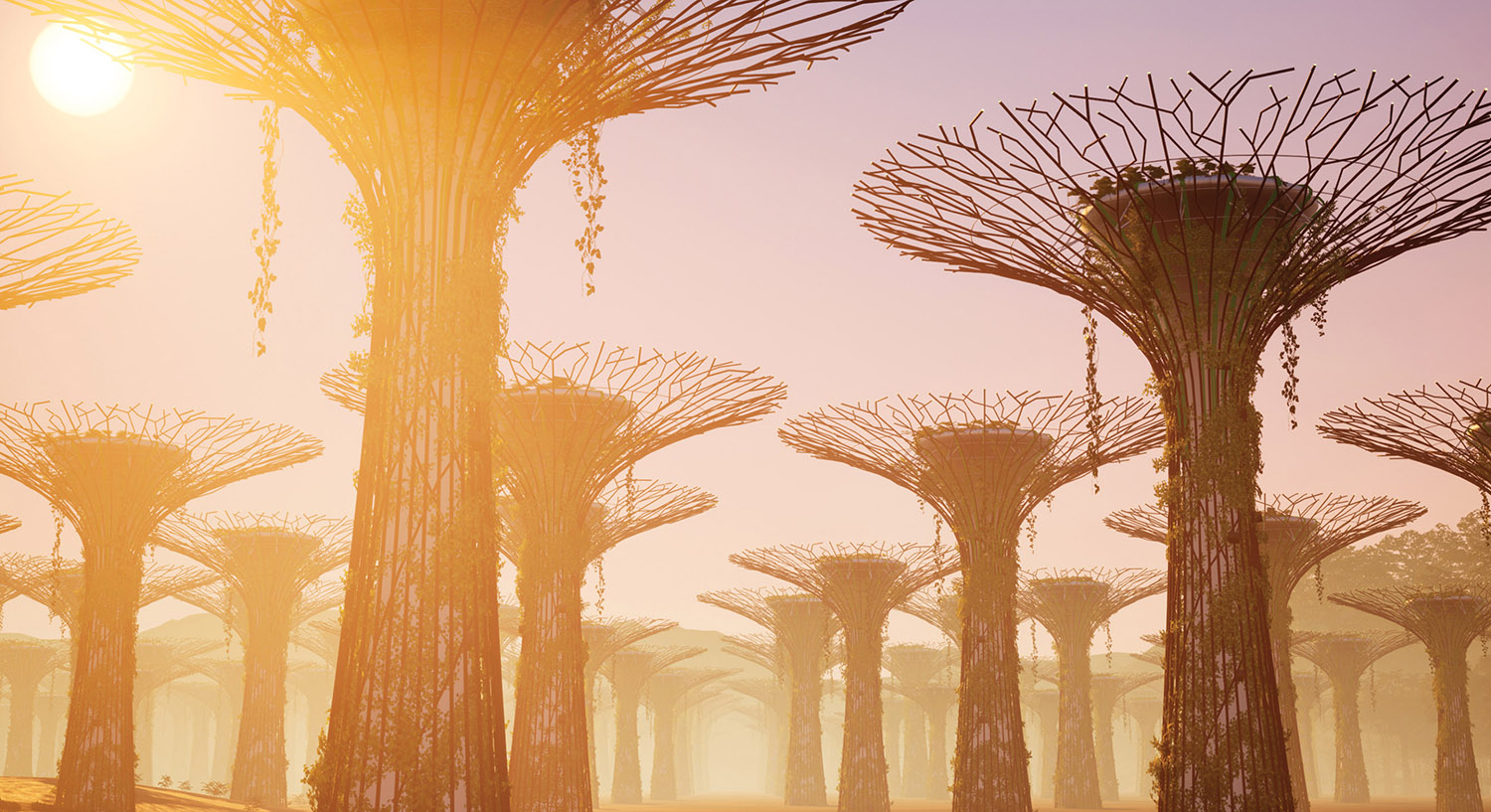
Founded by designers Marjan van Aubel and Pauline van Dongen, the “Solar Biennale” was a bright light when it debuted in 2022. This year sees the second installment, titled “Soleil·s,” on view in Lausanne through September 21 at the Museum of Contemporary Design and Applied Arts in Lausanne, Switzerland, (MUDAC). The 10 new commissions plus relevant existing works by the likes of Ólafur Elíasson explore the transformative potential of the sun in inspiring an ecological future, explain cocurators Scott Longfellow and Rafaël Santianez, and range from conceptual to concrete.
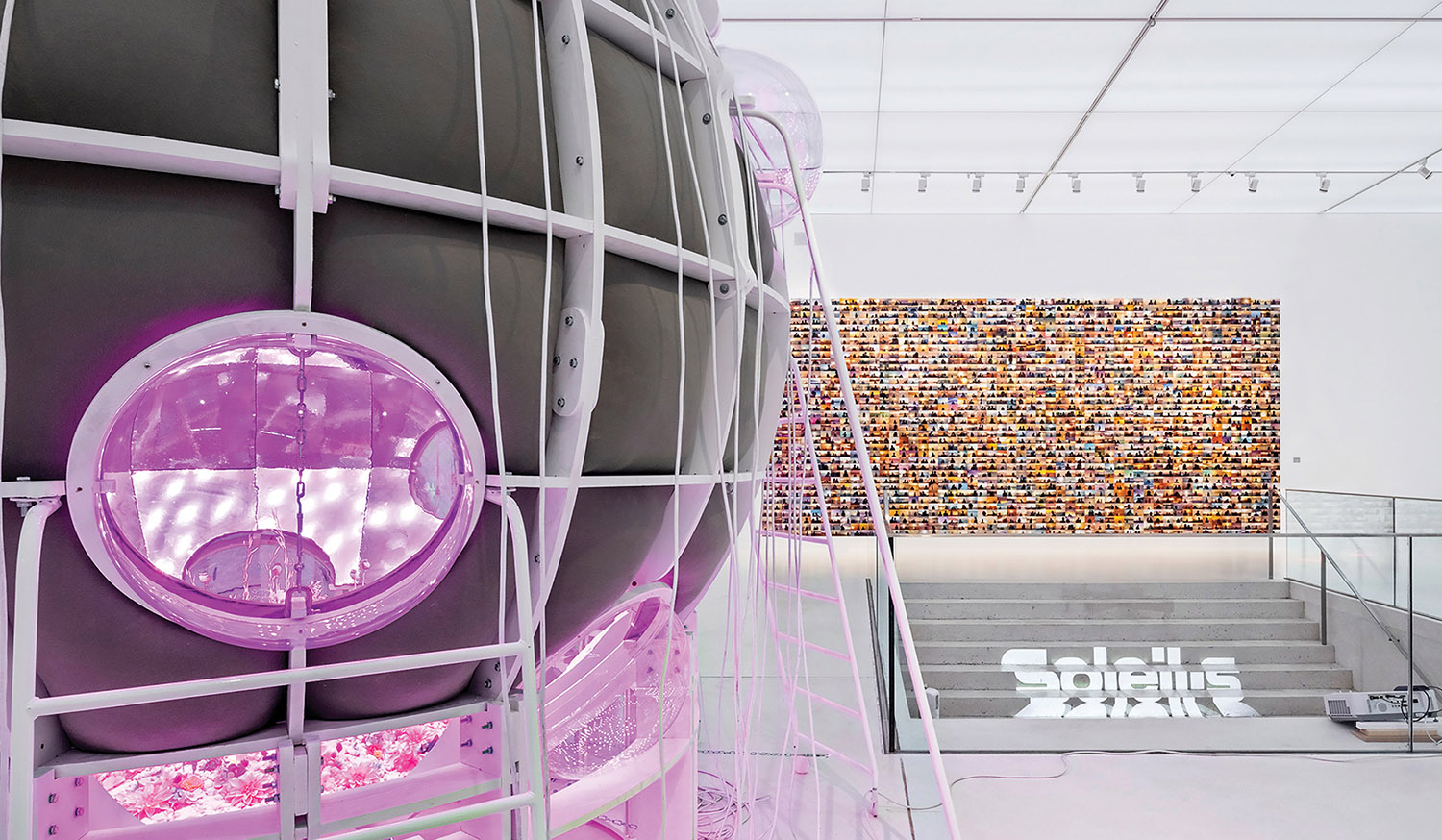
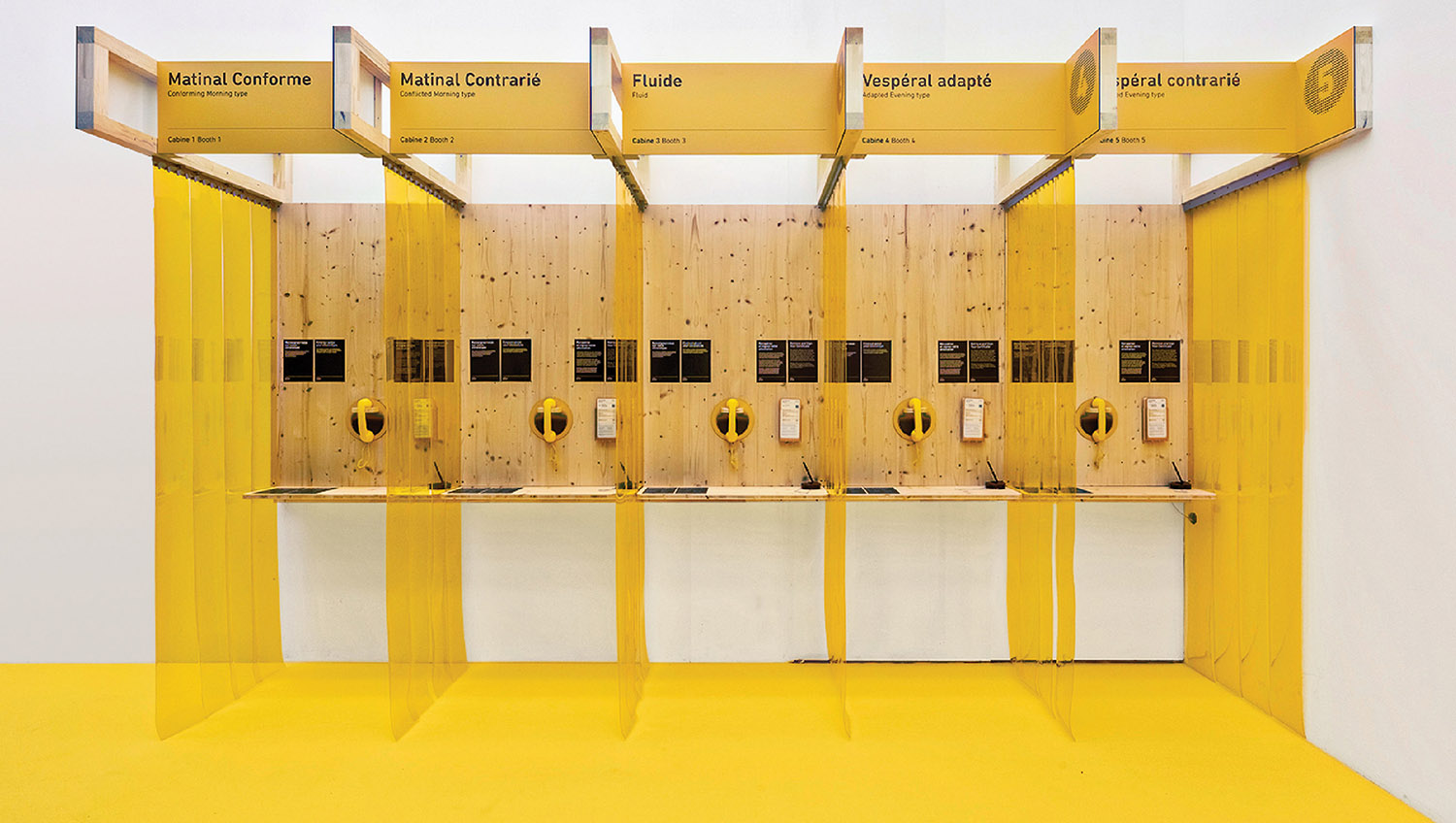
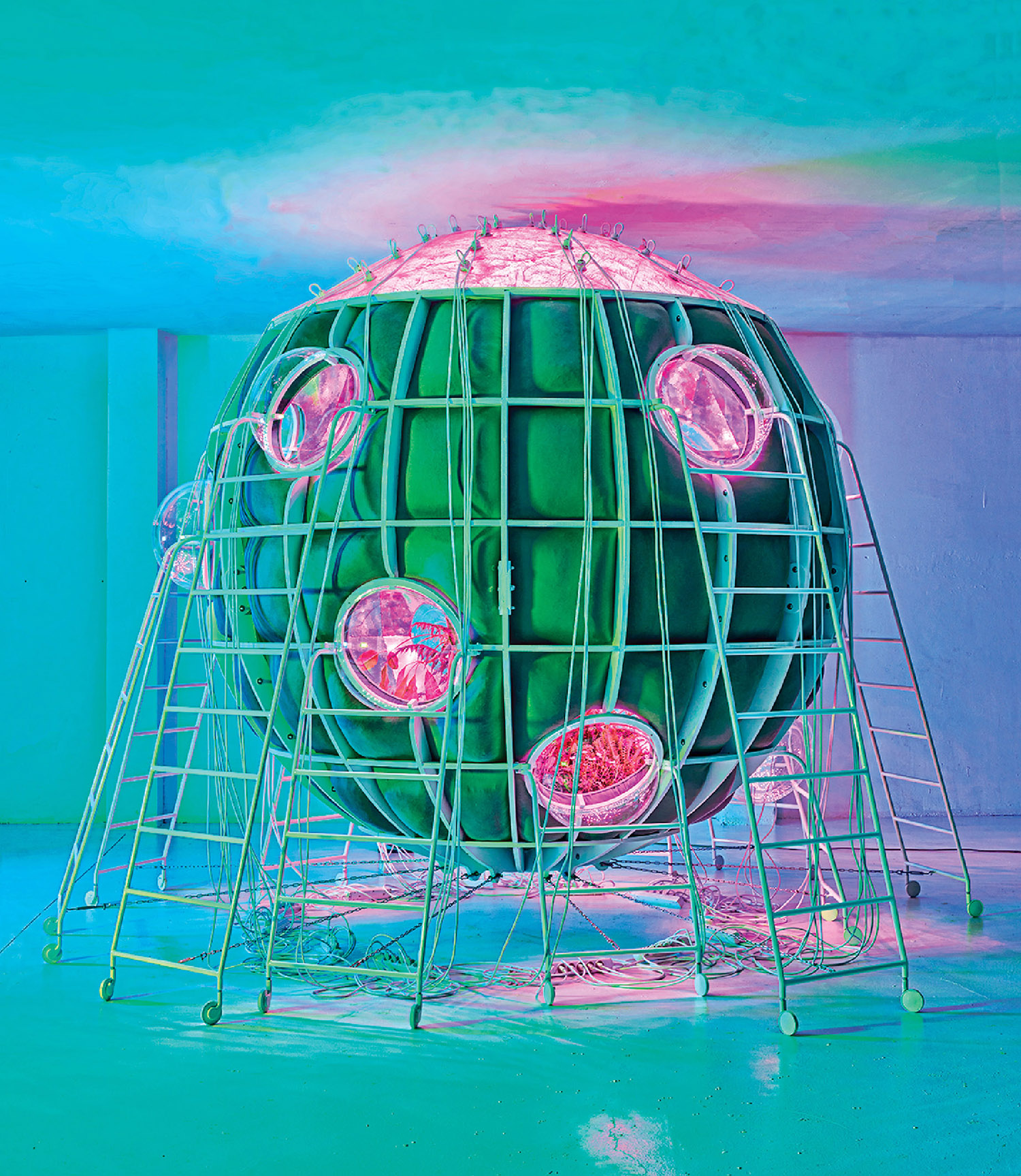
In the former camp, Fellaria’s Time Capsule by TAKK, which also designed the exhibition, imagines Italy’s Fellaria Glacier in the near future, with hot pink–lit foliage peeping from portholes in a 6-foot-diameter green (bio)sphere, while Vraiment Vraiment x Marilyne Andersen’s Droit au jour posits a fictitious branch of the Cantonal Office of the Right to Day, which grants everyone an inalienable right to natural light.
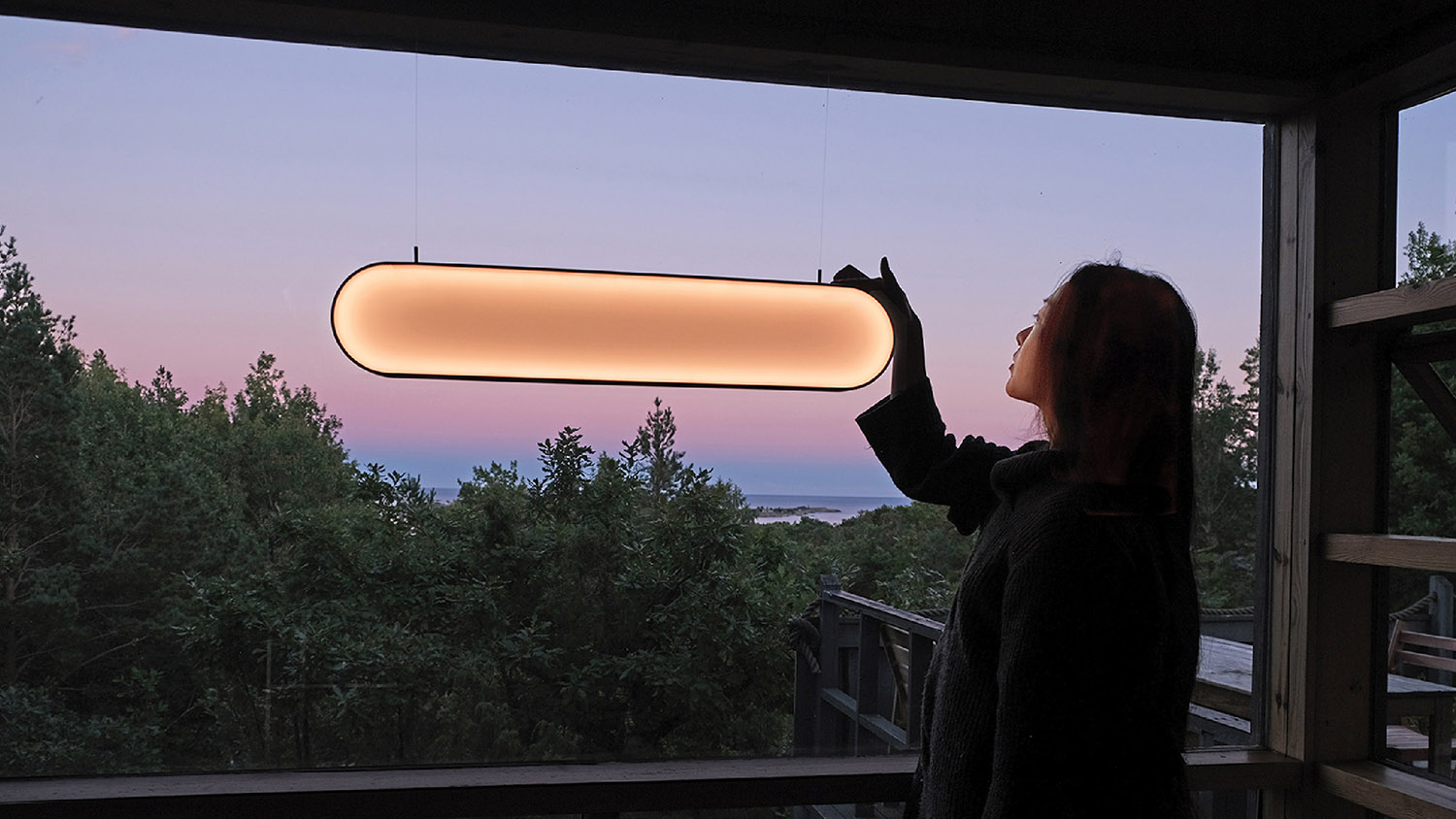
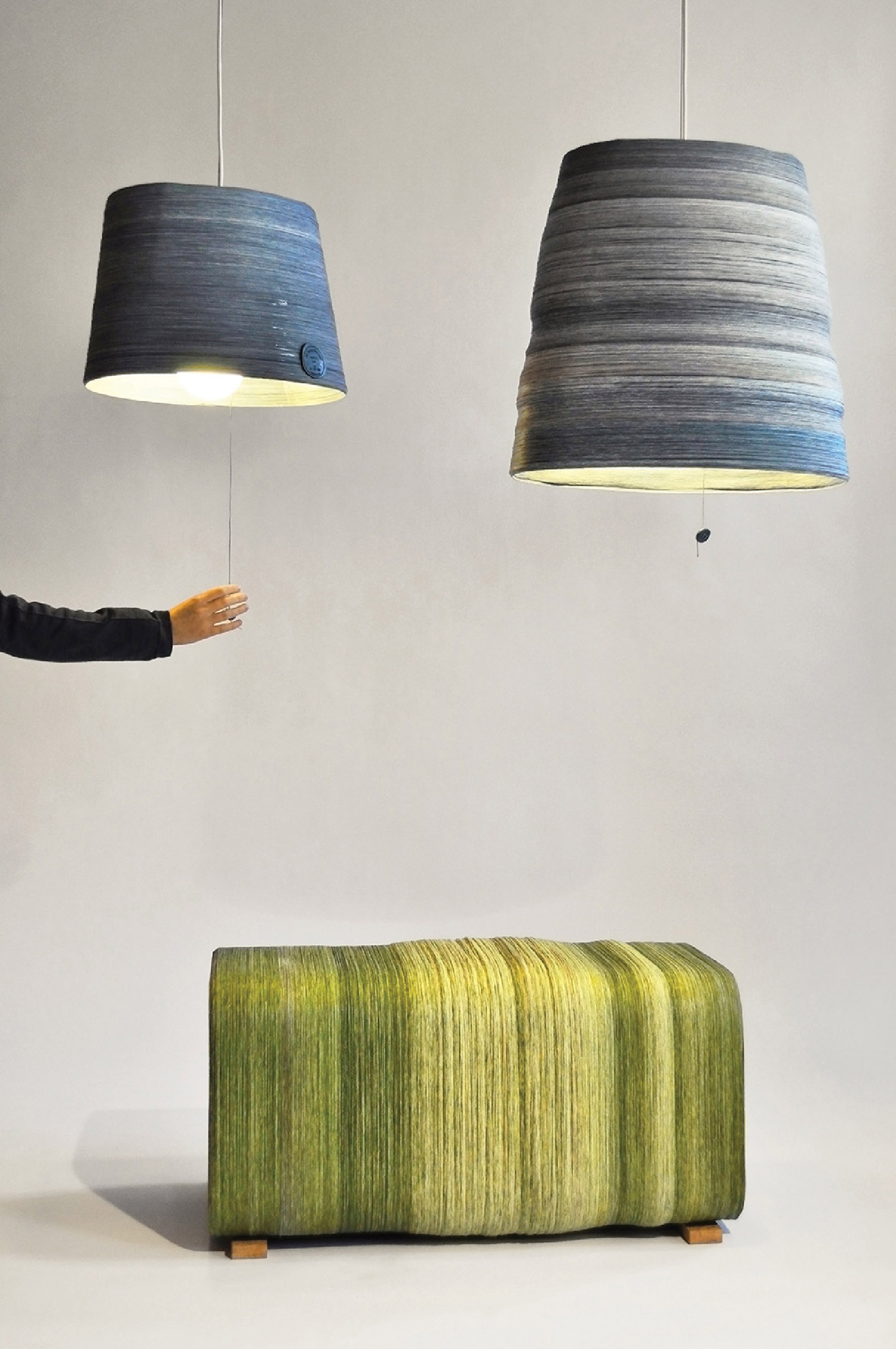
More actual is Marjan van Aubel’s Sunne, a pendant fixture self-powered by the sun, as is Nathanaël Abeille’s Reflexions, which can redirect natural light to dark areas. Sparked by translating the natural growth process into a mechanical one, Mischer’Traxler Studio’s The Idea of a Tree involves a solar-powered machine that creates one piece of furniture—a bench, a pendant shade—per day, “harvested” at sunset, its form built from recycled cotton. And, through interviews with NASA remote-sensing scientists and others, Alice Bucknell’s sci-fi documentary Staring at the Sun considers what’s at stake with today’s solar-geoengineering protocols.

read more
Projects
This Urban Villa In Istanbul Is A Study In Contrasts
Tucked away on the outskirts of Istanbul, this striking home by Turkish interior design studio escapefromsofa reimagines an urban villa into an inviting abode.
Projects
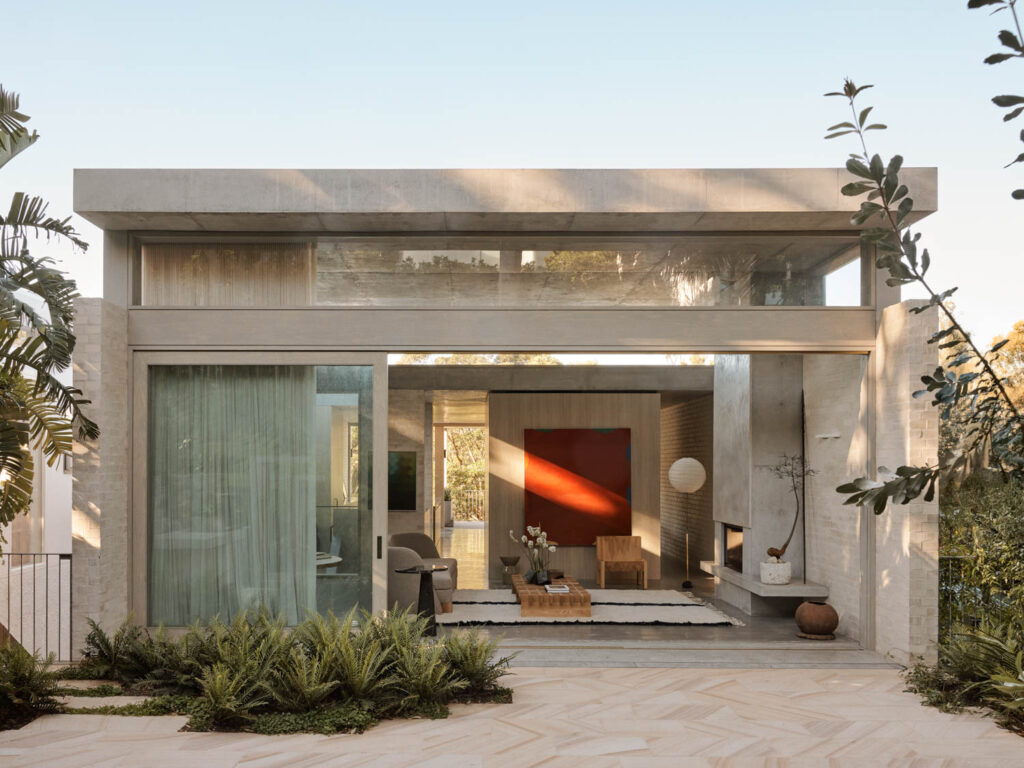
A Coastal Home In Australia Built Into The Canopy
Madeleine Blanchfield Architects distils architecture to its essentials in a Bronte home where raw concrete, brick and timber form a richly tactile backdrop to family life and artistic practice.