
10 Questions With… Ceramic Artist Faty Ly
When Faty Ly first began working alongside a potter in Burkina Faso in the early 2000s, she could not have anticipated how deeply the experience would shape her creative language. It only started as close observation and slowly became a lifelong commitment to ceramics; one that would later be refined through formal training at Central Saint Martins in London and expanded by years of living and studying across Senegal, France, the United States, and the United Kingdom. Each place added a new layer to her understanding of material and technique.
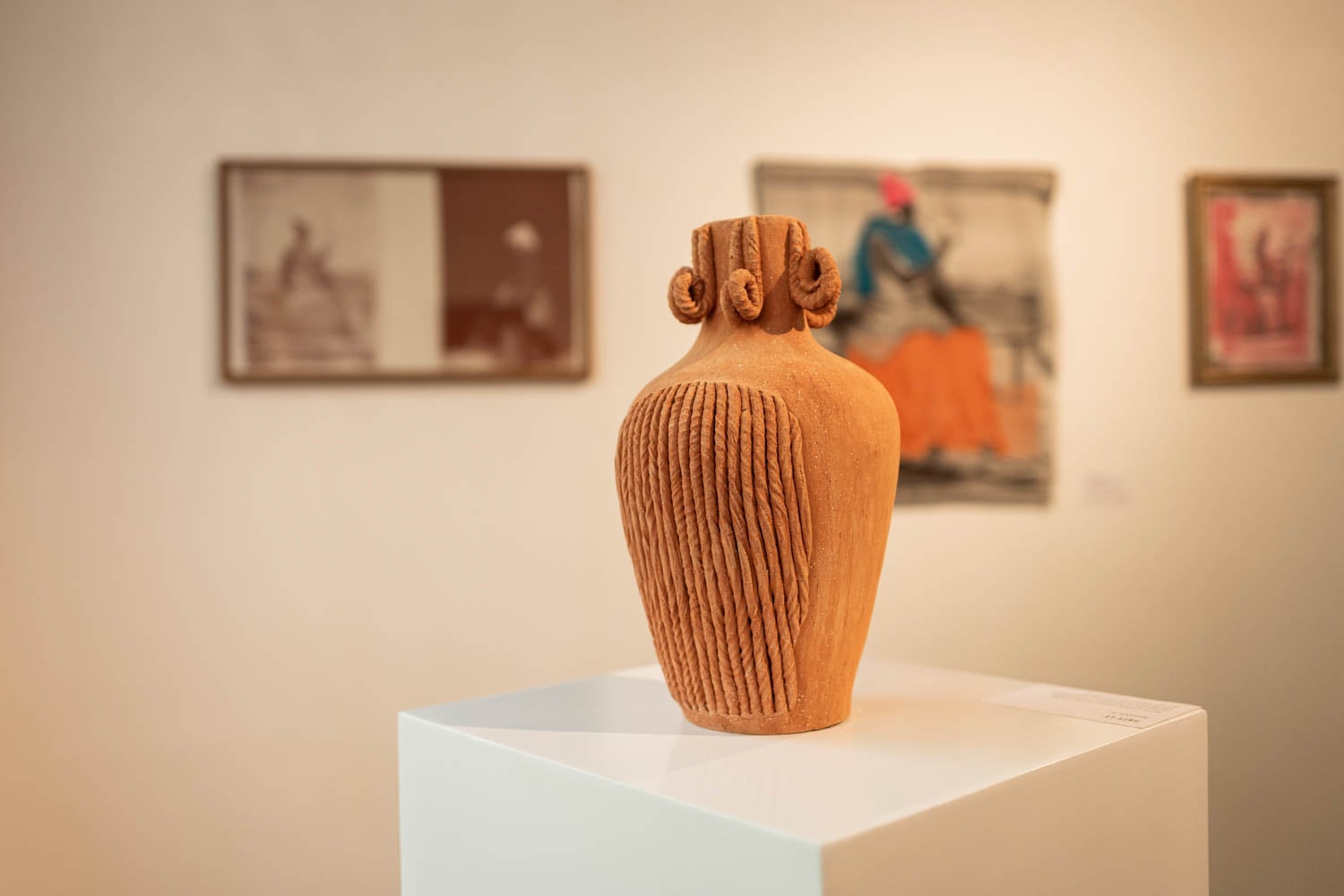
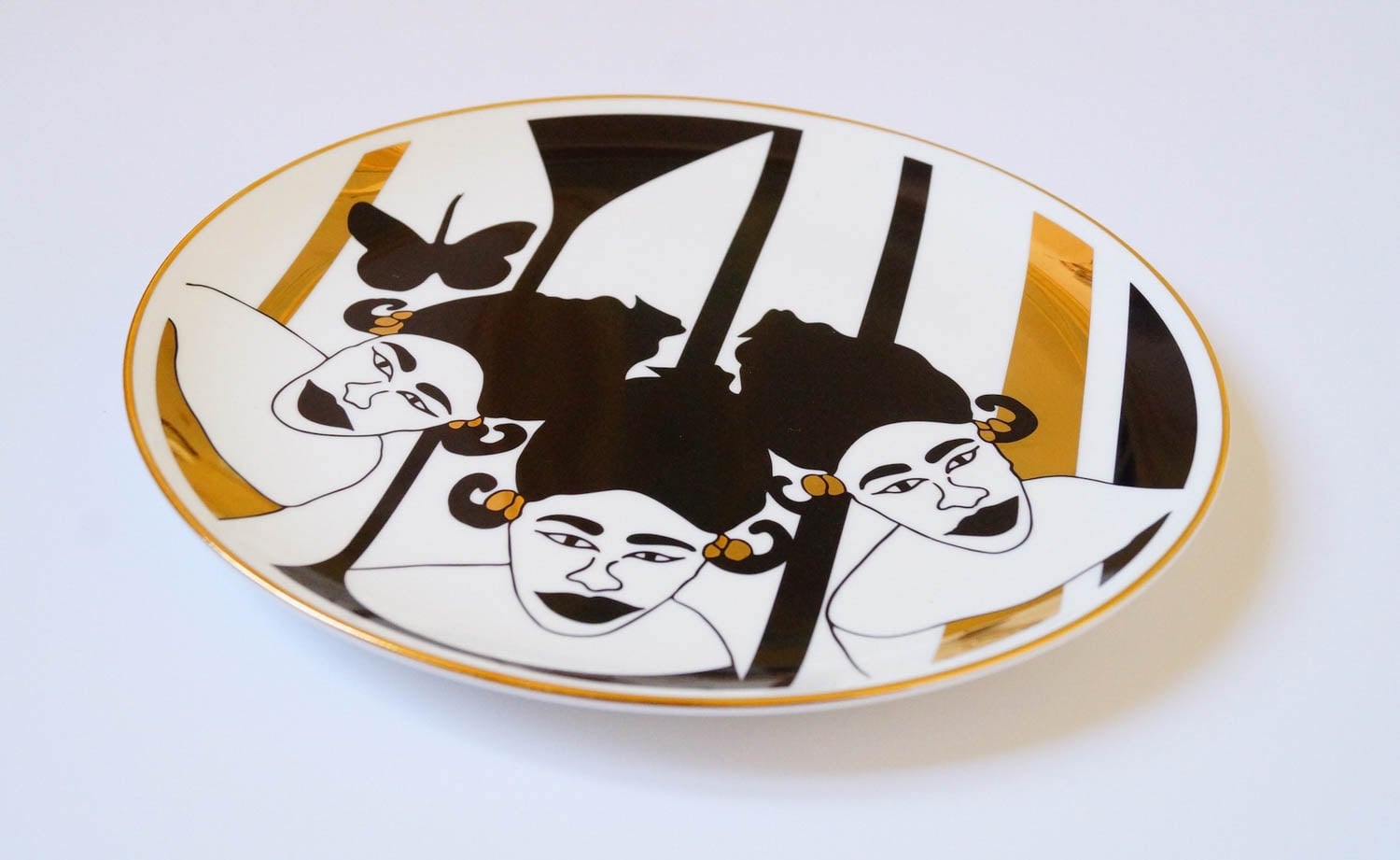
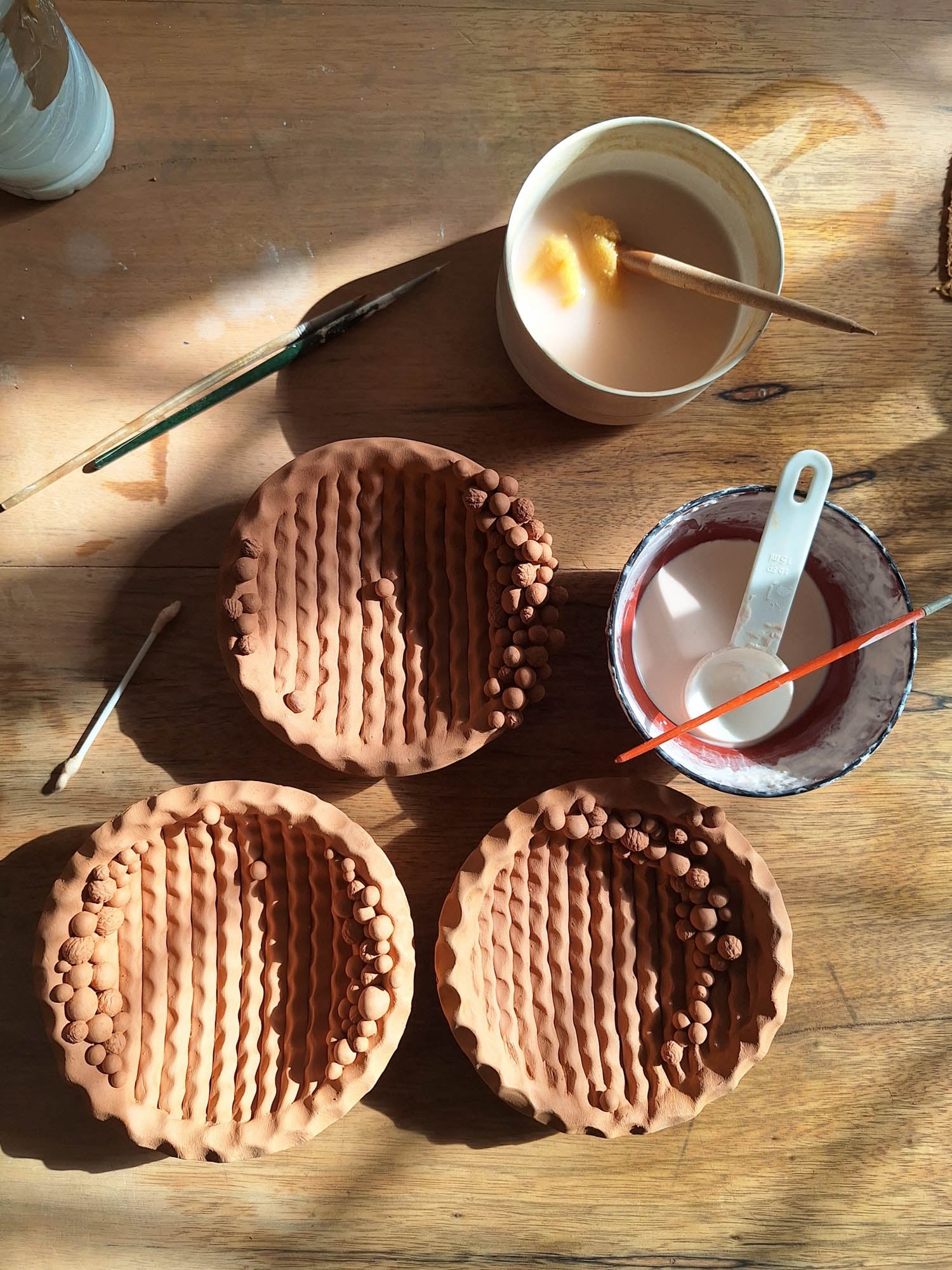
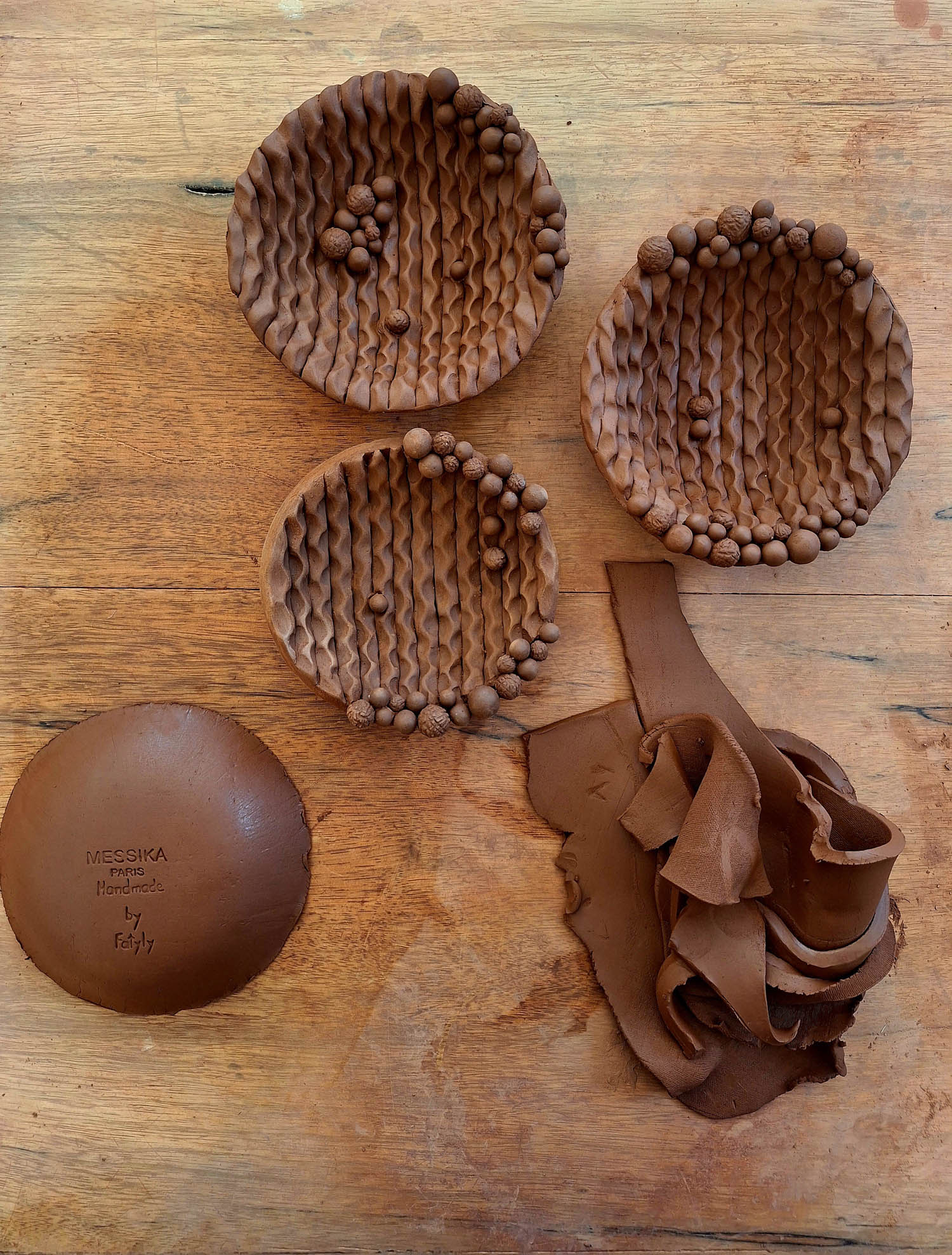
Rooted in Senegalese culture yet informed by a global design education, Ly’s practice is driven by a fascination with African iconography and the ways graphic forms can be transformed through touch. Porcelain, which she describes as a “ready-made canvas,” allows her to merge function and narrative, particularly through tableware. Her surfaces, often embossed or rhythmically patterned, draw from Senegalese hairstyling, woven textiles, basketry, and natural forms, creating a feel that is very intimate.
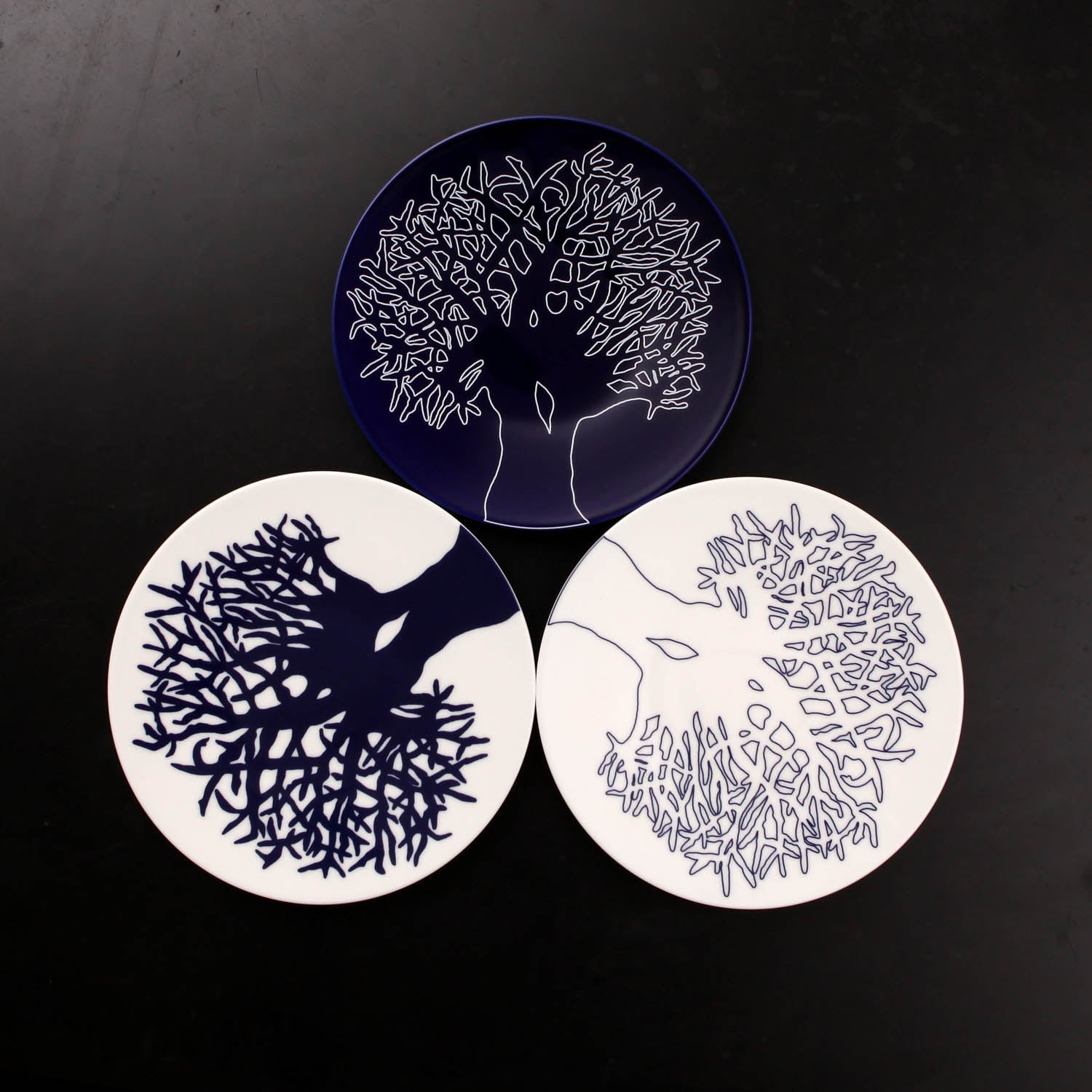
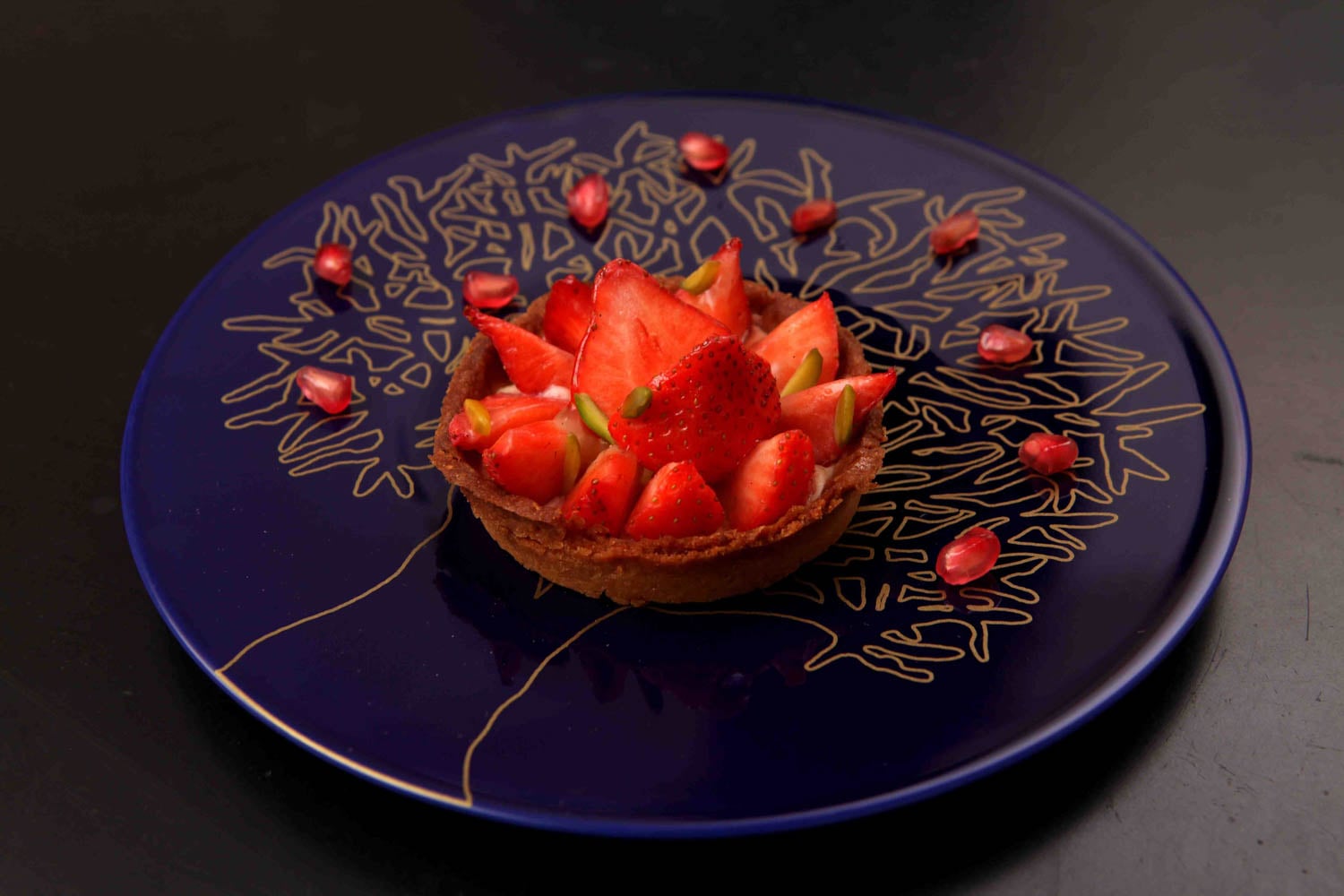
Across collections such as Nguka and in works inspired by baobab trees or Korhogo fabrics, Faty Ly explores themes of identity, legacy, and womanhood which allows her to tell the stories dear to her, and those that push her heritage on a global front. Whether through porcelain, clay, or collaborations involving bronze, wood, or glass, her work consistently blurs the boundary between utility and sculpture.

Interior Design chats with the Senegalese ceramicist to discuss her journey, her relationship to material and storytelling, and how food, craft, and women’s narratives continue to shape her evolving practice.
How Faty Ly Shapes Stories In Porcelain
Interior Design: How did your journey as a ceramic artist begin?
Faty Ly: My journey began with working with a potter in Burkina Faso in the beginning of 2000. That experience led to going to Central Saint Martins, a design school in London where my perspectives were expanded in terms of techniques and openness to the creative world scene. Out of observation and experimentation, I became drawn to African iconography where graphic forms fascinated me by the way they could be transformed under the hands. Ceramics offered me a medium that was both tactile and expressive, allowing me to translate my ideas and emotions into three-dimensional forms.
ID: Describe your background and how that brought you closer to your artistry?
FL: I grew up in Senegal, surrounded by rich cultural traditions, stories, and craft practices that shaped my aesthetic sensibility. Later, I studied in France, the United States, and England where experiences exposed me to diverse approaches to art, design, and craft. These international experiences, combined with my roots, deepened my understanding of the artistic possibilities in ceramics and gave me a global perspective while remaining grounded in my heritage.
ID: What drew you to porcelain as your main material and have you worked with other materials like bronze or glass?
FL: Porcelain tableware was a ready-made canvas that was accessible to share stories that were important to me with the rest of the world. It is a material that allows me to share different visuals within the tableware industry.
Porcelain also allows me to create refined forms, while still holding the future potential for experimentation with texture, patterns, three dimensional forms. I have experimented with other materials, particularly in collaborations with artisans or luxury brands. Working with bronze, wood, glass, or fabrics have enriched my understanding of form, texture, and materiality, which ultimately feeds back into my ceramics practice.
ID: How does your Senegalese culture and heritage influence your work? Have you made collections dedicated to them or stories of things or people you wanted to tell?
FL: My culture is at the heart of my work. I often draw inspiration from Senegalese culture and traditions translating these influences into shapes, patterns, and motifs in porcelain or clay. Collections like Nguka explore traditional Senegalese while pieces inspired by the baobab tree or Korogho textiles are homages to nature, heritage, and community. Each piece carries a story or memory I want to share. The motifs I use often emerge from a combination of my heritage, and everyday pieces that tell stories such as the Korogho fabrics. For the decorative details, I explore Senegalese hairstyle, fabrics, basketry and sometimes African architectural details, as well as patterns found in African cultures. These motifs are then reinterpreted in porcelain to create a contemporary yet timeless visual language.
ID: Can you describe your creative process?
FL: My process begins with observation and experimentation. I start with writing the storytelling when ideas are almost formalised in my mind, then I do sketches exploring forms and surfaces that feel alive. I work a lot with printing, coiling, and embossing, using textures inspired by fabric, hair, and basketry. There is a lot of trial and error for instance as far as clay is concerned (testing the raw clay’s consistency, shaping it, and layering textures) until the piece achieves the desired harmony between form, pattern, and narrative.
ID: I love the way you work with textures and symbols in your work. When you do so, are you trying to reference Senegalese symbols or patterns in history?
FL: Yes, textures in my work often reference both personal and cultural stories. The braided, threaded patterns evoke Senegalese hairstyling, woven textiles, and natural forms. They carry symbolism, connecting handcrafting traditions and heritage. At the same time, they explore ideas of African rhythm, repetition and continuity across cultures and time.
ID: Who and what inspires you the most, in your practice and your personal life?
FL: I am inspired by stories that can be amplified, African craftsmanship, and contemporary design. In my personal life, my observation, readings and meaningful conversations profoundly influence my creativity. Collaborations with artisans have also allowed me to test different materials, and also constantly feed my imagination.
ID: Can you tell us about your past and present collections of work?
FL: Past collections include a series of porcelain tableware and sculptural pieces where I explore texture, form inspired by my original collection Nguka. For example, my work for Nguka was a dialogue between Senegalese identity and porcelain as a canvas. Other tableware collections are built around motifs inspired by natural forms, textiles, and geometric patterns. My tableware work aims to create functional art that also tells a story. I am currently developing a new series of tableware pieces that continue to explore storytelling, while also collaborating with artisans and luxury brands. The project aims to blend African narratives with contemporary design.
ID: You have a close interest in the culinary world. Does food also inspire and shape your work as a ceramic artist?
FL: Food and ceramics share a deep connection for me. The way dishes are presented, the textures and colors of ingredients, and the rituals around dining influence the way I design tableware. However, food, per se, has not yet directly inspired my work. I design tableware as objects that are both meaningful and functional.
ID: Are you interested in spotlighting the stories of women in your work? What themes do you explore?
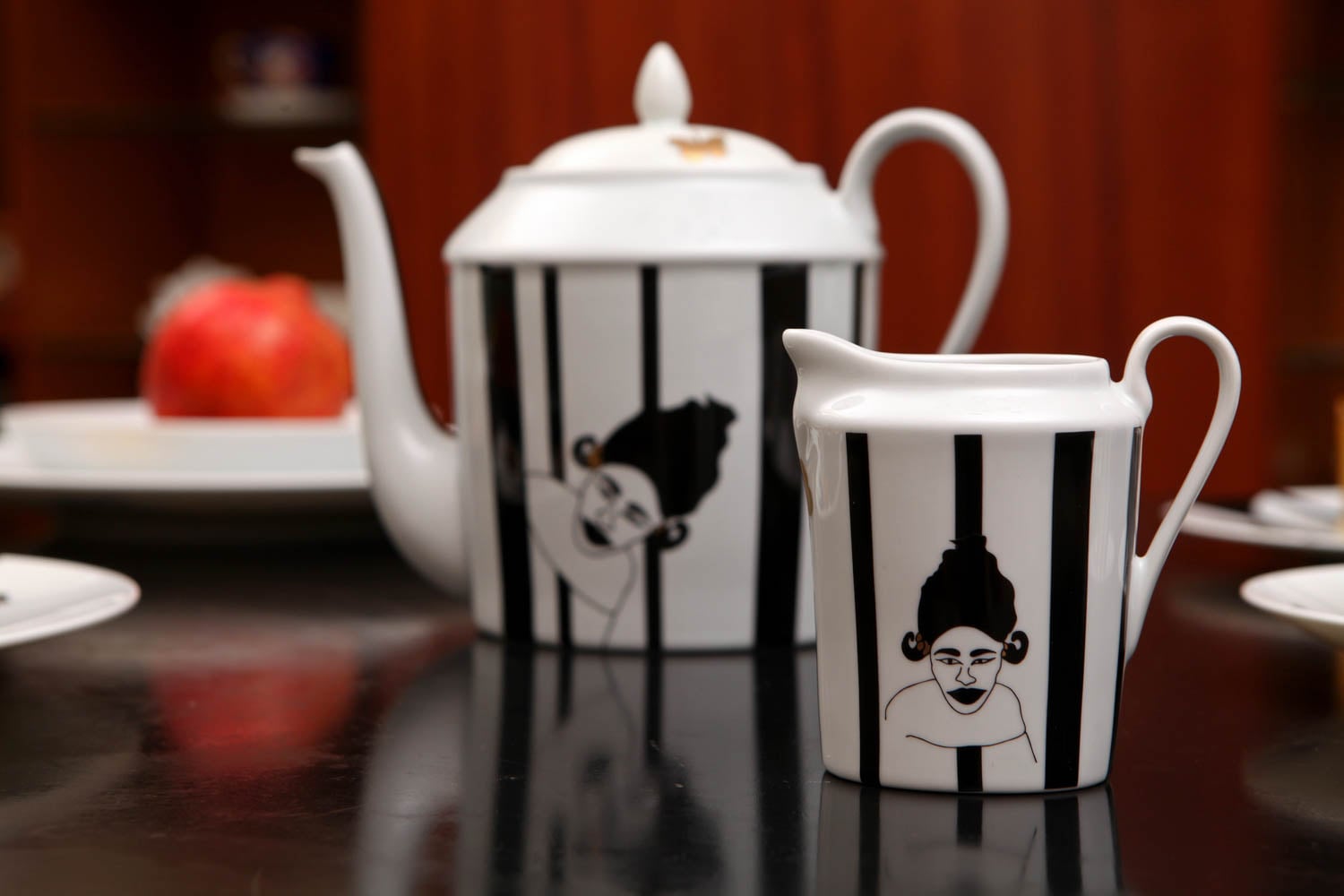
FL: Yes, I often explore themes of identity, heritage and legacy, particularly from a female perspective. Through patterns, textures, and forms, I celebrate women’s aesthetics, creativity and strength highlighting both African narratives and collective cultural stories.
read more
DesignWire
10 Questions With… Clarisse Merlet
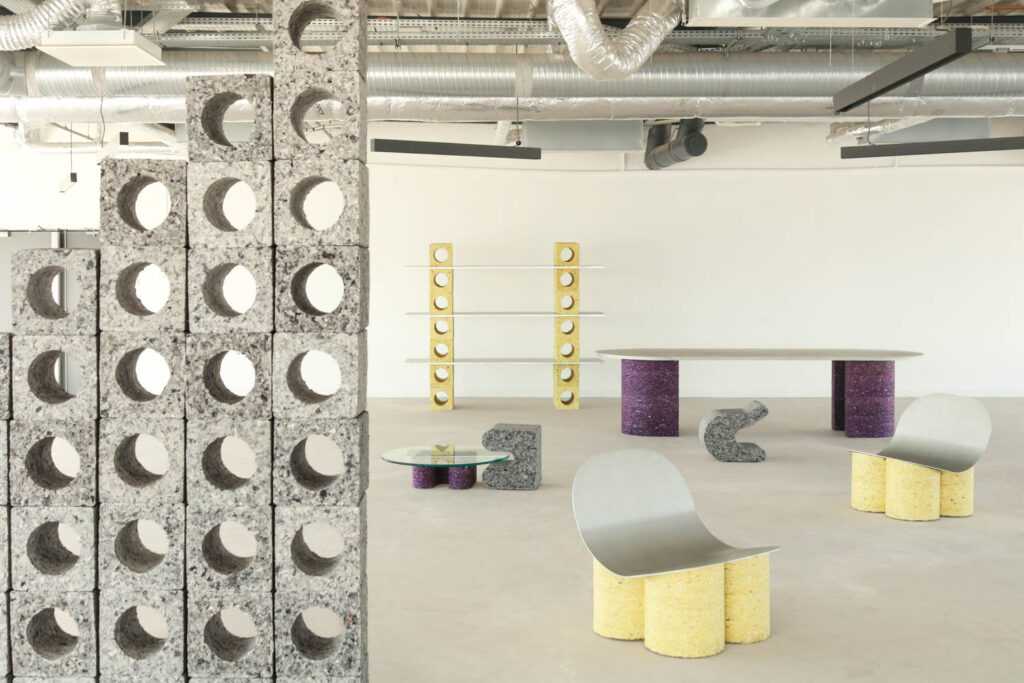
Clarisse Merlet, founder of Paris-based FabBRICK, is transforming discarded textiles into colorful architectural materials, pushing the medium with bold forms.
DesignWire
11 Top Picks From Feria Hábitat València 2026
Highlights from Feria Hábitat València, which featured over 1,200 exhibiting brands spread across 110,000 square meters of exhibition space.