
10 Questions With… Industrial Designer Stephen Burks
“If I had one lesson to share, it would be to always remember there are other ways to live,” says acclaimed industrial designer Stephen Burks. “It’s a big world and we’re connected in many more ways than we know.” Burks, the first African-American to be awarded the Smithsonian Cooper Hewitt National Design Award in Product Design and the only industrial designer to be awarded the Loeb Fellowship at the Harvard Graduate School of Design, has seen much of the world over the decades of his socially-engaged practice, Stephen Burks Man Made. Led with his partner, multidisciplinary designer, Malika Leiper, Burks, together with Leiper, has forged an innovative path through a holistic, collaborative approach uniting craft, community and industry that embraces hand production and pushes the boundaries of design toward a more inclusive, pluralistic vision.
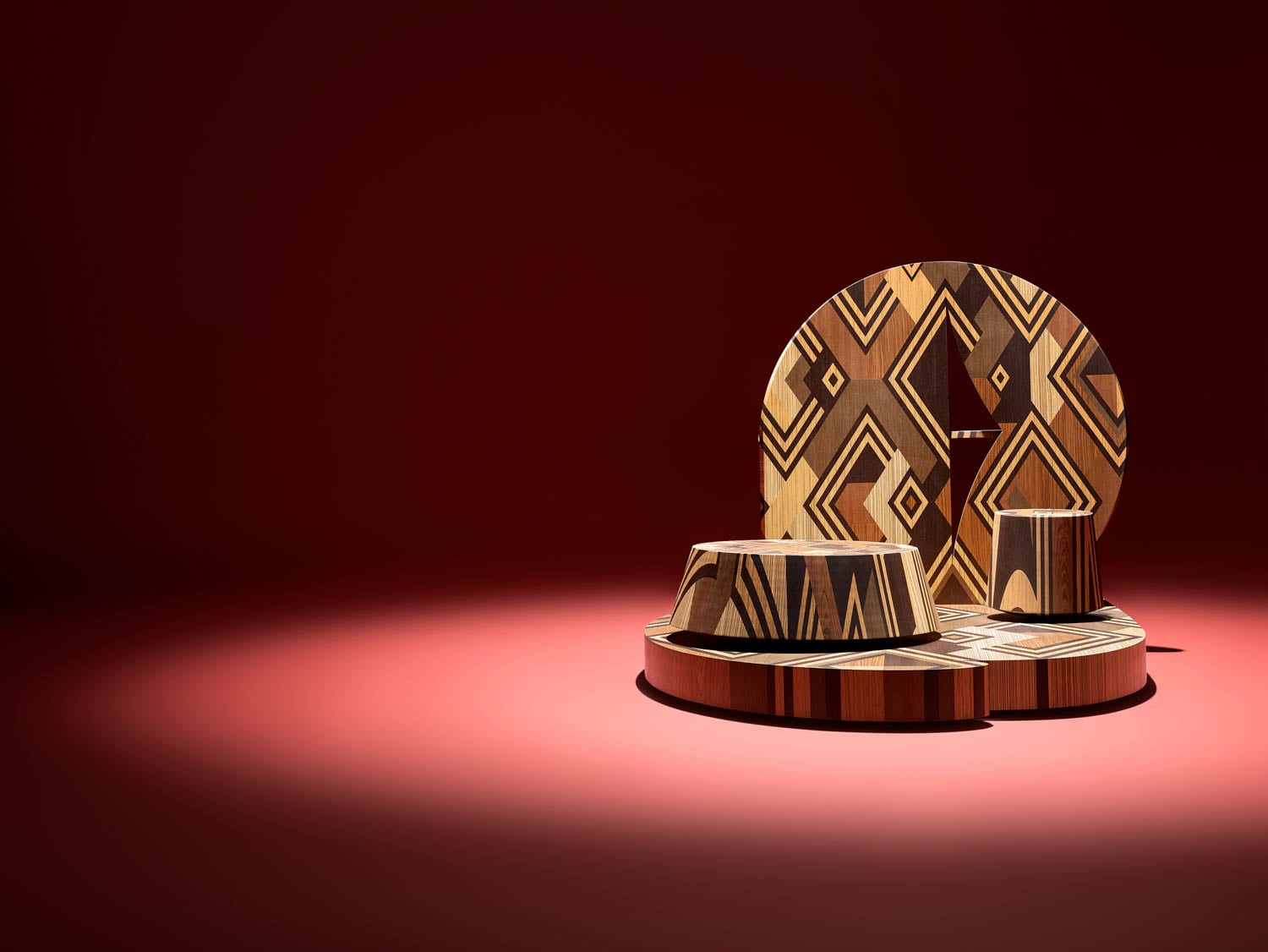
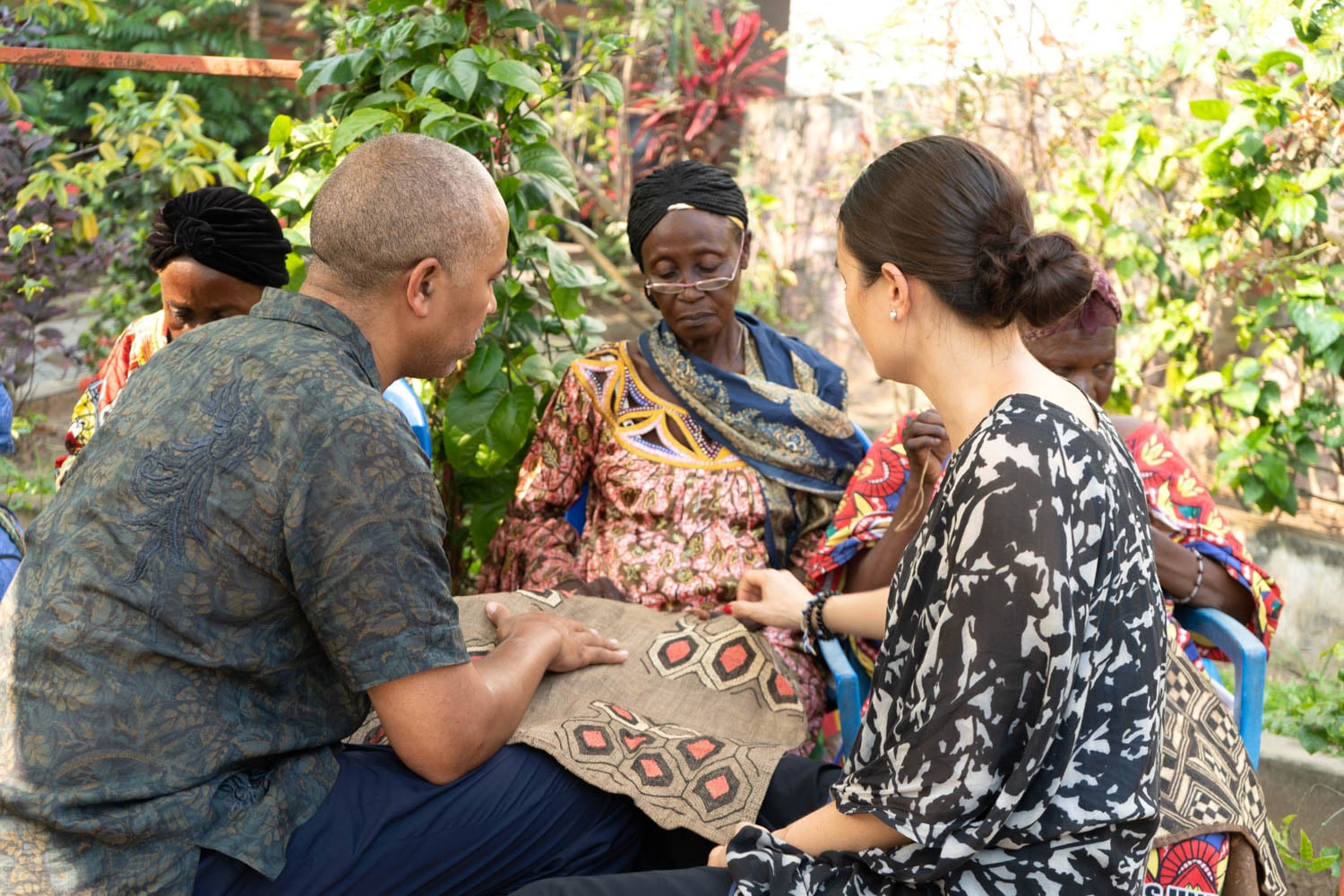
Today embracing a nomadic lifestyle, Burks and Leiper have recently served as artists-in-residence in Tokyo, Montana, and Senegal. Objects of Belonging, their contribution to the U.S. Pavilion exhibition PORCH: An Architecture of Generosity, at the 2025 Architecture Biennale in Venice was met with critical acclaim. At Design Miami’s recent 20th anniversary edition, they presented The Lost Cloth Object, a reinterpretation of the centuries-old textile traditions of the Kuba Kingdom, in collaboration with pioneering Italian wood brand ALPI, that reflects their ongoing interest in the Kuba arts.
Interior Design had a chat with Burks about his past, present, and future from his Readymade days—his former practice name established in the 1990s—to where they’ve been recently to what’s up next.

Stephen Burks Unites Craft + Community


Interior Design: What are your earliest memories of your interest in design?
Stephen Burks: In my earliest memories of acknowledging that design exists, I likened it to sculpture, defining and sculpting the space around our bodies and activities with objects.
ID: How has your work evolved from the Readymade years to today?
SB: Back in the late ’90s, when I began to imagine myself as a designer, I called my practice Readymade Projects after the Duchampian notion of the readymade. The projects I did back then situated me as an auteur or signature designer looking for a style I could claim as my own. I quickly realized that my unique identity as an American designer of African descent working internationally in the early millennium was far more important than forcing a so-called original vision of shapes or colors. Today, as Stephen Burks Man Made, Malika and I view our work as cultural production collaborating to unite craft, community and industry.

ID: Stephen Burks Man Made, the studio, evolved from what was your first solo exhibition in New York under the same name. Can you talk about how one grew out of the other?
SB: In 2011, my solo exhibition entitled Stephen Burks Man Made at the Studio Museum was the first ever design exhibition at the museum since its founding in 1968. Director, Thelma Golden, really helped me understand the bigger speculative project my early work with artisans on the continent was proposing. She named the exhibition and consequently, our current practice.
ID: How did your professional partnership with Malika begin? How do the two of you work together today?
SB: Malika and I met at the Harvard Graduate School of Design when she was finishing her masters in urban planning and I was doing the Loeb Fellowship. Our mutual interest in how design affects marginalized communities within the built environment brought us together. Today, she leads cultural affairs—our work with arts institutions and communities—and I lead design, although we cross over and share tasks most days because we enjoy it.

ID: Your innovative approach to design synthesizes craft, community, and industry: why and what does that look like in practice?
SB: Since 2005, I’ve worked in over 20 countries on six continents with hundreds of different industrial and artisanal collaborators as a product development consultant and designer. I realized early on that if I advocated for hand production as a strategy for innovation, I could debunk the myth that design is a Western project. We focus on projects the bring community, craftsmanship, and industry together as a means of simultaneously extending craft traditions into the future, questioning who participates in contemporary design, while hopefully finding innovative solutions for all of our partners in the process.
In everyday practice, this means we strive to position ourselves in the center of the project actively mediating cultural inputs from the community, technical inputs from industry and manual inputs from the artisans while synthesizing it all into something new. Great examples of this are our Dedar Quilting and our ALPI Lost Cloth projects.
ID: You presented The Lost Cloth Object at the recent Design Miami: what were the origins of the project and your relationship with ALPI?
SB: The Lost Cloth Object with ALPI grew out of our ongoing research into Kuba arts traditions and easy conversations with Vittorio Alpi. In designing a recomposed wood veneer for ALPI, designers typically begin with the veneer then design an object or sculpture to display it on. Vittorio allowed us the honor of making a sculpture first, and in doing so, present a fully speculative ceremonial site that translates the Kuba textile arts into wood marquetry. Inspired and informed by this project, we’re all now hard at work on the commercial veneer.
ID: What do you do to relax and recharge?
SB: Malika and I have been completely nomadic for nearly two years. We gave up both our home and studio in New York for the freedom to travel the world and be more immersed in the projects, regardless of wherever they take us. In 2025, we found ourselves in Montana, Senegal, California, Italy, Congo, Japan, Brazil and France. Being focused and waking up in a new place every few weeks is exciting enough to keep us fully charged.
As perpetual backpackers, albeit with style, our lives and our practice are completely intertwined. Being together all the time, remaining mindful of each other’s needs, and making each other happy is where we start everyday.
ID: What’s next for Stephen Burks Man Made? What are you working on now?
SB: We’re entering 2026 energized, despite the current political climate. We’re finalizing an exhibition on Kuba [at the Mint Museum], several new outdoor collections, and our first outdoor sculpture commission at a wholistic resort in Marrakech. We’re looking forward to communing with other international creatives at The Diaspora Salon happening there next month.
read more
DesignWire
Designers And Manufacturers On The Move: September 2026 Edition
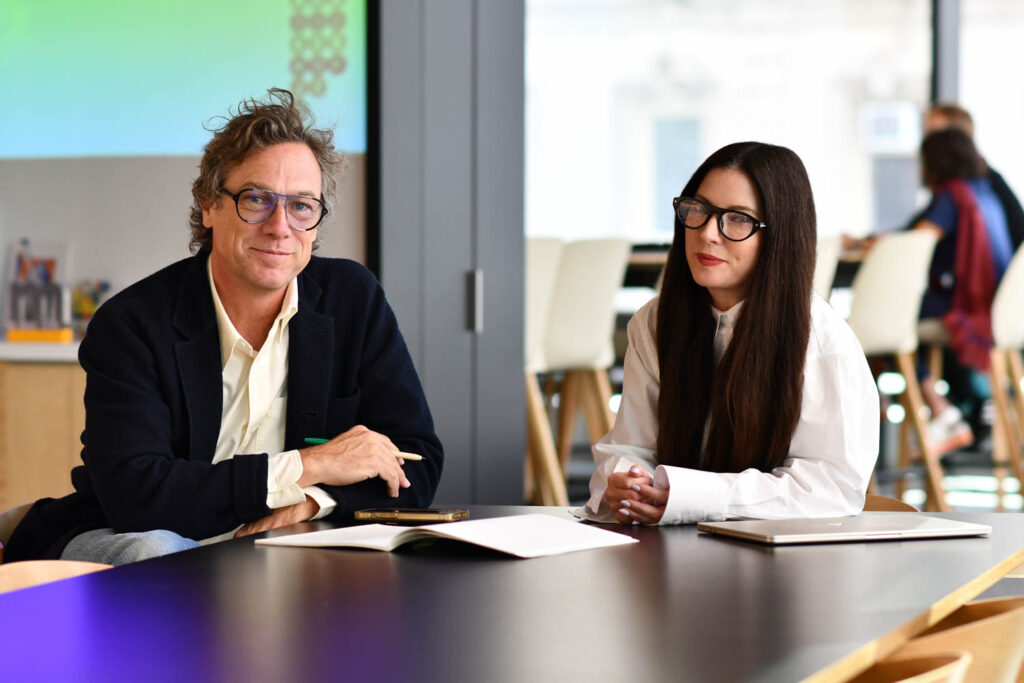
Interior Design‘s latest On the Move includes must-know industry promotions and hires, like Perkins&Will’s strategic move to expand its design capabilities.
DesignWire
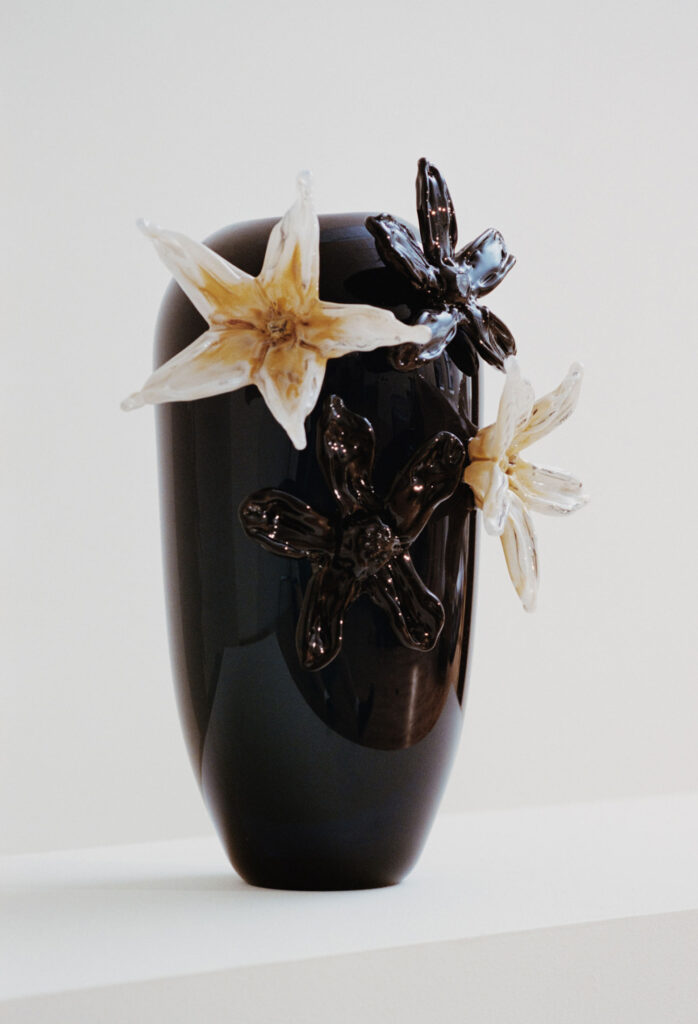
10 Questions With… Artist and Designer Conie Vallese
From sculpture and ceramics to glass, textiles, and furniture, Conie Vallese embraces a multidisciplinary practice shaped by curiosity and creativity.