
10 Questions With…Tom Parker Of Fettle
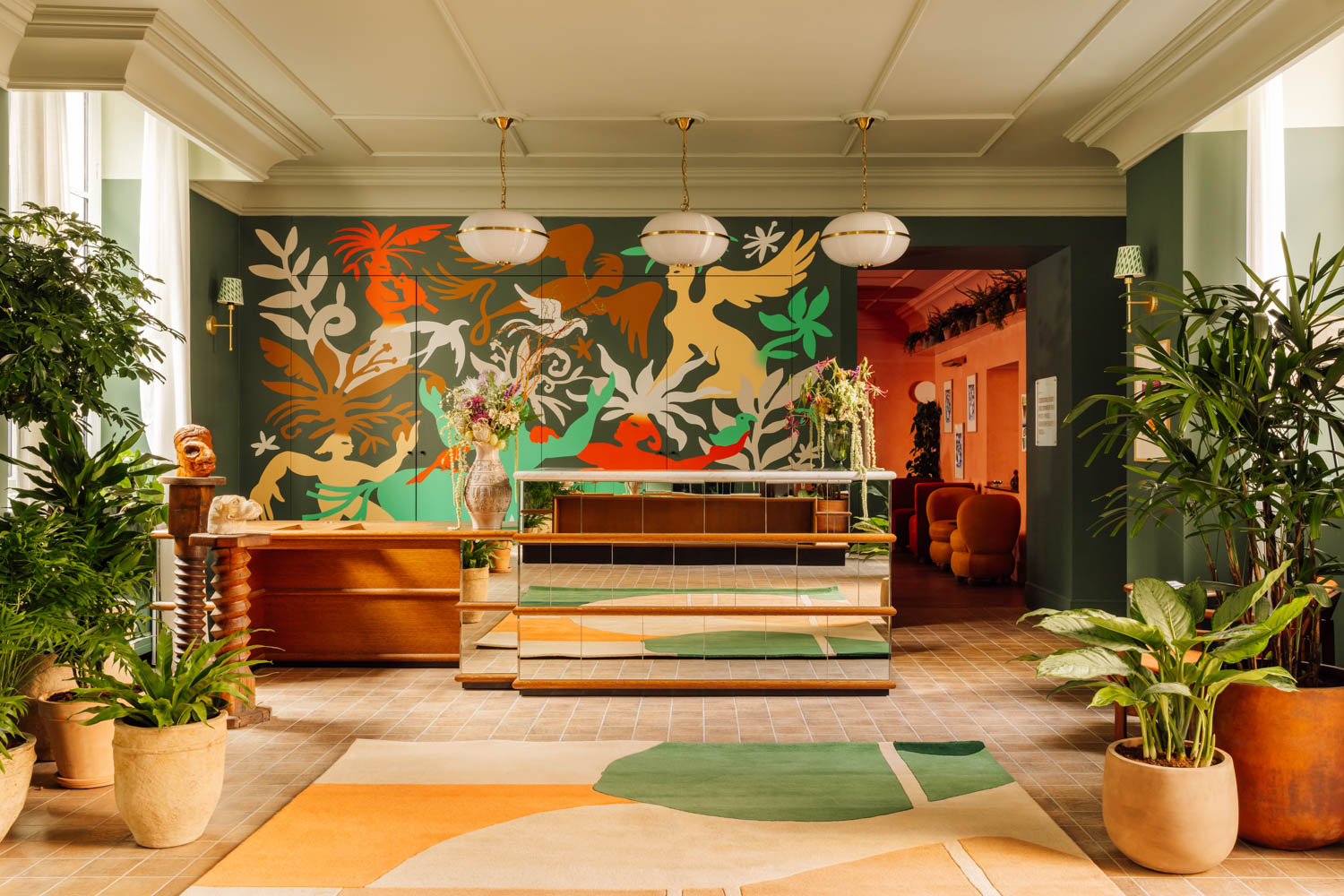
Literally and figuratively, Tom Parker is a long way from his roots. Who’d ever think the Reading-born Brit whose mum was a nursery school teacher and father ran a betting shop would end up as a top-tier hospitality designer in Los Angeles? To be precise, make that Marina del Rey, the bay-side area where Fettle, the design studio he co-founded at just 30 with Andy Goodwin, whom he met fresh out of university, is located. That was a decade ago. With studios stateside and in London, Fettle has a far-flung portfolio boasting completed projects in Paris, Portland, Rome, Dubai, Miami, Las Vegas, and, of course, on both home bases. Client names include Hoxton, Cicchetti, TAO Group, and the landmark Georgian Hotel. Current works in New York; San Francisco; Nashville; Washington, D.C.; Big Sky, Montana; and Provo, Utah extend the reach.
Following graduation from Oxford Brookes University with a degree in interior architecture and an immediate first job at London’s United Designers, he relocated to New York becoming a senior designer at Martin Brudnizki Design Studio. Now, Parker lives in a ‘50’s-era townhouse, also in Marina del Rey, with his wife Alex and three young children, the youngest being twins. It’s conveniently close to the studio, which is housed in a rugged former factory but quirky with prototypes and antiques. Home is also near the beach where he’s an avid surfer and to Venice where the family hangs out. When not involved in the lovable chaos of work and home life, he heads to his basement. Fixing furniture and hitting up his sewing machine for upholstery projects count as passions, too. As for family vacations? They follow the time-honored California tradition of road trips.

Tom Parker Explores A Maximalist Approach To Hospitality
Interior Design: Our first question is obvious. Why the name Fettle and what does it mean?
Tom Parker: Fettle is an old English term meaning hand crafting or refining something. In our context, it relates to a bespoke and hand’s-on approach of designing spaces or objects from concept through completion.
ID: Nothing in your early exposure said design. What was the draw?
TP: Actually, it was drawing. Sketching, too. But, I realized I wasn’t good enough for this to be the primary focus of studies. Especially after seeing a girl do an incredible portrait in my art class at 12. Luckily, I enjoyed the overlap of art with, what we in the U.K. call, design and technology. I loved looking at exploded diagrams of cars and laptops so it was a good balance between fine art and the small scale or product end of the design spectrum. The balance is reflected in our work today. For example, we’re simultaneously working on embroidery designs for uniforms at the Sundance Mountain Resort while also collaborating with architects on space planning for a large beach resort.
ID: Speaking again of draw, why did you settle in Los Angeles?
TP: Between living in London and New York for more than a decade, I was ready for a change. When launching the company, opportunities popped up on the West Coast with the Draycott in Los Angeles and The Hoxton hotel in Portland. Access to beaches and nature was a huge plus. We often head to Joshua Tree or Big Sur for a long weekend. The ability to be remote is hard to beat.
ID: We view bars and restaurants as the new social currency cutting across generations. What’s a checklist of must haves for these hospitality venues as they entice folks to part with their hard-earned funds?
TP: We see a number of key items across projects in the U.S. and internationally. First, comes the food concept and its quality. Second, is an element of immersivity within the experience. A level of escapism and adventure is within a lot of current restaurant design. This is particularly important as habits between generations are changing. Younger people are consuming less alcohol, thus putting more emphasis on the experiential nature of food and interiors. We’re focusing on this for a Big Sky restaurant operated by Alinea, a Michelin three-star restaurant in Chicago.

ID: Two recently completed restaurants are roughly 3,000 miles apart: Bar Issi in the Thompson Hotel, Palm Springs, and Sirrah, a French restaurant in New York’s meatpacking district. Walk us through some of their standouts. How does design tie to branding and sense of place?
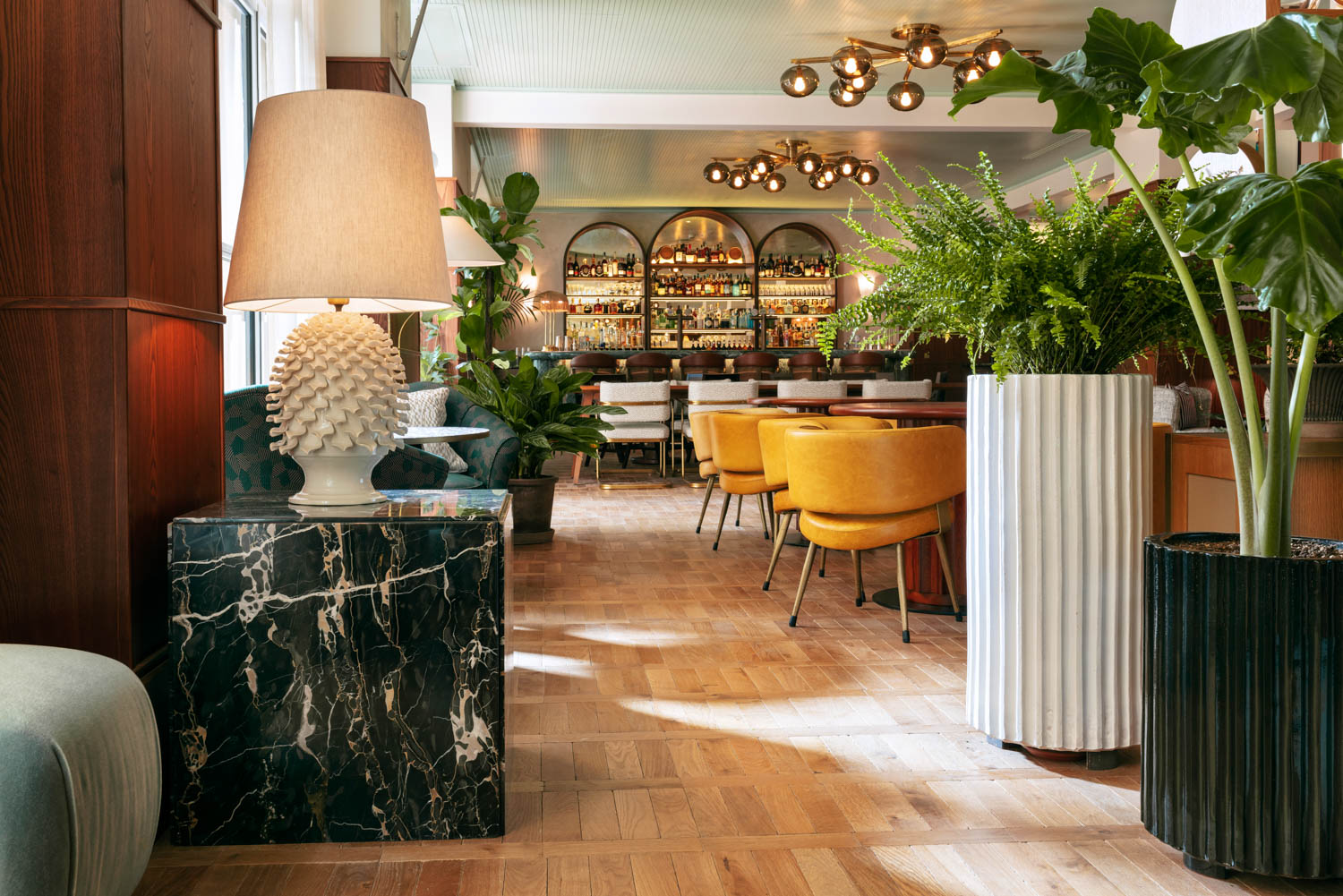
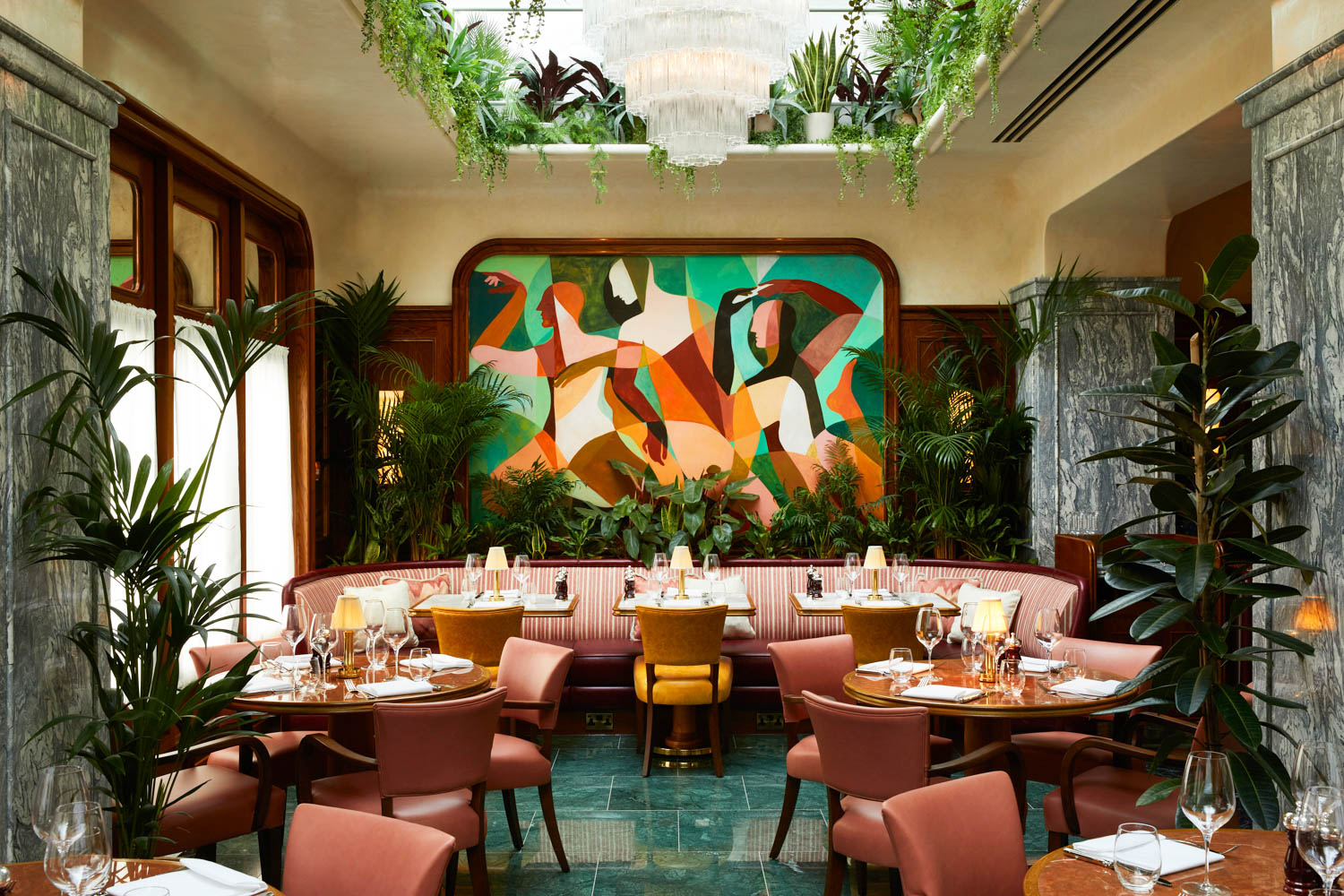
TP: Bar Issi is essentially about being on vacation and a feeling of escapism. Our initial narrative was based around the social scene of Palm Springs in the 60’s and ‘70’s. Also, the Italian coastline. In order to achieve a sense of frivolity and exuberance, we used a lot of patterns, such as the dancing crocodile wallpaper and texture such as the mohair velvet acoustic ceiling treatment. The final space feels bright, vibrant, and bold. So far, it’s very popular.
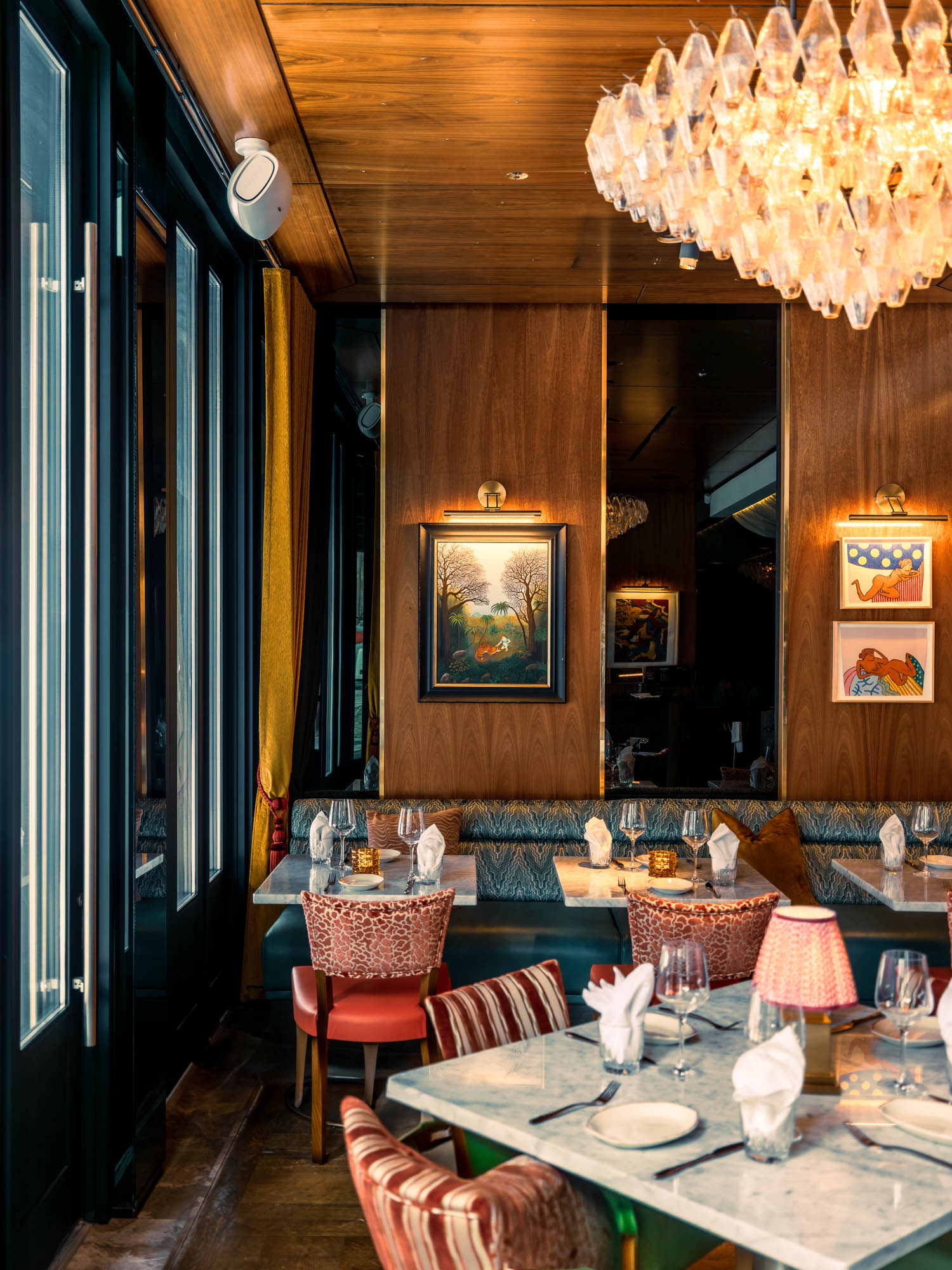
Although Sirrah, which recently opened, is similarly layered and relatively colorful, it’s a darker, moodier, and somehow naughtier supper club concept. The idea was to create a great restaurant turned late-night venue, which can act as a sequence of individual smaller rooms or be combined into one dramatic space. The palette is still heavily patterned but the colors more serious and grown up. Vast draped backlit ceilings create the stage for Murano blown-glass chandeliers. Meanwhile, acoustically, it performs at a high level for a custom Macintosh speaker system.
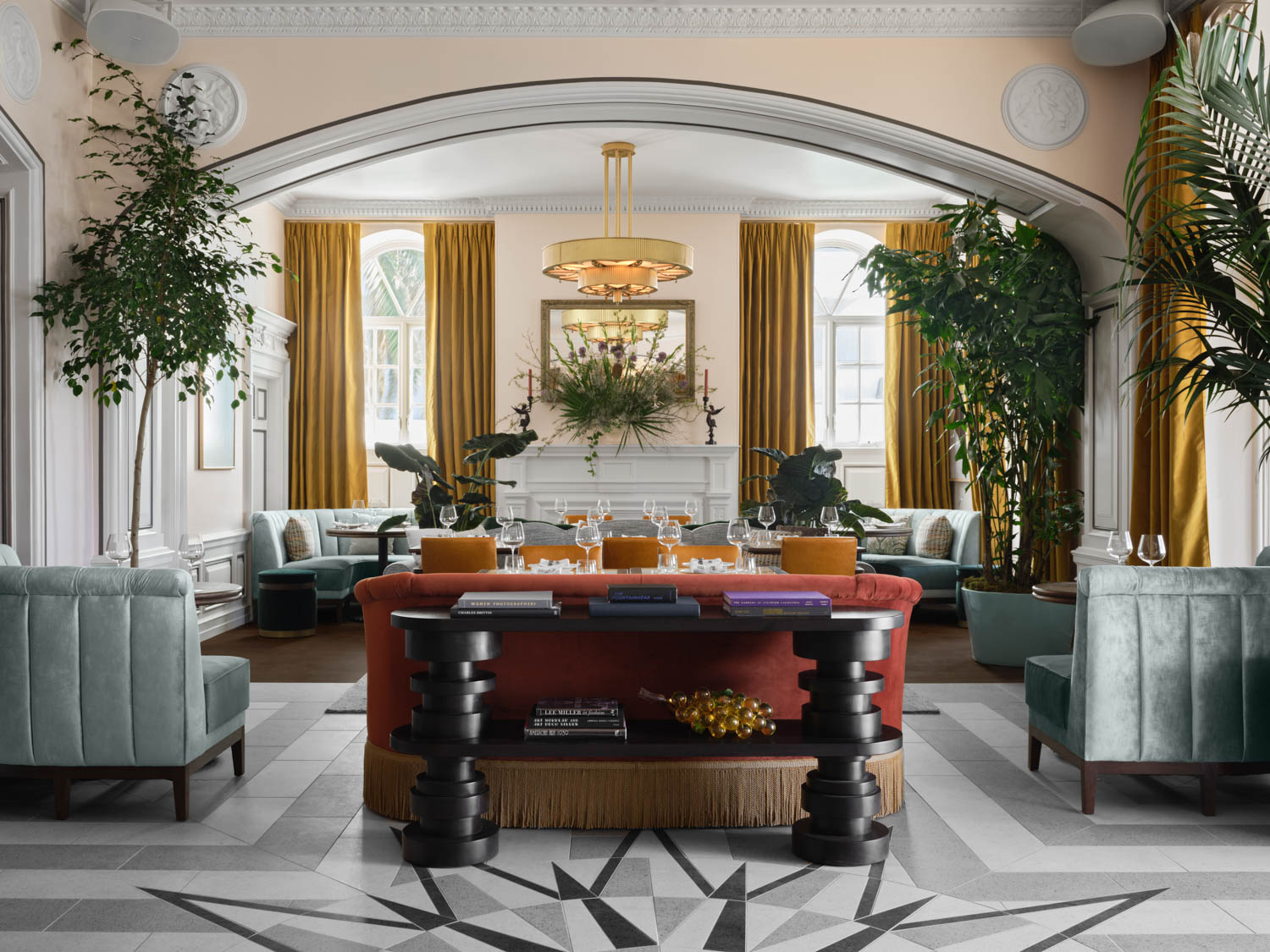
ID: Let’s look at the Fettle touch in some other recent projects. Le Jardin de Verre opened earlier this summer in Paris. Cicchetti, Knightsbridge, follows successes in Picadilly and Covent Garden. The Hoxton, for which you designed the public spaces, promises a Roman holiday in the posh Parioli neighborhood.
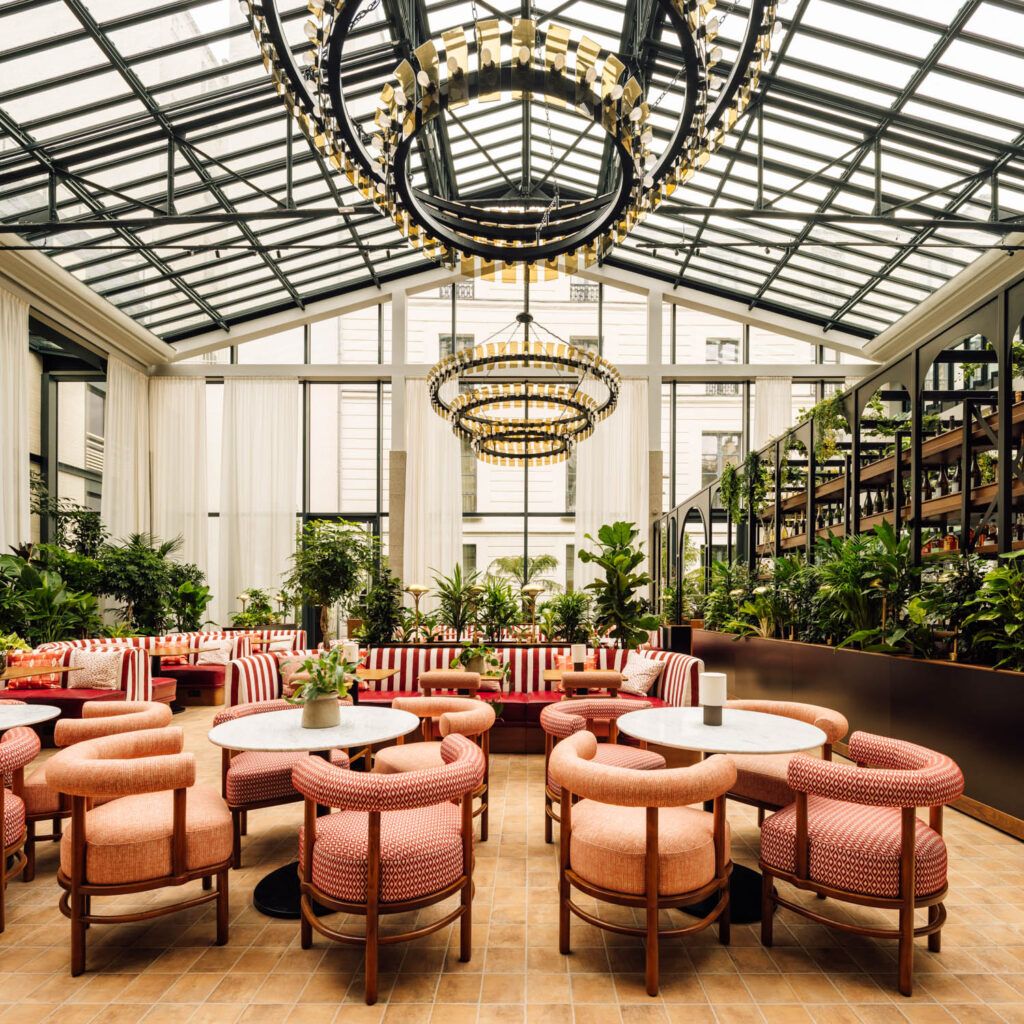
TP: Le Jardin de Verre, in the 6th arrondissement, is an incredible property made up of two 1570 Parisian townhouses combined with a Victorian-era factory behind them. We used them to create unique spaces on varying scales. For example, bar and restaurant occupy the greenhouse-like space, formerly the factory, while reception and cocktail bar are in the more intimate older buildings. For us, it’s a cleaner more contemporary aesthetic in line with the younger clientele.
With Cicchetti, we have a great relationship with the San Carlo restaurant team. The Knightsbridge version draws on the rich materials palette associated with the water taxis and luxury yachts of Venice.
Hoxton in Rome plays into the history of mid-century architectural details of its 1950’s building and those of the painstakingly well-maintained old buildings in the neighborhood. Furnishings are a mixture of custom designs and vintage Italian pieces. Theatrical elements include the main bar, a curvaceous coffee bar, and brass and smoked glass lighting fixtures running through the lobby.
ID: What is your secret sauce—on both personal and professional levels?
TP: What fascinates me is people. I think of how they use spaces in a ritual manner and in terms of who are clients are and what they are trying to achieve. The variety in our client teams is exhilarating. We just completed our first Las Vegas restaurant, Caramella, with the Tao Group—while also starting a very small coffee shop here in Venice Beach as a husband and wife on their first voyage into owning a venue. The differences in scale and approach are vast, but the dedication and thought from all teams are shockingly similar. Hospitality is constantly evolving and growing. It’s really more about people than design.
ID: What are your sources of inspiration, from within the design community and beyond?
TP: With regards to design-based inspiration, I travel a lot and see great projects by other companies. I see where we fit in as a design firm, how our clients’ ambitions fit, and what key references are. On a recent trip to New York, for example, I stayed at the relatively newly opened Chelsea Hotel and had dinner at the stunning Post Company-designed Café Zaffri. Seeing the two properties in person was different from what I imagined. Outside of work, California’s natural beauty offers its own form of inspiration. Our family’s love of driving (four times cross country) combines nature and a litany of reference material from obscure American towns for potential projects.
ID: If you hadn’t been a designer, you’d have been?
TP: If I were 300 percent better at art, I love to think I would have been a painter. In reality, having done Capoeira [Afro-Brazilian martial arts] since I was a kid, I would likely be a Capoeira teacher.
ID: We end with a look at the horizon. And with anniversary wishes.
TP: One of my personal focuses is the soon-to-be-completed inn at the Sundance Mountain Resort created by the late Robert Redford. For the past five years, we’ve been working with the client team on various projects at Sundance. This will be our most ambitious and complex work to date. Different from all our current work, it has a rural aesthetic inspired by 1970’s mountain cabins.

read more
DesignWire
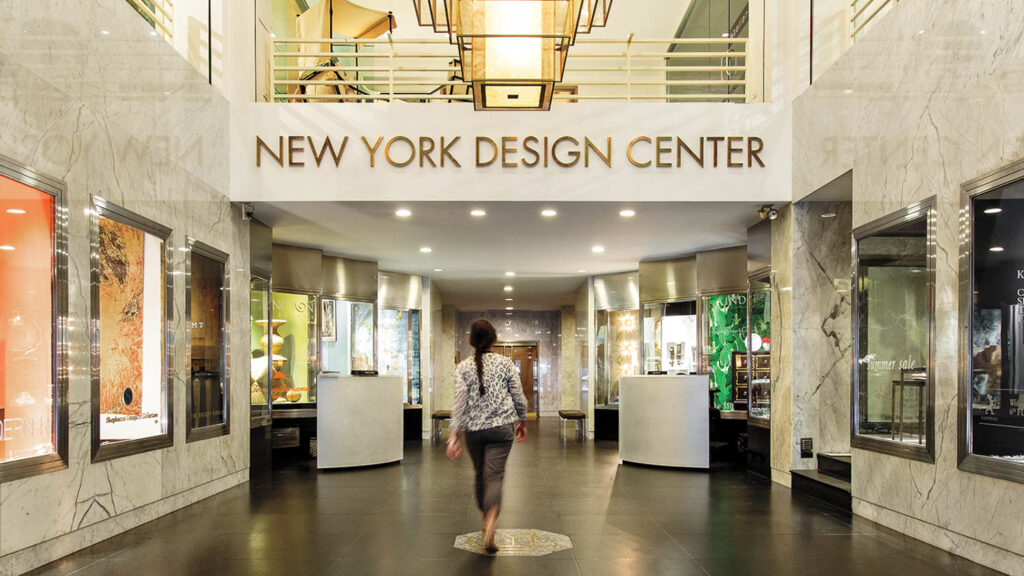
New York Design Center Marks 100 Years of Design
Celebrating its centennial, New York Design Center continues its legacy as a design destination, bringing together nearly 100 showrooms and more under its roof.
DesignWire
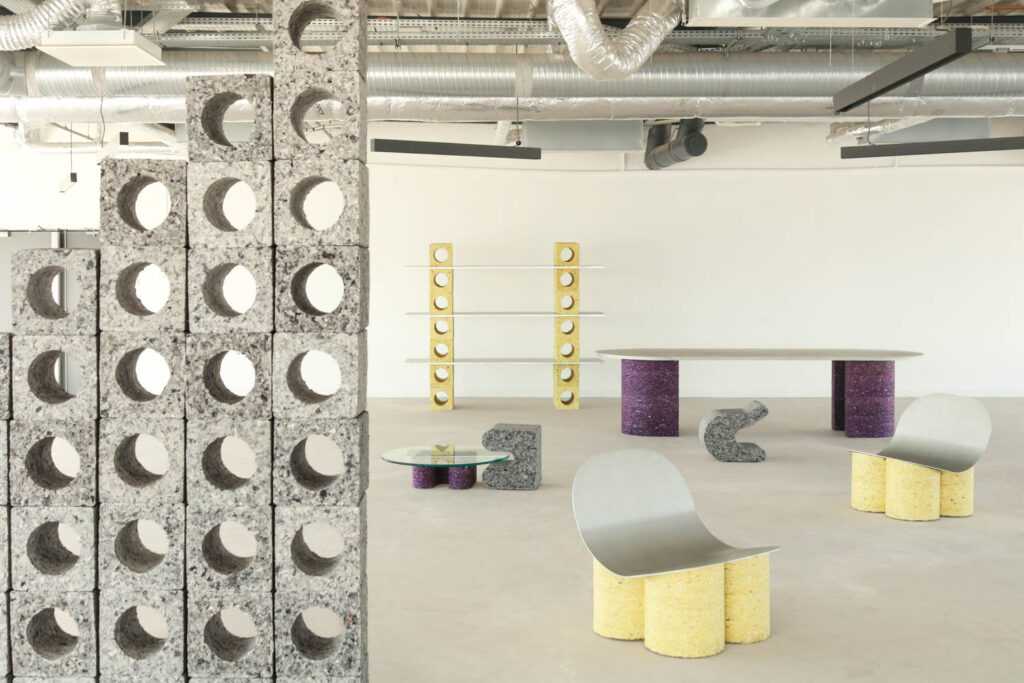
10 Questions With… Clarisse Merlet
Clarisse Merlet, founder of Paris-based FabBRICK, is transforming discarded textiles into colorful architectural materials, pushing the medium with bold forms.