
Giants Of Design Event Sparks Innovation In Santa Barbara
For Interior Design‘s 2026 Giants of Design event, an intimate group of designers and creatives, soaked up the sunshine in Santa Barbara, California, while exploring connections between design, technology, and community over the course of three, action-packed days. Hosted by Editor-in-Chief Cindy Allen March 1-3 at the Ritz-Carlton Bacara, the event featured a star-studded roster of panelists including Hall of Famers Will Meyer and Gray Davis, who refreshed the property a few years ago, Rex Pickett, author of the book-turned-film Sideways, and indie-pop-soul artist Fulton Lee, to name a few.
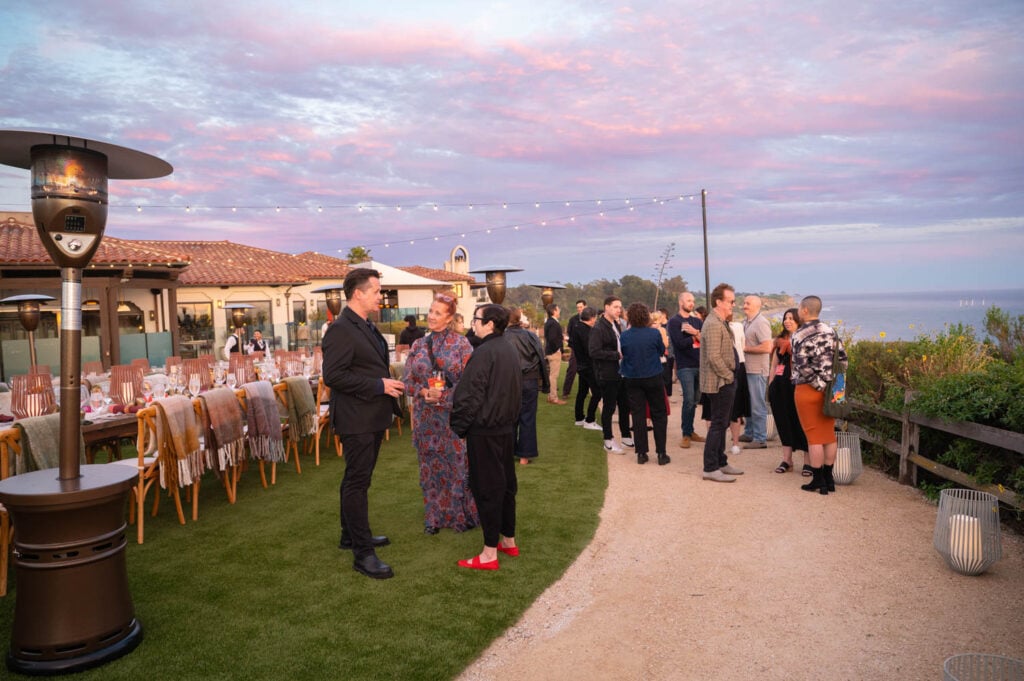
After an evening settling in over cocktails and dinner on the bluff, overlooking the Pacific Ocean, a full day of programing got underway. “I’m so happy we’re here,” Allen began, noting the beautiful weather and palpable sense of momentum in the room. Offering an industry snapshot, Allen shared data from this year’s Top 100 Giants and Rising Giants reports, noting that the top 200 firms reported $7 billion in combined fees with a projected increase in projects for the first time since the Covid pandemic. She also noted that mergers such as A+I and Perkins&Will signal strategic evolution, highlighting the industry’s steady progress.
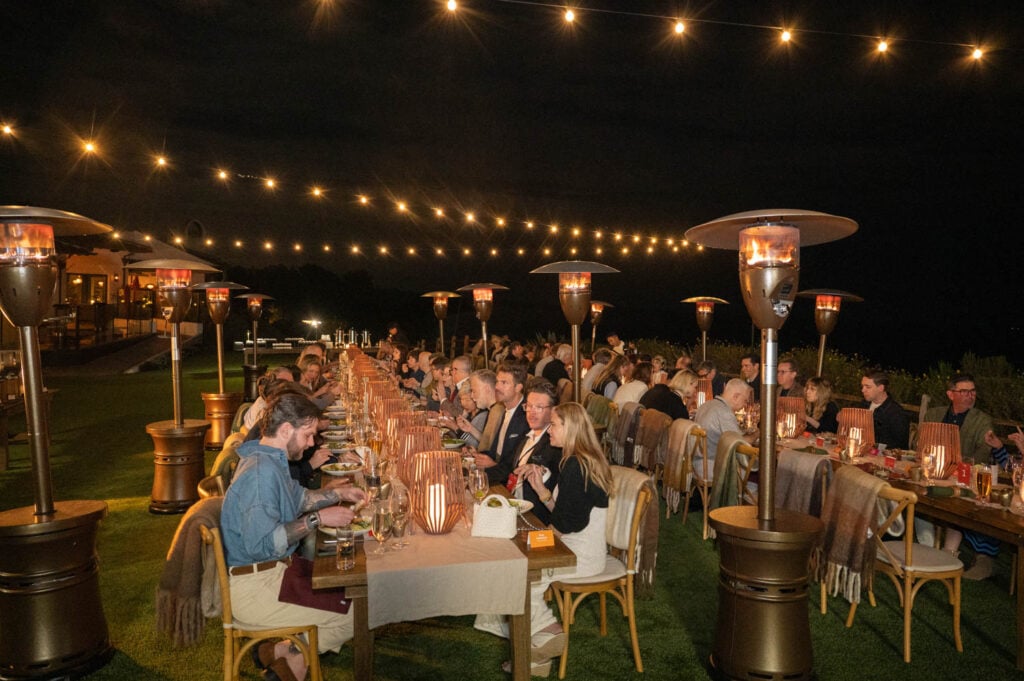
Highlights From Interior Design’s 2026 Giants of Design Event
Reimagining The Ritz-Carlton Bacara
Going beyond the numbers, Allen introduced Meyer, Davis, and Zoe Pinfold, design director at Meyer Davis, inviting them to share how they approached reimagining the Ritz-Carlton Bacara, which was completed last year. The hotel now features interiors that are rooted and deeply connected to place, complete with an earthy palette throughout reflects the colors of the California coast.
“The [original] architecture couldn’t be more spectacular,” said Meyer. “The big idea was to try and find something that felt natural. So when we got here, we decided to go to Santa Barbara to look at some architecture.” That led to explorations of the layered history of California structures, from Spanish influences to Mexican cultural traditions. “There was such a rich assortment to choose from, from colors to patterns” added Davis.
The updated locale invites visitors to explore and exhale. Perched atop a bluff, the costal setting is referenced inside and out through sinuous shapes and sculptural forms. “We’re so grateful to be here,” said Allen, noting the beauty of the space.
Behnaz Farahi Talks Design + Technology
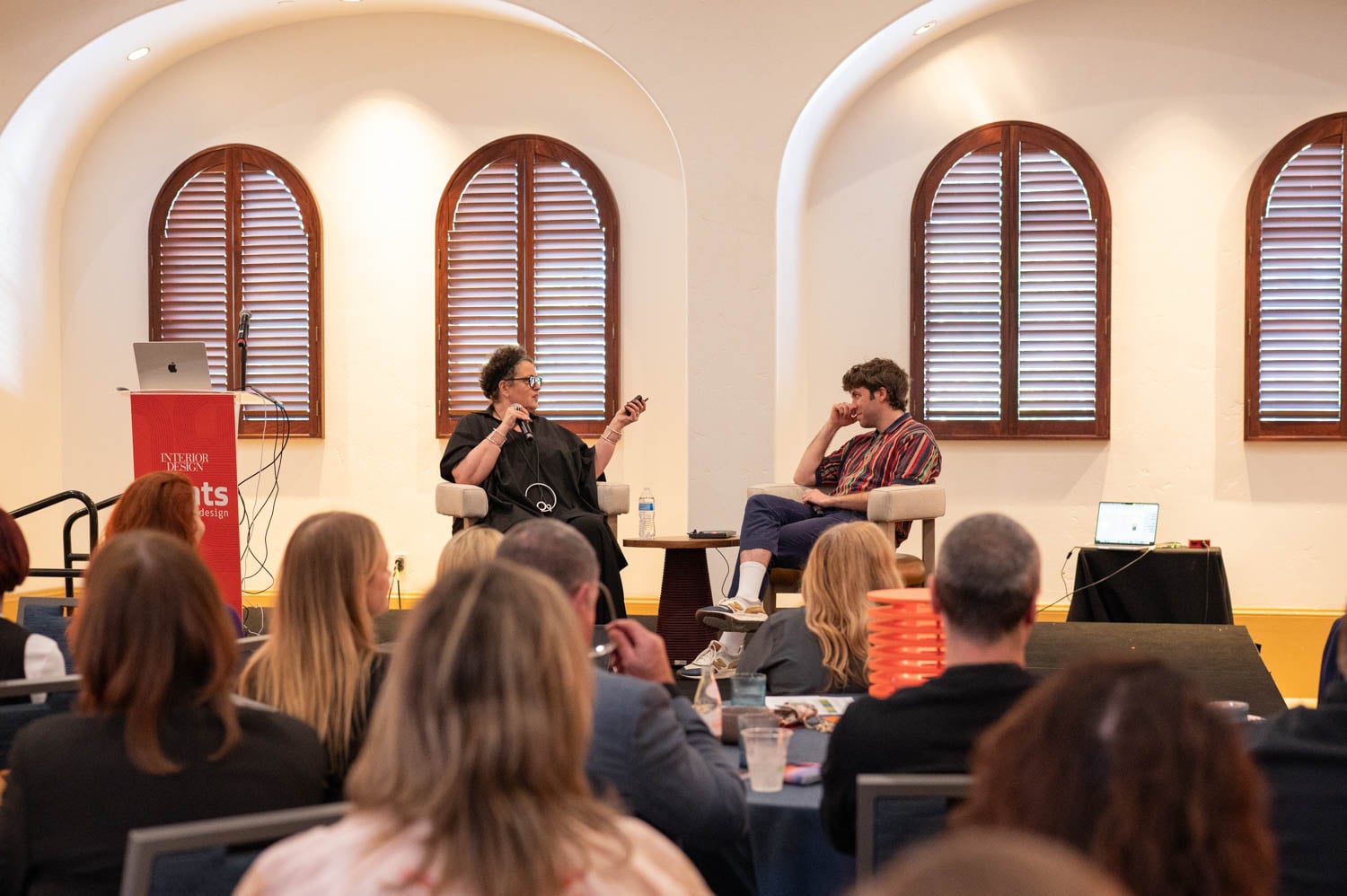
Next, the conversation moved into philosophical terrain as Behnaz Farahi, designer and assistant professor at MIT Media Lab, joined Allen on stage. “Have you ever felt a space change the way your body feels?” Farahi asked the group—a question she explores daily as head of the Critical Matter research group at MIT Media Lab.
Farahi asserts that our materials, technologies, and environments are extensions of who we are. Her team’s work spans social, material, and psychological design. From developing responsive materials inspired by human hair to experimenting with algae and color-shifting surfaces modeled after hummingbirds, Farahi’s research asks what it means to observe—and to be observed.
Mindfulness practices also shape her research, she shared. In one project, brain activity from a meditating monk translated into vibrations in water—making the invisible visible. “What if the mind is not confined? What if it’s a vibration, a frequency? What if you could shape matter with the power of your mind?” she asked the group. Farahi ended her discussion on a positive note, emphasizing the potential of technology to address social and cultural issues—to empower, provoke, and create a transformative future.
Are you interested in growing your network, taking part in new experiences, and sharing knowledge at Interior Design events? Take a look at our events page to see what’s next.
John Loker On The Power Of Resilience—and Narrative
Entrepreneur John Loker addressed the group next, sharing a story of reinvention at the The Recording Academy, the institution behind the Grammy Awards. When tasked with transforming a 68-year-old institution often associated with prestige—but not humility—Loker confronted fundamental questions of trust and relevance. Transparency became the strategy. Opening the “black box” of membership criteria rebuilt belief in fairness and volunteer initiatives expanded impact. The Grammy brand, he argued, thrived not because it resisted change but because it embraced uncomfortable work.
Drawing from his own background—music, theater, agency life, even near financial collapse during the global financial crisis—Loker spoke candidly about resilience. “Money is useful,” he said. “But value lives in your vision.” He asserted that designers are, very much, storytellers noting that the psychology of story hasn’t changed, even as mediums evolve. “You are designers of meaning,” he told the room. “The spaces you create shape how people gather, celebrate, grieve, fall in love. You are in the story business.”
How Fulton Lee Builds Community Through Song
Offering a different window into the art of music and power of story, indie-pop-soul artist Fulton Lee joined Allen on stage. Lee shared his nonlinear path, from studying composition at the Boston Conservatory to chasing pop stardom in Nashville at 18. Facing financial uncertainty after several years refining his craft, his wife urged him not to give up. Shortly after, with the emergence of short-form video platforms, his engaging, communal form of songwriting began to gain steam.
Armed with a phone and ideas, Lee taught himself the art of engagement—concepting, scripting, dancing in the street, inviting strangers into spontaneous collaboration. Writing songs with space for others to contribute, teaching strangers harmonies, blending their vocals into tracks, sharing royalties—his model is radical generosity. “Your success is based on collaborating with someone you don’t even know,” Cindy reflected.
Soon the room was singing together, creating an infectious chorus of voices, which gets to the heart of Lee’s art—community engagement.
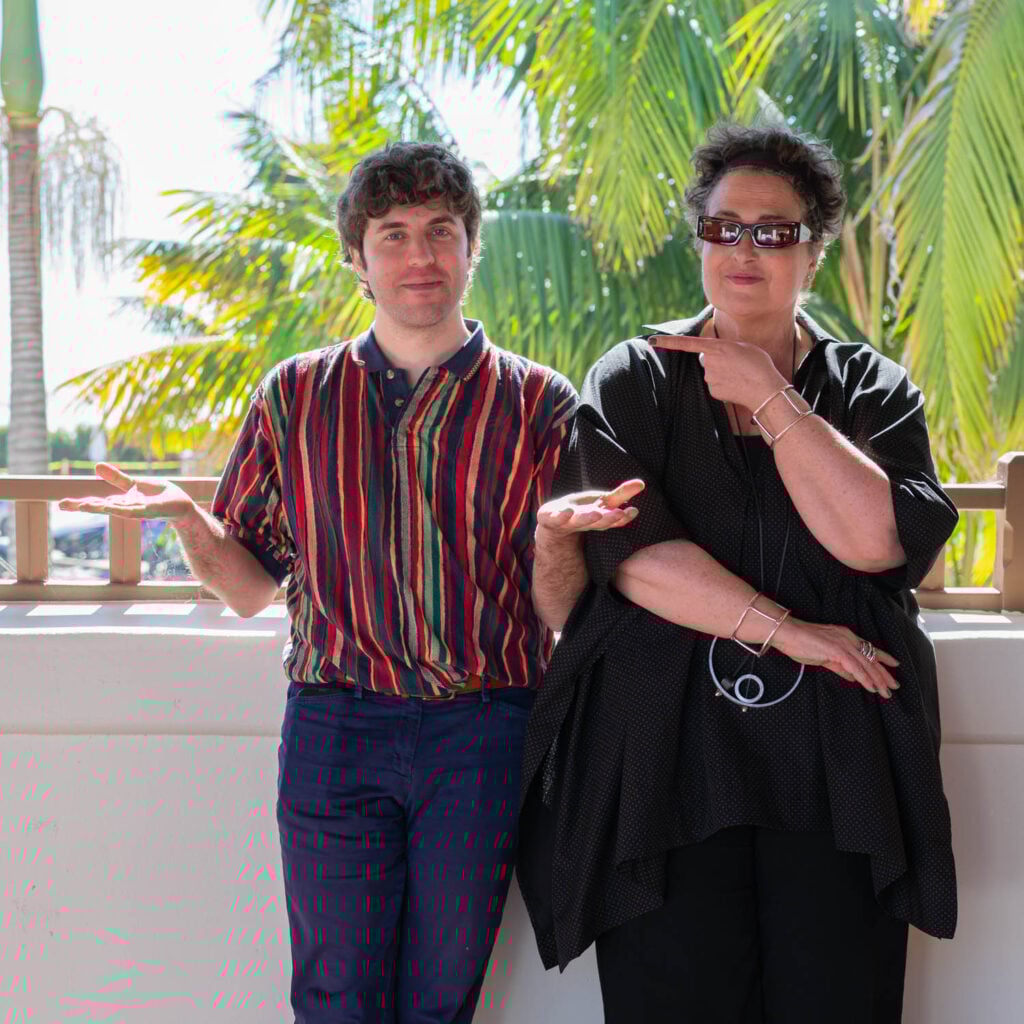
Before he left the stage, Cindy turned the tables—inviting designers to create more engaging concert signs for him using his existing phrases: “Sit here if you can sing.” “Vibe with me.” “Press button for the funk.” A reminder that creativity thrives in play.
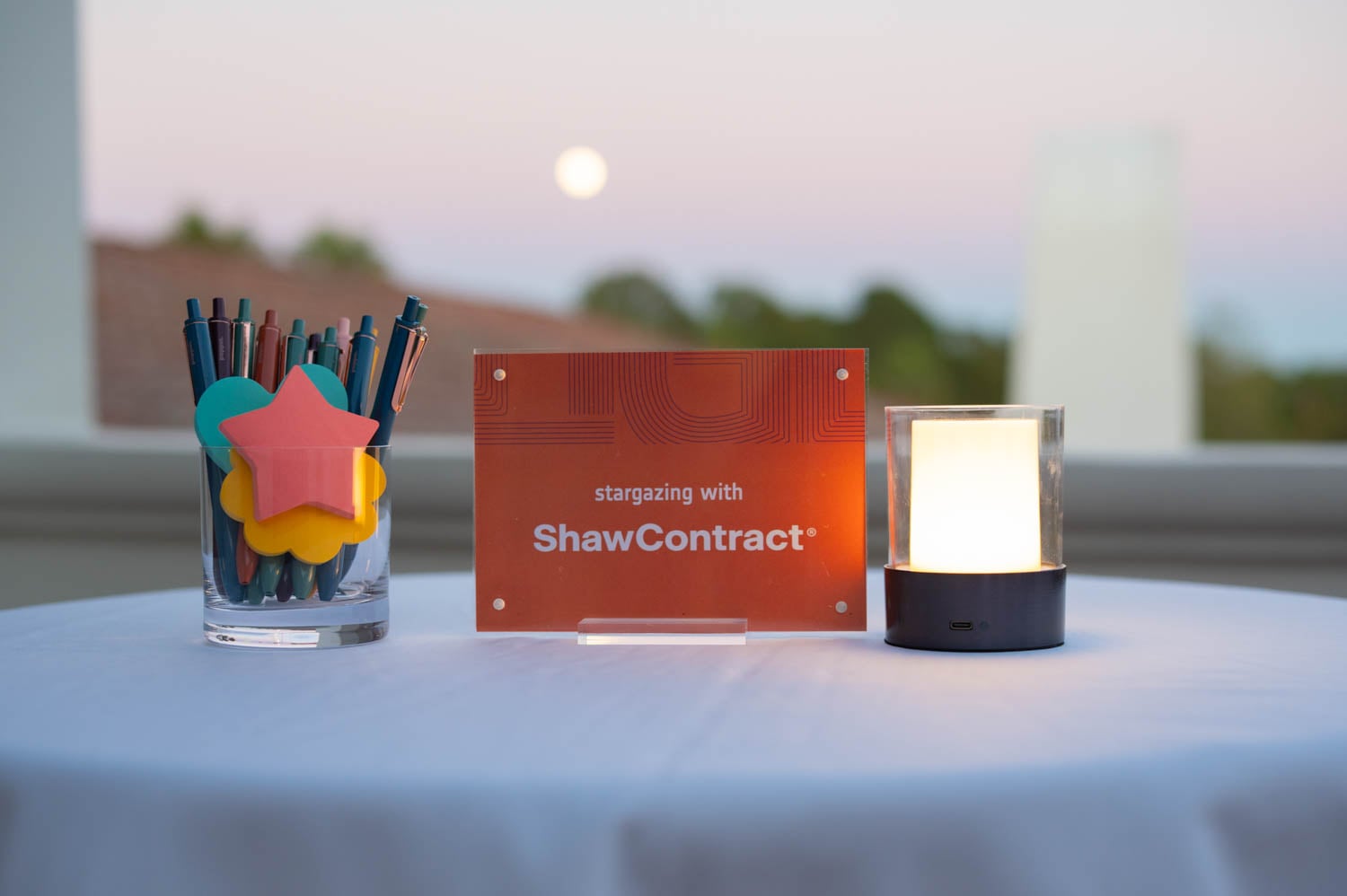
Day two of Giants of Design concluded with stargazing, thanks to Shaw Contract, followed by hot chocolate and Horchata. But the fun didn’t end there. Activities throughout the event included a winery tour and tasting at Brick Barn Wine Estate, yoga, as well as a hike. From data to meditation, pop harmonies to institutional reform, this year’s Giants of Design event offered attendees endless means of connection.
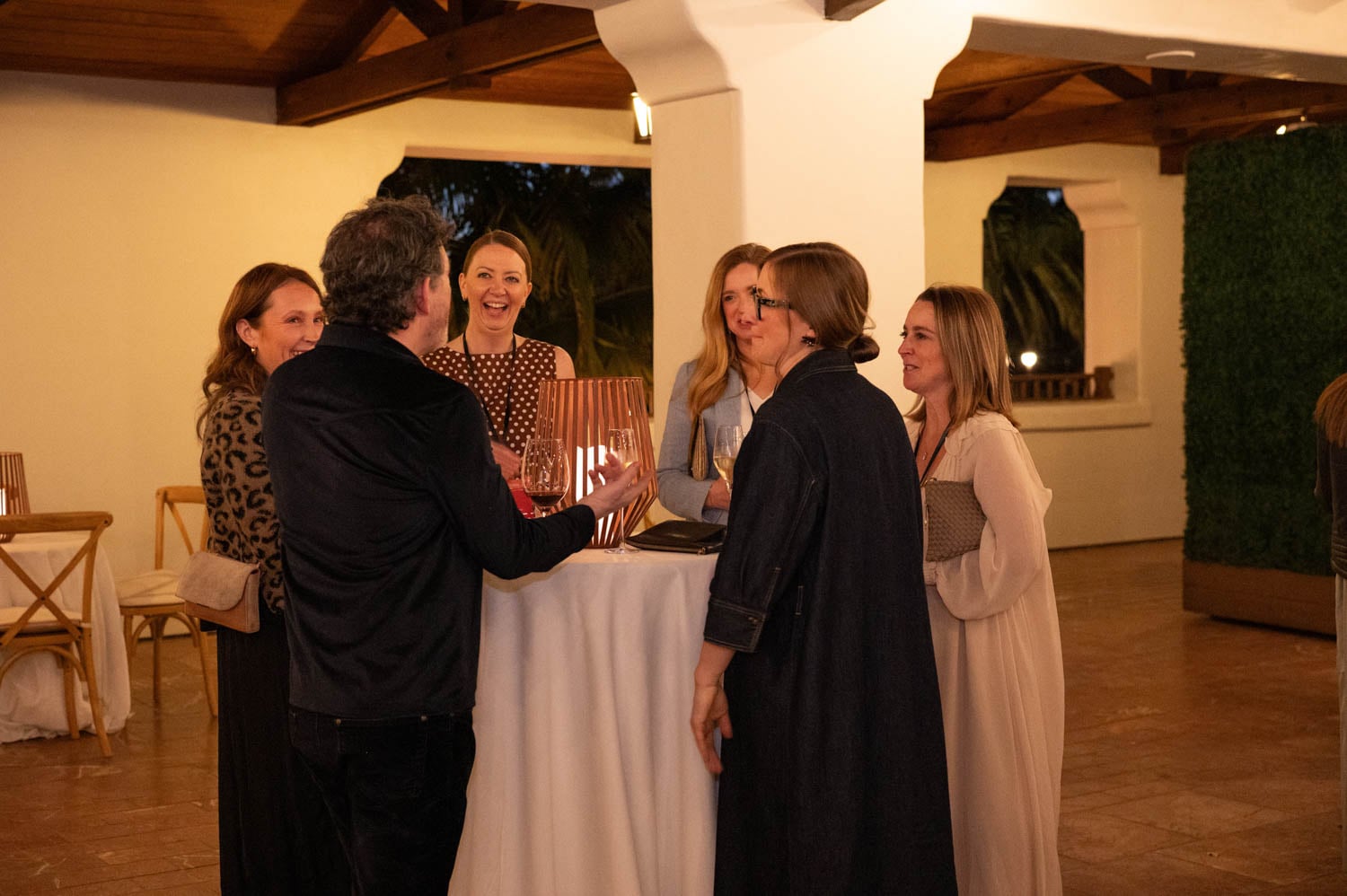
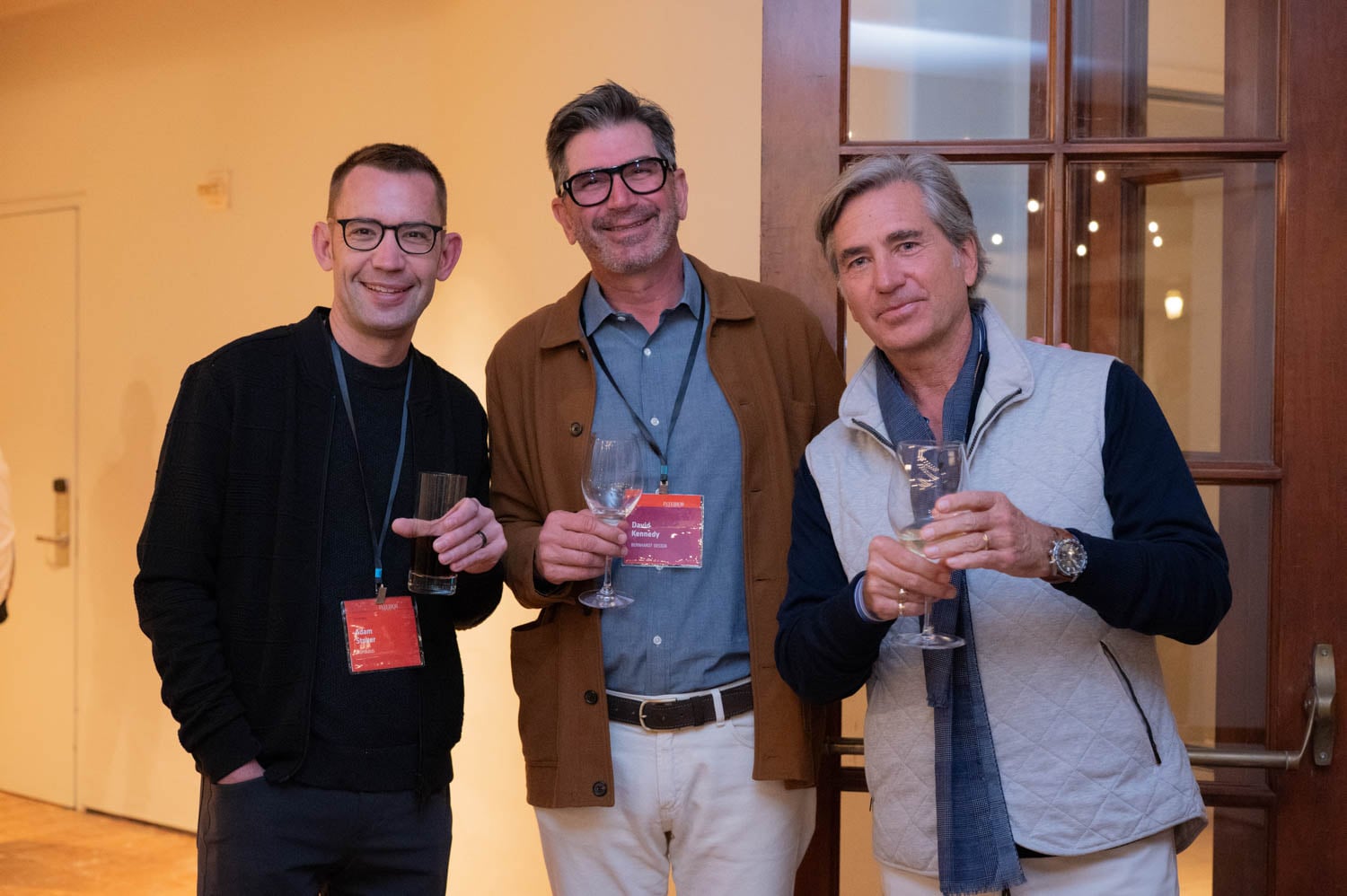
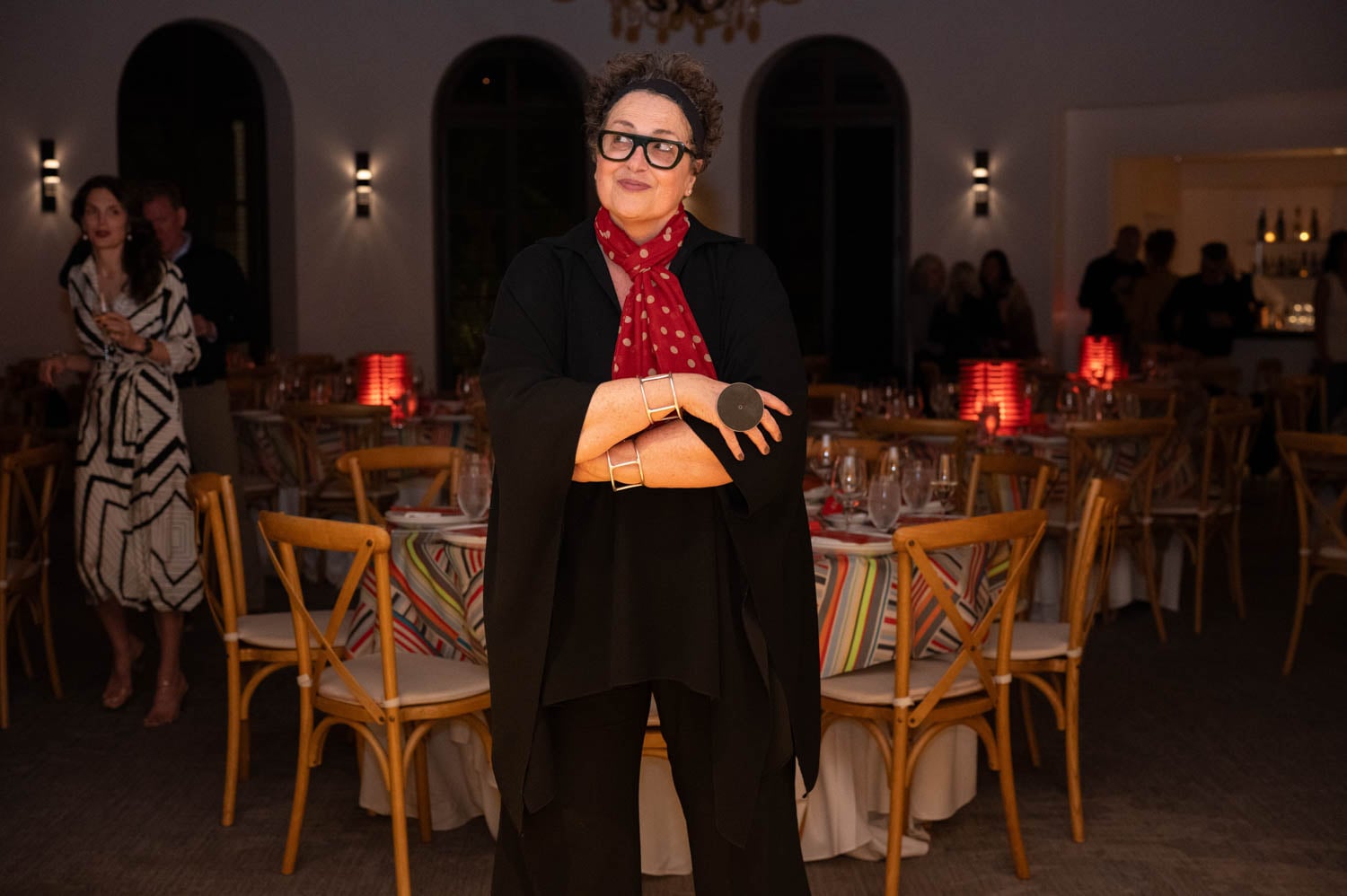
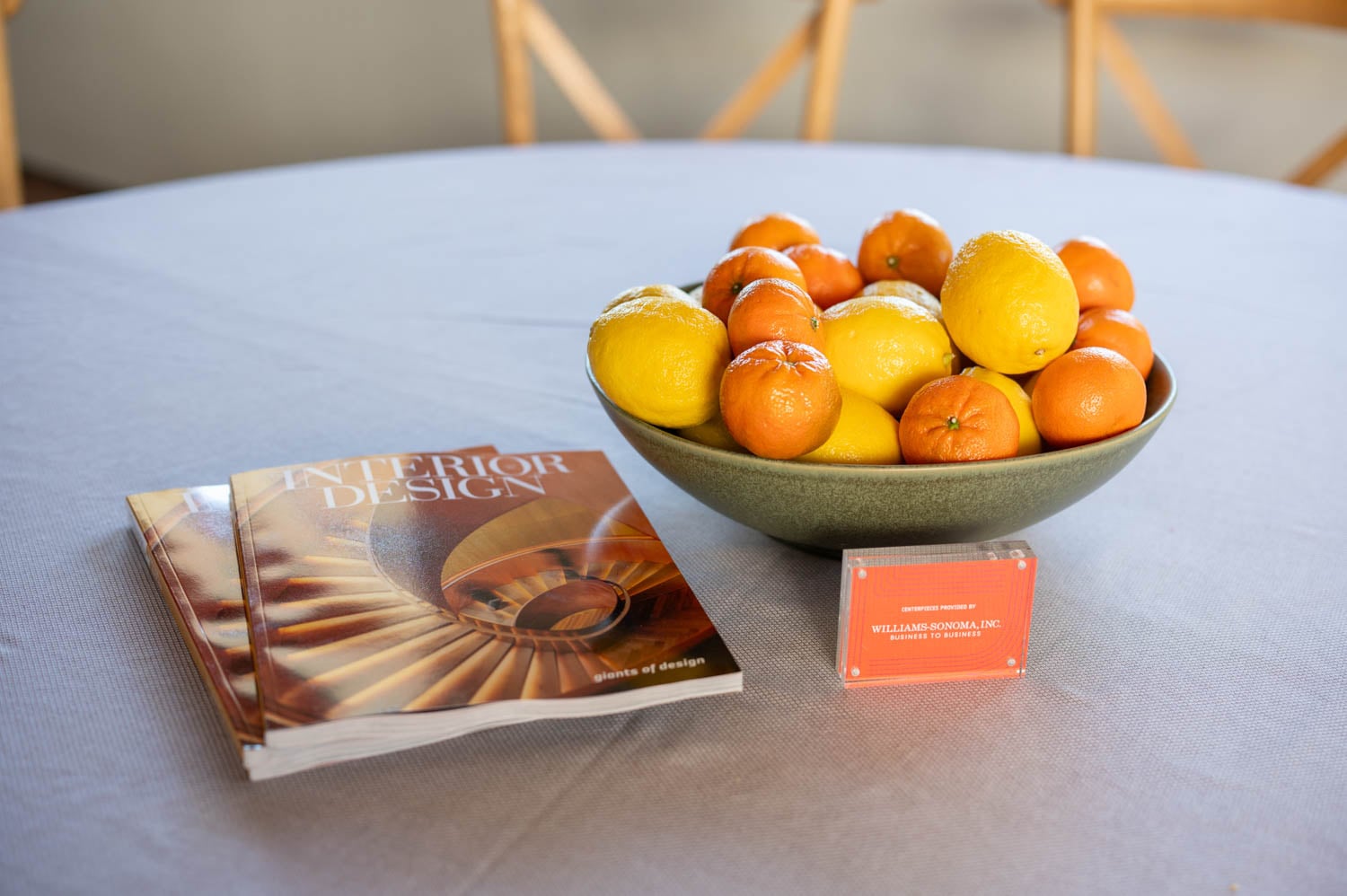
See Event Snaps from the 2026 Giants of Design Event
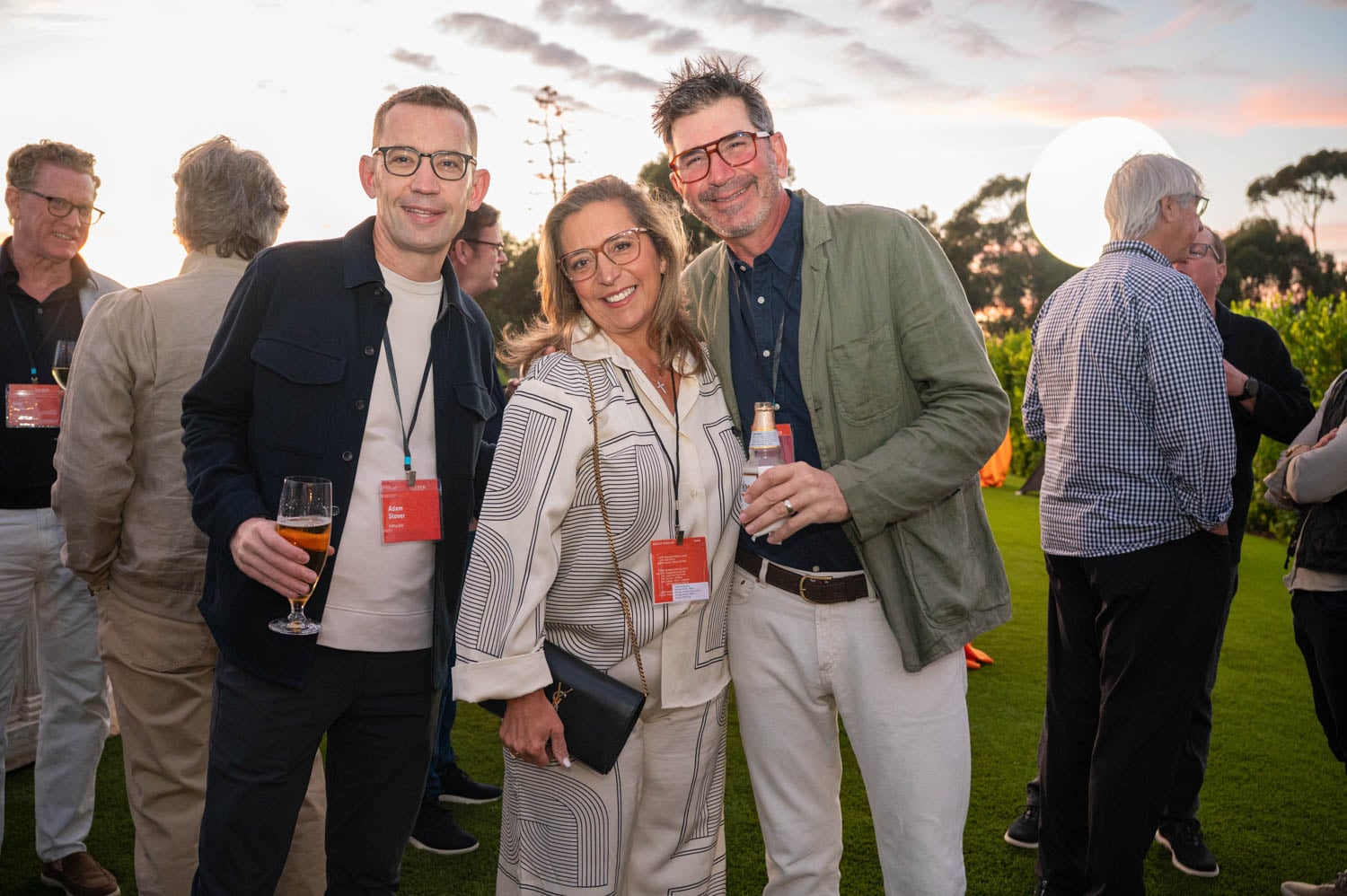
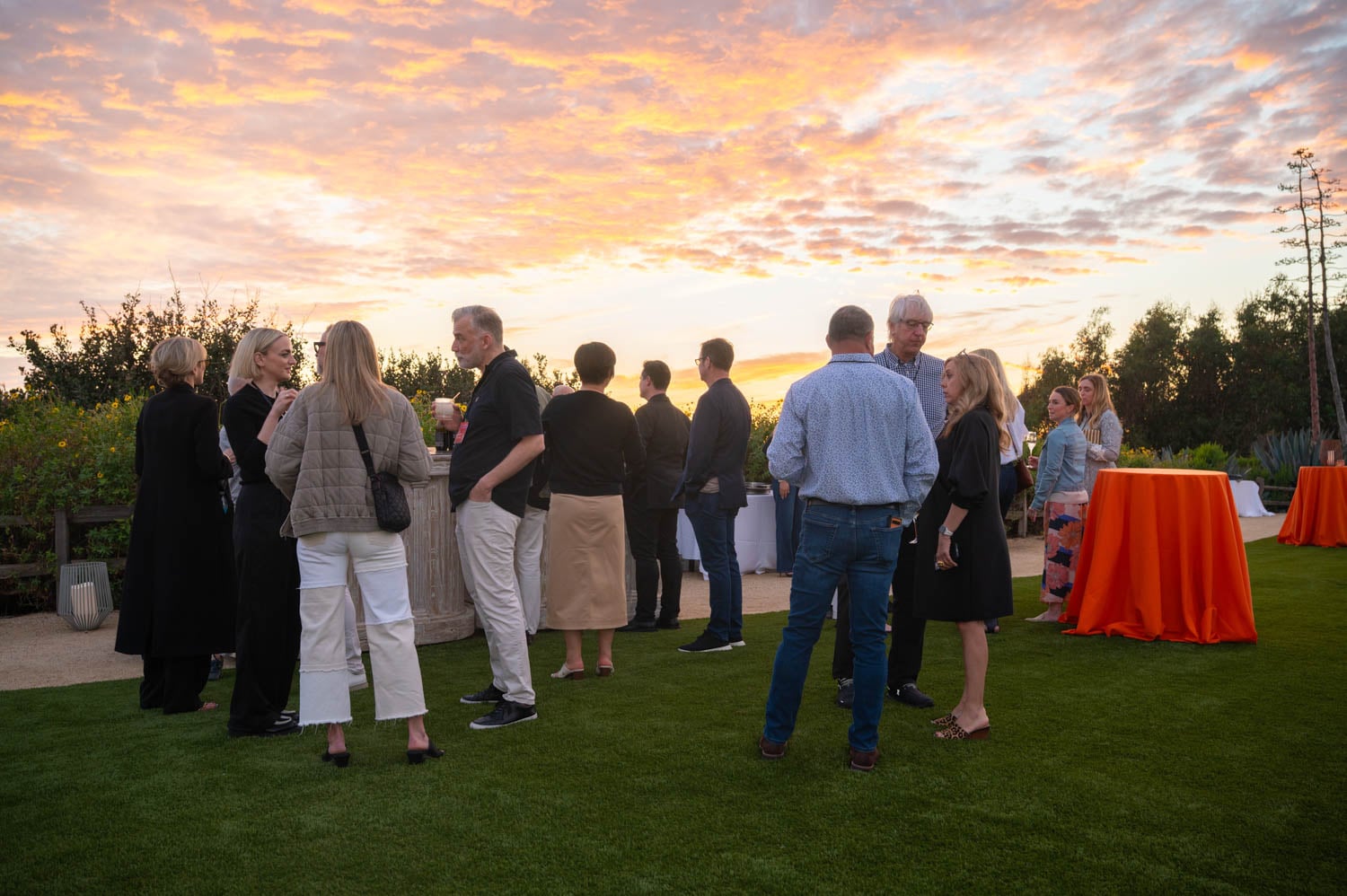
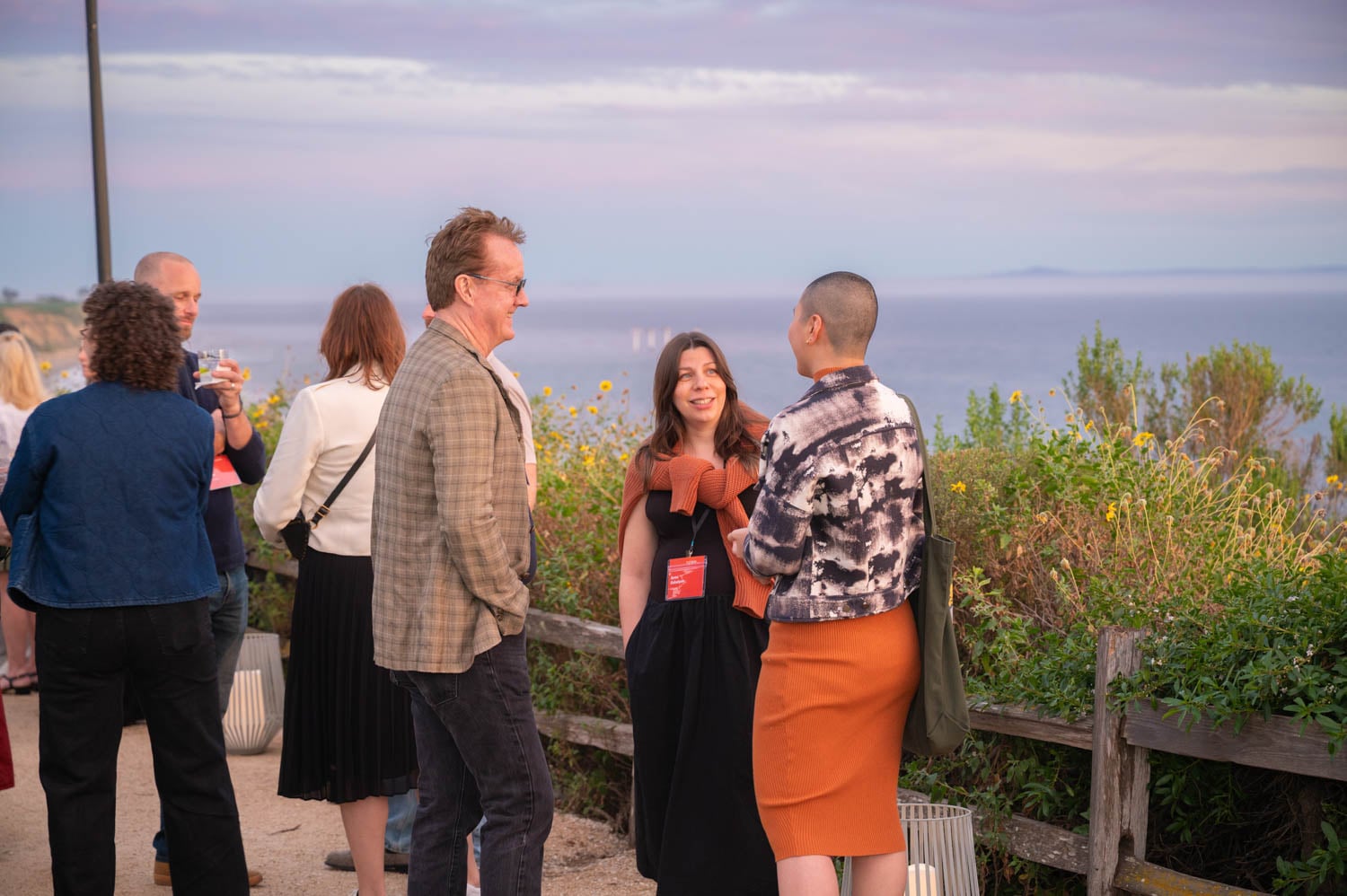
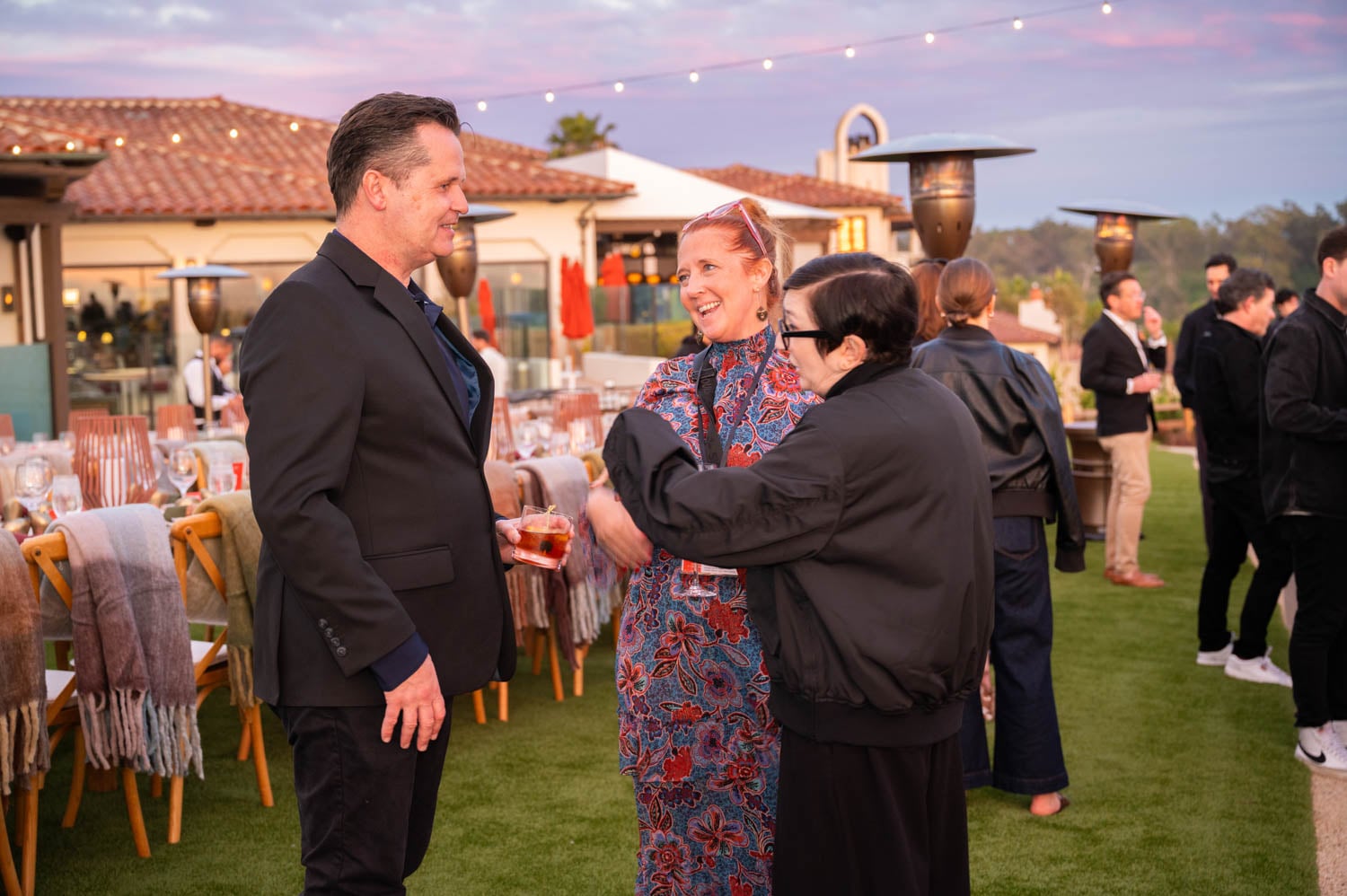
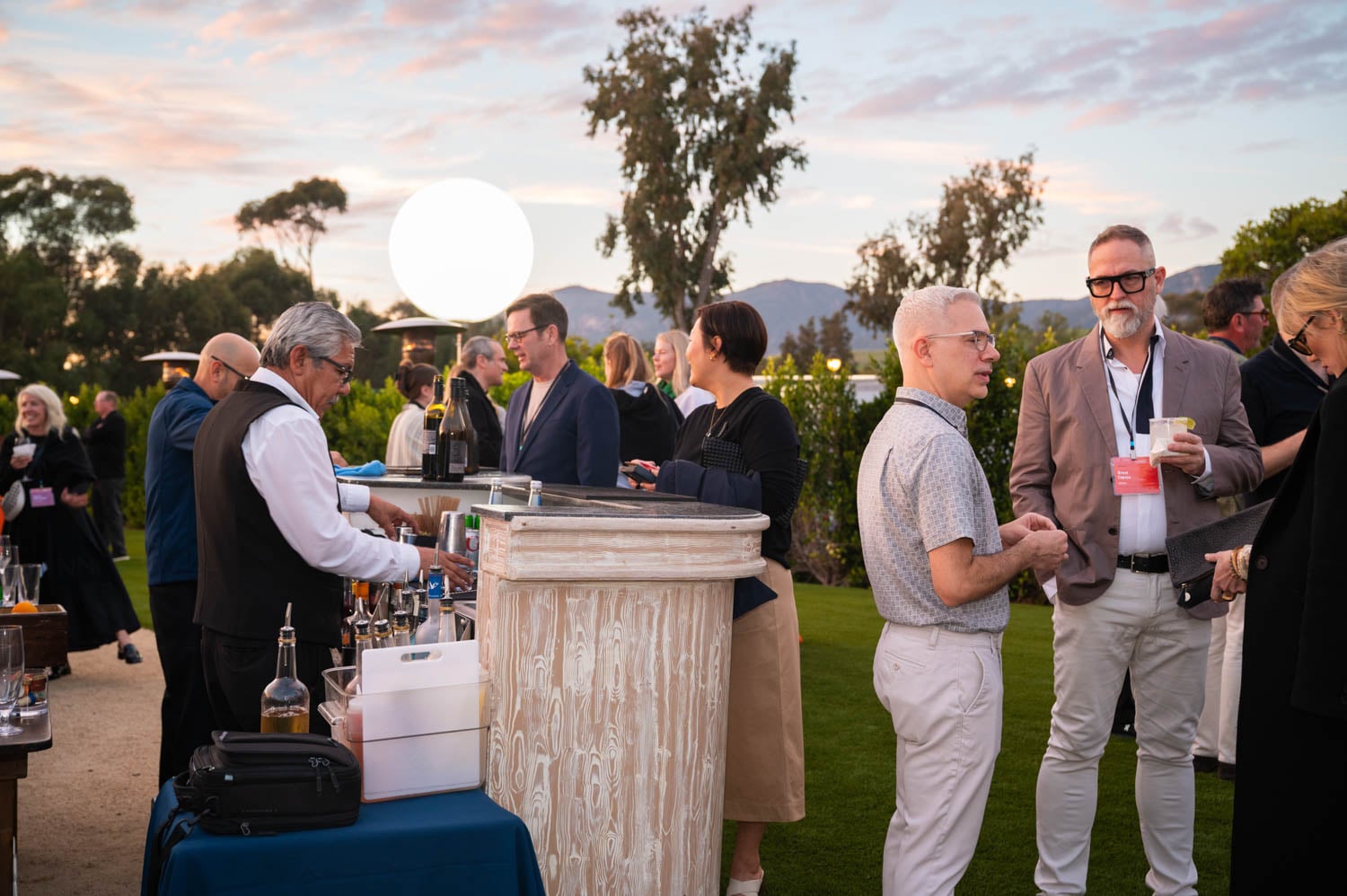
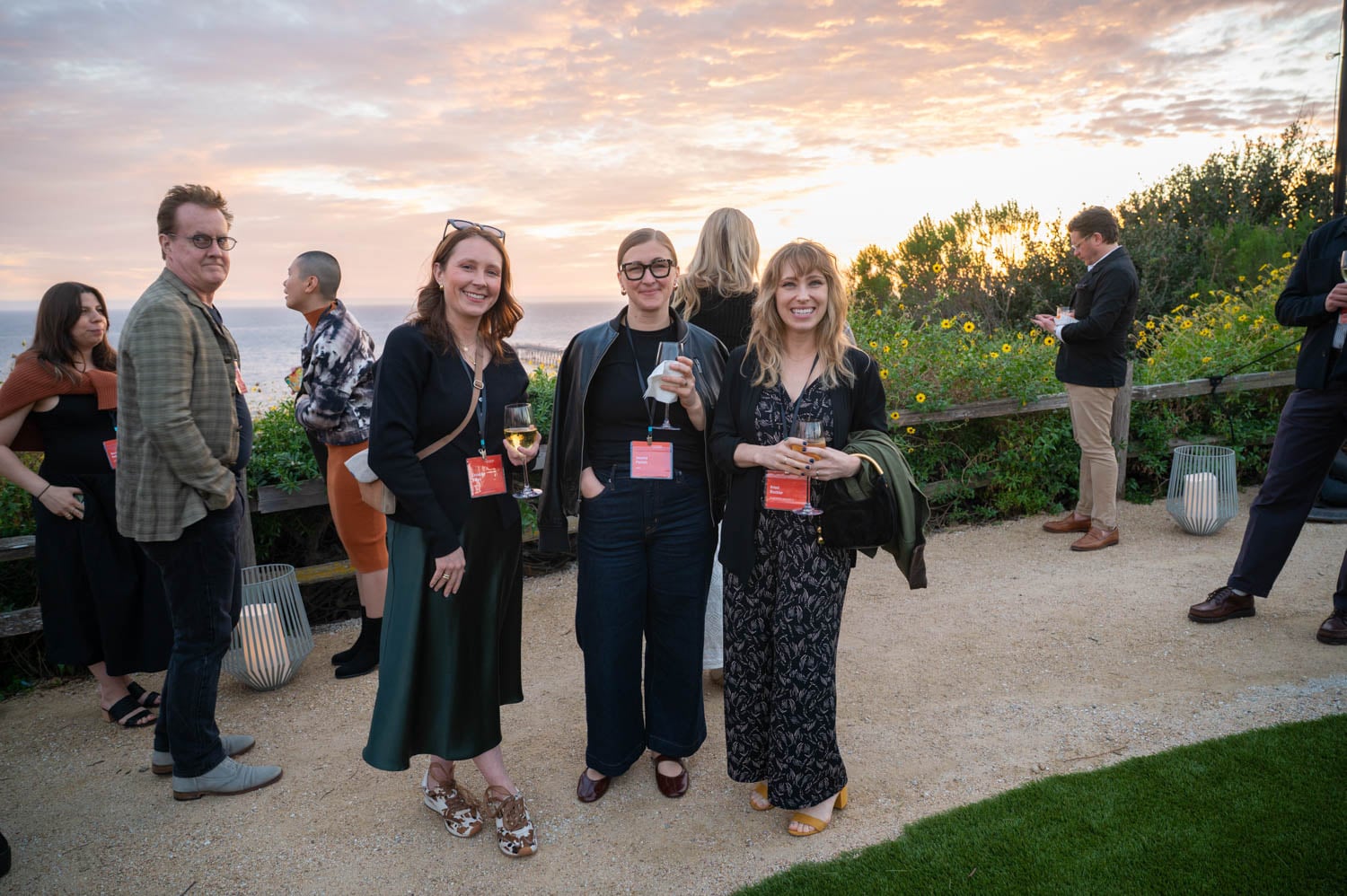
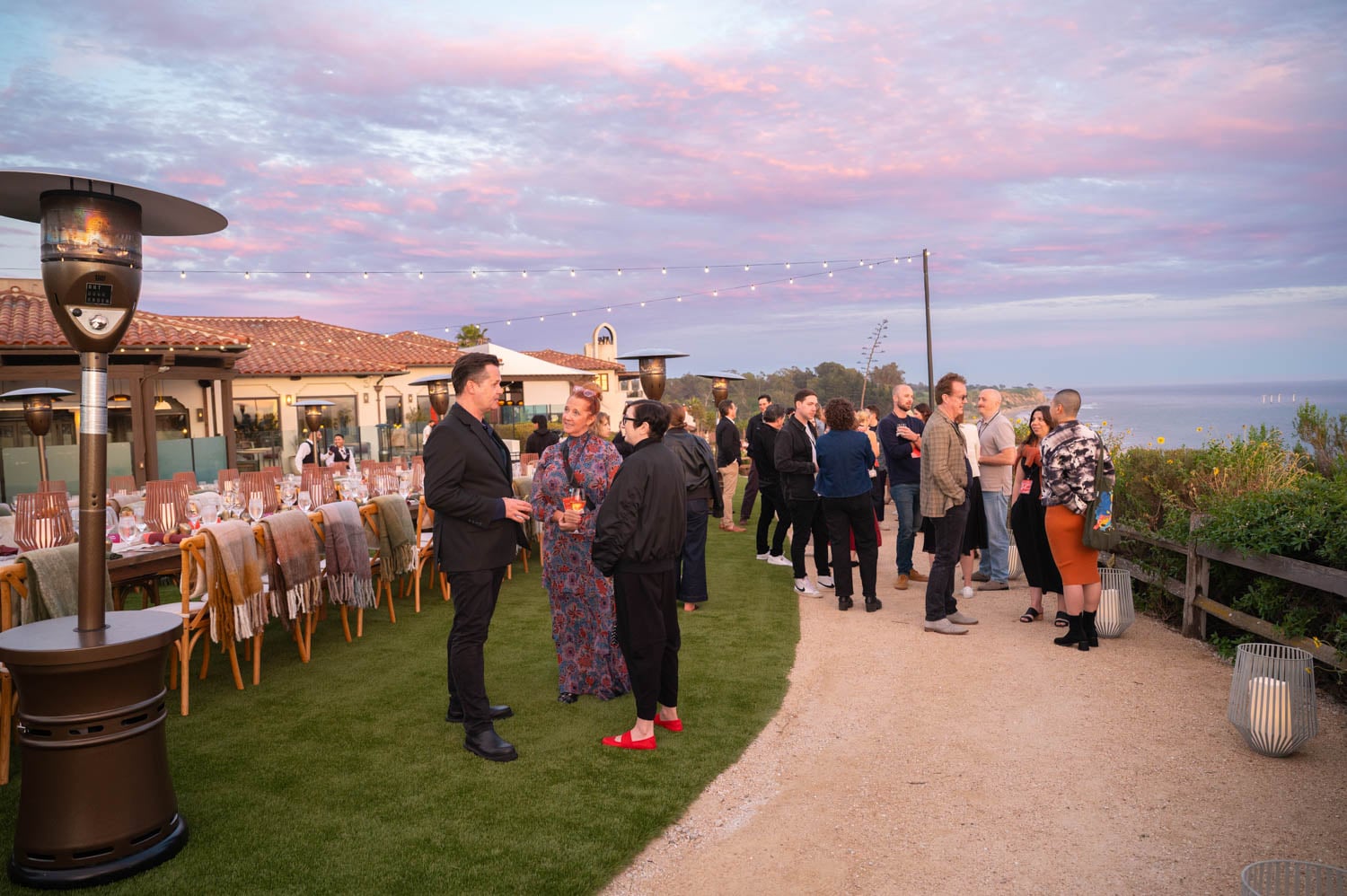
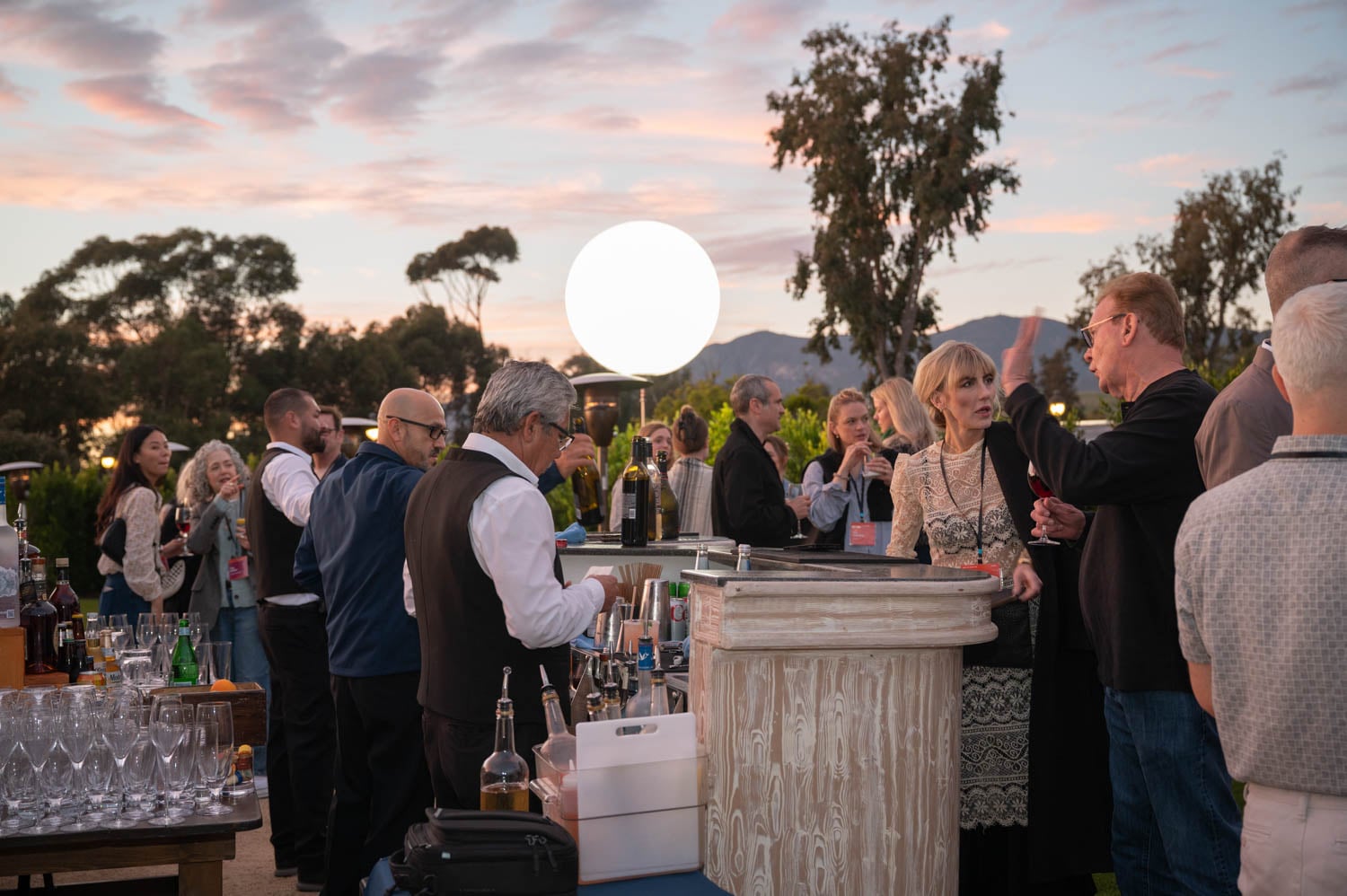
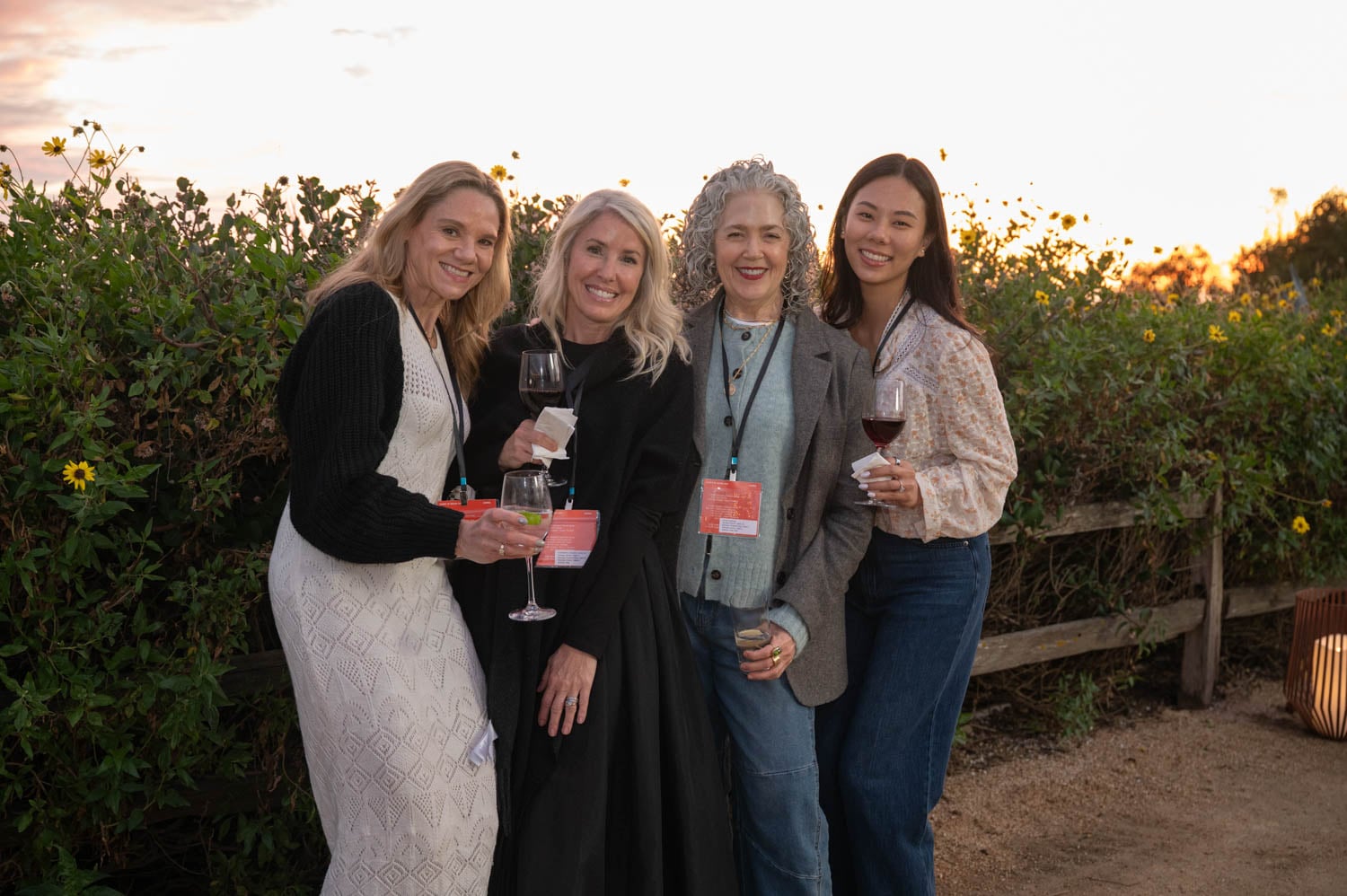
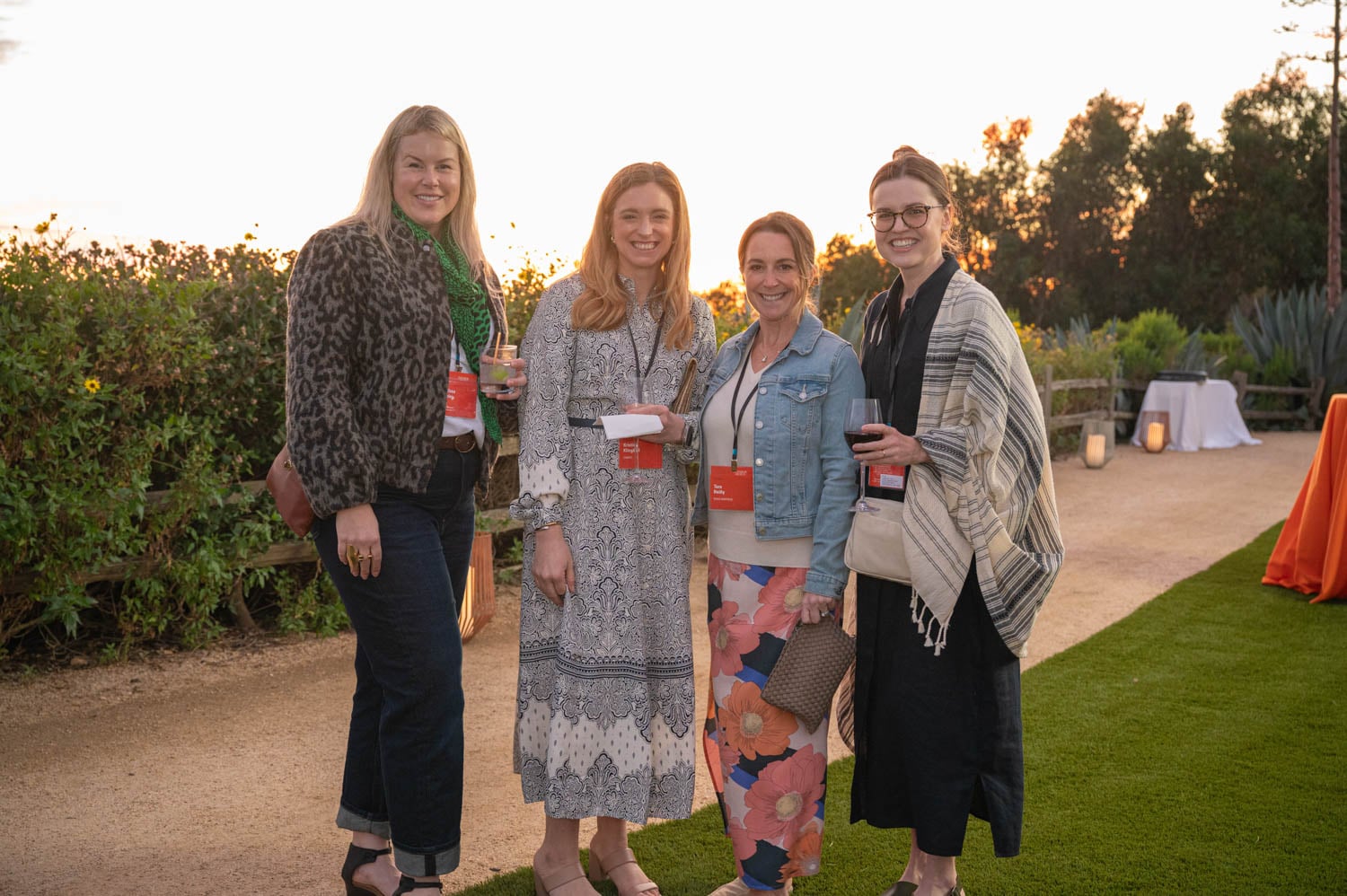
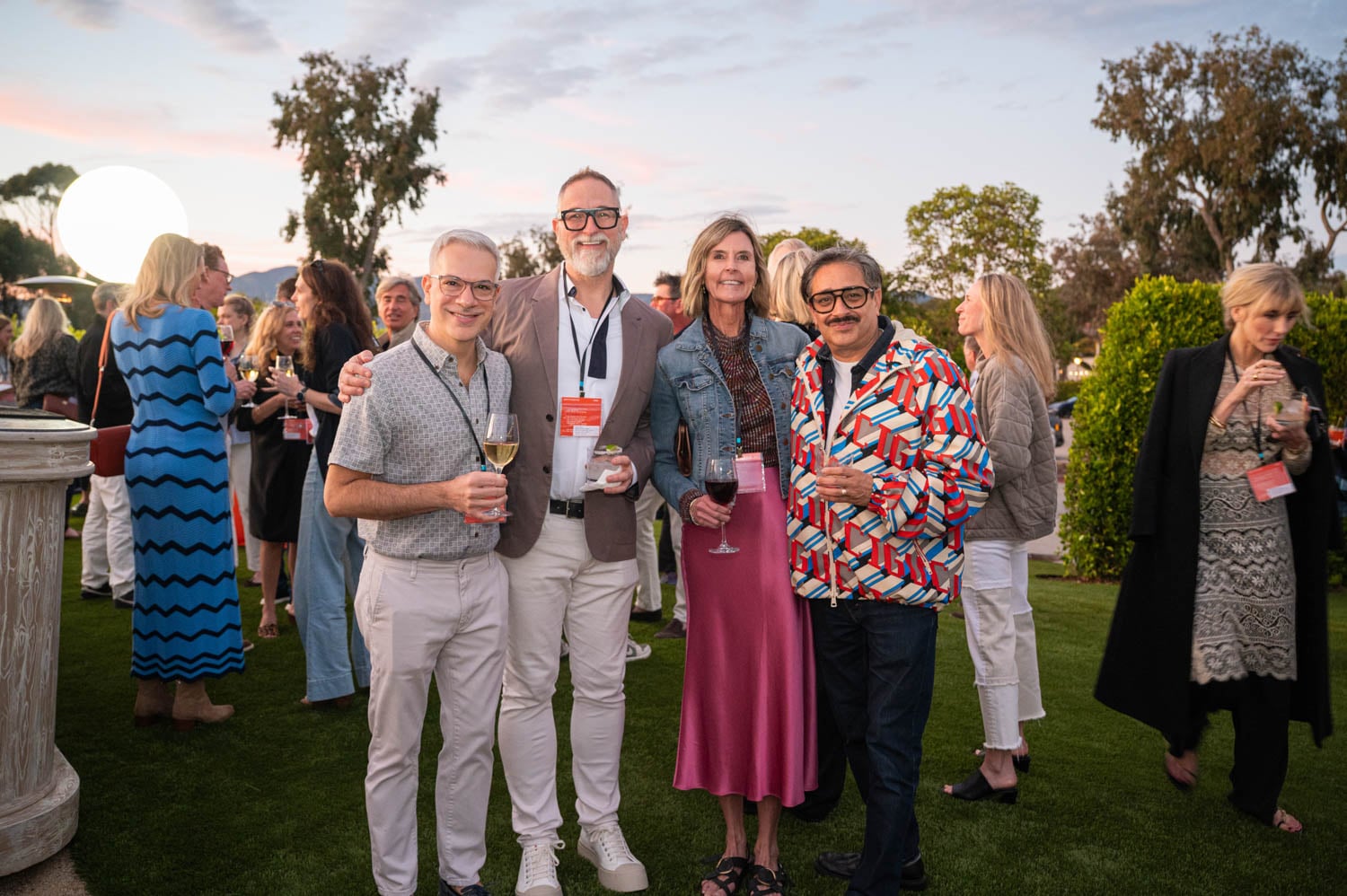
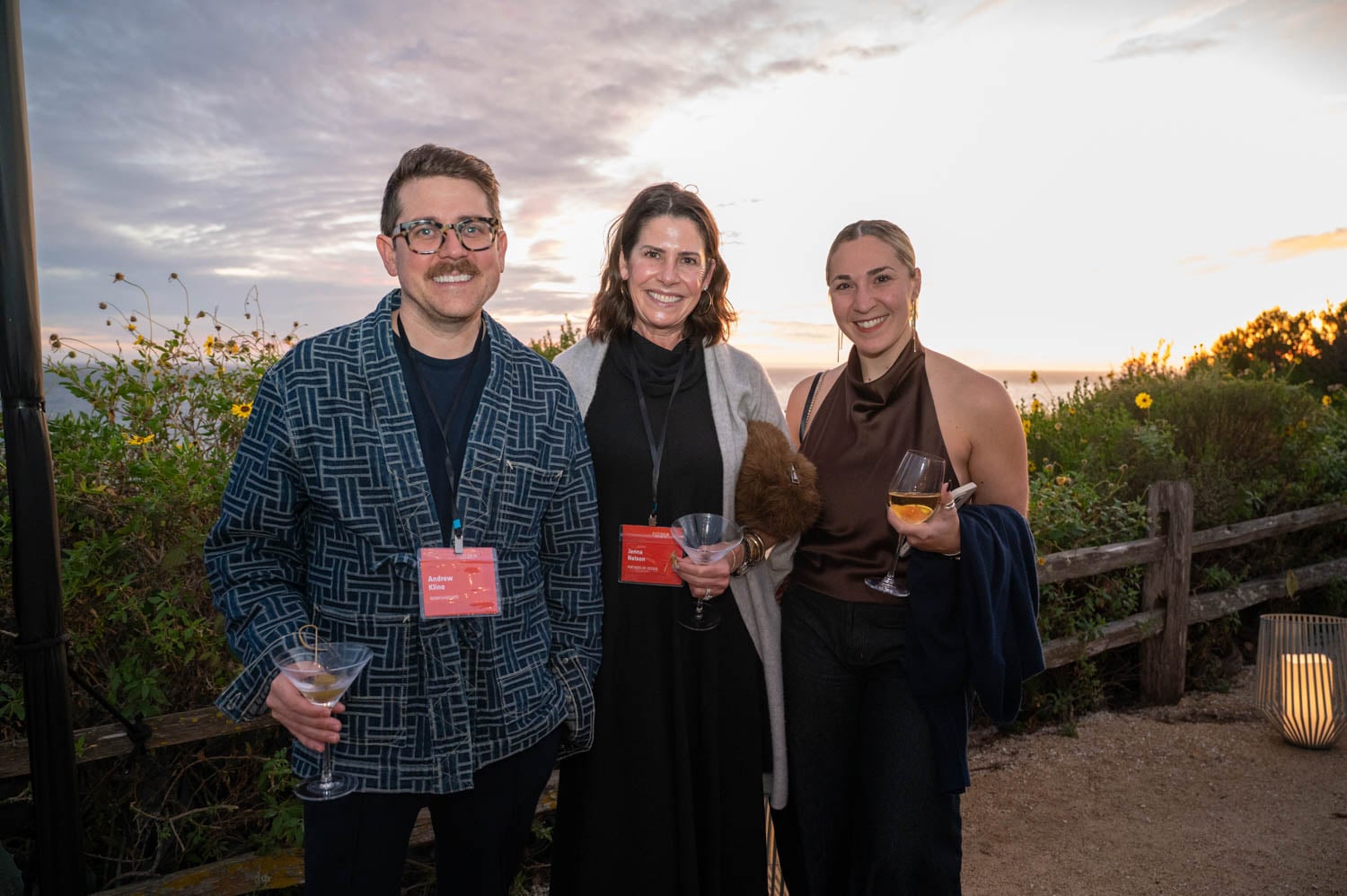
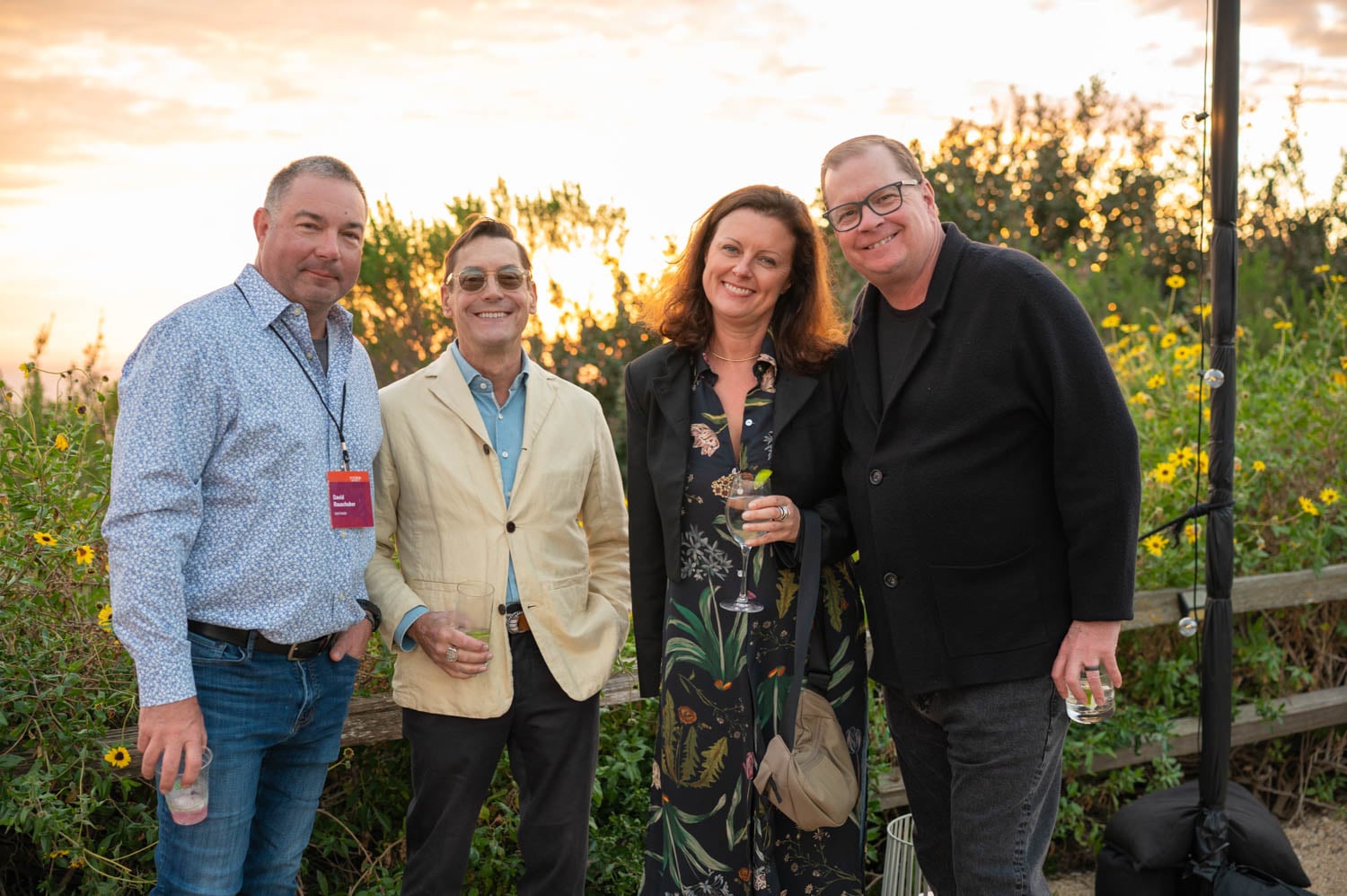
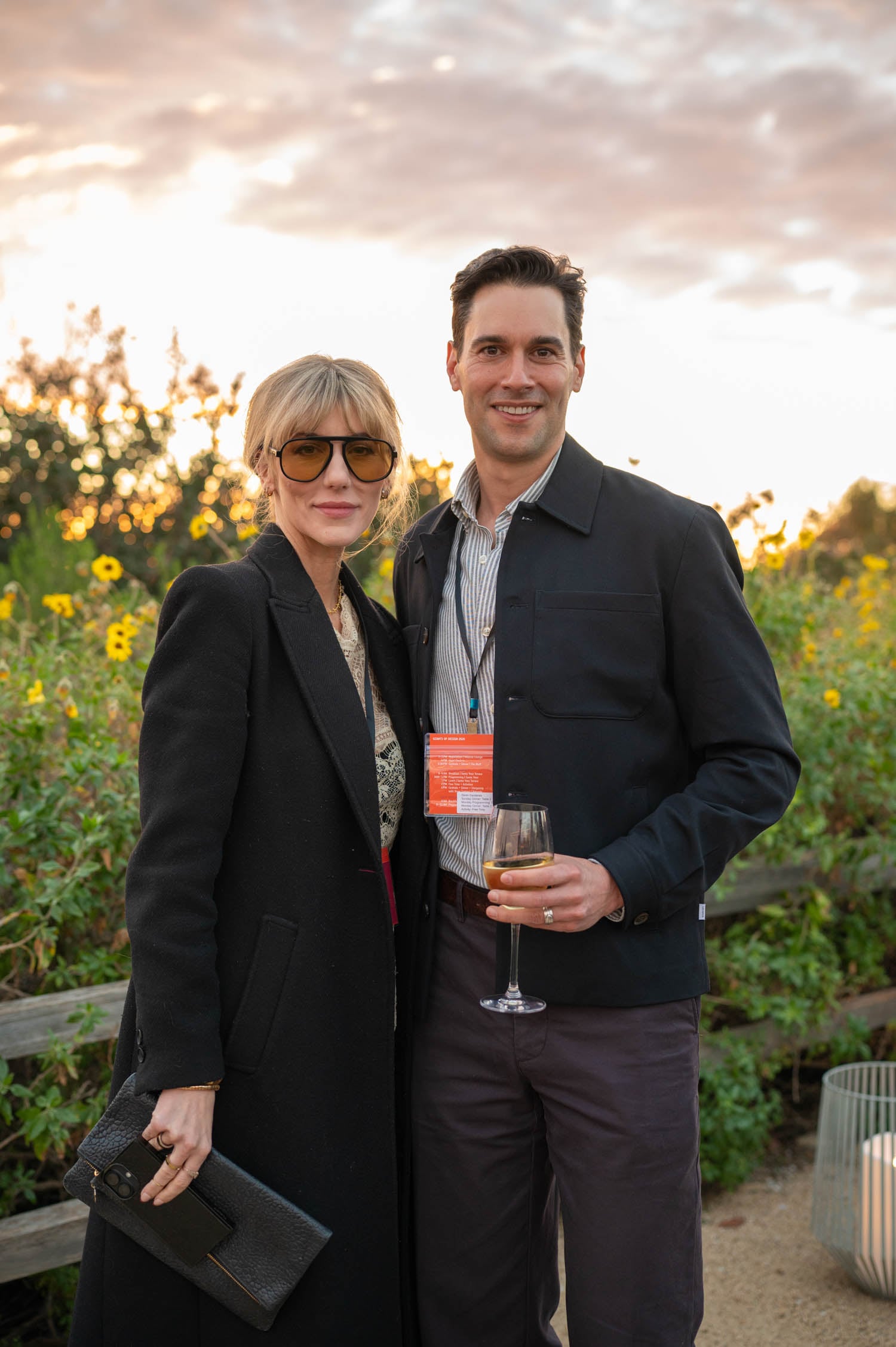
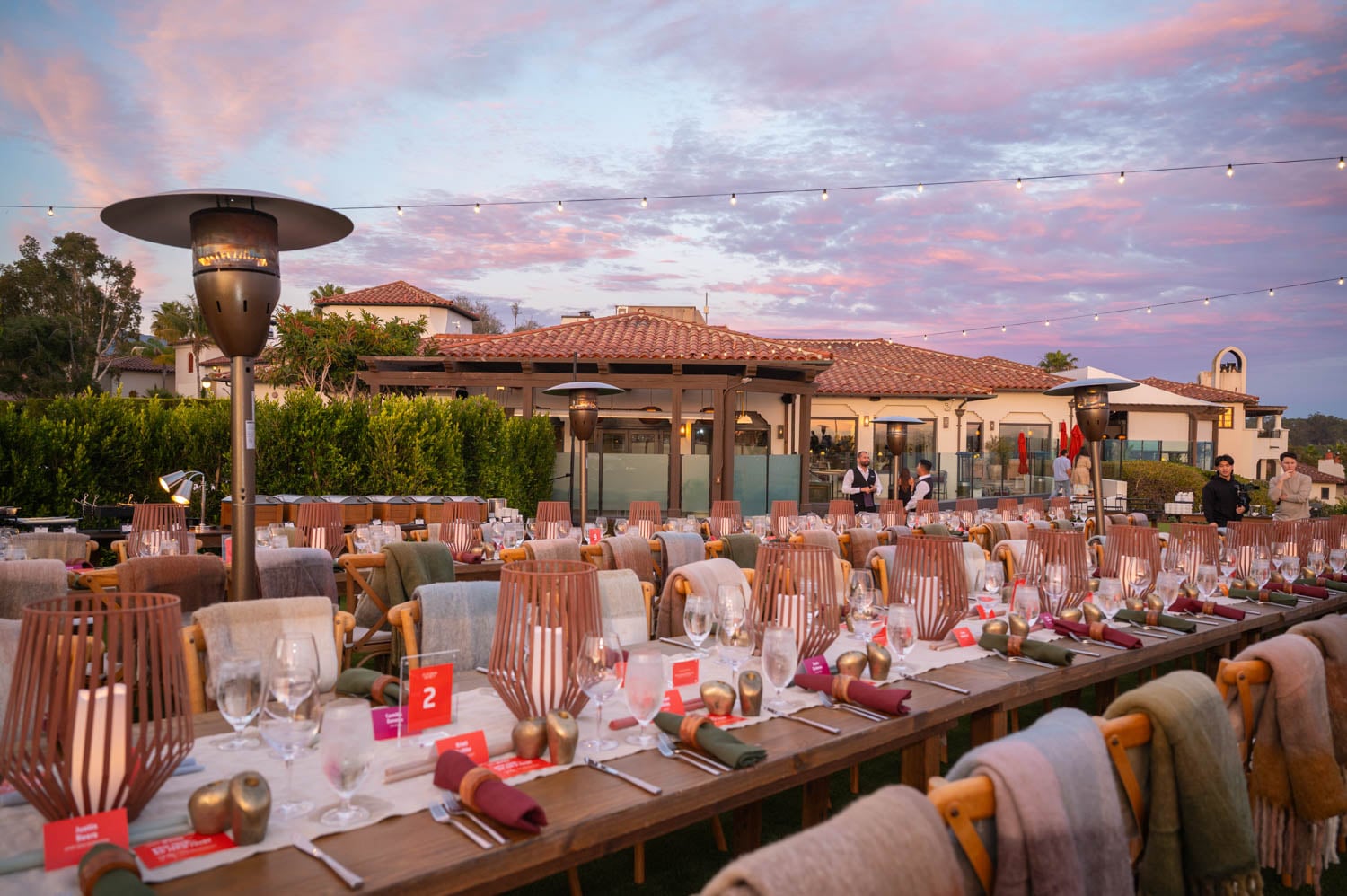
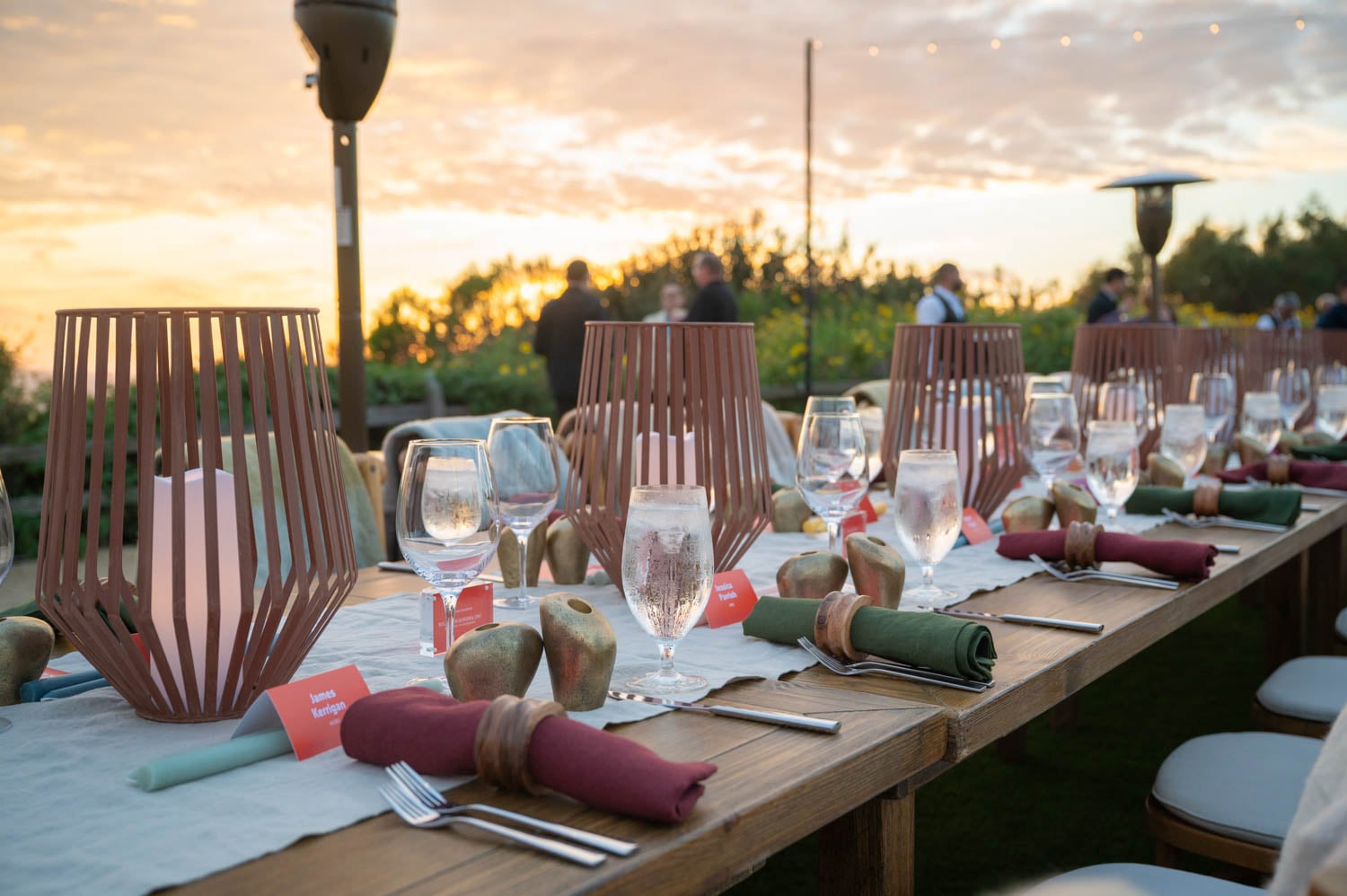
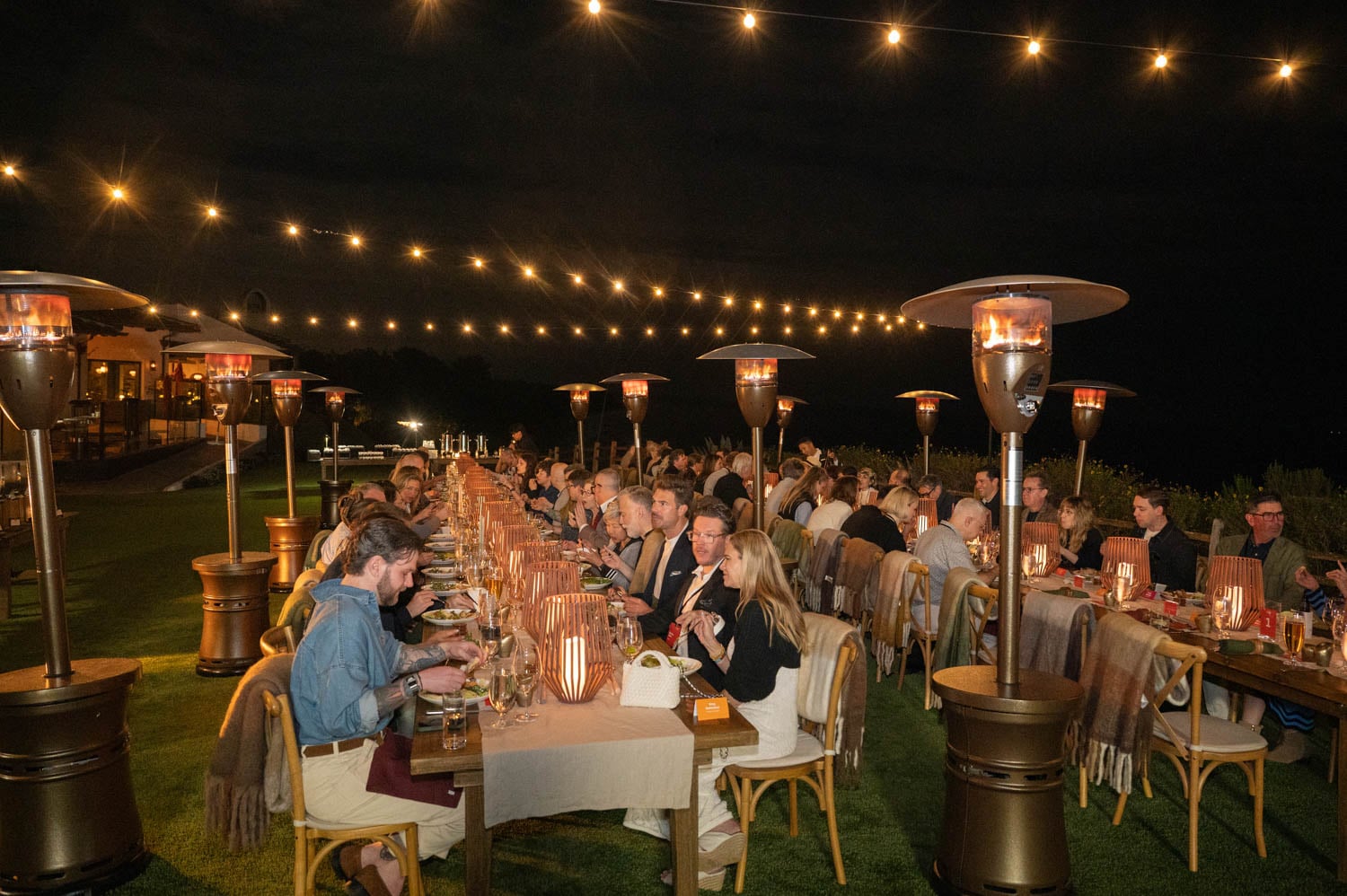
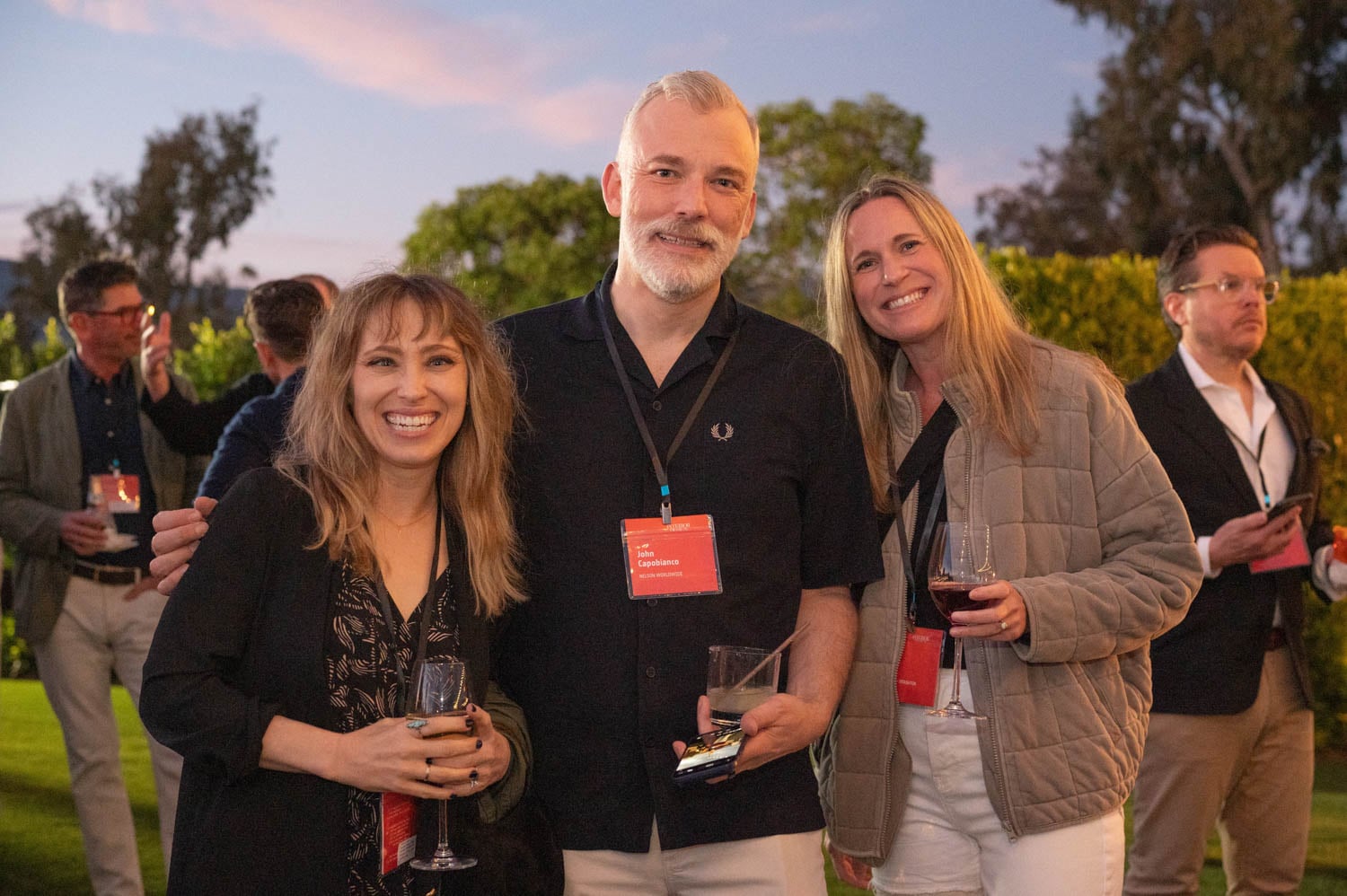
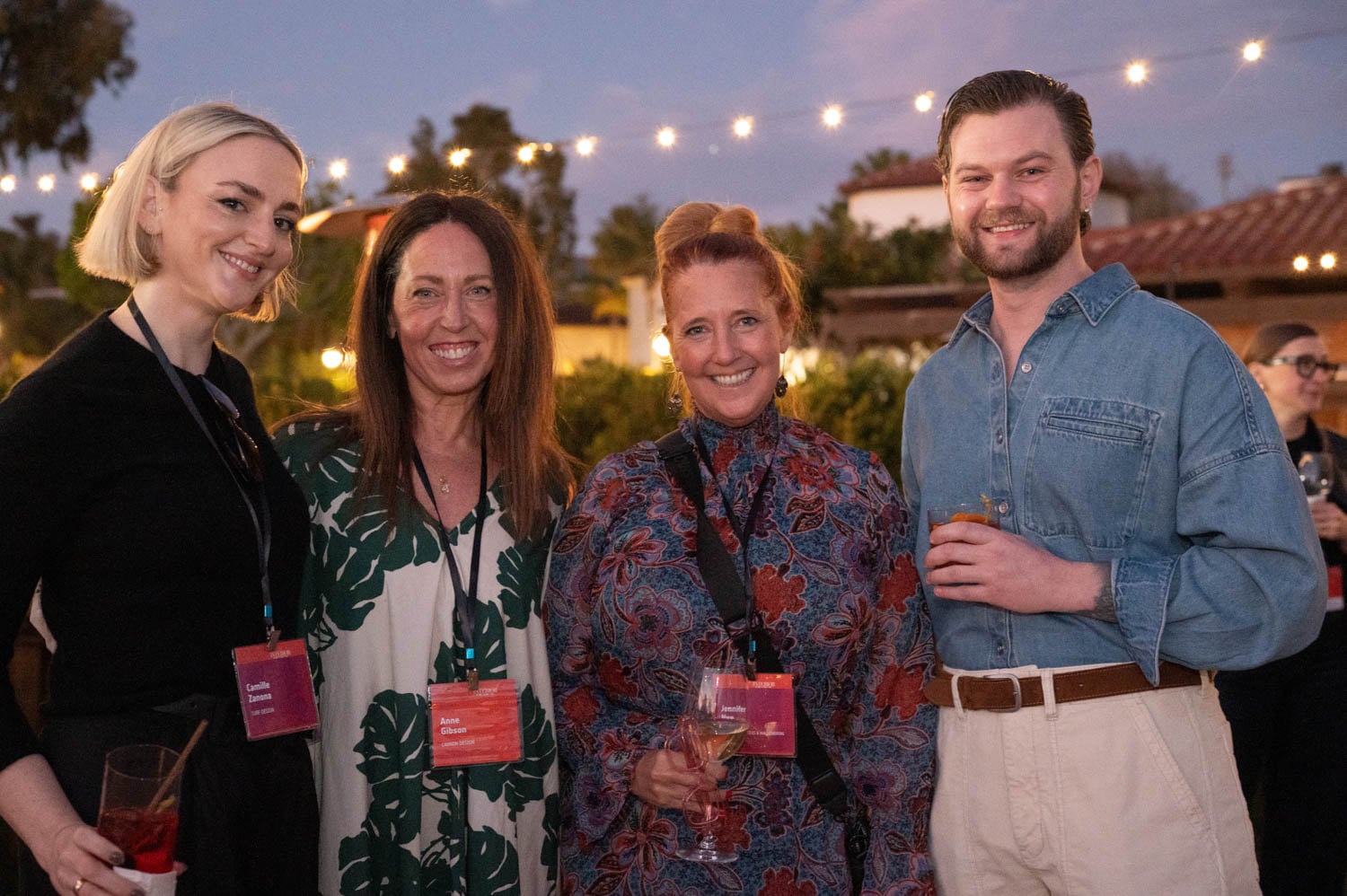
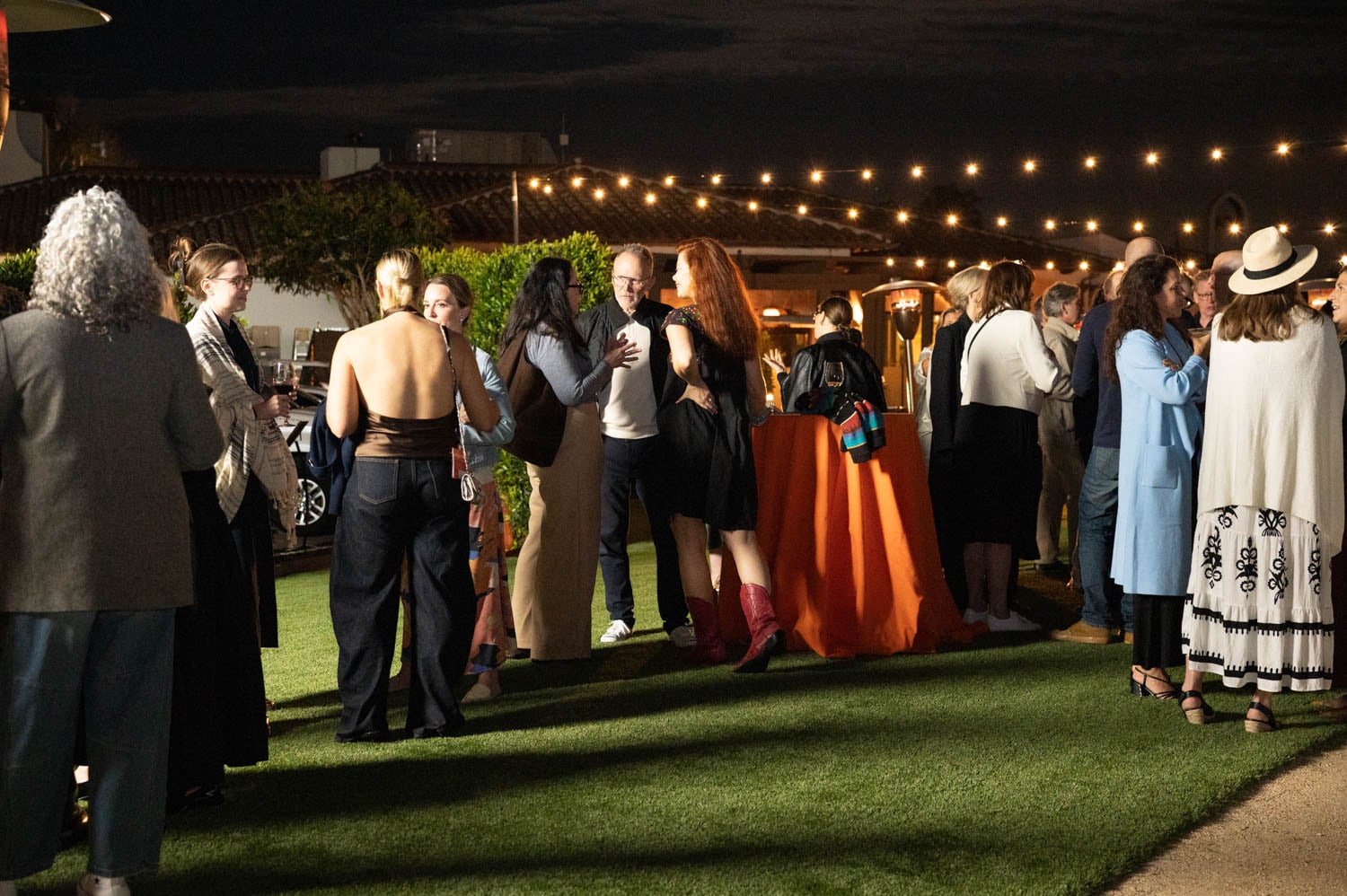
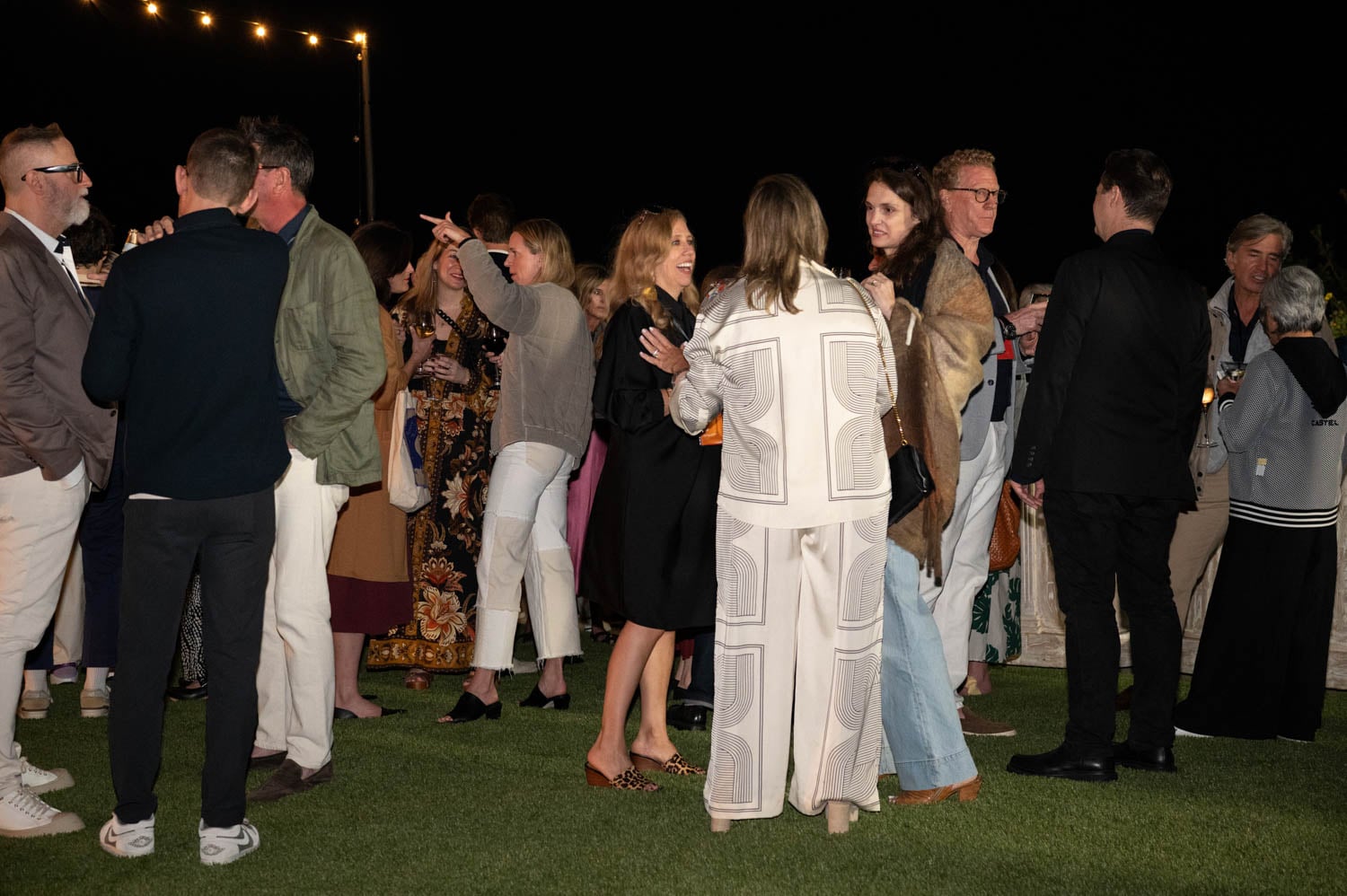
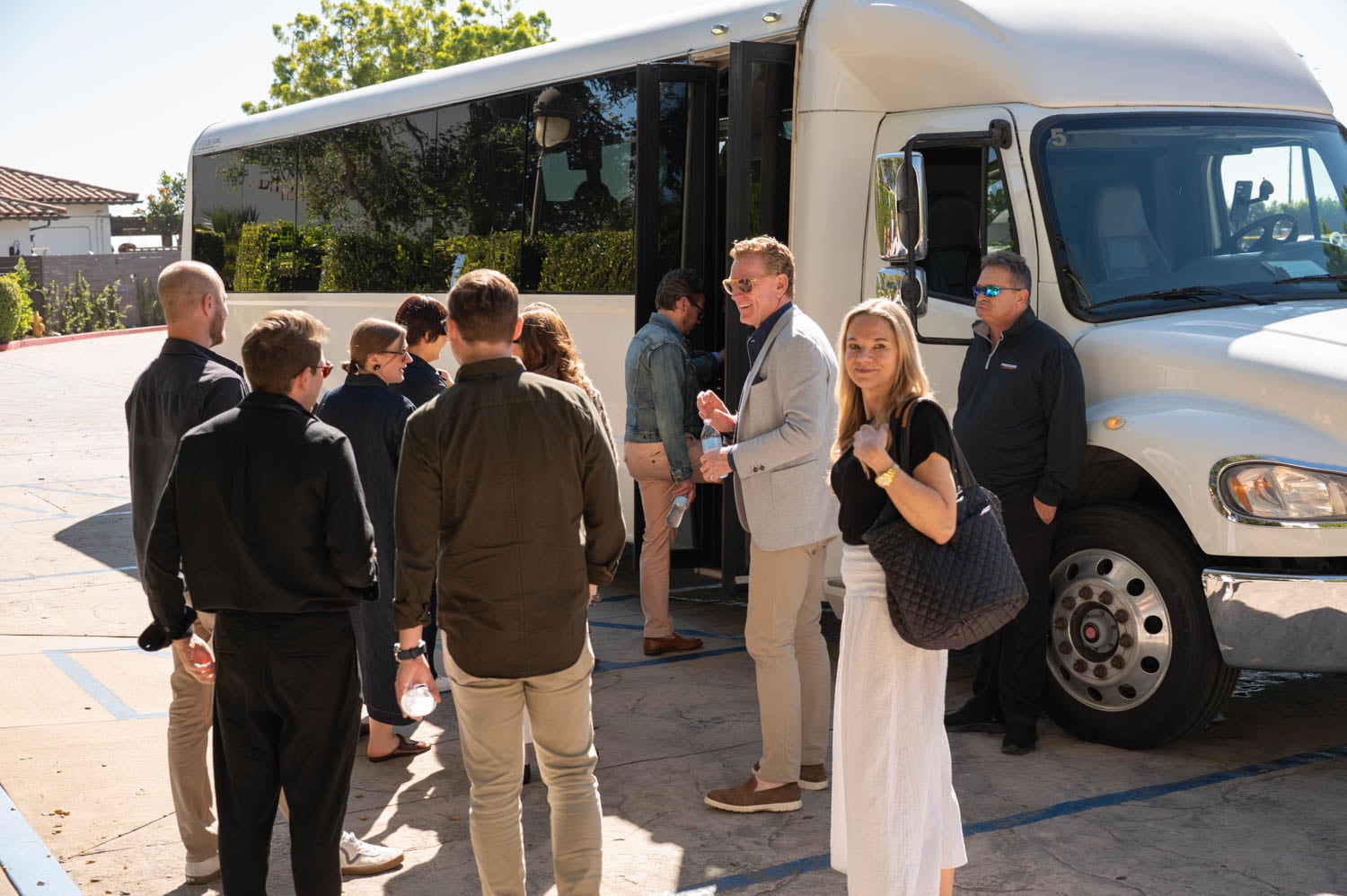
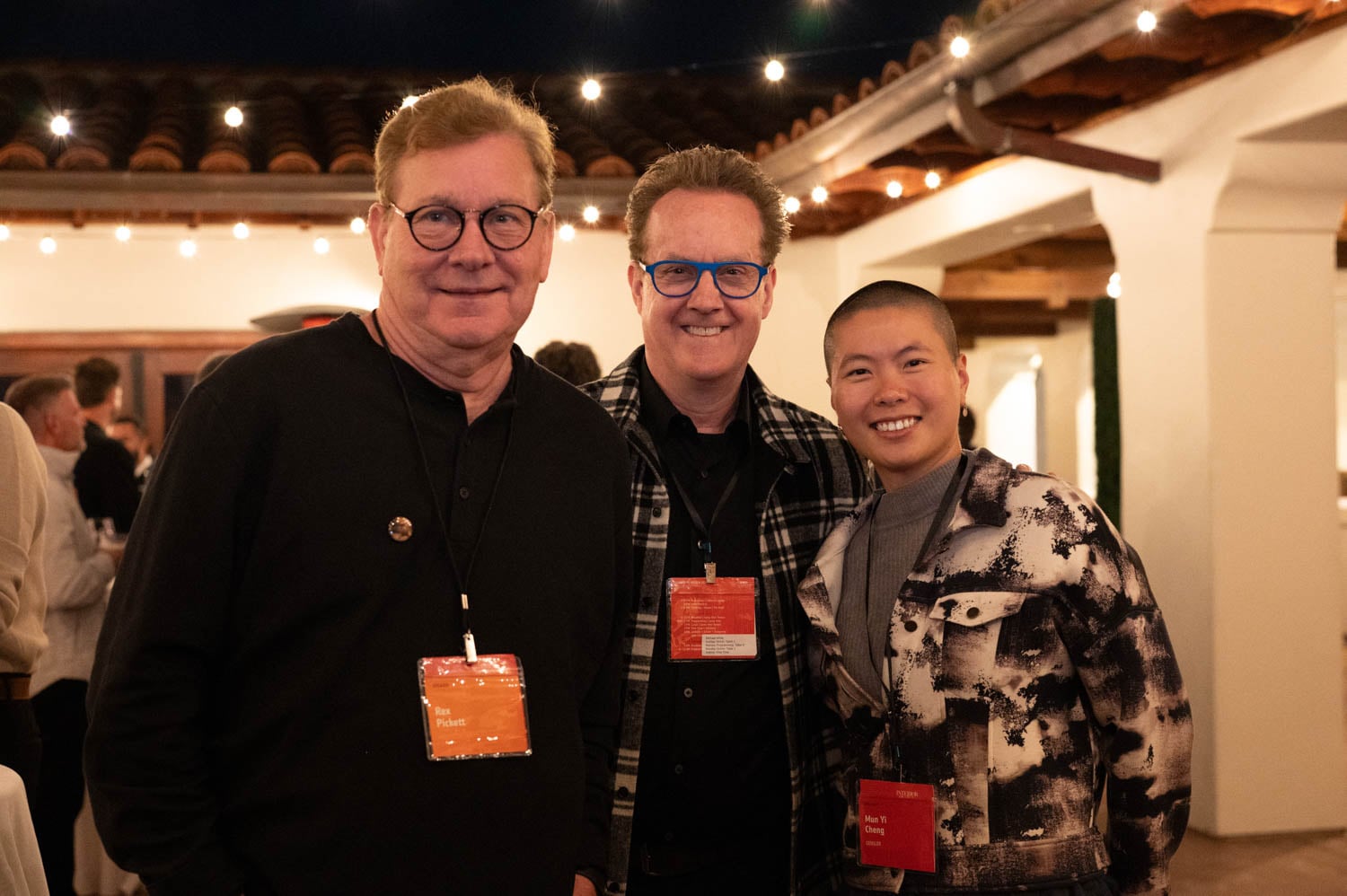
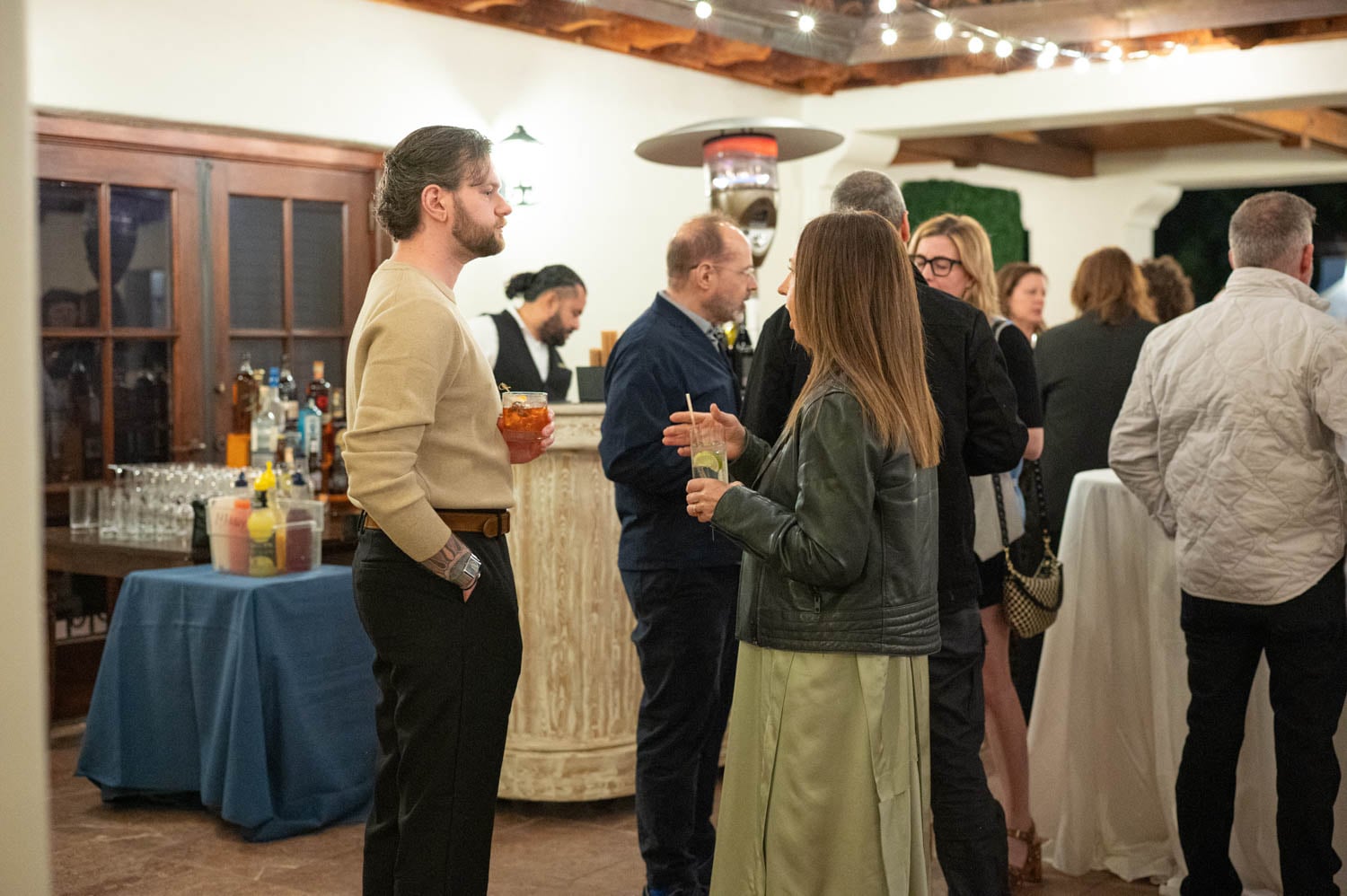


A very special thank you to our 2026 Giants of Design partners: B+N Industries, Bernhardt Design, Cosentino, Craftmade, Feeney, Inc., Haworth, Keilhauer, Lutron, Mannington Commercial, Mohawk Group, Momentum Textiles & Wallcovering, Pure+FreeForm, Regina Andrew, Shaw Contract, Teknion, THE MART/NeoCon, Turf Design, Williams-Sonoma, Inc. and Material Bank, which offset the estimated carbon footprint for the event.
read more
DesignWire
Designers And Manufacturers On The Move: September 2026 Edition
Interior Design‘s latest On the Move includes must-know industry promotions and hires, like Perkins&Will’s strategic move to expand its design capabilities.
DesignWire
10 Questions With… Artist and Designer Conie Vallese
From sculpture and ceramics to glass, textiles, and furniture, Conie Vallese embraces a multidisciplinary practice shaped by curiosity and creativity.