
October 13, 2026
This Book Examines The Enduring Power Of Color In Architecture
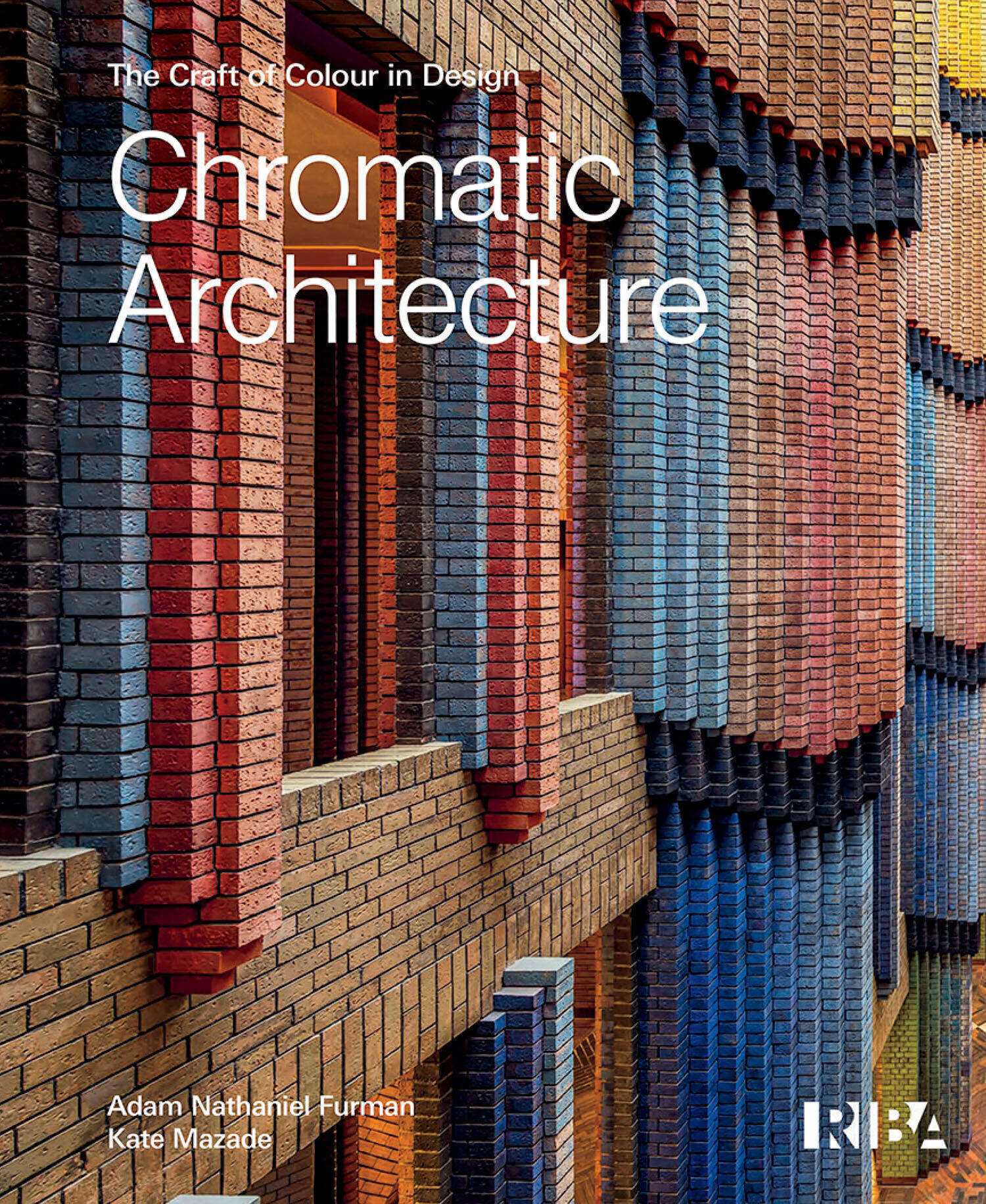
Chromatic Architecture: The Craft of Colour in Design by Adam Nathaniel Furman and Kate Mazade
RIBA Books/Routledge, $60
208 pages, 120 color images
“Color comes in waves of popularity, and we’re re-entering an era when it will be used seriously,” proclaims Kate Mazade, cowriter of this volume in which she and coauthor Adam Nathaniel Furman detail 34 vivid structures around the globe—homes, headquarters, halls, and temples, dating from the 1300s to today—that are both daring and enduring (many still stand today).
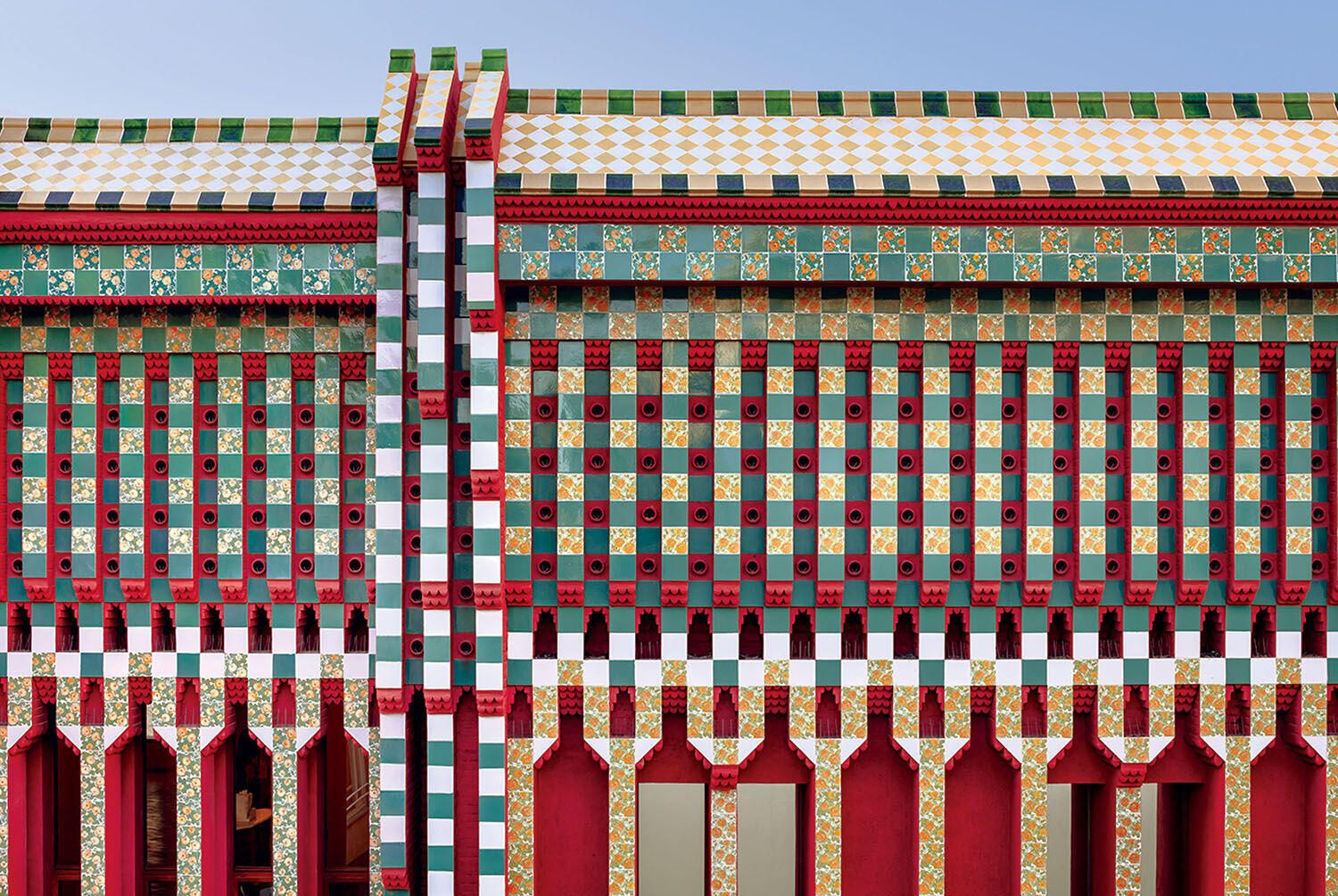
The journey kicks off with the cover project, the 1924 office of Hoechst, a dye manufacturer in Frankfurt, Germany, where Peter Behrens installed jewel-toned bricks in the atrium, employing his client’s wares right in the architecture, branding before branding was a thing. Even older and more vibrant is the 1885 facade of the Casa Vicens house in Barcelona, Spain, by Antoni Gaudí, its checkerboard of orange-and-yellow floral tiles set into a sort of turquoise and vermillion gingham, proving that integrally colored materials can survive a hundred years of weather. More recent projects include the 2001 towering Maishima Incineration Plant in Osaka, Japan, that Austrian architect Friedensreich Hundertwasser tattooed with red arteries and the 2005 Reversible Destiny Lofts apartment complex in the Tokyo suburbs which artist Shusaku Arakawa and poet Madeline Gins painted 14 riotous shades (at least one nauseated resident moved out).
It’s all evidence, the authors note, that color can trigger emotion, especially when used experimentally. And that it can lend humanity, identity—even transcendence.
-
Casa Vicens. Photography by David Cardelus, 2019, Reproduced by Permission of Casa Vicens Gaudi. -
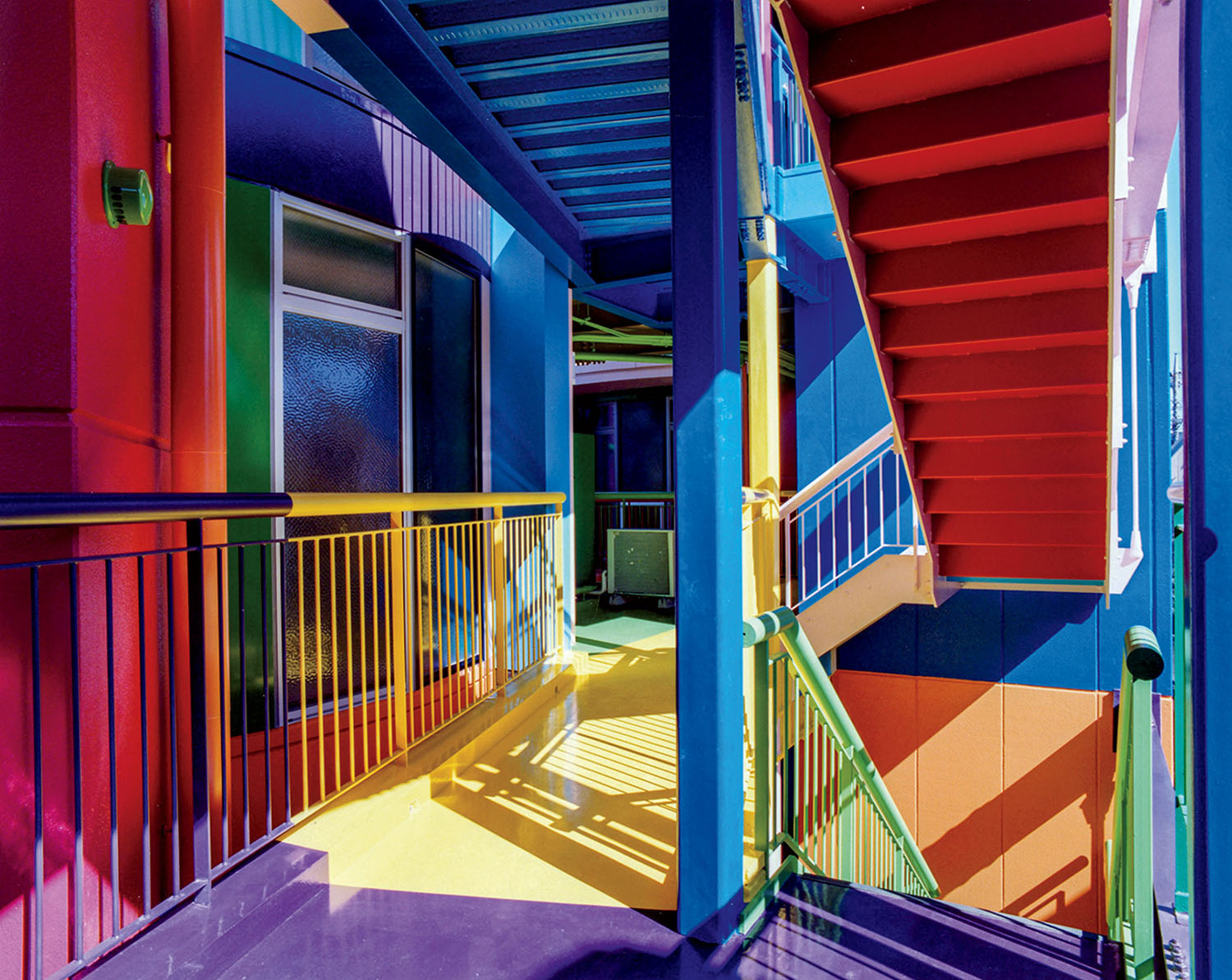
Reversible Destiny Lofts. Photography by ©2025 Reproduced with Permission of the Reversible Destiny Foundation. -
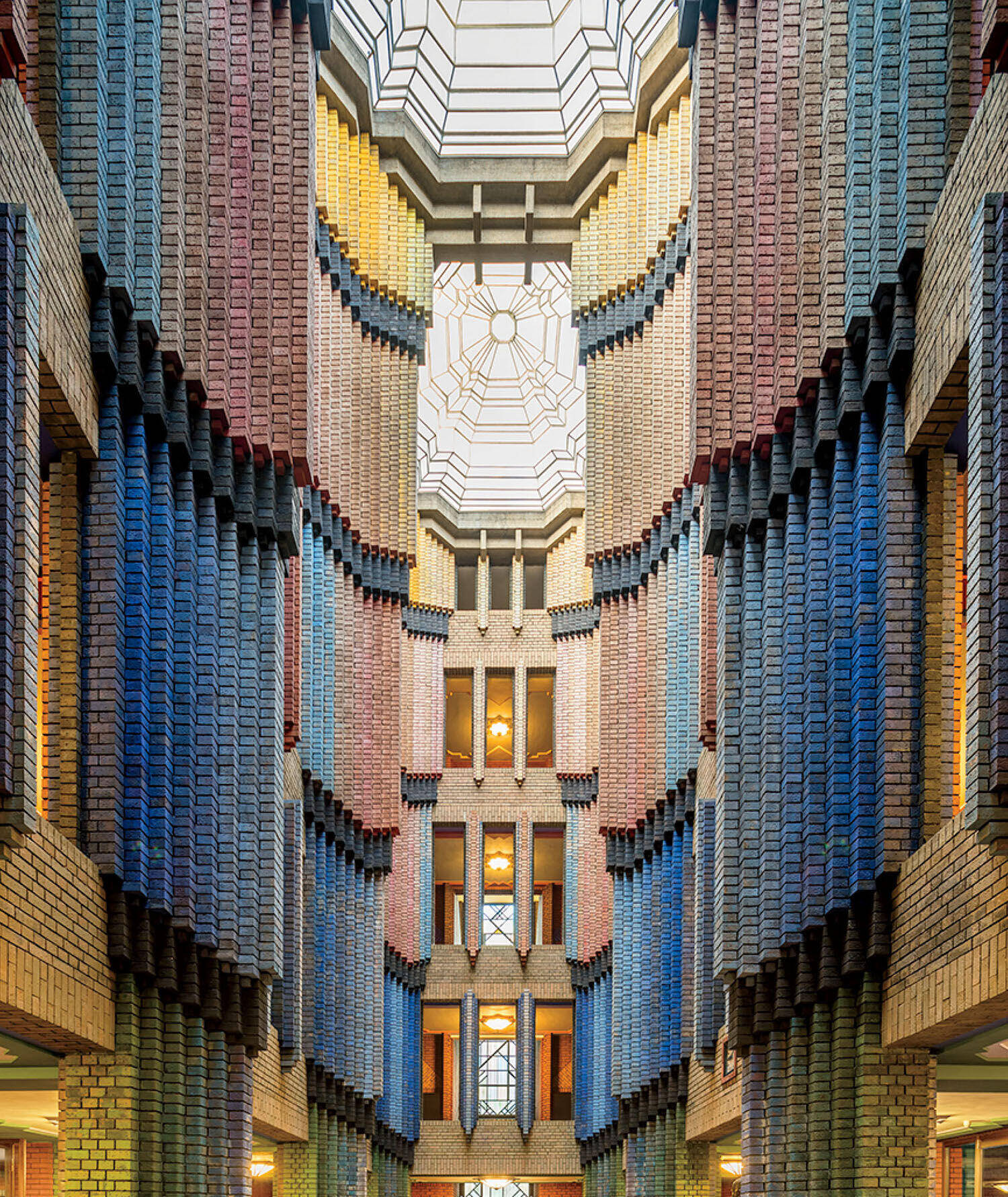
Hoechst. Photography by Lars Gruber Architekturfotografie. -
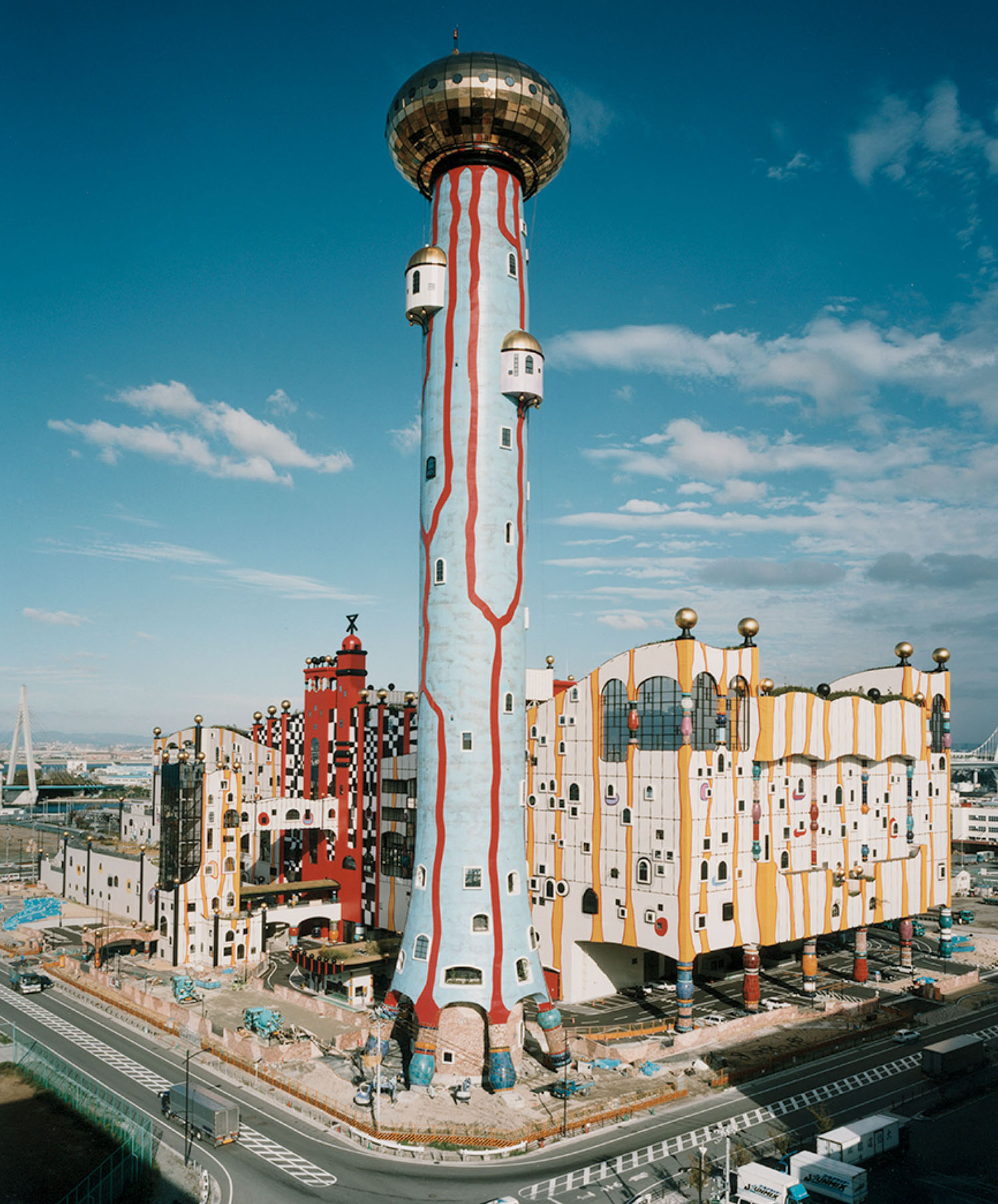
Maishima Incineration Plant. Photography by Hu-Net Corporation, Osaka ©2025 Hundertwasser Archive, Vienna. -
Photography by Courtesy of Riba Books.
- No tags selected
read more
DesignWire
This Exhibit Ushers In A New Era For Contemporary Arts In Uzbekistan And Beyond
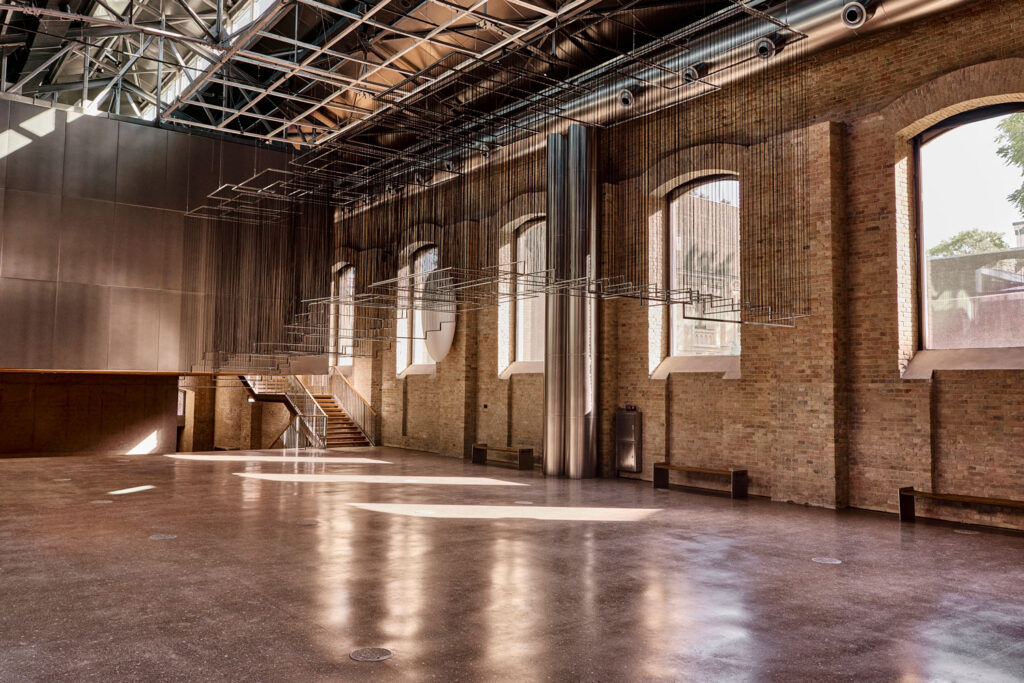
Studio KO reimagines a 1912 Soviet-era tram depot in Tashkent as Central Asia’s first dedicated contemporary arts institution, which features the exhibit Hikmah.
DesignWire
EDIT Napoli 2026 Celebrates Crafted Design In Historic Settings
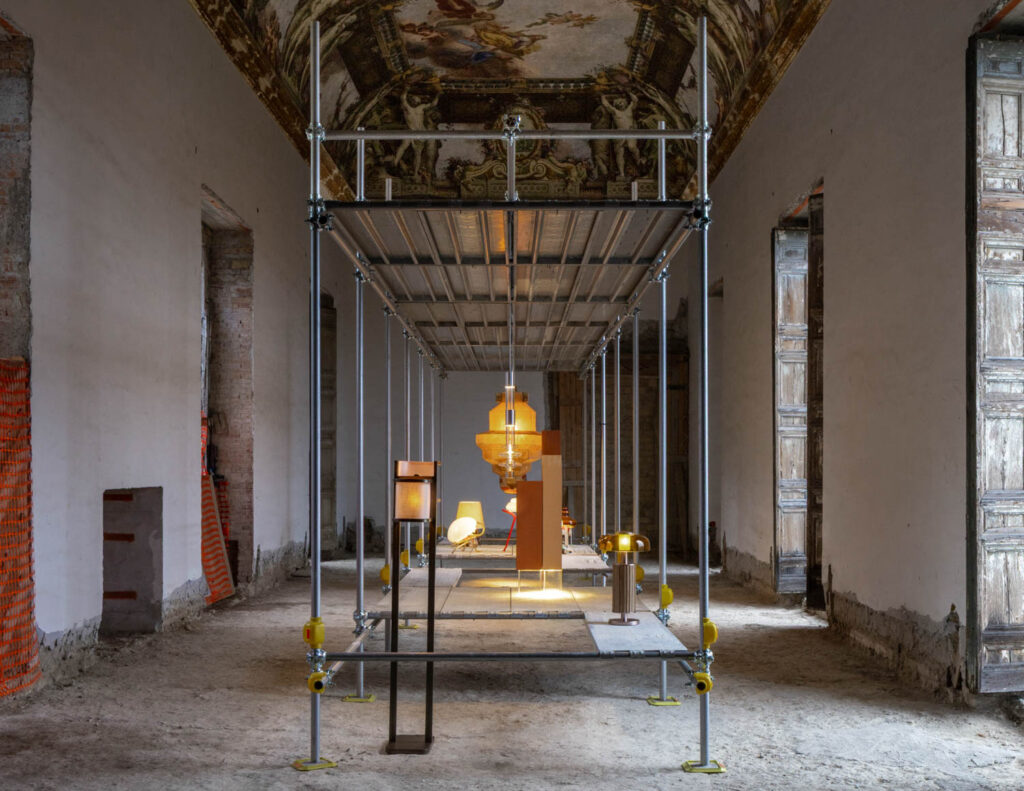
The eighth edition of EDIT Napoli brought together more than 80 makers and studios in historic palazzi, Baroque churches, and creative spaces.
DesignWire
10 Questions With… Sculptor Aminata Collé Mboup
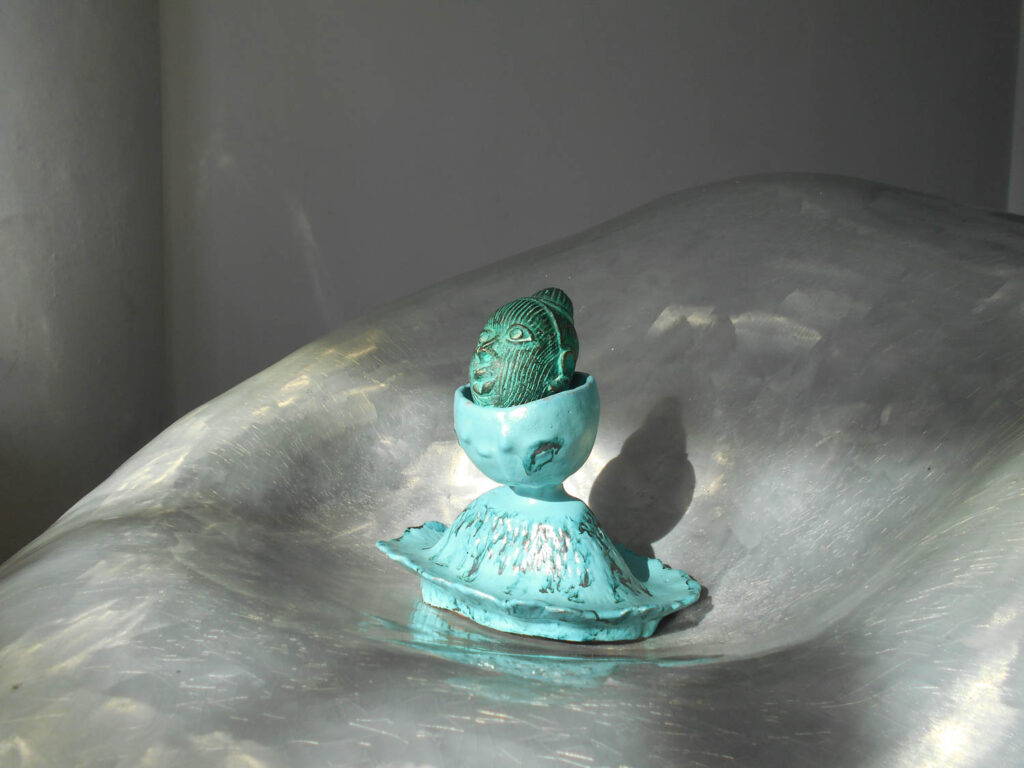
Aminata Collé Mboup discusses her practice, inspirations, fluidity between disciplines, as well as her unique approach to materials.