
EDIT Napoli 2026 Celebrates Crafted Design In Historic Settings
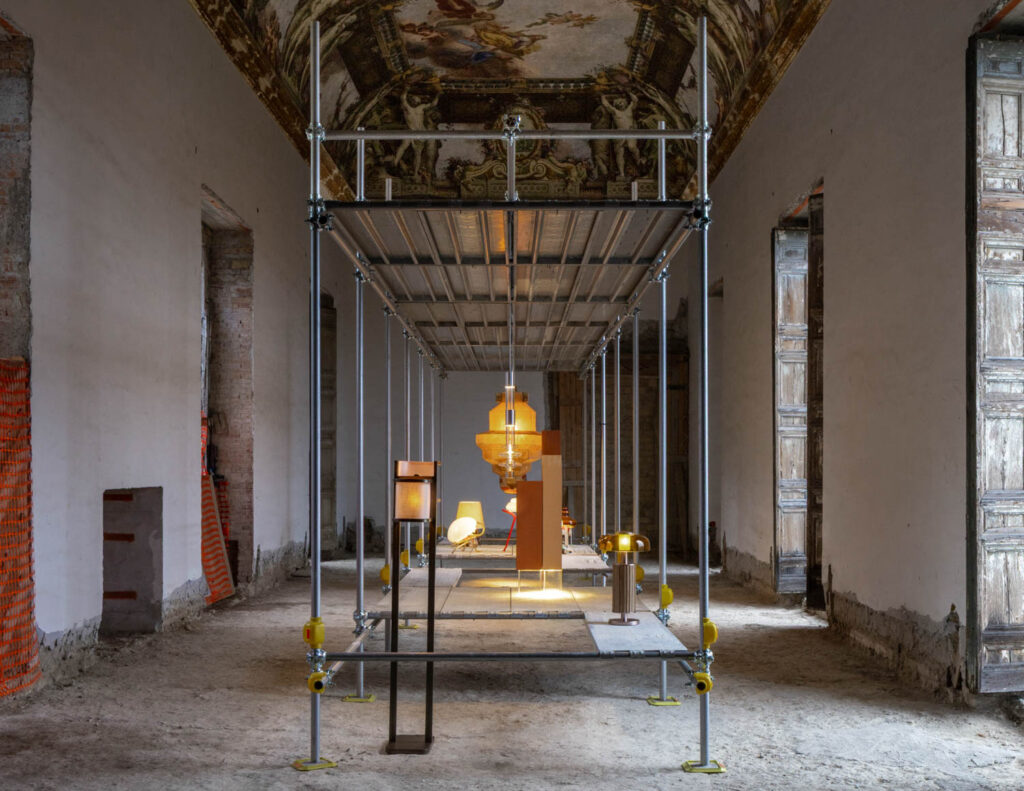
Now in its eighth edition, EDIT Napoli is arguably one of the most evocative design fairs on the circuit. Dedicated to crafted design and the stories behind it, the fair brought together more than 80 makers and studios in a series of extraordinary settings, from historic palazzi and Baroque churches to La Santissima, a former military hospital now serving as a community hub and creative space. Here, each stand and installation offered a fresh perspective on the relationship between past and present, with contemporary design set against the faded grandeur and beautifully imperfect character of Naples itself.
Top Picks From EDIT Napoli 2026
Crochet Coral Reef
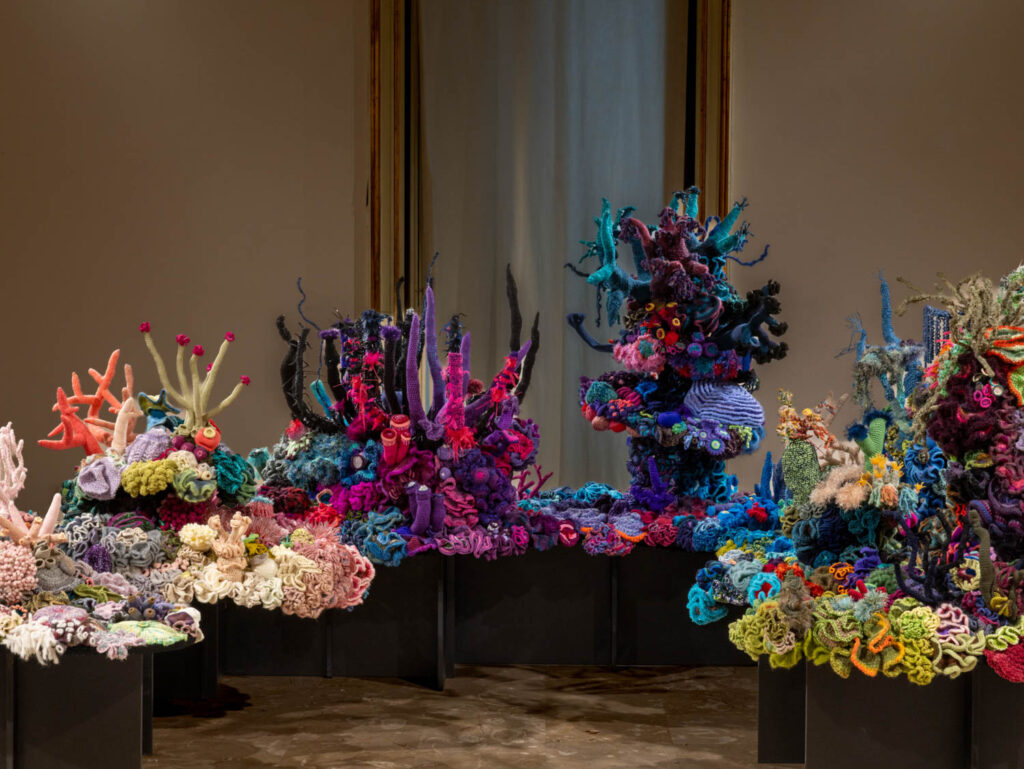
For over two decades, Australian-born, L.A.-based sisters Margaret and Christine Wertheim have created vibrantly colored crocheted “reefs” with the participation of crafting communities. Crochet Coral Reef combines science, research, and public art, with an underlying response to climate change and the undervaluation of “feminine” skills. The results, which have been installed in museums and galleries across Europe, are jaw-dropping.
Ripplefold by Ivana Jelić Katić
Photography by Eller Studio x EDIT Napoli. 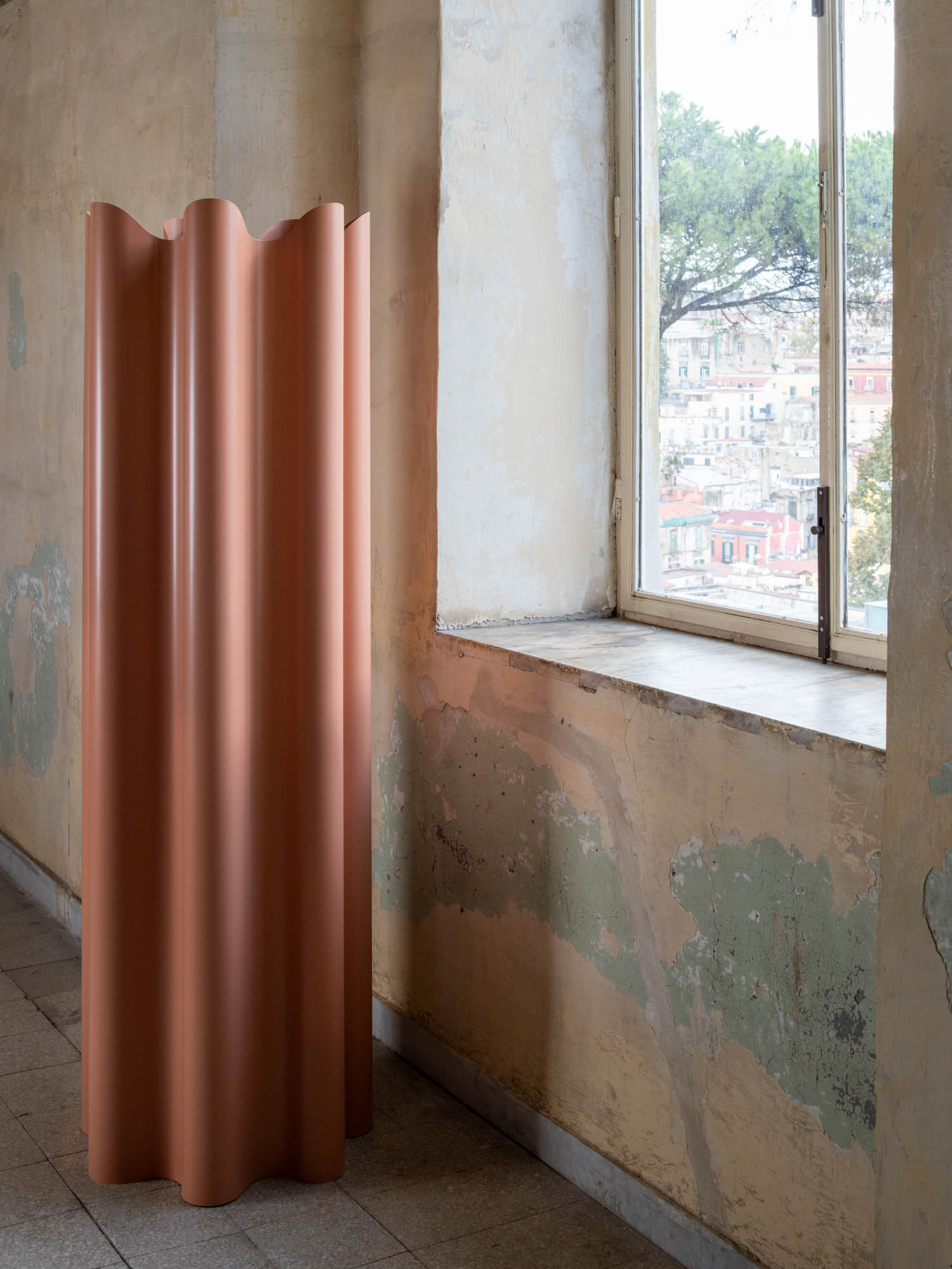
Photography by Eller Studio x EDIT Napoli.
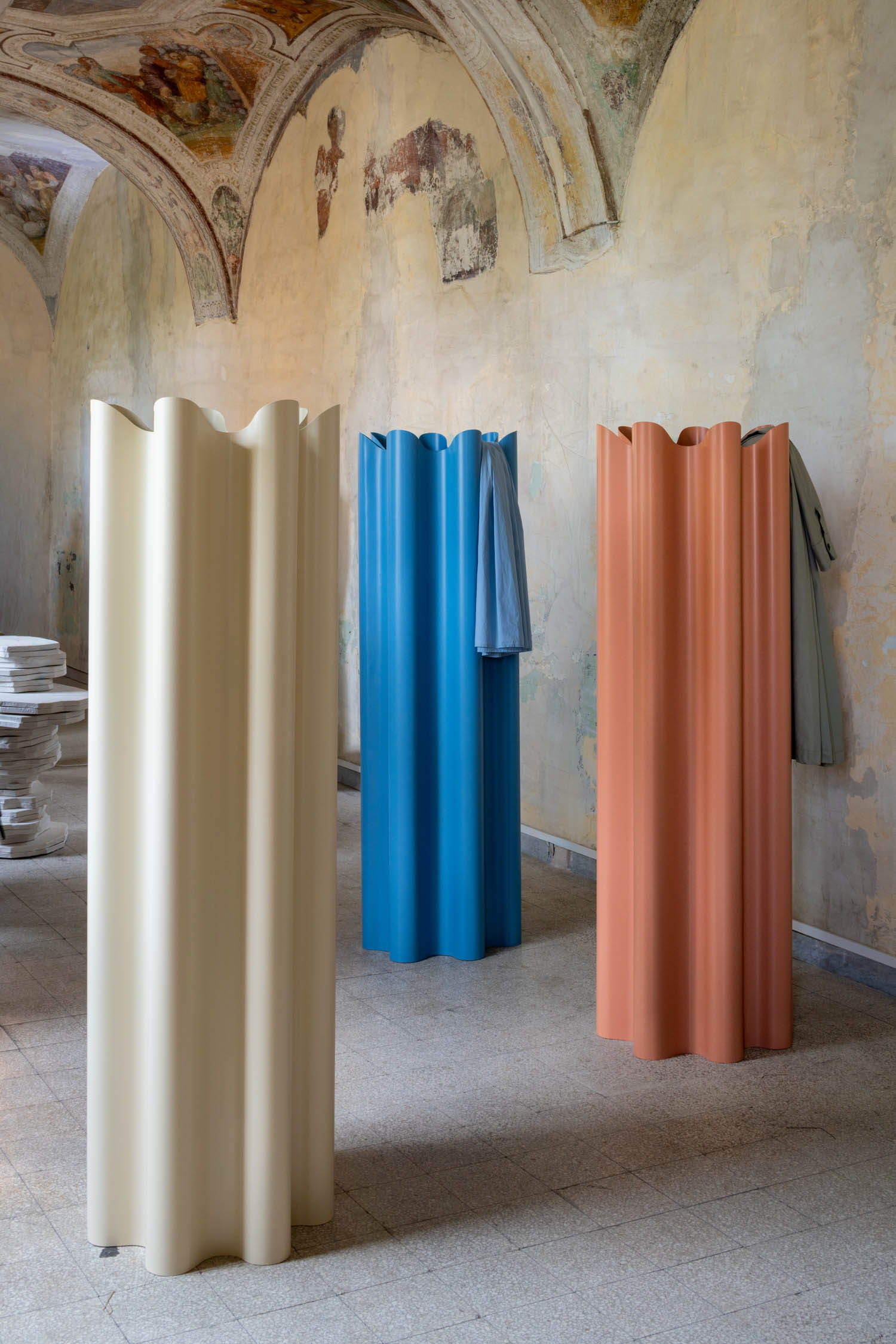
Hanging our clothes and bags on a hook or throwing them over a chair always ends up looking like a mess. “I have always been interested in our relationship with clothes,” says Serbian sculptor and furniture designer Ivana Jelić Katić. Ripplefold is a sculptural metal clothes stand that imitates the drape of a textile. Items of clothing are placed along its scalloped upper edge, encouraging a more deliberate and sensual experience of dressing.
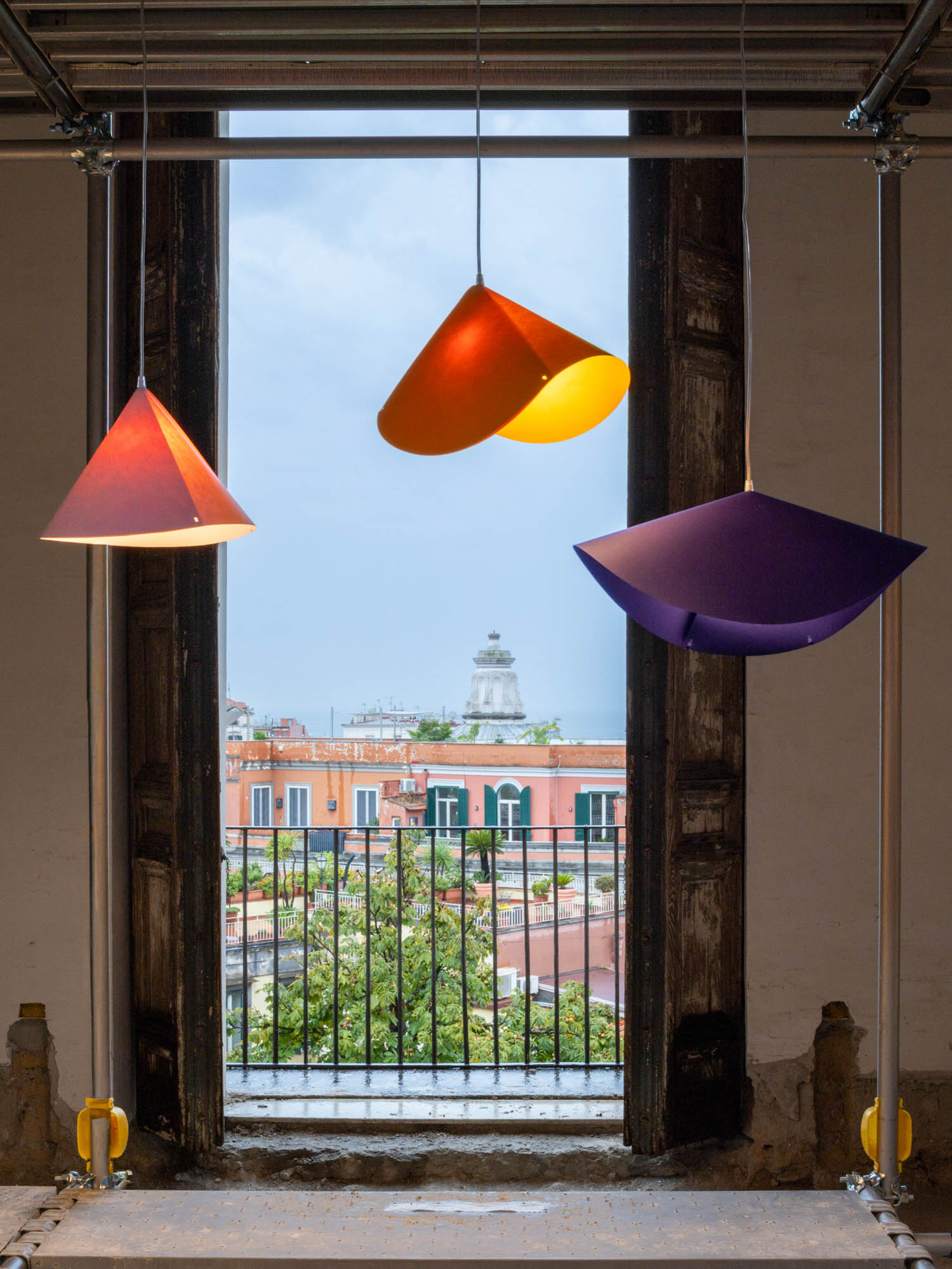
Light on Spain by Tomás Alía, Álvaro Catalán de Ocón, Curro Claret, Mayice Studio, Lucas Muñoz Muñoz, and Jorge Penadés
Photography by Eller Studio x EDIT Napoli. 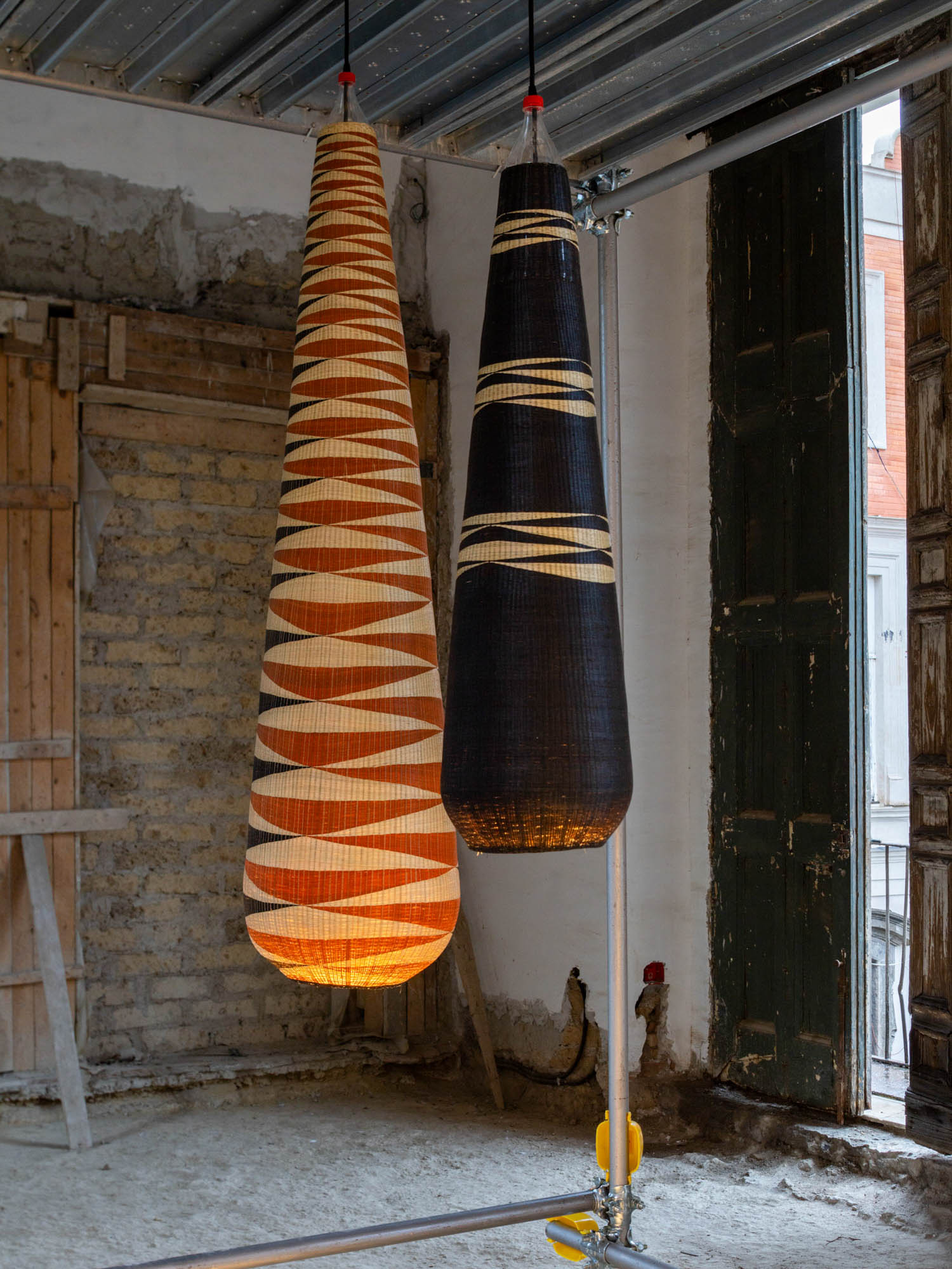
Photography by Eller Studio x EDIT Napoli. 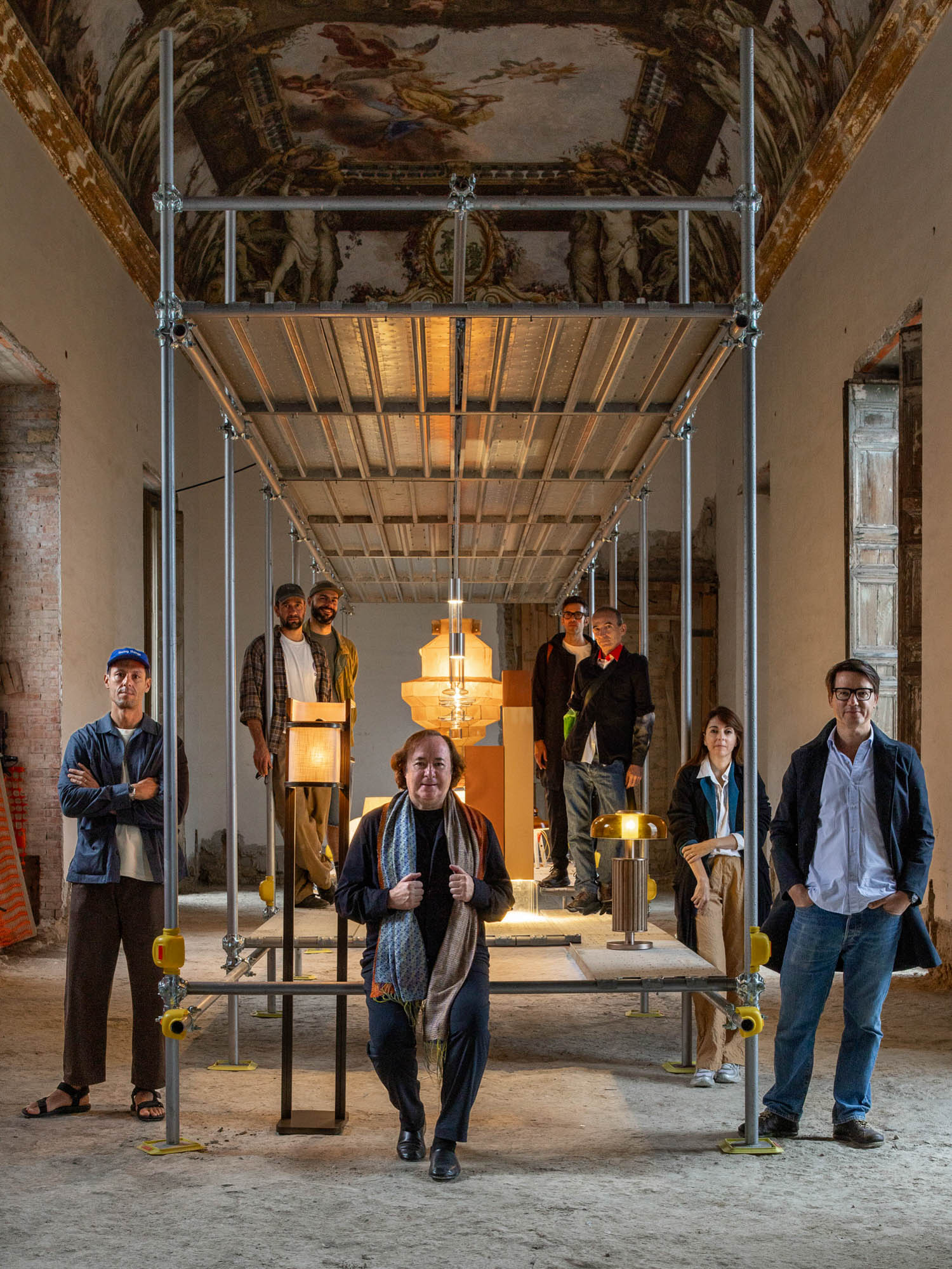
Photography by Eller Studio x EDIT Napoli. 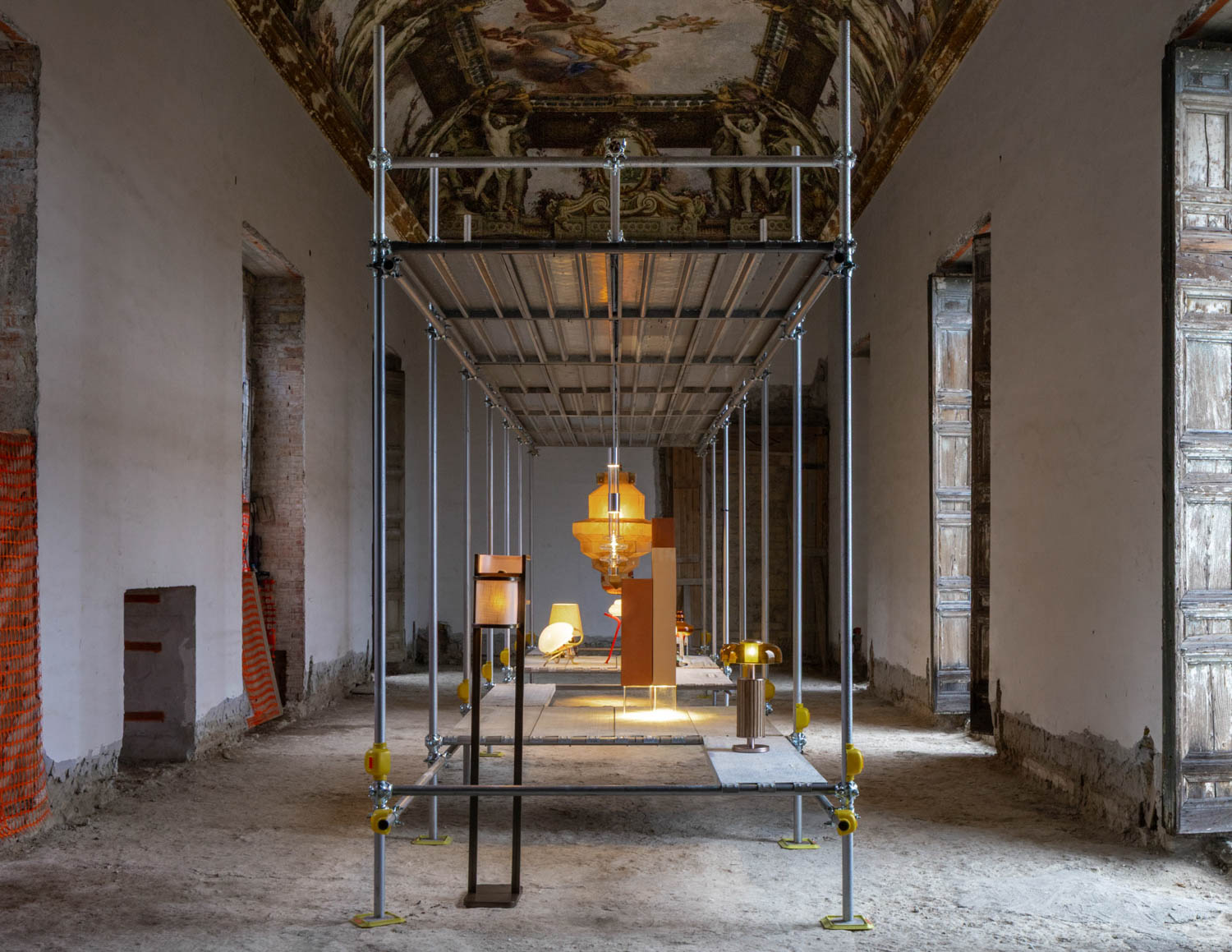
Photography by Eller Studio x EDIT Napoli.
At Palazzo Cellamare, one of Naples’s most stunning palaces, six leading Spanish designers presented new lighting proposals using diverse media and techniques. Catalán de Ocón previewed a new addition to the “Pet Lamp” family, a slender pendant woven by basket makers in Rwanda, while Claret highlighted the ingenuity of table lamps made from found objects, ranging from wooden wall hooks to scraps of metal. Penadés’s origami-like cardboard pendant shades offered a serene simplicity against the palazzo’s faded grandeur.
Fade by Zaven for Artieri 1895
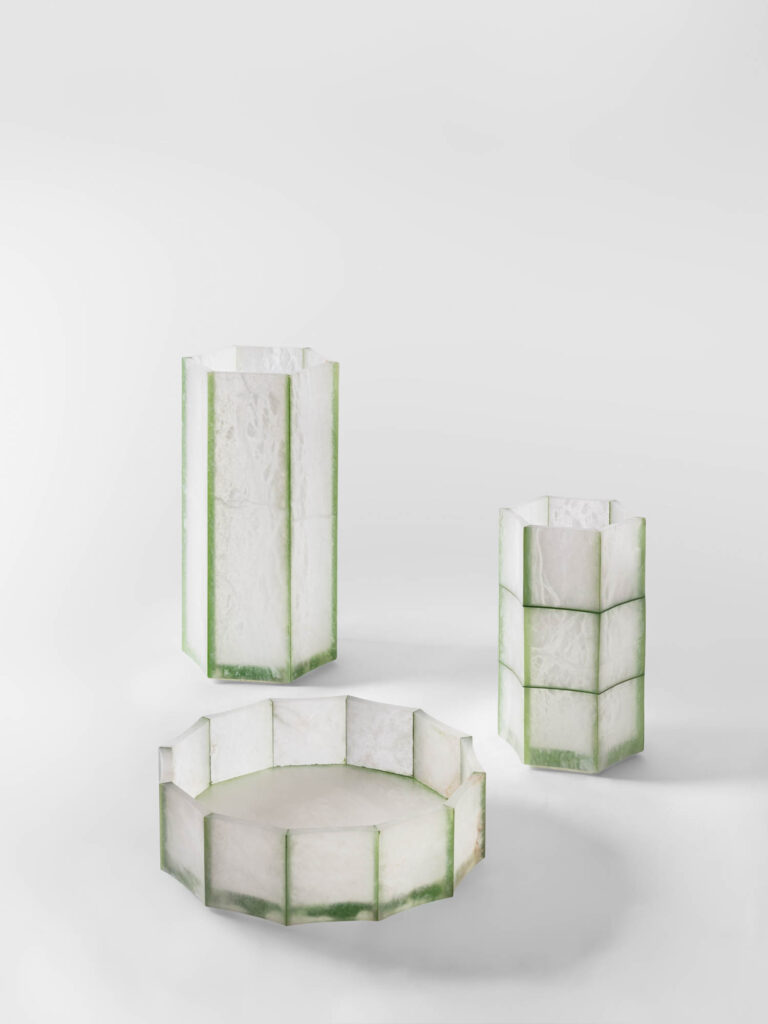
Winner of the EDIT Napoli 2026 Award for Best New Design, Fade is a collection of alabaster vases and side tables that challenges traditional stone finishing by highlighting the material’s points of connection and edges. Here, a subtle chromatic scheme accentuates the contours of this poetic, noble material.
Fissi by James Hillman
Photography by Fissi. 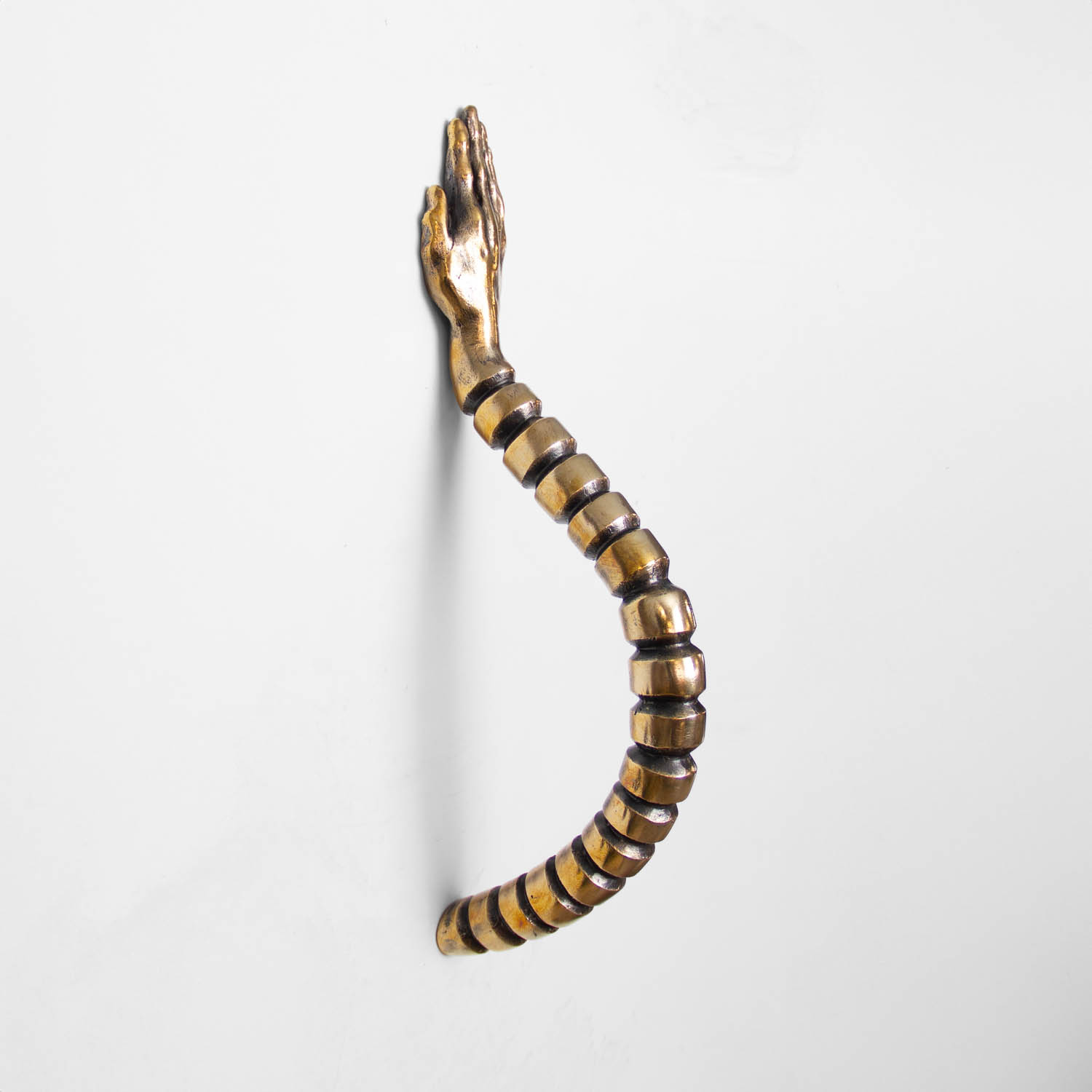
Photography by Fissi. 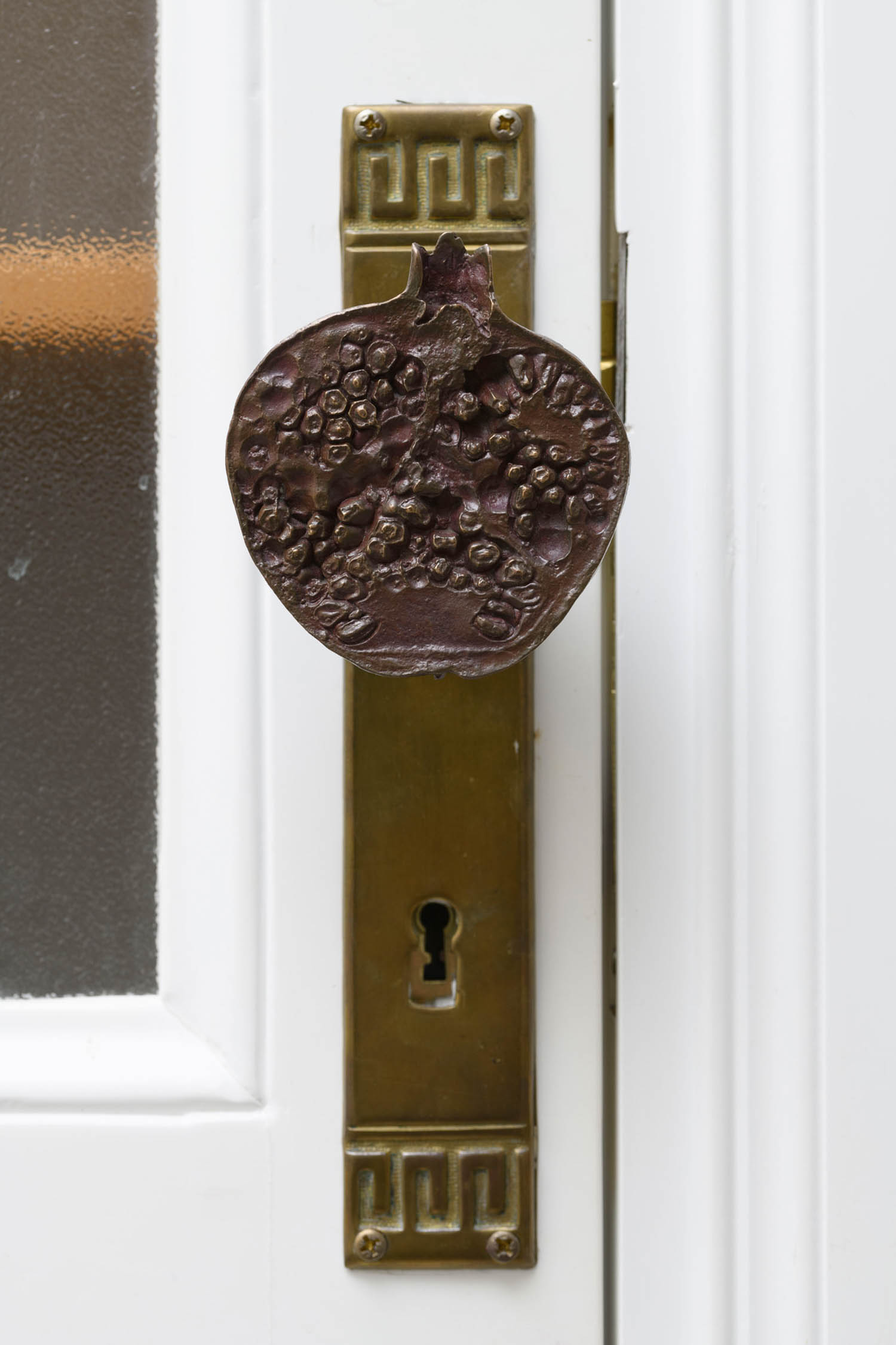
Photography by Fissi. 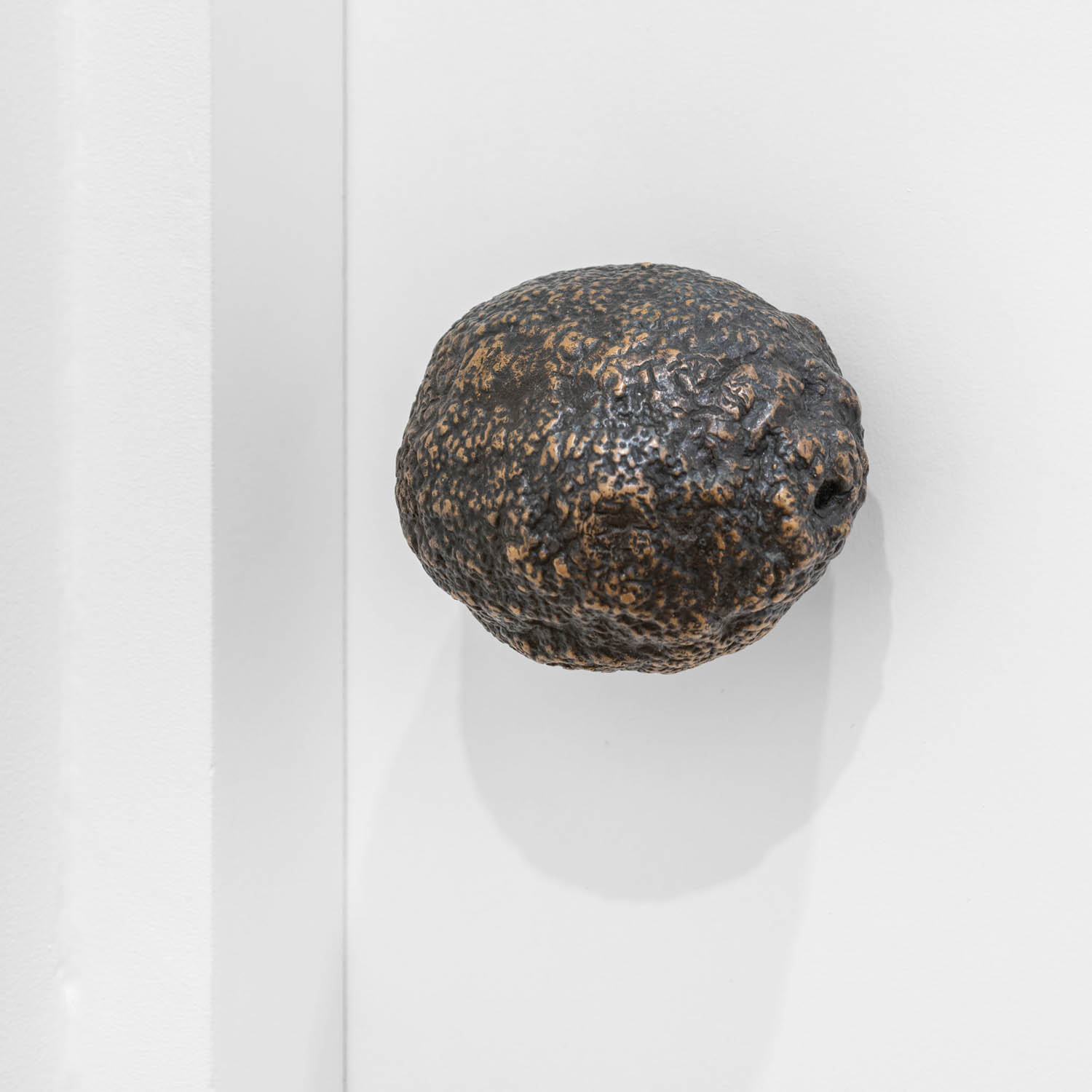
Photography by Fissi.
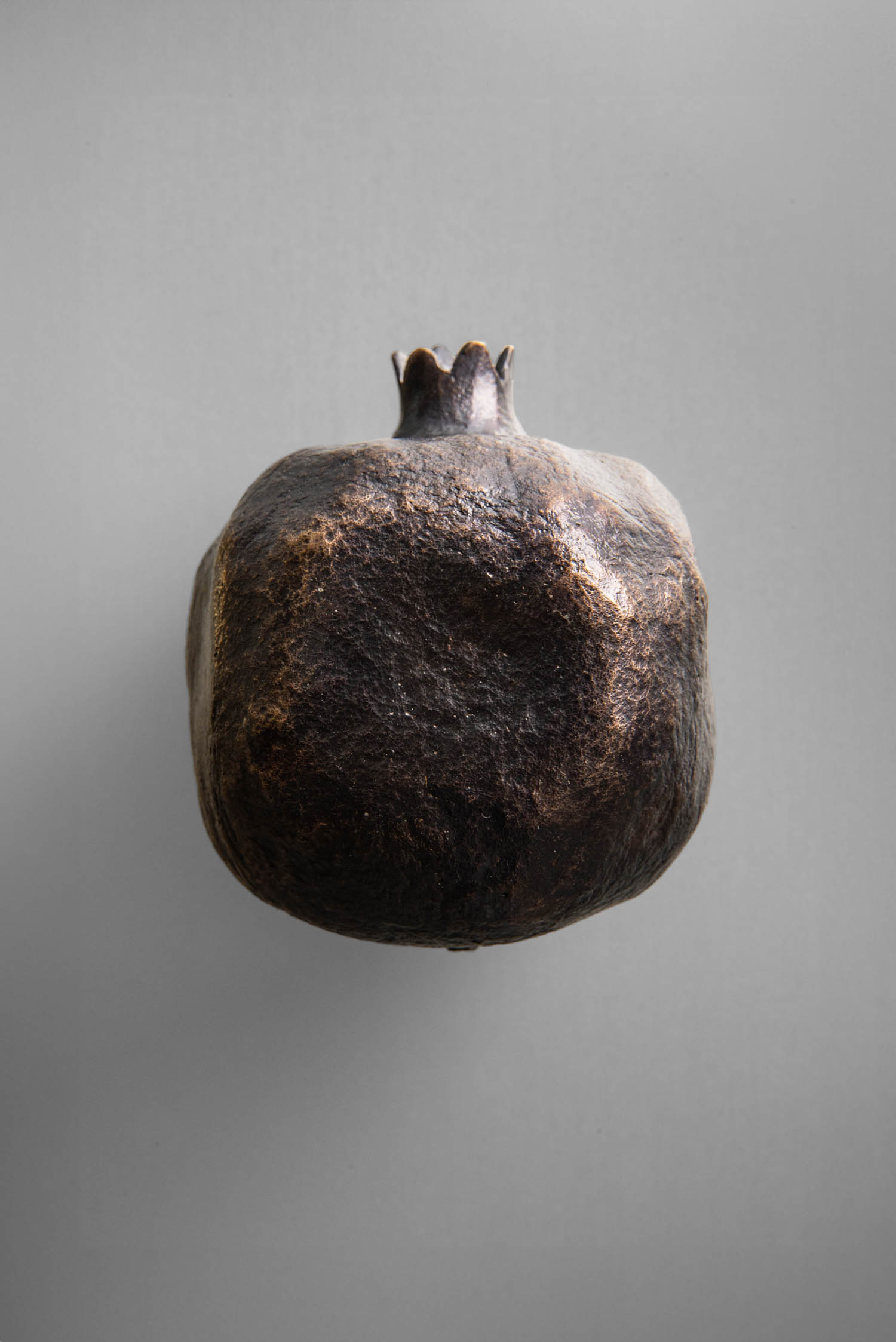
British artist James Hillman’s collection of cast-bronze door handles and knobs, or “sculptural architectural hardware,” is crafted in his own foundry in Italy. Fissi was born five years ago from an architect’s commission for bespoke door handles. From there, demand grew, resulting in a small collection of exquisite hardware inspired by pomegranates, textured lemons, and waves. Artistic door hardware, Hillman explains, came to the fore in the 1700s and reappeared in the mid-20th century. Fissi aims to restore the sense of discovery that can come from a utalitarian everyday object, using traditional casting techniques.
Common Ground by Margherita Rui with NasonMoretti, Fornace Brioni, Fortuny, Imolarte, and Amenta Incisioni
Photography by Eller Studio x EDIT Napoli. 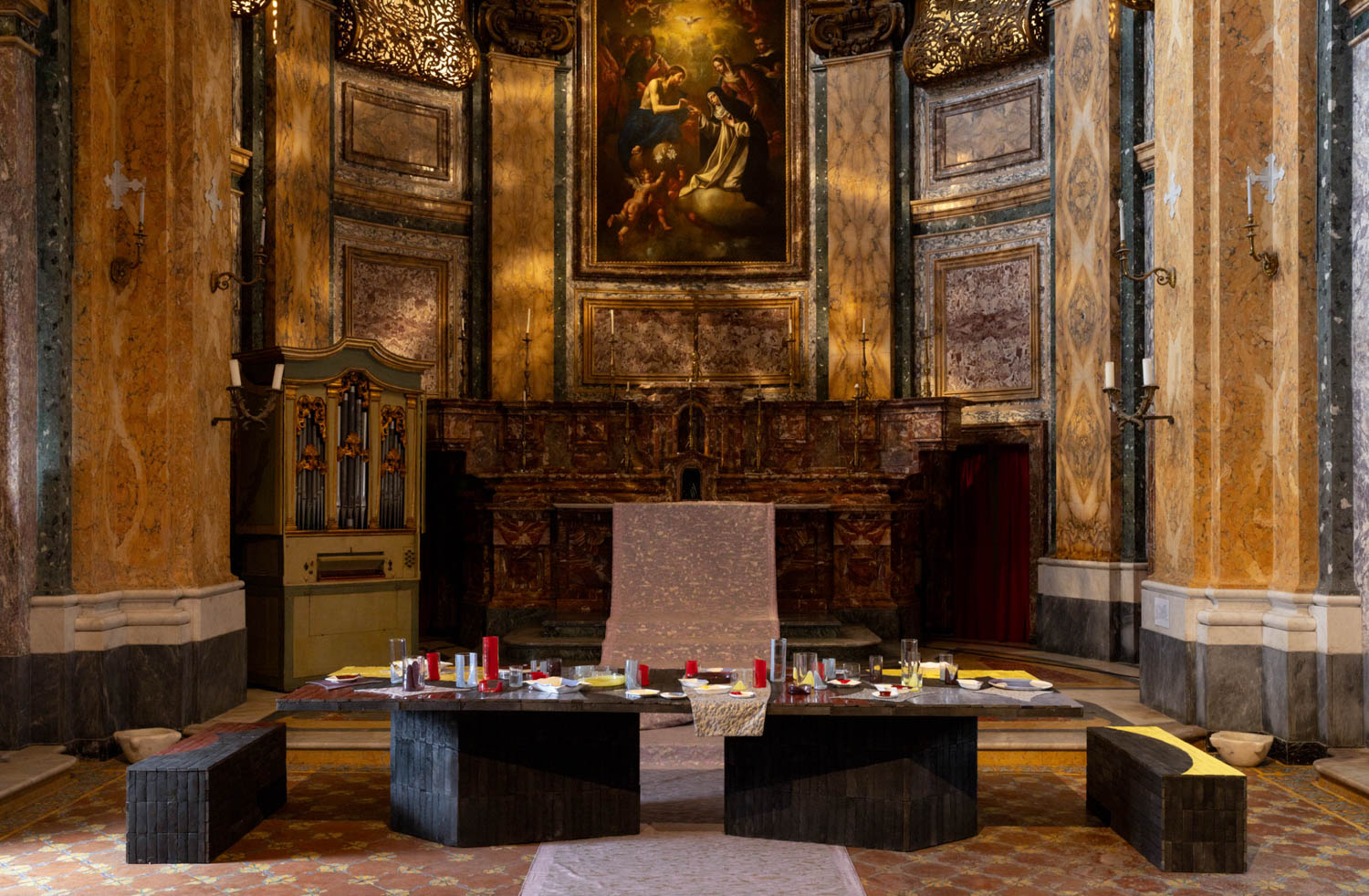
Photography by Eller Studio x EDIT Napoli.
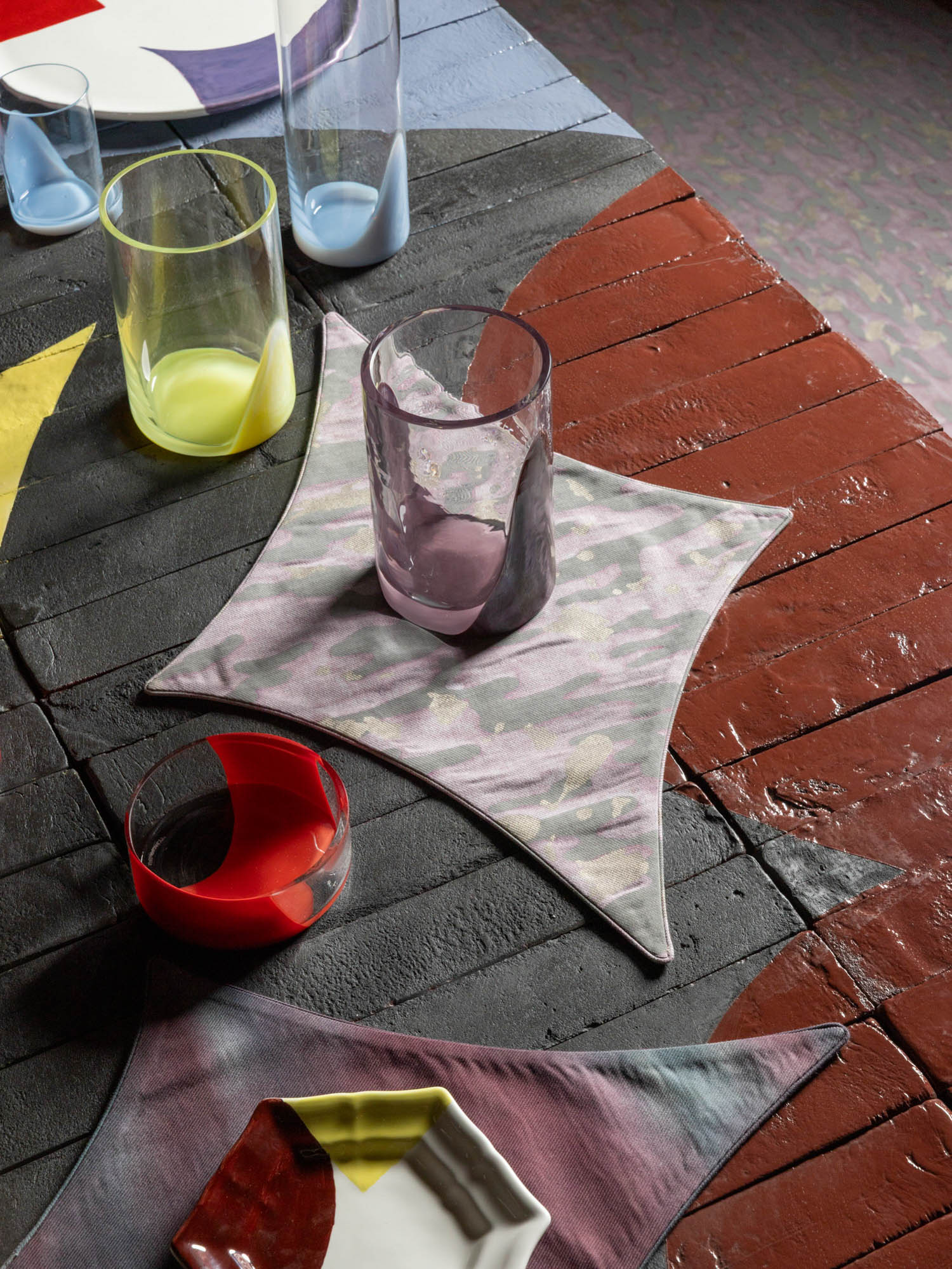
Excellence in Italian design and manufacturing was expressed to magical effect in Common Ground, an installation at the Baroque Church of Santa Caterina da Siena. Working in glass, terracotta, textiles, ceramics, and textile printing, the artists and studios created a mise-en-scène reminiscent of the Last Supper, where diverse traditions, artistic territories, and artisanal knowledge came together in a coherent dialogue.
Melting Heat by MA_ST_AR
Photography by MA_ST_AR. 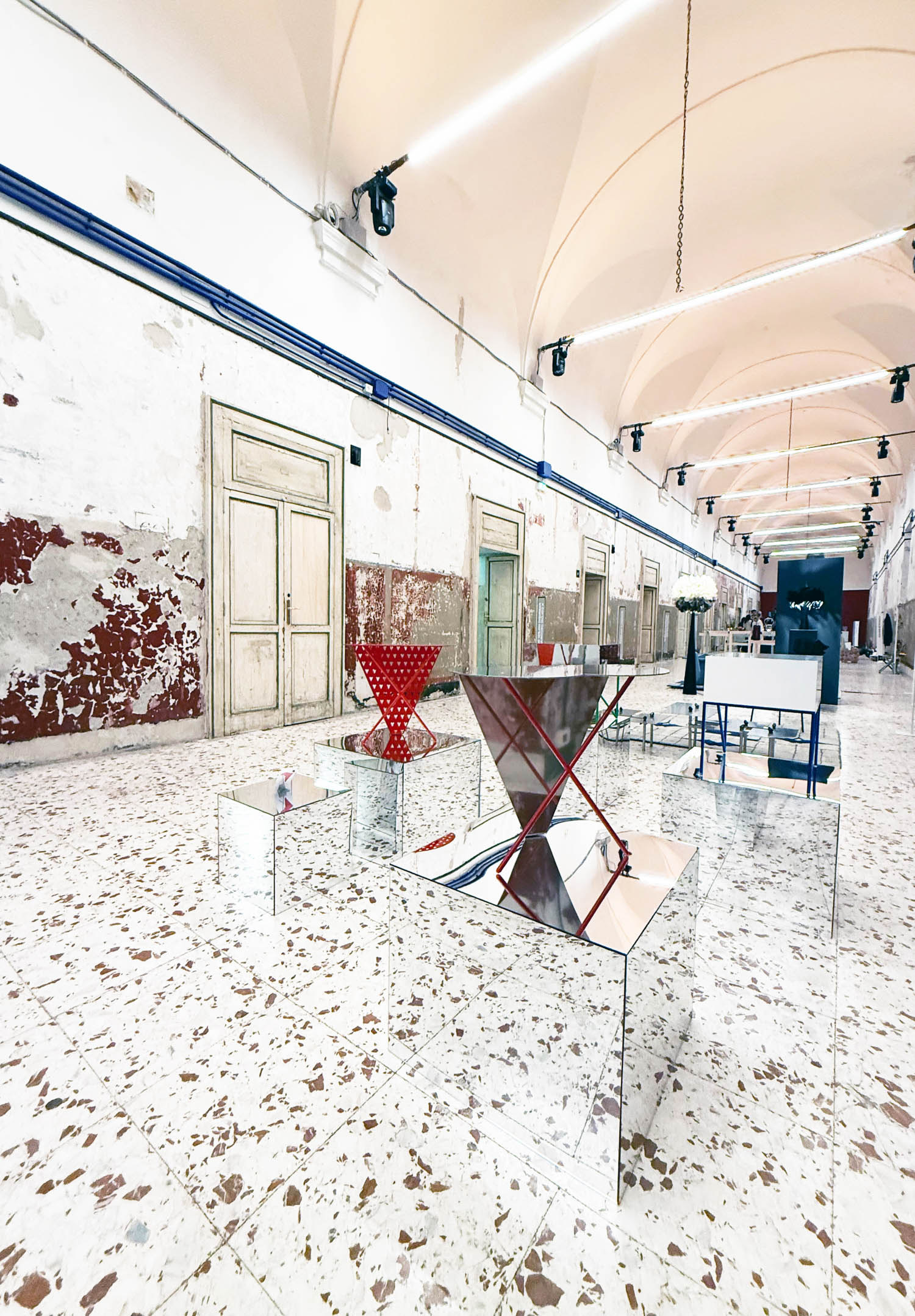
Photography by MA_ST_AR. 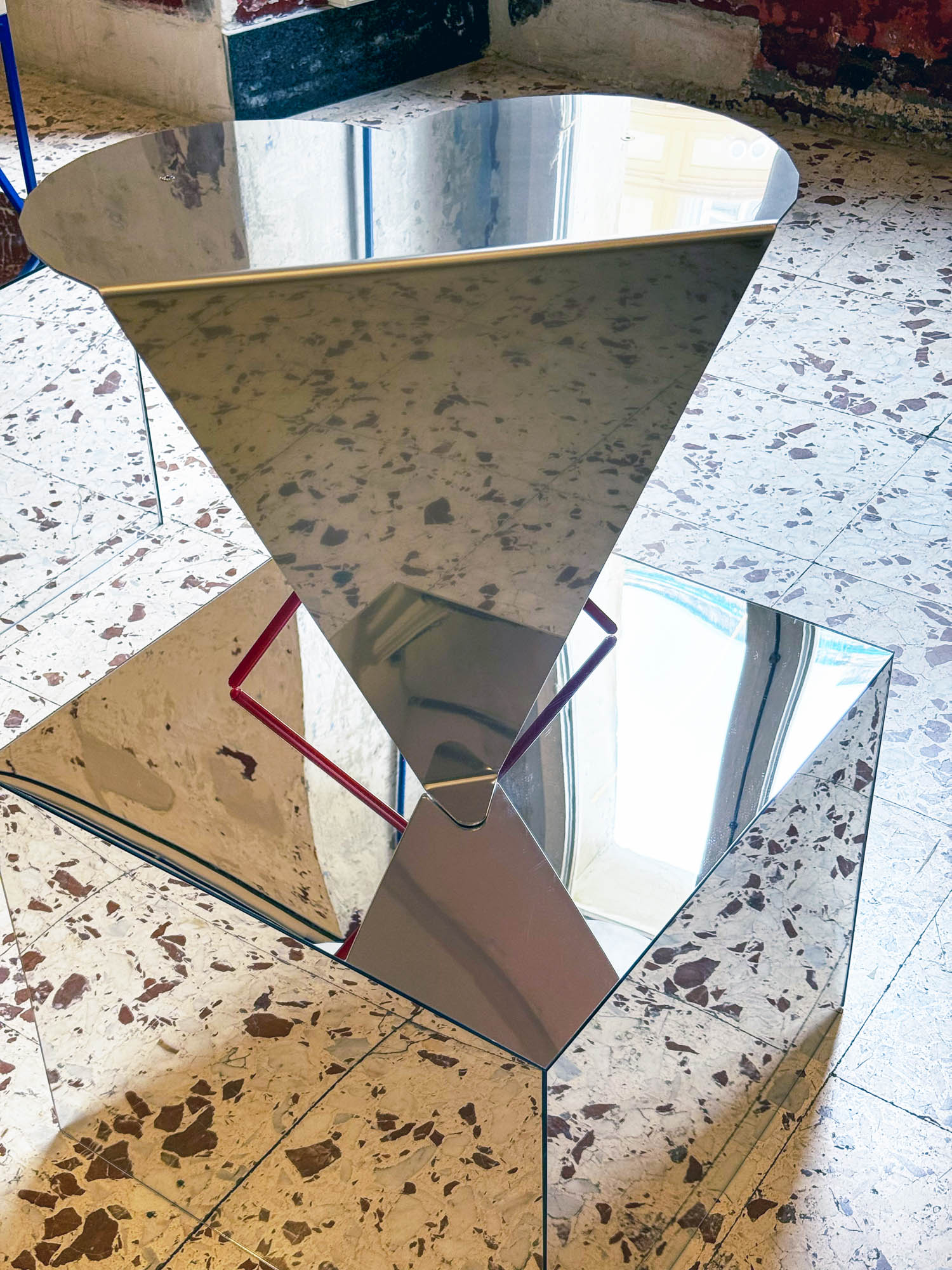
Photography by MA_ST_AR. 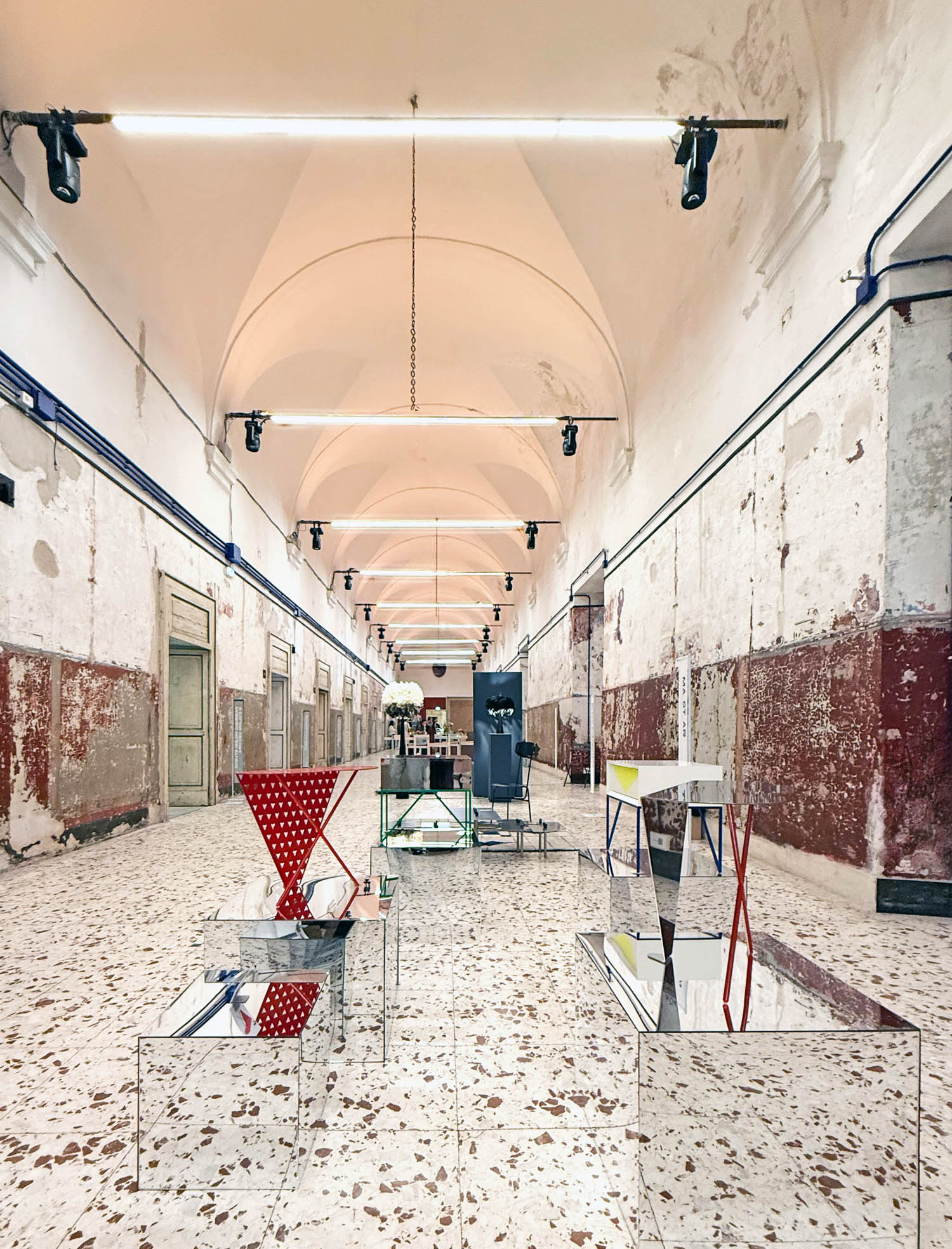
Photography by MA_ST_AR.
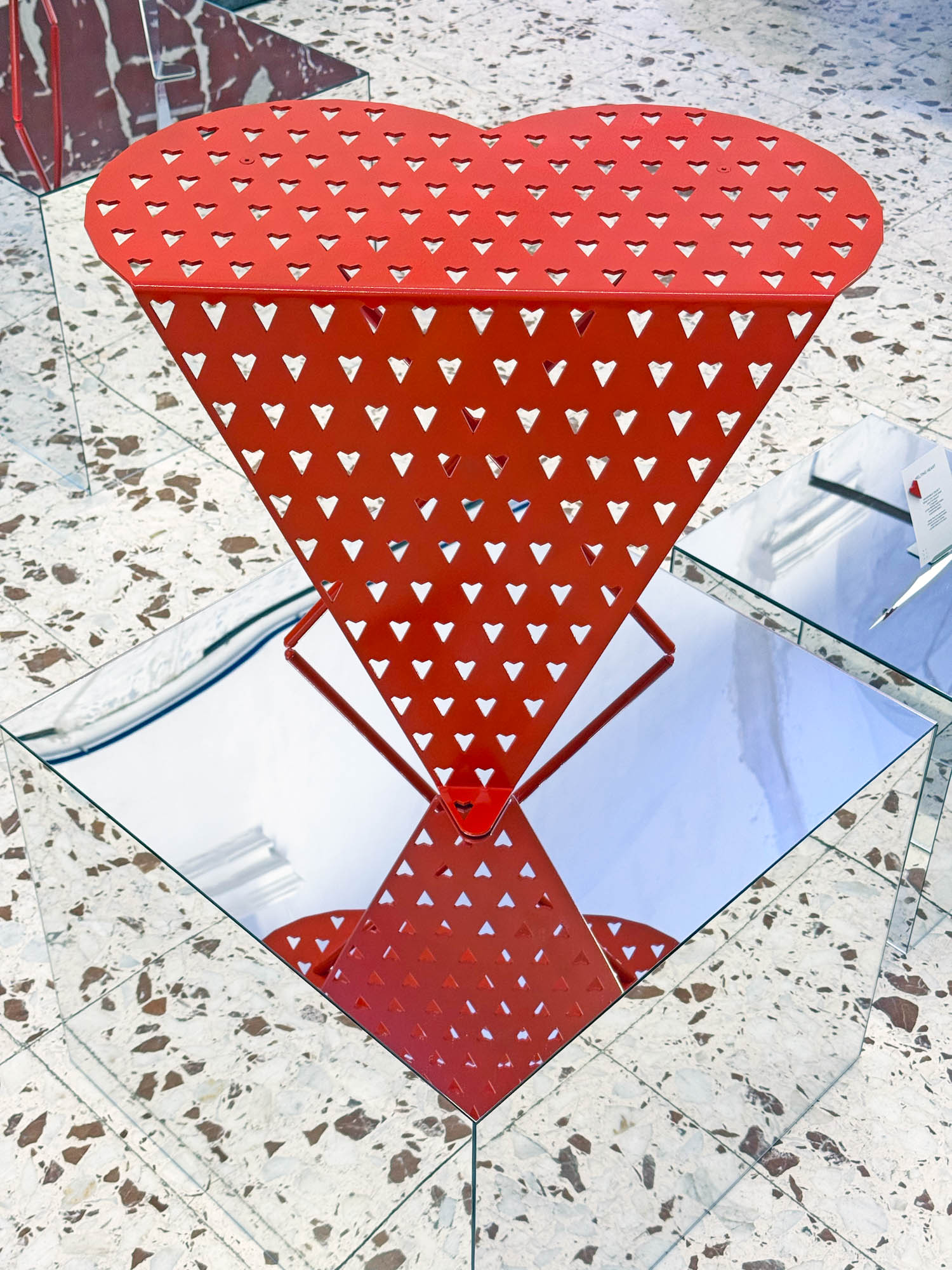
Slovenian designer Maja Stamenković wants us to embrace love. Following “Love Letters,” a collection of side tables inspired by the form of a folded envelope, comes “Melting Heat,” a sculptural side table with a minimalist construction in recycled metal. Supported by an X-shaped leg attached with two screws, it offers a quiet expression of human connection for the home. Melting Heat is available in a mirrored Valentine red finish. In this version, the offcuts from the perforated hearts have been turned into pins for those who also wish to wear their hearts on their sleeves.
Bufon by ÙTOL
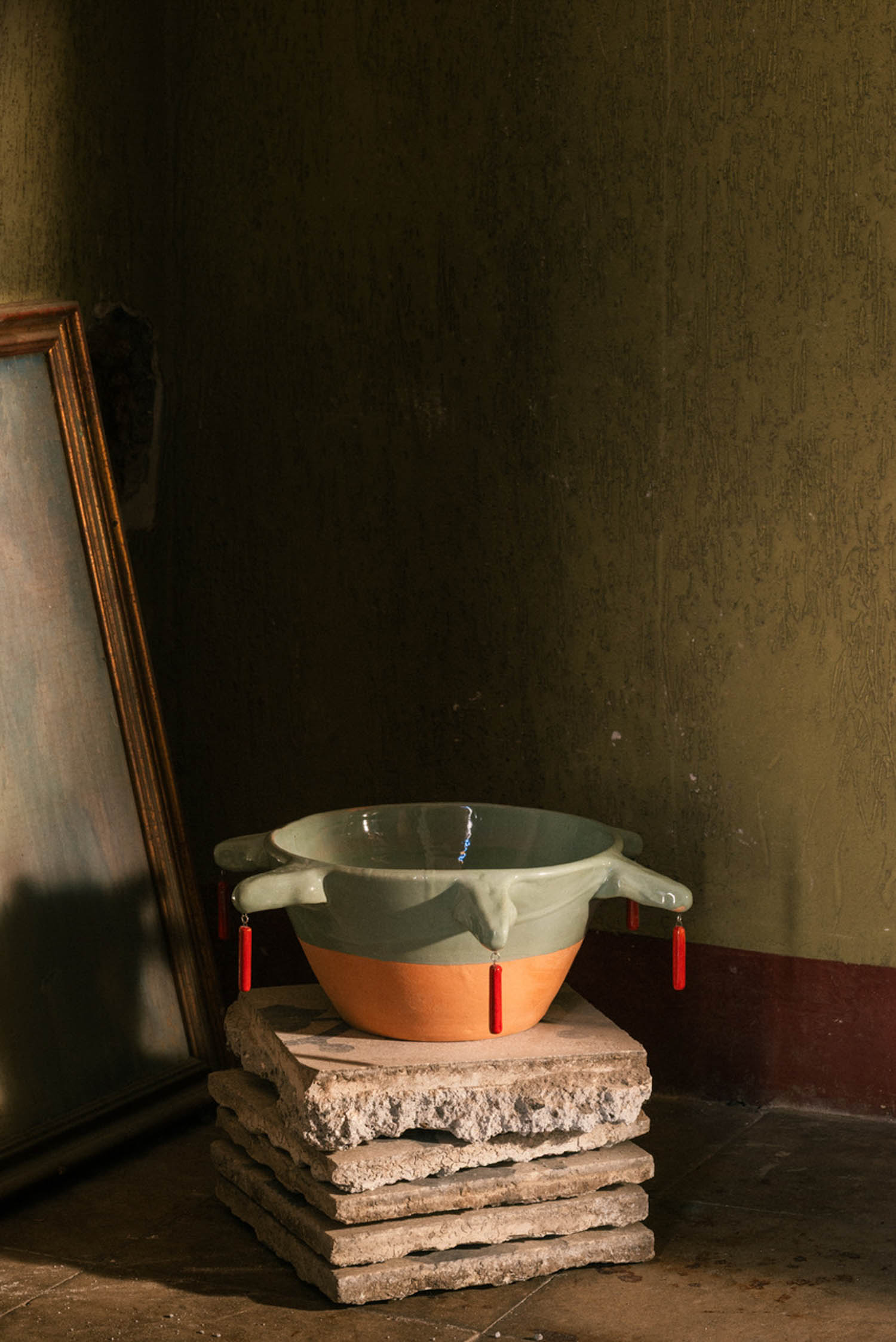
Photography by ÙTOL. 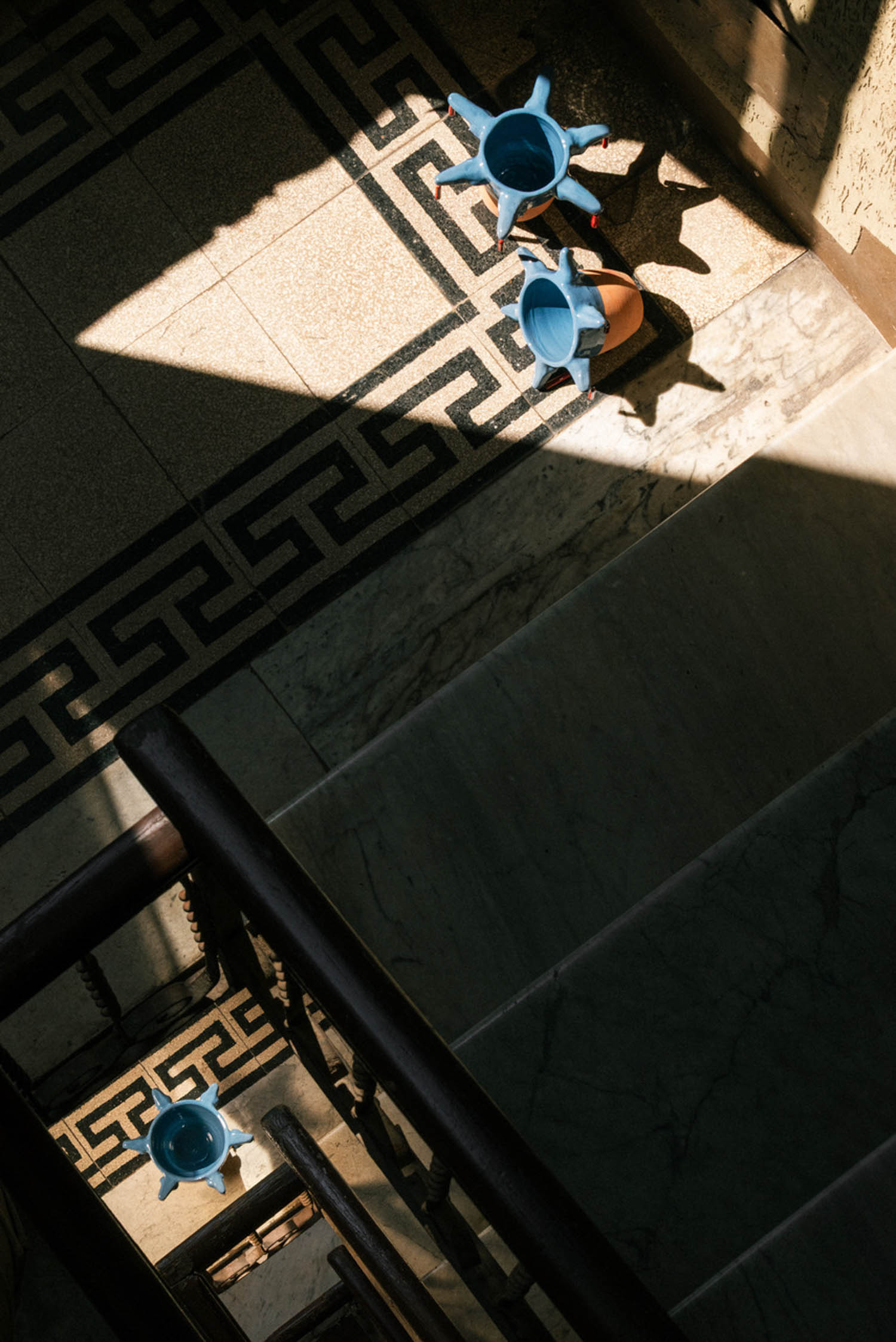
Photography by ÙTOL. 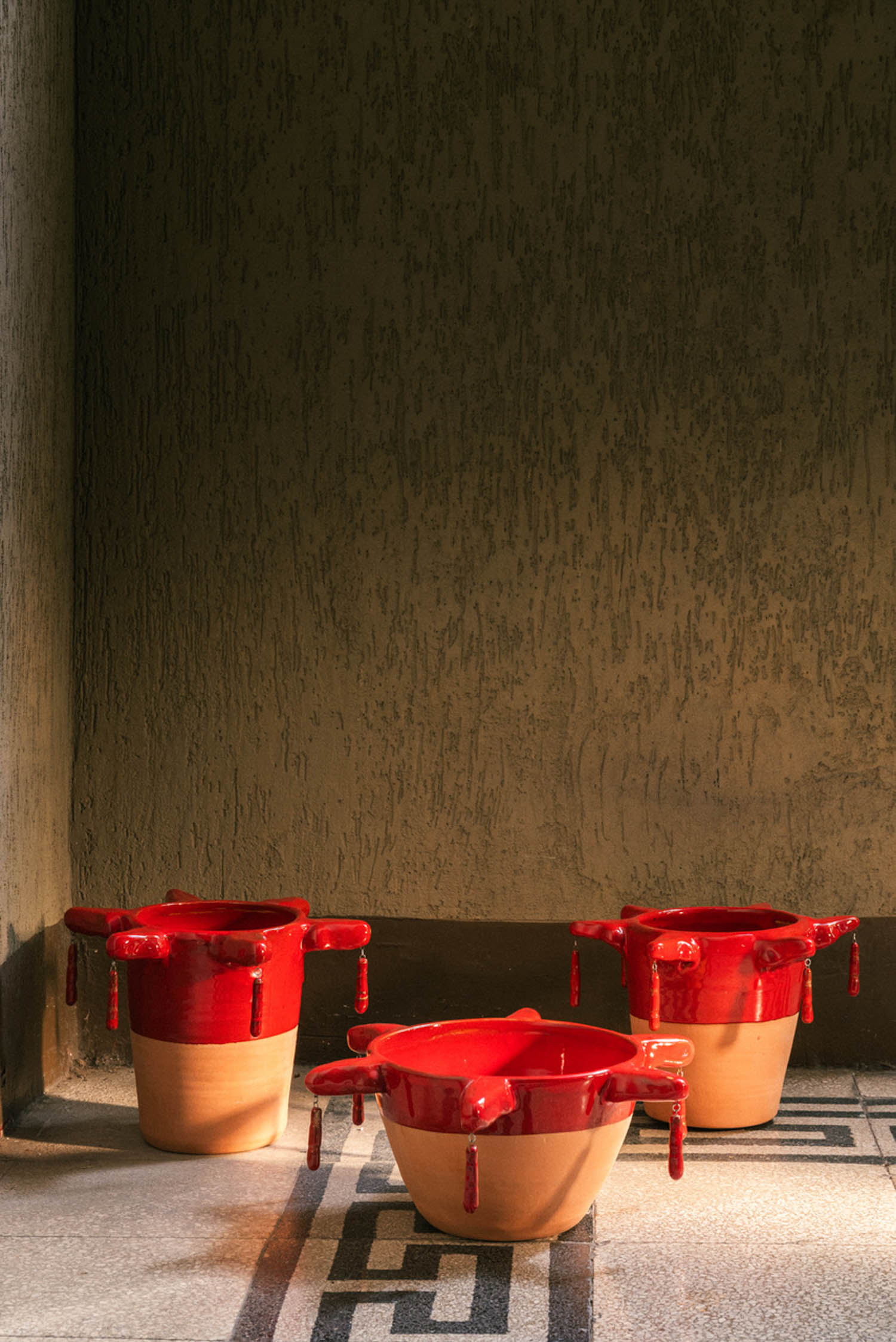
Photography by ÙTOL. 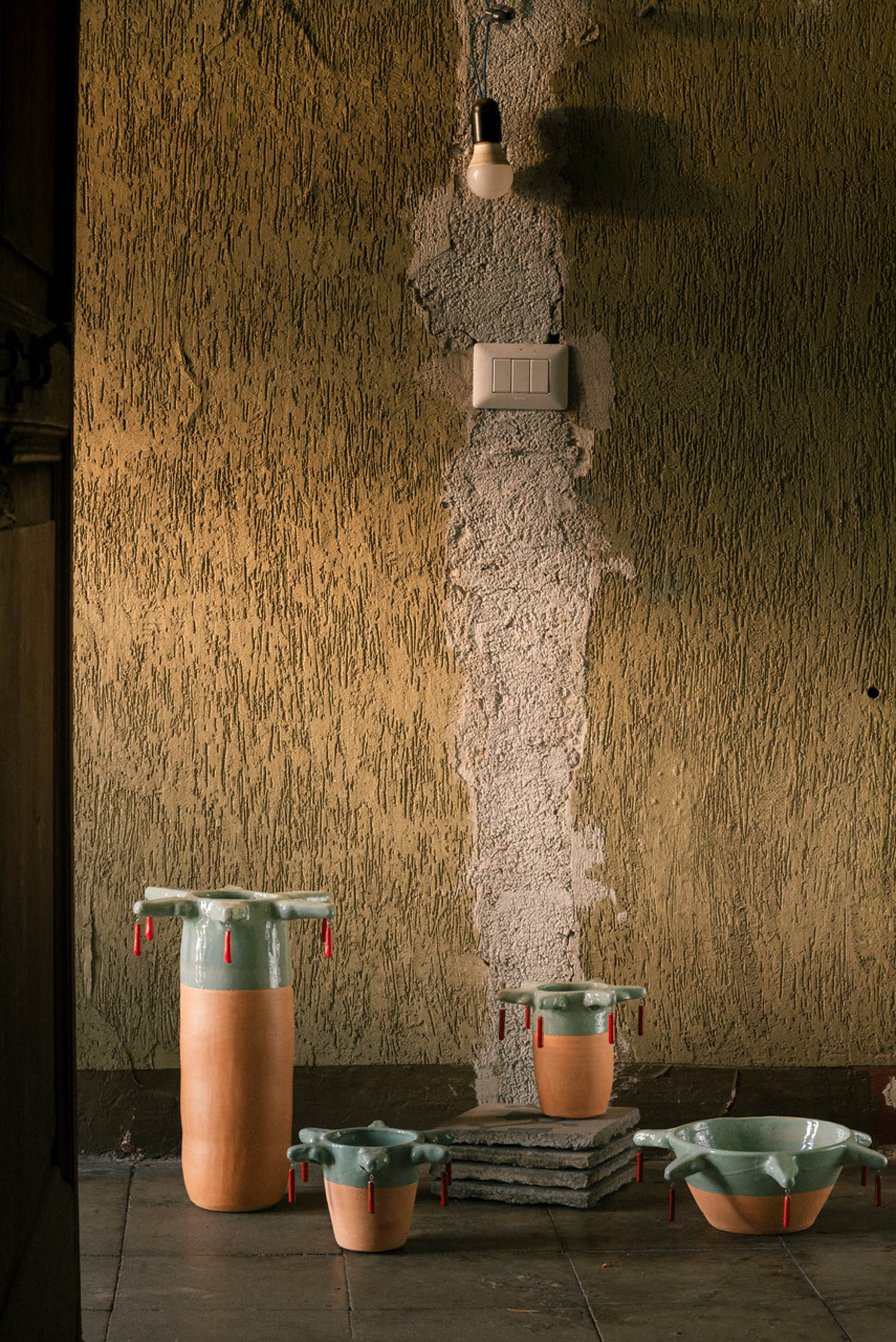
Photography by ÙTOL. 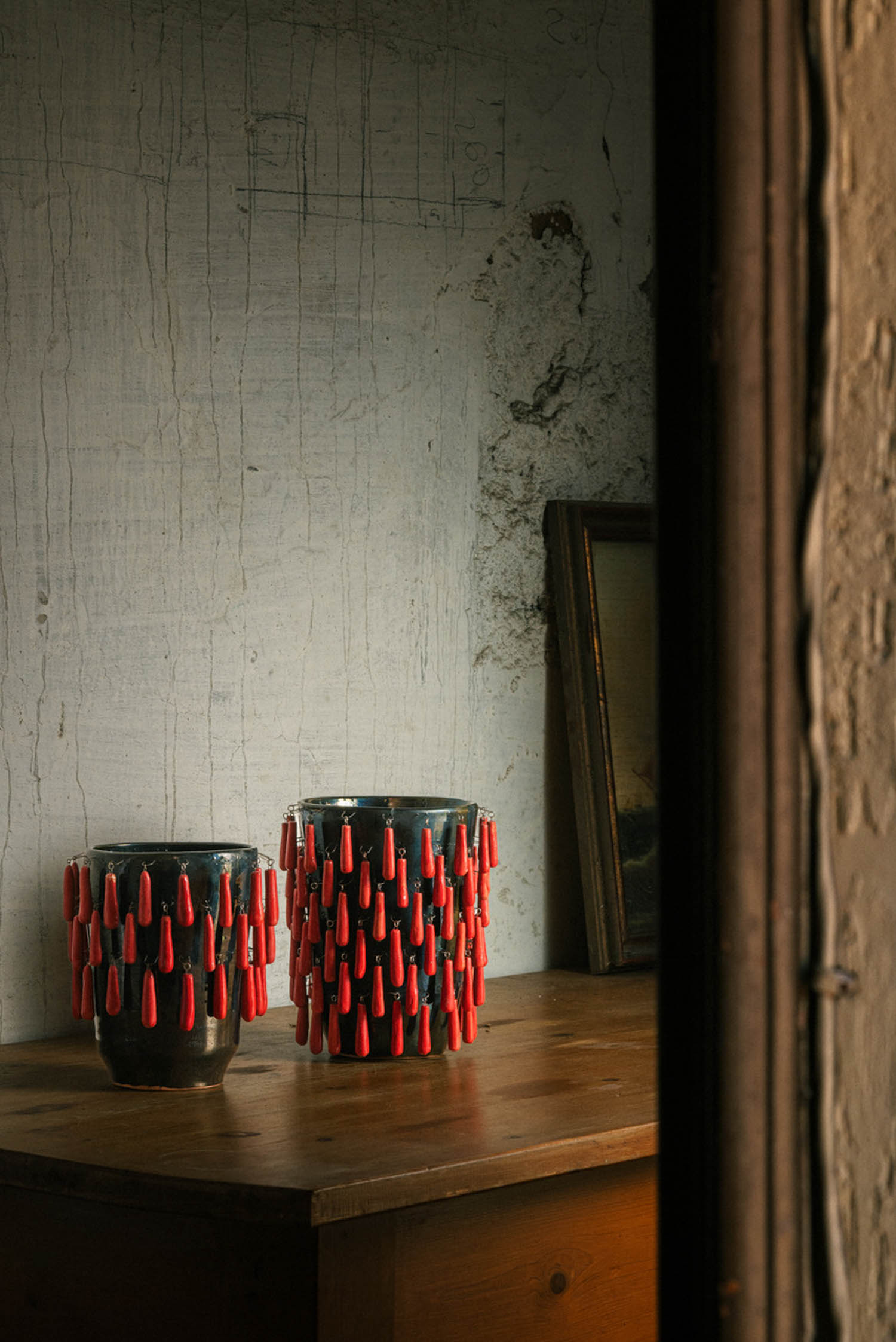
Photography by ÙTOL.
Founded by Flavio Rossi and David Romelli, ÙTOL is a contemporary ceramics studio based between Rome and Val di Fassa, a valley in the Dolomites. It is the folklore of this remote, mountainous region that inspired Bufon, named after a carnival character associated with both mischief and good fortune. The drop-shaped glass pendants take their form from Bufon’s long red nose, while the glazed ceramic vase draws on Mediterranean pottery traditions.
Room with a View by Parallelismi
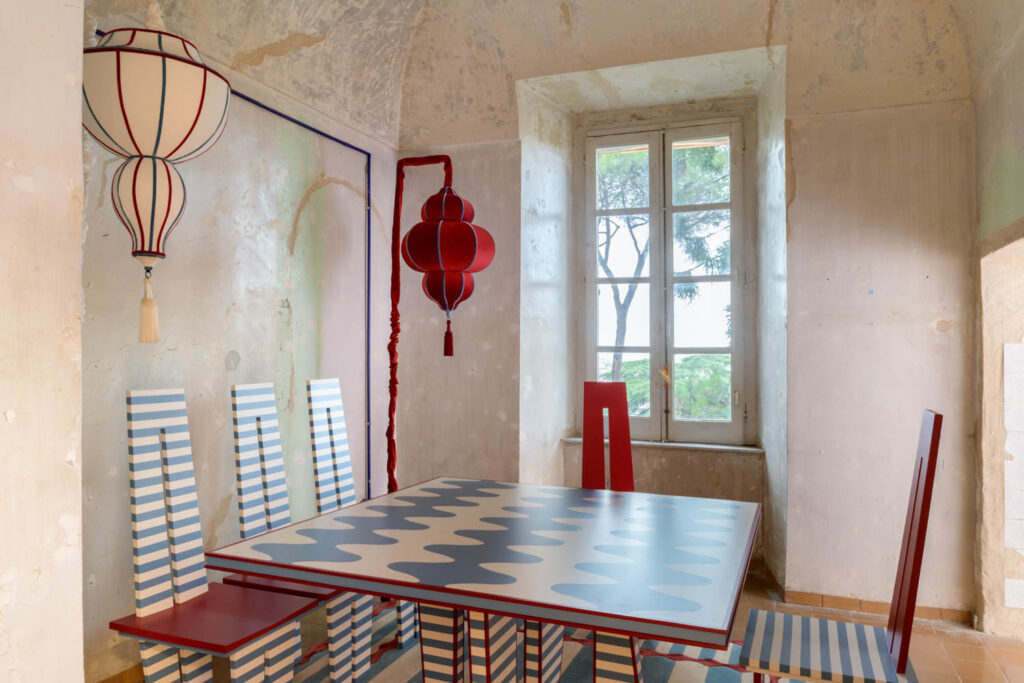
Architects Fabrizia Frezza and Alessandra Coccia, a mother-daughter duo, celebrated EDIT Napoli 2026 with the launch of Parallelismi, a new online curatorial platform that brings together interior design, lifestyle, and product design, organizing them into distinct atmospheres that explore how we inhabit spaces.
“In Parallelismi, furniture itself becomes a storytelling device,” explain the founders. “These are not simply products to buy, but objects that express a way of living and contribute to a distinct contemporary language.”
Controtiempo by Massimo Lunardon
Photography by Eller Studio x EDIT Napoli. 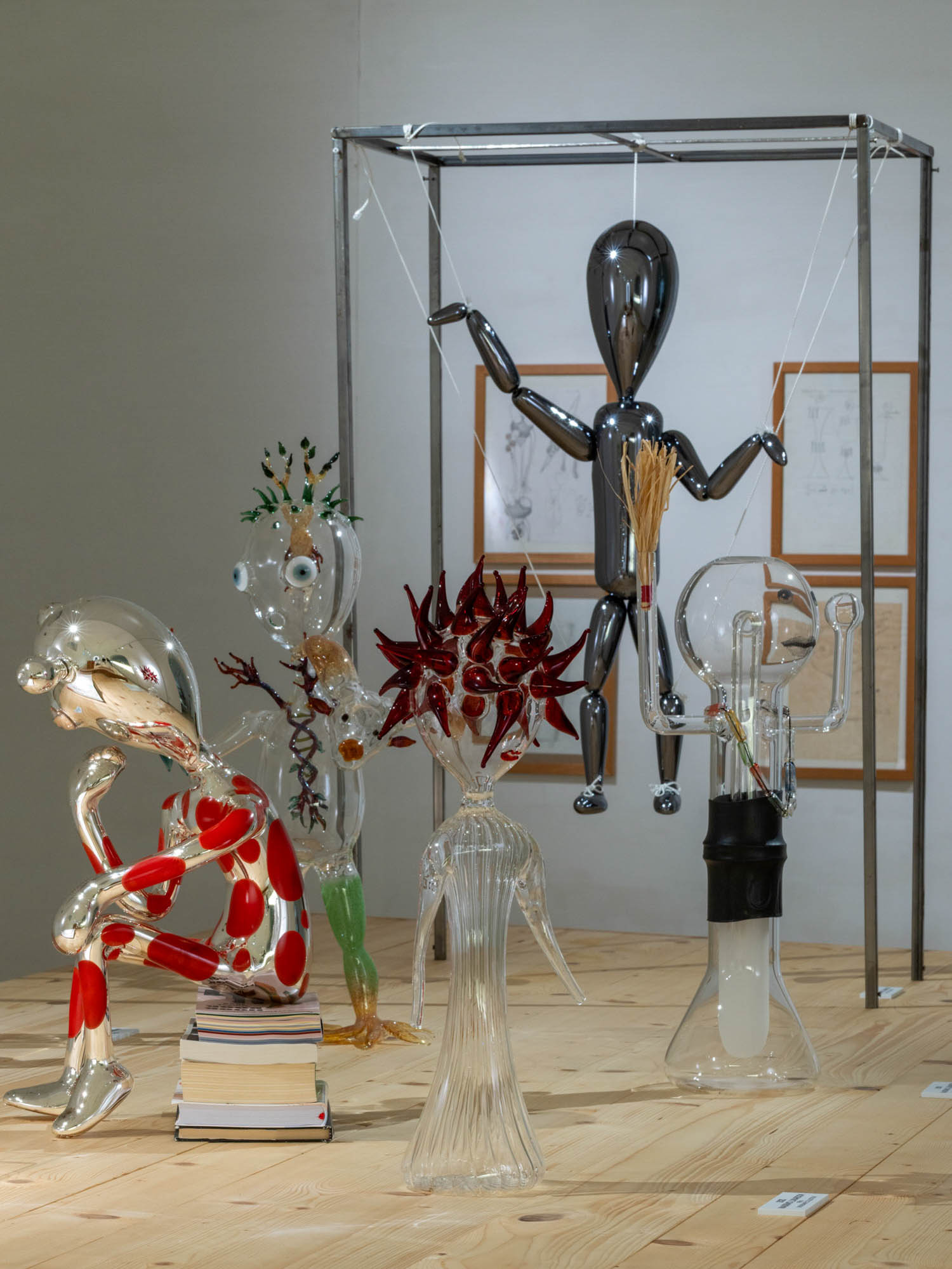
Photography by Eller Studio x EDIT Napoli.
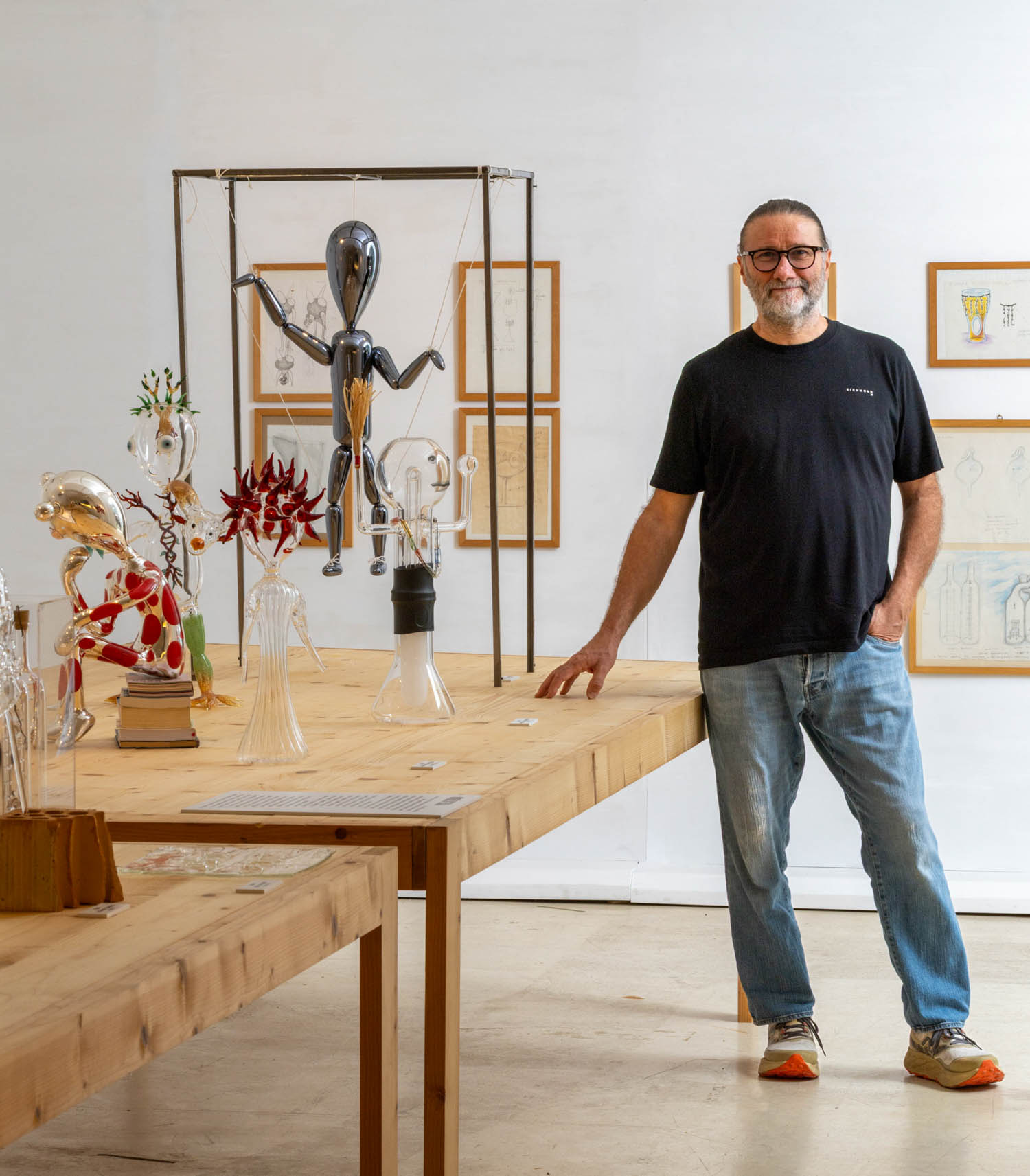
At Fondazione Plart, a cultural center and exhibition space for experimental design, Controtiempo celebrates 40 years of work by Veneto-born master glassmaker Massimo Lunardon. Often described as being ahead of his time, Lunardon presented more than 50 fantastical figures, many created in collaboration with artists and designers, including Piero Fornasetti and Michele De Lucchi.
read more
DesignWire
10 Questions With… Sculptor Aminata Collé Mboup
Aminata Collé Mboup discusses her practice, inspirations, fluidity between disciplines, as well as her unique approach to materials.
DesignWire
10 Highlights From Amman Design Week
Amman Design Week 2026 gathers a host of regional designers and architects under the theme ‘Accumulations.’