
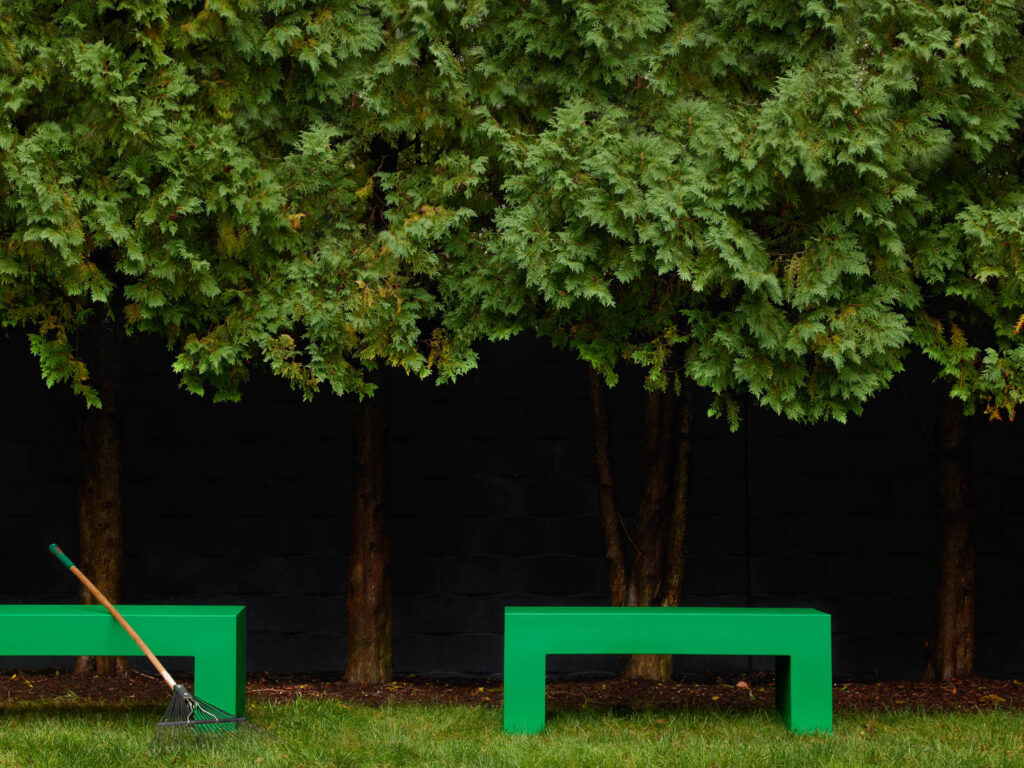
Heller Introduces Fully Regenerative, Microplastic-Free Furniture
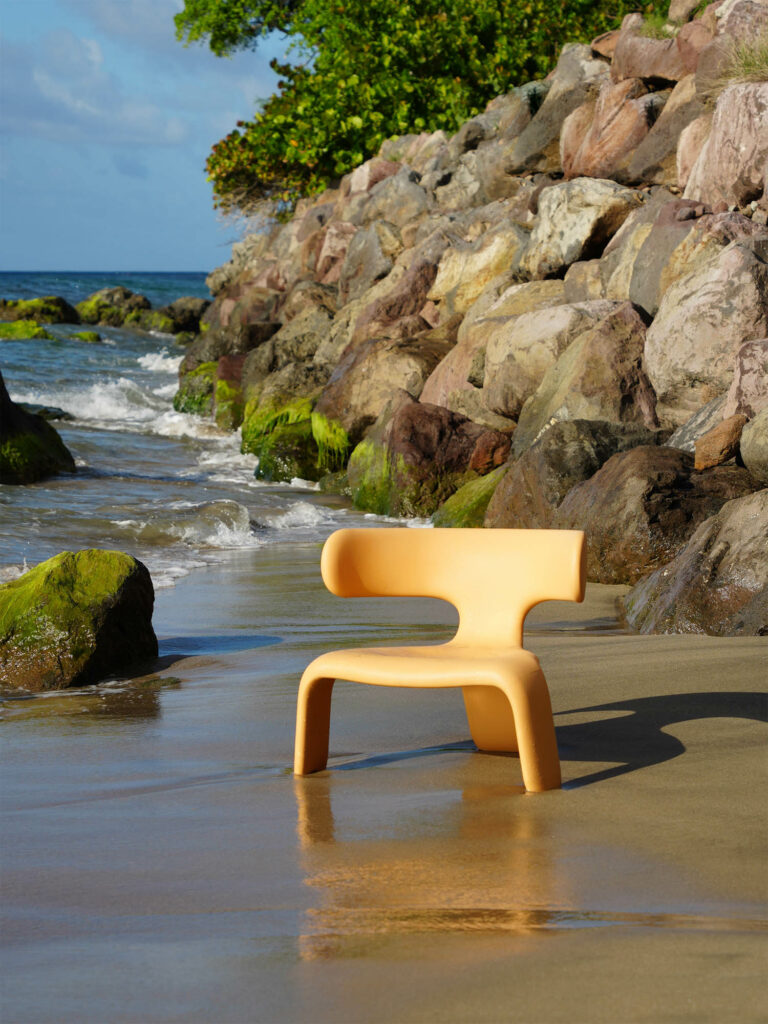
With Earth Day around the corner, Heller announced its latest initiative to help protect the planet—marking a big stride in sustainable design. As of April, 2025, most Heller furniture is being designed to disappear after use, becoming nutrient dense soil. And this isn’t the work of sorcery—it’s pure science.
Using patented enzyme technology made by Worry Free Plastics, Heller’s furniture and select accessories are now fully biodegradable, leaving no trace of microplastics. The cutting-edge technology ensures that Heller furniture maintains its signature performance standards, withstanding the elements indoors and out, while only breaking down in anaerobic environments like landfills.

“We started development about two years ago,” shares John Edelman, Heller president and CEO. “We had to develop a formula for each item and then test it.” The technology merges an organic enzyme by Worry Free Plastics with Heller’s proprietary polymer material during manufacturing, transforming the brand’s plastic into a material that microorganisms can completely consume within five years in end-of-life environments. “We are most excited to help the world be free of microplastics,” adds Edelman. “Doing well by doing good is the dream.”
As for what’s next, Heller plans to continue its efforts to better the planet, making a commitment to ensure all future designs are sustainable. “We have two super exciting new launches coming out in May,” Edelman hints, noting that these include a smart storage unit, designed by Bill Curry, and a striking stacking chair by Mario and Claudio Bellini. Needless to say the future of Heller is bright, and most certainly green.
Explore Heller’s Collection Of Regenerative Designs


read more
DesignWire
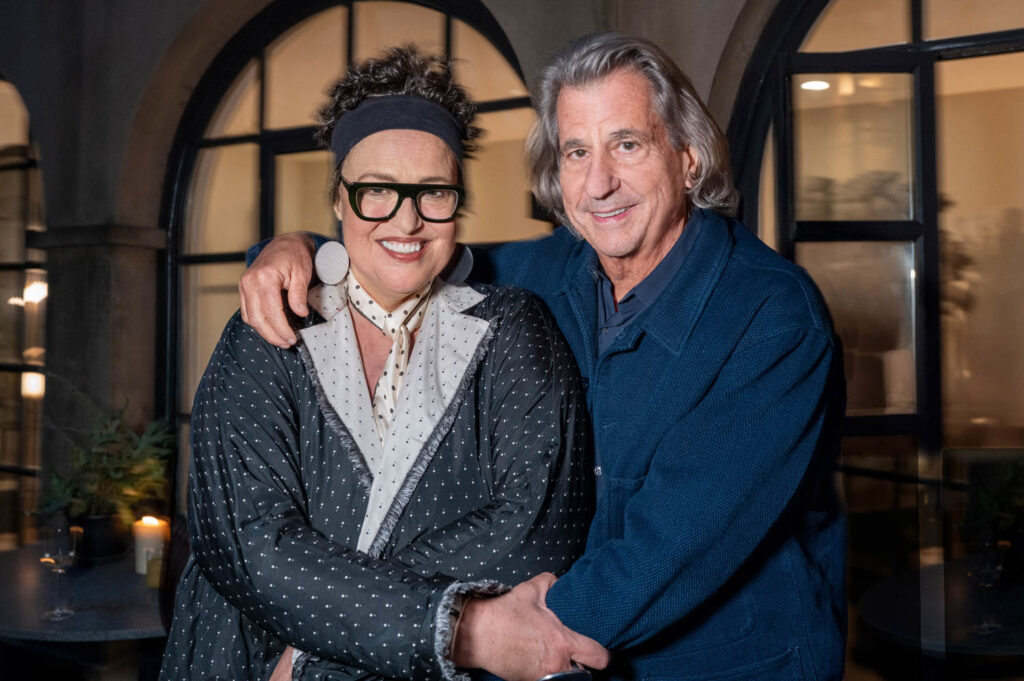
25 Years, Countless Design Stories: Celebrating Cindy Allen
Interior Design Editor-in-Chief Cindy Allen’s 25th anniversary brought the design community together at Manhattan’s historic Clé Townhouse.
DesignWire
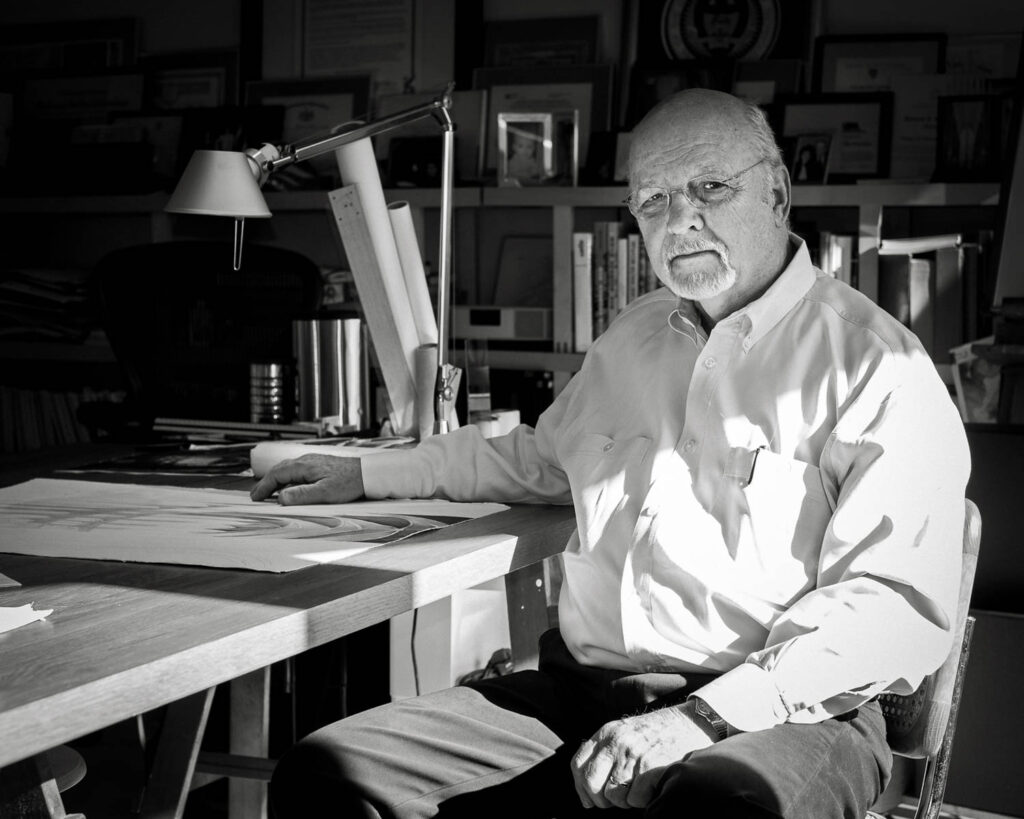
Thomas W. Ventulett III, Cofounder Of TVS, Dies At 90
A tribute to the life and legacy of Thomas W. Ventulett III, co-founder of the Atlanta-based architecture firm TVS.