
10 Fascinating Highlights Spotted At Design Week Lagos 2025
Every year, Design Week Lagos continues to push the boundary of what defines Nigerian and West African design and architecture. This year was no different. Design Week Lagos 2025, curated by the Dakar-based designer Bibi Seck under the theme “Made in Africa: Shaping Industries, Shaping Futures,” offered many activations, including the Made by Design Show and Design + Innovation as well as exhibitions, student showcases, and partner programs.
Spotlighting new voices and innovations that continue to shape works throughout the continent, show founder Titi Ogufere says: “Design Week Lagos exists to champion the ingenuity and ambition of Africa’s creative community. Each edition reaffirms our belief that design is a powerful language, one that tells our stories, shapes our economies, and connects Lagos to the global conversation on creativity and innovation.”
From a pyramid spiral lamp to a throne-like wooden chair, take a look at brilliant projects spotted at Design Week Lagos 2025.
Connect With African Creativity At Design Week Lagos 2025
Beacon of Thoughts by Abduljaleel Sodangi
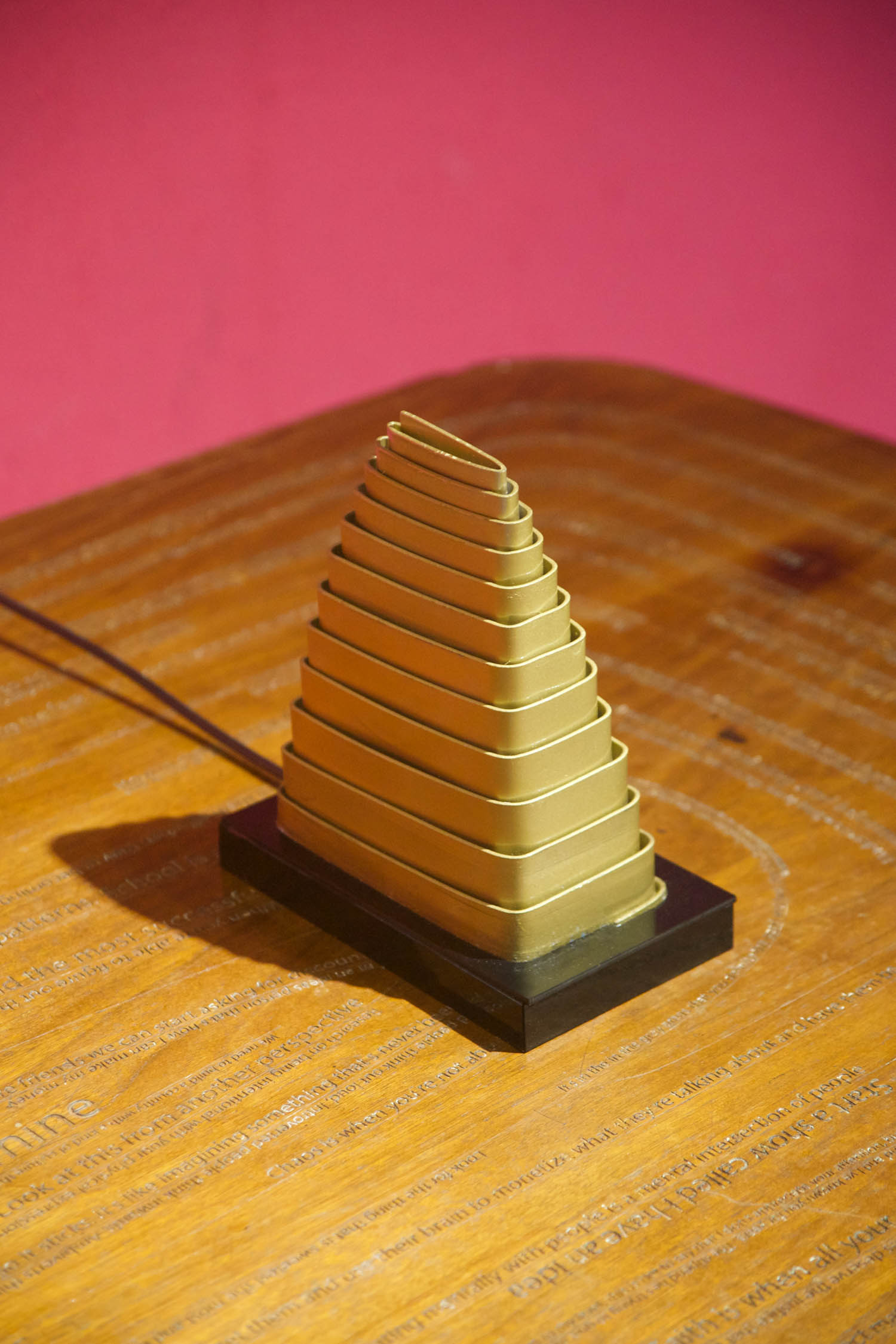
A spiral lamp built on the idea of continuous dialogue, Beacon of Thoughts by Abduljaleel Sodangi reimagines light as conversation. Its glowing tiers evoke the rhythm of reflection, questions leading to answers, and answers leading back to wonder. What makes it stand out is its pyramid-like structure moving sequentially in multiple hues of color warmth. Inspired by African spiral motifs, the lamp captures the infinite cycle of thought and connection in luminous form.
Apo Stool by Athanasius Johnson
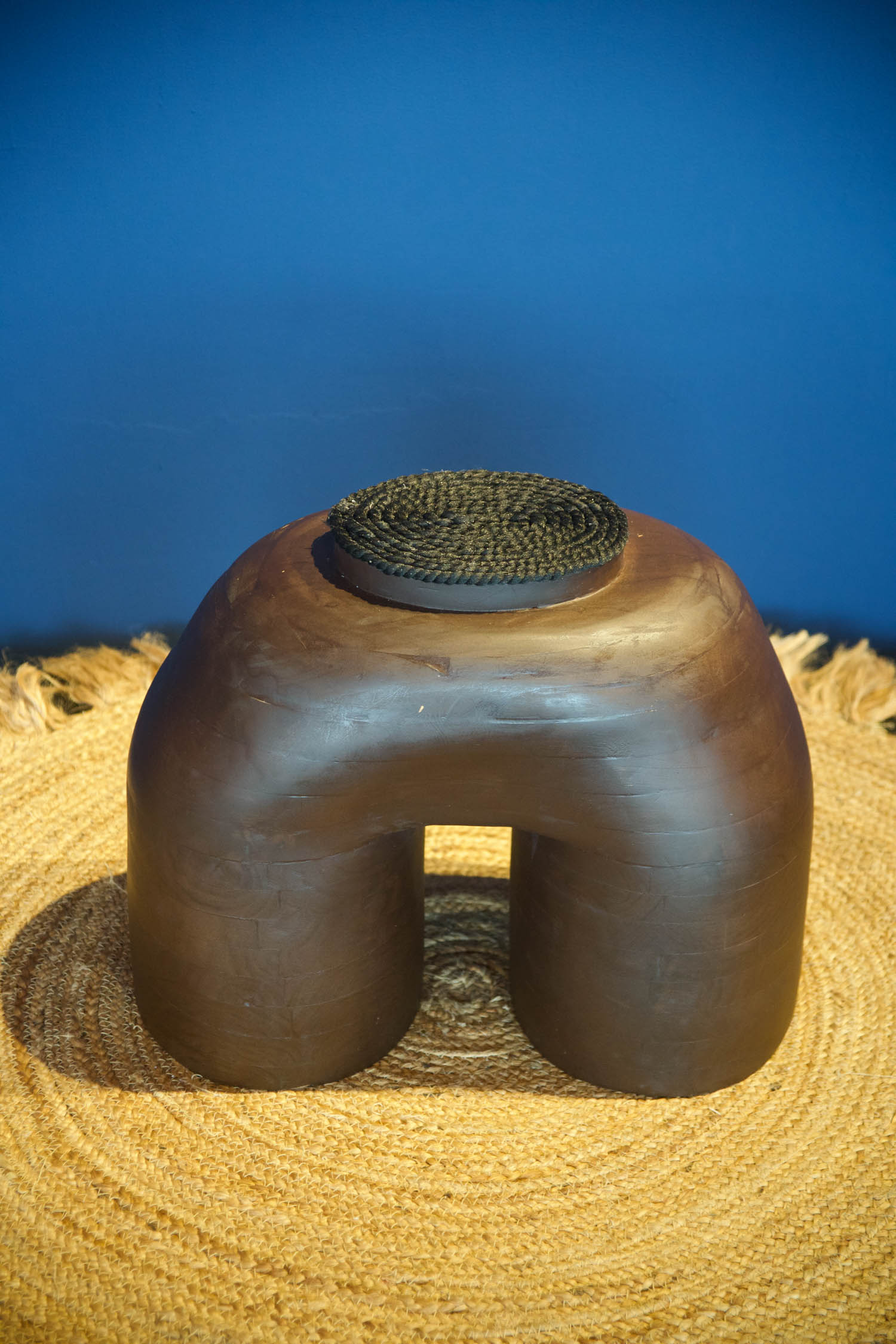
Athanasius Johnson’s Apo Stool refines local craftsmanship through restraint. And it reduces tile coverage and material bulk, making the design look like a clean, modern silhouette that balances affordability with artistry. The shape is also a functional one, playing with two layers yet so simple at its form.
Akuko by Chibuzor Emordi

Created to hold books, journals, or letters, Akuko reimagines the familiar magazine holder as a vessel for memory and storytelling. Chibuzor Emordi weaves together hand-knotted macramé cords over a naturally finished wooden frame, creating an object that feels both intimate and enduring. The tactile quality of the ropes contrasts beautifully with the smoothness of the wood. Beyond its functional purpose, Akuko evokes a quiet nostalgia. In many Nigerian homes, stacks of newspapers, family photo albums, and letters once sat in corners and on tables, small, unspoken markers of time passing and stories being kept.
Irawo and Teriba Chair by Richard Aina
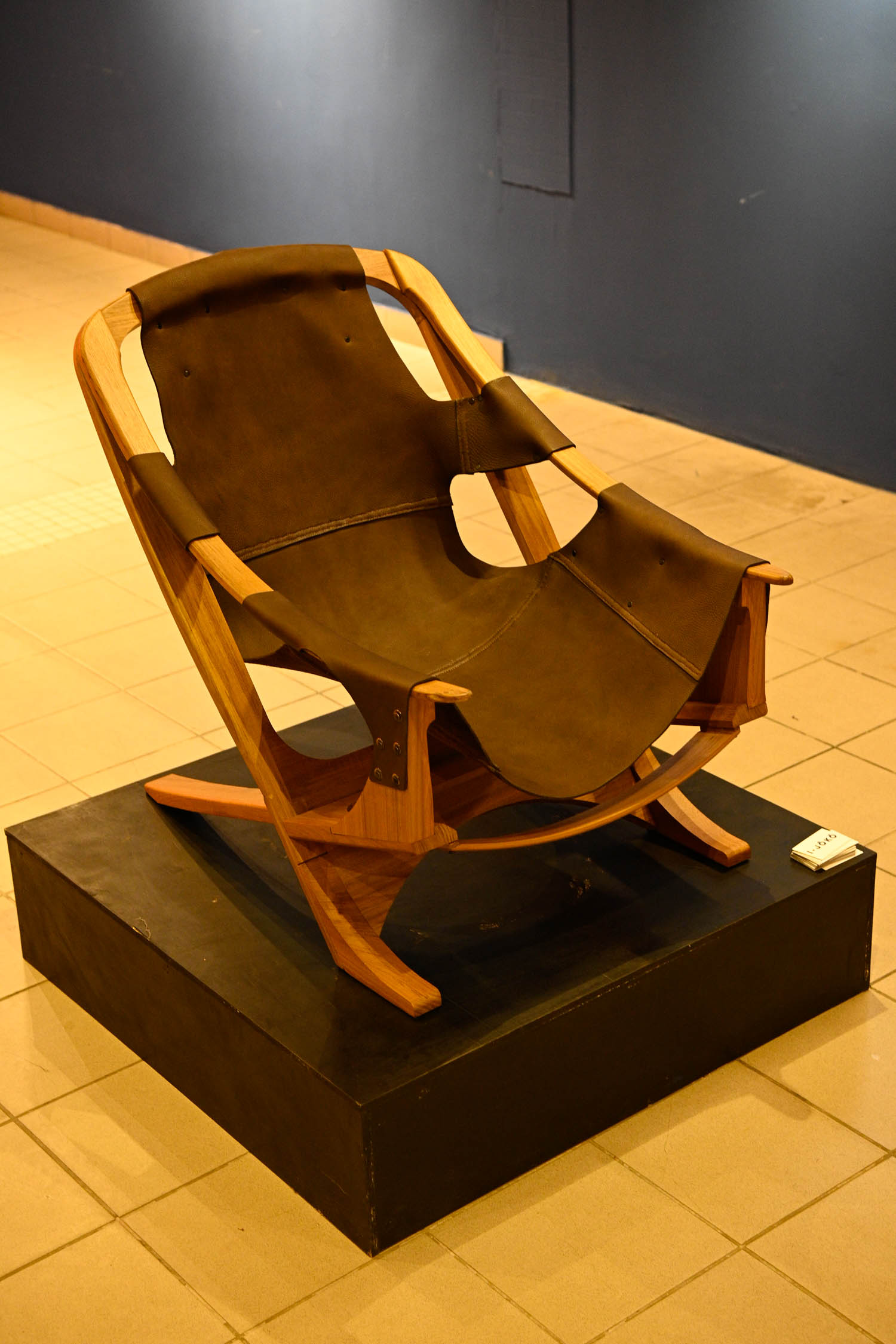
Richard Aina continues his exploration of form, symbolism, and community through pieces that merge sculpture and functionality. In Teriba Chair, inspired by the chief’s seat of the Baluba people in Katanga, he channels reverence and balance—its interwoven curves and upright poise mirroring the delicate harmony that binds society together. Irawo, meaning “star” in Yoruba, extends that language of elevation and calm. Reimagining the Tiv birthing chair, Aina sculpts a tripod form that feels both grounded and celestial, a seat that invites contemplation as much as rest. Together, the works reflect his ongoing dialogue between tradition and modernity.
Èyò Lamp by Ezekiel Osunlana
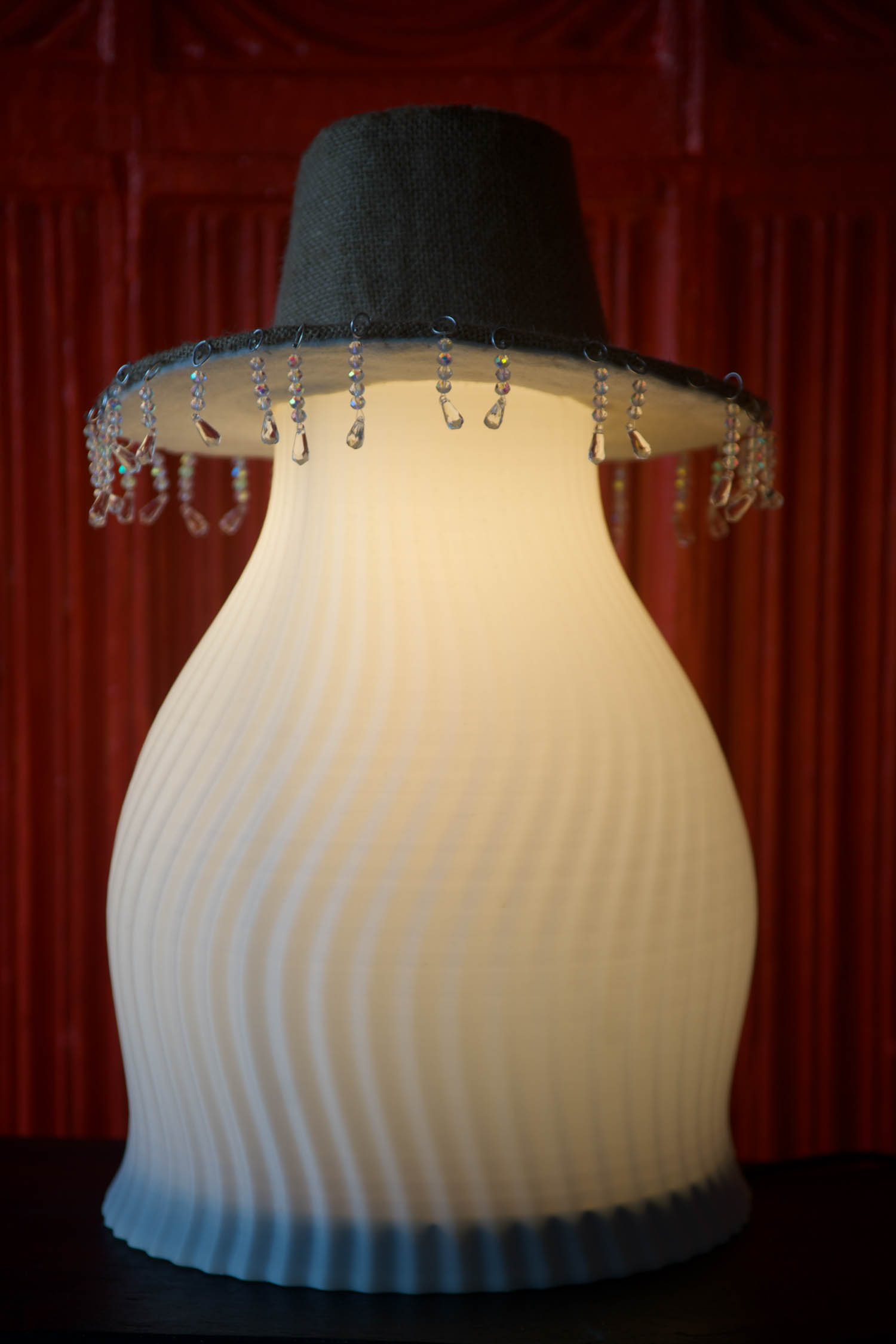
The Èyò Lamp draws inspiration from the iconic Èyò masquerades, white-clothed figures who appear during grand processions to honour the passing of a chief or Oba, guiding their spirit to the afterlife. These ancestral figures, wrapped in layers of flowing fabric, represent purity, transition, and the enduring bond between the living and the departed. Ezekiel Osunlana translates this powerful cultural symbol into a sculptural lighting piece that celebrates movement and lightness. The lamp’s soft, layered form recalls the cascading robes of the masquerades, while its glow captures the ethereal presence of the Èyò spirit itself.
The Throne: Homecoming by Uche Egele
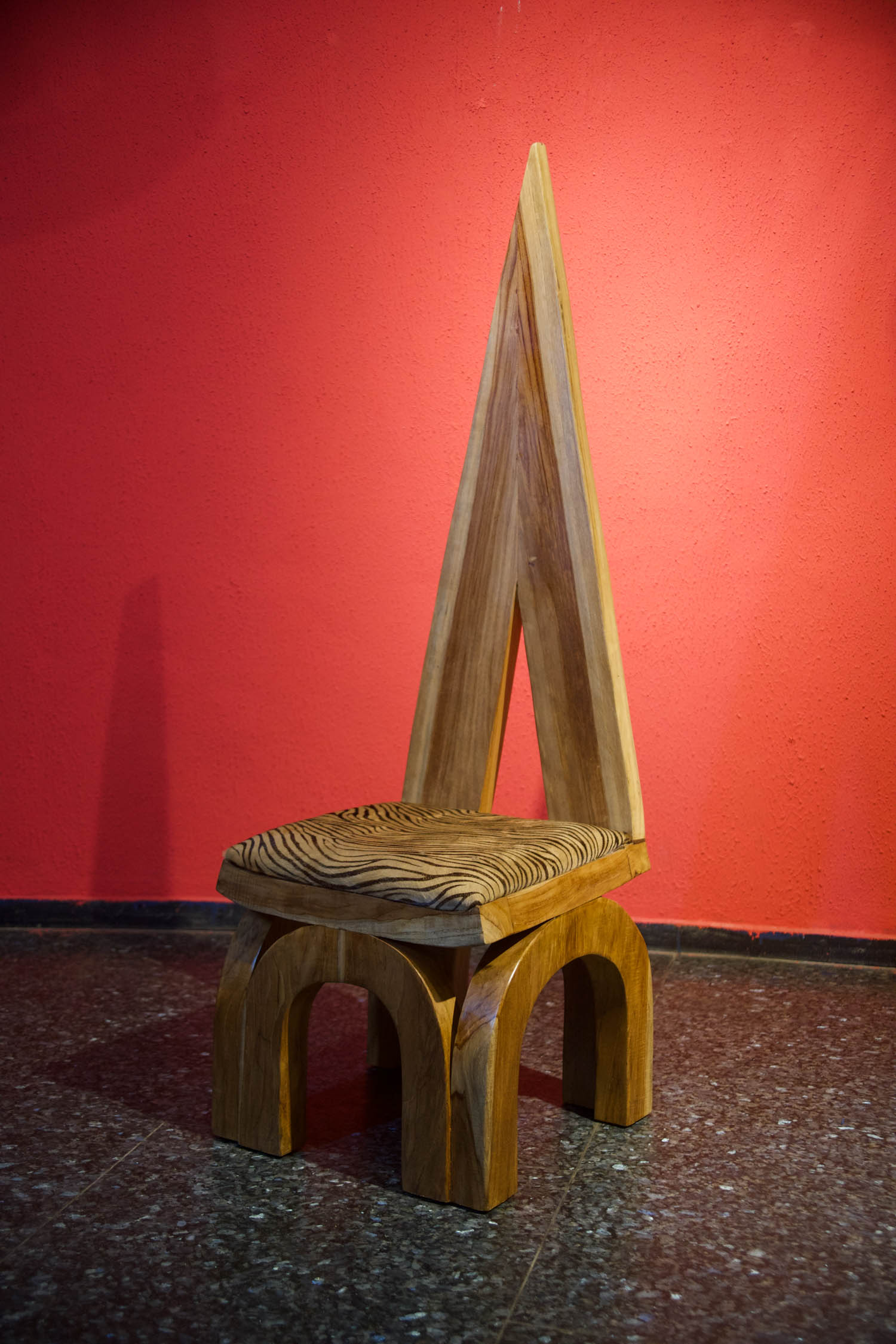
In The Throne: Homecoming, Uche Egele reimagines the seat of power as an intimate reflection on identity and belonging. The sculptural wooden chair bridges functionality and art, its tall triangular back and semi-circular base creating a silhouette that feels both ancient and futuristic. Egele draws from the language of royal regalia and sacred geometry, merging the elegance of tradition with the precision of contemporary design. A leopard-print leather cushion anchors the piece in heritage, recalling the symbolism of strength, nobility, and continuity found across West African cultures.
Bu Stool by Péroline Zoé Gonçalves

Péroline Zoé Gonçalves’s Bu Stool embraces maximalist expression through African symbolism. Its engraved surfaces draw from the masks of Burkina Faso which not only merge ancestral iconography with modern geometry but creates a visual narrative from a new element of structure. Both bold and balanced, it celebrates identity as ornament, a meeting of past and present etched in wood.
The Resonance Table by Gbemi Elekula
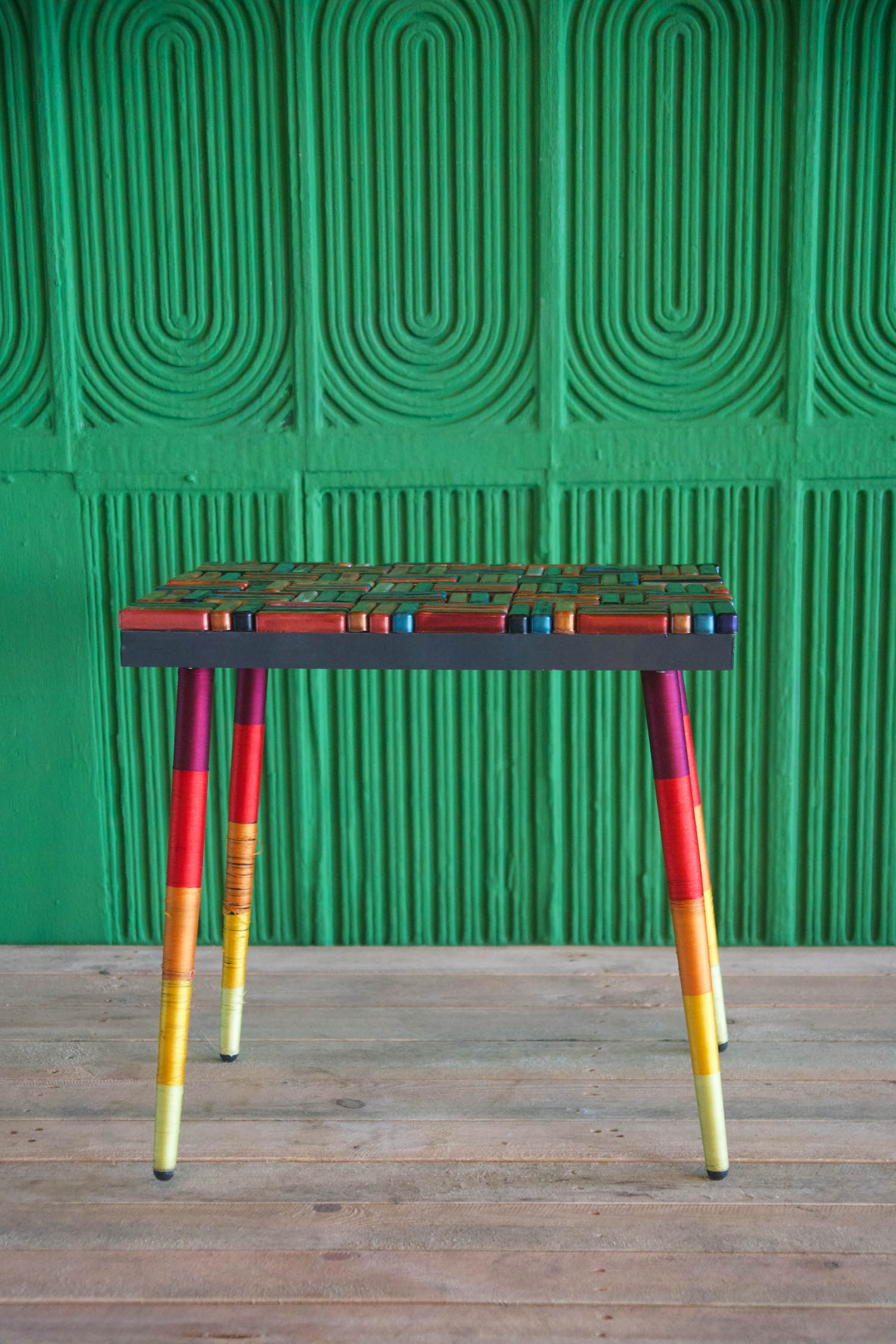
Part of the Symphony Collection, The Resonance Table by Gbemi Elekula fuses resin, wood, and nylon yarn into a chromatic composition. The woven surface pulses with color and rhythm, like notes harmonizing across a score. It’s furniture that doesn’t just sit in space, it sings.
Odo Stacked Stool & Bale Layered Stool by Temidayo Johnson/KVN Studios
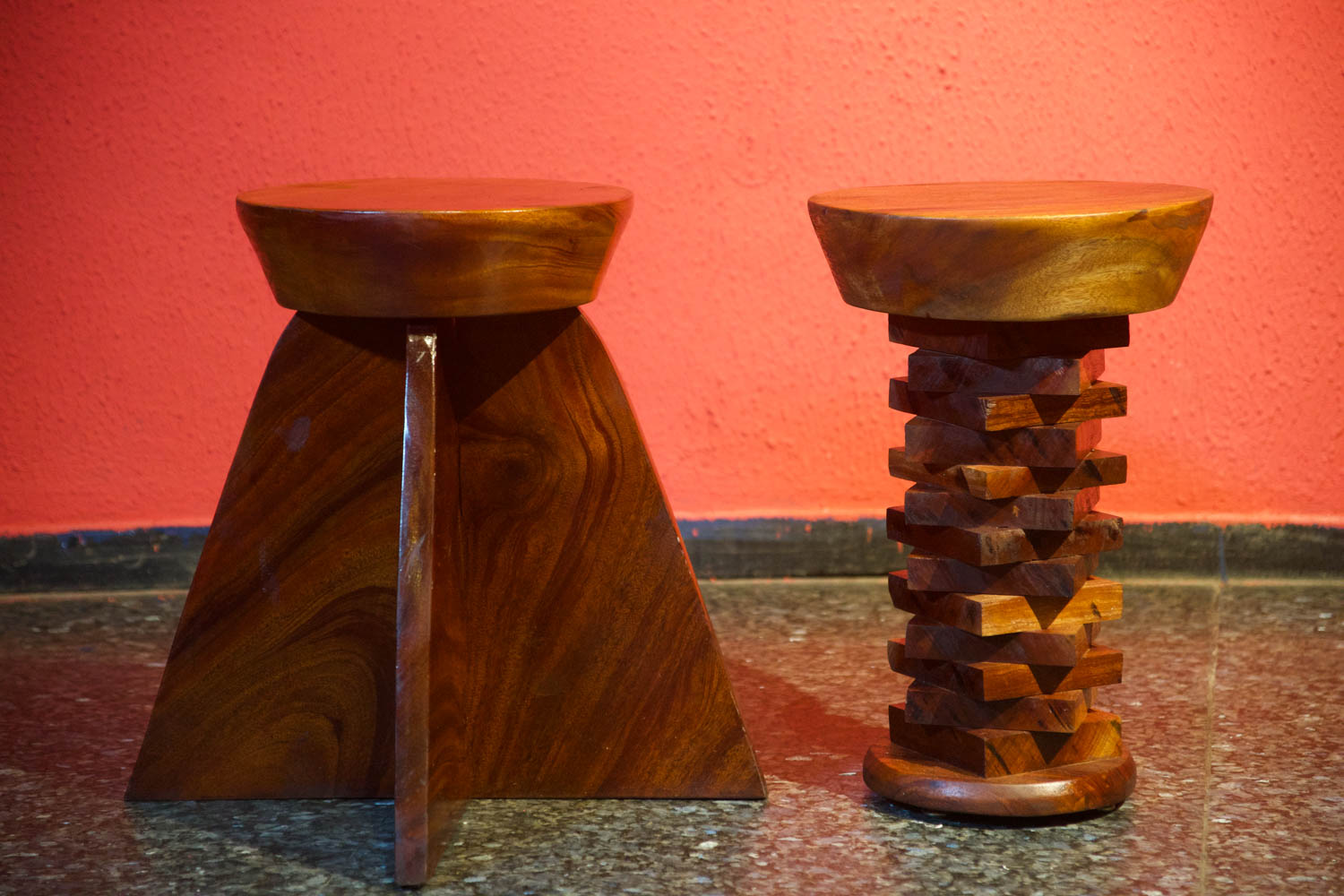
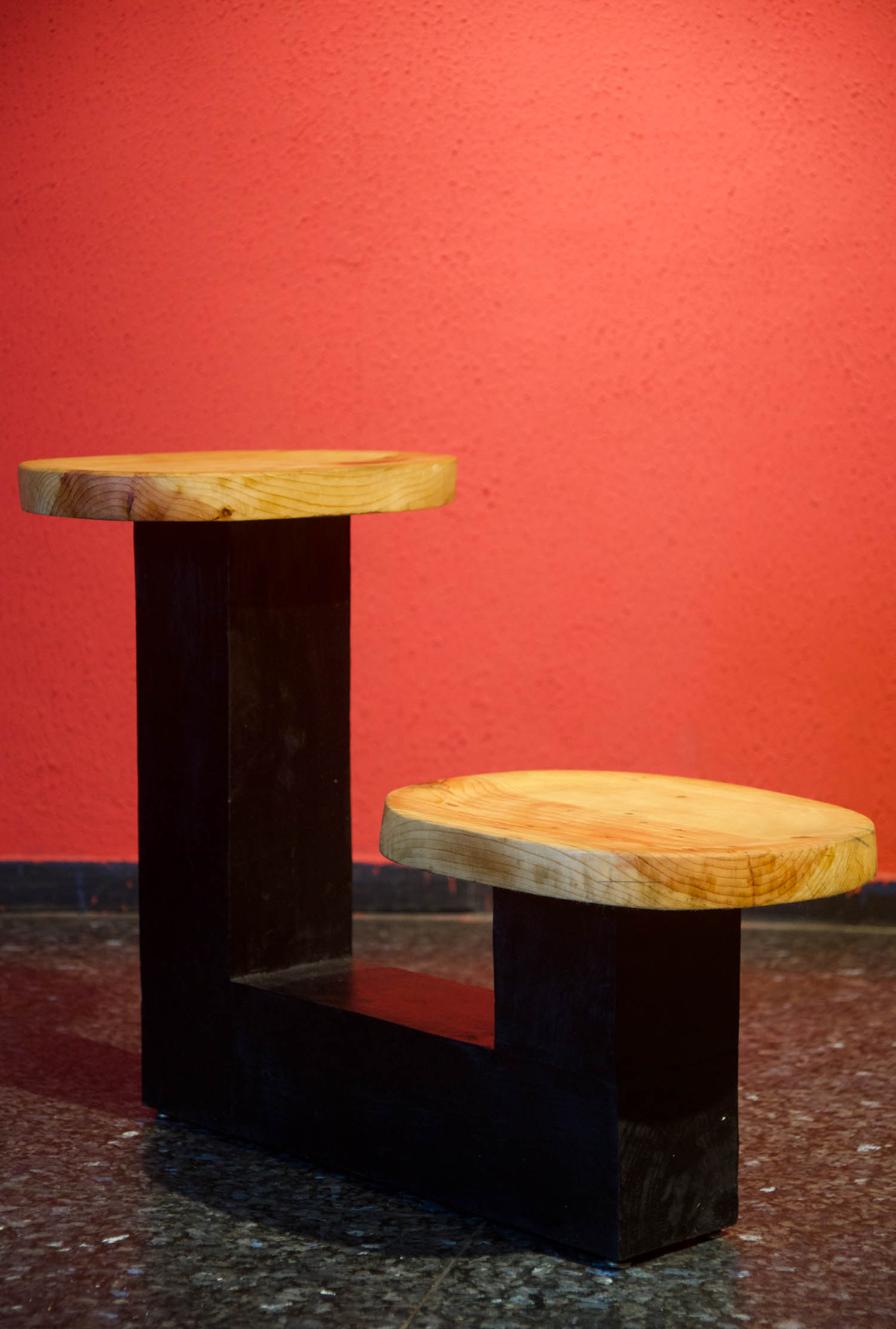
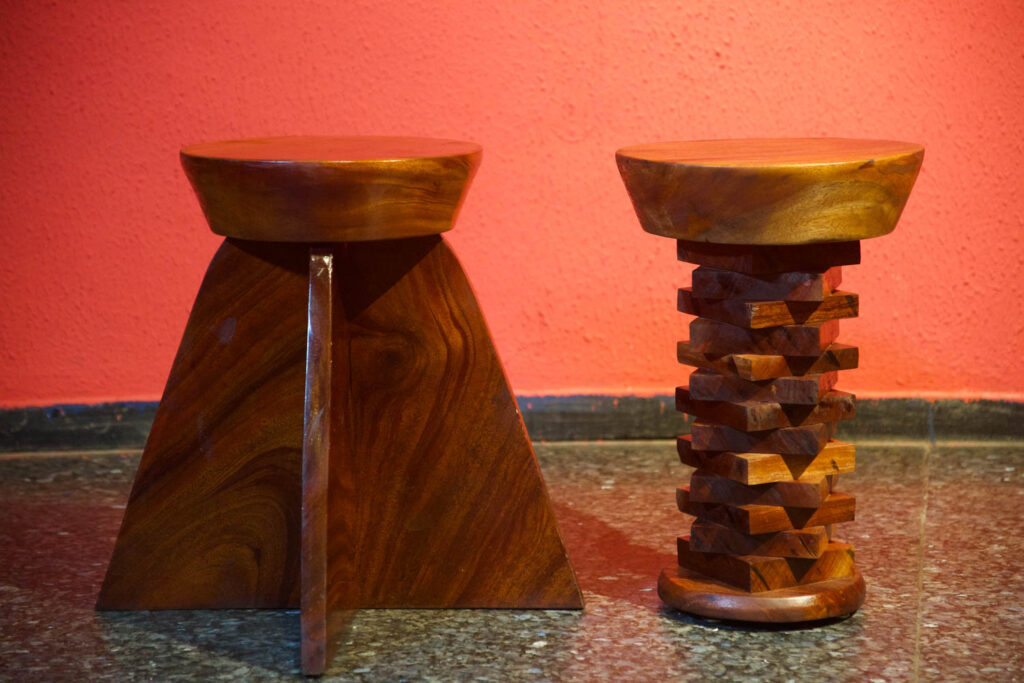
Temidayo Johnson’s work with KVN Studios continues his exploration of rhythm, reverence, and the quiet intelligence of form. In the Odo Stacked Stool, he draws inspiration from the African mortar, transforming a domestic object into a sculptural meditation on repetition and ancestry. Its stacked wooden layers rise like musical beats, each one echoing the pulse of communal life, the sound of work, gathering, and continuity. The Bale Layered Stool deepens that conversation through gesture and meaning. Rooted in Yoruba expressions of respect, its layered structure mirrors the physical act of prostration; an embodied language of humility and honor. Together, these pieces reveal Johnson’s design philosophy: that rhythm and ritual are not opposites but partners.
Noryn TV Console by Fred Adekunle
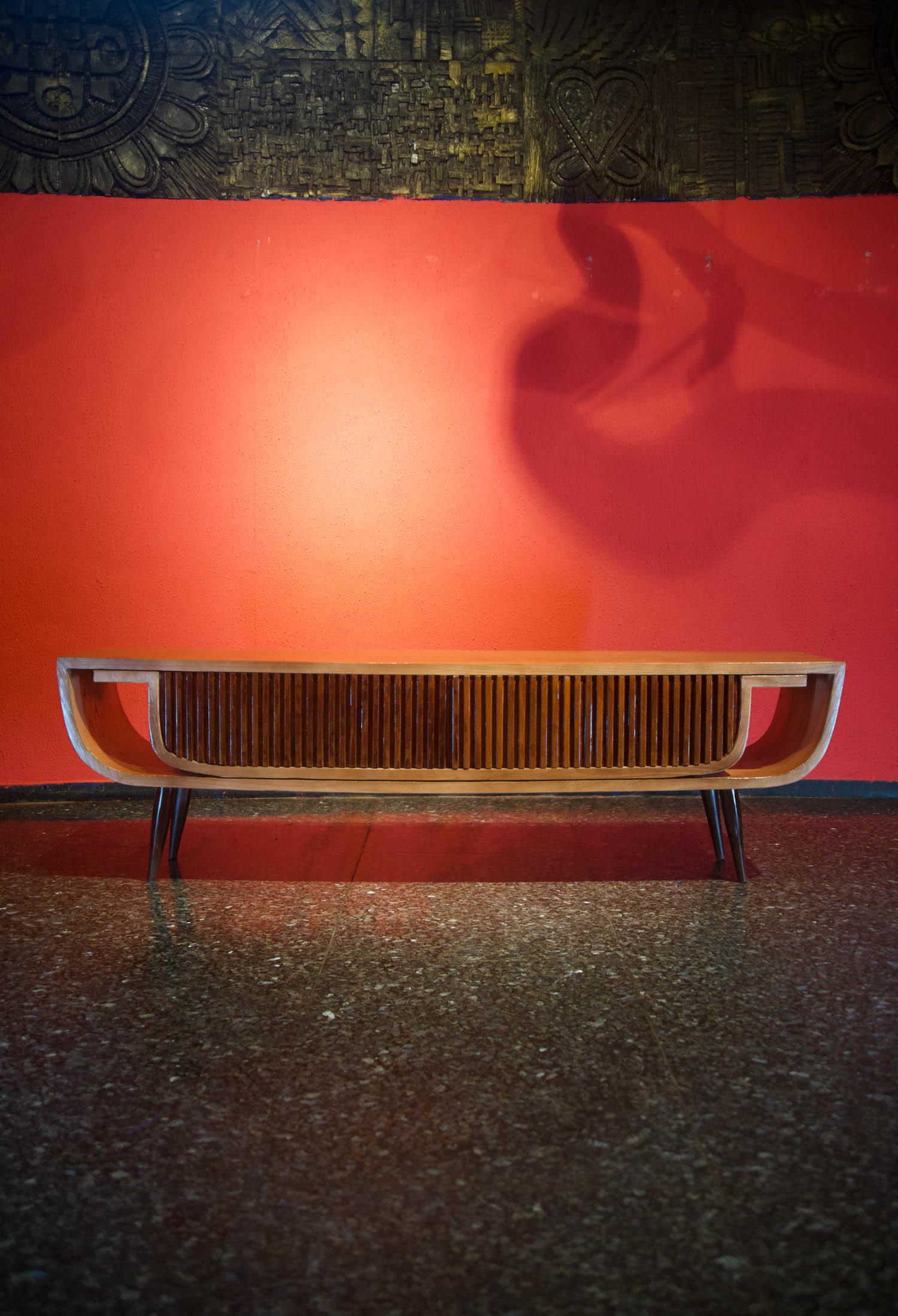
The Noryn TV Console reflects Fred Adekunle’s devotion to balance, proportion, and clean geometry. Defined by its interlocking steel structure, the piece brings together strength and refinement in equal measure. Its minimalist silhouette is elevated by careful engineering, where every joint and line feels intentional and fluid. Though modern in form, Noryn carries a quiet boldness; its sculptural presence transforms a simple piece of furniture into an architectural statement. Designed to command attention without overwhelming a space, it reflects Adekunle’s philosophy of merging functionality with artistry.
read more

DesignWire
Designers And Manufacturers On The Move: September 2026 Edition
Interior Design‘s latest On the Move includes must-know industry promotions and hires, like Perkins&Will’s strategic move to expand its design capabilities.
DesignWire
10 Questions With… Artist and Designer Conie Vallese
From sculpture and ceramics to glass, textiles, and furniture, Conie Vallese embraces a multidisciplinary practice shaped by curiosity and creativity.