
Hospitality Giants of Design Talk Industry Innovation And More
Days before the opening of BDNY in Manhattan, one of the industry’s most anticipated hospitality design shows, Interior Design Editor-in-Chief Cindy Allen gathered a group of exceptional thought-leaders at Penn 1 to talk hospitality design. And in a room packed with top-tier talent—including several Hall of Famers—the conversation was anything but ordinary.
After a warm introduction from the group, which included more than one memorable design anecdote, Allen asked attendees how AI is impacting business and changing the way they work. “I use it everyday; I use it as a talking partner,” said one designer, noting that the tool serves as a sounding board to test ideas, even helping to refine important presentations for clients. Another attendee noted that AI creates a more streamlined workflow, helping to keep the full design process in-house rather than sending plans out to a rendering firm, for example. “I call it putting the tool back in actual designer’s hands,” she said.
While many in the room were optimistic about the potential of AI tools to save time and ease workflow, others were skeptical about its lasting impact on the industry’s creative output, cautioning against “model collapse,” given that AI relies on existing information to produce its responses. “We’re becoming more focused on storytelling than visual design and that scares me,” said one designer. “We say ‘design a desk in the style of X person’ and [the AI tool] does, but it also takes the beauty out of what we do.”
Echoing that sentiment, another attendee said: “We learned through the apprenticeship model; if that collapses then all we’re doing is trying to get results, results, results. How does someone now start to learn all the things we learned?”
As design firms continue to grapple with and implement various AI tools into their creative processes, the same is happening on the client side. “We have clients coming in with full renderings and saying ‘we want this,'” said another attendee. “Sometimes clients are not interested in the process and why we do what we do.” But others asserted that problem-solving centered around emotional exchanges remains at the heart of the design process, which makes it a people-first profession that cannot be so easily replaced by AI models. “The responsibility falls on us to educate clients.” offered one designer. “Our value is bringing the right [concept] to the client,” said another.
Highlights From Interior Design‘s Hospitality Giants of Design Roundtable
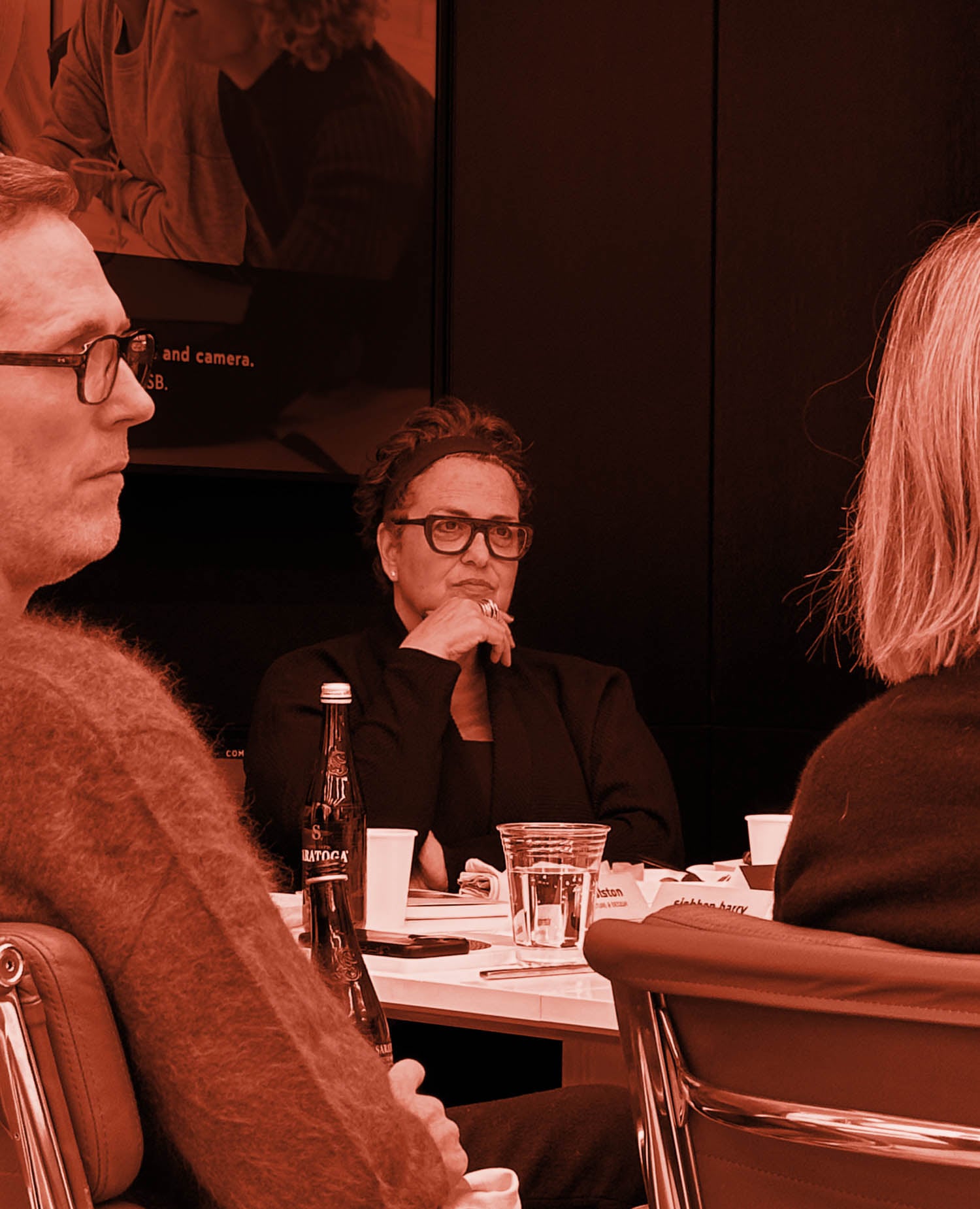
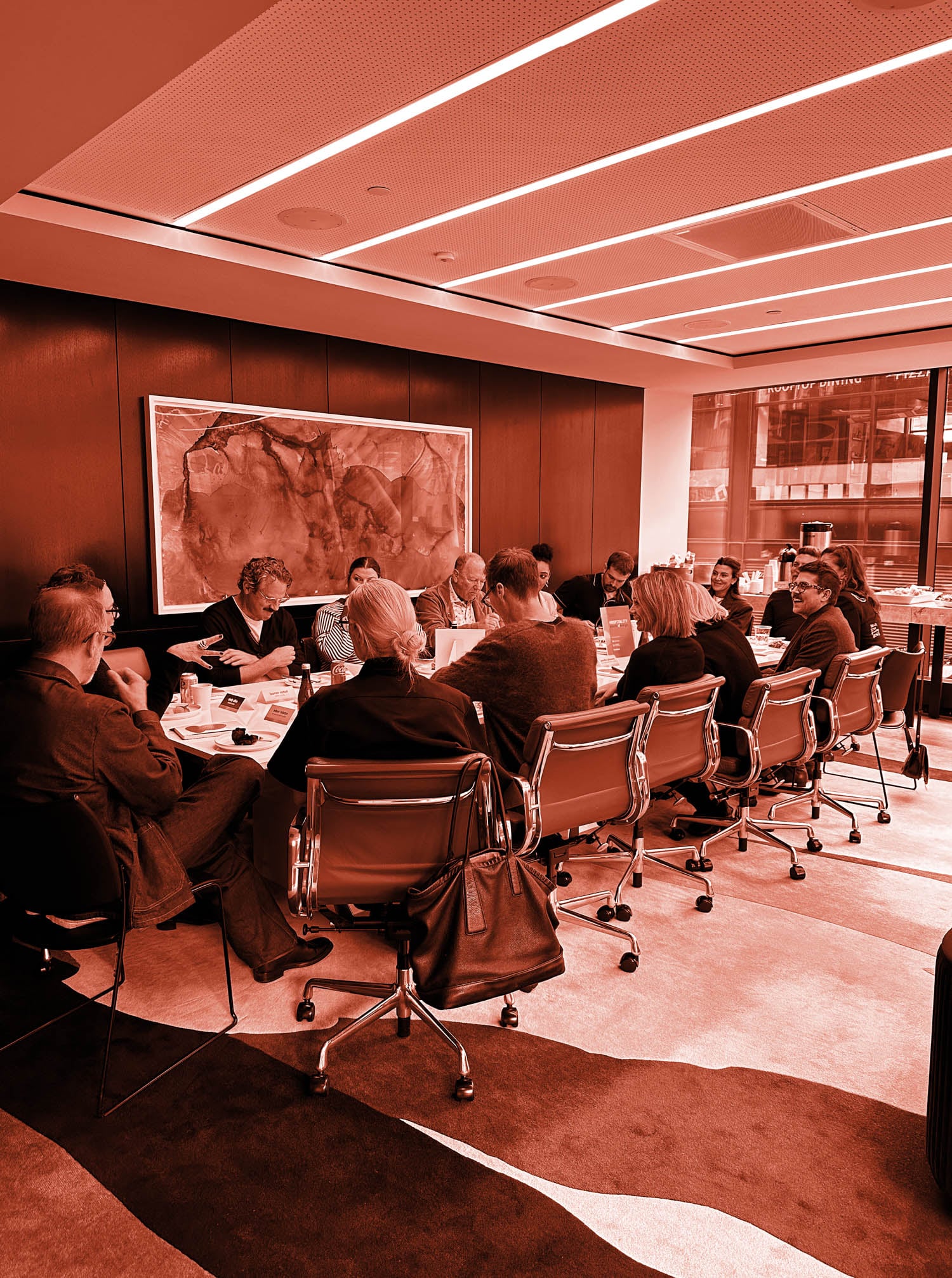
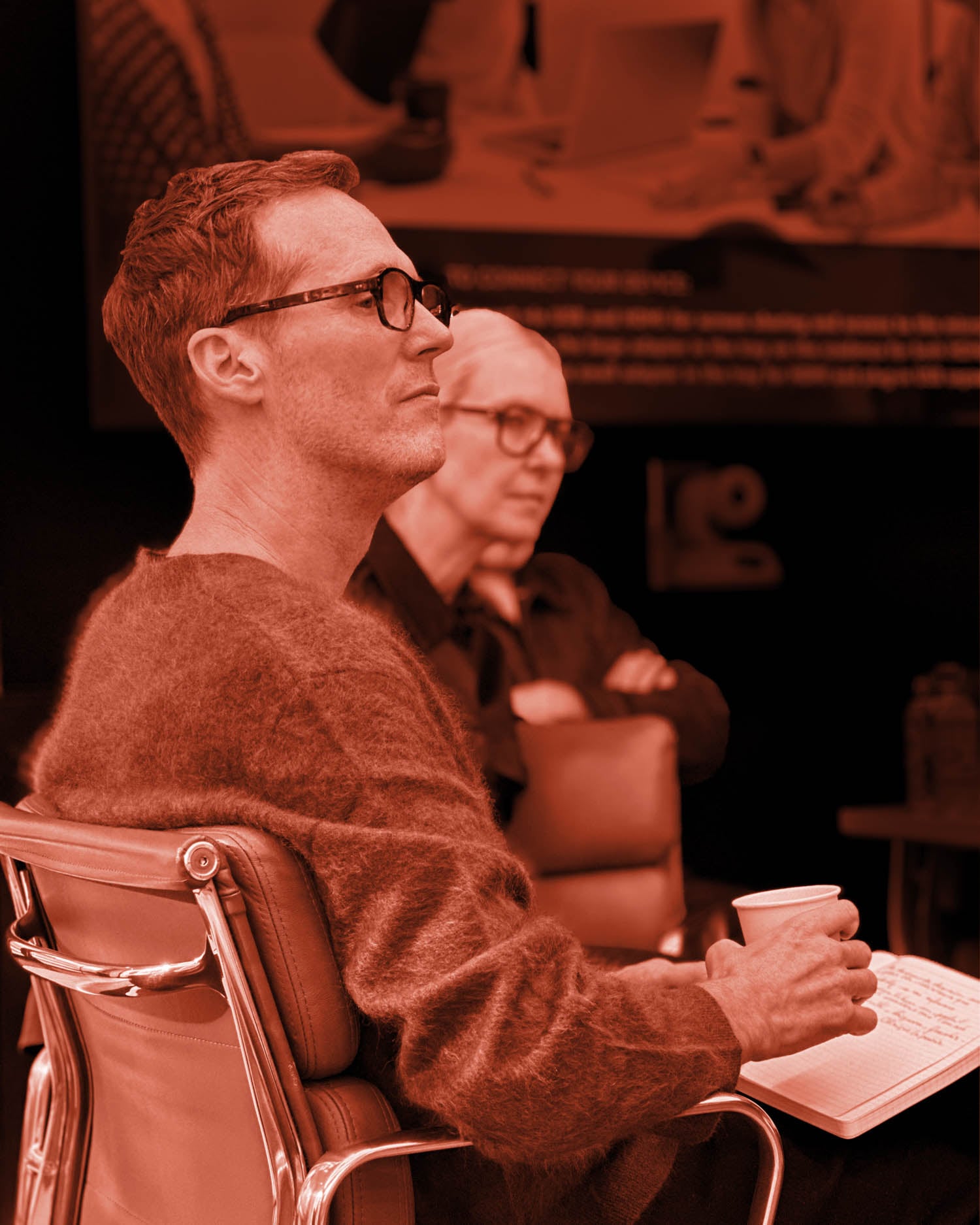
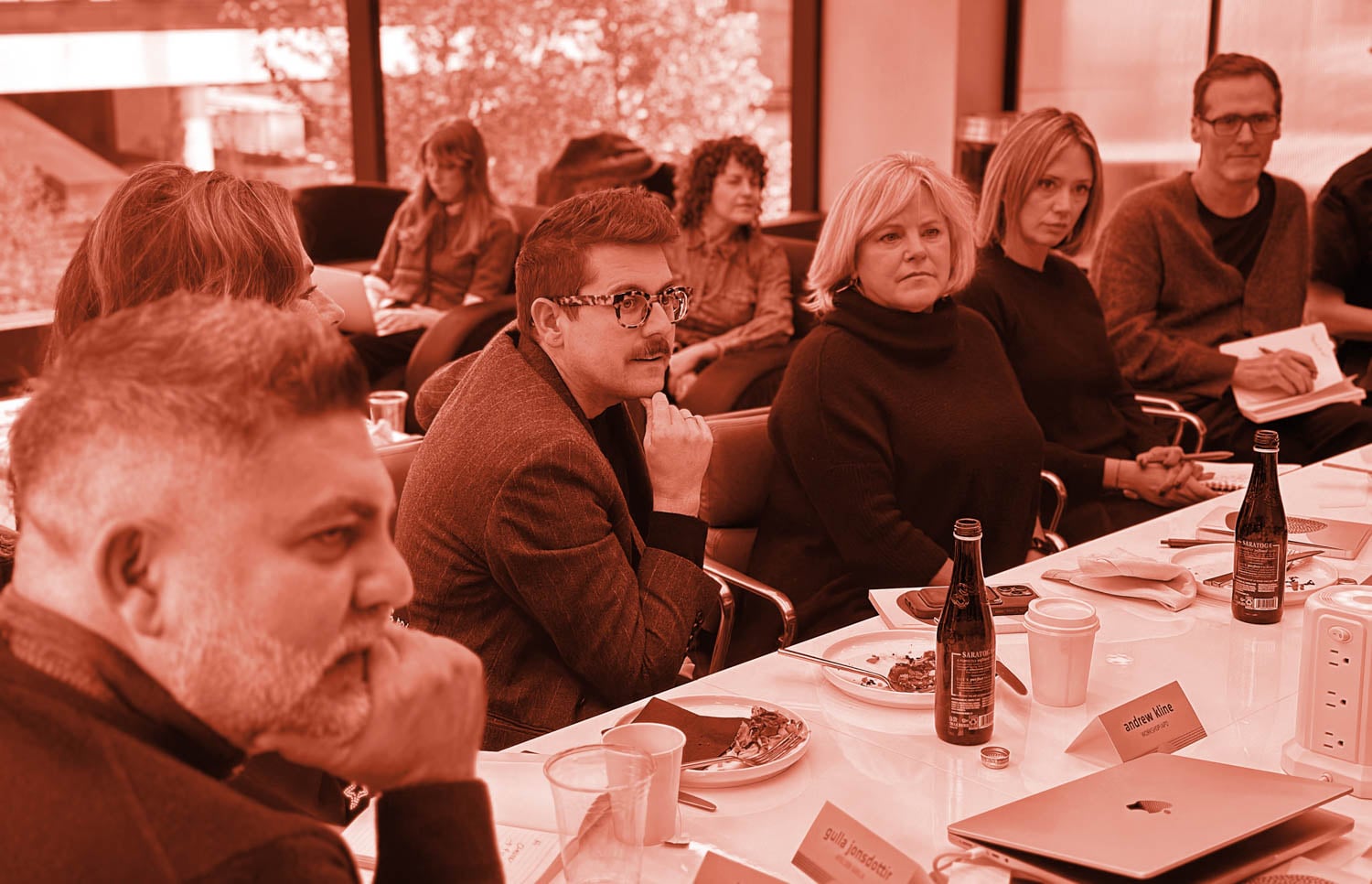
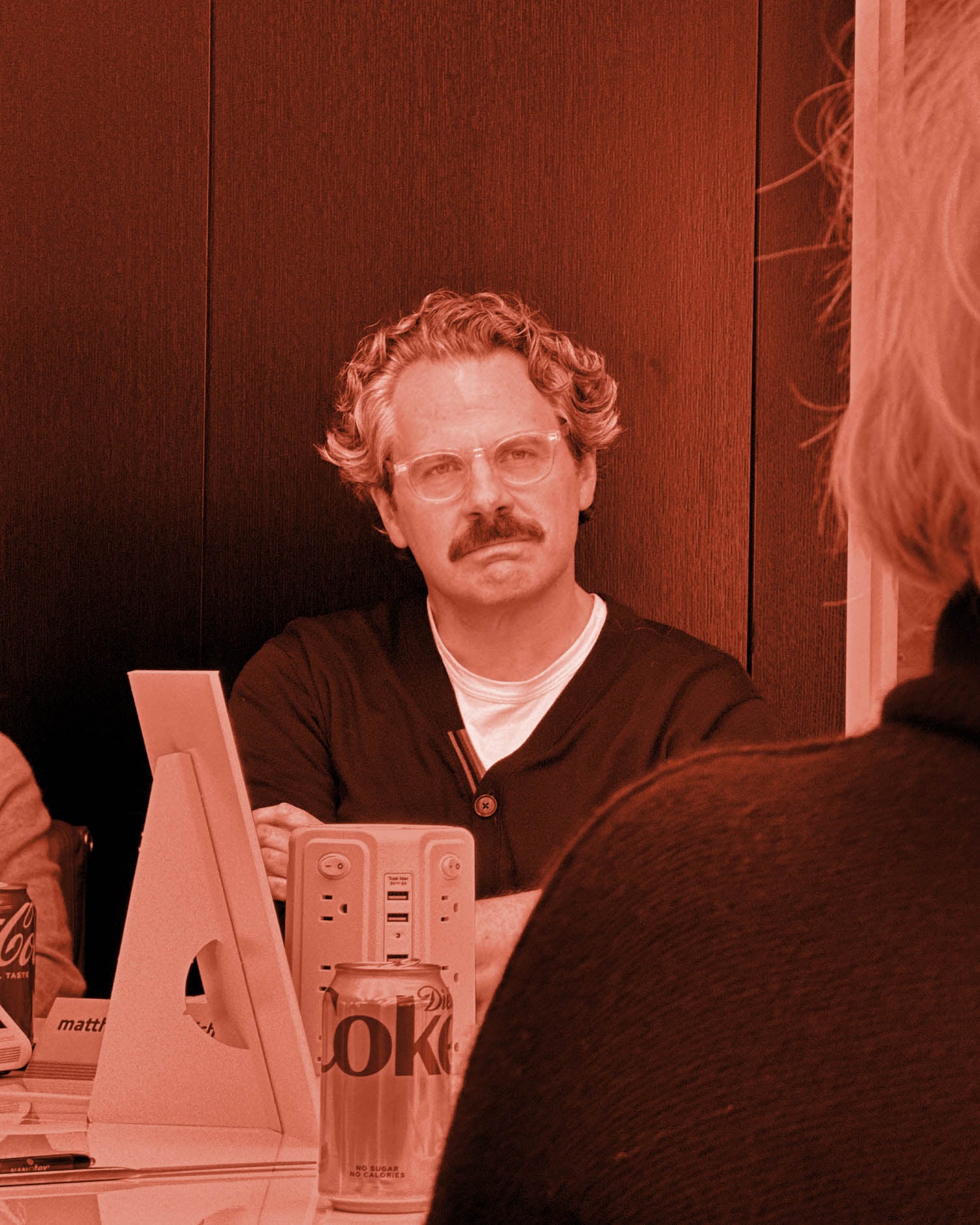
One question top of mind is: Why would young people want to join the interior design field? To this, Allen chimed in on the importance of passion and mentorship. “When I talk to young people, I ask: what’s their engine? Who is somebody whose work you love?” she shared. “It doesn’t matter who it is, you have to find people you yearn for.” That rings especially true in the realm of hospitality, where designers are tasked with creating memorable, often wildly unique, experiences.
“People think if a space looks a certain way, it’s going to be hospitable,” said one attendee. “Everyone thinks it’s a magic bullet and that it’s easy.” That certainly is not the case, especially as designers are increasingly tasked with implementing wellness and lifestyle elements into hospitality locales. A hotel, for example, often is viewed as a space that extends beyond one stay. “We have to be business people in a way we never used to be,” shared a designer, noting that spaces often need to serve multiple purposes and types of clientele. Whether amenity-rich spaces invite the surrounding community in, or maintain exclusive access for guests, the use of such amenities is receiving more care and consideration than ever.
As for sustainability, attendees agreed client demand often is dependent on financial considerations, favoring options that drive down costs in the long-term, like energy-saving elements. From hotel rooms with thermostats capped at 68 degrees to signs encouraging guests to save their towels, some clients are taking sustainability into their own hands in ways that, at times, impact the guest experience.
For hospitality designers, longevity also factors into the equation. “We design things to last past the seven-year itch for hotels,” said one attendee, adding that his firm also specifies materials that can be recycled at the end of a building’s lifecycle. Another creates hospitality interiors that can be transformed over time. “Interiors can fail gracefully and that’s the way we try to approach it,” he shared.
As the discussion came to a close, designers stressed the importance of empathy, connection—with clients and colleagues—and authenticity. “As more things become the same, the eccentrics at the margins will be celebrated,” said one attendee. “That pushes us to be as bold as we can and as weird as we can be,” he continued as everyone nodded in agreement. Importantly, strong teamwork and a love of design sets apart the good hospitality locales from the great. “If we don’t put good things into the cake, how can you get a good cake?” offered another. A point emphasized by the group—all of whom are cooking up unmatched designs.
A very special thank you to our event partners Crypton, Kimball Hospitality, Kvadrat.
read more

DesignWire
10 Questions With… Sculptor Aminata Mboup
Aminata Mboup discusses her practice, inspirations, fluidity between disciplines, as well as her unique approach to materials.
DesignWire
10 Highlights From Amman Design Week
Amman Design Week 2026 gathers a host of regional designers and architects under the theme ‘Accumulations.’