
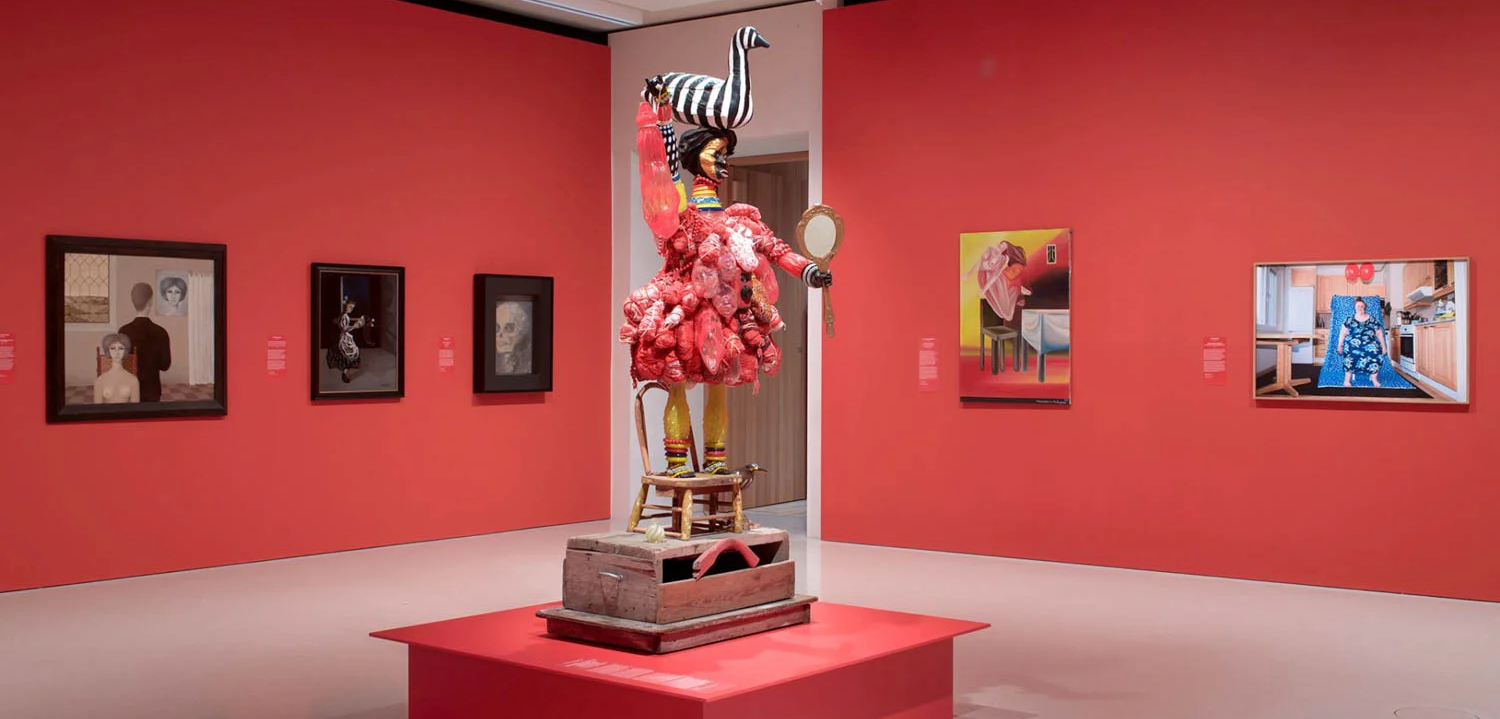
200 Works By Female Artists Make A Statement At Museum Of Modern Art In Warsaw
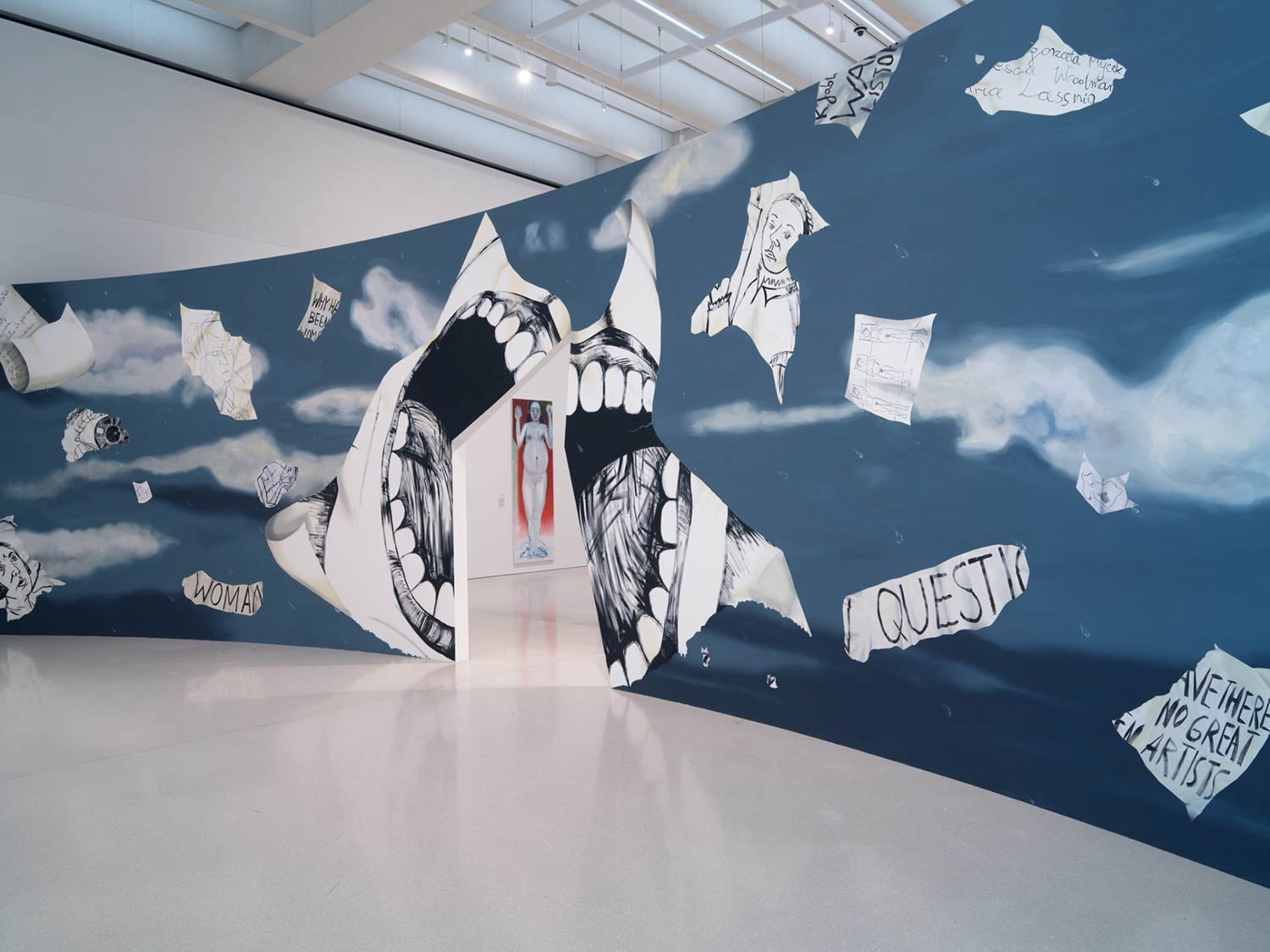
An exhibition truly thrives when the spatial narrative becomes a quiet frame that allows the art itself to speak. This thoughtful confluence of art and design is exemplified in “The Woman Question 1550-2025,” a new exhibition featuring 200 works by nearly 150 female artists at the Museum of Modern Art in Warsaw. Designed by Dorota Terlecka of Biuro Kreacja and housed within a contemporary building, the show’s spatial layout deliberately steps back, allowing the artwork to speak for itself.
Curated by Alison M. Gingeras, the works on display offer a history of art through a female perspective. Spanning more than five centuries, “The Woman Question 1550-2025” is vital in articulating a narrative that reveals the complexity and continuity of women’s artistic production, especially within a field long entrenched in the male-dominated canon.
Behind The Design Of ‘The Woman Question 1550-2025’
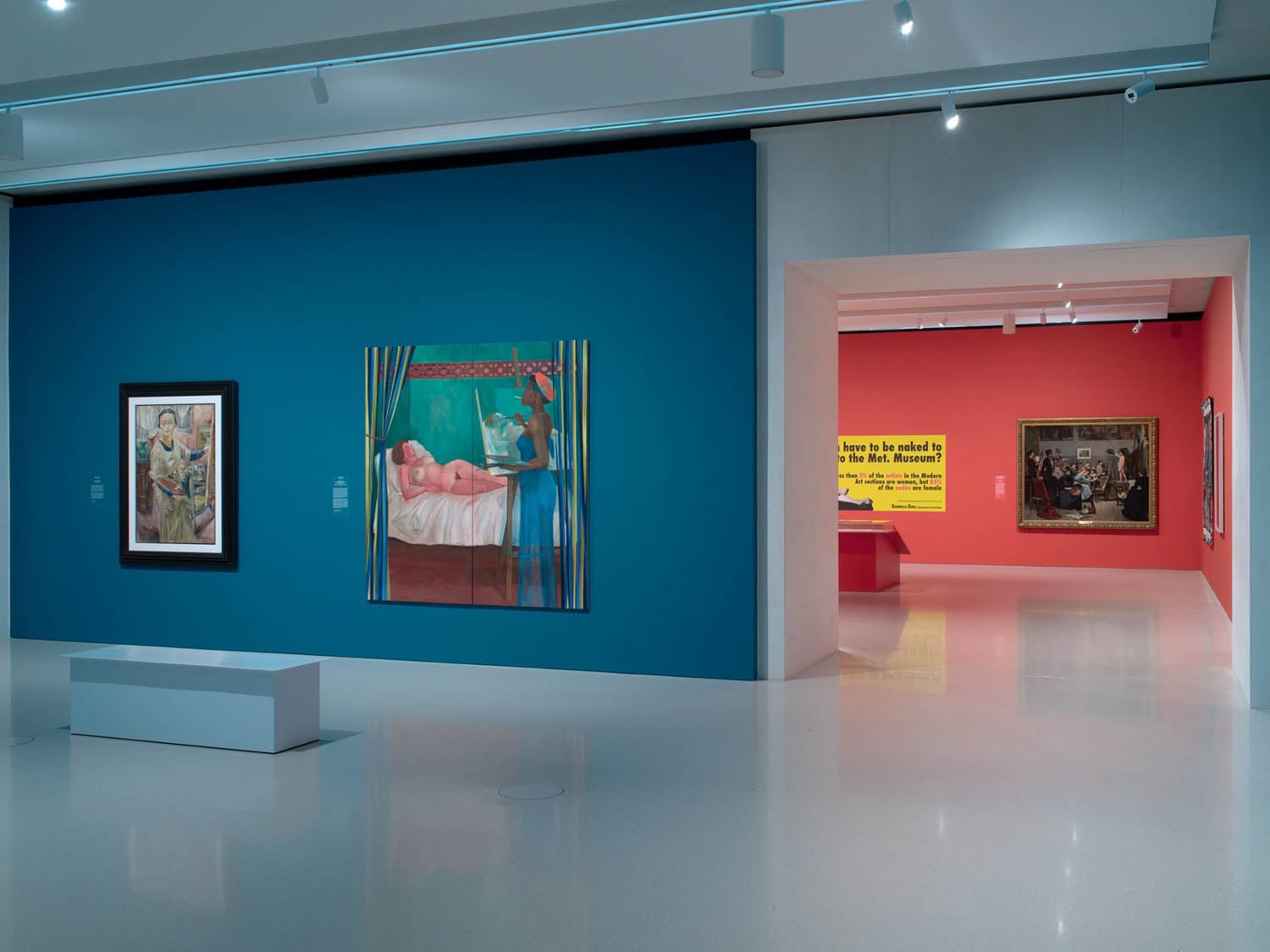
Gingeras highlights the significance of presenting this exhibition within today’s cultural environment. “At a moment when gender is again intensely politicized, historicized, and contested, I wanted to show that women’s visibility in art, culture, and philosophy has always been cyclical, repeatedly asserted, repeatedly erased.”
To allow the exhibition’s nine thematic sections to unfold organically, Terlecka designed a spatial environment that enables movement through this layered narrative. Minimalist structures, carefully calibrated spatial proportions, and a neutral color palette underscore the exhibition’s philosophy, serving as a supportive medium for curatorial vision. For Terlecka, the true success of spatial design lies in creating a feeling where nothing stands in the way of perception. Allowing the exhibition to “fall silent” was a conscious choice; by reducing visual noise, silence functions as an active strategy–organizing, connecting, and stabilizing the visitor experience.
Minimalist Structures + Neutral Palettes Give Focus To The Art
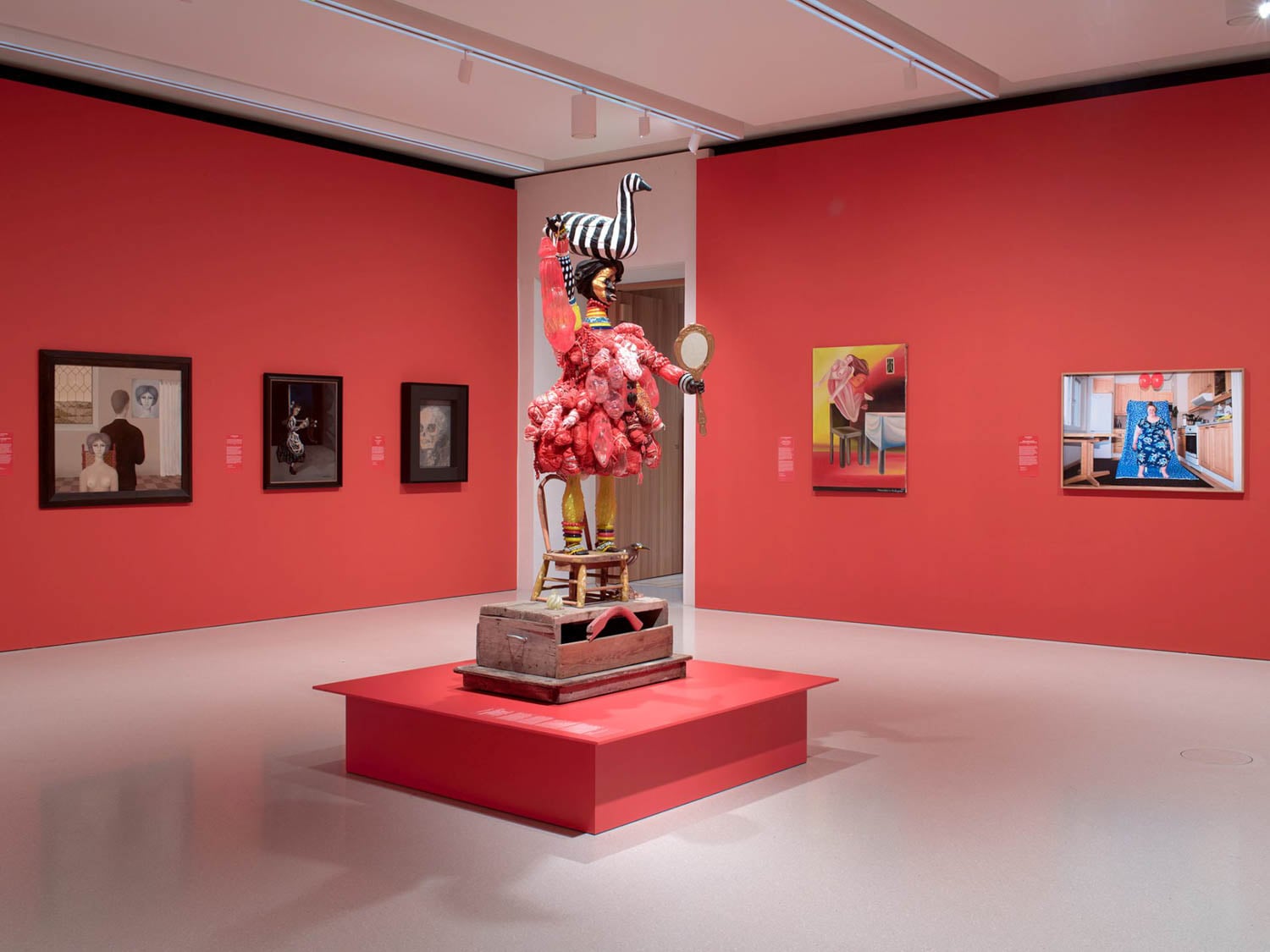
Terlecka explains that the primary goal of her spatial design was to guide visitors seamlessly through each of the nine sections. “Several elements support this experience,” she says, including “the carefully considered wall colors, simple display cases adapted for accessibility, and benches that invite rest or moments of reflection. The spatial experience becomes part of the encounter with the art.”
Visitors engaging with the expansive scope of “The Woman Question 1550-2025” are likely to leave with a renewed sense of empowerment. Gingeras reflects, “I hope visitors leave understanding that women’s presence in art has never been accidental or marginal, but also never secure. This exhibition does not offer closure; it asks viewers to recognize themselves as participants in an ongoing question rather than observers of a completed past.”
Inside The Exhibit At The Museum Of Modern Art In Warsaw
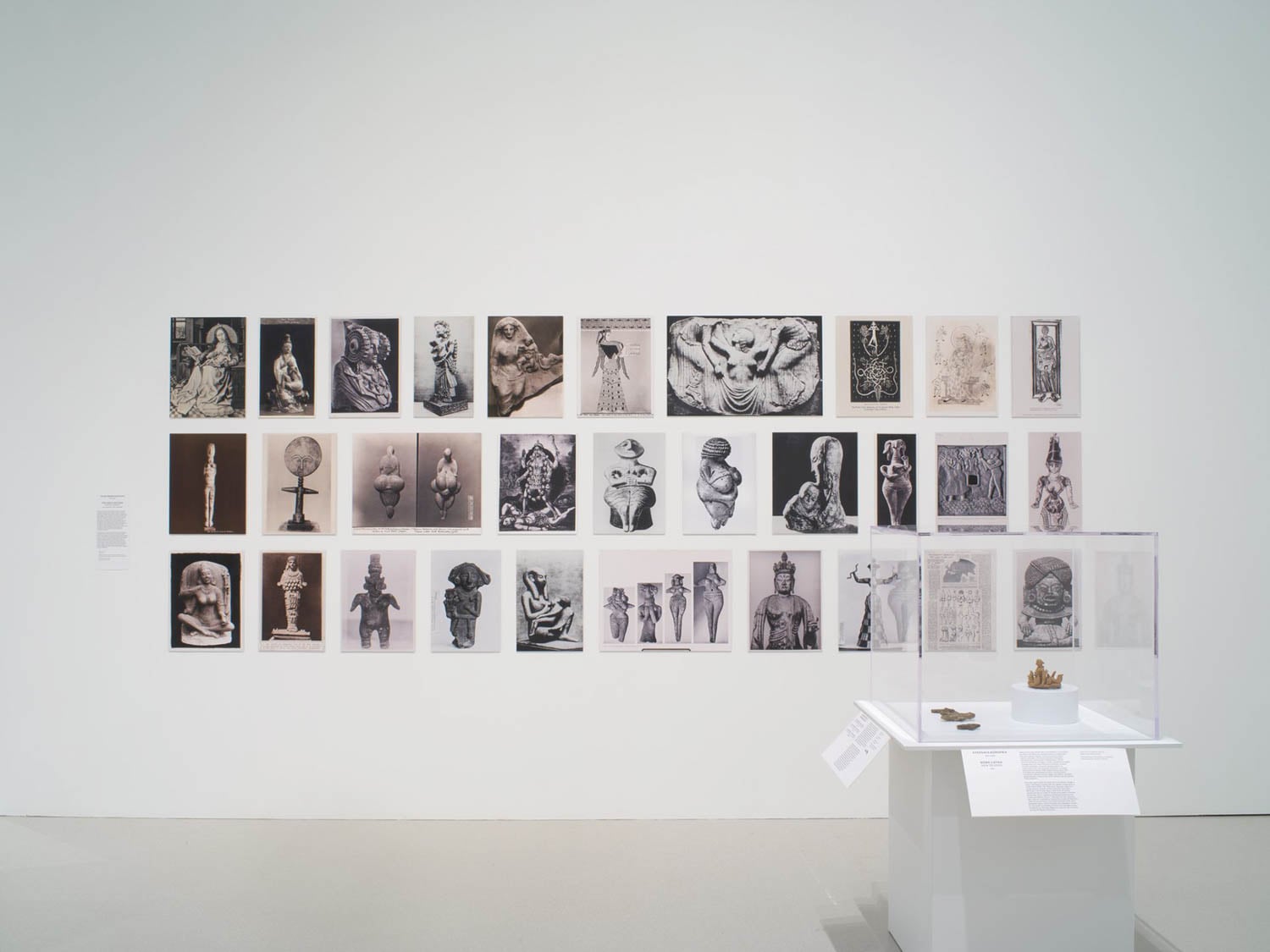
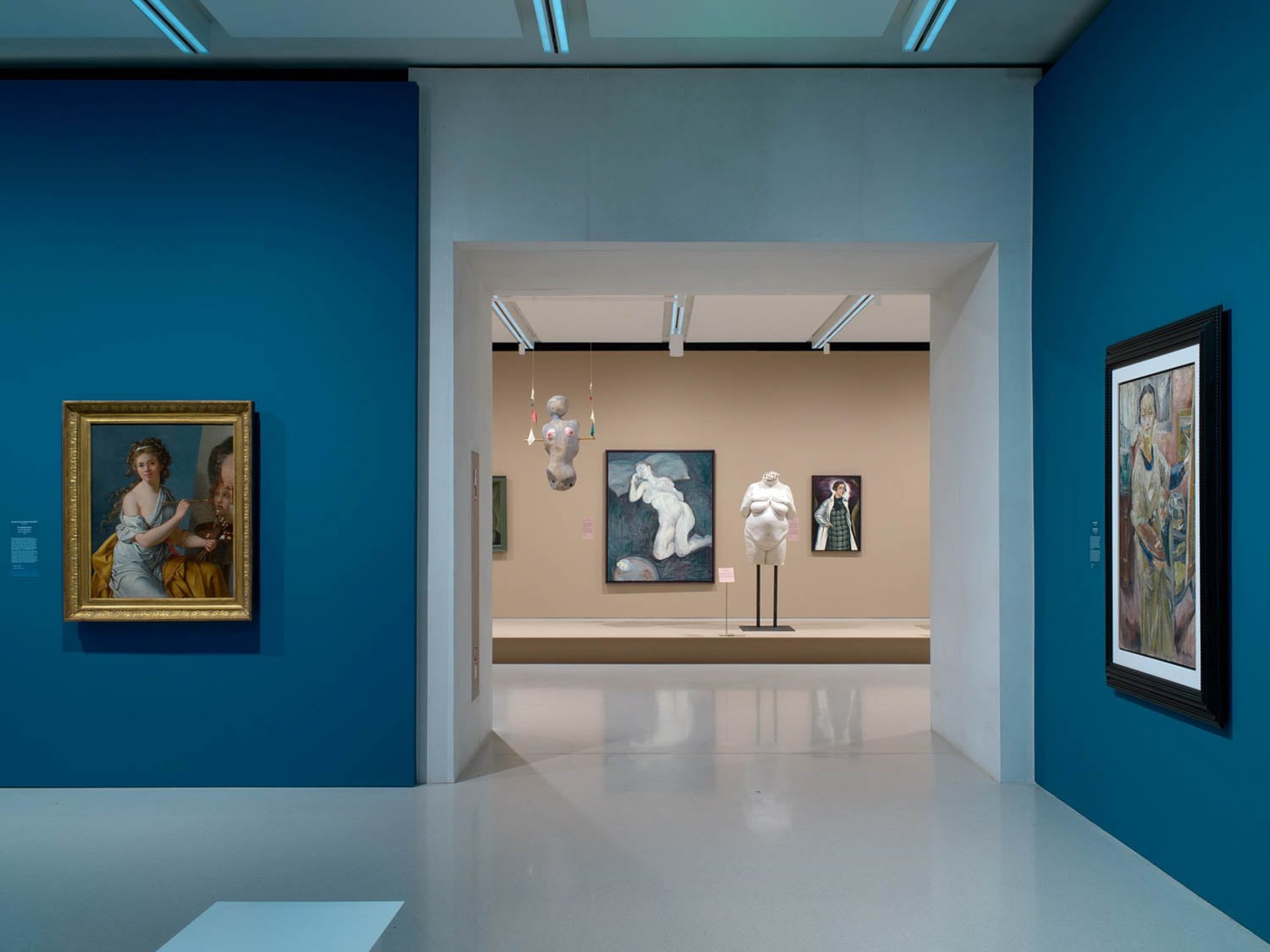
read more

DesignWire
Designers And Manufacturers On The Move: September 2026 Edition
Interior Design‘s latest On the Move includes must-know industry promotions and hires, like Perkins&Will’s strategic move to expand its design capabilities.
DesignWire
10 Questions With… Artist and Designer Conie Vallese
From sculpture and ceramics to glass, textiles, and furniture, Conie Vallese embraces a multidisciplinary practice shaped by curiosity and creativity.